The Challenge

Because they rotate at very high speeds and experience high torque forces, driveshafts must be precisely balanced and weighted. Inferior driveshafts can cause problems that affect the drivability of the vehicle.
Most commonly made of steel, a driveshaft transfers power from the transmission to the wheels of a vehicle. As the drive for light weighting increases the range of materials used in automobiles, composite driveshafts are now being developed; made of carbon and polymer fiber that are designed to break into small fiber fragments upon failure, increasing safety. Composite driveshafts are also lighter weight (than typical steel) with higher torque capacity, higher rpm value, and reduced noise and vibration.
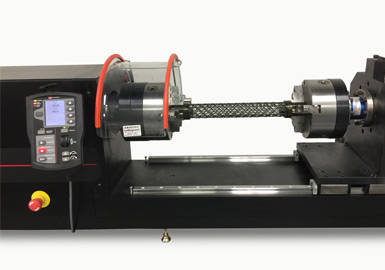
Determining the torque and rotation properties of driveshafts is critical to determine the performance and quality of these safety critical components.