
ISO 75和ISO 306對高溫聚合物的HDT和VST測試
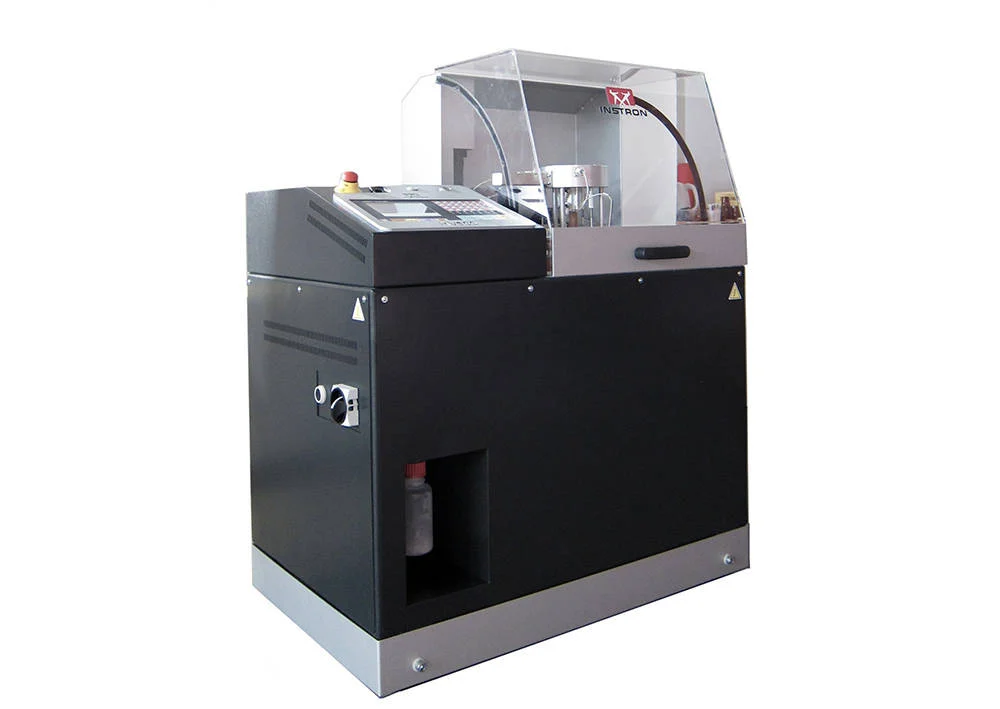
傳統矽油一直是聚合物熱變形溫度(HDT)和維卡軟化溫度(VST)實驗最常用的測試介質。測試原理和過程很簡單,以矽油為基礎的測試系統都非常完善,但是他們的安全使用溫度最高只能到280°C。
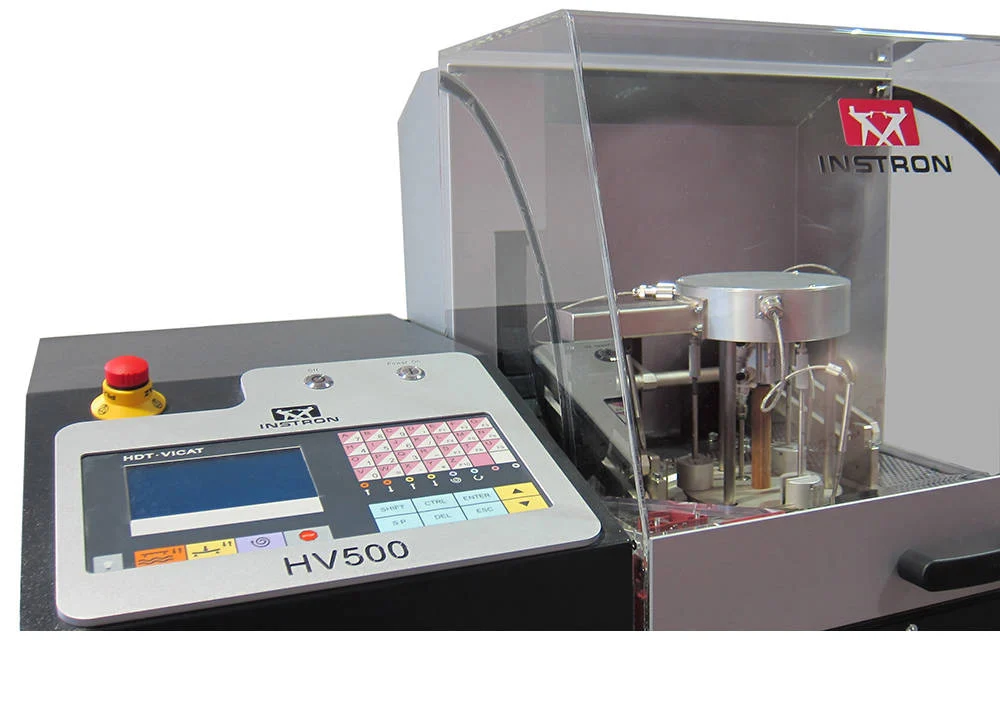
隨著高溫聚合物如聚醚醚酮(PEEK)和聚乙烯亞胺(PEI)在聚合物產業中的需求不斷增加,由於其較高的機械性能和熱性能,所以就需要另一種測試介質,因為他們有高於矽油可以使用的HDT和VST。我們以CEAST HV500,利用氧化鋁流體浴,依據ISO 75-1&2和ISO 306方法B,執行高溫和低溫測試,我們測試溫度梯度為50℃/h和120℃/h不同級別的PEEK、聚苯乙烯(PS)、聚碳酸酯(PC)、聚醯胺(PA)、聚苯硫化物(PPS,40%的玻璃填料、聚丙烯(PP,15%玻璃填料),且符合上述ISO標準。
我們將氧化鋁系統所獲得的結果與HDT小於280°C的傳統矽油系統相比,同一批試樣的12個樣本量,測試的統計分析表明,兩種加熱介質的測試結果重複性和再現性非常好,最大的差異只有5%。我們推薦的氧化鋁流體浴系統,可用於高溫聚合物,其HDT或VST高於280°C。溫度較低的聚合物也用氧化鋁流體浴系統進行測試,測試結果顯示,與從傳統的矽油系統得到的結果有良好一致性。
Instron HV Series for HDT and Vicat Testing
The effect of temperature on the mechanical properties of plastic materials has a fundamental role in the design of components, especially in the selection of materials. Unlike metals and ceramics, plastics are extremely sensitive to the slightest changes in temperature. The selection of plastics for applications under different temperatures is a complex task. The material must be able to support a stress under operating conditions without losing its strength and without critical distortion. The effect of temperature on geometrical stability and mechanical properties in general can be studied following different procedures and methods like at constant temperature or with a temperature ramp.
- 产品
- 06/21/2018
- 1.15 MB
