Instron

고분자 박막의 인장 시험

Biomedical Testing » Biomaterials

고분자 박막의 인장 시험

합성 박막(membrane)은 생체 의학 분야에서 일반적으로 사용됩니다. 인체의 자연 여과 시스템을 모방하기 위해 설계된 이러한 고분자 박막은 약물 전달 시스템, 의료 기기 및 인공 생체 장기에 사용하기 위하여 연구되고 또한 개발되고 있습니다.

예를 들어, 합성 박막은 신장에 이상이 있을 때 체내에서 생성된 노폐물을 제거하는 방법인 혈액 투석에 사용됩니다. 환자로부터의 혈액이 신장 투석액 (dialysis solution)에 잠긴 반투성의 박막을 통과하고, 혈액 속의 요소와 같은 노폐물이 박막을 통해서 투석액 속으로 분산됩니다.

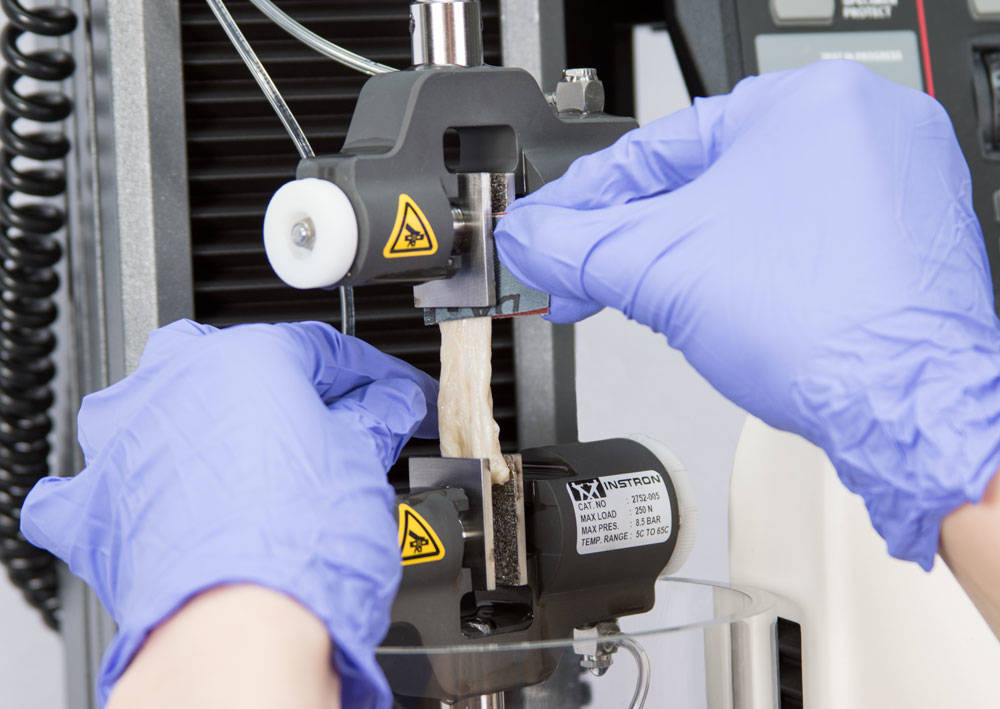
때때로 이러한 합성 박막은 습하고 미끄럽기 때문에, 이의 인장 시험은 매우 어려운 항목입니다. 부드러운 티슈의 시험과 마찬가지로, 그립 면은 박막을 견고하게 고정하기 위하여 충분한 마찰을 제공해야 할 뿐만 아니라, 시편이 찢어지는 것을 피하기 위하여 또한 충분히 섬세해야 합니다.

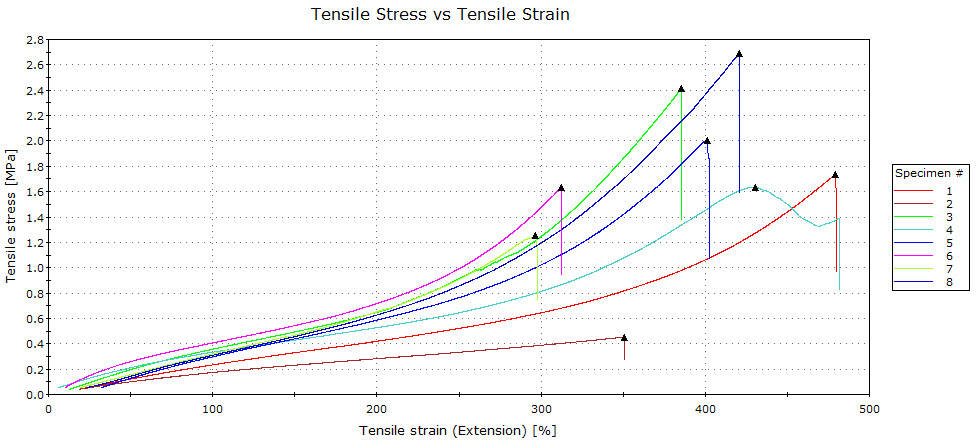
최근, 우리는 젖은 상태의 고분자 박막의 시험에 사용될 그립 방법에 대한 추천을 요청 받았습니다. 이 시험에서, 먼저 고분자 박막을 최대 20분 동안 물에 담가 두어 박막이 부드러워지고 팽창할 수 있도록 했습니다. 이 젖은 시편을 공압식 사이드 액션 그립과 고무 코팅이 된 jaw face를 갖춘 5965 dual column electromechanical machine을 이용하여 시험했습니다. 이 박막들은 아주 섬세하기 때문에 과도한 압력이 가해질 경우 그립을 닫는 과정에서 시편이 본 시험 전에 미리 손상이 될 수 있으므로 그립의 클램핑 압력을 주의하여 제어해야 합니다.

시편이 젖어있기 때문에, 부식 방지 기능의 그립이나 고정구가 사용되어야 합니다. 우리의 Bluehill® 3 Software는 시험 제어 및 결과 시험 결과를 모두 제공합니다.

문헌

Bluehill Universal 브로슈어

Bluehill Universal은 직관적인 터치 상호 작용과 간소화된 워크플로우를 위해 설계된 Instron의 고급 재료 시험 소프트웨어입니다. 이 소프트웨어는 사전 로드된 시험 방법, 빠른 설정을 위한 QuickTest, 향상된 데이터 내보내기, 그리고 직접적인 서비스 통신을 위한 Instron Connect를 제공합니다. Bluehill 2 및 Bluehill 3 사용자들은 향상된 성능과 사용 편의성을 위해 최신 버전으로 쉽게 업그레이드할 수 있습니다.

  • 제품소개
  • 02/26/2017
  • 4.61 MB

각도 조절형 박리 치구를 이용한 조직의 박리 강도 시험

Biomedical Testing » Biomaterials

각도 조절형 박리 치구를 이용한 조직의 박리 강도 시험

조직 접착제는 밴드나 외과 처지, 상처 봉합 등과 같은 생명 의료 산업에 광범위하게 사용됩니다. 이러한 시험 방법을 위한 ASTM 규정에는 ASTM F2255, F2256, F2258 또는 F2458과 같은 것들이 있습니다. 이러한 제품들의 접착 강도는 의료용으로 사용하기 전에 명확하게 제시되어야 합니다. 접착제가 충분히 강하지 않으면 상처의 감염이나 치료의 지연으로 이어질 수 있고 너무 강하면 하부의 조직이 제품의 제거 시에 손상될 수 있습니다.

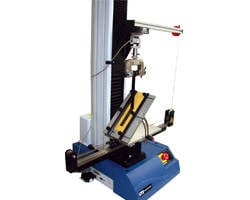
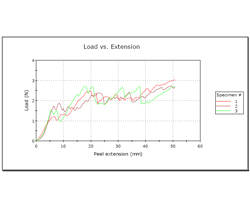
인스트론에서 시행한 접착력 시험의 한 사례는 각도가 조절 가능한 박리시험 치구를 사용하여 환자의 환부에서 접착제를 벗겨내는 것을 시뮬레이션한 것입니다. 만능재료시험기 모델 3345 electromechanical test frame 과 50N load cell, 그리고 상부에는 250N 용량의 공압식 그립( pneumatic grip )을 25 mm x 25 mm 의 금속판형 jawface와 함께 사용하였습니다. 각도 조절형 박리 치구는 박리 특성을 가장 잘 측정할 수 있도록 일반적인 접착 제품의 사용에서 흔히 볼 수 있는 135도의 위치에 설정하였습니다. 사람의 피부 특성을 가장 잘 보여줄 수 있는 가죽을 접착면의 바닥모재로 사용하였습니다.

이 장비와 함께 사용하는 소프트웨어인 Bluehill® 2 Peel, Tear and Friction Software Module 을 이용하면 가장 효과적인 시험을 할 수 있습니다. 이 소프트웨어 모듈에서는 첫번째 피크값, 평균하중값, 시편 폭당 평균하중값 등 가장 흔히 사용되는 계산들을 쉽게 하여 줍니다.

문헌

3400 시리즈 – 경제적인 테스트 솔루션

인장, 압축, 굽힘 및 기타 재료 특성 테스트를 위한 Instron 3400 시리즈 범용 테스트 시스템.

  • 제품소개
  • 06/27/2022
  • 2.49 MB

Bluehill Universal 브로슈어

Bluehill Universal은 직관적인 터치 상호 작용과 간소화된 워크플로우를 위해 설계된 Instron의 고급 재료 시험 소프트웨어입니다. 이 소프트웨어는 사전 로드된 시험 방법, 빠른 설정을 위한 QuickTest, 향상된 데이터 내보내기, 그리고 직접적인 서비스 통신을 위한 Instron Connect를 제공합니다. Bluehill 2 및 Bluehill 3 사용자들은 향상된 성능과 사용 편의성을 위해 최신 버전으로 쉽게 업그레이드할 수 있습니다.

  • 제품소개
  • 02/26/2017
  • 4.61 MB

Impact Tests On Orthopedic Implants

Biomedical Testing » Biomaterials

Impact Tests On Orthopedic Implants

A medical condition called Osteoarthritis is caused when there is minimal joint moment in human body. Lack of joint moment can result into damaged or dysfunctional joints. Orthopedic implants are designed to replace the damaged joint (s) and increase the mobility of an affected part in the human body. To name a few, implants used for hip, knee, shoulder or elbow joints are commonly made of stainless steel. It is important for manufacturers of such orthopedic implants to test their components (various implants) to characterize the impact resistance of their product.

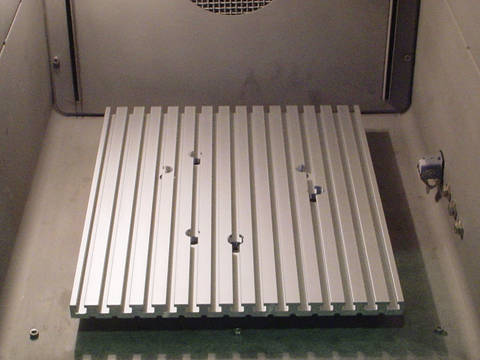
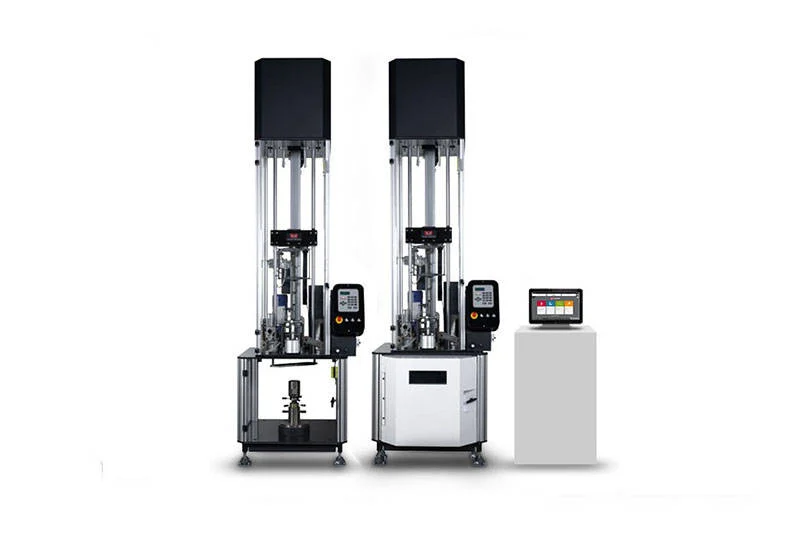
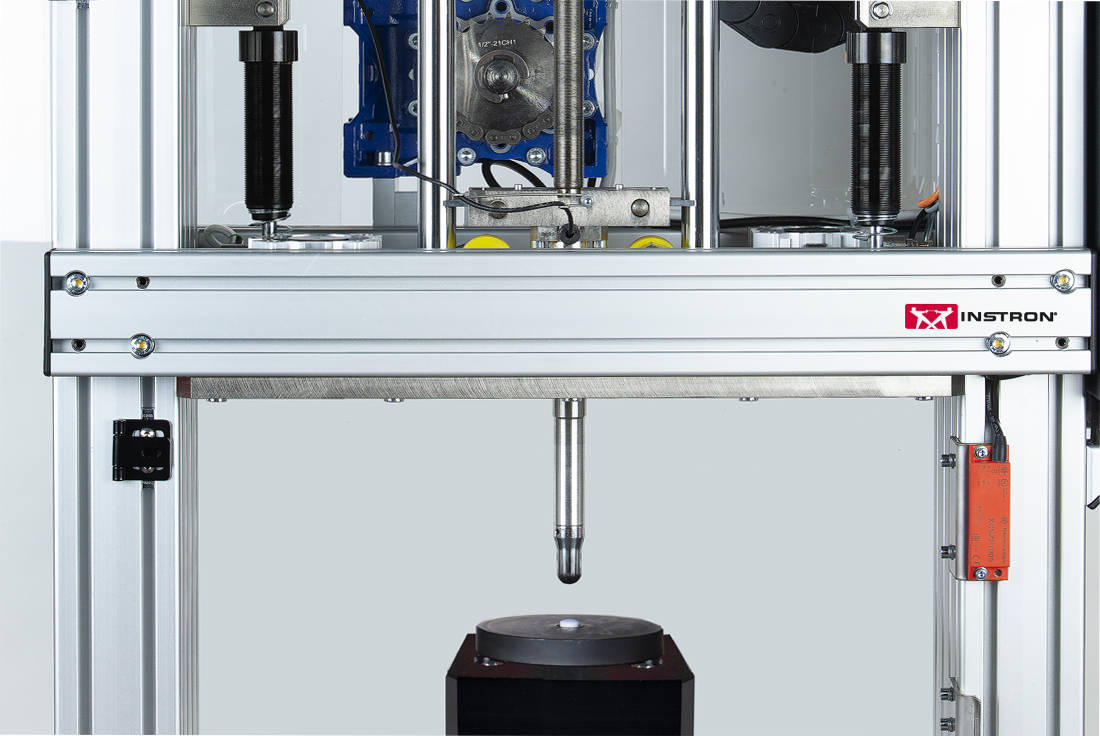
Instron 9400 series is a good fit for such a testing requirement. Since the implants for various body parts are of different shapes & sizes, the testing has to be performed using various custom fixtures. We used a T-slot plate which was bolted at the bottom of 9450. A custom fixture with a clamped knee implant was mounted on the T-slot plate at base of the tower. A 45 kN strain gauge striker was used to impact the knee implant. A Data Acquisition System (DAS) and Bluehill Impact software were used in conjunction with the drop impact machine to collect the force/velocity data and analyze the impact performance.

Alternatively a general purpose plate as seen in the picture can be used instead of a T-slot plate.These versatile plates give flexibility to manufacturers to mount a wide range of custom fixtures as per their own requirements. Such impact tests can be customized to an extent where they can replicate the real life low and high velocity impacts during the actual surgical procedures.

Note: The customer's actual test set up is confidential and hence is not displayed in this application note.

Literature

9400 Series Drop Tower Brochure

Instron Drop Towers are used to develop, fine tune, and validate material models. Testing materials under real impact conditions is a crucial step prior of product design. Using the characterization data obtained with the Instron 9400, coupled with customer supplied high-speed video, you can have confidence in your results and deliver new materials to your customers faster. Our Drop Tower impact systems, fixtures, and tups are designed to meet a wide range of applications and testing standards including: ISO, ASTM, ANSI, Airbus, Boeing, BSI, DIN, EN, FDA, Ford, GM, JIS, NASA, GOST, and more.

  • 제품소개
  • 02/05/2020
  • 763.1 KB

9400 Series Dashboard Brochure

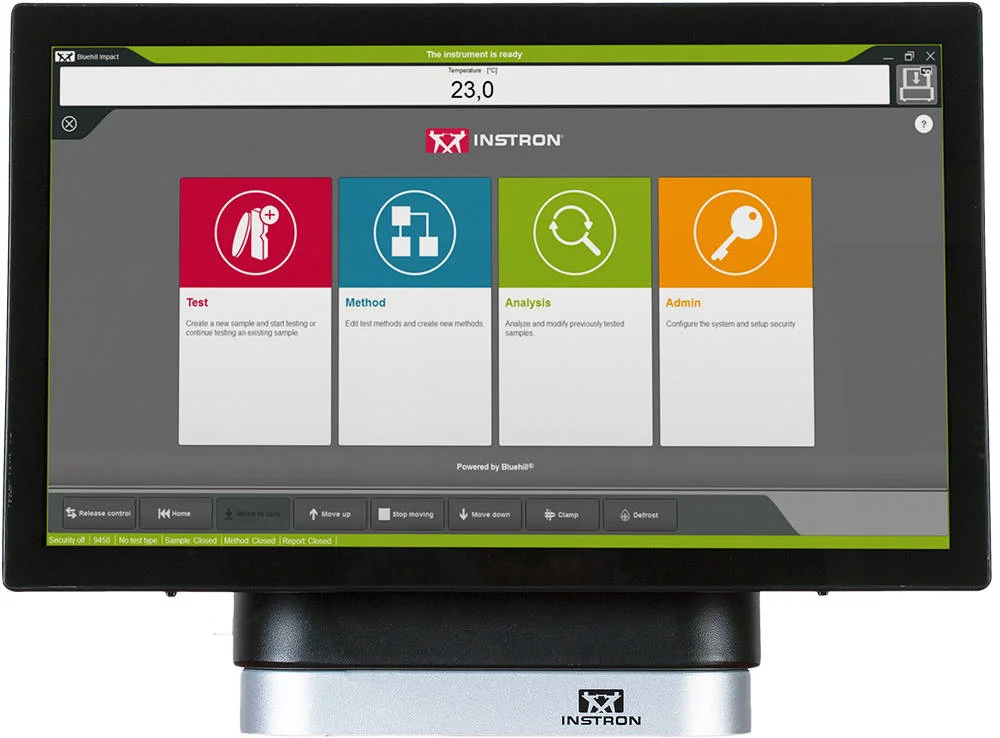
Bluehill® Impact is built from the ground up for touch interaction. The Operator Dashboard features large touchpoints to make the user experience simpler and smarter. Easy-to-understand icons and workflows make it easy to train new or experienced users, simplify operator training, and allow you to start testing even faster than ever before

  • 제품소개
  • 08/01/2019
  • 2.35 MB

알약의 내충격 특성

Biomedical Testing » Biomaterials

알약의 내충격 특성

Support for pharmaceutical tablet impact testing

일반적인 알약은 대개 삼키기 쉽고, 투여 후 약이 흡수되고, 약의 이름이나 제약사의 이름을 알릴 수 있도록 코팅 처리가 되어있습니다. 이러한 코팅 처리는 빛, 온도, 습도 및 적재에 따른 하중과 같은 외부의 환경 조건으로부터 제품을 보호함으로써 보관 수명을 연장하는 데 도움을 줍니다. 특히 제약 과정 및 포장 과정에서 알약의 코팅은 손상을 입힐 수 있는 충격에 노출되게 됩니다.

충격시험은 새로운 코팅 재료나 과정을 연구하고 개발하는데 필요한 특성 데이터를 제공함으로써 제약사에 그 가치를 어필할 기회를 줄 수 있습니다. 일단 적절한 제품이 준비되면 제약사는 충격 특성 시험으로부터 얻은 기본 데이터를 사용하여 지속적인 프로세스 검증을 위한 품질관리 프로그램을 도입할 수 있습니다.

낮은 하중의 피에조 센서 텁(Piezo sensor tup) (0.45kN 또는 4.5kN), ), ½ 인치 반구형 또는 플랫 tup과 Bluehill Impact 소프트웨어가 장착된 Instron 9440 Drop Tower는 제약 제품 시험에 이상적입니다. 고정을 위한 테이블 영역에 쉽게 고정할 수 있는 단단하고 평범한 금속판을 사용하는 것을 추천드립니다.

이 충격시험 솔루션은 양의 일관성과, 파단과의 연관성 또는 손상 시작점과 같은 정제의 내충격 특성을 판단하는데 적합합니다. 정제 약의 표면 코팅이 어떻게 정제 약을 강하게 또는 약하게 만드는지를 이해함으로써 제품 품질 개선을 위한 변화를 이뤄낼 수 있습니다.

문헌

9400 Series Drop Tower Brochure

Instron Drop Towers are used to develop, fine tune, and validate material models. Testing materials under real impact conditions is a crucial step prior of product design. Using the characterization data obtained with the Instron 9400, coupled with customer supplied high-speed video, you can have confidence in your results and deliver new materials to your customers faster. Our Drop Tower impact systems, fixtures, and tups are designed to meet a wide range of applications and testing standards including: ISO, ASTM, ANSI, Airbus, Boeing, BSI, DIN, EN, FDA, Ford, GM, JIS, NASA, GOST, and more.

  • 제품소개
  • 02/05/2020
  • 763.1 KB

9400 Series Dashboard Brochure

Bluehill® Impact is built from the ground up for touch interaction. The Operator Dashboard features large touchpoints to make the user experience simpler and smarter. Easy-to-understand icons and workflows make it easy to train new or experienced users, simplify operator training, and allow you to start testing even faster than ever before

  • 제품소개
  • 08/01/2019
  • 2.35 MB

Soft Tissue Testing

Biomedical Testing » Biomaterials

Soft Tissue Testing

The Challenge

Skin

Testing soft tissues, such as skin, tendons, ligaments, and others, presents many challenges. Specimens of this type are delicate; hence they break at low forces. Gripping soft tissues can also be problematic given that these specimens are small, slippery, and compliant in nature. In addition, soft tissues are viscoelastic and often require accurate elongation or strain measurement to properly understand the material properties. Typically, in vivo conditions are needed to test soft tissues, which calls for the test to be performed at body temperature and in a hydrated state. This requires the testing equipment and fixture to be corrosion resistant and "waterproof" to avoid damaging the sensitive electronics of the testing system.  

Our Solution 

Soft Tissue Testing

For testing at physiological conditions, the Instron® BioBath is an ideal solution for keeping a specimen fully hydrated in a saline solution and at 37°C. The BioBath uses a closed-loop temperature control measurement, which can be fed directly into the test system's software to accurately track specimen temperature, in addition to mechanical test data. Pneumatic grips are recommended for consistent clamping pressure that the user can vary up to 90 PSI. A high friction surface is often needed to grip slippery biomaterials to avoid specimen slipping. To avoid this, we recommend using a metallic high friction finish known as surfalloy on the grip face, but grit sandpaper is also a viable option. A stainless steel tray, such as the BioTray, can help protect the system's electronics from damage in the case of spills or messy specimens.

Hard Tissue Testing

Biomedical Testing » Biomaterials

Hard Tissue Testing

The Challenge

Hard Tissue

Bone, dentin, and dental enamel are all considered to be hard tissues. Specimens of this type are most commonly tested in compression and flexural. The most common results obtained from a compression or flexural test on hard tissues is modulus and force at fracture. Typically, these specimens come from mice, rats, or other mammals and are small in size. Despite being small in size, hard tissues have high stiffness. A typical challenge with measuring modulus is accurate measurement of displacement. For a given force, a hard tissue such as bone will exhibit small displacement. In addition to compression testing, 3-point and 4-point bend tests are common to quantify force at fracture on bone sections. Often, this testing must be conducted at physiologically relevant test conditions, such as in a hydrated bath and at body temperature.

Our Solution 

Hard Tissue Testing

When conducting compression testing on hard tissues, it is critical that users choose appropriately sized compression platens to closely match specimen size, ensure the compression platens are spherically seated or self-aligning to apply even pressure on the specimen, and use an accurate source to measure system displacement. For example, an accurate measurement source of displacement could be via compliance correction in the software, or by using a strain measuring device, such as a linear variable deflection transducer (LVDT) or a video extensometer. When testing flexural specimens, it is critical that the anvils on the flexural fixture are appropriately sized to the specimen and that the flexural fixture properties, such as span length, are easily entered into the software.

Hydrogel Tensile Testing

Biomedical Testing » Biomaterials

Hydrogel Tensile Testing

The Challenge

Hydrogel Tensile

Hydrogel testing is most commonly done in both tension and compression. Compression testing on hydrogels poses less of a challenge, as many hydrogels are compliant and compress easily under load. The natural compliance of hydrogels becomes more of a challenge in tensile testing, as these materials can be difficult to grip and exhibit high elongation. Gripping hydrogels with too much pressure typically displaces the material out of the grip faces, which makes gripping ineffective. In addition, a traditional contacting extensometer is not a viable option considering the soft properties of hydrogels. Given the viscoelastic properties of these materials, test speed will greatly affect results, such as force at break and elongation at break. 

Our Solution 

Hydrogel Tensile Testing

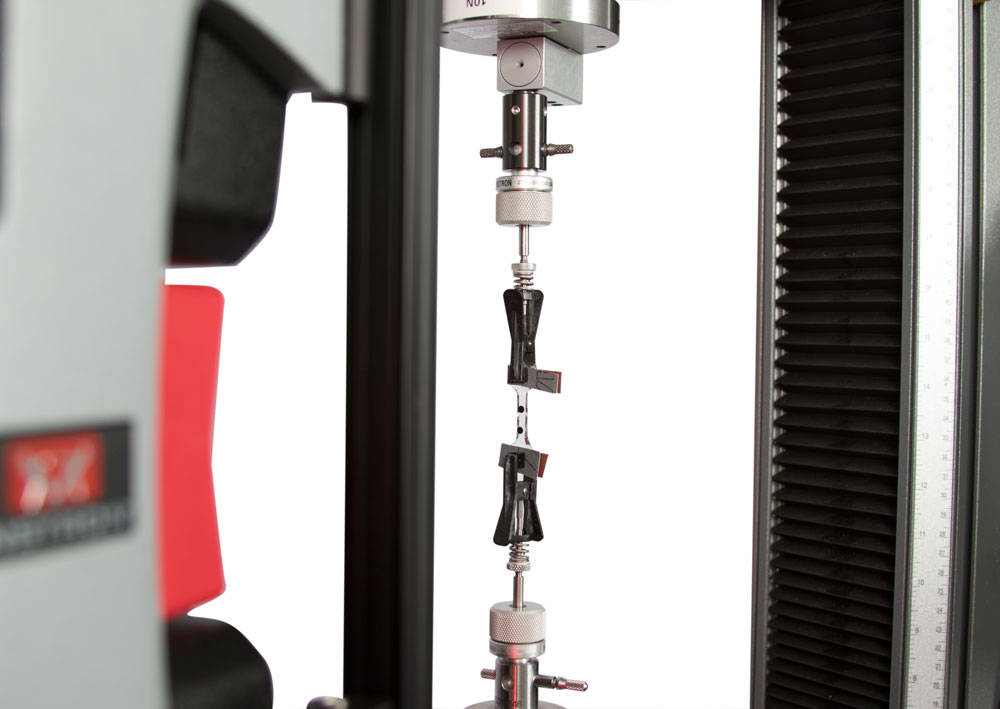
When testing hydrogels in compression and tension, most common forces at failure are below 100 N. Given the low forces obtained in hydrogel mechanical testing, it is important that an accurate load cell is used. This can be especially tricky in a compression test as many users restrain from using low capacity load cells out of fear that they will overload the load cell if the compression platens begin to touch during a test. To prevent this from happening, it is imperative that safety limits are set and that the end of test criteria is set to the load cell capacity in the software. For tensile testing, Instron® offers a range of low force grips, including spring loaded, screw side action action, and pneumatic side action grips. Given the compliant nature of hydrogels, often sandpaper needs to be used to increase friction at the gripping contact points. When accurate measurement of strain is required, we recommend using our Advanced Video Extensometer

Bioadhesives Peel Testing

Biomedical Testing » Biomaterials

Bioadhesives Peel Testing

The Challenge

bio adhesive

Adhesives are widely used in the medical device industry for dental implants, bone cements, and wound closure products. Wound closure products include tissue adhesives that can be found in bandages, secondary dressings, and a variety of surgical sealants. The adhesive strength of these products must be well defined. An adhesive that isn’t strong enough may result in a wound that heals poorly, or it can lead to an infection. If an adhesive is too strong, it may damage the underlying tissue or cause the patient unnecessary pain when removing. A fundamental challenge with testing bio adhesives is characterizing adhesive strength in physiologically relevant conditions. 

Our Solution 

Bioadhesives Peel Testing

Soft tissue substrates should be tested under physiologically relevant conditions, most preferable in a bath or temperature controlled enclosure at 37°C. The BioBath with submersible pneumatic grips is recommended. The grips and pull rod that attach to the force transducer are designed to minimize buoyancy chances during low force testing. We also recommend a low capacity load cell, given that adhesive strength for biological applications is typically under 10-20 N. Bluehill® Universal's Peel, Tear, Friction Module is ideal for this test type in order to measure first peak force, average force over the seal, and average force per width of the specimen.