Personal Protective Equipment (PPE) Testing

Biomedical Testing

Personal Protective Equipment (PPE) Testing

Materials Testing Guidance for Personal Protective Equipment

The global demand for medical equipment has skyrocketed in response to the COVID-19 pandemic, with many companies refocusing their efforts to produce personal protective equipment (PPE). With this vast uptick in demand, medical device manufacturers have scrambled to increase their production capacities while non-medical manufacturing companies have transitioned their own production facilities to create items such as masks, gloves, and nasal swabs.

With increased manufacturing comes increased quality control testing, and Instron has received numerous inquiries from companies seeking to expand their testing capacity or reconfigure their existing equipment to test PPE. This guide was created to help familiarize manufacturers with key testing requirements and provide an overview of current FDA regulations. We hope that it will be a useful resource for anyone seeking to aid the fight against COVID-19.

Medical Masks

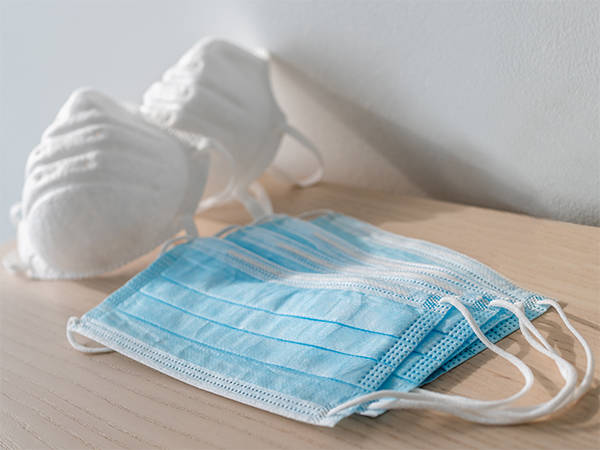
Medical masks come in two primary types: single-use surgical masks and N95 respirator masks. Surgical masks are intended to prevent viral spread by containing droplets produced by the wearer, while respirator masks are designed to protect the wearer from virus particles that have been aerosolized. Both of these masks are relatively easy to manufacture and test, and many textile manufacturers have shifted their operations to produce them in an attempt to meet the current demand. Many of these companies already own materials testing equipment and are able to make small modifications to their existing systems in order to perform the required FDA testing.
mask-fabric-test.jpg

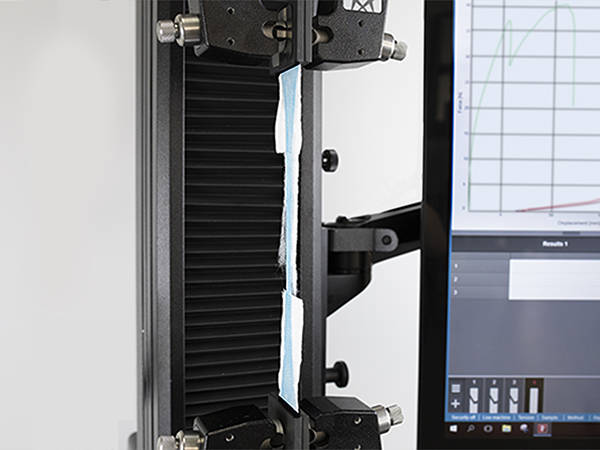
Fabric Test

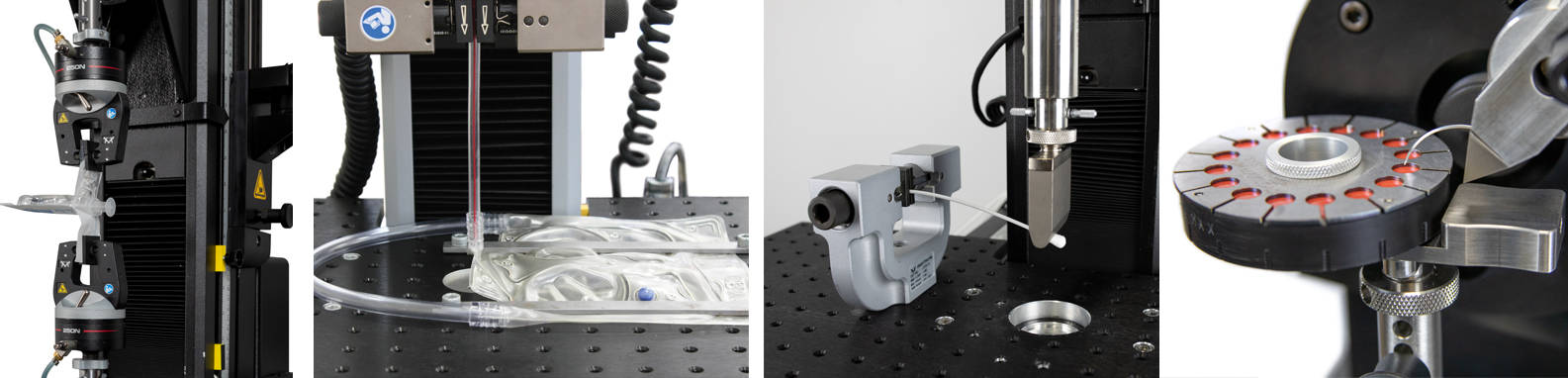
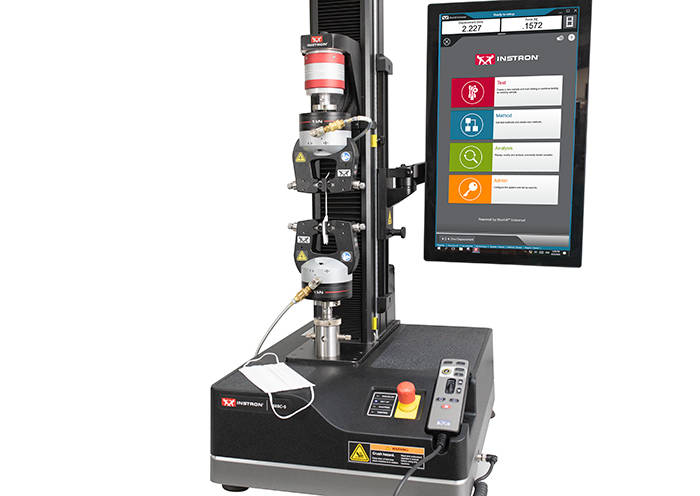
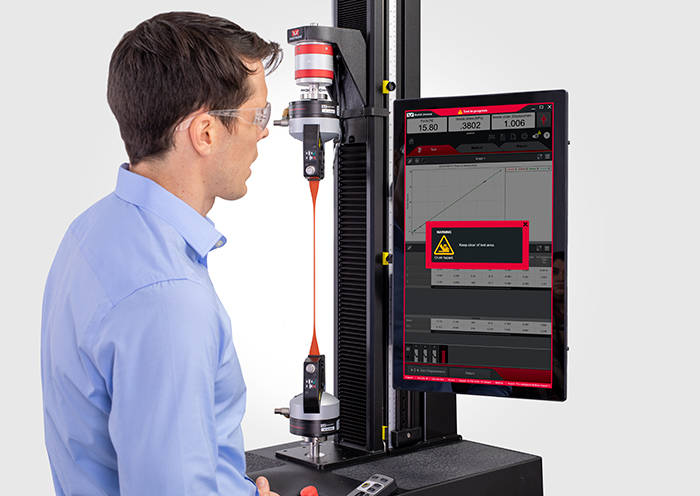
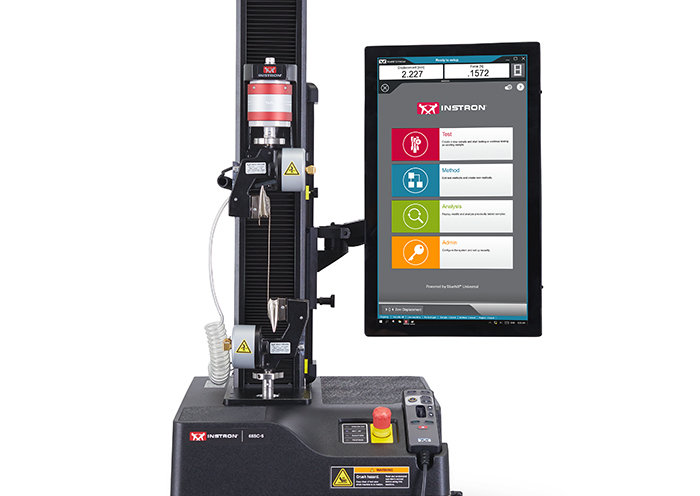
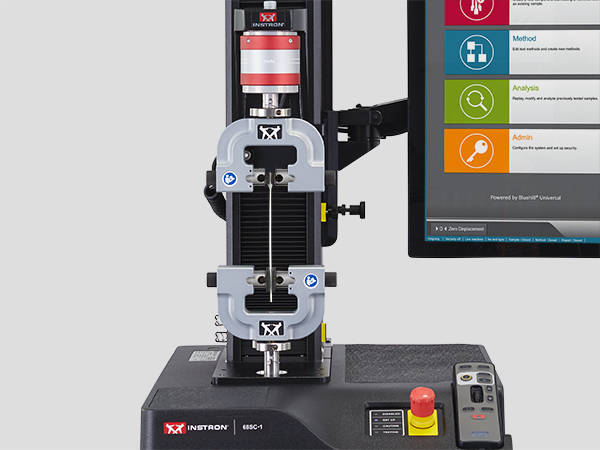
Mask fabric is generally tested in accordance with general textile standards such as ASTM D5034. Because fabric samples are prone to jaw breaks, we recommend pneumatic grips with smooth jaw faces to minimize this risk. In order to capture peaks and troughs generated by individual fiber breaks, we recommend a test system with a high data capture rate, such as Instron's 68SC-5.
mask-elastic-test.jpg

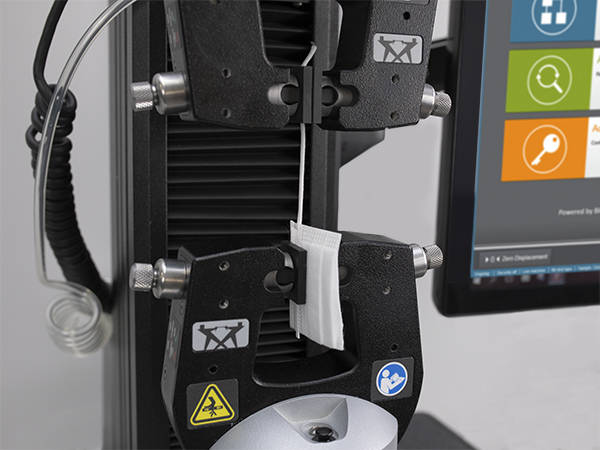
Elastic Test

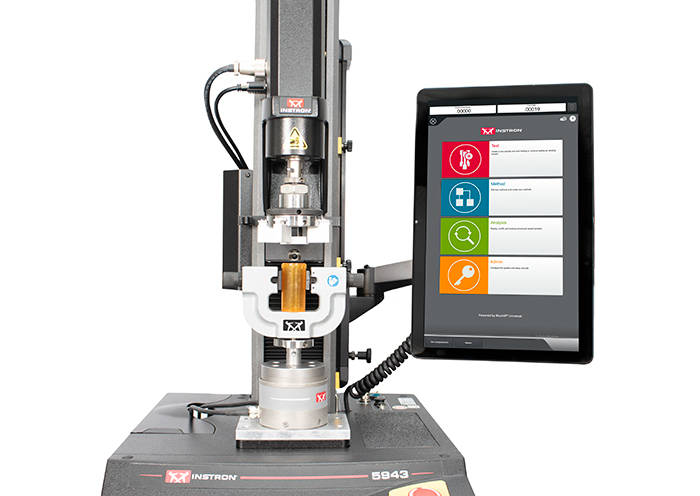
It is important to test the strength of the connection between a mask's fabric and the elastic band that holds it into place. This test is performed by loading the band to a minimum of 10 N and visually evaluating it to ensure there has been no separation. With masks now being worn for longer periods of time than ever, it may also be valuable to perform a relaxation test to determine its durability.
respirator-filter.jpg

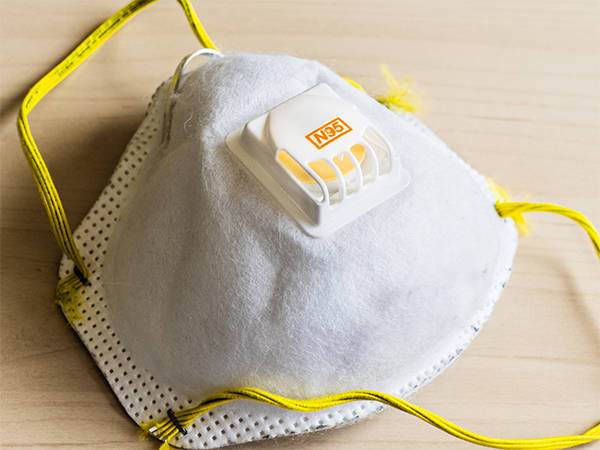
Filter Test

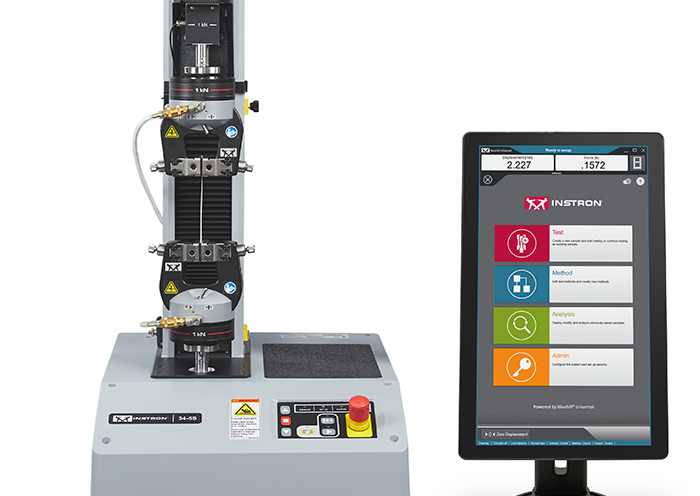
Respirator masks must be tested to ensure the strength of connection between the mask fabric and the respirator valve. This test can be accomplished using a side-acting grip on the base of the system and a custom-made hook fixture attached to the load cell.

Medical Gloves

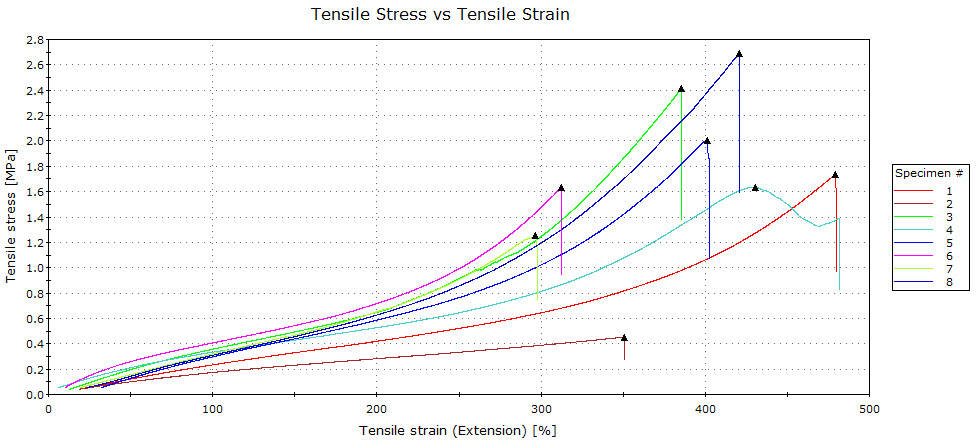
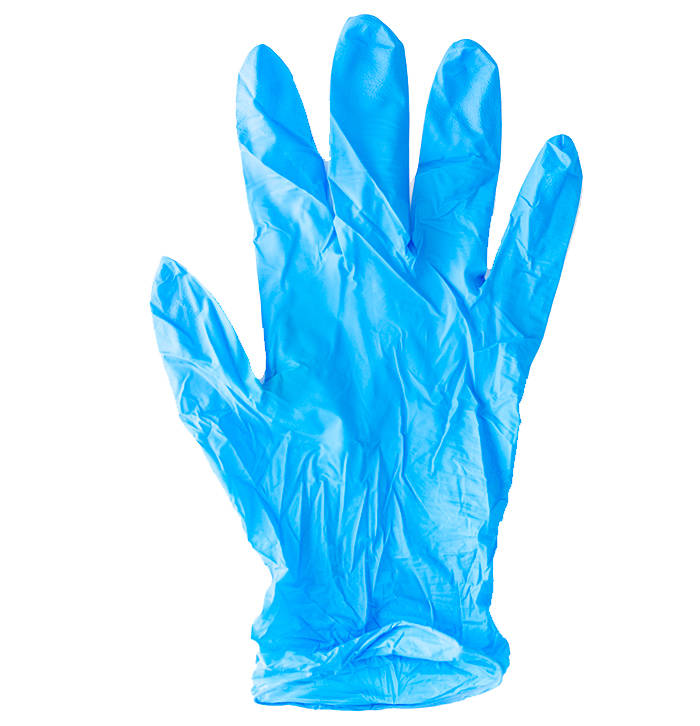
ASTM classifies medical gloves according to their material (latex, nitrile, natural rubber, PVC, or polychloroprene), while ISO classifies them based on their application (patient examination or surgical). Regardless of the testing standard, material, or clinical application, the equipment and general procedure for testing is consistent across all medical glove types. ASTM D6319, ISO 11193, and EN 455-2 are standards used by the biomedical industry to regulate the tensile properties of medical gloves. The key results for all glove testing standards are the tensile strength and ultimate elongation of the material. Rather than testing the entire glove, a dogbone specimen is cut from the finished glove and testing in accordance to the relevant elastomeric standard (ASTM D412 or ISO 37).

Glove Test Setup
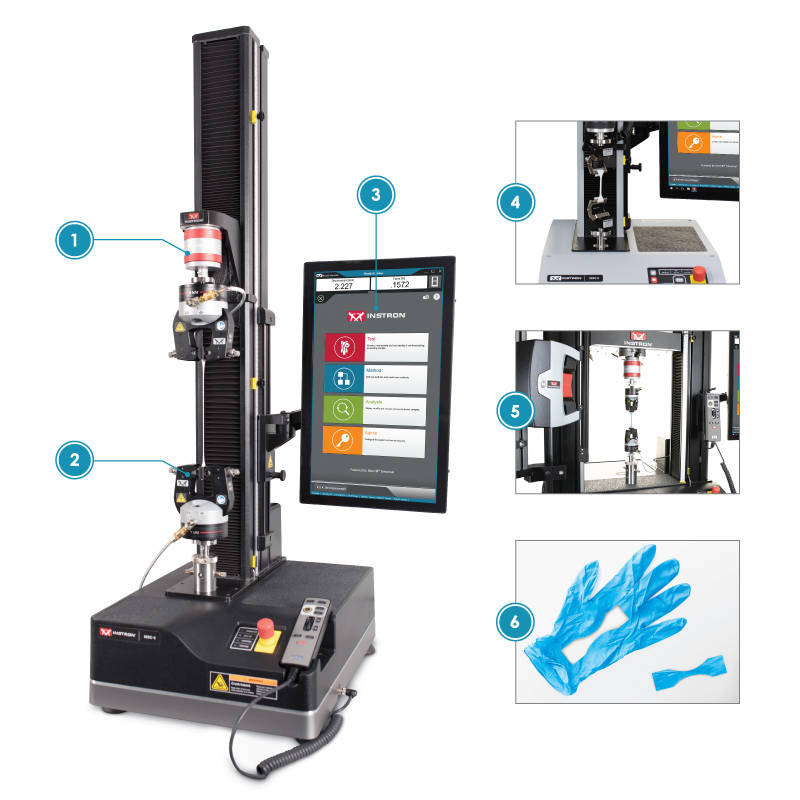
1) Load Cell
A 500N load cell is an appropriate capacity for all glove materials.
2) Pneumatic Grips
Air pressurized grips ensure consistent clamping forces Jaw faces are easily interchangeable to ensure the correct surface texture is used for the material. Elastomeric materials like rubber gloves typically require rubber coated faces due to how thin the specimen is. The rubber coating is able to prevent slippage of the material without damaging the specimen.
3) Bluehill Software
The biomedical method suite includes preconfigured methods for EN455-2
4) Elastomeric Roller Grips
Roller grips provide a cost effective gripping solution for thin elastomers The roller grip utilizes a proportional clamping pressure which increases as more force is applied to the specimen
5) AVE 2.0
An optical non-contacting strain device can be used to ensure more accurate strain measurement
6) Specimen Preparation
All the major ASTM/ISO/EN standards require a dumbbell shaped specimen to be stamped from the palm of the glove EN 455-2 takes into consideration the potential discrepancies in thickness between the palm and the fingertips. The standard compares their thickness and uses a correction factor for the tensile strength of the speicmen.

ppe_gloves_callout-_003.jpg

Nasal Swabs

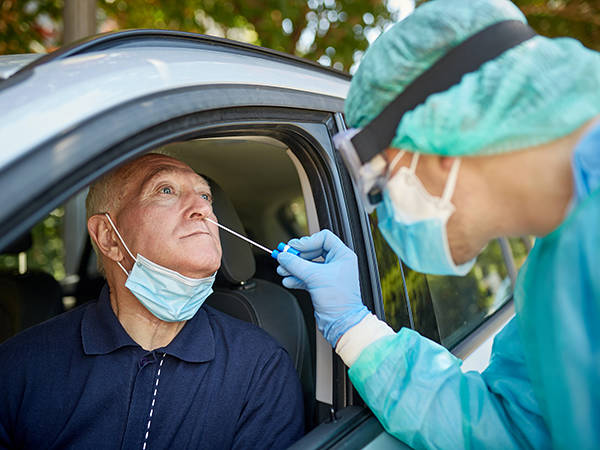
Nasopharyngeal (NP) swabs are crucial tools in the diagnosis of influenza and respiratory diseases. Despite their similar appearance, these swabs are considerably more specialized than the standard cotton swabs used for personal hygiene, using synthetic fibers for the swab staff and tiny bristles for the swab tip. In an effort to bolster the global supply, significant collaborations have occurred between 3D printer manufacturers and medical research teams, which have resulted in a massive increase in production capacity of test quality NP swabs. It is critical to perform mechanical testing to determine if the performance of the 3D printed swabs is comparable to the performance of those produced by standard methods.
nasal-swab-3-point-bend.jpg

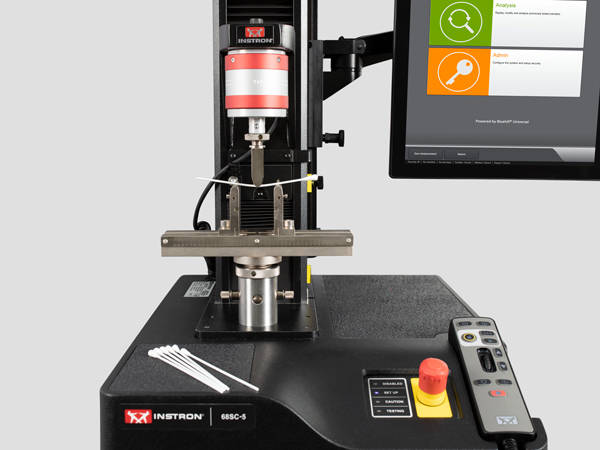
3 Point Bend Test

Nasal Swabs are subjected to flexural forces as they travel through the nasal passage. 3 point bend tests help characterize these stresses. It is also important to evaluate the weak point at the tip of the swab which helps achieve the correct size for transport. Instron's standard 2810-400 3-point bend fixture with 10 mm diameter anvils is ideal for these applications.

nasal-swab-cantilever-bend.jpg

Cantilever Bend

The cantilever bend test best represents the stresses seen when the swab is held during the procedure. The material needs to be flexible enough to ensure it will not fail during the test. This setup is accomplished using a component test plate and an advanced screw action grip to hold the specimen in place. Any probe can be used to deflect the tip of the swab.
nasal-swab-shear-test.jpg

Tip Shear Strength

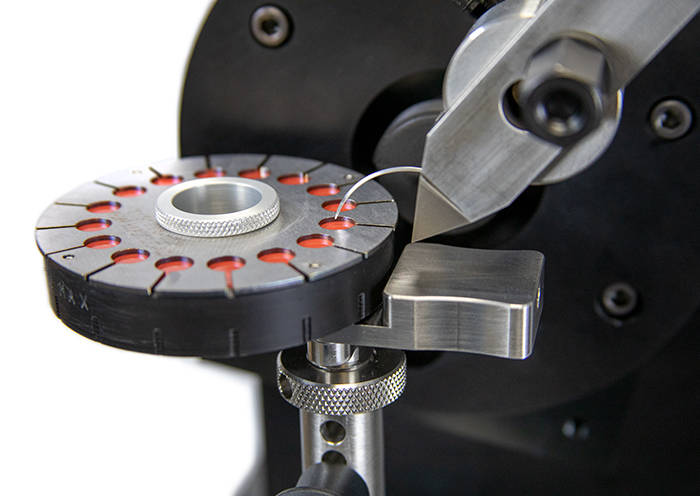
The tip of an NP swab is made of tiny bristles that allow for maximum sample collection. These bristles need to withstand shear forces as they move across the walls of the nasal passage. In order to test this property, the tip and base of the swab are clamped with advanced screw action grips to evaluate the maximum force required to break the bristles or the tip itself.

FDA Requirements in the Age of COVID-19

The Food and Drug Administration is the main regulatory body overseeing the production and distribution of PPE in the United States. The level of FDA involvement depends on the class of the device, which can range from class 1 to class 3 based on the device’s potential risk of nonconformance. Most types of PPE are labeled as class 1 devices, which have the fewest barriers to approval.

Because it can take months or even years to gain FDA approval, in times of health crisis the FDA issues something called an Emergency Use Authorization (EUA). An EUA essentially loosens the requirements for production and distribution of certain medical products to allow production to ramp up quickly. EUAs are currently being granted to manufacturers of COVID test kits, virus therapies, ventilators, respirators, and PPE. These emergency authorizations are generally granted to specific companies who apply to expedite the approval process, but they are also being released as blanket statements covering certain types of PPE so that smaller companies can also participate with minimal red tape. The EUAs include additional documentation that outline the enforcement policy for PPE manufacturing during the current public health emergency and provides criteria for quality control standards as well as the required labeling of products released under the authorization.

Watch Our PPE Testing Webinar

Intervertebral Disc Testing

Biomedical Testing

Intervertebral Disc Testing

The Challenge

Intervertebral Disc

Intervertebral disc replacement is a surgical technique for the treatment of lower back pain related to degenerative disc disease. The advantage of this technique over traditional spinal fusion is that it preserves or restores motion in the spine, and has the potential to delay the onset of degeneration of healthy discs at adjacent levels in the spine. Disc prostheses are designed to be load bearing over the physiological range of disc motion, and to give years of pain-free and trouble-free operation in the body. Understanding the static and dynamic characteristics of a particular device allows manufacturers and designers to ensure their product is proven and accepted. ASTM F2346 provides a methodology for characterizing the static strength and dynamic fatigue behavior of disc prostheses. The rigorous testing regimes in this standard aim to scientifically validate any prosthesis design. With a typical test run lasting for 10 million cycles and requiring both axial and torsional loading, it is vital that a testing system copes with these performance demands and delivers the highest quality of results. In addition, the requirement to conduct these tests in a wet environment adds to the complexity of the system.

Our Solution 

Intervertebral Disc Testing

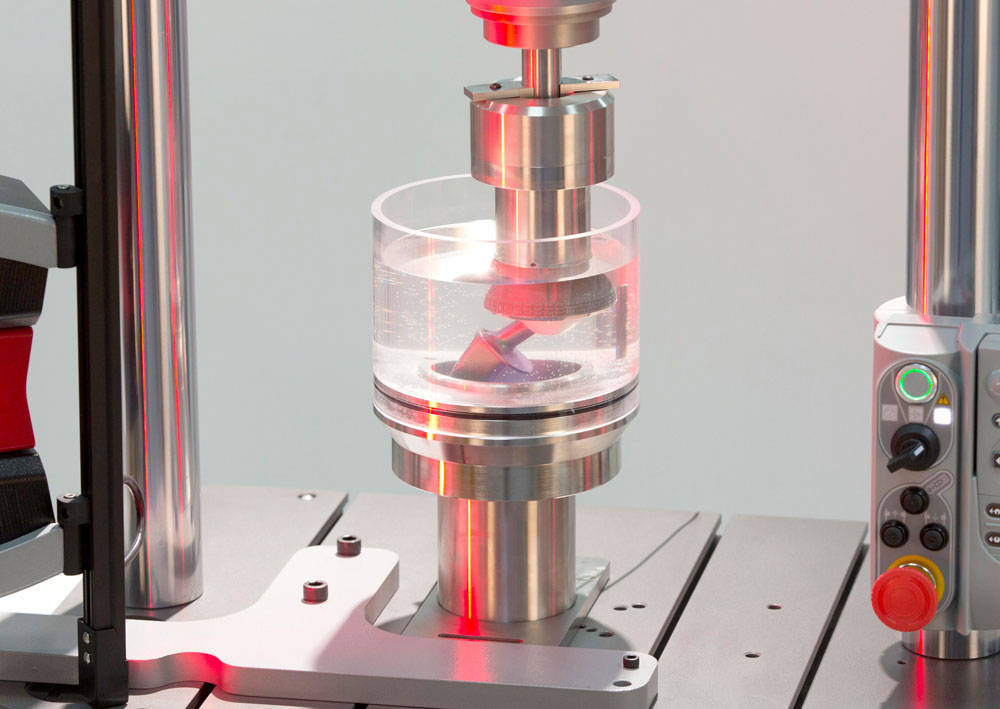
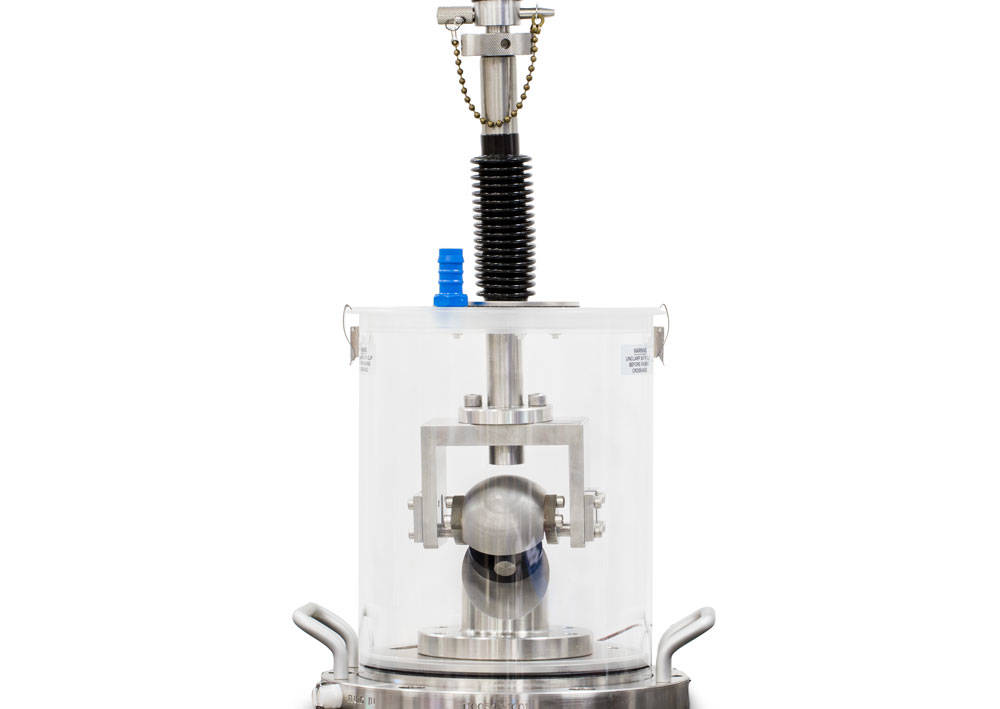
An 8874 axial-torsional system, with the addition of a temperature controller and re-circulator unit, allows device manufacturers and contract research laboratories to conduct both static and cyclic testing on a range of implant designs. The bath, in which saline flow and temperature are controlled, provides a stable environment. With the use of specialized test fixtures, the 8874 system's combined axial-torsional actuator allows for characterization to be conducted in axial compression, compression-shear, and compression-torsion test modes for both articulating discs of traditional metal-on-metal or metal-on-polyethylene design. It's also used for the next generation of prostheses, which feature an elastomeric component to give axial compliance under load that mimic the biomechanics of the natural disc.

고분자 박막의 인장 시험

Biomedical Testing

고분자 박막의 인장 시험

합성 박막(membrane)은 생체 의학 분야에서 일반적으로 사용됩니다. 인체의 자연 여과 시스템을 모방하기 위해 설계된 이러한 고분자 박막은 약물 전달 시스템, 의료 기기 및 인공 생체 장기에 사용하기 위하여 연구되고 또한 개발되고 있습니다.

예를 들어, 합성 박막은 신장에 이상이 있을 때 체내에서 생성된 노폐물을 제거하는 방법인 혈액 투석에 사용됩니다. 환자로부터의 혈액이 신장 투석액 (dialysis solution)에 잠긴 반투성의 박막을 통과하고, 혈액 속의 요소와 같은 노폐물이 박막을 통해서 투석액 속으로 분산됩니다.

때때로 이러한 합성 박막은 습하고 미끄럽기 때문에, 이의 인장 시험은 매우 어려운 항목입니다. 부드러운 티슈의 시험과 마찬가지로, 그립 면은 박막을 견고하게 고정하기 위하여 충분한 마찰을 제공해야 할 뿐만 아니라, 시편이 찢어지는 것을 피하기 위하여 또한 충분히 섬세해야 합니다.

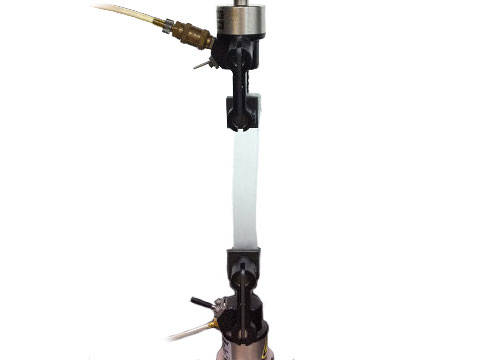
최근, 우리는 젖은 상태의 고분자 박막의 시험에 사용될 그립 방법에 대한 추천을 요청 받았습니다. 이 시험에서, 먼저 고분자 박막을 최대 20분 동안 물에 담가 두어 박막이 부드러워지고 팽창할 수 있도록 했습니다. 이 젖은 시편을 공압식 사이드 액션 그립과 고무 코팅이 된 jaw face를 갖춘 5965 dual column electromechanical machine을 이용하여 시험했습니다. 이 박막들은 아주 섬세하기 때문에 과도한 압력이 가해질 경우 그립을 닫는 과정에서 시편이 본 시험 전에 미리 손상이 될 수 있으므로 그립의 클램핑 압력을 주의하여 제어해야 합니다.

시편이 젖어있기 때문에, 부식 방지 기능의 그립이나 고정구가 사용되어야 합니다. 우리의 Bluehill® 3 Software는 시험 제어 및 결과 시험 결과를 모두 제공합니다.

문헌

Bluehill Universal 브로슈어

Bluehill Universal은 직관적인 터치 인터페이스와 간소화된 워크플로우를 위해 설계된 Instron의 첨단 재료 시험 소프트웨어입니다. 사전 로드된 시험 방법, 신속한 설정을 위한 QuickTest, 향상된 데이터 내보내기, 직접적인 서비스 통신을 위한 Instron Connect를 제공합니다. Bluehill 2 및 Bluehill 3 사용자는 향상된 성능과 사용성을 위해 최신 버전으로 쉽게 업그레이드할 수 있습니다.

  • 제품소개
  • 02/26/2017
  • 4.61 MB

血栓过滤器径向力评估

Biomedical Testing

血栓过滤器径向力评估

Radial Strength Testing of Stent Grafts and Vascular Devices

색전 필터(Embolic filters )는 스텐트(stent)와 같은 의료기구의 사용에 따른 파편을 걸러주기 위한 다양한 중재적 시술(interventional procedures)에 사용됩니다. 스텐트는 플라크(plaque)에 의해 막힌 동맥의 통로를 열어 주는데 사용됩니다. 스텐트의 위치를 잡을 때에 떨어진 플라크(또는 색전 물질)들이 잠재적으로 심장마비, 뇌졸중, 신장 손상 또는 사망에까지 이르게 할 수 있습니다. 이 색전 필터는 성공적인 시술을 위한 매우 중요한 부분입니다.

이 필터의 적합한 사용을 위한 매우 중요한 요소 중의 하나는 동맥 벽면에 전달되는 반지름 방향의 힘입니다. 특히 필터가 장기간 가해주는 장기적인 반지름 방향의 힘은 그 기구들이 제자리에 남아있도록 도와 줍니다. 이렇게 잘 맞아야 모든 물질들이 동맥의 통로를 따라 나가기 전에 잡아낼 수 있습니다.

Instron® RX550 시스템은 색전 필터의 작은 반지름 방향 확장력을 충실히 측정합니다. 이 치구의 독특한 분할식 디자인은 마찰력이 낮아서 방사형 시험에서 얻은 데이터들이 깨끗한 결과를 나타내도록 해 줍니다. 이 방사형 치구는 기계식 만능재료시험기에 장착되며  체온의 정확한 시뮬레이션을 위하여 액체조(fluid bath)에도 장착할 수 있습니다. 또한 이 장비는 전개하는 동안의 인열 특성을 평가하기 위한 인장 시험 능력도 갖추고 있습니다.

Bluehill® Software 는 시험을 진행하기 위한 인터페이스를 제공하며 반지름 방향 강도를 측정하고 관리기관에 제출하기 위한 표준 보고서를 작성해 줄 수 있습니다.

문헌

3400 시리즈 만능 재료 시험 시스템 브로슈어

인장, 압축, 굽힘 및 기타 재료 물성 시험을 위한 Instron 3400 시리즈 만능 시험 시스템.

  • 제품소개
  • 06/27/2022
  • 2.49 MB

6800 시리즈 프리미어 시험 시스템 브로슈어

Instron 6800 시리즈 만능 시험기는 비교할 수 없는 정확도와 신뢰성을 제공합니다. 특허 출원 중인 Operator Protect 시스템 아키텍처를 기반으로 완전히 새로운 Smart-Close Air Kit 및 충돌 완화 기능을 갖춘 6800 시리즈는 재료 시험을 그 어느 때보다 간편하고, 스마트하며, 안전하게 만들어줍니다.

  • 제품소개
  • 02/10/2020
  • 3.56 MB

각도 조절형 박리 치구를 이용한 조직의 박리 강도 시험

Biomedical Testing

각도 조절형 박리 치구를 이용한 조직의 박리 강도 시험

조직 접착제는 밴드나 외과 처지, 상처 봉합 등과 같은 생명 의료 산업에 광범위하게 사용됩니다. 이러한 시험 방법을 위한 ASTM 규정에는 ASTM F2255, F2256, F2258 또는 F2458과 같은 것들이 있습니다. 이러한 제품들의 접착 강도는 의료용으로 사용하기 전에 명확하게 제시되어야 합니다. 접착제가 충분히 강하지 않으면 상처의 감염이나 치료의 지연으로 이어질 수 있고 너무 강하면 하부의 조직이 제품의 제거 시에 손상될 수 있습니다.

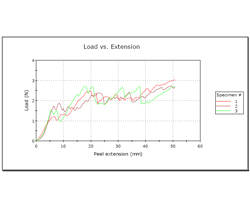
인스트론에서 시행한 접착력 시험의 한 사례는 각도가 조절 가능한 박리시험 치구를 사용하여 환자의 환부에서 접착제를 벗겨내는 것을 시뮬레이션한 것입니다. 만능재료시험기 모델 3345 electromechanical test frame 과 50N load cell, 그리고 상부에는 250N 용량의 공압식 그립( pneumatic grip )을 25 mm x 25 mm 의 금속판형 jawface와 함께 사용하였습니다. 각도 조절형 박리 치구는 박리 특성을 가장 잘 측정할 수 있도록 일반적인 접착 제품의 사용에서 흔히 볼 수 있는 135도의 위치에 설정하였습니다. 사람의 피부 특성을 가장 잘 보여줄 수 있는 가죽을 접착면의 바닥모재로 사용하였습니다.

이 장비와 함께 사용하는 소프트웨어인 Bluehill® 2 Peel, Tear and Friction Software Module 을 이용하면 가장 효과적인 시험을 할 수 있습니다. 이 소프트웨어 모듈에서는 첫번째 피크값, 평균하중값, 시편 폭당 평균하중값 등 가장 흔히 사용되는 계산들을 쉽게 하여 줍니다.

문헌

3400 시리즈 만능 재료 시험 시스템 브로슈어

인장, 압축, 굽힘 및 기타 재료 물성 시험을 위한 Instron 3400 시리즈 만능 시험 시스템.

  • 제품소개
  • 06/27/2022
  • 2.49 MB

Bluehill Universal 브로슈어

Bluehill Universal은 직관적인 터치 인터페이스와 간소화된 워크플로우를 위해 설계된 Instron의 첨단 재료 시험 소프트웨어입니다. 사전 로드된 시험 방법, 신속한 설정을 위한 QuickTest, 향상된 데이터 내보내기, 직접적인 서비스 통신을 위한 Instron Connect를 제공합니다. Bluehill 2 및 Bluehill 3 사용자는 향상된 성능과 사용성을 위해 최신 버전으로 쉽게 업그레이드할 수 있습니다.

  • 제품소개
  • 02/26/2017
  • 4.61 MB

Impact Tests On Orthopedic Implants

Biomedical Testing

Impact Tests On Orthopedic Implants

A medical condition called Osteoarthritis is caused when there is minimal joint moment in human body. Lack of joint moment can result into damaged or dysfunctional joints. Orthopedic implants are designed to replace the damaged joint (s) and increase the mobility of an affected part in the human body. To name a few, implants used for hip, knee, shoulder or elbow joints are commonly made of stainless steel. It is important for manufacturers of such orthopedic implants to test their components (various implants) to characterize the impact resistance of their product.

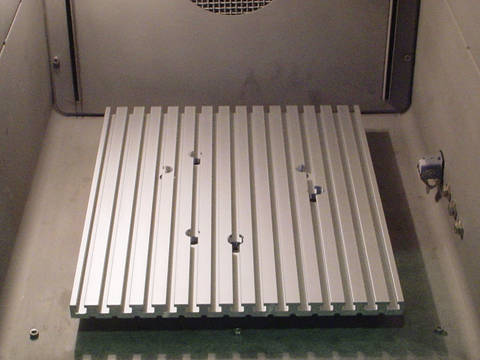
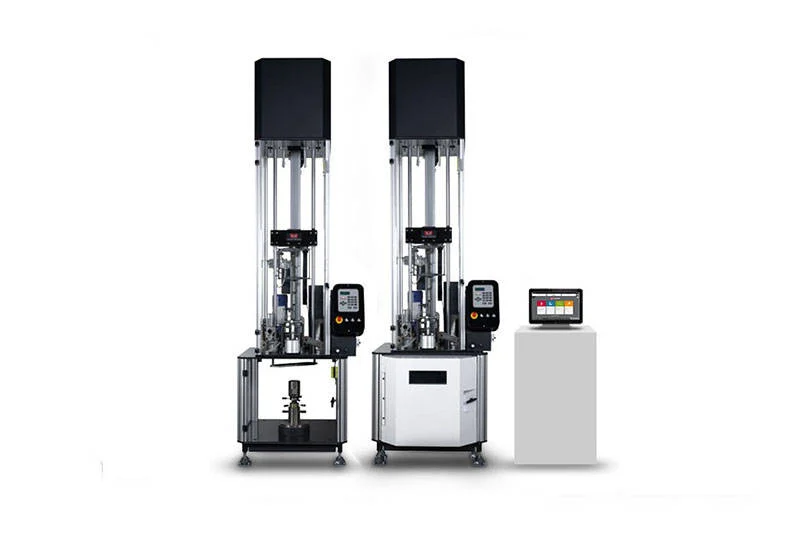
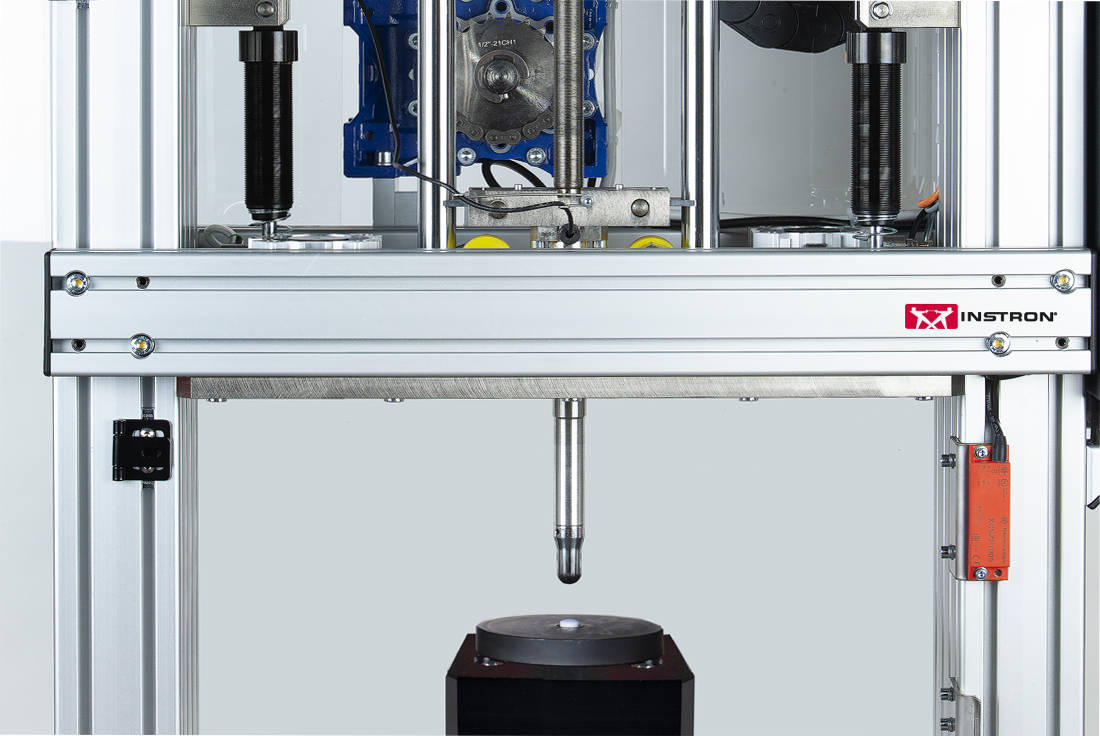
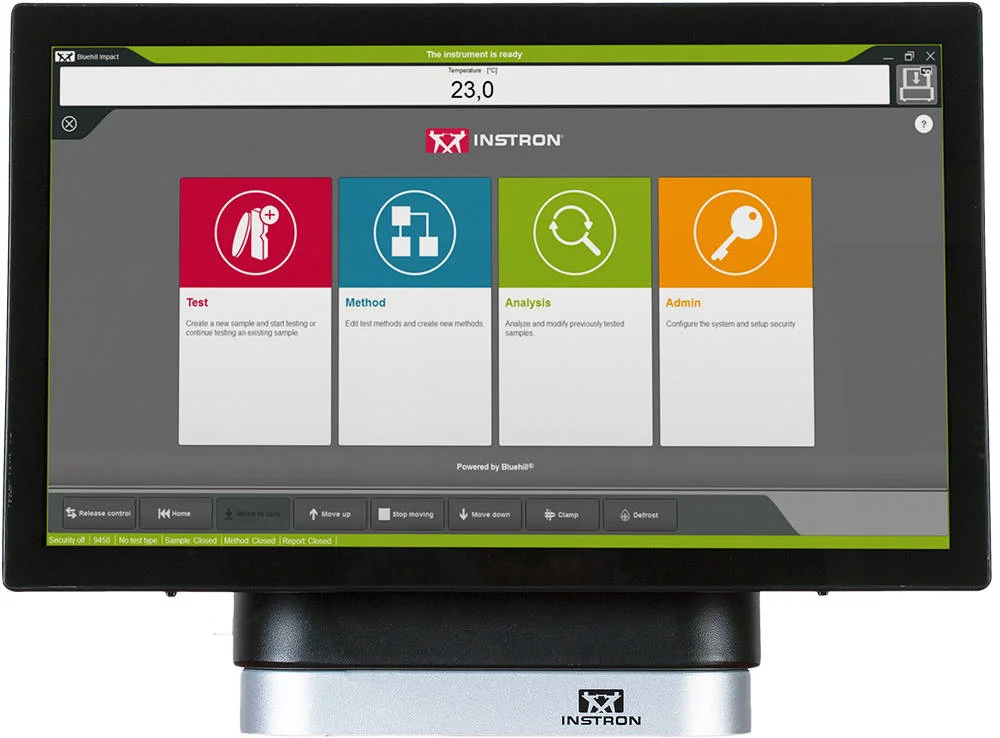
Instron 9400 series is a good fit for such a testing requirement. Since the implants for various body parts are of different shapes & sizes, the testing has to be performed using various custom fixtures. We used a T-slot plate which was bolted at the bottom of 9450. A custom fixture with a clamped knee implant was mounted on the T-slot plate at base of the tower. A 45 kN strain gauge striker was used to impact the knee implant. A Data Acquisition System (DAS) and Bluehill Impact software were used in conjunction with the drop impact machine to collect the force/velocity data and analyze the impact performance.

Alternatively a general purpose plate as seen in the picture can be used instead of a T-slot plate.These versatile plates give flexibility to manufacturers to mount a wide range of custom fixtures as per their own requirements. Such impact tests can be customized to an extent where they can replicate the real life low and high velocity impacts during the actual surgical procedures.

Note: The customer's actual test set up is confidential and hence is not displayed in this application note.

Literature

9400 Series Drop Tower Brochure

Instron Drop Towers are used to develop, fine tune, and validate material models. Testing materials under real impact conditions is a crucial step prior of product design. Using the characterization data obtained with the Instron 9400, coupled with customer supplied high-speed video, you can have confidence in your results and deliver new materials to your customers faster. Our Drop Tower impact systems, fixtures, and tups are designed to meet a wide range of applications and testing standards including: ISO, ASTM, ANSI, Airbus, Boeing, BSI, DIN, EN, FDA, Ford, GM, JIS, NASA, GOST, and more.

  • 제품소개
  • 02/05/2020
  • 763.1 KB

9400 Series Dashboard Brochure

Bluehill® Impact is built from the ground up for touch interaction. The Operator Dashboard features large touchpoints to make the user experience simpler and smarter. Easy-to-understand icons and workflows make it easy to train new or experienced users, simplify operator training, and allow you to start testing even faster than ever before

  • 제품소개
  • 08/01/2019
  • 2.35 MB

알약의 내충격 특성

Biomedical Testing

알약의 내충격 특성

Support for pharmaceutical tablet impact testing

일반적인 알약은 대개 삼키기 쉽고, 투여 후 약이 흡수되고, 약의 이름이나 제약사의 이름을 알릴 수 있도록 코팅 처리가 되어있습니다. 이러한 코팅 처리는 빛, 온도, 습도 및 적재에 따른 하중과 같은 외부의 환경 조건으로부터 제품을 보호함으로써 보관 수명을 연장하는 데 도움을 줍니다. 특히 제약 과정 및 포장 과정에서 알약의 코팅은 손상을 입힐 수 있는 충격에 노출되게 됩니다.

충격시험은 새로운 코팅 재료나 과정을 연구하고 개발하는데 필요한 특성 데이터를 제공함으로써 제약사에 그 가치를 어필할 기회를 줄 수 있습니다. 일단 적절한 제품이 준비되면 제약사는 충격 특성 시험으로부터 얻은 기본 데이터를 사용하여 지속적인 프로세스 검증을 위한 품질관리 프로그램을 도입할 수 있습니다.

낮은 하중의 피에조 센서 텁(Piezo sensor tup) (0.45kN 또는 4.5kN), ), ½ 인치 반구형 또는 플랫 tup과 Bluehill Impact 소프트웨어가 장착된 Instron 9440 Drop Tower는 제약 제품 시험에 이상적입니다. 고정을 위한 테이블 영역에 쉽게 고정할 수 있는 단단하고 평범한 금속판을 사용하는 것을 추천드립니다.

이 충격시험 솔루션은 양의 일관성과, 파단과의 연관성 또는 손상 시작점과 같은 정제의 내충격 특성을 판단하는데 적합합니다. 정제 약의 표면 코팅이 어떻게 정제 약을 강하게 또는 약하게 만드는지를 이해함으로써 제품 품질 개선을 위한 변화를 이뤄낼 수 있습니다.

문헌

9400 Series Drop Tower Brochure

Instron Drop Towers are used to develop, fine tune, and validate material models. Testing materials under real impact conditions is a crucial step prior of product design. Using the characterization data obtained with the Instron 9400, coupled with customer supplied high-speed video, you can have confidence in your results and deliver new materials to your customers faster. Our Drop Tower impact systems, fixtures, and tups are designed to meet a wide range of applications and testing standards including: ISO, ASTM, ANSI, Airbus, Boeing, BSI, DIN, EN, FDA, Ford, GM, JIS, NASA, GOST, and more.

  • 제품소개
  • 02/05/2020
  • 763.1 KB

9400 Series Dashboard Brochure

Bluehill® Impact is built from the ground up for touch interaction. The Operator Dashboard features large touchpoints to make the user experience simpler and smarter. Easy-to-understand icons and workflows make it easy to train new or experienced users, simplify operator training, and allow you to start testing even faster than ever before

  • 제품소개
  • 08/01/2019
  • 2.35 MB

스텐트 그래프트(stent grafts)의 반지름 방향 힘의 측정

Biomedical Testing

覆膜支架的径向力估算

覆膜支架用于治疗很多种类的外周围动脉、和腹部及胸主动脉病变问题,如腹主动脉瘤(Abdominal Aortic Aneurysms,AAA)。覆膜血管支架在腹主动脉瘤治疗中取得的成功激励了人们在胸降主动脉瘤治疗中采用类似的技术。放弃治疗或采用传统治疗方法(通过复杂的胸外科手术)的微动脉瘤患者的存活率通常非常低.

覆膜支架的优势在于:手术时间较短,避免大的胸部或胸腹切口,并且复发率和死亡率显著降低。为了保证此类手术的成功,特别是在前面的胸降主动脉案例中,医生必须准确地放置支架植入物并确保其不移动。

因为主动脉的生理性运动很显著,典型覆膜支架植入物的安全植入与恰当的选型和尺寸密切相关。

另外,支架植入物的直径较冠状动脉支架大很多(30+mm与2-3mm)。正确估算支架植入的径向强度能帮助制造商确保其医疗器械在植入体内后的有效性和可靠性。

我们的RX650可以灵活的适用于直径超过40mm,长度超过200mmd的覆膜支架植入物。不同于采用可能会导致覆膜支架植入物意外变形的加压钢板或者V形块的夹具装置, RX系统利用低摩的分片式方法,更精准的测量径向力。夹具装置可以进行定制以适用于特殊的标本类型,可为整个支架或支架尾部固定的径向强度和刚度测量。虽然本系统室温测试可提供非常好的可对比的结果,本系统可配备一个环境舱来模拟体温环境。

문헌

6800 시리즈 프리미어 시험 시스템 브로슈어

Instron 6800 시리즈 만능 시험기는 비교할 수 없는 정확도와 신뢰성을 제공합니다. 특허 출원 중인 Operator Protect 시스템 아키텍처를 기반으로 완전히 새로운 Smart-Close Air Kit 및 충돌 완화 기능을 갖춘 6800 시리즈는 재료 시험을 그 어느 때보다 간편하고, 스마트하며, 안전하게 만들어줍니다.

  • 제품소개
  • 02/10/2020
  • 3.56 MB

Implantable Devices

Biomaterials

Dental

Orthopedics

Soft Tissue Testing

Biomedical Testing

Soft Tissue Testing

The Challenge

Skin

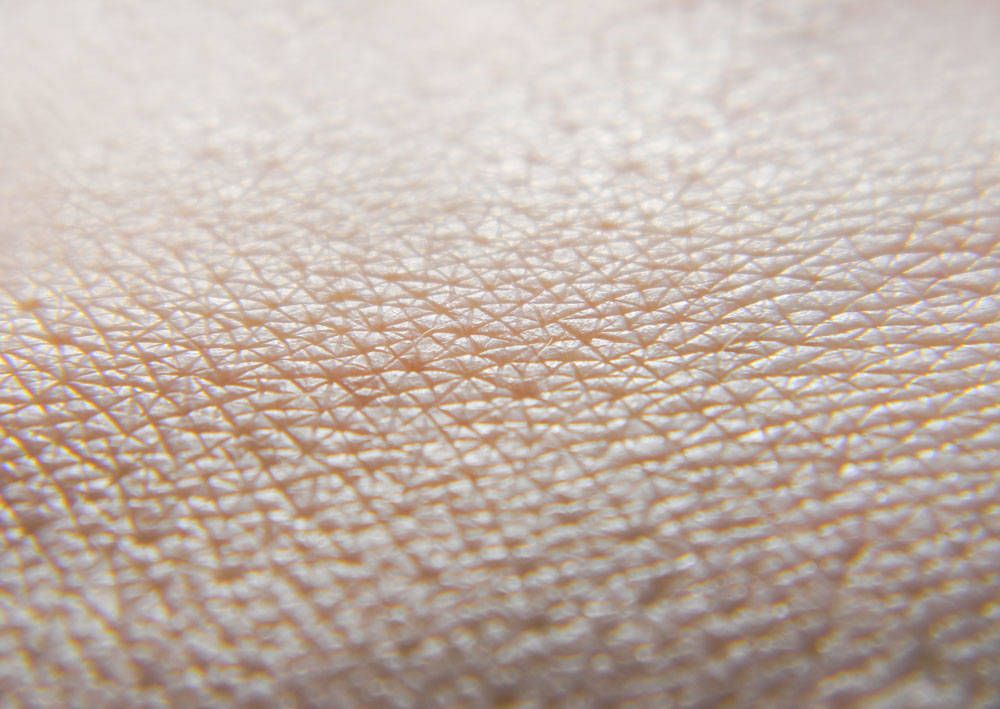
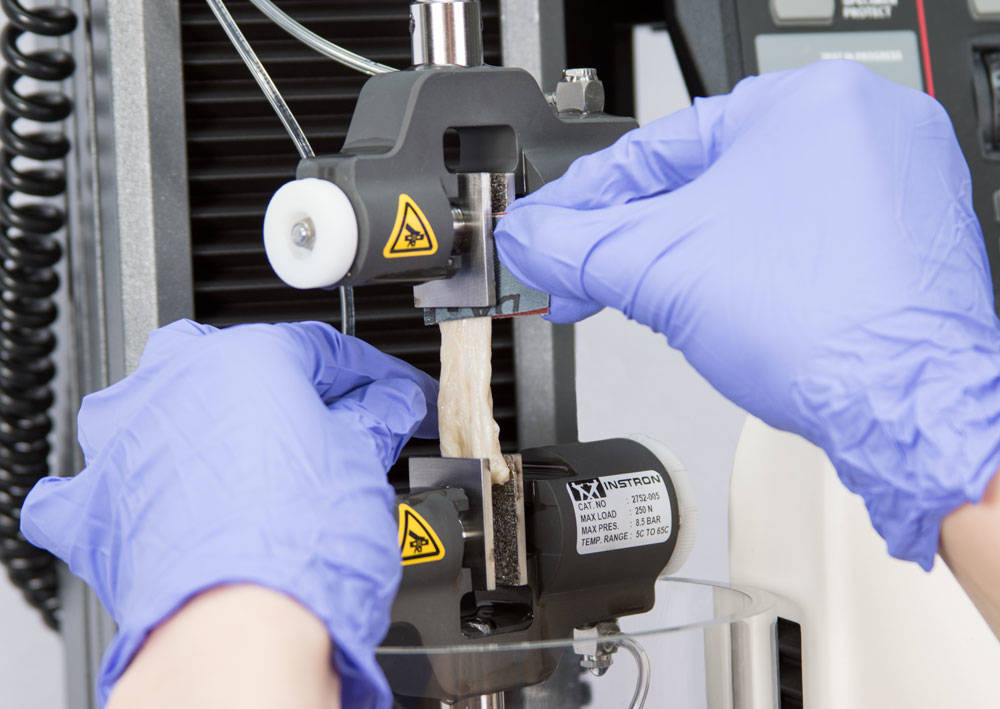
Testing soft tissues, such as skin, tendons, ligaments, and others, presents many challenges. Specimens of this type are delicate; hence they break at low forces. Gripping soft tissues can also be problematic given that these specimens are small, slippery, and compliant in nature. In addition, soft tissues are viscoelastic and often require accurate elongation or strain measurement to properly understand the material properties. Typically, in vivo conditions are needed to test soft tissues, which calls for the test to be performed at body temperature and in a hydrated state. This requires the testing equipment and fixture to be corrosion resistant and "waterproof" to avoid damaging the sensitive electronics of the testing system.  

Our Solution 

Soft Tissue Testing

For testing at physiological conditions, the Instron® BioBath is an ideal solution for keeping a specimen fully hydrated in a saline solution and at 37°C. The BioBath uses a closed-loop temperature control measurement, which can be fed directly into the test system's software to accurately track specimen temperature, in addition to mechanical test data. Pneumatic grips are recommended for consistent clamping pressure that the user can vary up to 90 PSI. A high friction surface is often needed to grip slippery biomaterials to avoid specimen slipping. To avoid this, we recommend using a metallic high friction finish known as surfalloy on the grip face, but grit sandpaper is also a viable option. A stainless steel tray, such as the BioTray, can help protect the system's electronics from damage in the case of spills or messy specimens.

의료 소모품 시험


Biomedical Testing


의료 소모품 시험

의료 소모품 시험

PPE, 수술 도구 및 상처 봉합 제품과 같은 일회용 소모품 가이드
의료 소모품은 생체의학 시험의 가장 큰 범주를 차지하며, 수술 도구, 개인보호장비(PPE), 상처 봉합 제품, 검체 채취 제품 등 다양한 일회용 제품을 포함합니다. 의료 환경에서는 병원 내 감염 발생을 완화하고 환자 안전을 보장하기 위해 일회용 제품을 사용합니다. 이러한 제품은 일반적으로 FDA 클래스 I 또는 II 의료기기로, 고위험 제품보다 엄격한 시험 요구사항이 적지만 대량으로 생산되는 경우가 많아 대용량 기계적 시험을 지원하기 위한 특정 조치가 필요합니다. 대량 생산을 보완하기 위해 처리량과 재현성이 중요한 시험 요구사항이 되며, 이는 전문 지그, 효율적인 작업자 워크플로우 및 직관적인 소프트웨어를 통해 해결됩니다. 이 범주 내 또 다른 중요한 구성요소는 완제품에 사용되는 의료용 포장재로, 자체적인 시험 요구사항이 있습니다. 기타 생체의학 응용 분야에 대한 자세한 내용은 생체의학 산업 페이지를 참조하십시오.
의료용 장갑

제품 시험 범위

이러한 장치의 평가는 제품 개발 및 생산 공정 전반에 걸쳐 여러 단계에서 수행될 수 있으며, 실제 시험 시료는 원자재부터 하위 구성요소 및 완제품까지 복잡성이 다양합니다. 원자재 단계에서 시험 방법론은 명확히 정의된 표준과 알려진 지그 솔루션에 따라 훨씬 더 규범적인 경우가 많습니다. 많은 경우 표준 인장 그립 또는 압축 플래튼을 활용하여 다양한 재료를 적절히 평가하고 엔지니어가 제품의 재료 선택에 대해 정보에 입각한 결정을 내릴 수 있도록 지원합니다. 구성요소 수준의 시험에서는 고유한 제품 형상으로 인해 맞춤형 지그에 대한 필요성이 더 커집니다. XY 테이블 또는 탭 가공된 시험 플레이트를 활용하면 사용자가 다양한 유형의 구성요소에 시스템을 적응시킬 수 있는 유연성을 제공합니다. 이러한 지그는 또한 하중 축이 제품의 관심 특성과 적절히 정렬되도록 보장합니다. 장치의 성능을 완전히 특성화하기 위해서는 구성요소를 여러 가지 방법으로 평가해야 할 수 있습니다. 전체 성능 평가에는 측정된 하중 및 변위 데이터 외에도 파손 모드에 대한 정성적 평가가 필요할 수 있습니다. 통합 테스트캠은 시험 데이터와 동기화된 파손 이벤트의 시각적 피드백을 제공하는 데 유용합니다.

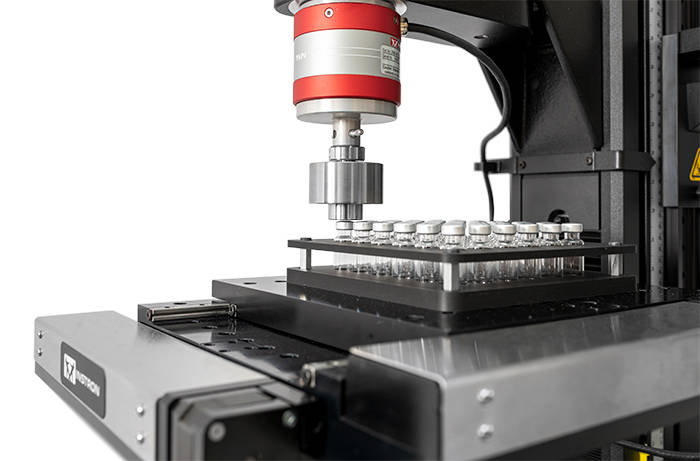
자동화 가능성특히 전 세계적 팬데믹 상황에서 의료 소모품, 특히 PPE에 대한 수요는 예측할 수 없는 것으로 나타났습니다. 이러한 제품의 시험 처리량에서 급격한 변화가 일반화되었습니다. 기계적 시험 프로그램에 자동화를 통합하면 처리량, 재현성 및 전반적인 제품 품질을 개선할 수 있습니다. 대부분의 경우 의료 소모품 시험은 "픽 앤 플레이스" 방식으로 작업자의 개입이 최소화됩니다. 이는 협동 로봇 또는 자동 XY 스테이지를 통한 자동화에 완벽한 후보입니다. 자동화에는 기존 품질 관리 시스템에 장비를 통합하여 제조 공정 내에서 폐쇄 루프 피드백을 생성하는 것도 포함될 수 있습니다. 이러한 피드백은 수집된 기계적 데이터를 사용하여 상류 생산 매개변수를 실시간으로 변경함으로써 생산 공정의 낭비를 최소화하는 데 도움이 될 수 있습니다.

생체의학 시험 자동화

포장재

의료 제품은 사용 시점까지 장치 멸균이 유지되도록 견고한 기밀 포장이 필요합니다. 이러한 포장은 오염을 방지하는 데 중요하며, 오염은 궁극적으로 환자가 감염을 획득하는 결과를 초래합니다. 포장 밀봉의 강도를 검증하기 위해 대부분의 고객은 밀봉 평가를 위한 시험 기준을 제공하는 ASTM F88에 따라 시험합니다. 주요 과제는 시편 준비 및 데이터 수집입니다. 표준에 따라 필요한 1인치 폭의 스트립을 균일하게 생산하기 위한 많은 시편 준비 지그가 존재합니다. 밀봉 강도 시험은 순간적인 변화가 있는 불균일한 곡선을 생성하므로 이벤트를 정확하게 기록할 수 있도록 충분히 높은 데이터 캡처 속도가 필요합니다. 데이터 캡처 속도가 너무 낮으면 하중 곡선이 둥글게 처리되어 인위적으로 낮은 평균 밀봉 강도가 발생할 수 있습니다. 평평한 면을 가진 공압 그립은 재료를 손상시키지 않고 시편 테일을 반복적으로 고정하는 데 이상적입니다.

지속가능성 중점

병원은 일회용 의료 제품 소비로 인한 폐기물 문제에 대해 점점 더 우려하고 있습니다. 바이오플라스틱 개발은 강력한 시장 수요를 가진 급성장하는 산업이며, 현재 많은 의료 응용 분야에 걸쳐 다양한 바이오폴리머 특성을 다루기 위한 표준이 개발 중입니다. 그동안 ASTM D638ISO 527과 같은 많은 일반적인 플라스틱 표준은 바이오플라스틱 및 3D 프린팅 플라스틱을 포함하도록 문구를 업데이트했습니다. 이러한 표준의 시험 요구사항은 잘 알려져 있으며, 이를 평가에 사용함으로써 연구자들은 석유 기반 플라스틱과 생물학적 기반 플라스틱의 재료 특성을 명확히 구분할 수 있습니다. 연구자들은 이러한 새로운 지속가능한 재료를 적절히 특성화하기 위해 인장, 압축, 굽힘, 비틀림 및 기타 형태의 시험을 수행해야 할 수 있습니다. R&D 시설은 이러한 포괄적인 분석을 수행하고 FDA 및 기타 국제 기관이 만들 규제 장벽을 극복하기 위한 도구가 필요합니다.

약물 전달 장치 및 용기 시험


Biomedical Testing


약물 전달 장치 및 용기 시험

약물 전달 장치 및 용기 시험

주사기, 카트리지 및 바이알 시험 가이드

만성 질환 발생률 증가, 고령화, 향후 팬데믹 위협에 힘입어 전 세계 의약품 수요가 증가하고 있습니다. 환자와 의료진은 약물 전달 용기가 결함이 없고, 운송 및 투여 과정 전반에서 의약품을 안전하게 보호할 수 있기를 기대합니다. 고장은 환자에게 심각한 위험을 초래하거나, 절실히 필요한 물품을 대량 폐기하게 만들 수 있습니다. 이러한 이유로 약물 전달 용기와 장치는 의도한 대로 성능을 발휘할 수 있도록 전 세계 규제 기관의 관리하에 엄격한 평가가 요구됩니다. 약물 용기는 다양한 상황에서 의약품을 보관하고 전달하도록 여러 유형으로 설계됩니다. 이 페이지에서는 다양한 용기를 구분하고, 각 용기와 관련된 고유한 시험 목적과 과제를 설명합니다. 다른 바이오메디컬 적용 분야에 대한 자세한 내용은 바이오메디컬 산업 페이지를 방문하십시오.

주사기

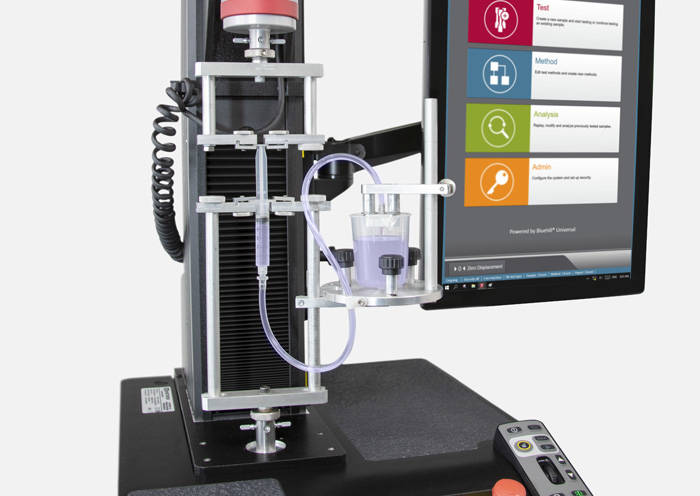
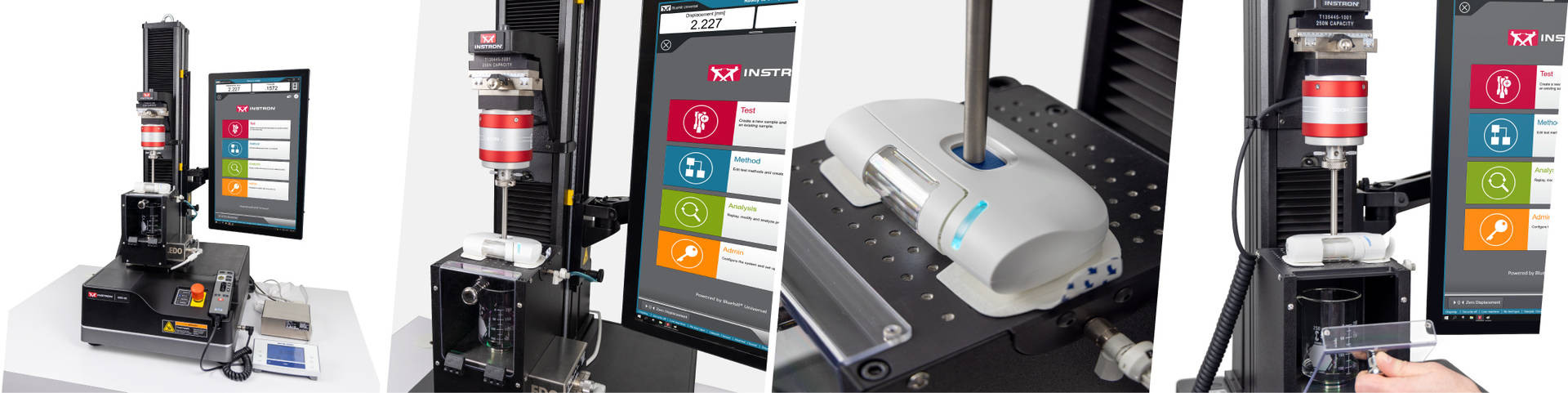
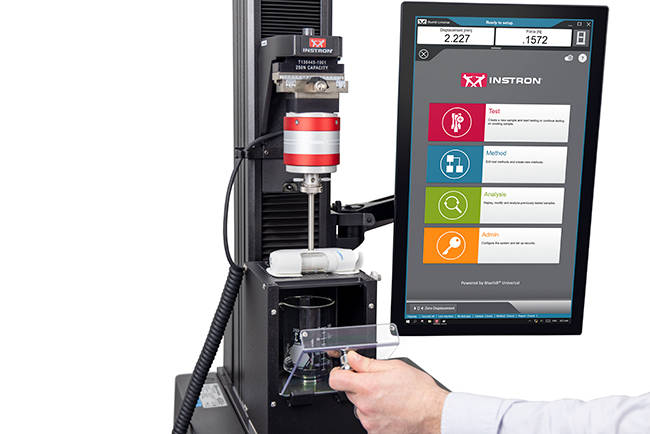
주사기 테스트

주사기는 다양한 환경에서 여러 종류의 약물을 전달해야 하므로 여러 형태로 제조됩니다. 유리 주사기가 시장에서 가장 큰 비중을 차지하며, 그 뒤를 플라스틱이 근접하게 따르고, 스테인리스강 주사기는 더 작은 시장을 형성합니다. 구조는 단순해 보이지만, 이 제품들은 용기이자 약물 전달 장치 역할을 동시에 수행하므로 설계 시 고려해야 할 요소가 수백 가지에 이릅니다. 기계적 시험은 이러한 요소 다수를 해결하고, 제조업체가 최적의 성능을 달성하며 생산 품질을 유지하도록 지원하는 것을 목표로 합니다.

장치 사용성은 가장 중요한 설계 고려사항 중 하나입니다. 주사기의 경우 이는 플런저를 사용해 유체를 배출하는 용이성을 의미합니다. 최적의 성능을 달성하려면 배럴의 기하 공차, 내면 거칠기, 실리콘 처리 공정, 플런저 스토퍼 형상 등 다양한 요소를 수정해야 할 수 있습니다. 제조업체는 R&D 과정에서 기계적 시험을 활용하여 모든 설계 결정을 적합성 확인 및 평가해야 합니다.

또 다른 중요한 고려사항은 장치의 밀폐 및 안전 메커니즘입니다. 일부 유리 주사기는 배럴 콘에 스테이크드 니들이 매립되어 있어 니들 실드가 필요하지만, 대부분의 주사기는 루어(luer) 연결을 사용해 캡과 분리형 니들을 부착합니다. 안전 메커니즘은 사용자 상호작용에 따라 능동형 또는 수동형으로 분류할 수 있습니다. 능동형 안전은 노출된 니들 위에 실드를 씌우는 것과 같이 작업자가 별도의 동작을 수행해야 합니다. 수동형 메커니즘은 일반적으로 스프링을 사용해 사용 후 니들을 숨기거나 덮어 예리한 물체로 인한 부상을 방지합니다. 두 유형 모두에서 주요 시험 과제 중 하나는 정렬입니다. 동심도 오차는 측정된 힘 및 토크 값에 영향을 줄 수 있습니다. 셀프 센터링 그립은 이러한 적용 분야에 이상적이며 작업자 오류 가능성을 줄여줍니다.

프리필드 유리 주사기와 카트리지는 모두 자동 약물 전달 장치에 직접 장착할 수 있습니다. 이러한 장치는 환자가 버튼을 누르거나 니들 실드를 작동시키면 기계적으로 약물 전달이 이루어지도록 설계되어 있습니다. 작동 시 장전된 스프링이 플런저를 용기 쪽으로 밀어 내려 유체를 배출합니다. 자동 약물 전달 장치는 환자의 사용 편의성을 크게 높이지만, 추가적인 설계 복잡성을 수반하므로 여러 하위 구성품과 기능에 대한 평가가 필요합니다. 많은 고객은 배출 용량 또는 니들 삽입 깊이 등 서로 다른 평가 항목에 맞춰 여러 시험 시스템을 사용해 이를 해결합니다. 제조업체는 필요한 모든 기능 시험을 수행하기 위해 단일 턴키 솔루션을 활용함으로써 처리량을 개선하고, 작업자 영향도를 줄이며, 시험 워크플로를 단순화할 수 있습니다.

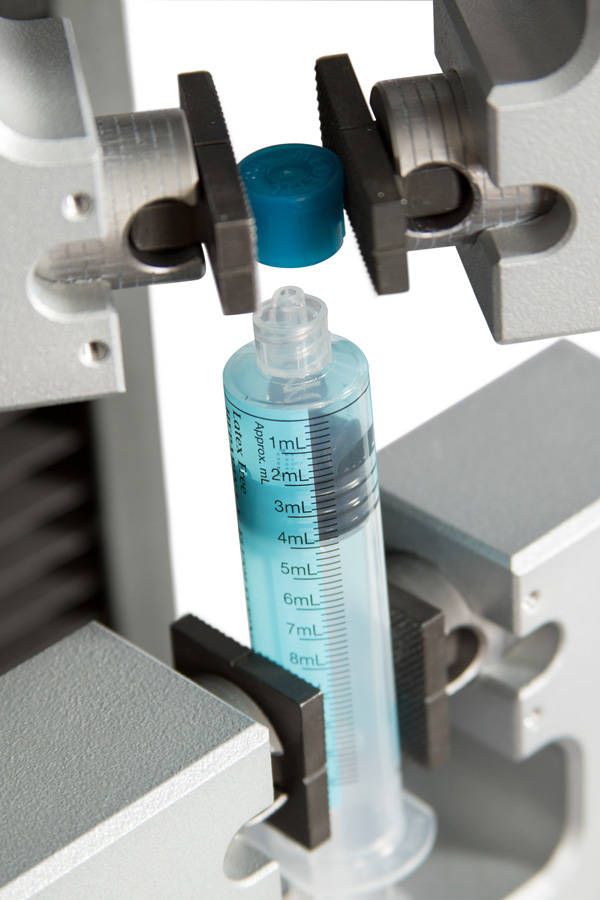
주사기 캡 제거 시험

카트리지 시험

자동화 XY 스테이지에서의 카트리지 시험

Cartridge Testing on Automated XY Stage

카트리지는 오토인젝터, 펜 인젝터, 웨어러블을 포함한 자동 약물 전달 시스템에서 가장 일반적으로 사용됩니다. 주사기보다 제조가 더 간단하고, 더 컴팩트하여 보관 효율이 향상된다는 점에서 제약사에 고유한 이점을 제공합니다. 또한 구조가 단순하여, 엘라스토머 씰과 스토퍼가 있는 붕규산 유리 용기를 알루미늄 캡으로 감싼 형태로 구성됩니다. 카트리지는 약물을 전달하기 위해 두 가지 외부 메커니즘에 의존합니다. 즉, 플런저를 작동시키는 수동 또는 자동 동작과, 약물을 체내로 유도하는 부착형 니들입니다. 카트리지에 대한 대부분의 시험은 전자에 초점을 맞추며, 유체를 배출하는 데 필요한 힘이 장치 내에서 달성될 수 있는지 확인합니다.

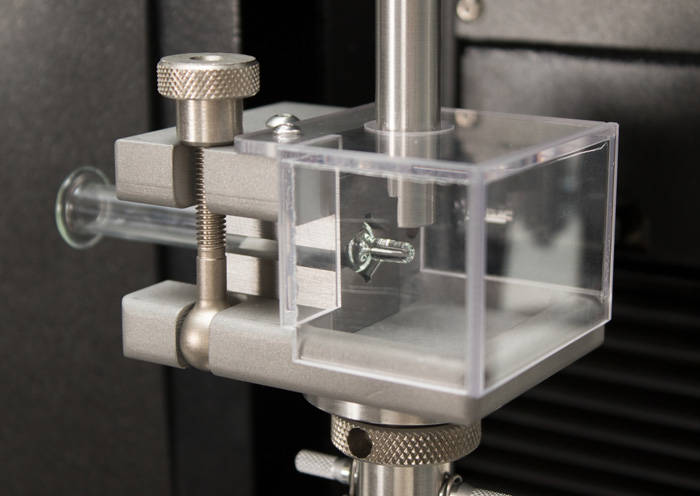
주사기와 마찬가지로, 정렬은 반복 가능한 시험 결과를 얻기 위한 주요 과제입니다. 정렬 문제는 셀프 얼라인(자체 정렬) 지그를 사용하고 작업 공간에서 XY 조정을 할 수 있도록 함으로써 완화할 수 있습니다. 카트리지의 형상은 시험에 필요한 지그 구성에서 핵심적인 차이를 만듭니다. 카트리지는 핑거 플랜지가 없으므로 모든 그립력은 용기 측면에 가해져야 합니다. 용기는 유리로 되어 있어 손상을 방지하기 위해 클램핑 힘을 보정해야 합니다. 카트리지 하단을 지지하는 인서트를 사용하면 측면 하중의 적용을 제한할 수 있으며, 시험 반복성을 향상시킬 수 있습니다.

바이알 시험

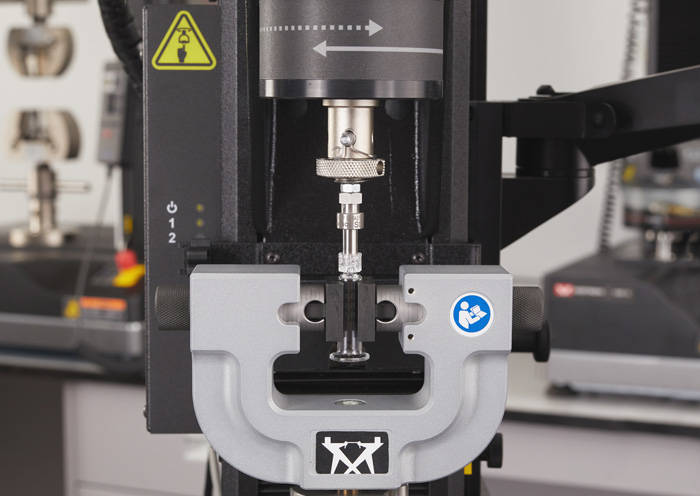
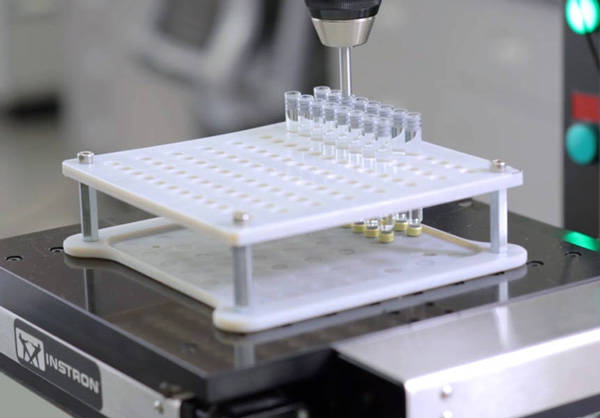
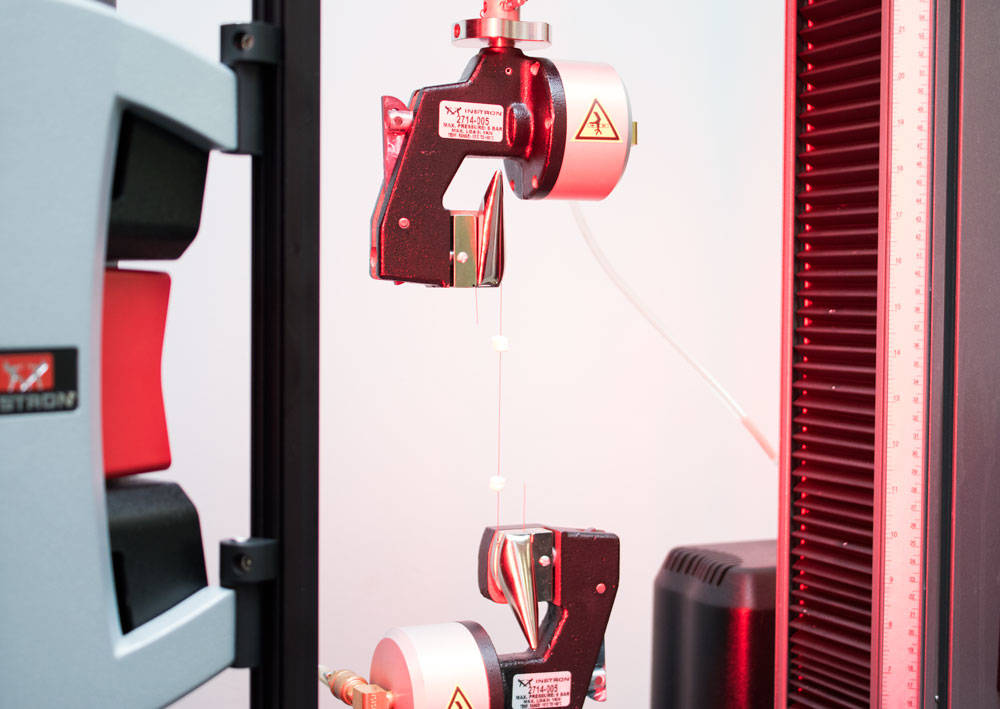
바이알은 의약품 보관 용기이며 실제 약물 전달의 일부는 아닙니다. 일반적으로 유리 용기, 고무 씰, 알루미늄 크림프 캡으로 구성됩니다. 주사기를 사용해 고무 씰을 천공하고 투여에 필요한 정확한 용량을 흡인합니다. 바이알 제조업체가 중요하게 보는 항목은 용기 밀봉 무결성(CCI)으로, 밀봉이 외부 입자가 제품을 오염시키는 것을 방지함을 검증하기 위한 일련의 평가입니다. 이러한 시험 자체는 기계적 성격이 아니며, 전기적 방법 또는 가압 방식으로 밀봉 무결성을 판단합니다.

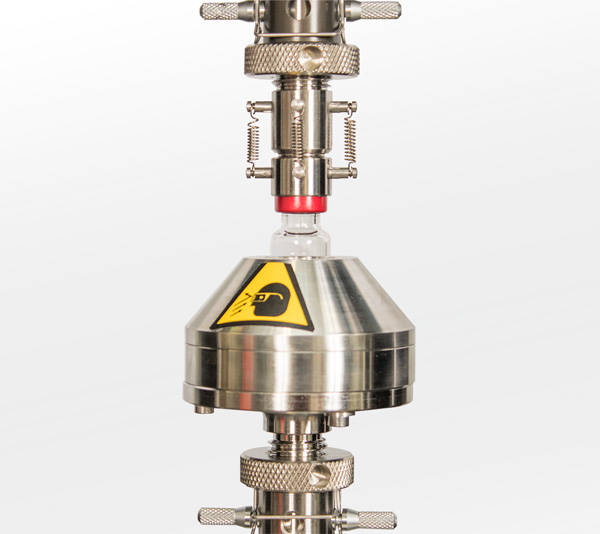
Instron 시스템은 CCI 성능과 상관관계가 있는 엘라스토머 씰 및 크림핑 공정의 핵심 기계적 파라미터를 규명하는 데 필요한 실증적 근거를 제공하는 데 도움을 줍니다. 잔류 씰 힘(RSF)은 수행되는 주요 시험 중 하나로, 바이알과 캡 사이의 접촉을 유지하는 엘라스토머 씰의 내부 힘을 극복하는 데 필요한 힘을 결정합니다. 이 시험은 궁극적으로 CCI에 영향을 미칠 수 있는 다양한 변수를 평가하는 데 필수적입니다:

  • 밀봉 후 경과 시간
  • 보관 온도
  • 보관 습도
  • 스토퍼 설계
  • 스토퍼 재질
  • 크림핑 기법

RSF 시험과 관련된 주요 과제는 장치의 적절한 정렬을 보장하는 것과 하중-변위 곡선에서 RSF 지점을 평가하는 것입니다. 많은 작업자가 곡선에서 해당 지점을 수동으로 선택하지만, Bluehill Universal® 소프트웨어는 1차 및 2차 미분 측정을 추가할 수 있어 RSF와 관련된 변곡점을 자동으로 인식하고 선택할 수 있습니다.

의료진 사용 및 라벨링과 관련된 추가 시험도 수행됩니다. Instron의 맞춤형 제품 그룹은 플라스틱 캡을 반복적으로 제거하고 라벨을 벗겨낼 수 있는 특수 지그를 설계했으며, 이는 고온, 저온 또는 변동하는 보관 온도에서도 접착 강도가 유지될 수 있는지 확인하는 것이 중요하기 때문입니다.

잔류 씰 힘 시험

효율성과 반복성 향상

제품 상용화 단계로 나아갈수록 시험량은 불가피하게 증가합니다. 효율성과 반복성은 증가한 물량의 영향을 받을 수 있는 두 가지 핵심 파라미터입니다. 이를 해결하기 위해 공정 흐름을 개선하고 작업자 오류를 줄이는 데 활용할 수 있는 다양한 솔루션이 있습니다. 이러한 솔루션에는 다음이 포함될 수 있습니다:

실제 사례: 예를 들어 설계 검증 시험은 제품 승인을 받기 전 마지막 단계이지만, 연간 몇 차례만 수행될 수 있습니다. 필요한 모든 시험을 완료하고 문서화 및 분석을 산출할 수 있도록 실험실에 적절한 인력을 확보하는 것은 어려울 수 있습니다. 자동화를 활용하면 이러한 과제를 해결하는 데 도움이 되며, 작업자가 시스템 앞에 상주할 필요를 없애고 대신 다른 필수 업무를 동시에 수행할 수 있습니다. CT-6 코봇과 같은 자동화는 실험실 효율을 최적화하여, 실험실 관리자가 업무량을 적절히 배분하고 제품 출시와 관련된 촉박한 마감일을 충족할 수 있도록 지원합니다.

주사기 시험용 코봇 시스템

FDA 21 CFR Part 11 Compliance

Biomedical Testing

Materials Testing Lab

FDA 21 CFR PART 11 COMPLIANCE FOR MECHANICAL TESTING LABS

What Is Required and How You Can Achieve It

What is FDA 21 CFR Part 11?

21 CFR Part 11 is a regulation that applies specifically to electronic documentation provided to the FDA. First published in 1997, the original intent was to create a framework that ensured electronic means of recording, approving, and submitting documents was effectively equivalent to handwritten paper documents in terms of security. The objective was to ensure that companies were capable of using electronic record keeping technology as it became more commonly utilized within the industry.

Who Does 21 CFR Part 11 Apply To?

FDA 21 CFR Part 11 applies to any pharmaceutical or medical device manufacturer submitting product documentation to the FDA for approval for sale within the United States or as part of any post-market surveillance activities.

What are the Requirements of 21 CFR Part 11?

Regulatory requirements mainly apply to the processes surrounding electronic record creation, retention and submission. The regulation specifically discusses the need for software validation, use of electronic signatures, a searchable time-stamped audit trail, and access to traceable record copies.


INSTRON PRODUCTS


Compliance is best achieved through a partnership between a manufacturer and its equipment suppliers, where the equipment supplier provides the tools to effectively and efficiently integrate the equipment into the manufacturer's quality management system. Instron's Bluehill® Universal software, compatible with static universal testing systems, offers several features designed to aid in 21 CFR Part 11 compliance. Bluehill Central lab management software allows for centralized management of multiple instances of Bluehill Universal, further simplifying the processes necessary for compliance.


Bluehill Universal
Bluehill Universal

Bluehill Universal is the testing industry's most powerful and advanced testing software. Its intuitive workflows are designed to simplify operator training, increase testing efficiency, and minimize safety hazards.

Learn More


Bluehill Central
Bluehill Central

Bluehill Central software is a laboratory management tool that enables centralized, remote management of Bluehill Universal software applications associated with multiple Instron test frames. The software allows you to remotely manage all Bluehill Universal users, test templates, results, file revision approvals, and audit trail data from multiple Instron systems.

Learn More


TRACEABILITY

Bluehill Universal’s Traceability Module enables users to meet the audit requirements associated with FDA 21 CFR Part 11 as well as those of ISO 17025, Nadcap, and other regulatory bodies. Through seamless integration of electronic approvals, revision history, and an automated audit trail, this powerful add-on combines with Bluehill’s built-in security to provide unmatched data traceability.

  Webinar: Introducing Bluehill Universal's Traceability Module
  Webinar: Protecting Data Integrity and Having Traceability in Your Testing
  FDA 21 CFR Part 11 Implementation White Paper

revision history icon

Revision History

Revision history allows users to view the full revision history of Bluehill methods, tested samples, and report templates. Each revision contains the details of the affected item, including a time stamp, both the previous and the new value, and the name of the users involved with initiating and, if required, approving the change.

electronic approval icon

Electronic Signatures

Electronic signatures serve as electronic approvals and replace the need for manual, hard copy signatures. Electronic signatures can be configured for primary, secondary, and tertiary electronic sign off to ensure that method revisions and test data are reviewed before a change is implemented or data is publicized.

audit trail icon

Audit Trail

Bluehill Universal’s built-in secure and searchable audit trail tracks system level usage, such as log-ins and log-outs and additions, modifications, and deletions to all Bluehill files. The audit trail also captures usernames, dates, and timestamps for all activities, allowing full visibility into all system activities during an audit.


SECURITY

Bluehill Security allows a Lab Manager to configure permissions in the software, granting access to trained personnel, such as super users, and limiting access where needed. Bluehill Security allows login permissions to be configured directly in Bluehill, or linked to the local Windows® login or Windows Active Directory.

  Security in Bluehill Software Whitepaper
  Security Comparison Chart


DATABASE TYPES

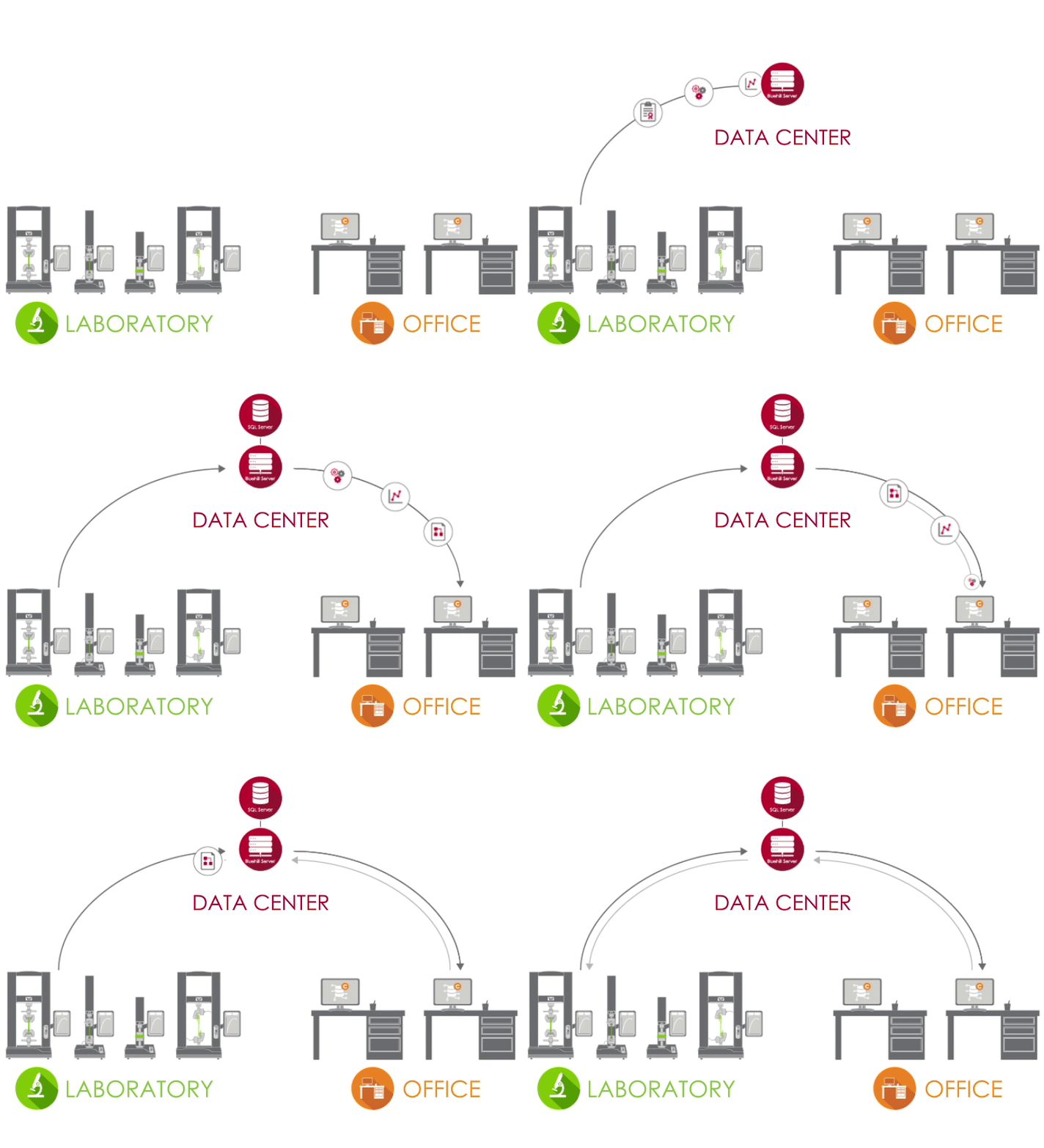
Traceability’s audit trail offers both a network and local database to accommodate your data management preference. A networked, centralized database offers your lab greater efficiencies and reduced risks when compared to locally managed data. Determining your lab’s IT infrastructure and data management preferences is recommended when considering these alternatives.


local systems
Local

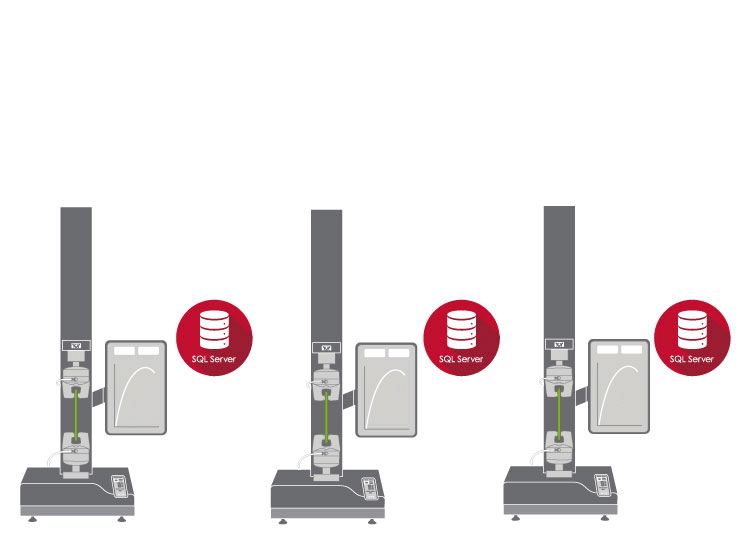
Bluehill Universal’s local Traceability module stores audit trail data on a Microsoft SQL Express database that is hosted on the computer running Bluehill Universal connected to the Instron system. The local database model accommodates labs that cannot connect computers to a shared network. Viewing the audit trail and electronically signing files occurs locally on the computer, and each Instron system with a local Traceability database stores its own SQL Express database. Database backup and restore functions can be performed manually in Bluehill Universal.


Bluehill Central Architecture
Network

The network solution for Instron’s Traceability is powered by Bluehill Central, which employs a client/server framework to store all shared audit trail data, files, and settings on a Microsoft SQL Server database. When Bluehill Universal is connected to your lab’s Bluehill Central server, each testing system send and receives data from the centralized database, eliminating the risk of variation and the burden of locally managing each system. Viewing the audit trail, electronically signing files, and user management is performed either remotely in Bluehill Central or locally in Bluehill Universal. Database backup and restore functions can be performed manually in Bluehill Central.


INSTRON SERVICE


Instron field service teams provide validation and documentation services to support IQOQ processes designed to ensure that your Instron testing equipment performs to its intended purposes and produces valid results (per 21 CFR 820.72 and ISO 13845). Validation packages can also include validation of Bluehill Central and Bluehill Traceability to aid in compliance with CFR 21 Part 11. These validation packages contain checks to confirm that certain operations performed in the software are traceable in an audit trail, and provide reference to Instron transducer calibrations (purchased separately) to ensure that the software and system are providing accurate, reliable results. At the conclusion of our services we provide a Completion Certificate for Installation and Operational Qualification that will be signed by the Instron Field Service Engineer who performed the validations.


IQ/OQ

Our field service teams provide validation and documentation services to support IQOQ processes designed to ensure that your Instron testing equipment performs to its intended purposes and produces valid results per 21 CFR 820.72 and ISO 13845. At the conclusion of our services we provide a Completion Certificate for Installation and Operational Qualification that will be signed by the Instron Field Service Engineer who performed the validations.

Learn More


Systems Verification

Instron's field service teams provide speed, displacement, alignment, and temperature verification for your mechanical testing systems to ASTM E2658, ASTM E2309, and other standards.

Learn More


On Body Delivery Systems

Biomedical Testing

mechanical testing of on body delivery systems

TESTING ON BODY DELIVERY SYSTEMS

Testing Wearable Devices Used in the Treatment of Diabetes and Other Chronic Illnesses


Trends in wearable technology follow those of the broader biomedical and electronics industries — devices are getting smaller, smarter, and easier to use. These wearable devices range from on-body drug delivery systems for diabetes and cancer treatment to electrical nerve stimulation patches or sensors t monitor vitals. All treatments increase patient autonomy and are rapidly increasing in popularity in light of higher incidence rates of chronic disease and an aging population. As this trend continues, manufacturers are working to develop robust testing methods to mechanically evaluate all aspects of these devices and ensure that they are performing as expected. For more information on other biomedical applications, visit our Biomedical Industry page.
CHALLENGES OF TESTING WEARABLES

On Body Delivery Systems (OBDS) represent a quickly growing segment of the injectable drug delivery device market. These devices offer unique advantages over more traditional delivery methods. One of their most differentiating features is their ability to support significantly larger volumes of medication than devices like prefilled syringes and autoinjectors, with some OBDS reaching as much as 10 mL of deliverable volume. This is a direct result of the explosion of large molecule biologics, whose efficacy requires higher concentrations and subsequently higher volume in solution. OBDS also simplify patient adherence, as the entire delivery process occurs automatically once the device is placed and activated. In addition, their form factor allows for easier integration of IOT functionality, helping create companion applications to track and monitor patient progress.

stethoscope icon

Though these devices are just recently starting to be commercialized on drug platforms, the testing requirements are becoming more standardized. ISO 11608-6 was released in 2022, which is the first official standard that provides guidance around evaluating the functionality of OBDS. At this point, the testing specifications are still purposefully broad to apply to a range of devices with different form factors. The dose accuracy, injection time, delivery profile, and needle extension are relatively agnostic of the device, requiring additional testing system capabilities such as an integrated scale and camera. Testing around the properties of the medical grade adhesives is subject to the most uncertainty, with references to a wide range of existing adhesive test standards.

Challenge #1 - Flexibility Around Device Form Factors

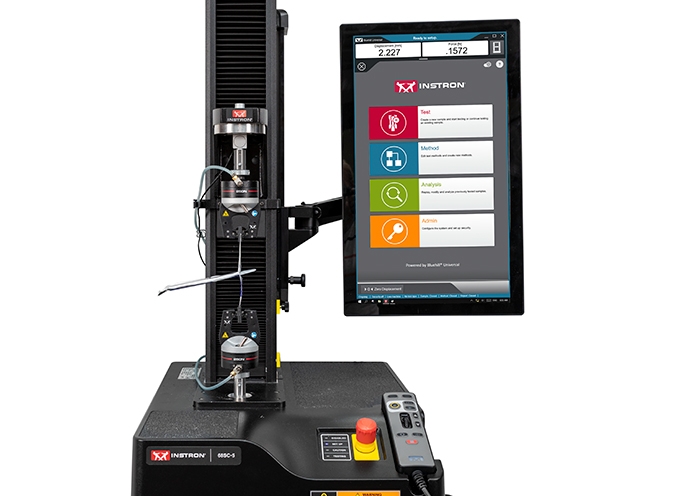
The overall size and functionality of OBDS can vary greatly between manufacturers, and mechanical testing systems are not inherently designed for evaluating such a varied set of products. The dimensions of OBDS necessitate testing systems with a large fixturing surface that has sufficient anchoring points to accommodate all profiles. The use of a component test plate - a tapped platform with regularly spaces threaded connections - provides the most flexibility for customers to create their own fixturing for their devices. A unique challenge to OBDS is the potential for activation mechanisms and needles which are not collinear. An adjustable load cell mount makes it possible to maintain the needle centered on the injection point while ensuring the load cell is aligned with the activation button.


Challenge #2 - Capturing Extended Dose Profiles

wearable autoinjector being tested

Autoinjectors typically dispense their entire volume of fluid at a consistent rate in the range of 1 to 10 seconds. OBDS will work on a longer time scale to address patient comfort associated with large volume injections. In some cases, the delivery profile will vary throughout the duration of the injection to optimize drug absorption. The use of an integrated scale measurement in Bluehill Universal allows for proper visualization representation of the dose profile , aligning with the guidance of the ISO 11608-6 standard [Annex B].

Challenge #3 - Adhesive Evaluations

ISO 11608-6 points toward established standards like ASTM D3330 for characterizing the fundamental adhesive properties of the adhesive materials used to affix devices to patients' skin. This standard provides an ideal baseline for comparative testing of different adhesives, but does not accurately represent the real-world adhesive properties. To do this, the testing system must also be able to support more realistic substrates and preconditioning parameters such as temperature and moisture. A system with cyclic loading capabilities may provide additional insights in evaluating the degradation of adhesive properties after hours of simulated use.

Metal Ceramic Plastic Braces Testing

Biomedical Testing

Metal Ceramic Plastic Braces Testing

The  Challenge

Braces

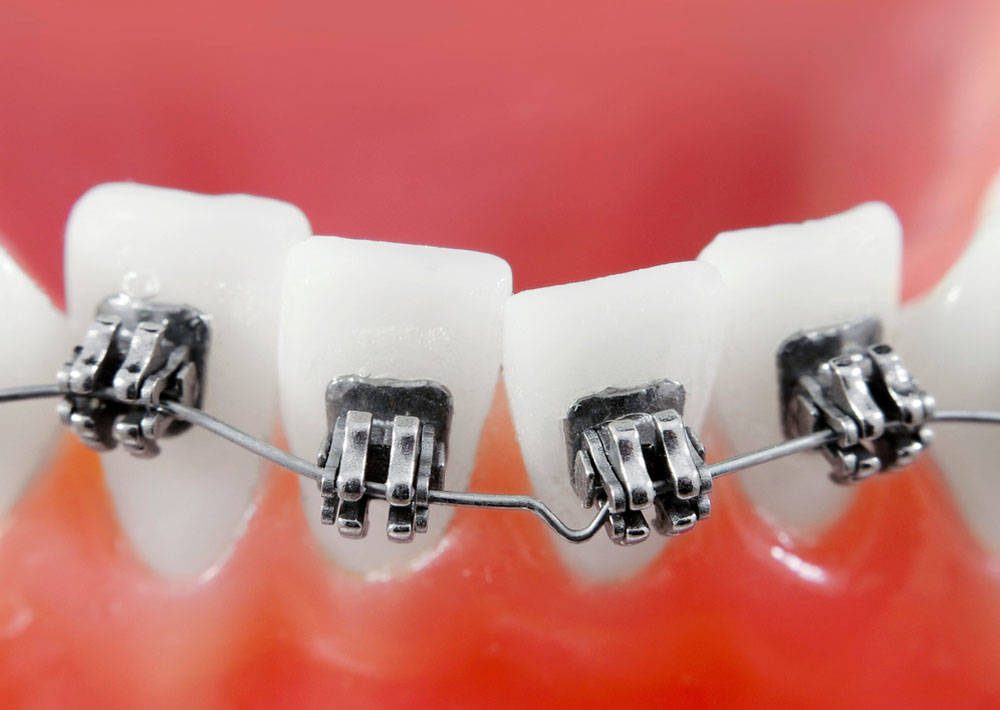
Metal braces are the most common type of braces for correcting misaligned teeth, and are typically made from high quality stainless steel or titanium. The components of metal braces include the brackets that physically attach to the teeth, bonding material like an adhesive to secure the brackets to the teeth, arch wire that connects the brackets together, and elastic which is typically referred to as O-ring material. In recent years, clear braces produced from plastic or ceramic have become a popular alternative to metal braces for cosmetic reasons. For a patient that requires braces, the preparation and application of braces are both expensive and time intensive. It is imperative that braces remain intact during application and during the patient's daily use of eating and drinking. Given the complexity of different patients and the multiple components and materials associated with braces, testing all parts and use cases can be overwhelming.

Our Solution 

Braces Testing

In order to test each component in a set of braces, we recommend using a Universal Testing System, such as the 6800 Series or 3400 Series systems with Bluehill® Universal software. Bluehill Universal's flexible user interface enables users to quickly set up different methods for tensile, compression, flex, peel, tear, and friction tests. This allows users to test the compressive strength properties of the brackets, peel properties of the adhesive, and tensile strength of both the metal wire and O-ring material. For testing the brackets, we recommend using 2-inch compression platens. When testing the adhesive, we recommend performing a 90° peel test with the adhesive bonded to substrates that mimic the tooth. Depending on the thickness of the metal wire, pneumatic cord and yarn grips may be the most preferred gripping solution for wire tensile tests. Finally, for testing the elastomeric O-ring material, Instron® offers a specialized O-ring fixture designed for measuring stiffness, strain, and ultimate tensile strength properties for a variety of O-ring sizes.

무릎 시험


Biomedical Testing


무릎 시험

과제

무릎 관절

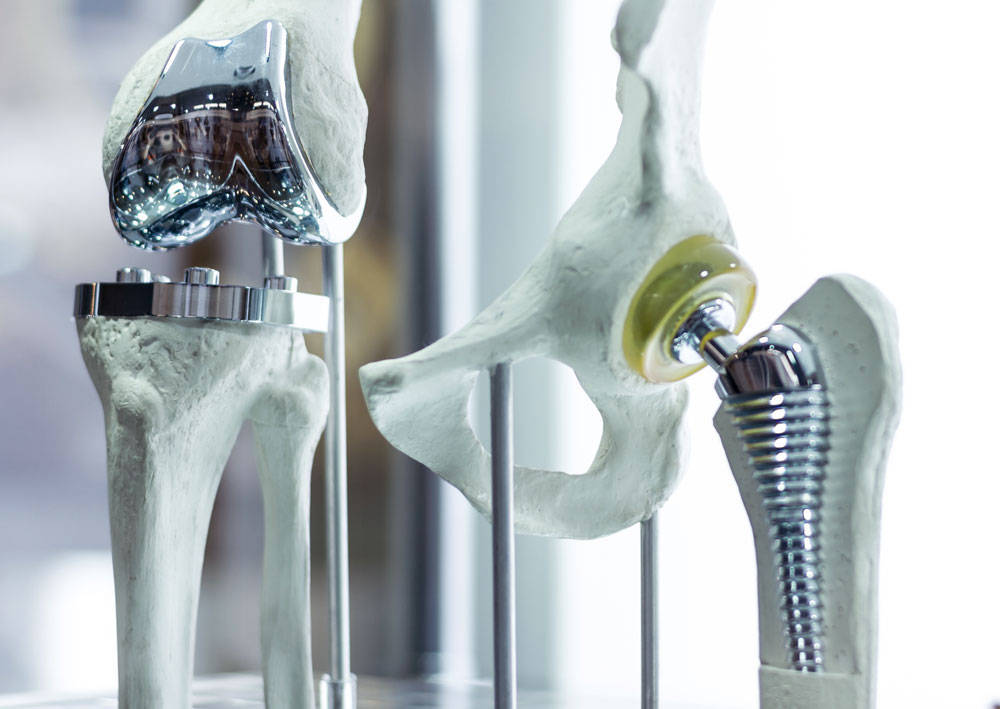
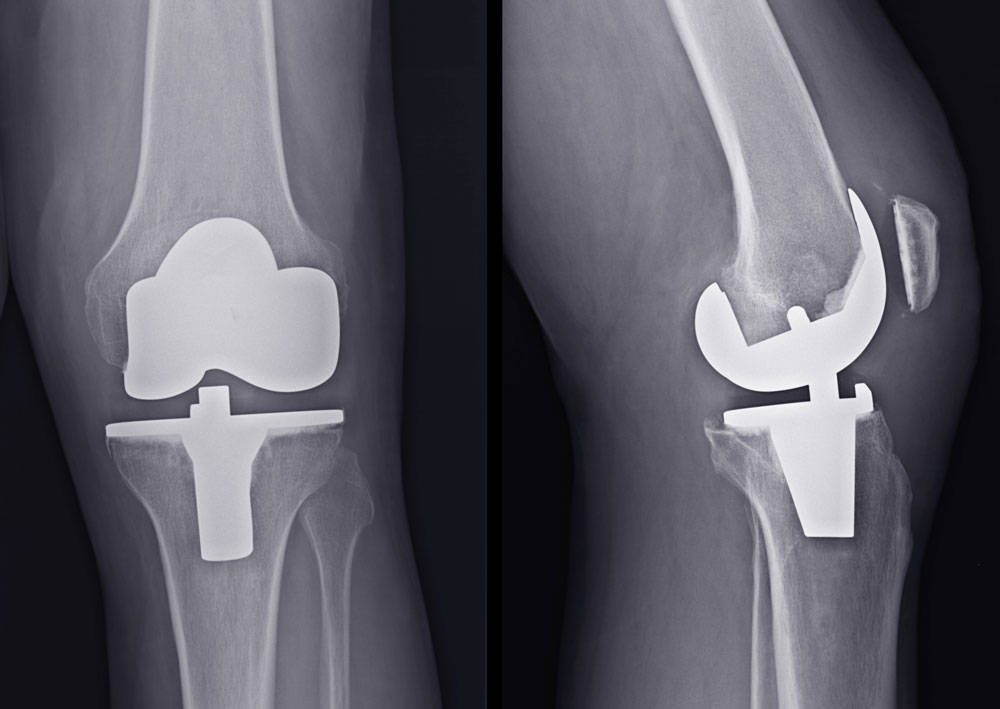
인공 무릎 관절 치환술은 삶의 질을 향상시키기 위해 전 세계적으로 가장 많이 시행되는 수술 중 하나입니다. 무릎 경골 트레이의 피로 파괴는 인공 무릎 관절 전치환술(TKR)에서 가장 흔하게 보고되는 실패 메커니즘 중 하나입니다. 이는 마모로 인한 골용해와 같은 생물학적 반응으로 인해 하부 골 지지력이 상실되면서 발생합니다. 이러한 조건에서 경골 트레이는 기계적으로 불안정해지며, 정상적인 보행으로 인한 반복 하중이 피로 균열을 일으켜 결국 치명적인 파손으로 이어집니다.

당사의 솔루션

무릎 관절 시험

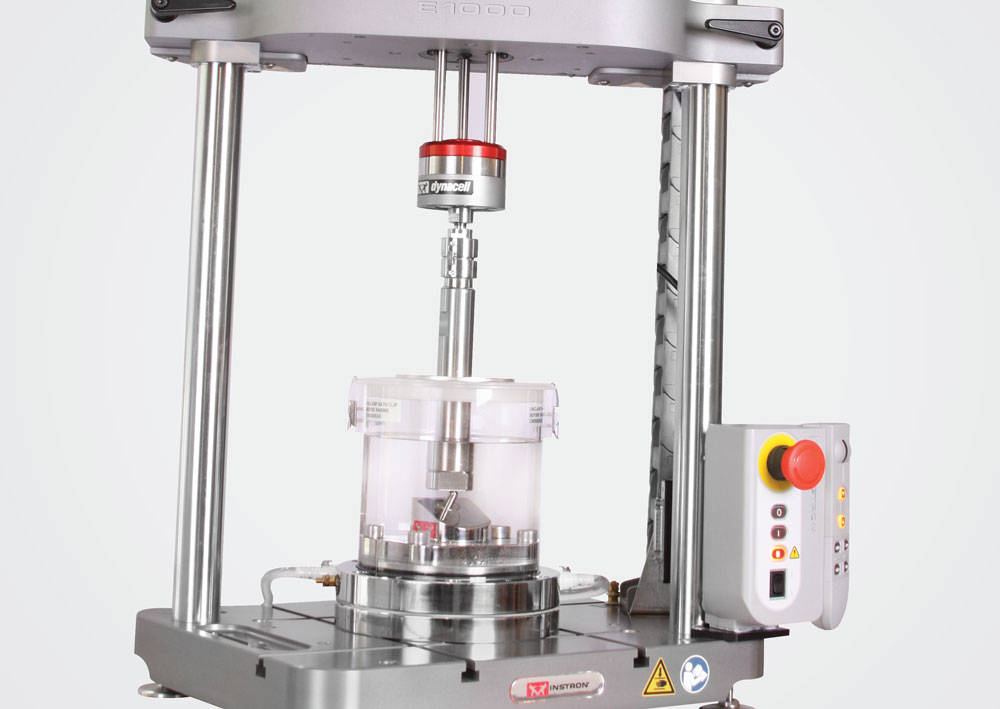
ElectroPuls 올-일렉트릭 동적 시험기는 피로 균열 진전 저항과 같은 기본적인 재료 특성 도출부터 전체 경골 트레이 시험 및 그 이상에 이르기까지 제품 수명 주기 전 과정에서 설계자, 제조업체 및 연구자를 지원합니다. 당사는 클램핑 고정 장치를 사용하여 경골 트레이의 절반을 고정함으로써 완전히 지지된 관절구를 시뮬레이션합니다. 그런 다음 지지되지 않은 나머지 관절구에 생리학적으로 대표되는 하중을 가합니다. 당사의 독보적인 Dynacell 로드셀을 사용하면 고정 장치로 인한 오차나 환경 수조 내 시험 시 발생하는 유체 역학적 오차와 같은 동적 관성 오차를 제거할 수 있습니다. 이를 통해 시편에 가해지는 하중을 더욱 정확하게 측정할 수 있습니다.

콘택트렌즈 시험


Biomedical Testing


콘택트렌즈 시험

과제

콘택트렌즈

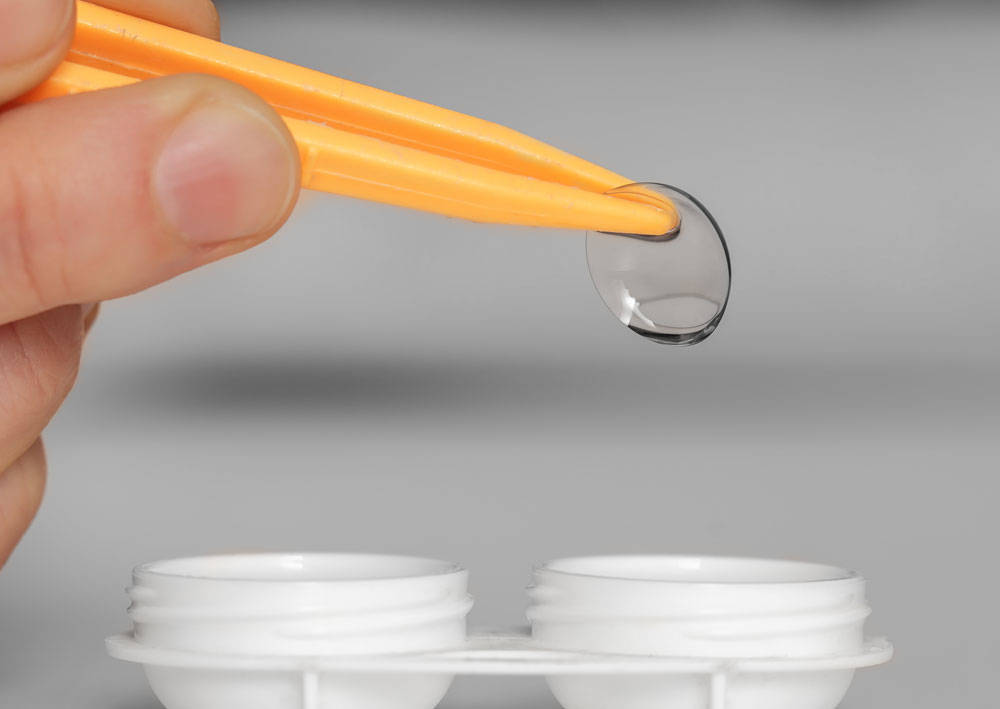
세계에서 가장 널리 사용되는 의료 기기 중 하나인 콘택트렌즈는 주로 시력 교정을 위해 사용되지만, 미용 개선 및 변형을 위해서도 사용됩니다. 다양한 형태로 제조되지만, 가장 일반적으로는 부드러운 고분자 재료로 만들어집니다. 부드러운 콘택트렌즈 재료는 미끄럽고 다루기 섬세하여 시편을 그립에 장착하는 것이 어려울 수 있으며, 매우 낮은 힘에서도 렌즈의 찢어짐이 흔하게 발생합니다. 실제 사용 환경을 가장 잘 시뮬레이션하기 위해 콘택트렌즈는 생리학적으로 관련 있는 조건에서 시험되어야 하며, 이는 렌즈를 체온으로 가열된 식염수조에서 시험해야 함을 의미합니다.

당사의 솔루션

콘택트렌즈 시험

콘택트렌즈 시험을 위해, 만능 시험기BioBath 250 N 수중 공압 인장 그립과 특수 제작된 긴 서프알로이 그립 면을 구성하여 사용하는 것을 권장합니다. 긴 그립 면을 통해 사용자는 작은 렌즈를 조작할 수 있는 충분한 공간을 확보하면서 그립에 삽입할 수 있으며, 그립 간격이 0이 되도록 할 수 있습니다. 렌즈는 완제품 상태로 시험하거나, 스트립으로 잘라내거나, 트라우저 인열 시험을 수행하기 위해 슬라이스하여 시험할 수 있습니다. 시편 파손을 정확하게 감지하기 위해 저하중 로드셀도 권장됩니다. 250 N 공압 수중 그립과 로드셀에 부착되는 관련 풀 로드는 콘택트렌즈 시험과 같은 저하중 시험 중 부력 발생 가능성을 최소화하도록 설계되었습니다.

고관절 임플란트 시험


Biomedical Testing


고관절 임플란트 시험

과제

고관절 임플란트

수술 후 정상적인 활동으로 인해 근위부 이완과 응력 차폐가 발생할 수 있으며, 이는 비정상적인 하중 프로파일로 이어질 수 있습니다. 따라서 시험에서는 시편이 체내에서 경험하게 될 실제 환경과 하중을 재현해야 합니다. 고관절 대퇴부 피로 시험은 시편을 정밀하게 매립하는 것이 중요하므로 어려울 수 있습니다. ISO 7206 표준을 충족하려면 지그가 압축, 굽힘 및 비틀림 응력을 지지할 수 있어야 합니다. 또한 이러한 시험의 고주파 조건은 시편 온도를 허용 한계를 초과하도록 상승시킬 수 있어 또 다른 과제가 됩니다.

당사의 솔루션

고관절 임플란트 시험

Instron®은(는) 요구되는 오프셋 각도와 매립 깊이를 달성하도록 보장하는 시편 매립 장치를 제공합니다. 목적에 맞게 설계된 내식성 지그는 생체 내(in vivo) 시험을 가능하게 합니다. 이 어셈블리에는 온도 컨트롤러와 순환 펌프가 완비되어 있어, 시험 주파수를 자동으로 낮춰 온도가 허용 한계를 초과하지 않도록 보장합니다. 설치가 간편한 이 지그에는 저마찰 로딩 헤드와 ElectroPuls 시스템에 장착하기 위한 어댑터가 포함되어 있습니다. Instron WaveMatrix 소프트웨어를 사용하면 특정 사이클 수를 수행하거나 시편 파손이 감지될 때까지 수행하는 등 다양한 시험 종료 기준을 적용할 수 있으며, 파손은 여러 방법으로 판정할 수 있습니다. 하나의 패키지로 ISO 7206-4, 7206-6 및 7206-8의 요구사항을 자신 있게 충족하고 이를 초과하는 시험을 수행할 수 있습니다.

안구 임플란트 시험


Biomedical Testing


안구 임플란트 시험

과제

안구 임플란트

인공수정체(IOL)는 합성 인공 렌즈로, 대개 백내장 수술 후 환자의 눈 안에 삽입됩니다. 질병으로 인해 환자의 자연 수정체가 제거되면 눈의 재초점 능력이 상실됩니다. IOL은 일반적으로 폴리(메틸 메타크릴레이트)(PMMA), 실리콘, 아크릴 및 기타 연성 재료로 제작되며, 이러한 재료는 렌즈를 쉽게 접어 눈 안에 삽입할 수 있게 해줍니다. 수술 중에는 IOL이 찢어지거나 파열되지 않는 것이 매우 중요합니다. 아주 작은 찢김이라도 환자에게 큰 불편을 줄 수 있기 때문입니다. IOL 시험에서 가장 큰 과제 중 일부는 수술 중 발생하는 접힘 거동을 모사하는 것과, 동전 크기의 작은 장치를 확실하게 그립하는 것입니다.

인스트론의 솔루션

안구 임플란트 시험

IOL 시험에는 TestProfiler 모듈을 사용하여 IOL에 인장과 압축을 모두 가하는 간단한 반복 시험을 수행할 것을 권장합니다. 시험 시스템으로는 6800 Series 만능 시험기, 파이버 그립, 그리고 10 N 로드셀과 같은 저하중 로드셀 사용을 권장합니다. 또한 USB 현미경과 함께 Bluehill® UniversalTestCam 기능을 사용할 것을 권장합니다. 이를 통해 사용자는 시험편을 확대하고, 시험을 기록하며, 시험 후 영상을 재생할 수 있습니다. 최소 10배(10x) 이상의 USB 현미경을 사용하면 육안으로는 보이지 않을 수 있는 작은 찢김도 감지하는 데 도움이 됩니다.

Bone Screw Testing

Biomedical Testing

Bone Screw Testing

The  Challenge

Bone Screw

Bone screws are used in surgical procedures for securing implants, osteosynthesis devices, and fracture fixation plates to the skeletal system. In normal clinical use, a surgeon applies combined axial and torsional forces to the bone screw as it is implanted within the body. Manufacturers and scientists test bone screws to determine various mechanical properties when evaluating new materials and designs. The most common standard for testing bone screws is ASTM F534. The standard consists of a total of four testing annexes: axial tests, torsion only tests, or a combination of both linear and torsion tests. ASTM F543-17 Test A1 - Test Method for Determining the Torsional Properties of Metallic Bone Screws requires the screw to be sufficiently clamped and a rotational velocity between 1 and 5 rpm to be applied until specimen failure, and to measure the torque profile and the rotational angle. ASTM F534-17 Test A2 - Test Method for Driving Torque of Medical Bone Screws measures the torque required to insert and remove the screw with a constant rotational velocity between 1 and 5 rpm while maintaining an axial load of no more than 10 N in compression. ASTM F543-17 Test A3 - Test Method for Determining the Axial Pull-Out Strength of Medical Bone Screws measures the force required to axially remove the screw that has been fully inserted in the test block using the method from Test A2. The pull-out fixture then applies a tensile load at a constant rate of 5 mm/min until the failure of the bone screw or removal from the test block. ASTM F543-17 Test A4 - Test Method for Determining the Self-Tapping Performance of Self-Tapping Medical Bone Screws specifies the procedure to evaluate the axial loading required to engage a self-tapping bone screw into a standard laboratory material. Although considered a simple clinical procedure, reproduction of this in vitro results in a relatively complex motion due to the interaction between the rotation and linear axes of a test machine. The test requires a continuous rotational velocity of up to 30 rpm while the axial load is incremented during the insertion at a rate of 2 N/s. The objective of this test is to record the torque profile as the bone screw is inserted into the material and then removed.

Our Solution 

Bone Screw Testing

To perform bone screw testing to ASTM F543, either an electromechanical system with a Torsion Add-On 3.0 , or an ElectroPuls™ Linear-Torsion system can be used. The Torsion Add-On 3.0 can be added to any new or existing 6800 Series single column or dual column table top testing machine to add rotational capabilities. The ElectroPuls E10000 and E3000 Linear-Torsion test systems are all-electric dynamic testing systems that provide a unique linear and torsion actuator system that is capable of synchronized linear and multi-rotation testing, which makes them ideal platforms for performing the full range of tests prescribed by the standard. For both the electromechanical system and ElectroPuls system, a bi-axial Dynacell load cell is mounted to the base of the machine. Using WaveMatrix™ dynamic test software on the ElectroPuls system, a user is able to control both axial and rotational axis in closed-loop control. This gives the user the ability to easily set up the multi-axial tests as a series of steps, and displays the required information as the test proceeds. Special fixtures are used to clamp the material to the biaxial load cell, and a drill chuck is used for the drive bits.

Hard Tissue Testing

Biomedical Testing

Hard Tissue Testing

The Challenge

Hard Tissue

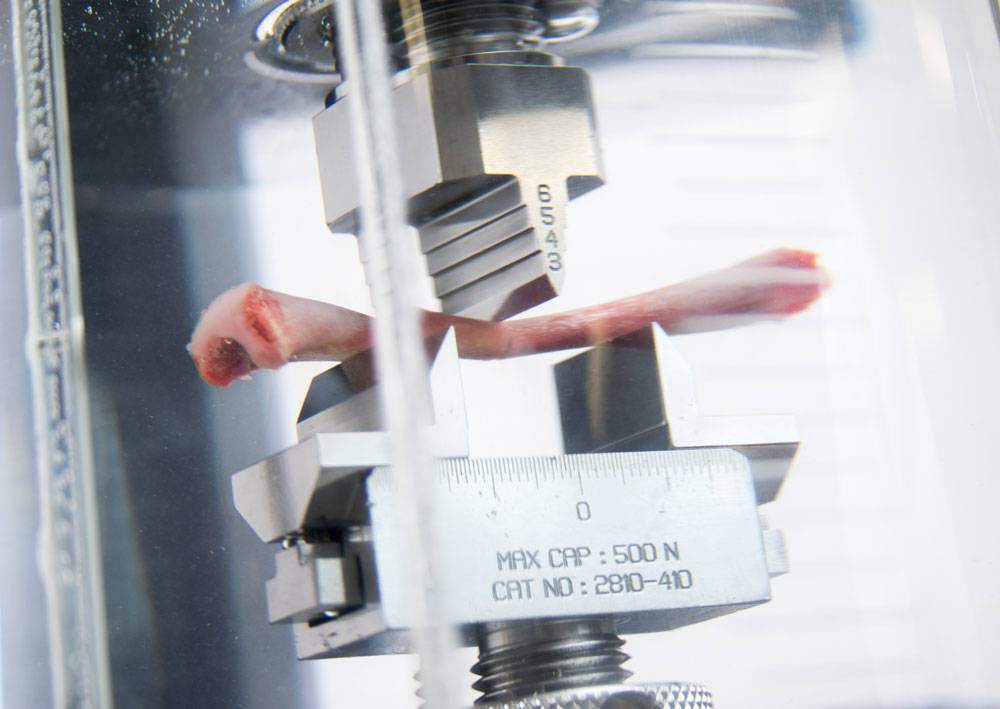
Bone, dentin, and dental enamel are all considered to be hard tissues. Specimens of this type are most commonly tested in compression and flexural. The most common results obtained from a compression or flexural test on hard tissues is modulus and force at fracture. Typically, these specimens come from mice, rats, or other mammals and are small in size. Despite being small in size, hard tissues have high stiffness. A typical challenge with measuring modulus is accurate measurement of displacement. For a given force, a hard tissue such as bone will exhibit small displacement. In addition to compression testing, 3-point and 4-point bend tests are common to quantify force at fracture on bone sections. Often, this testing must be conducted at physiologically relevant test conditions, such as in a hydrated bath and at body temperature.

Our Solution 

Hard Tissue Testing

When conducting compression testing on hard tissues, it is critical that users choose appropriately sized compression platens to closely match specimen size, ensure the compression platens are spherically seated or self-aligning to apply even pressure on the specimen, and use an accurate source to measure system displacement. For example, an accurate measurement source of displacement could be via compliance correction in the software, or by using a strain measuring device, such as a linear variable deflection transducer (LVDT) or a video extensometer. When testing flexural specimens, it is critical that the anvils on the flexural fixture are appropriately sized to the specimen and that the flexural fixture properties, such as span length, are easily entered into the software.

골절 고정 장치 시험


Biomedical Testing


골절 고정 장치 시험

과제

골절 고정

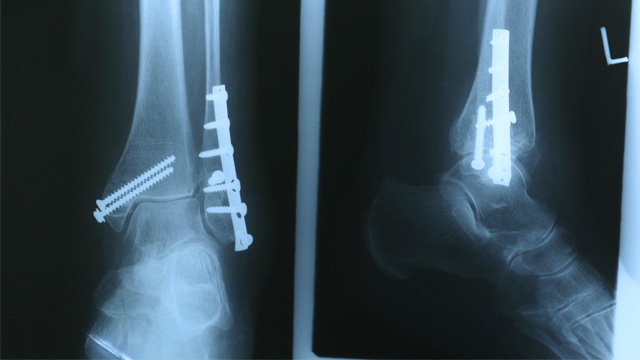
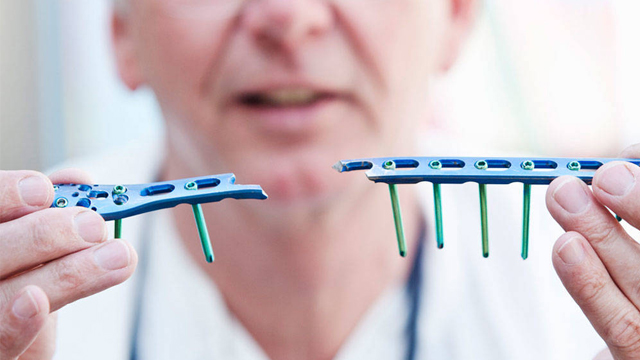
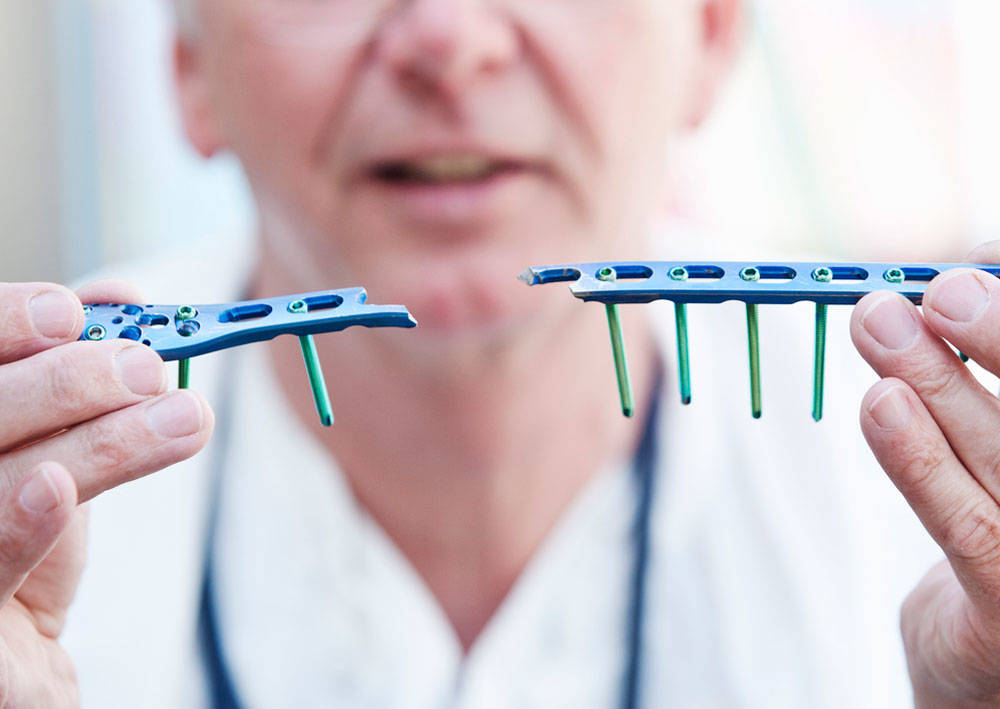
골절 고정 플레이트는 골절되거나 심하게 부러진 뼈를 고정하는 데 사용됩니다. 이러한 플레이트는 주로 티타늄이나 스테인리스강으로 제작됩니다. 두 재질 모두 천연 뼈와 유사한 강성 및 인장 강도 등의 기계적 특성을 가지고 있습니다. 이러한 플레이트는 종종 불규칙한 기하학적 구조를 가지며, 신체의 다양한 크기의 골절 부위에 맞추기 위해 다양한 크기로 제공됩니다. 예를 들어, 대퇴골 골절을 고정하는 데 사용되는 플레이트는 발목, 손가락 또는 턱에 사용되는 플레이트와 매우 다릅니다. 골절 고정 플레이트의 불규칙한 형상과 크기 범위로 인해 시험하기 까다로운 구성 요소가 됩니다. 또한, 대부분의 경우 이러한 플레이트는 환자의 몸속에 평생 남아 있어야 하므로 수십 년 동안 신체의 역동적인 움직임을 견뎌낼 수 있어야 합니다.

인스트론의 솔루션

골절 고정 장치 시험

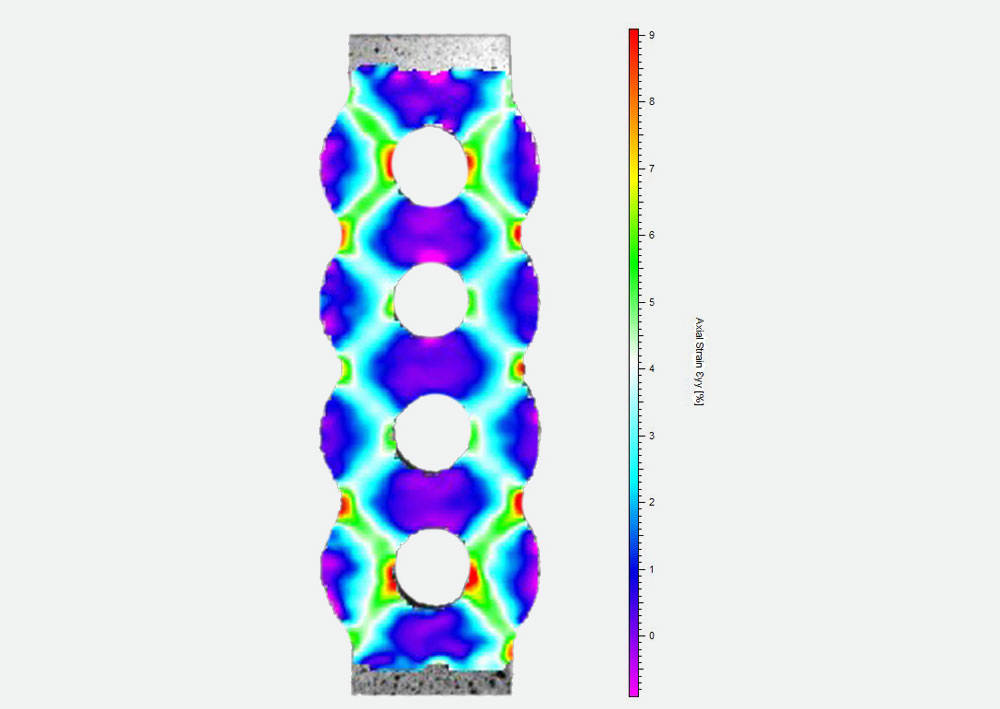
골절 고정 플레이트의 기계적 특성을 이해하려면 다양한 정적 및 동적 시험이 필요합니다. 탄성 계수와 인장 강도를 파악하기 위해서는 단조 굽힘, 인장 및 압축 시험이 필수적입니다. 골절 고정 플레이트의 불규칙한 형상 때문에 변형률 측정은 어려운 과제입니다. 골절 고정 플레이트의 전체 영역 응력 및 변형 특성을 이해하기 위해 유한 요소 분석과 같은 2D 및 3D 모델링 기법이 종종 수행됩니다. 단조 인장, 압축 또는 굽힘 시험의 경우, 인스트론의 Advanced Video Extensometer와 결합된 Digital Image Correlation 소프트웨어를 통해 연구자와 과학자들은 이러한 플레이트의 전체 영역 변형 특성을 시각화하고 정량화할 수 있습니다. 모든 피로 시험에는 인스트론의 ElectroPuls 시스템 사용을 권장합니다. 구체적으로는 E3000 또는 E10000 Linear-Torsions 시험 시스템을 권장합니다. 축 하중과 비틀림 하중을 동시에 가하여 플레이트를 시험할 수 있는 기능은 인체의 실제 하중 조건을 가장 잘 나타냅니다.

Hydrogel Tensile Testing

Biomedical Testing

Hydrogel Tensile Testing

The Challenge

Hydrogel Tensile

Hydrogel testing is most commonly done in both tension and compression. Compression testing on hydrogels poses less of a challenge, as many hydrogels are compliant and compress easily under load. The natural compliance of hydrogels becomes more of a challenge in tensile testing, as these materials can be difficult to grip and exhibit high elongation. Gripping hydrogels with too much pressure typically displaces the material out of the grip faces, which makes gripping ineffective. In addition, a traditional contacting extensometer is not a viable option considering the soft properties of hydrogels. Given the viscoelastic properties of these materials, test speed will greatly affect results, such as force at break and elongation at break. 

Our Solution 

Hydrogel Tensile Testing

When testing hydrogels in compression and tension, most common forces at failure are below 100 N. Given the low forces obtained in hydrogel mechanical testing, it is important that an accurate load cell is used. This can be especially tricky in a compression test as many users restrain from using low capacity load cells out of fear that they will overload the load cell if the compression platens begin to touch during a test. To prevent this from happening, it is imperative that safety limits are set and that the end of test criteria is set to the load cell capacity in the software. For tensile testing, Instron® offers a range of low force grips, including spring loaded, screw side action action, and pneumatic side action grips. Given the compliant nature of hydrogels, often sandpaper needs to be used to increase friction at the gripping contact points. When accurate measurement of strain is required, we recommend using our Advanced Video Extensometer

척추 임플란트 시험


Biomedical Testing


척추 임플란트 시험

과제

척추 임플란트 시험

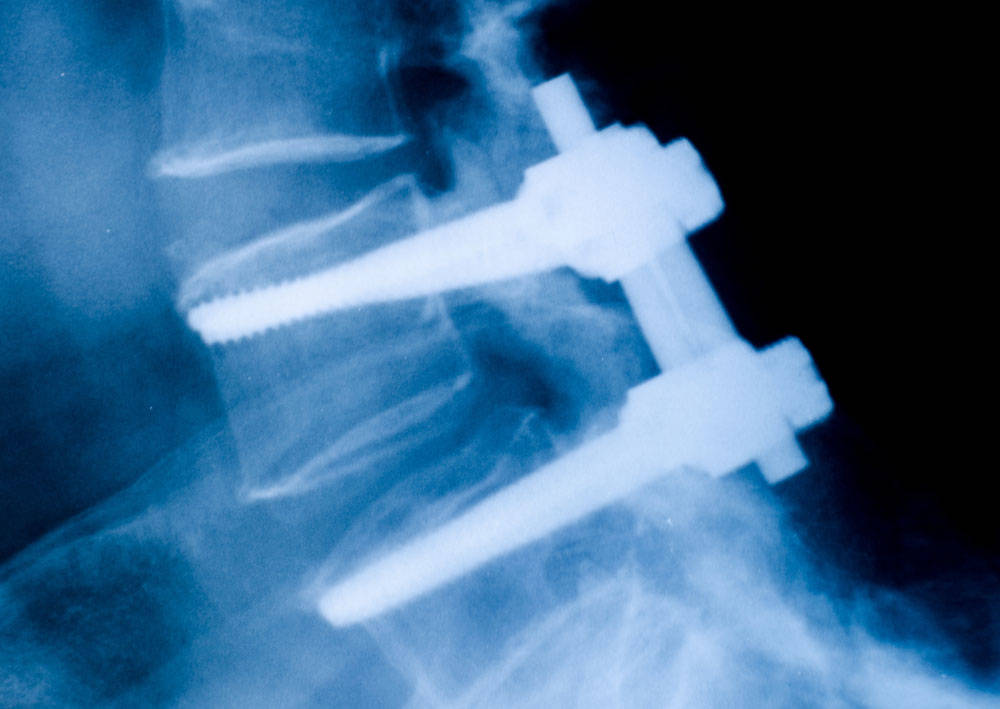
척추 구조물의 피로 파괴는 치명적 파괴보다 더 흔하게 발생하므로 서비스 수명 시험은 매우 중요합니다. 환자의 정상적인 활동 중에 척추 구조물은 높은 생체 내 하중을 받을 수 있으며, 이는 치명적인 파괴로 이어질 수 있습니다. 피로 파괴가 발생할 때까지의 사이클 횟수를 평가하기 위해 주기적 시험을 수행합니다. 하중은 일반적으로 500만 사이클을 초과하여 실행되는 일정 진폭 하중 제어 정현파 파형으로 적용됩니다. 척추 골절을 유발하는 데 필요한 하중을 평가하기 위해 단순 정적 시험도 수행됩니다.

당사의 솔루션

척추 임플란트 시험

Instron® Linear-Torsion ElectroPuls 시스템은 사용자가 단일 장비에서 ASTM F1717-12 표준에 따라 정적 및 동적 시험을 모두 완료할 수 있어 권장됩니다. 전용 척추 고정 장치를 이 시스템에 쉽게 장착할 수 있으며, 생체 내 시험을 위해 베이스에 식염수 배스(bath)를 장착할 수 있는 옵션이 있습니다. 배스를 사용할 때 로드셀은 관성 보상을 위한 Instron의 특허 받은 Dynacell 기술을 활용하여 액추에이터에 장착되도록 설계되었습니다. Instron의 특허 받은 강성 기반 튜닝 알고리즘은 비선형 시편에서도 우수한 파형 충실도를 보장합니다.

Bioadhesives Peel Testing

Biomedical Testing

Bioadhesives Peel Testing

The Challenge

bio adhesive

Adhesives are widely used in the medical device industry for dental implants, bone cements, and wound closure products. Wound closure products include tissue adhesives that can be found in bandages, secondary dressings, and a variety of surgical sealants. The adhesive strength of these products must be well defined. An adhesive that isn’t strong enough may result in a wound that heals poorly, or it can lead to an infection. If an adhesive is too strong, it may damage the underlying tissue or cause the patient unnecessary pain when removing. A fundamental challenge with testing bio adhesives is characterizing adhesive strength in physiologically relevant conditions. 

Our Solution 

Bioadhesives Peel Testing

Soft tissue substrates should be tested under physiologically relevant conditions, most preferable in a bath or temperature controlled enclosure at 37°C. The BioBath with submersible pneumatic grips is recommended. The grips and pull rod that attach to the force transducer are designed to minimize buoyancy chances during low force testing. We also recommend a low capacity load cell, given that adhesive strength for biological applications is typically under 10-20 N. Bluehill® Universal's Peel, Tear, Friction Module is ideal for this test type in order to measure first peak force, average force over the seal, and average force per width of the specimen. 

심장 박동기 시험


Biomedical Testing


심장 박동기 시험

과제

심장 박동기

박동기는 환자의 쇄골 아래에 이식되어 심장이 더 규칙적으로 박동하도록 돕는 작은 전자 장치입니다. 이는 세 가지 주요 부품으로 구성됩니다: 맥박 발생기, 하나 이상의 리드, 그리고 각 리드에 있는 전극입니다. 맥박 발생기는 회로, 배터리, 그리고 심장으로 보내지는 전기 자극을 조절하는 컴퓨터 칩을 포함하는 작은 케이스로 이루어져 있습니다. 리드는 맥박 발생기에 연결되어 심장의 심실 중 하나로 이어지는 절연 전선입니다. 리드 끝에 있는 전극은 심장 벽과 접촉하여 환자의 심장에 전기 자극을 전달하는 역할을 합니다. 박동기의 각 구성 요소가 기능에 매우 중요하므로, 세 가지 구성 요소 모두 엄격한 시험을 거쳐야 합니다. 마이크로 전자 부품의 전단 시험, 배터리의 압축 시험, 리드의 인장 시험을 포함한 다양한 시험을 단일 시스템으로 충족하는 것은 어려울 수 있습니다.

당사의 솔루션

심장 박동기 시험

Instron® 6800 시리즈 시험 시스템은 Bluehill® Universal 소프트웨어 및 TestProfiler 모듈과 함께 오늘날 시장에서 가장 뛰어난 만능 시험기를 대표합니다. 소프트웨어의 유연성을 통해 사용자는 인장, 굴곡, 압축, 박리, 인열 및 마찰을 포함한 다양한 방법을 간단하게 프로그래밍할 수 있습니다. 또한, Instron의 엔지니어링 솔루션 그룹은 여러 전자 회사 및 의료 기기 회사와 협력하여 특수 전단 클램프 및 마이크로 굽힘 지그를 포함한 특수 지그를 개발했습니다. 이와 더불어, 리드 인장 시험에는 공압식 코드 및 얀 그립 사용을 권장합니다.

스텐트 테스트


Biomedical Testing


스텐트 테스트

과제

스텐트

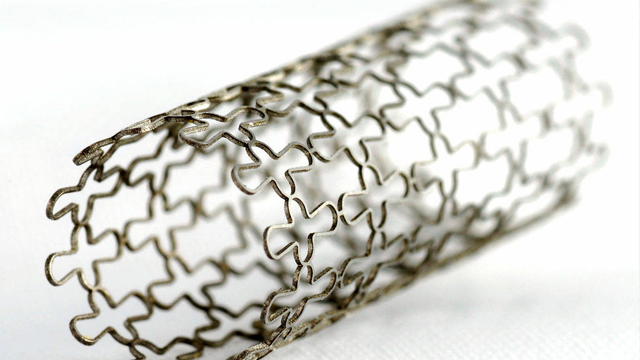
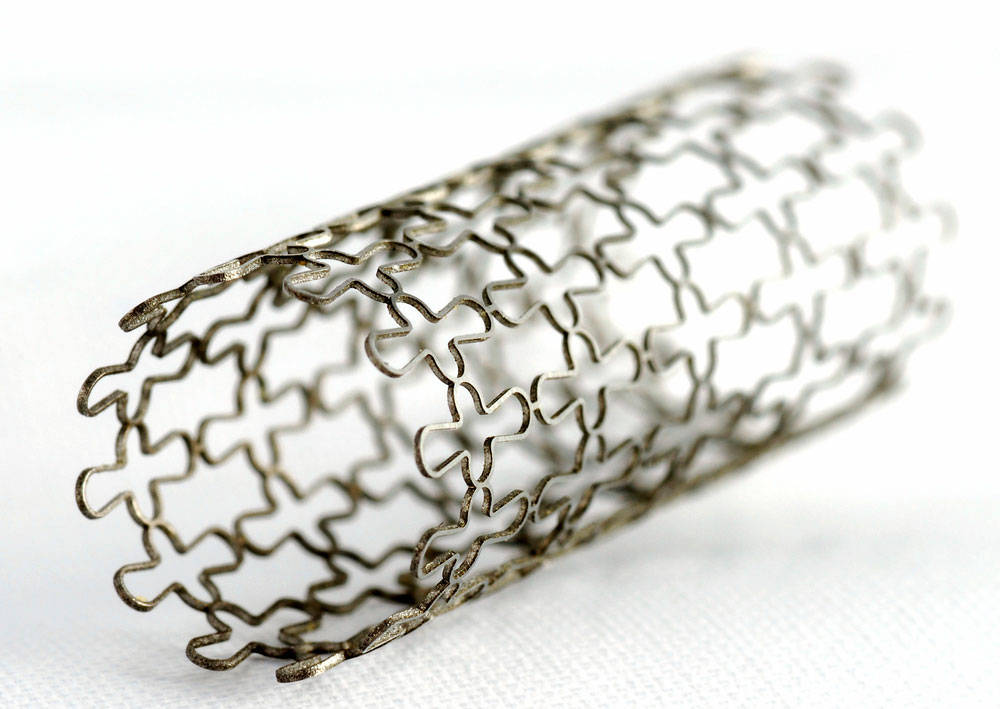
스텐트의 기계적 시험에는 정적 및 피로 방법을 모두 포함하는 다양한 시험이 포함됩니다. 스텐트는 가장 일반적으로 니티놀 와이어로 제작되며, 이는 단순 주기 시험인 ASTM F2516에 따라 시험해야 합니다. 스텐트에 대해 자주 수행되는 또 다른 정적 시험은 ASTM F2606에 따른 굴곡 시험입니다. 원재료 시험 외에도, 스텐트 본체의 다이아몬드 구조는 일반적으로 위치 제어 방식의 60Hz 피로 시험을 거칩니다. 또한 전체 스텐트 본체는 일반적으로 정적 시험으로서 반경 방향 압축 시험을, 동적 시험으로서 맥동 피로 또는 주기적 피로 시험을 거칩니다. 단일 스텐트에 이처럼 다양한 기계적 시험이 요구된다는 점을 고려할 때, 가능한 한 많은 시험을 수행할 수 있는 적절한 시험 시스템을 선택하는 것은 종종 어려운 과제입니다.

인스트론의 솔루션

스텐트 테스트

ASTM 2516, ASTM F2606 시험 및 전체 스텐트 본체의 반경 방향 압축 시험을 포함한 모든 정적 시험에는 6800 시리즈 만능 재료 시험 시스템을 사용할 것을 권장합니다. ASTM 2516에 따라 니티놀 와이어를 시험할 때는 정확한 변형률 측정을 위해 당사의 고급 비디오 신율계를 활용하는 것이 좋습니다. 반경 방향 압축 상태에서 전체 스텐트 본체를 시험할 때, Instron®은 Machine Solutions Inc.(MSI)와 협력하여 전문 고정 장치를 제공합니다. 반경 방향 압축 고정 장치는 모든 Instron 68TM 시험 시스템에 장착할 수 있으며, 표준 Bluehill® Universal 소프트웨어를 사용하여 시험을 제어할 수 있습니다.

스텐트 본체의 다이아몬드 구조 시험 또는 주기적 연장 제어 방식의 전체 스텐트 시험을 포함한 모든 피로 시험에는 당사의 ElectroPuls® 시험 시스템을 사용할 것을 권장합니다.

치과용 임플란트 시험


Biomedical Testing


치과용 임플란트 시험

과제

치과용 임플란트

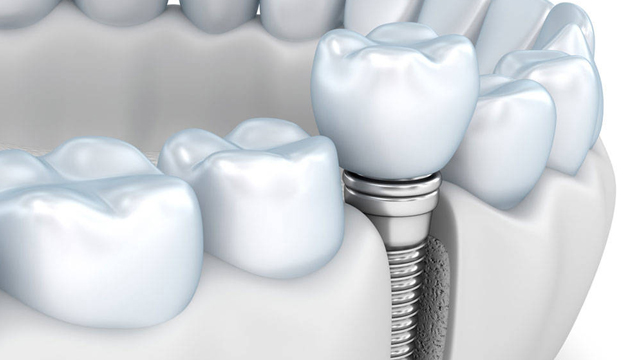
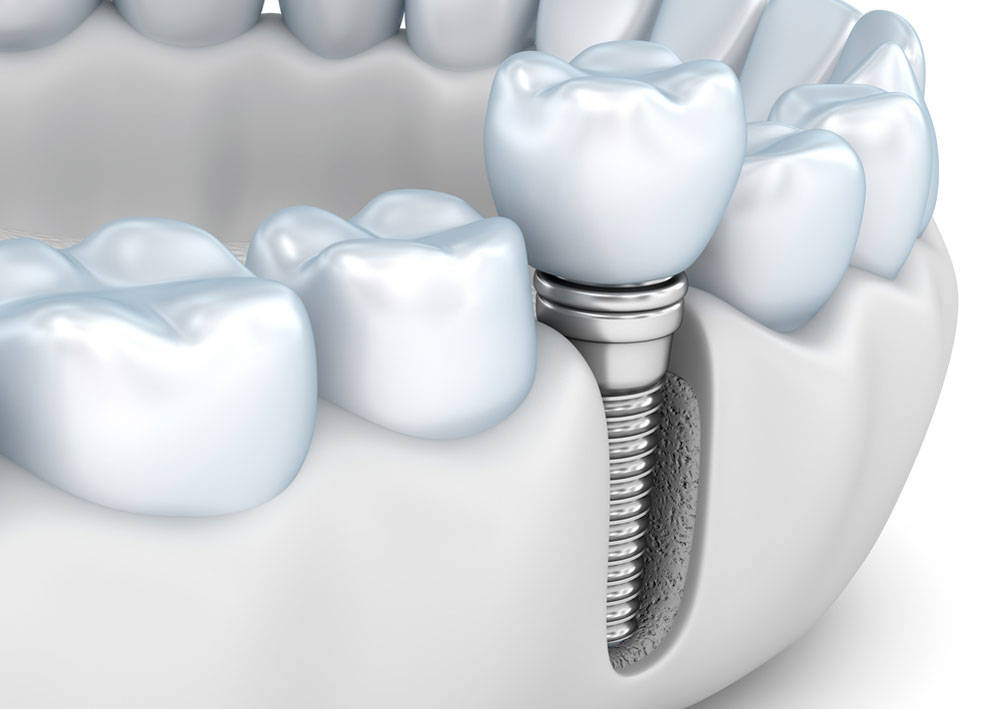
잇몸과의 접촉 및 뼈와의 융합을 개선하기 위해 임플란트의 형상과 사용되는 재료에 대한 연구가 지속적으로 이루어지고 있습니다. 따라서 다양한 제조사에서 설계한 치과용 임플란트는 많은 차이점을 보이는 경향이 있습니다. 또한, 임플란트의 크기와 모양은 용도 및 구강 내 식립 위치에 따라 달라집니다. 이는 시편을 시험하고 재료 및 설계를 비교할 때 어려움을 야기합니다.

인스트론의 솔루션

치과용 임플란트 시험

다양한 임플란트 크기와 기하학적 구조를 가진 각도형 치과용 임플란트를 Instron® 치과용 가변 각도 고정 장치에 장착하여 시험할 수 있습니다. 이 고정 장치는 장착 시 임플란트에 과도한 구속을 가하지 않으며, 로드셀이나 시험기에 손상을 줄 수 있는 큰 측면 하중을 발생시키지 않도록 보장합니다. 직선형 치과용 임플란트와 마찬가지로, 부식 피로가 발생할 것으로 예상되는 경우 각도형 치과용 임플란트도 수분 환경에서 시험할 수 있습니다. 고정 장치를 유체 수조에 장착하여 온도를 37°C로 유지하면서 식염수 또는 기타 생리적 매질 내에서 임플란트를 시험할 수 있습니다.