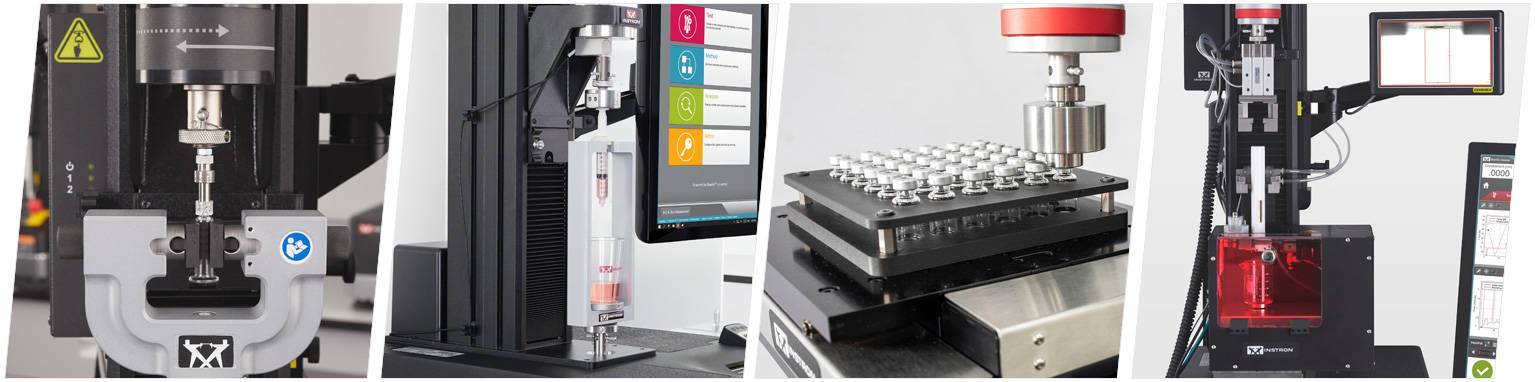
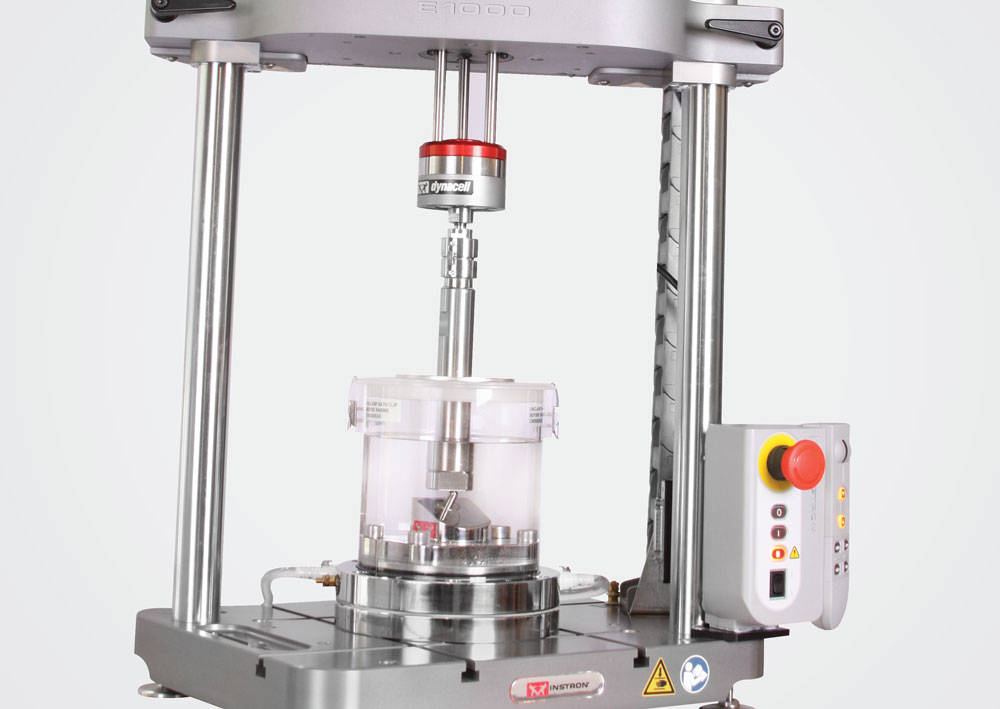
Personal Protective Equipment (PPE) Testing

Biomedical Testing

Personal Protective Equipment (PPE) Testing 

Materials Testing Guidance for Personal Protective Equipment

stethoscope icon
The global demand for medical equipment has skyrocketed in response to the COVID-19 pandemic, with many companies refocusing their efforts to produce personal protective equipment (PPE). With this vast uptick in demand, medical device manufacturers have scrambled to increase their production capacities while non-medical manufacturing companies have transitioned their own production facilities to create items such as masks, gloves, and nasal swabs. With increased manufacturing comes increased quality control testing, and Instron has received numerous inquiries from companies seeking to expand their testing capacity or reconfigure their existing equipment to test PPE. This guide was created to help familiarize manufacturers with key testing requirements and provide an overview of current FDA regulations. We hope that it will be a useful resource for anyone seeking to aid the fight against COVID-19.


Medical Masks

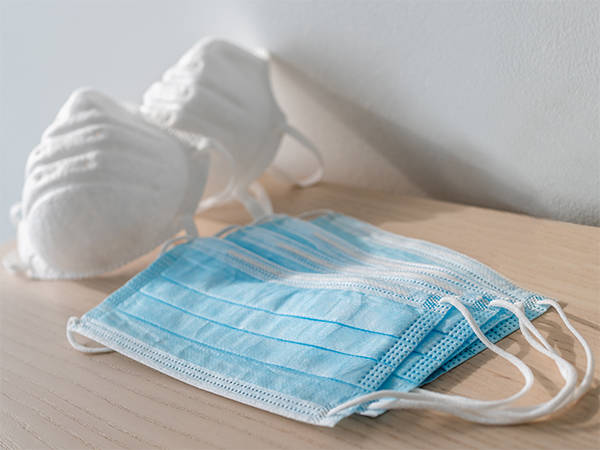
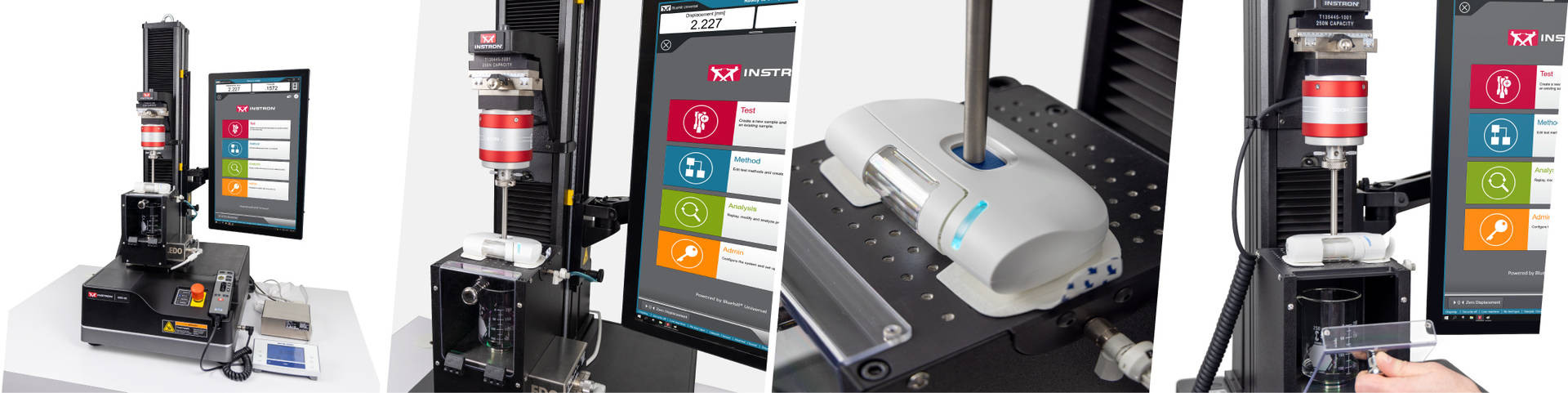
Medical masks come in two primary types: single-use surgical masks and N95 respirator masks. Surgical masks are intended to prevent viral spread by containing droplets produced by the wearer, while respirator masks are designed to protect the wearer from virus particles that have been aerosolized. Both of these masks are relatively easy to manufacture and test, and many textile manufacturers have shifted their operations to produce them in an attempt to meet the current demand. Many of these companies already own materials testing equipment and are able to make small modifications to their existing systems in order to perform the required FDA testing.

mask-fabric-test.jpg

Fabric Test

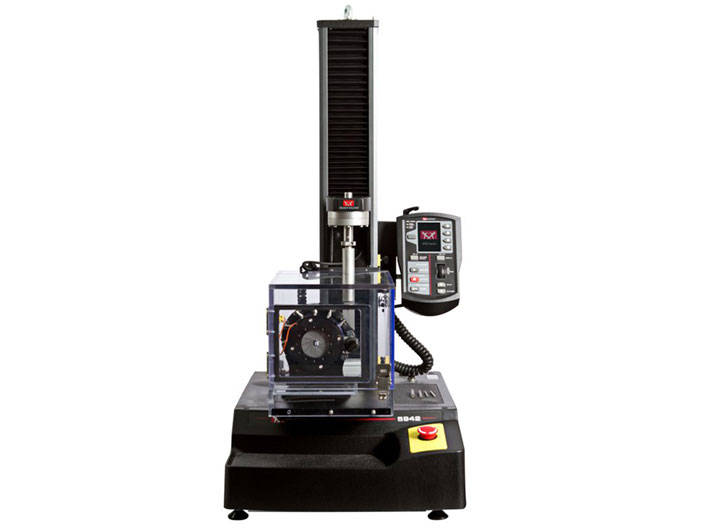
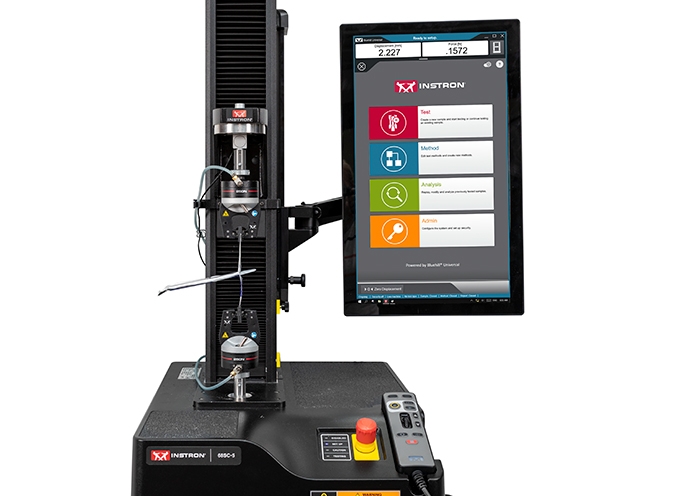
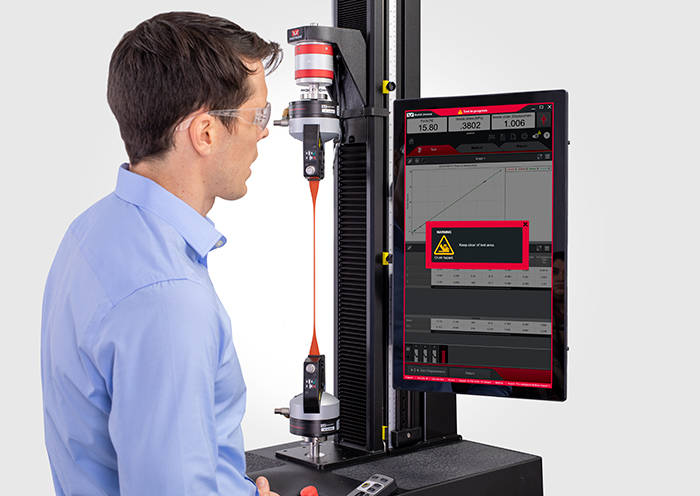
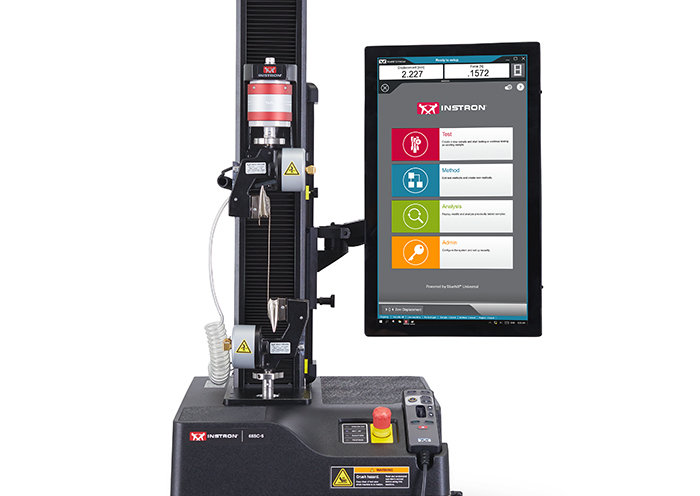
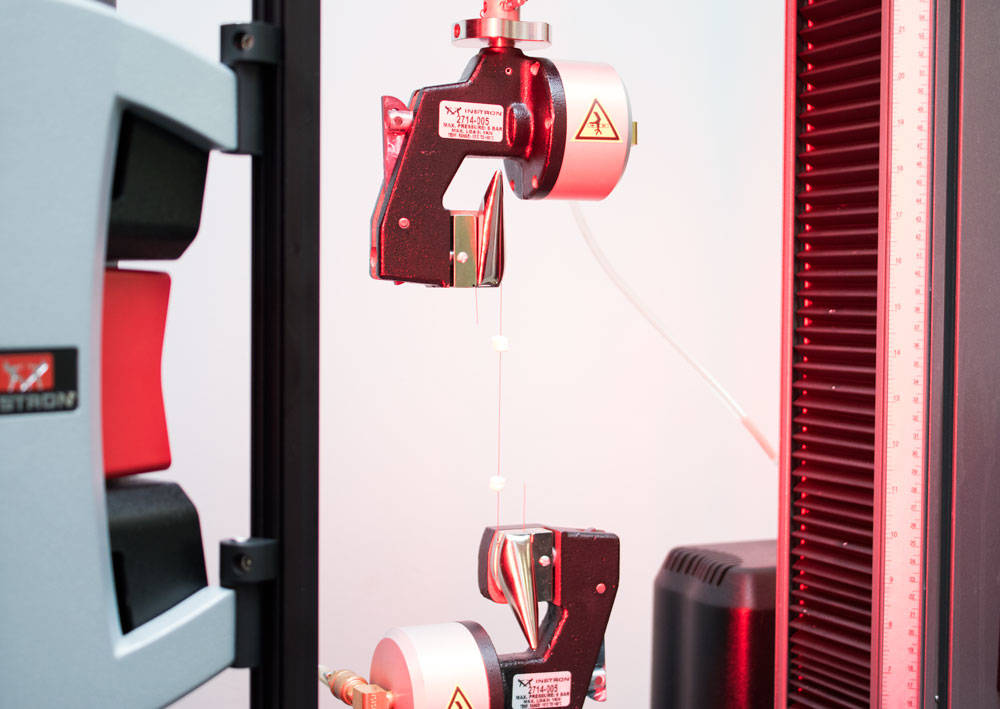
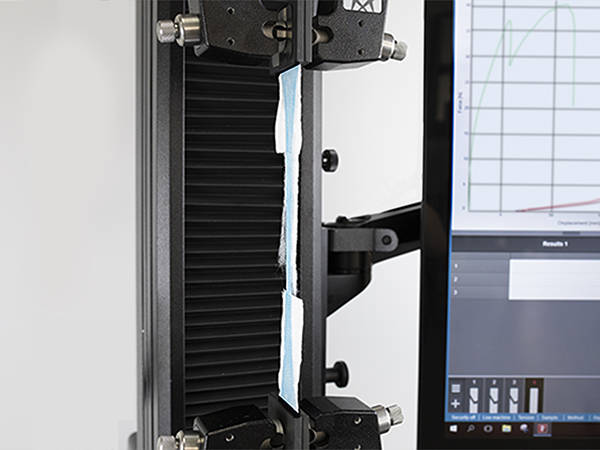
Mask fabric is generally tested in accordance with general textile standards such as ASTM D5034. Because fabric samples are prone to jaw breaks, we recommend pneumatic grips with smooth jaw faces to minimize this risk. In order to capture peaks and troughs generated by individual fiber breaks, we recommend a test system with a high data capture rate, such as Instron's 68SC-5.
mask-elastic-test.jpg

Elastic Test

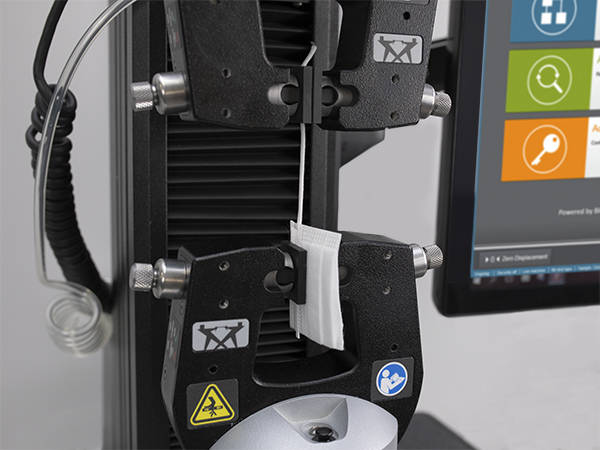
It is important to test the strength of the connection between a mask's fabric and the elastic band that holds it into place. This test is performed by loading the band to a minimum of 10 N and visually evaluating it to ensure there has been no separation. With masks now being worn for longer periods of time than ever, it may also be valuable to perform a relaxation test to determine its durability.
respirator-filter.jpg

Filter Test

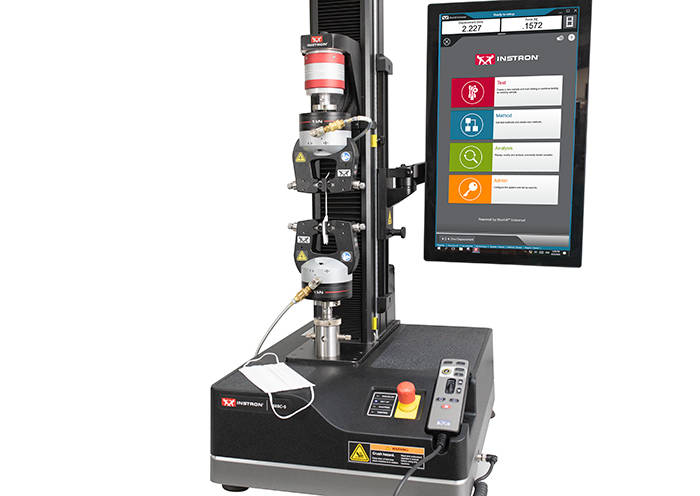
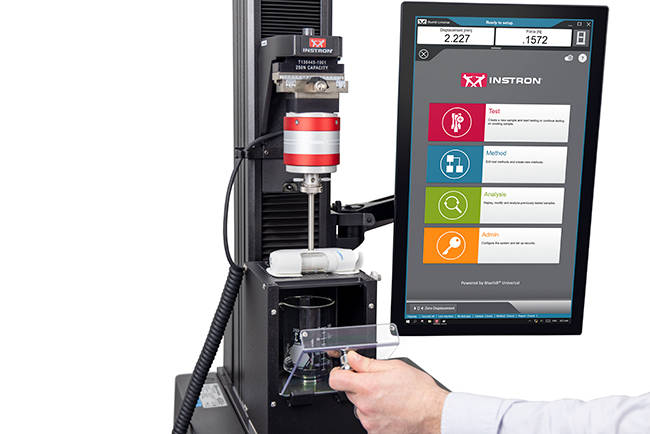
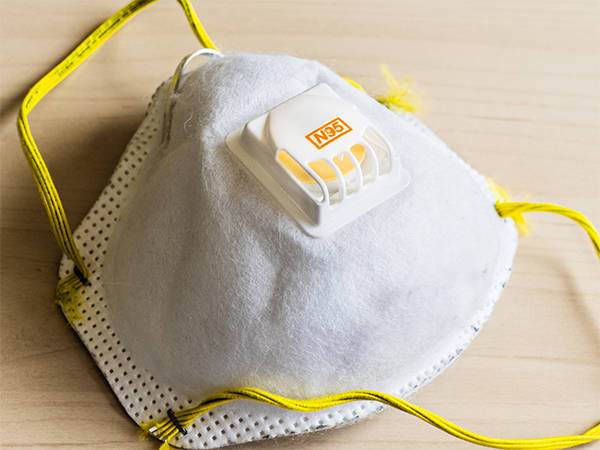
Respirator masks must be tested to ensure the strength of connection between the mask fabric and the respirator valve. This test can be accomplished using a side-acting grip on the base of the system and a custom-made hook fixture attached to the load cell.

Medical Gloves

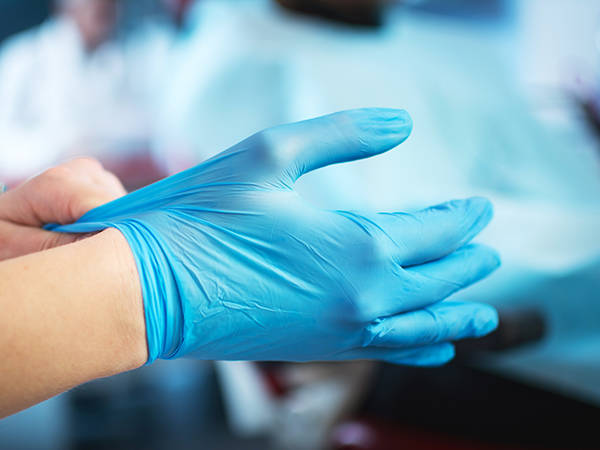
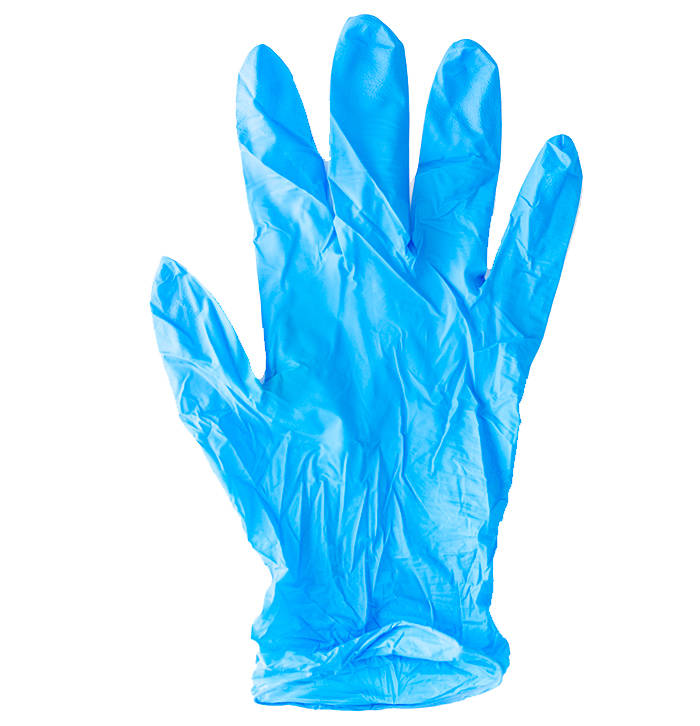
ASTM classifies medical gloves according to their material (latex, nitrile, natural rubber, PVC, or polychloroprene), while ISO classifies them based on their application (patient examination or surgical). Regardless of the testing standard, material, or clinical application, the equipment and general procedure for testing is consistent across all medical glove types. ASTM D6319, ISO 11193, and EN 455-2 are standards used by the biomedical industry to regulate the tensile properties of medical gloves. The key results for all glove testing standards are the tensile strength and ultimate elongation of the material. Rather than testing the entire glove, a dogbone specimen is cut from the finished glove and testing in accordance to the relevant elastomeric standard (ASTM D412 or ISO 37).

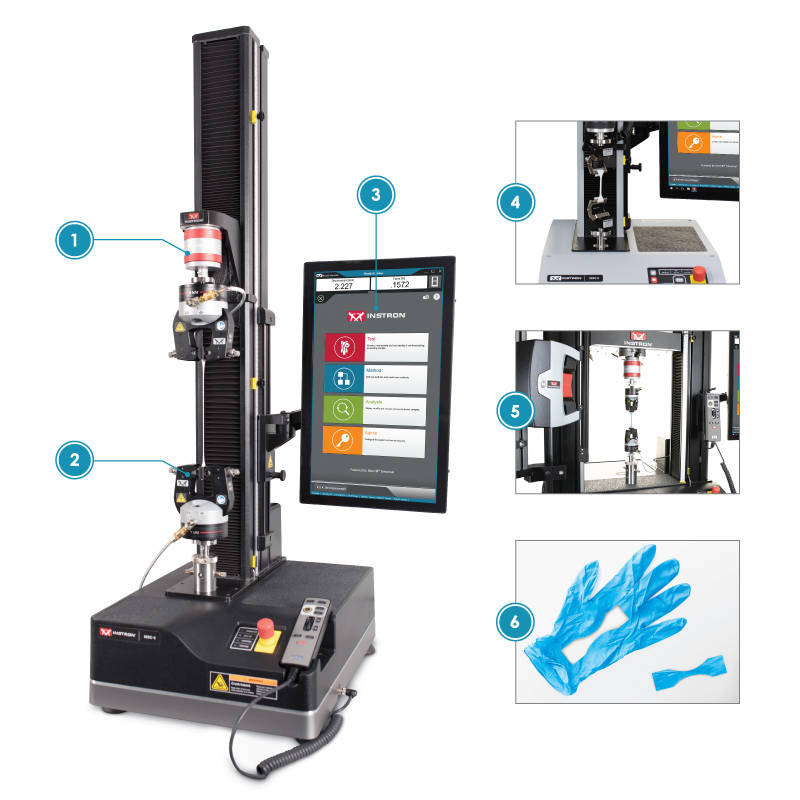
Glove Test Setup
1) Load Cell
A 500N load cell is an appropriate capacity for all glove materials.
2) Pneumatic Grips
Air pressurized grips ensure consistent clamping forces Jaw faces are easily interchangeable to ensure the correct surface texture is used for the material. Elastomeric materials like rubber gloves typically require rubber coated faces due to how thin the specimen is. The rubber coating is able to prevent slippage of the material without damaging the specimen.
3) Bluehill Software
The biomedical method suite includes preconfigured methods for EN455-2
4) Elastomeric Roller Grips
Roller grips provide a cost effective gripping solution for thin elastomers The roller grip utilizes a proportional clamping pressure which increases as more force is applied to the specimen
5) AVE 2.0
An optical non-contacting strain device can be used to ensure more accurate strain measurement
6) Specimen Preparation
All the major ASTM/ISO/EN standards require a dumbbell shaped specimen to be stamped from the palm of the glove EN 455-2 takes into consideration the potential discrepancies in thickness between the palm and the fingertips. The standard compares their thickness and uses a correction factor for the tensile strength of the speicmen.

ppe_gloves_callout-_003.jpg

Nasal Swabs

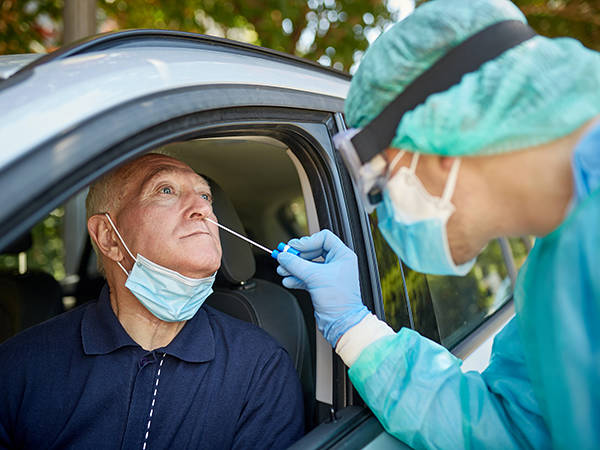
Nasopharyngeal (NP) swabs are crucial tools in the diagnosis of influenza and respiratory diseases. Despite their similar appearance, these swabs are considerably more specialized than the standard cotton swabs used for personal hygiene, using synthetic fibers for the swab staff and tiny bristles for the swab tip. In an effort to bolster the global supply, significant collaborations have occurred between 3D printer manufacturers and medical research teams, which have resulted in a massive increase in production capacity of test quality NP swabs. It is critical to perform mechanical testing to determine if the performance of the 3D printed swabs is comparable to the performance of those produced by standard methods.
nasal-swab-3-point-bend.jpg

3 Point Bend Test

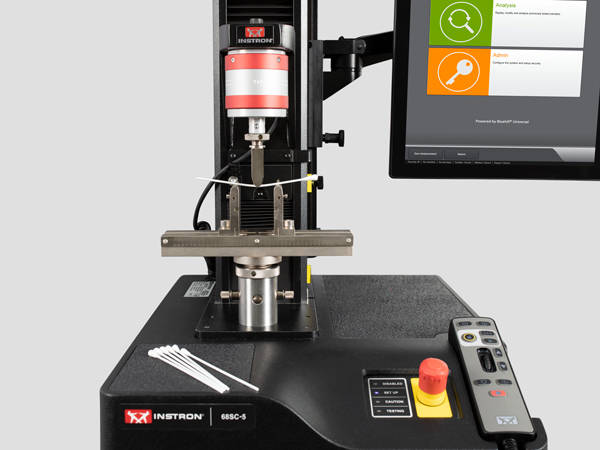
Nasal Swabs are subjected to flexural forces as they travel through the nasal passage. 3 point bend tests help characterize these stresses. It is also important to evaluate the weak point at the tip of the swab which helps achieve the correct size for transport. Instron's standard 2810-400 3 point bend fixture with 10 mm diameter anvils is ideal for these applications.

nasal-swab-cantilever-bend.jpg

Cantilever Bend

The cantilever bend test best represents the stresses seen when the swab is held during the procedure. The material needs to be flexible enough to ensure it will not fail during the test. This setup is accomplished using a component test plate and an advanced screw action grip to hold the specimen in place. Any probe can be used to deflect the tip of the swab.
nasal-swab-shear-test.jpg

Tip Shear Strength

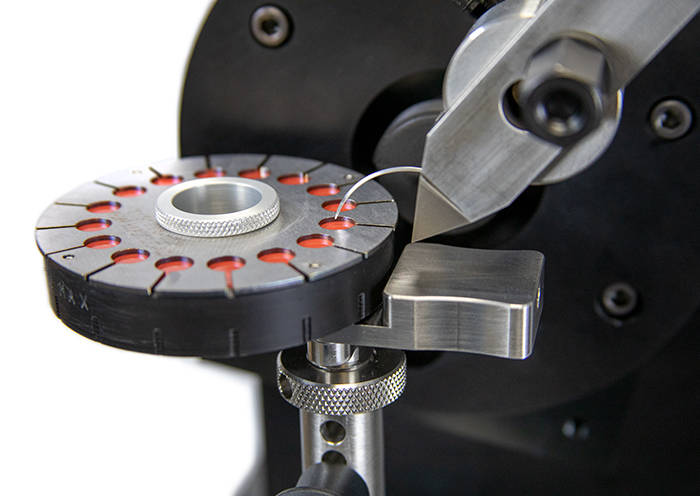
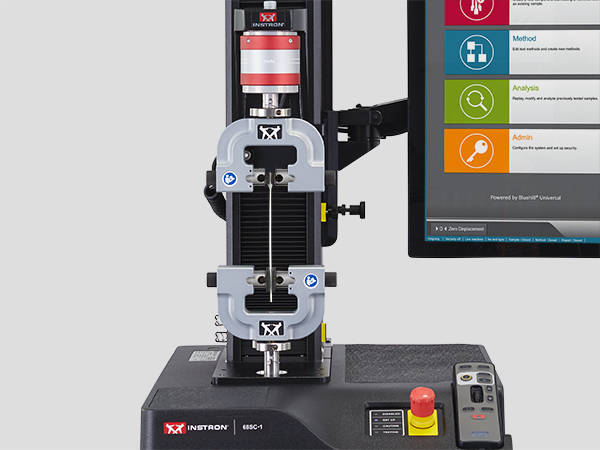
The tip of an NP swab is made of tiny bristles that allow for maximum sample collection. These bristles need to withstand shear forces as they move across the walls of the nasal passage. In order to test this property, the tip and base of the swab are clamped with advanced screw action grips to evaluate the maximum force required to break the bristles or the tip itself.

FDA Requirements in the Age of COVID-19

The Food and Drug Administration is the main regulatory body overseeing the production and distribution of PPE in the United States. The level of FDA involvement depends on the class of the device, which can range from class 1 to class 3 based on the device’s potential risk of nonconformance. Most types of PPE are labeled as class 1 devices, which have the fewest barriers to approval.

Because it can take months or even years to gain FDA approval, in times of health crisis the FDA issues something called an Emergency Use Authorization (EUA). An EUA essentially loosens the requirements for production and distribution of certain medical products to allow production to ramp up quickly. EUAs are currently being granted to manufacturers of COVID test kits, virus therapies, ventilators, respirators, and PPE. These emergency authorizations are generally granted to specific companies who apply to expedite the approval process, but they are also being released as blanket statements covering certain types of PPE so that smaller companies can also participate with minimal red tape. The EUAs include additional documentation that outline the enforcement policy for PPE manufacturing during the current public health emergency and provides criteria for quality control standards as well as the required labeling of products released under the authorization.


Watch Our PPE Testing Webinar

Intervertebral Disc Testing

Biomedical Testing

Intervertebral Disc Testing

The Challenge

Intervertebral Disc

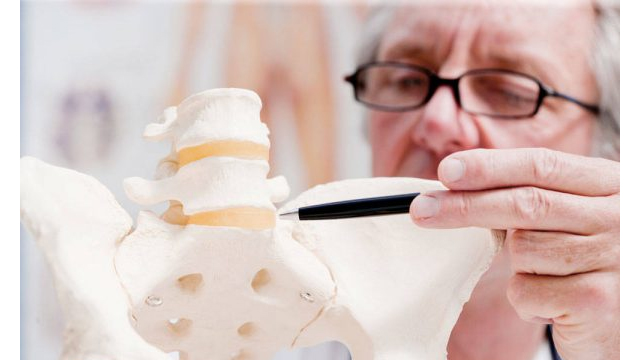
Intervertebral disc replacement is a surgical technique for the treatment of lower back pain related to degenerative disc disease. The advantage of this technique over traditional spinal fusion is that it preserves or restores motion in the spine, and has the potential to delay the onset of degeneration of healthy discs at adjacent levels in the spine. Disc prostheses are designed to be load bearing over the physiological range of disc motion, and to give years of pain-free and trouble-free operation in the body. Understanding the static and dynamic characteristics of a particular device allows manufacturers and designers to ensure their product is proven and accepted. ASTM F2346 provides a methodology for characterizing the static strength and dynamic fatigue behavior of disc prostheses. The rigorous testing regimes in this standard aim to scientifically validate any prosthesis design. With a typical test run lasting for 10 million cycles and requiring both axial and torsional loading, it is vital that a testing system copes with these performance demands and delivers the highest quality of results. In addition, the requirement to conduct these tests in a wet environment adds to the complexity of the system.

Our Solution 

Intervertebral Disc Testing

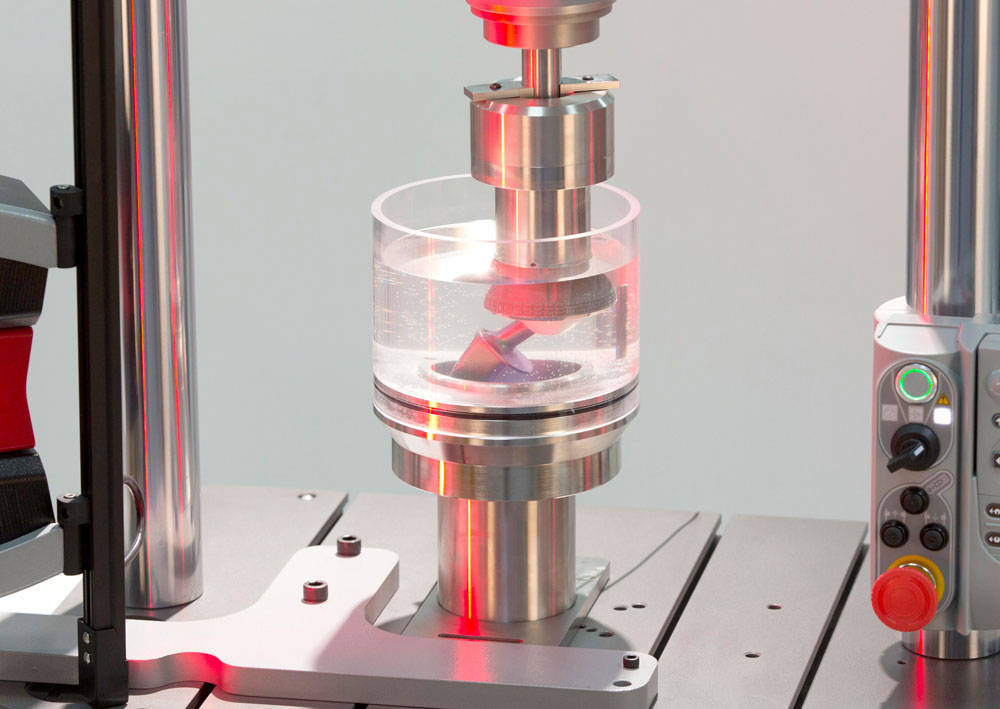
An 8874 axial-torsional system, with the addition of a temperature controller and re-circulator unit, allows device manufacturers and contract research laboratories to conduct both static and cyclic testing on a range of implant designs. The bath, in which saline flow and temperature are controlled, provides a stable environment. With the use of specialized test fixtures, the 8874 system's combined axial-torsional actuator allows for characterization to be conducted in axial compression, compression-shear, and compression-torsion test modes for both articulating discs of traditional metal-on-metal or metal-on-polyethylene design. It's also used for the next generation of prostheses, which feature an elastomeric component to give axial compliance under load that mimic the biomechanics of the natural disc.

Tensile Testing Polymeric Membranes

Biomedical Testing

Tensile Testing Polymeric Membranes

Synthetic membranes are commonly used in the biomedical field. These polymeric membranes, designed to mimic the natural filtration systems in human bodies, are being researched and developed for use in drug delivery systems, medical devices, and artificial bio-organs.

For example, synthetic membranes are used in hemodialysis, which is a method of removing waste products from the body when the kidneys fail. Blood from the patient is passed through a semi-permeable membrane that is immersed in dialysis solution and waste products such as urea in the blood diffuse across the membrane into the dialysis solution.

Often these synthetic membranes are moist and slippery, and consquently, tensile testing can be challenging. Similar to testing soft tissues, the gripping surface must offer sufficient friction to firmly hold onto the membrane, but also be delicate enough to avoid specimen tearing.

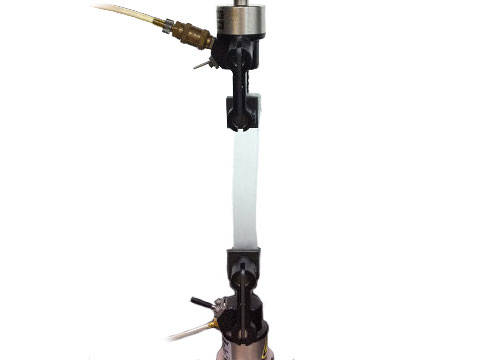
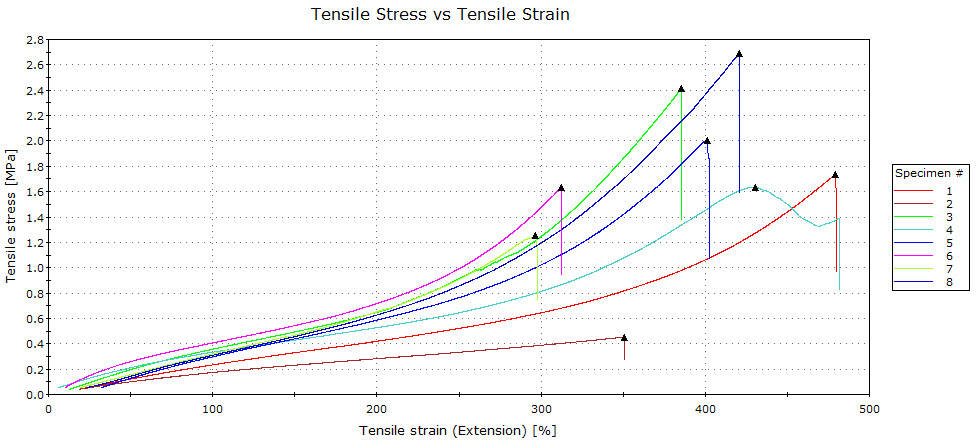
Recently, we were asked to recommend a gripping solution for testing of wet polymeric membranes. In this test, the polymeric membranes were first soaked in water for up to 20 minutes to allow them to soften and swell. The wet specimens were then tested using the 5965 dual column electromechanical machine equipped with pneumatic side action grips and rubber coated jaw faces. Since these membranes are very delicate, the clamping pressure must be carefully controlled as excessive high pressure can cause the specimen to fail prematurely when the grip closes.

Because the specimens are wet, corrosion resistant grips or fixtures should be used. Our 3 Software®Bluehill provides both the test control and results required.

Literature

Bluehill Universal Brochure

Bluehill Universal is Instron’s advanced materials testing software, designed for intuitive touch interaction and streamlined workflows. It offers pre-loaded test methods, QuickTest for rapid setup, enhanced data exporting, and Instron Connect for direct service communication. Users of Bluehill 2 and Bluehill 3 can easily upgrade to the latest version for improved performance and usability.

  • ผลิตภัณฑ์
  • 02/26/2017
  • 3.76 MB

Evaluation of Radial Forces from Embolic Filters

Biomedical Testing

Evaluation of Radial Forces from Embolic Filters

Radial Strength Testing of Stent Grafts and Vascular Devices

Embolic filters are used within a variety of interventional procedures to capture debris resulting from the deployment of a medical device, like a stent. The stent is used to open arterial paths that may be occluded by plaque. Upon placement of the stent, dislodged plaque (or embolic material) can potentially be responsible for heart attacks, strokes, kidney failure, or death. Firm placement of the embolic filter is a critical requirement for successful procedures.

One of the most critical parameters for proper utilization of the filter is the radial forces it imparts on the arterial wall. In particular, the chronic radial force that the filter imparts over time helps to ensure that the device remains in place as intended. This fit ensures that all material is captured before heading further down the arterial pathways.

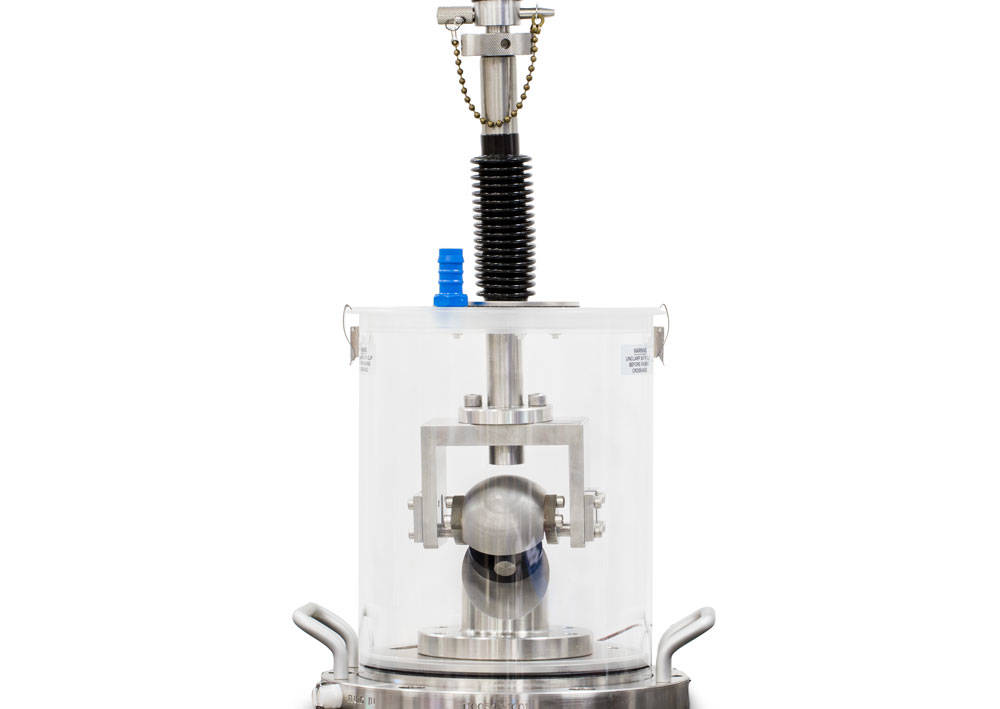
The RX575 system has the fidelity to measure the small radial expansion forces of the embolic filter. The unique segment design of the fixture results in small frictional forces, which ensures that your data will present clean results from the radial tests. The radial fixture mounts to electromechanical instruments, as well as into a fluid bath for accurate simulation of body temperatures. Additionally, the fixture provides the capability for tensile tests to evaluate resistance to tearing properties during deployment.

Bluehill® Software provides an interface to run tests, to evaluate the radial strength, and to generate standard reports that can be submitted for regulatory submissions.

Literature

3400 Series Universal Testing Systems Brochure

Instron 3400 Series universal testing systems for tensile, compression, bend, and other material property tests.

  • ผลิตภัณฑ์
  • 06/27/2022
  • 2.69 MB

6800 Series Premier Testing Systems Brochure

Instron 6800 Series Universal Testing Systems provide unparalleled accuracy and reliability. Built on a patent-pending Operator Protect system architecture with an all-new Smart-Close Air Kit and Collision Mitigation features, the 6800 Series makes materials testing simpler, smarter, and safer than ever before.

  • ผลิตภัณฑ์
  • 02/10/2020
  • 4.15 MB

การทดสอบกาวเนื้อเยื่อโดยใช้ฟิกซ์เจอร์การลอกแบบมุมแปรผัน

Biomedical Testing

การทดสอบกาวเนื้อเยื่อโดยใช้ฟิกซ์เจอร์การลอกแบบมุมแปรผัน

กาวเนื้อเยื่อถูกใช้งานอย่างกว้างขวางในอุตสาหกรรมชีวการแพทย์สำหรับงานประเภทต่าง ๆ เช่น พลาสเตอร์ปิดแผล และผ้าปิดแผล ถึงแม้ว่าจะยังไม่มีมาตรฐานการทดสอบเฉพาะโดยตรงสำหรับการใช้งานฟิกซ์เจอร์แบบมุมแปรผันในการทดสอบ แต่จะมีมาตรฐานการทดสอบของ ASTM ที่คล้ายคลึงกับการทดสอบนี้ ได้แก่ ASTM F2255, F2256, F2258 และ F2458 ความแข็งแรงของการยึดเกาะของผลิตภัณฑ์เหล่านี้จะต้องได้รับการกำหนดก่อนที่จะนำไปใช้ในทางคลินิก หากกาวนี้ไม่มีความแข็งแรงเพียงพอ ผลิตภัณฑ์อาจจะส่งผลให้เกิดการติดเชื้อหรือการรักษาตัวของแผลที่ไม่ดี แต่หากกาวนี้มีความแข็งแรงมากเกินไป เนื้อเยื่อด้านล่างอาจจะเกิดความเสียหายในระหว่างการนำผลิตภัณฑ์ออก


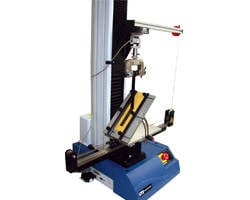
เราทำการทดสอบแรงยึดติดของกาวโดยการใช้ฟิกซ์เจอร์แบบมุมแปรผันเพื่อเป็นการจำลองสิ่งที่จะเกิดขึ้นเมื่อทำการลอกกาวออกจากผู้ป่วย เราใช้ เครื่องทดสอบระบบไฟฟ้าเชิงกลรุ่น 3345 พร้อมกับโหลดเซลล์ขนาด 50 นิวตัน พร้อมกับอุปกรณ์จับยึดแบบ pneumatic grip ขนาด 250 นิวตันและใช้พื้นผิวปากจับแบบโลหะที่เรียบขนาด 25 มม.x 25 มม. และฟิกซ์เจอร์การลอกแบบมุมแปรผัน โดยฟิกซ์เจอร์การลอกแบบมุมแปรผันนี้ถูกตั้งรูปแบบที่มุม 135 องศา เพื่อที่จะเป็นการจำลองแนวการดึงที่ใกล้เคียงที่สุดสำหรับการใช้งานที่จะเกิดขึ้นจริงสำหรับผลิตภัณฑ์กาวนี้ เราใช้หนังสัตว์เป็นวัสดุฐานรองสำหรับการทดสอบเพื่อจำลองสมบัติทางพื้นผิวของผิวหนังมนุษย์


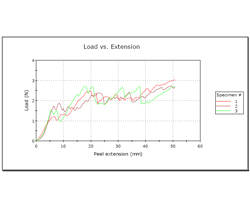
โปรแกรมทดสอบวัสดุ Bluehill® 2 พร้อมโมดูลการทดสอบ Peel, Tear and Friction เหมาะสมกับการทดสอบประเภทนี้ โดยโมดูลการทดสอบนี้จะช่วยให้สามารถตรวจวัดค่าของแรงที่จุดสูงสุดจุดแรก ค่าแรงเฉลี่ย และค่าแรงเฉลี่ยต่อความกว้าง ซึ่งเป็นผลการทดสอบที่มักถูกเลือกใช้งาน
วรรณกรรม

โบรชัวร์ระบบทดสอบอเนกประสงค์ ซีรีส์ 3400

ระบบทดสอบวัสดุอเนกประสงค์ Instron ซีรีส์ 3400 สำหรับการทดสอบแรงดึง แรงอัด การดัด และการทดสอบคุณสมบัติอื่นๆ ของวัสดุ

  • ผลิตภัณฑ์
  • 06/27/2022
  • 2.58 MB

Bluehill Universal Brochure

Bluehill Universal is Instron’s advanced materials testing software, designed for intuitive touch interaction and streamlined workflows. It offers pre-loaded test methods, QuickTest for rapid setup, enhanced data exporting, and Instron Connect for direct service communication. Users of Bluehill 2 and Bluehill 3 can easily upgrade to the latest version for improved performance and usability.

  • ผลิตภัณฑ์
  • 02/26/2017
  • 3.76 MB

การทดสอบแรงกระแทกของอุปกรณ์ฝังในทางออร์โธพีดิกส์

Biomedical Testing

การทดสอบแรงกระแทกของอุปกรณ์ฝังในทางออร์โธพีดิกส์

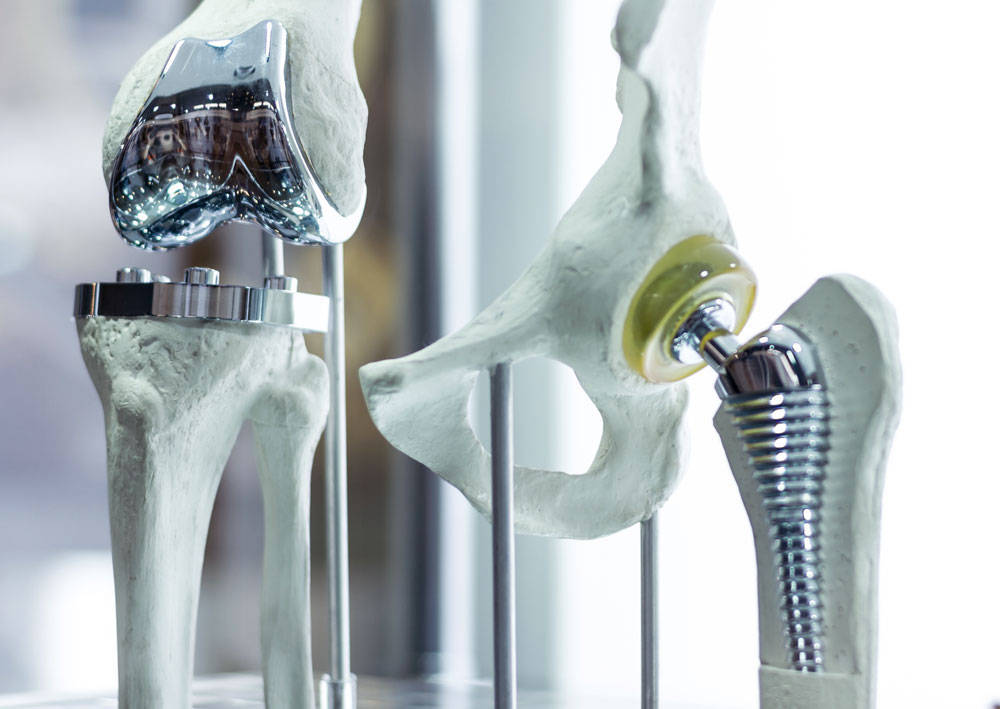
โรคข้อเสื่อมนั้นเกิดขึ้นเมื่อการเคลื่อนไหวของข้อในร่างกายเรามีได้น้อยมาก การขาดการเคลื่อนไหวของข้อนั้นจะส่งผลให้ข้อเกิดการเสียหายหรือไม่สามารถใช้งานได้ตามปรกติ   วัสดุฝังในทางออร์โธพีดิกส์ได้รับการออกแบบเพื่อเปลี่ยนทดแทนข้อที่เสียหายและเพิ่มการเคลื่อนไหวของชิ้นส่วนดังกล่าวในร่างกาย เช่น ข้อสะโพก, ข้อเข่า, ข้อไหล่ หรือข้อศอก ซึ่งมักผลิตขึ้นจากเหล็กสเตนเลส ดังนั้นจึงมีความสำคัญสำหรับผู้ผลิตของวัสดุฝังในทางออร์โธพีดิกส์ที่จะต้องทดสอบชิ้นส่วนต่าง ๆ ของวัสดุฝังในดังกล่าวเพื่อศึกษาถึงความต้านทานแรงกระแทกของผลิตภัณฑ์

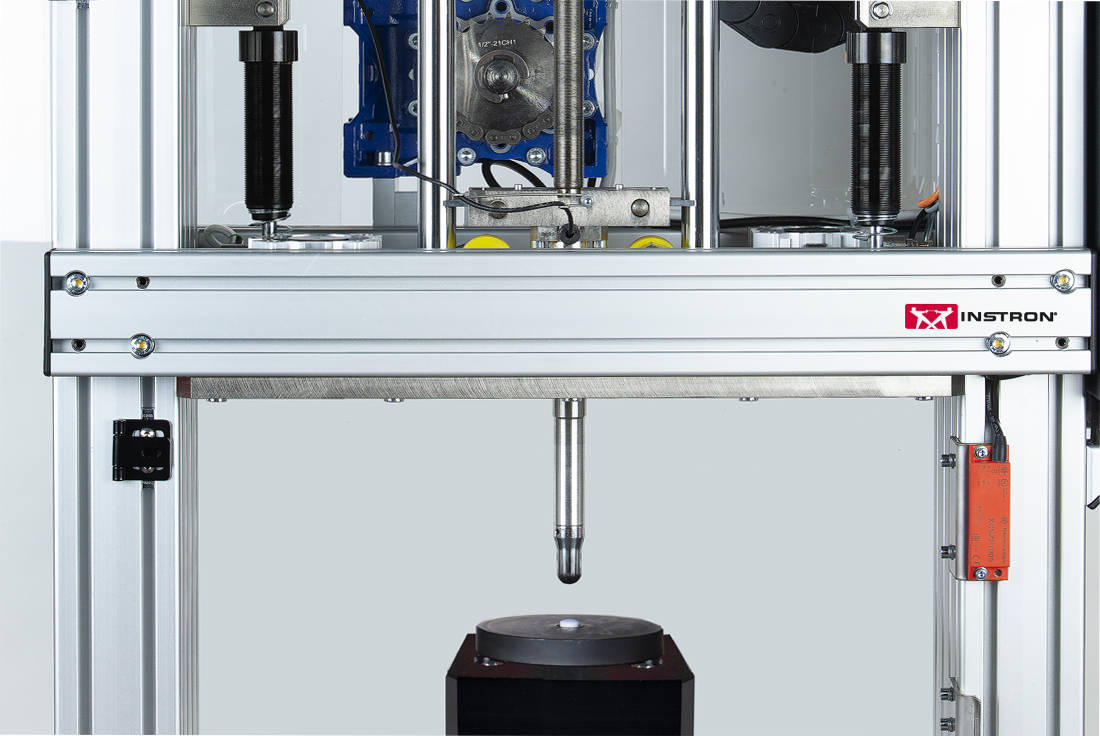
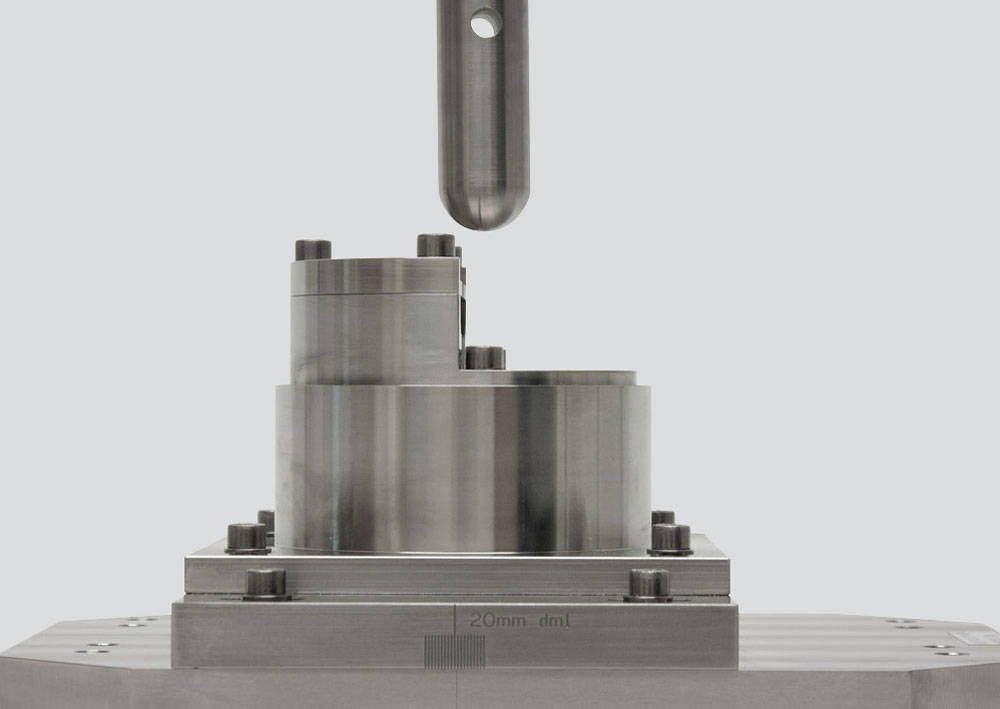
เครื่องทดสอบรุ่น Instron 9450 นั้นเหมาะต่อการทดสอบที่ต้องการ ทั้งนี้เนื่องจากวัสดุฝังในสำหรับแต่ละส่วนของร่างกายนั้นจะมีหลากหลายขนาดและรูปทรง ดังนั้นการทดสอบจะดำเนินการโดยใช้ฟิกซ์เจอร์เฉพาะทางแบบต่าง ๆ เราใช้แผ่นฐานร่องตัวทียึดเข้ากับด้านล่างของเครื่องทดสอบ จากนั้นติดตั้งฟิกซ์เจอร์เฉพาะทางที่จับยึดข้อเข่าเทียมเข้ากับแผ่นฐานร่องตัวทีดังกล่าวที่ฐานของเครื่องทดสอบ หัวทดสอบที่ติดตั้งเกจน์วัดความเครียดขนาด 45 กิโลนิวตันนั้นถูกใช้วัดแรงกระแทกของข้อเข่าเทียม อุปกรณ์จัดเก็บข้อมูล (DAS) และโปรแกรม Bluehill Impact ถูกใช้งานร่วมกับเครื่องทดสอบแรงกระแทกแบบปล่อยตกกระทบด้วยแรงโน้มถ่วงเพื่อจัดเก็บข้อมูลของแรงและความเร็ว เพื่อวิเคราะห์สมรรถนะด้านแรงกระแทก

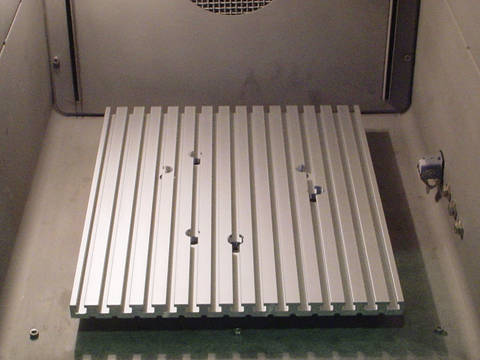
นอกจากนี้ยังสามารถใช้แผ่นฐานอเนกประสงค์ดังแสดงในภาพแทนที่จะใช้แผ่นฐานร่องตัวที โดยแผ่นฐานนี้จะให้ความยืดหยุ่นต่อบริษัทผู้ผลิตที่จะติดตั้งฟิกซ์เจอร์เฉพาะทางต่าง ๆ เข้าได้ตามความต้องการ โดยการทดสอบแรงกระแทกดังกล่าวสามารถปรับแต่งให้คล้ายคลึงกับสภาวะของแรงกระแทกพลังงานต่ำและสูงที่จะเกิดขึ้นจริงในขั้นตอนการผ่าตัด

หมายเหตุ: รูปแบบการทดสอบจริงนั้นถือเป็นความลับของลูกค้า จึงไม่สามารถแสดงได้ในตัวอย่างการใช้งานนี้

วรรณกรรม

9400 Series Drop Tower Brochure

Instron Drop Towers are used to develop, fine tune, and validate material models. Testing materials under real impact conditions is a crucial step prior of product design. Using the characterization data obtained with the Instron 9400, coupled with customer supplied high-speed video, you can have confidence in your results and deliver new materials to your customers faster. Our Drop Tower impact systems, fixtures, and tups are designed to meet a wide range of applications and testing standards including: ISO, ASTM, ANSI, Airbus, Boeing, BSI, DIN, EN, FDA, Ford, GM, JIS, NASA, GOST, and more.

  • ผลิตภัณฑ์
  • 02/05/2020
  • 763.1 KB

9400 Series Dashboard Brochure

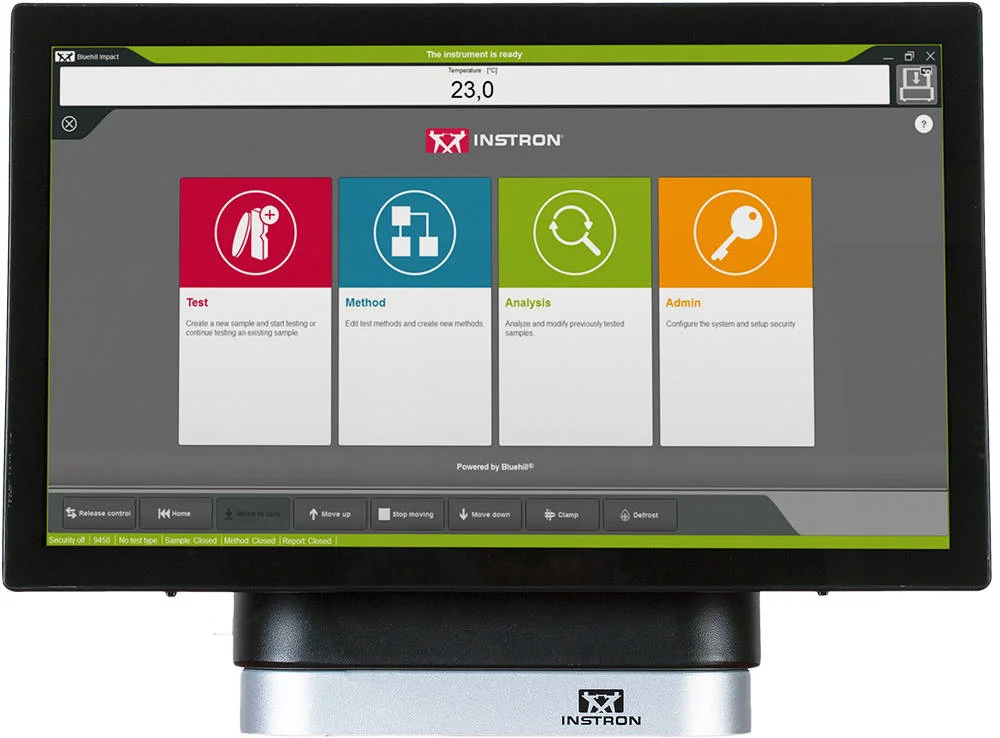
Bluehill® Impact is built from the ground up for touch interaction. The Operator Dashboard features large touchpoints to make the user experience simpler and smarter. Easy-to-understand icons and workflows make it easy to train new or experienced users, simplify operator training, and allow you to start testing even faster than ever before

  • ผลิตภัณฑ์
  • 08/01/2019
  • 2.35 MB

ความต้านทานแรงกระแทกของเม็ดยาทางเภสัชกรรม

Biomedical Testing

ความต้านทานแรงกระแทกของเม็ดยาทางเภสัชกรรม

Support for pharmaceutical tablet impact testing

เม็ดยาทางเภสัชกรรมนั้นโดยทั่วไปมักจะมีการเคลือบผิวเพื่อช่วยในการกลืน, การควบคุมการปลอดปล่อยยาเพื่อผลการรักษา, การแยกแยะ และการแยกผู้ผลิต นอกจากนี้ การเคลือบผิวมักจะช่วยให้แน่ใจว่าสามารถมีอายุการจัดเก็บได้นานโดยการป้องกันเม็ดยาจากสภาพแวดล้อมที่มีผลกระทบ เช่น แสงสว่าง, อุณหภูมิ, ความชื้น และแรงกระทำทางกล โดยเฉพาะในระหว่างกระบวนการผลิตและบรรจุซึ่งผิวเคลือบของเม็ดยานี้จะถูกกระแทกที่สามารถทำให้เกิดความเสียหายได้

การทดสอบแรงกระแทกนั้นสามารถสร้างมูลค่าให้แก่ผู้ผลิตในรูปแบบของข้อมูลประสิทธิภาพสำหรับงานวิจัยและพัฒนาของวัสดุผิวเคลือบชนิดใหม่หรือกระบวนการผลิตใหม่ เมื่อได้ผลิตภัณฑ์ที่เหมาะสมแล้ว ผู้ผลิตยังสามารถที่จะจัดทำขั้นตอนการควบคุมคุณภาพโดยใช้ข้อมูลที่อ้างอิงจากการทดสอบความต้านทานแรงกระแทกนี้เพื่อเป็นการตรวจสอบกระบวนการผลิตได้อีกด้วย

INSTRON 9440 Drop Tower ประกอบไปด้วยเซ็นเซอร์ Piezo โหลดต่ำ (0.45kN หรือ 4.5kN), insert นิ้วซีกแทรกหรือแบนทับ tup และซอฟต์แวร์ Bluehill Impact เหมาะสำหรับการทดสอบยาและแท็บเล็ตยา สำหรับการแก้ไขเราขอแนะนำให้ใช้แผ่นโลหะที่แข็งแบนและสามารถยึดกับพื้นที่โต๊ะได้อย่างง่ายดาย


ระบบการทดสอบแรงกระแทกนี้เหมาะสำหรับการวิเคราะห์หาประสิทธิภาพในการต้านทานแรงกระแทกของเม็ดยาทางเภสัชกรรม เช่น ความสม่ำเสมอของแต่ละล็อตการผลิตและการเสียหายหรือการเสียหายจากส่วนผสม ซึ่งสมบัติเหล่านี้จะมีความสัมพันธ์กับวัสดุเคลือบผิวที่ใช้สำหรับเม็ดยา ด้วยการเข้าใจถึงการที่ผิวเคลือบจะเพิ่มหรือลดความแข็งแรงของเม็ดยานั้นจะทำให้สามารถเพิ่มสมบัติของผลิตภัณฑ์ได้

วรรณกรรม

9400 Series Drop Tower Brochure

Instron Drop Towers are used to develop, fine tune, and validate material models. Testing materials under real impact conditions is a crucial step prior of product design. Using the characterization data obtained with the Instron 9400, coupled with customer supplied high-speed video, you can have confidence in your results and deliver new materials to your customers faster. Our Drop Tower impact systems, fixtures, and tups are designed to meet a wide range of applications and testing standards including: ISO, ASTM, ANSI, Airbus, Boeing, BSI, DIN, EN, FDA, Ford, GM, JIS, NASA, GOST, and more.

  • ผลิตภัณฑ์
  • 02/05/2020
  • 763.1 KB

9400 Series Dashboard Brochure

Bluehill® Impact is built from the ground up for touch interaction. The Operator Dashboard features large touchpoints to make the user experience simpler and smarter. Easy-to-understand icons and workflows make it easy to train new or experienced users, simplify operator training, and allow you to start testing even faster than ever before

  • ผลิตภัณฑ์
  • 08/01/2019
  • 2.35 MB

Radial Force Evaluation of Stent Grafts

Biomedical Testing

Radial Force Evaluation of Stent Grafts

Stent grafts are used to treat a wide variety of peripheral arterial issues, as well as abdominal and aortic pathologic conditions like abdominal aortic aneurysms (AAA). The success of endovascular stent grafts for AAA’s has provided motivation to adapt similar technology for descending thoracic aortic aneurysms (TAA’s). Survival rates for untreated and traditionally treated (through complex thoracic surgeries) aneurysms are typically quite poor.

Advantages of stent grafts include shorter operative time, avoidance of major thoracic or thoracoabdominal incisions, and significant reductions in morbidity and mortality. Successful surgery requires the accurate placement of the stent graft to ensure it does not move, especially in upper descending thoracic aorta cases.

Typically, secure placement for stent grafts is a function of the proper selection and sizing since physiological movements of the aorta can be significant. Additionally, stent grafts have much larger diameters than coronary stents (30+ mm versus 2-3 mm). Evaluating the radial strength of a stent graft helps manufacturers to ensure efficacy and reliability of the medical device when implanted in vivo.

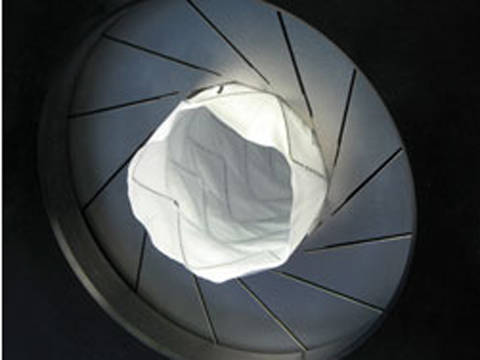
Instron partners with Machine Solutions Inc. (MSI) to utilize either a RX575 or RX675 stent iris on an Instron system. The fixture can also be customized and used for special specimen types to provide radial strength and stiffness over the entire graft or the securing graft ends. The control software to operate MSI’s RX fixture on an Instron system is standard Bluehill® 3 and TestProfiler. Although room-temperature testing provides excellent comparative results, the system can also be configured with a chamber to provide simulation of body temperature.

Literature

6800 Series Premier Testing Systems Brochure

Instron 6800 Series Universal Testing Systems provide unparalleled accuracy and reliability. Built on a patent-pending Operator Protect system architecture with an all-new Smart-Close Air Kit and Collision Mitigation features, the 6800 Series makes materials testing simpler, smarter, and safer than ever before.

  • ผลิตภัณฑ์
  • 02/10/2020
  • 4.15 MB

Implantable Devices

Biomaterials

Dental

Orthopedics

Soft Tissue Testing

Biomedical Testing

Soft Tissue Testing

The Challenge

Skin

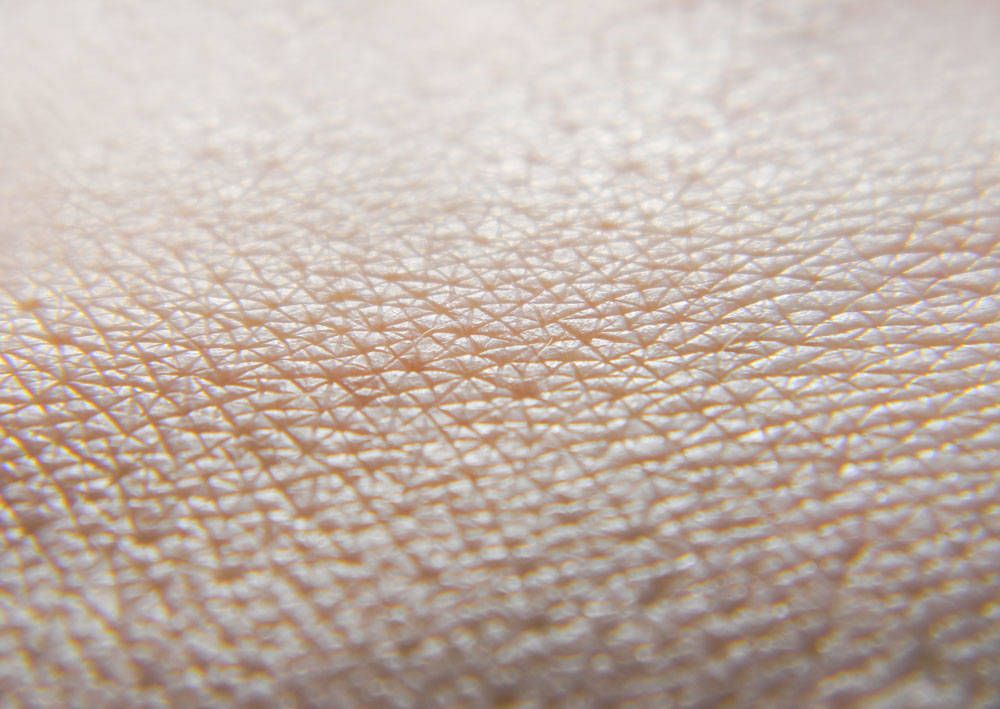
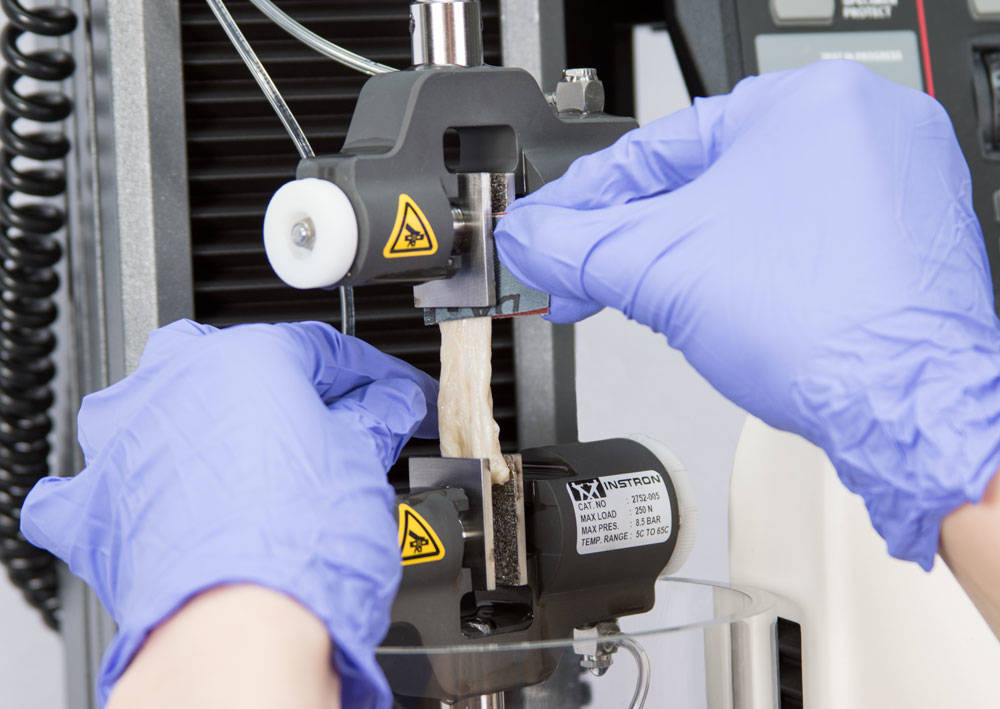
Testing soft tissues, such as skin, tendons, ligaments, and others, presents many challenges. Specimens of this type are delicate; hence they break at low forces. Gripping soft tissues can also be problematic given that these specimens are small, slippery, and compliant in nature. In addition, soft tissues are viscoelastic and often require accurate elongation or strain measurement to properly understand the material properties. Typically, in vivo conditions are needed to test soft tissues, which calls for the test to be performed at body temperature and in a hydrated state. This requires the testing equipment and fixture to be corrosion resistant and "waterproof" to avoid damaging the sensitive electronics of the testing system.  

Our Solution 

Soft Tissue Testing

For testing at physiological conditions, the Instron® BioBath is an ideal solution for keeping a specimen fully hydrated in a saline solution and at 37°C. The BioBath uses a closed-loop temperature control measurement, which can be fed directly into the test system's software to accurately track specimen temperature, in addition to mechanical test data. Pneumatic grips are recommended for consistent clamping pressure that the user can vary up to 90 PSI. A high friction surface is often needed to grip slippery biomaterials to avoid specimen slipping. To avoid this, we recommend using a metallic high friction finish known as surfalloy on the grip face, but grit sandpaper is also a viable option. A stainless steel tray, such as the BioTray, can help protect the system's electronics from damage in the case of spills or messy specimens.

การทดสอบวัสดุสิ้นเปลืองทางการแพทย์


Biomedical Testing


การทดสอบวัสดุสิ้นเปลืองทางการแพทย์

การทดสอบวัสดุสิ้นเปลืองทางการแพทย์

คู่มือสำหรับวัสดุสิ้นเปลืองแบบใช้ครั้งเดียวทิ้ง เช่น PPE, เครื่องมือผ่าตัด และผลิตภัณฑ์ปิดแผล
วัสดุสิ้นเปลืองทางการแพทย์ถือเป็นหมวดหมู่ที่ใหญ่ที่สุดของการทดสอบทางชีวการแพทย์ และรวมถึงผลิตภัณฑ์แบบใช้ครั้งเดียวทิ้งที่หลากหลาย เช่น เครื่องมือผ่าตัด, PPE, ผลิตภัณฑ์ปิดแผล, ผลิตภัณฑ์เก็บตัวอย่างสิ่งส่งตรวจ และอื่นๆ สถานพยาบาลพึ่งพาผลิตภัณฑ์แบบใช้ครั้งเดียวทิ้งเพื่อลดการเกิดการติดเชื้อในโรงพยาบาลและเพื่อความปลอดภัยของผู้ป่วย โดยทั่วไปผลิตภัณฑ์เหล่านี้เป็นอุปกรณ์ทางการแพทย์ FDA คลาส I หรือ II ซึ่งแม้จะมีข้อกำหนดการทดสอบที่เข้มงวดน้อยกว่าผลิตภัณฑ์ที่มีความเสี่ยงสูงกว่า แต่บ่อยครั้งก็มีการผลิตในปริมาณมากจนต้องมีขั้นตอนเฉพาะเพื่อรองรับการทดสอบทางกลในปริมาณสูง เพื่อชดเชยปริมาณที่มากขึ้น อัตราการทดสอบและความสามารถในการทำซ้ำจึงกลายเป็นข้อกำหนดการทดสอบที่สำคัญซึ่งจัดการได้ด้วยอุปกรณ์ยึดจับเฉพาะทาง ขั้นตอนการทำงานของผู้ปฏิบัติงานที่มีประสิทธิภาพ และซอฟต์แวร์ที่ใช้งานง่าย อีกหนึ่งส่วนประกอบที่สำคัญในหมวดนี้คือบรรจุภัณฑ์เกรดทางการแพทย์ที่ใช้สำหรับสินค้าสำเร็จรูป ซึ่งมีชุดข้อกำหนดการทดสอบของตัวเอง สำหรับข้อมูลเพิ่มเติมเกี่ยวกับการใช้งานทางชีวการแพทย์อื่นๆ โปรดไปที่หน้า อุตสาหกรรมชีวการแพทย์ ของเรา
ถุงมือทางการแพทย์

ขอบเขตการทดสอบผลิตภัณฑ์

การประเมินอุปกรณ์เหล่านี้สามารถเกิดขึ้นได้ในหลายจุดตลอดกระบวนการพัฒนาและผลิตผลิตภัณฑ์ ซึ่งหมายความว่าตัวอย่างทดสอบจริงอาจมีความซับซ้อนตั้งแต่วัตถุดิบไปจนถึงส่วนประกอบย่อยและสินค้าสำเร็จรูป ในขั้นตอนวัตถุดิบ วิธีการทดสอบมักจะเป็นไปตามมาตรฐานที่กำหนดไว้อย่างชัดเจนและโซลูชันอุปกรณ์ยึดจับที่เป็นที่รู้จัก ในหลายกรณี สามารถใช้ อุปกรณ์จับยึดแรงดึง หรือ แผ่นกดแรงอัด มาตรฐานเพื่อประเมินวัสดุต่างๆ ได้อย่างเหมาะสม และช่วยให้วิศวกรตัดสินใจได้อย่างถูกต้องเกี่ยวกับการเลือกวัสดุสำหรับผลิตภัณฑ์ของตน ในระดับการทดสอบส่วนประกอบ รูปทรงของผลิตภัณฑ์ที่เป็นเอกลักษณ์ทำให้มีความต้องการอุปกรณ์ยึดจับที่ออกแบบเฉพาะมากขึ้น การใช้โต๊ะ XY หรือ แผ่นทดสอบ แบบเจาะรูช่วยให้ผู้ใช้มีความยืดหยุ่นในการปรับระบบให้เข้ากับส่วนประกอบประเภทต่างๆ ได้มากมาย อุปกรณ์ยึดจับเหล่านี้ยังช่วยให้คุณมั่นใจได้ว่าแกนการรับแรงอยู่ในแนวเดียวกับส่วนที่ต้องการทดสอบบนผลิตภัณฑ์อย่างเหมาะสม ส่วนประกอบอาจจำเป็นต้องได้รับการประเมินในหลายวิธีเพื่อให้ทราบถึงประสิทธิภาพของอุปกรณ์ได้อย่างครบถ้วน การประเมินประสิทธิภาพอย่างเต็มรูปแบบอาจต้องมีการประเมินลักษณะการเสียหายในเชิงคุณภาพเพิ่มเติมจากข้อมูลแรงและระยะขจัดที่วัดได้ กล้อง testcams แบบรวมในระบบสามารถช่วยในการให้ข้อมูลภาพของเหตุการณ์การเสียหายที่ซิงโครไนซ์กับข้อมูลการทดสอบ

ศักยภาพของระบบอัตโนมัติ โดยเฉพาะอย่างยิ่งในบริบทของโรคระบาดทั่วโลก ความต้องการวัสดุสิ้นเปลืองทางการแพทย์ โดยเฉพาะ PPE แสดงให้เห็นว่าไม่สามารถคาดเดาได้ การเปลี่ยนแปลงอย่างมากในอัตราการทดสอบสำหรับผลิตภัณฑ์เหล่านี้ได้กลายเป็นเรื่องปกติ การรวม ระบบอัตโนมัติ เข้ากับโปรแกรมการทดสอบทางกลสามารถช่วยปรับปรุงอัตราการทดสอบ ความสามารถในการทำซ้ำ และคุณภาพโดยรวมของผลิตภัณฑ์ ในกรณีส่วนใหญ่ การทดสอบวัสดุสิ้นเปลืองทางการแพทย์จะเป็นแบบ "หยิบและวาง" ซึ่งต้องการการโต้ตอบจากผู้ปฏิบัติงานน้อยที่สุด สิ่งนี้ทำให้เป็นตัวเลือกที่สมบูรณ์แบบสำหรับการทำให้เป็นอัตโนมัติผ่านหุ่นยนต์ร่วมปฏิบัติงาน (Cobots) หรือแท่น XY อัตโนมัติ ระบบอัตโนมัติยังรวมถึงการรวมอุปกรณ์ของคุณเข้ากับระบบการจัดการคุณภาพที่มีอยู่ เพื่อสร้างการตอบกลับแบบวงปิดภายในกระบวนการผลิตของคุณ ข้อมูลย้อนกลับนี้สามารถช่วยลดของเสียในกระบวนการผลิต โดยใช้ข้อมูลทางกลที่รวบรวมได้เพื่อทำการเปลี่ยนแปลงพารามิเตอร์การผลิตต้นน้ำแบบเรียลไทม์

ระบบอัตโนมัติสำหรับการทดสอบทางชีวการแพทย์

บรรจุภัณฑ์

ผลิตภัณฑ์ทางการแพทย์ต้องการบรรจุภัณฑ์ที่ปิดสนิทและแข็งแรงเพื่อให้แน่ใจว่าการฆ่าเชื้ออุปกรณ์จะคงอยู่จนกว่าจะถึงเวลาใช้งาน บรรจุภัณฑ์นี้มีความสำคัญอย่างยิ่งในการป้องกันการปนเปื้อน ซึ่งท้ายที่สุดจะส่งผลให้ผู้ป่วยติดเชื้อ เพื่อตรวจสอบความแข็งแรงของรอยซีลบรรจุภัณฑ์ ลูกค้าส่วนใหญ่ทดสอบตามมาตรฐาน ASTM F88 ซึ่งระบุเกณฑ์การทดสอบสำหรับการประเมินรอยซีล ความท้าทายหลักคือการเตรียมชิ้นงานทดสอบและการเก็บข้อมูล อุปกรณ์เตรียมชิ้นงานทดสอบจำนวนมากมีไว้เพื่อผลิตแถบกว้าง 1 นิ้วอย่างสม่ำเสมอตามที่มาตรฐานกำหนด การทดสอบความแข็งแรงของรอยซีลจะส่งผลให้เกิดเส้นโค้งที่ไม่สม่ำเสมอพร้อมการเปลี่ยนแปลงในทันที ซึ่งต้องการอัตราการเก็บข้อมูลที่สูงพอเพื่อให้แน่ใจว่าคุณกำลังบันทึกเหตุการณ์ได้อย่างแม่นยำ หากอัตราการเก็บข้อมูลต่ำเกินไป เส้นโค้งของแรงอาจถูกปัดเศษและส่งผลให้ค่าเฉลี่ยความแข็งแรงของรอยซีลต่ำกว่าความเป็นจริง อุปกรณ์จับยึดแบบนิวแมติกที่มีหน้าสัมผัสเรียบเหมาะสำหรับการจับส่วนปลายของชิ้นงานทดสอบซ้ำๆ โดยไม่ทำให้วัสดุเสียหาย

การมุ่งเน้นที่ความยั่งยืน

โรงพยาบาลมีความกังวลมากขึ้นเกี่ยวกับปัญหาขยะที่เกิดจากการใช้ผลิตภัณฑ์ทางการแพทย์แบบใช้ครั้งเดียวทิ้ง การพัฒนาพลาสติกชีวภาพเป็นอุตสาหกรรมที่กำลังเติบโตและมีความต้องการของตลาดสูง และขณะนี้กำลังมีการพัฒนามาตรฐานเพื่อจัดการกับคุณสมบัติของพอลิเมอร์ชีวภาพที่หลากหลายในการใช้งานด้านการดูแลสุขภาพมากมาย ในระหว่างนี้ มาตรฐานพลาสติกทั่วไปหลายฉบับ เช่น ASTM D638 และ ISO 527 ได้ปรับปรุงข้อความเพื่อรวมพลาสติกชีวภาพและพลาสติกพิมพ์ 3 มิติ ข้อกำหนดการทดสอบสำหรับมาตรฐานเหล่านี้เป็นที่รู้จักกันดี และการใช้มาตรฐานเหล่านี้ในการประเมินจะทำให้นักวิจัยสามารถแยกแยะความแตกต่างระหว่างคุณสมบัติของวัสดุจากปิโตรเลียมและพลาสติกจากฐานชีวภาพได้อย่างชัดเจน นักวิจัยอาจจำเป็นต้องทำการทดสอบ แรงดึง, แรงอัด, การดัดโค้ง, แรงบิด และรูปแบบการทดสอบอื่นๆ บนวัสดุที่ยั่งยืนใหม่เหล่านี้เพื่อระบุลักษณะเฉพาะได้อย่างเหมาะสม สถานที่วิจัยและพัฒนาจำเป็นต้องมีเครื่องมือที่พร้อมใช้งานเพื่อทำการวิเคราะห์ที่ครอบคลุมเหล่านี้และผ่านอุปสรรคด้านกฎระเบียบที่ FDA และองค์กรระหว่างประเทศอื่นๆ จะกำหนดขึ้น

การทดสอบอุปกรณ์นำส่งยาและบรรจุภัณฑ์


Biomedical Testing


การทดสอบอุปกรณ์นำส่งยาและบรรจุภัณฑ์

การทดสอบอุปกรณ์นำส่งยาและบรรจุภัณฑ์

คู่มือสำหรับการทดสอบกระบอกฉีดยา คาร์ทริดจ์ และขวดแก้ว

ความต้องการผลิตภัณฑ์ยาในระดับโลกกำลังเพิ่มสูงขึ้น โดยได้รับแรงหนุนจากอัตราการเกิดโรคเรื้อรังที่สูงขึ้น ประชากรสูงวัย และภัยคุกคามจากโรคระบาดในอนาคต ผู้ป่วยและแพทย์ต่างคาดหวังว่าบรรจุภัณฑ์นำส่งยาจะต้องปราศจากข้อบกพร่อง สามารถรักษาความปลอดภัยของยาได้ตลอดการขนส่งและการใช้งาน ความล้มเหลวอาจก่อให้เกิดความเสี่ยงร้ายแรงต่อผู้ป่วย หรือส่งผลให้ต้องทิ้งเวชภัณฑ์จำนวนมากที่มีความจำเป็นอย่างยิ่ง ด้วยเหตุผลเหล่านี้ บรรจุภัณฑ์และอุปกรณ์นำส่งยาจึงต้องมีการประเมินอย่างเข้มงวดซึ่งบังคับใช้โดยหน่วยงานกำกับดูแลระดับโลก เพื่อให้มั่นใจว่าสามารถทำงานได้ตามที่ตั้งใจไว้ บรรจุภัณฑ์ยาได้รับการออกแบบมาหลายประเภทเพื่อจัดเก็บและนำส่งยาภายใต้สถานการณ์ที่แตกต่างกัน หน้าเว็บนี้จะจำแนกบรรจุภัณฑ์ประเภทต่างๆ และระบุวัตถุประสงค์รวมถึงความท้าทายในการทดสอบที่เป็นเอกลักษณ์เฉพาะของแต่ละประเภท สำหรับข้อมูลเพิ่มเติมเกี่ยวกับการใช้งานด้านชีวการแพทย์อื่นๆ โปรดไปที่หน้า อุตสาหกรรมชีวการแพทย์ ของเรา

กระบอกฉีดยา

การทดสอบกระบอกฉีดยา

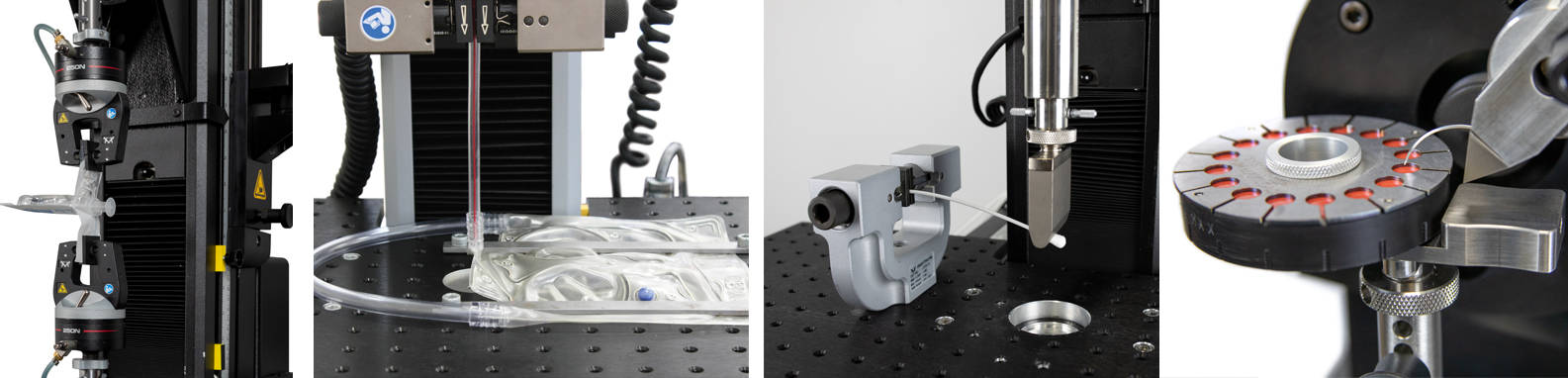
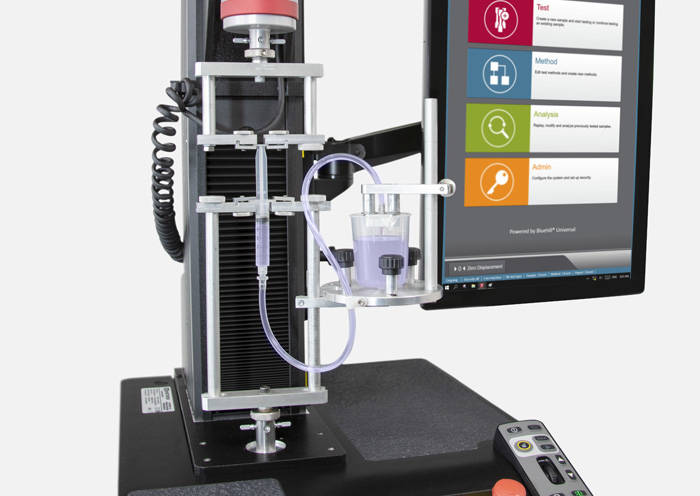
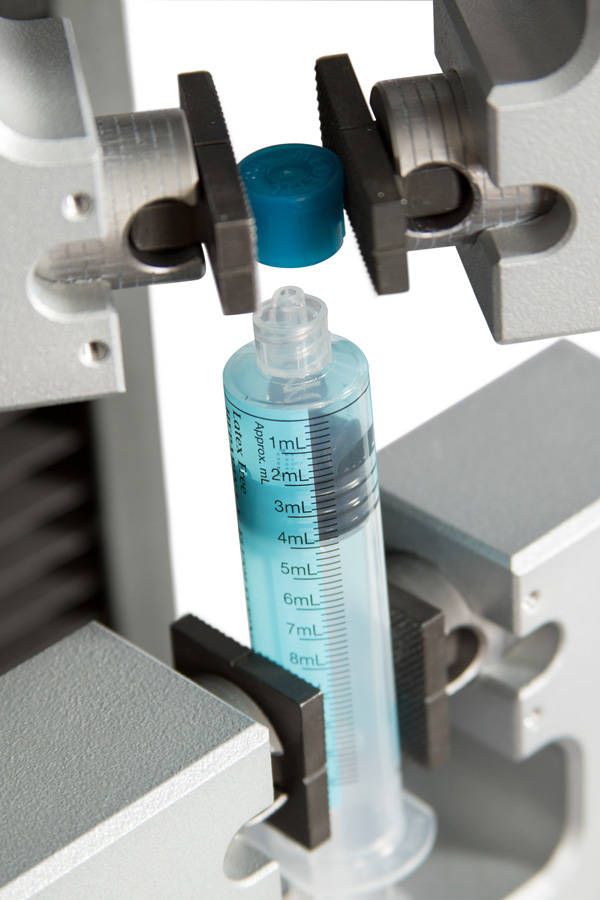
เนื่องจากกระบอกฉีดยามีหน้าที่ในการนำส่งยาที่หลากหลายในสภาพแวดล้อมที่แตกต่างกัน จึงมีการผลิตออกมาหลายรูปแบบ กระบอกฉีดยาแก้วครองส่วนแบ่งการตลาดมากที่สุด ตามมาด้วยพลาสติก และมีส่วนแบ่งการตลาดขนาดเล็กสำหรับกระบอกฉีดยาสแตนเลส แม้จะมีความเรียบง่ายในตัว แต่ก็มีข้อพิจารณาด้านการออกแบบหลายร้อยประการที่ต้องคำนึงถึงเมื่อสร้างผลิตภัณฑ์เหล่านี้ เนื่องจากทำหน้าที่เป็นทั้งบรรจุภัณฑ์และอุปกรณ์นำส่งยา การทดสอบทางกลมีวัตถุประสงค์เพื่อตอบโจทย์เหล่านี้และช่วยให้ผู้ผลิตบรรลุประสิทธิภาพสูงสุดและรักษาคุณภาพการผลิต

ความสามารถในการใช้งานของอุปกรณ์เป็นหนึ่งในข้อพิจารณาด้านการออกแบบที่สำคัญที่สุด สำหรับกระบอกฉีดยา สิ่งนี้หมายถึงความสะดวกในการจ่ายของเหลวโดยใช้ลูกสูบ การบรรลุประสิทธิภาพสูงสุดอาจต้องมีการปรับเปลี่ยนค่าความคลาดเคลื่อนทางเรขาคณิตของกระบอกฉีด ความขรุขระของพื้นผิวภายใน กระบวนการเคลือบซิลิโคน รูปทรงของจุกยางลูกสูบ และอื่นๆ ผู้ผลิตต้องพึ่งพาการทดสอบทางกลในระหว่างกระบวนการวิจัยและพัฒนา (R&D) เพื่อรับรองและประเมินการตัดสินใจด้านการออกแบบทั้งหมด

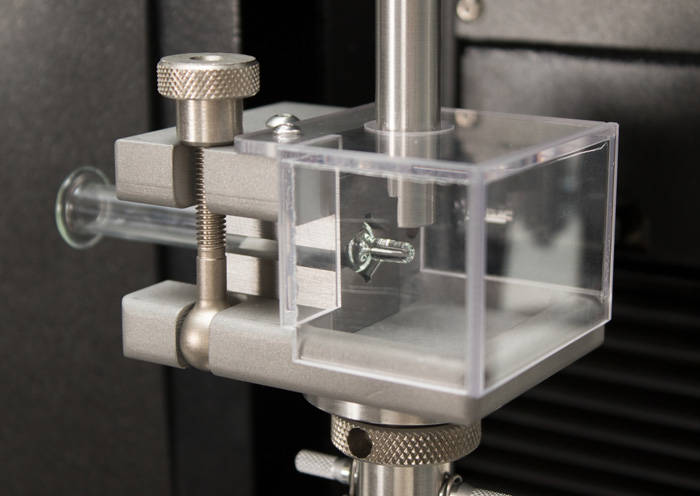
ข้อพิจารณาที่สำคัญอีกประการหนึ่งคือกลไกการปิดและกลไกความปลอดภัยของอุปกรณ์ เข็มแก้วบางชนิดมีเข็มติดตายตัวฝังอยู่ในส่วนโคนของกระบอกฉีดและต้องมีปลอกหุ้มเข็ม ในขณะที่กระบอกฉีดยาส่วนใหญ่จะใช้ข้อต่อแบบ Luer เพื่อติดตั้งฝาปิดและเข็มแยกต่างหาก กลไกความปลอดภัยสามารถจำแนกได้เป็นแบบแอคทีฟ (Active) หรือพาสซีฟ (Passive) ขึ้นอยู่กับการโต้ตอบของผู้ใช้ ความปลอดภัยแบบแอคทีฟต้องอาศัยการดำเนินการที่ชัดเจนจากผู้ปฏิบัติงาน เช่น การสวมปลอกหุ้มเข็มที่เปิดอยู่ ส่วนกลไกแบบพาสซีฟมักจะใช้สปริงเพื่อซ่อนหรือครอบเข็มหลังการใช้งานเพื่อป้องกันการบาดเจ็บจากของมีคม ในกลไกทั้งสองประเภท ความท้าทายหลักอย่างหนึ่งในการทดสอบคือการจัดตำแหน่ง ข้อผิดพลาดในการร่วมศูนย์ (Concentricity) อาจส่งผลต่อค่าแรงและแรงบิดของการวัด อุปกรณ์จับยึดแบบตั้งศูนย์ในตัว (Self-centering grips) จึงเหมาะอย่างยิ่งสำหรับการใช้งานเหล่านี้และช่วยลดโอกาสที่จะเกิดข้อผิดพลาดจากผู้ปฏิบัติงาน

ทั้งกระบอกฉีดยาแก้วแบบเติมยาสำเร็จ (Prefilled) และคาร์ทริดจ์สามารถใส่ลงในอุปกรณ์นำส่งยาอัตโนมัติได้โดยตรง อุปกรณ์เหล่านี้ได้รับการออกแบบมาเพื่อเริ่มการนำส่งยาด้วยกลไกหลังจากที่ผู้ป่วยกดปุ่มหรือใช้งานปลอกหุ้มเข็ม ในระหว่างการทำงาน สปริงที่รับภาระจะดันลูกสูบลงบนบรรจุภัณฑ์และจ่ายของเหลวออกมา อุปกรณ์นำส่งยาอัตโนมัติช่วยเพิ่มความสะดวกในการใช้งานให้กับผู้ป่วยอย่างมาก แต่ก็เพิ่มความซับซ้อนในการออกแบบที่จำเป็นต้องมีการประเมินส่วนประกอบย่อยและฟังก์ชันการทำงานต่างๆ ลูกค้าจำนวนมากจัดการกับสิ่งเหล่านี้ด้วยระบบทดสอบหลายระบบ โดยแต่ละระบบกำหนดไว้สำหรับการประเมินที่แตกต่างกัน เช่น ปริมาตรที่ฉีดออกมา หรือความลึกในการแทงเข็ม ผู้ผลิตสามารถเพิ่มปริมาณงาน ลดอิทธิพลจากผู้ปฏิบัติงาน และทำให้ขั้นตอนการทดสอบง่ายขึ้นได้โดยการใช้ โซลูชันแบบเบ็ดเสร็จเพียงระบบเดียว เพื่อทำการทดสอบการทำงานที่จำเป็นทั้งหมด
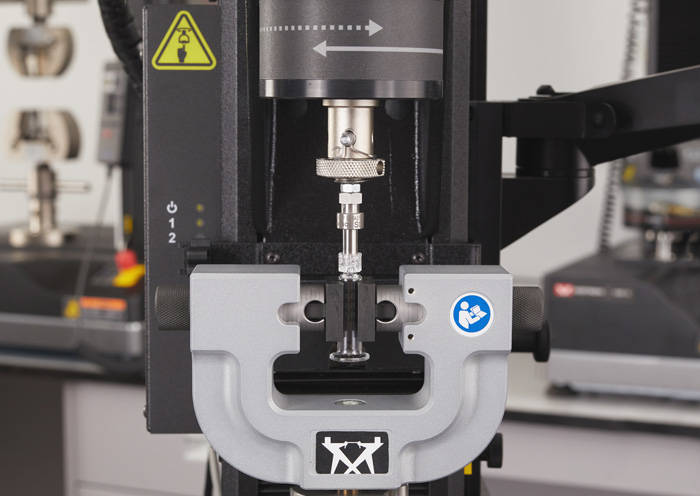
การทดสอบการถอดฝากระบอกฉีดยา

การทดสอบคาร์ทริดจ์

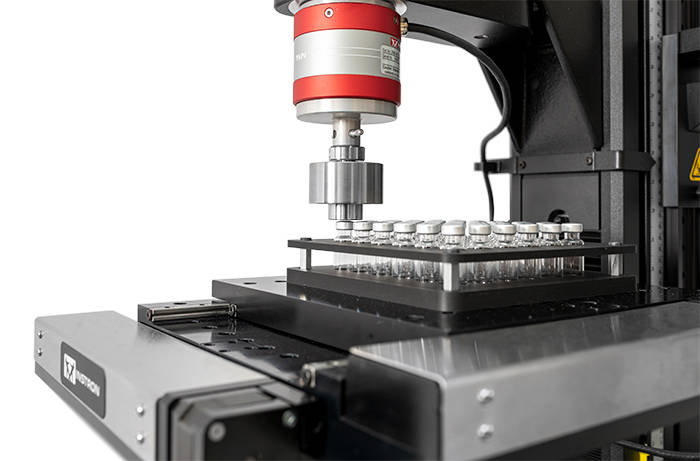
การทดสอบคาร์ทริดจ์บนแท่นวาง XY อัตโนมัติ

Cartridge Testing on Automated XY Stage

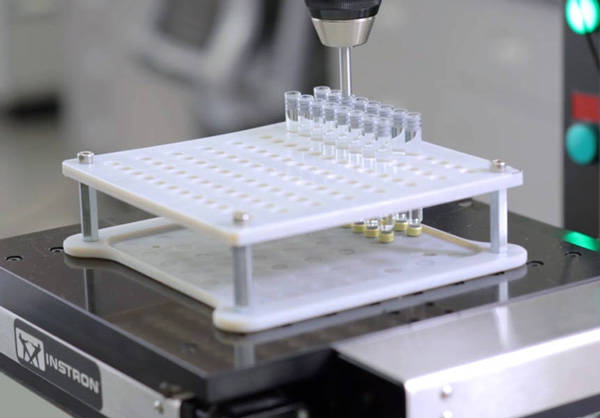
คาร์ทริดจ์มักใช้กันมากที่สุดในระบบนำส่งยาอัตโนมัติ รวมถึงเครื่องฉีดอัตโนมัติ (Autoinjectors) ปากกาฉีดยา และอุปกรณ์แบบสวมใส่ คาร์ทริดจ์มีข้อดีที่เป็นเอกลักษณ์สำหรับบริษัทเวชภัณฑ์ เนื่องจากผลิตได้ง่ายกว่ากระบอกฉีดยาและมีขนาดกะทัดรัดกว่าเพื่อประสิทธิภาพในการจัดเก็บที่ดีขึ้น นอกจากนี้ยังมีการออกแบบที่เรียบง่าย ประกอบด้วยบรรจุภัณฑ์แก้วโบโรซิลิเกตพร้อมซีลอีลาสโตเมอร์และจุกปิด ซึ่งปิดทับด้วยฝาอะลูมิเนียม คาร์ทริดจ์อาศัยกลไกภายนอกสองอย่างในการนำส่งยา ได้แก่ การดำเนินการด้วยตนเองหรือแบบอัตโนมัติเพื่อขับเคลื่อนลูกสูบ และเข็มที่ต่อเข้าได้เพื่อส่งยาเข้าสู่ร่างกาย การทดสอบส่วนใหญ่ในคาร์ทริดจ์จะประเมินส่วนแรก เพื่อให้มั่นใจว่าแรงที่จำเป็นในการจ่ายของเหลวสามารถทำได้ภายในอุปกรณ์
เช่นเดียวกับกระบอกฉีดยา การจัดตำแหน่งเป็นความท้าทายหลักในการบรรลุผลการทดสอบที่ทำซ้ำได้ ปัญหาเรื่องการจัดตำแหน่งสามารถบรรเทาได้โดยการใช้อุปกรณ์จับยึดแบบปรับตั้งศูนย์ได้เองและความสามารถในการปรับแกน XY ในพื้นที่ทำงาน รูปทรงของคาร์ทริดจ์มีความแตกต่างที่สำคัญในเรื่องอุปกรณ์จับยึดที่จำเป็นสำหรับการทดสอบ เนื่องจากไม่มีแป้นวางนิ้ว (Finger flanges) หมายความว่าแรงจับยึดทั้งหมดจะต้องใช้กับด้านข้างของบรรจุภัณฑ์ แรงหนีบต้องได้รับการปรับเทียบเพื่อป้องกันความเสียหายต่อบรรจุภัณฑ์ซึ่งทำจากแก้ว การใช้ตัวเสริมเพื่อรองรับด้านล่างของคาร์ทริดจ์สามารถจำกัดการใช้แรงกดด้านข้างและส่งผลให้ความสามารถในการทำซ้ำในการทดสอบดีขึ้น

การทดสอบขวดแก้ว

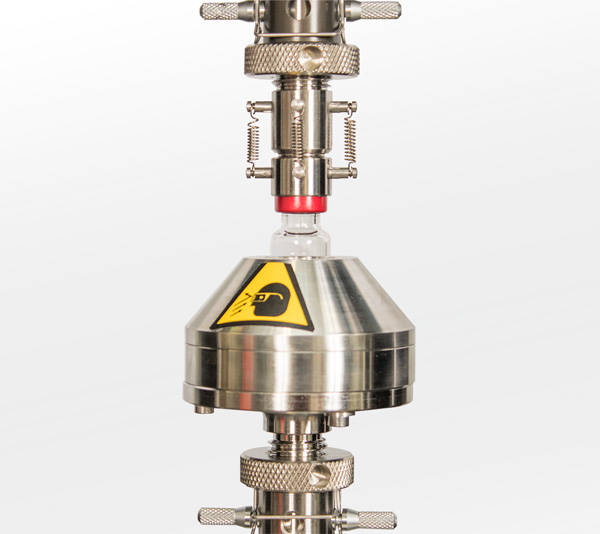
ขวดแก้ว (Vials) เป็นบรรจุภัณฑ์สำหรับจัดเก็บเวชภัณฑ์และไม่ใช่ส่วนหนึ่งของการนำส่งยาจริง โดยทั่วไปประกอบด้วยบรรจุภัณฑ์แก้ว ซีลยาง และฝาจีบอะลูมิเนียม กระบอกฉีดยาจะถูกใช้เพื่อเจาะซีลยางและดูดขยาในปริมาณที่แม่นยำตามที่ต้องการสำหรับการบริหารยา สิ่งที่ผู้ผลิตขวดแก้วให้ความสำคัญคือความสมบูรณ์ของการปิดบรรจุภัณฑ์ (CCI) ซึ่งเป็นการประเมินชุดหนึ่งเพื่อตรวจสอบว่าการปิดนั้นสามารถป้องกันสิ่งแปลกปลอมจากภายนอกไม่ให้ปนเปื้อนผลิตภัณฑ์ได้ การทดสอบเหล่านี้ไม่ใช่การทดสอบทางกลในตัวเอง แต่ใช้วิธีการทางไฟฟ้าหรือแรงดันเพื่อตรวจสอบความสมบูรณ์ของการปิด

ระบบของ Instron ช่วยให้หลักฐานเชิงประจักษ์ในการระบุพารามิเตอร์ทางกลที่สำคัญสำหรับซีลอีลาสโตเมอร์และขั้นตอนการย้ำฝาที่สัมพันธ์กับประสิทธิภาพของ CCI แรงซีลคงเหลือ (Residual Seal Force - RSF) เป็นหนึ่งในการทดสอบหลักที่ดำเนินการ เพื่อกำหนดแรงที่จำเป็นในการเอาชนะแรงภายในของซีลอีลาสโตเมอร์ ซึ่งรักษาการสัมผัสระหว่างขวดแก้วและฝาปิด การทดสอบนี้มีความสำคัญอย่างยิ่งต่อการประเมินตัวแปรต่างๆ ซึ่งอาจส่งผลต่อ CCI ในท้ายที่สุด:

  • ระยะเวลาตั้งแต่การซีล
  • อุณหภูมิในการจัดเก็บ
  • ความชื้นในการจัดเก็บ
  • การออกแบบจุกปิด
  • วัสดุของจุกปิด
  • เทคนิคการย้ำฝา

ความท้าทายหลักที่เกี่ยวข้องกับการทดสอบ RSF คือการตรวจสอบให้แน่ใจว่ามีการจัดตำแหน่งอุปกรณ์ที่เหมาะสมและการประเมินจุด RSF บนกราฟความสัมพันธ์ระหว่างแรงและการกระจัด (Load displacement curve) ในขณะที่ผู้ปฏิบัติงานจำนวนมากจะเลือกจุดบนกราฟด้วยตนเอง ซอฟต์แวร์ Bluehill Universal® ช่วยให้ผู้ปฏิบัติงานสามารถเพิ่มการวัดอนุพันธ์อันดับที่หนึ่งและสอง ซึ่งช่วยให้สามารถจดจำและเลือกจุดเปลี่ยนโค้ง (Inflection points) ที่เกี่ยวข้องกับ RSF ได้โดยอัตโนมัติ

มีการดำเนินการทดสอบเพิ่มเติมที่เกี่ยวข้องกับการใช้งานของแพทย์และการติดฉลาก กลุ่มผลิตภัณฑ์สั่งทำพิเศษของ Instron ได้ออกแบบอุปกรณ์จับยึดเฉพาะทางเพื่อถอดฝาพลาสติกและลอกฉลากออกซ้ำๆ ได้ เนื่องจากสิ่งสำคัญคือต้องแน่ใจว่าความแข็งแรงของกาวสามารถคงอยู่ได้ผ่านอุณหภูมิการจัดเก็บที่ร้อน เย็น หรือผันผวน

การทดสอบแรงซีลคงเหลือ

การปรับปรุงประสิทธิภาพและความสามารถในการทำซ้ำ

เมื่อคุณก้าวไปสู่การผลิตผลิตภัณฑ์ในเชิงพาณิชย์ ปริมาณการทดสอบจะเพิ่มขึ้นอย่างหลีกเลี่ยงไม่ได้ ประสิทธิภาพและความสามารถในการทำซ้ำเป็นพารามิเตอร์สำคัญสองประการที่อาจได้รับผลกระทบจากปริมาณงานที่เพิ่มขึ้น เพื่อจัดการกับปัญหานี้ มีโซลูชันมากมายที่สามารถนำมาใช้เพื่อปรับปรุงขั้นตอนกระบวนการและลดข้อผิดพลาดจากผู้ปฏิบัติงาน โซลูชันเหล่านี้อาจรวมถึง:

สถานการณ์ในโลกแห่งความเป็นจริง: ตัวอย่างเช่น การทดสอบเพื่อทวนสอบการออกแบบ (Design verification testing) มักจะเป็นขั้นตอนสุดท้ายก่อนที่จะได้รับการอนุมัติผลิตภัณฑ์ แต่อาจเกิดขึ้นเพียงไม่กี่ครั้งต่อปี การตรวจสอบให้แน่ใจว่าห้องปฏิบัติการมีบุคลากรที่เหมาะสมในการทดสอบที่จำเป็นทั้งหมดและจัดทำเอกสารรวมถึงการวิเคราะห์อาจเป็นเรื่องที่ท้าทาย การใช้ระบบอัตโนมัติสามารถช่วยตอบโจทย์ความท้าทายเหล่านี้ได้ โดยช่วยลดความจำเป็นที่ผู้ปฏิบัติงานต้องยืนอยู่หน้าเครื่อง และสามารถไปทำงานอื่นๆ ที่จำเป็นควบคู่กันไปได้ ระบบอัตโนมัติอย่างโคบอท (Cobot) รุ่น CT-6 สามารถช่วยเพิ่มประสิทธิภาพของห้องปฏิบัติการ ช่วยให้ผู้จัดการห้องปฏิบัติการสามารถกระจายภาระงานได้อย่างเหมาะสมและทันตามกำหนดเวลาที่เข้มงวดซึ่งเกี่ยวข้องกับการเปิดตัวผลิตภัณฑ์

ระบบโคบอทสำหรับการทดสอบกระบอกฉีดยา

FDA 21 CFR Part 11 Compliance

Biomedical Testing

Materials Testing Lab

FDA 21 CFR PART 11 COMPLIANCE FOR MECHANICAL TESTING LABS

What Is Required and How You Can Achieve It

What is FDA 21 CFR Part 11?

21 CFR Part 11 is a regulation that applies specifically to electronic documentation provided to the FDA. First published in 1997, the original intent was to create a framework that ensured electronic means of recording, approving, and submitting documents was effectively equivalent to handwritten paper documents in terms of security. The objective was to ensure that companies were capable of using electronic record keeping technology as it became more commonly utilized within the industry.

Who Does 21 CFR Part 11 Apply To?

FDA 21 CFR Part 11 applies to any pharmaceutical or medical device manufacturer submitting product documentation to the FDA for approval for sale within the United States or as part of any post-market surveillance activities.

What are the Requirements of 21 CFR Part 11?

Regulatory requirements mainly apply to the processes surrounding electronic record creation, retention and submission. The regulation specifically discusses the need for software validation, use of electronic signatures, a searchable time-stamped audit trail, and access to traceable record copies.


INSTRON PRODUCTS


Compliance is best achieved through a partnership between a manufacturer and its equipment suppliers, where the equipment supplier provides the tools to effectively and efficiently integrate the equipment into the manufacturer's quality management system. Instron's Bluehill® Universal software, compatible with static universal testing systems, offers several features designed to aid in 21 CFR Part 11 compliance. Bluehill Central lab management software allows for centralized management of multiple instances of Bluehill Universal, further simplifying the processes necessary for compliance.


Bluehill Universal
Bluehill Universal

Bluehill Universal is the testing industry's most powerful and advanced testing software. Its intuitive workflows are designed to simplify operator training, increase testing efficiency, and minimize safety hazards.

Learn More


Bluehill Central
Bluehill Central

Bluehill Central software is a laboratory management tool that enables centralized, remote management of Bluehill Universal software applications associated with multiple Instron test frames. The software allows you to remotely manage all Bluehill Universal users, test templates, results, file revision approvals, and audit trail data from multiple Instron systems.

Learn More


TRACEABILITY

Bluehill Universal’s Traceability Module enables users to meet the audit requirements associated with FDA 21 CFR Part 11 as well as those of ISO 17025, Nadcap, and other regulatory bodies. Through seamless integration of electronic approvals, revision history, and an automated audit trail, this powerful add-on combines with Bluehill’s built-in security to provide unmatched data traceability.

  Webinar: Introducing Bluehill Universal's Traceability Module
  Webinar: Protecting Data Integrity and Having Traceability in Your Testing
  FDA 21 CFR Part 11 Implementation White Paper

revision history icon

Revision History

Revision history allows users to view the full revision history of Bluehill methods, tested samples, and report templates. Each revision contains the details of the affected item, including a time stamp, both the previous and the new value, and the name of the users involved with initiating and, if required, approving the change.

electronic approval icon

Electronic Signatures

Electronic signatures serve as electronic approvals and replace the need for manual, hard copy signatures. Electronic signatures can be configured for primary, secondary, and tertiary electronic sign off to ensure that method revisions and test data are reviewed before a change is implemented or data is publicized.

audit trail icon

Audit Trail

Bluehill Universal’s built-in secure and searchable audit trail tracks system level usage, such as log-ins and log-outs and additions, modifications, and deletions to all Bluehill files. The audit trail also captures usernames, dates, and timestamps for all activities, allowing full visibility into all system activities during an audit.


SECURITY

Bluehill Security allows a Lab Manager to configure permissions in the software, granting access to trained personnel, such as super users, and limiting access where needed. Bluehill Security allows login permissions to be configured directly in Bluehill, or linked to the local Windows® login or Windows Active Directory.

  Security in Bluehill Software Whitepaper
  Security Comparison Chart


DATABASE TYPES

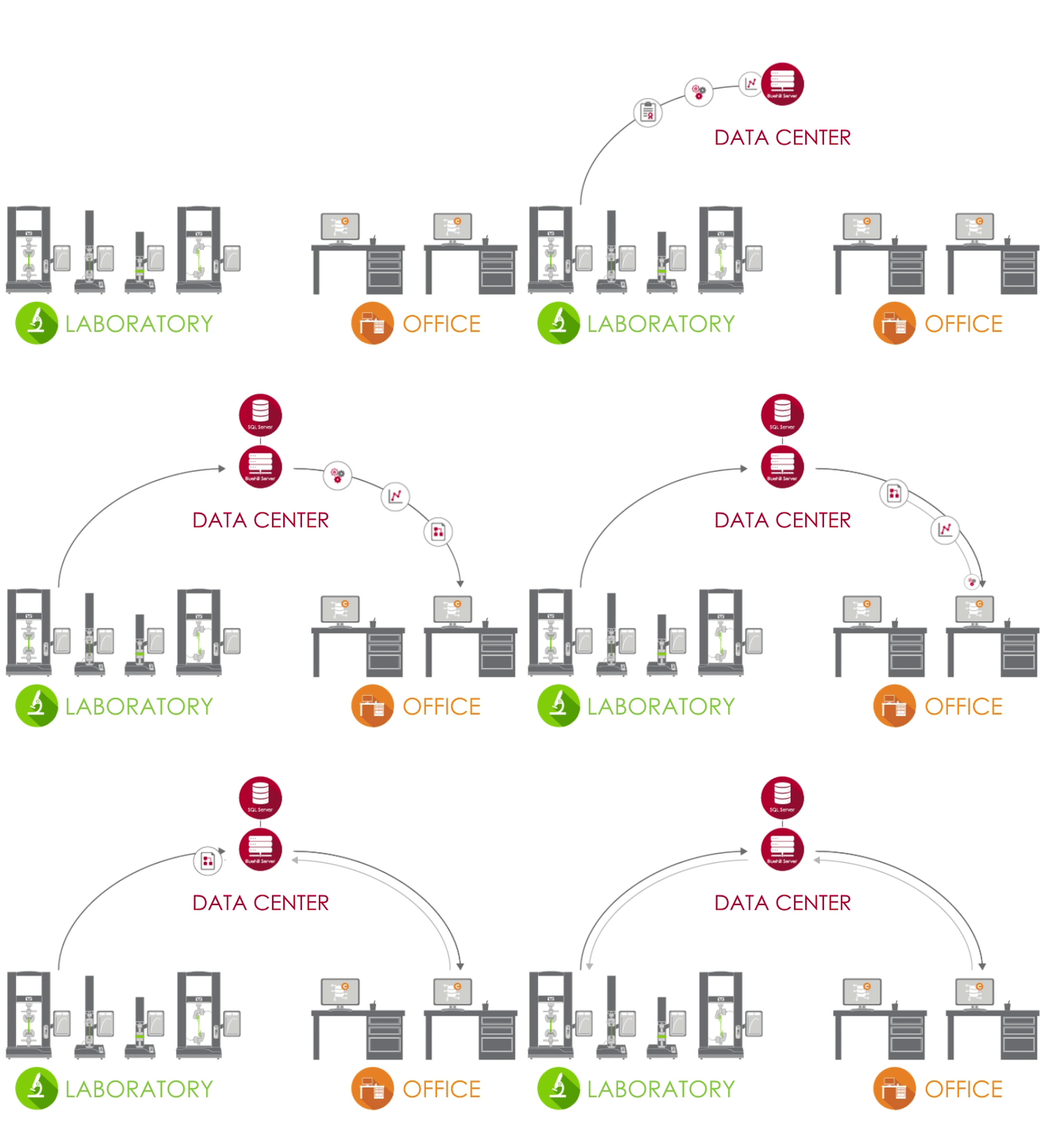
Traceability’s audit trail offers both a network and local database to accommodate your data management preference. A networked, centralized database offers your lab greater efficiencies and reduced risks when compared to locally managed data. Determining your lab’s IT infrastructure and data management preferences is recommended when considering these alternatives.


local systems
Local

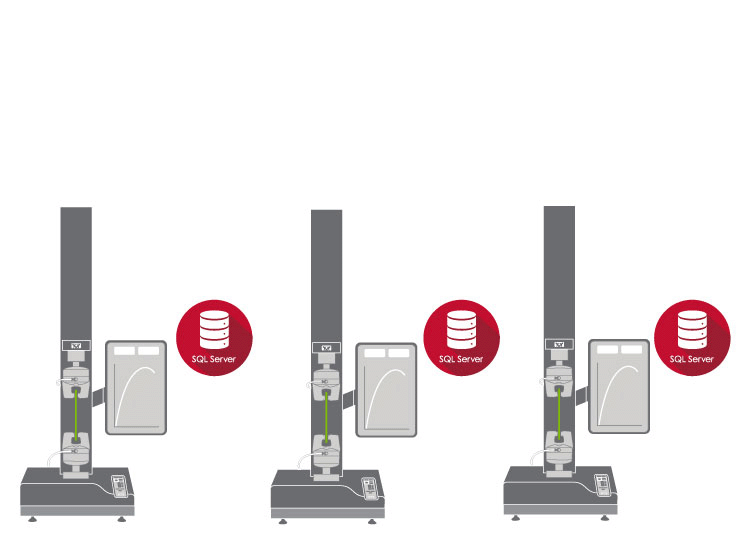
Bluehill Universal’s local Traceability module stores audit trail data on a Microsoft SQL Express database that is hosted on the computer running Bluehill Universal connected to the Instron system. The local database model accommodates labs that cannot connect computers to a shared network. Viewing the audit trail and electronically signing files occurs locally on the computer, and each Instron system with a local Traceability database stores its own SQL Express database. Database backup and restore functions can be performed manually in Bluehill Universal.


Bluehill Central Architecture
Network

The network solution for Instron’s Traceability is powered by Bluehill Central, which employs a client/server framework to store all shared audit trail data, files, and settings on a Microsoft SQL Server database. When Bluehill Universal is connected to your lab’s Bluehill Central server, each testing system send and receives data from the centralized database, eliminating the risk of variation and the burden of locally managing each system. Viewing the audit trail, electronically signing files, and user management is performed either remotely in Bluehill Central or locally in Bluehill Universal. Database backup and restore functions can be performed manually in Bluehill Central.


INSTRON SERVICE


Instron field service teams provide validation and documentation services to support IQOQ processes designed to ensure that your Instron testing equipment performs to its intended purposes and produces valid results (per 21 CFR 820.72 and ISO 13845). Validation packages can also include validation of Bluehill Central and Bluehill Traceability to aid in compliance with CFR 21 Part 11. These validation packages contain checks to confirm that certain operations performed in the software are traceable in an audit trail, and provide reference to Instron transducer calibrations (purchased separately) to ensure that the software and system are providing accurate, reliable results. At the conclusion of our services we provide a Completion Certificate for Installation and Operational Qualification that will be signed by the Instron Field Service Engineer who performed the validations.


IQ/OQ

Our field service teams provide validation and documentation services to support IQOQ processes designed to ensure that your Instron testing equipment performs to its intended purposes and produces valid results per 21 CFR 820.72 and ISO 13845. At the conclusion of our services we provide a Completion Certificate for Installation and Operational Qualification that will be signed by the Instron Field Service Engineer who performed the validations.

Learn More


Systems Verification

Instron's field service teams provide speed, displacement, alignment, and temperature verification for your mechanical testing systems to ASTM E2658, ASTM E2309, and other standards.

Learn More


On Body Delivery Systems

Biomedical Testing

mechanical testing of on body delivery systems

TESTING ON BODY DELIVERY SYSTEMS

Testing Wearable Devices Used in the Treatment of Diabetes and Other Chronic Illnesses


Trends in wearable technology follow those of the broader biomedical and electronics industries — devices are getting smaller, smarter, and easier to use. These wearable devices range from on-body drug delivery systems for diabetes and cancer treatment to electrical nerve stimulation patches or sensors t monitor vitals. All treatments increase patient autonomy and are rapidly increasing in popularity in light of higher incidence rates of chronic disease and an aging population. As this trend continues, manufacturers are working to develop robust testing methods to mechanically evaluate all aspects of these devices and ensure that they are performing as expected. For more information on other biomedical applications, visit our Biomedical Industry page.

CHALLENGES OF TESTING WEARABLES

On Body Delivery Systems (OBDS) represent a quickly growing segment of the injectable drug delivery device market. These devices offer unique advantages over more traditional delivery methods. One of their most differentiating features is their ability to support significantly larger volumes of medication than devices like prefilled syringes and autoinjectors, with some OBDS reaching as much as 10 mL of deliverable volume. This is a direct result of the explosion of large molecule biologics, whose efficacy requires higher concentrations and subsequently higher volume in solution. OBDS also simplify patient adherence, as the entire delivery process occurs automatically once the device is placed and activated. In addition, their form factor allows for easier integration of IOT functionality, helping create companion applications to track and monitor patient progress.

stethoscope icon

Though these devices are just recently starting to be commercialized on drug platforms, the testing requirements are becoming more standardized. ISO 11608-6 was released in 2022, which is the first official standard that provides guidance around evaluating the functionality of OBDS. At this point, the testing specifications are still purposefully broad to apply to a range of devices with different form factors. The dose accuracy, injection time, delivery profile, and needle extension are relatively agnostic of the device, requiring additional testing system capabilities such as an integrated scale and camera. Testing around the properties of the medical grade adhesives is subject to the most uncertainty, with references to a wide range of existing adhesive test standards.

Challenge #1 - Flexibility Around Device Form Factors

The overall size and functionality of OBDS can vary greatly between manufacturers, and mechanical testing systems are not inherently designed for evaluating such a varied set of products. The dimensions of OBDS necessitate testing systems with a large fixturing surface that has sufficient anchoring points to accommodate all profiles. The use of a component test plate - a tapped platform with regularly spaces threaded connections - provides the most flexibility for customers to create their own fixturing for their devices. A unique challenge to OBDS is the potential for activation mechanisms and needles which are not collinear. An adjustable load cell mount makes it possible to maintain the needle centered on the injection point while ensuring the load cell is aligned with the activation button.


Challenge #2 - Capturing Extended Dose Profiles

wearable autoinjector being tested

Autoinjectors typically dispense their entire volume of fluid at a consistent rate in the range of 1 to 10 seconds. OBDS will work on a longer time scale to address patient comfort associated with large volume injections. In some cases, the delivery profile will vary throughout the duration of the injection to optimize drug absorption. The use of an integrated scale measurement in Bluehill Universal allows for proper visualization representation of the dose profile , aligning with the guidance of the ISO 11608-6 standard [Annex B].

Challenge #3 - Adhesive Evaluations

ISO 11608-6 points toward established standards like ASTM D3330 for characterizing the fundamental adhesive properties of the adhesive materials used to affix devices to patients' skin. This standard provides an ideal baseline for comparative testing of different adhesives, but does not accurately represent the real-world adhesive properties. To do this, the testing system must also be able to support more realistic substrates and preconditioning parameters such as temperature and moisture. A system with cyclic loading capabilities may provide additional insights in evaluating the degradation of adhesive properties after hours of simulated use.

Metal Ceramic Plastic Braces Testing

Biomedical Testing

Metal Ceramic Plastic Braces Testing

The  Challenge

Braces

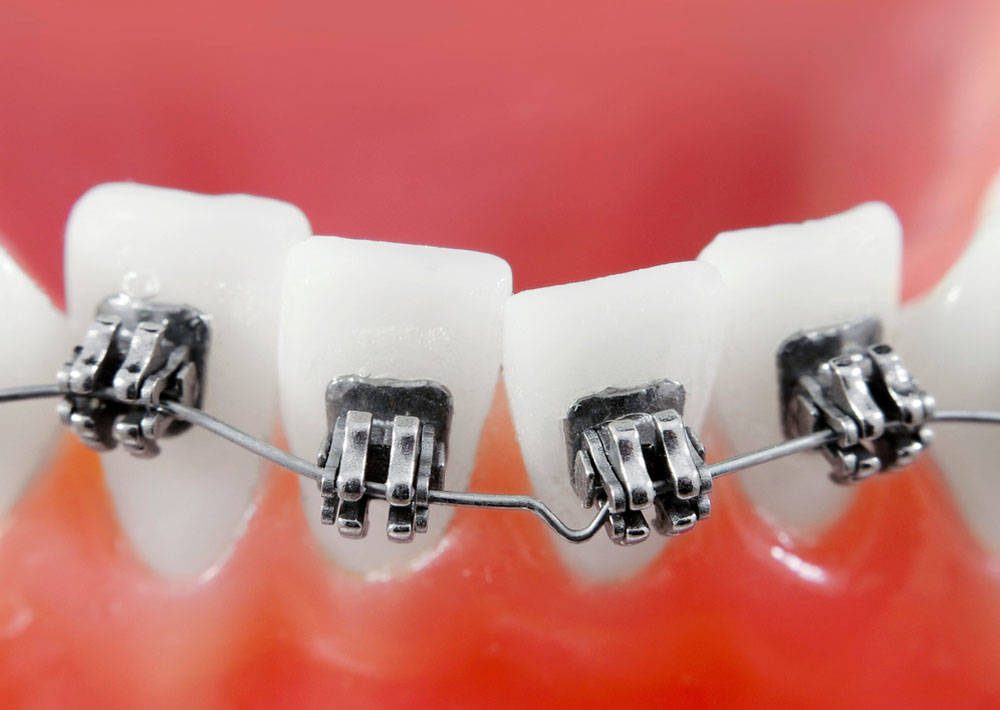
Metal braces are the most common type of braces for correcting misaligned teeth, and are typically made from high quality stainless steel or titanium. The components of metal braces include the brackets that physically attach to the teeth, bonding material like an adhesive to secure the brackets to the teeth, arch wire that connects the brackets together, and elastic which is typically referred to as O-ring material. In recent years, clear braces produced from plastic or ceramic have become a popular alternative to metal braces for cosmetic reasons. For a patient that requires braces, the preparation and application of braces are both expensive and time intensive. It is imperative that braces remain intact during application and during the patient's daily use of eating and drinking. Given the complexity of different patients and the multiple components and materials associated with braces, testing all parts and use cases can be overwhelming.

Our Solution 

Braces Testing

In order to test each component in a set of braces, we recommend using a Universal Testing System, such as the 6800 Series or 3400 Series systems with Bluehill® Universal software. Bluehill Universal's flexible user interface enables users to quickly set up different methods for tensile, compression, flex, peel, tear, and friction tests. This allows users to test the compressive strength properties of the brackets, peel properties of the adhesive, and tensile strength of both the metal wire and O-ring material. For testing the brackets, we recommend using 2-inch compression platens. When testing the adhesive, we recommend performing a 90° peel test with the adhesive bonded to substrates that mimic the tooth. Depending on the thickness of the metal wire, pneumatic cord and yarn grips may be the most preferred gripping solution for wire tensile tests. Finally, for testing the elastomeric O-ring material, Instron® offers a specialized O-ring fixture designed for measuring stiffness, strain, and ultimate tensile strength properties for a variety of O-ring sizes.

การทดสอบข้อเข่า


Biomedical Testing


การทดสอบข้อเข่า

ความท้าทาย

ข้อเข่า

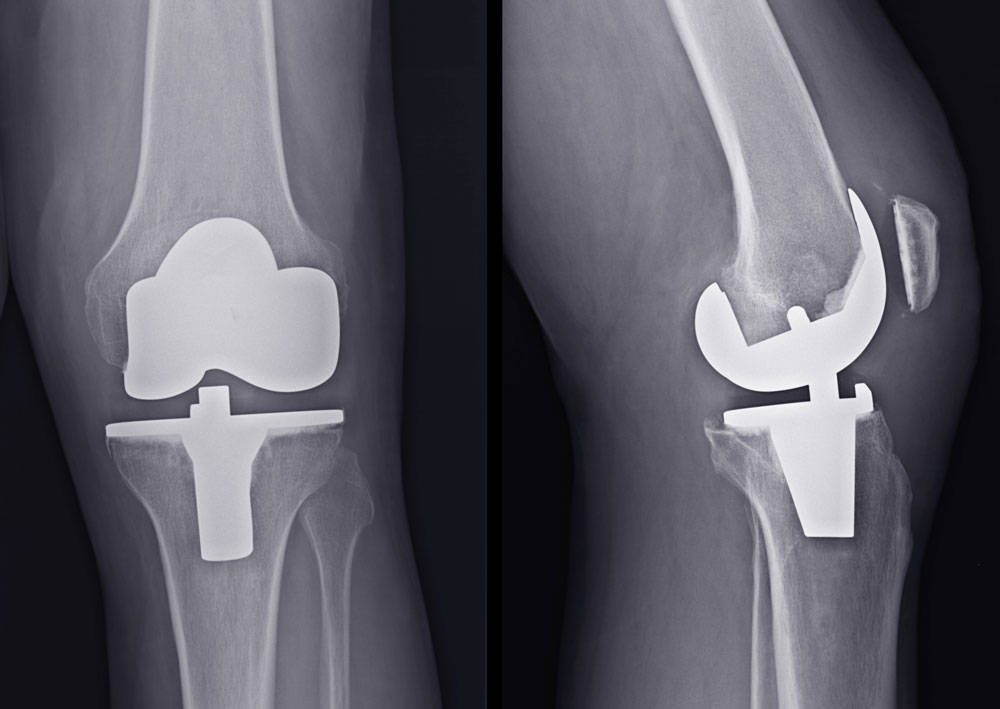
การผ่าตัดเปลี่ยนข้อเข่าเทียมเป็นหนึ่งในหัตถการทางศัลยกรรมชั้นนำทั่วโลกเพื่อปรับปรุงคุณภาพชีวิต การแตกหักจากความล้าของส่วนรองรับกระดูกหน้าแข้ง (tibial tray) เป็นหนึ่งในกลไกความล้มเหลวที่มีการรายงานบ่อยที่สุดของการเปลี่ยนข้อเข่าเทียมทั้งหมด (TKR) ซึ่งเกิดจากการสูญเสียการรองรับของกระดูกที่อยู่ด้านล่างอันเนื่องมาจากปฏิกิริยาทางชีวภาพ เช่น การละลายของกระดูกที่เกิดจากการสึกหรอ ภายใต้สภาวะเหล่านี้ ส่วนรองรับกระดูกหน้าแข้งจะไม่เสถียรทางกล และการรับภาระแบบรอบที่เกิดจากการเดินปกติจะทำให้เกิดรอยร้าวจากความล้า ซึ่งนำไปสู่ความล้มเหลวอย่างรุนแรงในที่สุด

โซลูชันของเรา

การทดสอบข้อเข่า

เครื่องทดสอบไดนามิกแบบไฟฟ้าทั้งหมด ElectroPuls ช่วยสนับสนุนผู้ออกแบบ ผู้ผลิต และนักวิจัยตลอดกระบวนการวงจรชีวิตผลิตภัณฑ์ ตั้งแต่การหาคุณสมบัติพื้นฐานของวัสดุ เช่น ความต้านทานต่อการขยายตัวของรอยร้าวจากความล้า ไปจนถึงการทดสอบส่วนรองรับกระดูกหน้าแข้งทั้งหมดและส่วนอื่นๆ เราใช้อุปกรณ์ยึดจับเพื่อยึดส่วนรองรับกระดูกหน้าแข้งไว้ครึ่งหนึ่ง เพื่อจำลองส่วนปุ่มกระดูก (condyle) ที่ได้รับการรองรับอย่างเต็มที่ ส่วนปุ่มกระดูกอีกข้างที่ไม่ได้รับการรองรับจะถูกให้ภาระที่สอดคล้องกับสภาวะทางสรีรวิทยา การใช้โหลดเซลล์ Dynacell ที่เป็นเอกลักษณ์ของเรา จะช่วยขจัดข้อผิดพลาดจากแรงเฉื่อยไดนามิก เช่น ข้อผิดพลาดที่เกิดจากอุปกรณ์ยึดจับและจากอุทกพลศาสตร์ที่เกิดขึ้นเมื่อทดสอบในอ่างควบคุมสภาวะแวดล้อม สิ่งนี้ช่วยให้สามารถวัดภาระที่กระทำต่อชิ้นงานได้อย่างแม่นยำยิ่งขึ้น

การทดสอบคอนแทคเลนส์


Biomedical Testing


การทดสอบคอนแทคเลนส์

ความท้าทาย

คอนแทคเลนส์

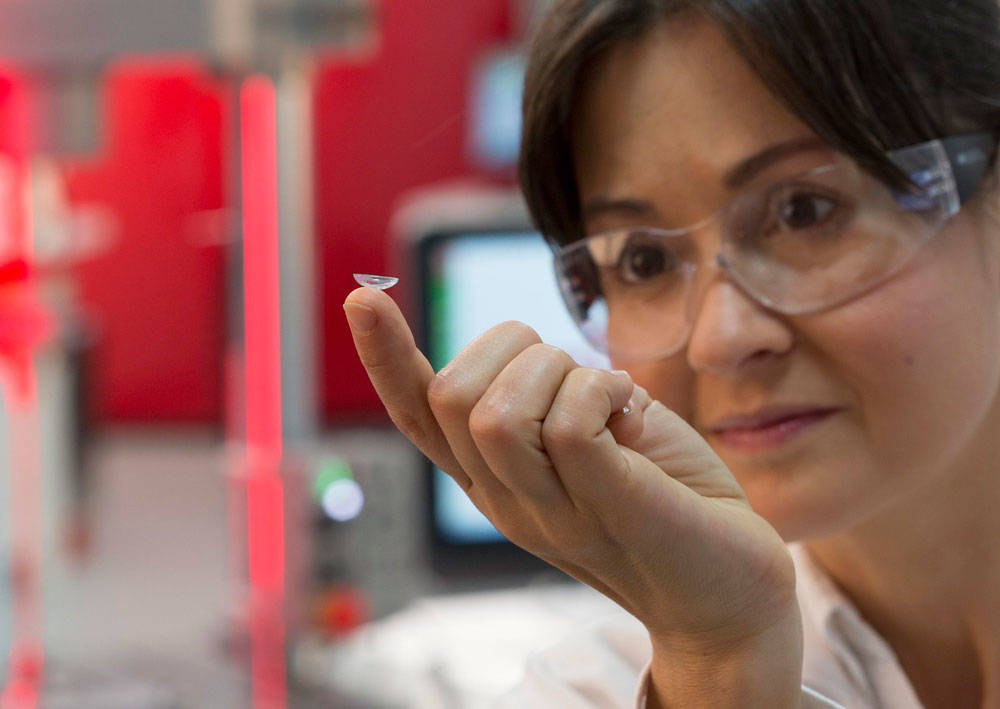
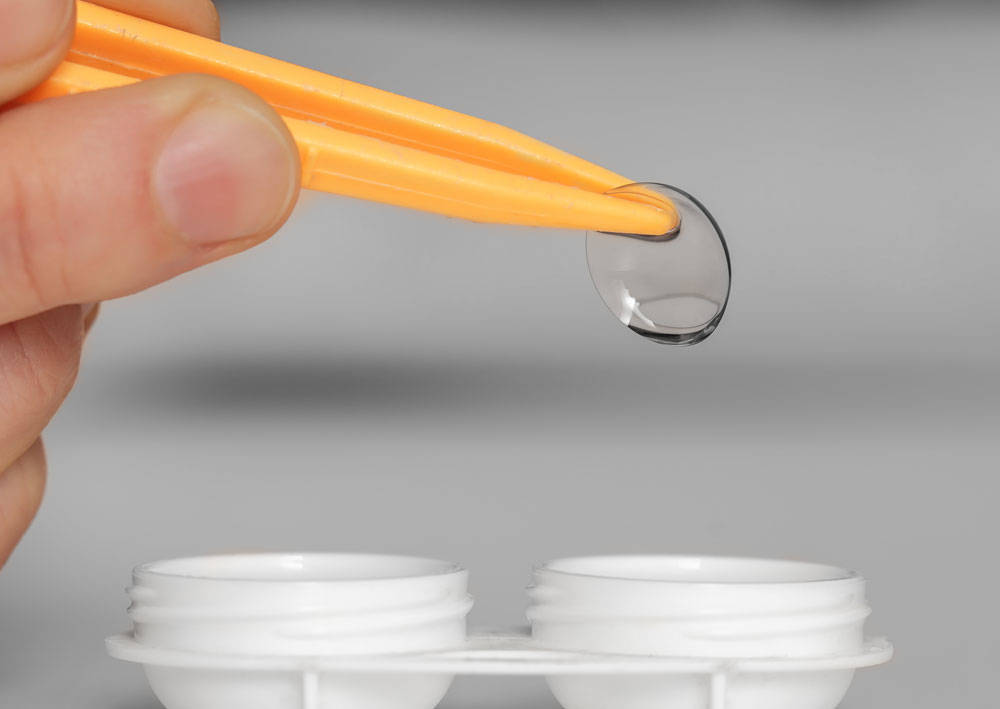
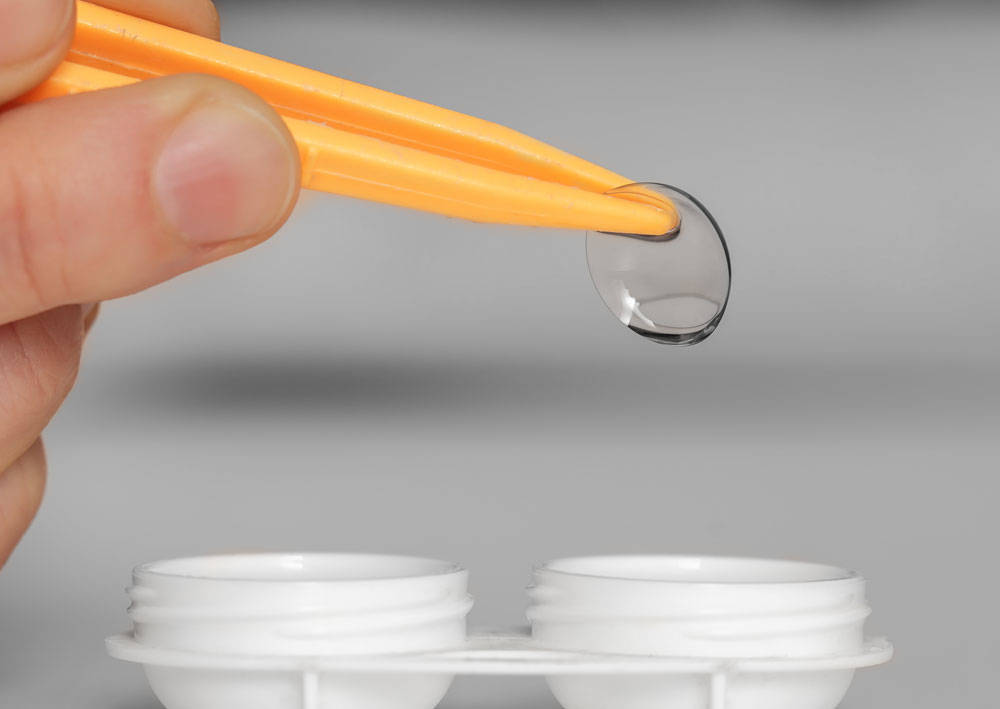
คอนแทคเลนส์เป็นหนึ่งในอุปกรณ์ทางการแพทย์ที่มีการใช้งานแพร่หลายที่สุดในโลก โดยส่วนใหญ่ใช้เพื่อแก้ไขสายตา แต่ยังใช้เพื่อความสวยงามและการปรับแต่งรูปลักษณ์ด้วย คอนแทคเลนส์ถูกผลิตขึ้นในหลากหลายรูปแบบ แต่ส่วนใหญ่มักทำจากวัสดุพอลิเมอร์แบบนิ่ม เนื่องจากวัสดุคอนแทคเลนส์แบบนิ่มมีความลื่นและบอบบางต่อการหยิบจับ การติดตั้งชิ้นงานทดสอบลงในอุปกรณ์จับยึดจึงอาจเป็นเรื่องท้าทาย และมักเกิดการฉีกขาดในเลนส์ได้แม้จะใช้แรงเพียงเล็กน้อย เพื่อจำลองลักษณะการใช้งานจริงให้ดีที่สุด ควรทดสอบคอนแทคเลนส์ในสภาวะที่สอดคล้องกับสรีรวิทยา ซึ่งกำหนดให้ต้องทดสอบเลนส์ในอ่างน้ำเกลือที่ได้รับความร้อนจนถึงอุณหภูมิร่างกาย

โซลูชันของเรา

การทดสอบคอนแทคเลนส์

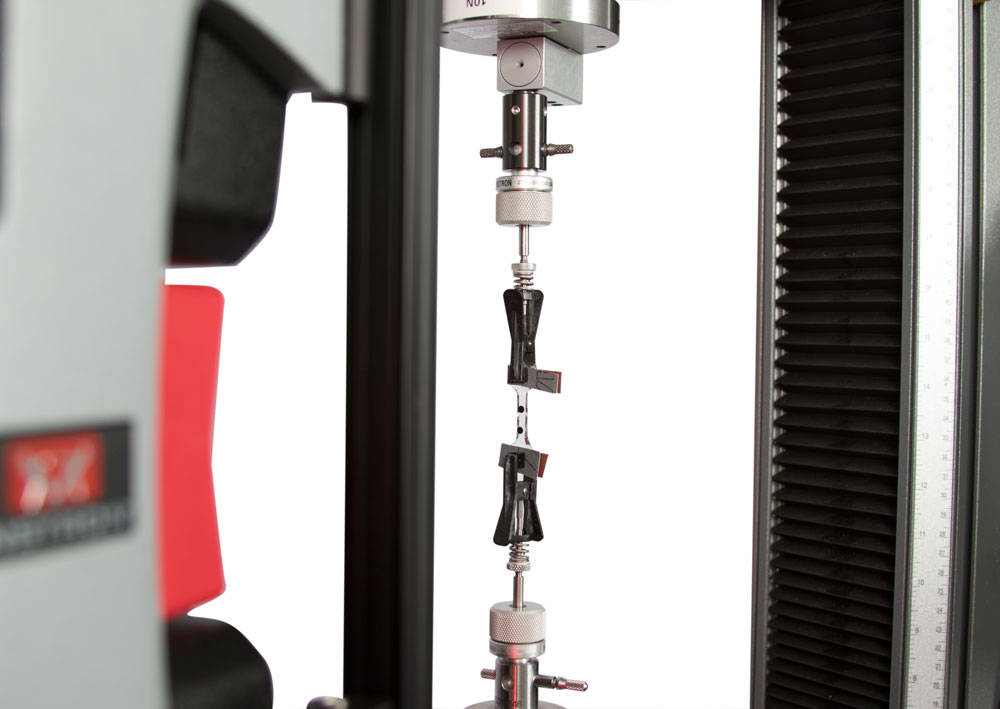
สำหรับการทดสอบคอนแทคเลนส์ เราขอแนะนำให้ใช้ ระบบทดสอบอเนกประสงค์ ที่กำหนดค่าด้วย อุปกรณ์จับยึดชิ้นงานแบบแรงดึงชนิดนิวแมติกแบบจุ่มน้ำ BioBath 250 N และหน้าสัมผัสอุปกรณ์จับยึดแบบ surfalloy ที่มีความยาวพิเศษ หน้าสัมผัสอุปกรณ์จับยึดที่ยาวช่วยให้ผู้ใช้สามารถใส่เลนส์ขนาดเล็กลงในอุปกรณ์จับยึดได้โดยมีพื้นที่เพียงพอในการปรับตำแหน่ง ในขณะเดียวกันก็ช่วยให้ผู้ใช้สามารถตั้งค่าระยะห่างของอุปกรณ์จับยึดเป็นศูนย์ได้ เลนส์สามารถทดสอบได้ทั้งในรูปแบบผลิตภัณฑ์สำเร็จรูป การตัดเป็นแถบ หรือการเฉือนเพื่อทำการทดสอบการฉีกขาดแบบกางเกง (trouser tear test) นอกจากนี้ ยังแนะนำให้ใช้โหลดเซลล์แบบแรงต่ำเพื่อตรวจวัดความเสียหายของชิ้นงานทดสอบได้อย่างแม่นยำ อุปกรณ์จับยึดแบบนิวแมติกแบบจุ่มน้ำขนาด 250 N และก้านดึงที่เกี่ยวข้องซึ่งยึดติดกับโหลดเซลล์ ทั้งคู่ได้รับการออกแบบมาเพื่อลดโอกาสการเกิดแรงลอยตัวในระหว่างการทดสอบด้วยแรงต่ำ เช่น การทดสอบคอนแทคเลนส์

การทดสอบข้อสะโพกเทียม


Biomedical Testing


การทดสอบข้อสะโพกเทียม

ความท้าทาย

ข้อสะโพกเทียม

หลังการผ่าตัด อาจเกิดการหลวมของส่วนต้น (proximal loosening) และการบดบังความเค้น (stress shielding) อันเป็นผลมาจากกิจกรรมปกติ และอาจนำไปสู่ลักษณะการรับภาระที่ผิดปกติ ดังนั้น สภาพแวดล้อมและภาระงานจริงที่ชิ้นงานจะได้รับขณะอยู่ในร่างกายจึงจำเป็นต้องได้รับการจำลองในการทดสอบ การทดสอบความล้าของส่วนก้านข้อสะโพกเทียม (Hip femoral fatigue testing) อาจเป็นเรื่องที่ท้าทายเนื่องจากความสำคัญของการฝังชิ้นงานอย่างแม่นยำ อุปกรณ์ยึดจับจำเป็นต้องสามารถรองรับความเค้นจากการกด การดัด และการบิดเพื่อให้เป็นไปตามมาตรฐาน ISO 7206 อัตราความถี่ที่สูงของการทดสอบเหล่านี้ยังก่อให้เกิดความท้าทาย เนื่องจากอาจทำให้ชิ้นงานมีอุณหภูมิสูงเกินขีดจำกัดที่ยอมรับได้

โซลูชันของเรา

การทดสอบข้อสะโพกเทียม

Instron® มีอุปกรณ์ฝังชิ้นงานที่ช่วยให้มั่นใจได้ว่าได้มุมเยื้องและความลึกในการฝังตามที่กำหนด อุปกรณ์ยึดจับที่ทนทานต่อการกัดกร่อนซึ่งสร้างขึ้นเพื่อวัตถุประสงค์เฉพาะช่วยให้สามารถทดสอบในสภาวะเสมือนจริงในร่างกาย (in vivo) ได้ ชุดประกอบมาพร้อมกับตัวควบคุมอุณหภูมิและปั๊มหมุนเวียนเพื่อให้แน่ใจว่าอุณหภูมิจะไม่เกินขีดจำกัดที่ยอมรับได้ โดยการลดความถี่ของการทดสอบโดยอัตโนมัติ อุปกรณ์ยึดจับที่ติดตั้งง่ายนี้ประกอบด้วยหัวกดที่มีแรงเสียดทานต่ำและอะแดปเตอร์สำหรับติดตั้งเข้ากับระบบ ElectroPuls ซอฟต์แวร์ Instron WaveMatrix ช่วยให้สามารถใช้เกณฑ์การสิ้นสุดการทดสอบได้หลายรูปแบบ เช่น การทดสอบตามจำนวนรอบที่กำหนด หรือจนกว่าจะตรวจพบความล้มเหลวของชิ้นงาน ซึ่งสามารถกำหนดได้หลายวิธี ด้วยแพ็คเกจเดียว คุณสามารถทดสอบตามข้อกำหนด ISO 7206-4, 7206-6 และ 7206-8 ได้อย่างมั่นใจและเหนือกว่าข้อกำหนดเหล่านั้น

การทดสอบวัสดุฝังในตา


Biomedical Testing


การทดสอบวัสดุฝังในตา

ความท้าทาย

วัสดุฝังในตา

เลนส์แก้วตาเทียม (IOL) คือเลนส์สังเคราะห์ที่ใส่เข้าไปในดวงตาของผู้ป่วย โดยส่วนใหญ่จะทำหลังการผ่าตัดต้อกระจก เมื่อเลนส์ธรรมชาติของผู้ป่วยถูกนำออกเนื่องจากโรค ดวงตาจะสูญเสียความสามารถในการปรับโฟกัส โดยทั่วไป IOL ผลิตจากพอลิเมทิลเมทาคริเลต (PMMA) ซิลิโคน อะคริลิก และวัสดุอ่อนนุ่มอื่นๆ ที่ช่วยให้พับและสอดเข้าไปในดวงตาได้ง่าย ในระหว่างการผ่าตัด สิ่งสำคัญคือ IOL จะต้องไม่ฉีกขาด เนื่องจากแม้แต่รอยขาดที่เล็กที่สุดก็อาจทำให้ผู้ป่วยรู้สึกไม่สบายอย่างมาก ความท้าทายที่ยิ่งใหญ่ที่สุดประการหนึ่งในการทดสอบ IOL คือการจำลองพฤติกรรมการพับที่เกิดขึ้นระหว่างการผ่าตัด และการยึดจับอุปกรณ์ขนาดเล็กที่มีขนาดเท่าเหรียญเหล่านี้

โซลูชันของเรา

การทดสอบวัสดุฝังในตา

สำหรับการทดสอบ IOL เราขอแนะนำให้ใช้โมดูล TestProfiler เพื่อดำเนินการทดสอบแบบวนรอบ (cyclic test) อย่างง่าย ซึ่งจะทำให้ IOL อยู่ในสภาวะทั้งแรงดึงและแรงอัด สำหรับระบบทดสอบ เราขอแนะนำให้ใช้ระบบทดสอบอเนกประสงค์ 6800 Series, อุปกรณ์ยึดจับแบบเส้นใย (fiber grips) และโหลดเซลล์แรงต่ำ เช่น โหลดเซลล์ขนาด 10 N นอกจากนี้ เราขอแนะนำให้ใช้ฟีเจอร์ TestCam ของ Bluehill® Universal ร่วมกับกล้องจุลทรรศน์ USB ซึ่งช่วยให้ผู้ใช้สามารถขยายภาพชิ้นงานทดสอบ บันทึกการทดสอบ และเล่นวิดีโอย้อนหลังหลังการทดสอบได้ การใช้กล้องจุลทรรศน์ USB ที่มีกำลังขยายอย่างน้อย 10 เท่า จะช่วยให้ผู้ใช้ตรวจพบรอยขาดขนาดเล็กที่อาจมองไม่เห็นด้วยตาเปล่า

สิ่งที่เกี่ยวข้อง

Bone Screw Testing

Biomedical Testing

Bone Screw Testing

The  Challenge

Bone Screw

Bone screws are used in surgical procedures for securing implants, osteosynthesis devices, and fracture fixation plates to the skeletal system. In normal clinical use, a surgeon applies combined axial and torsional forces to the bone screw as it is implanted within the body. Manufacturers and scientists test bone screws to determine various mechanical properties when evaluating new materials and designs. The most common standard for testing bone screws is ASTM F534. The standard consists of a total of four testing annexes: axial tests, torsion only tests, or a combination of both linear and torsion tests. ASTM F543-17 Test A1 - Test Method for Determining the Torsional Properties of Metallic Bone Screws requires the screw to be sufficiently clamped and a rotational velocity between 1 and 5 rpm to be applied until specimen failure, and to measure the torque profile and the rotational angle. ASTM F534-17 Test A2 - Test Method for Driving Torque of Medical Bone Screws measures the torque required to insert and remove the screw with a constant rotational velocity between 1 and 5 rpm while maintaining an axial load of no more than 10 N in compression. ASTM F543-17 Test A3 - Test Method for Determining the Axial Pull-Out Strength of Medical Bone Screws measures the force required to axially remove the screw that has been fully inserted in the test block using the method from Test A2. The pull-out fixture then applies a tensile load at a constant rate of 5 mm/min until the failure of the bone screw or removal from the test block. ASTM F543-17 Test A4 - Test Method for Determining the Self-Tapping Performance of Self-Tapping Medical Bone Screws specifies the procedure to evaluate the axial loading required to engage a self-tapping bone screw into a standard laboratory material. Although considered a simple clinical procedure, reproduction of this in vitro results in a relatively complex motion due to the interaction between the rotation and linear axes of a test machine. The test requires a continuous rotational velocity of up to 30 rpm while the axial load is incremented during the insertion at a rate of 2 N/s. The objective of this test is to record the torque profile as the bone screw is inserted into the material and then removed.

Our Solution 

Bone Screw Testing

To perform bone screw testing to ASTM F543, either an electromechanical system with a Torsion Add-On 3.0 , or an ElectroPuls™ Linear-Torsion system can be used. The Torsion Add-On 3.0 can be added to any new or existing 6800 Series single column or dual column table top testing machine to add rotational capabilities. The ElectroPuls E10000 and E3000 Linear-Torsion test systems are all-electric dynamic testing systems that provide a unique linear and torsion actuator system that is capable of synchronized linear and multi-rotation testing, which makes them ideal platforms for performing the full range of tests prescribed by the standard. For both the electromechanical system and ElectroPuls system, a bi-axial Dynacell load cell is mounted to the base of the machine. Using WaveMatrix™ dynamic test software on the ElectroPuls system, a user is able to control both axial and rotational axis in closed-loop control. This gives the user the ability to easily set up the multi-axial tests as a series of steps, and displays the required information as the test proceeds. Special fixtures are used to clamp the material to the biaxial load cell, and a drill chuck is used for the drive bits.

Hard Tissue Testing

Biomedical Testing

Hard Tissue Testing

The Challenge

Hard Tissue

Bone, dentin, and dental enamel are all considered to be hard tissues. Specimens of this type are most commonly tested in compression and flexural. The most common results obtained from a compression or flexural test on hard tissues is modulus and force at fracture. Typically, these specimens come from mice, rats, or other mammals and are small in size. Despite being small in size, hard tissues have high stiffness. A typical challenge with measuring modulus is accurate measurement of displacement. For a given force, a hard tissue such as bone will exhibit small displacement. In addition to compression testing, 3-point and 4-point bend tests are common to quantify force at fracture on bone sections. Often, this testing must be conducted at physiologically relevant test conditions, such as in a hydrated bath and at body temperature.

Our Solution 

Hard Tissue Testing

When conducting compression testing on hard tissues, it is critical that users choose appropriately sized compression platens to closely match specimen size, ensure the compression platens are spherically seated or self-aligning to apply even pressure on the specimen, and use an accurate source to measure system displacement. For example, an accurate measurement source of displacement could be via compliance correction in the software, or by using a strain measuring device, such as a linear variable deflection transducer (LVDT) or a video extensometer. When testing flexural specimens, it is critical that the anvils on the flexural fixture are appropriately sized to the specimen and that the flexural fixture properties, such as span length, are easily entered into the software.

การทดสอบอุปกรณ์ยึดตรึงกระดูกหัก


Biomedical Testing


การทดสอบอุปกรณ์ยึดตรึงกระดูกหัก

ความท้าทาย

การยึดตรึงกระดูกหัก

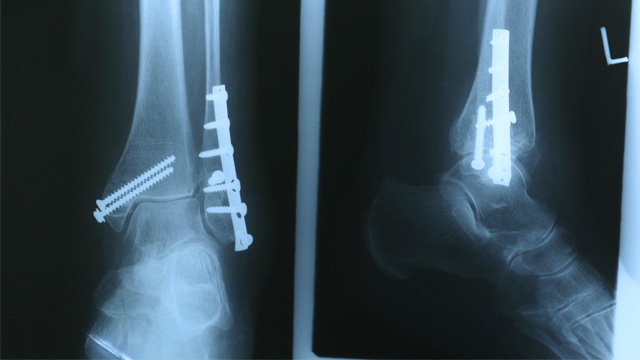
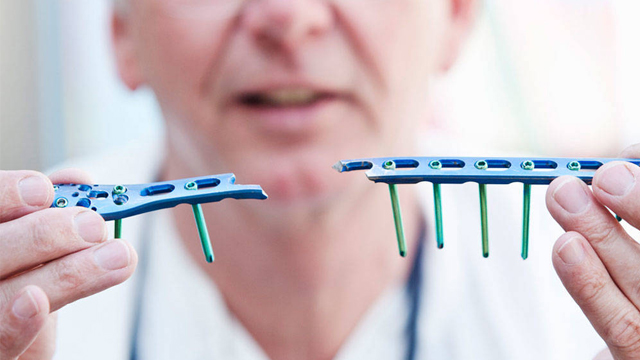
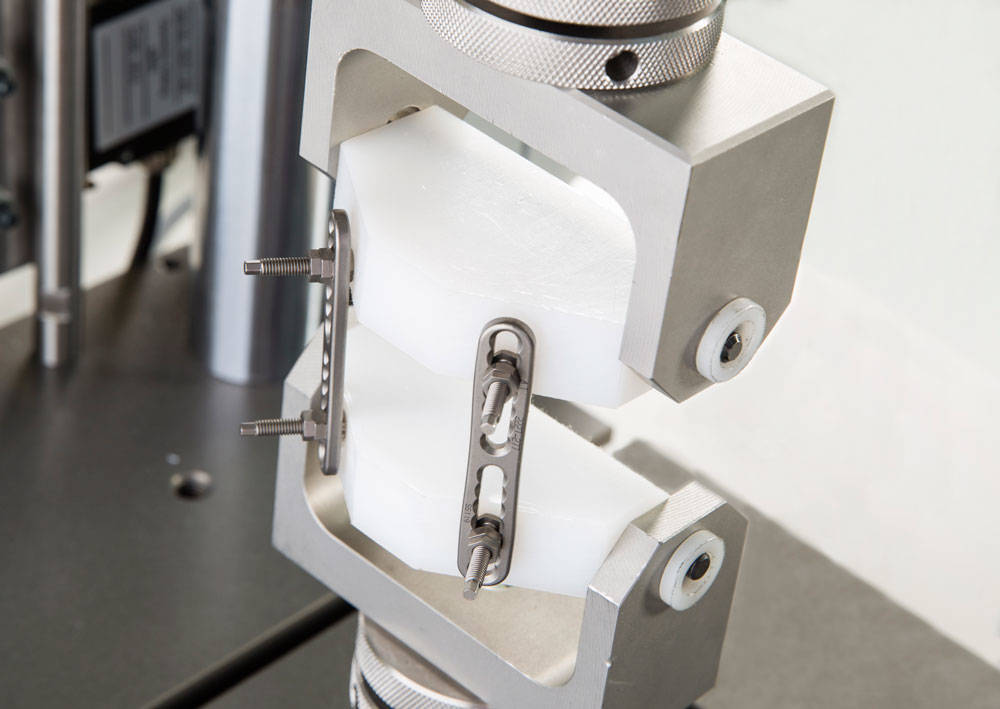
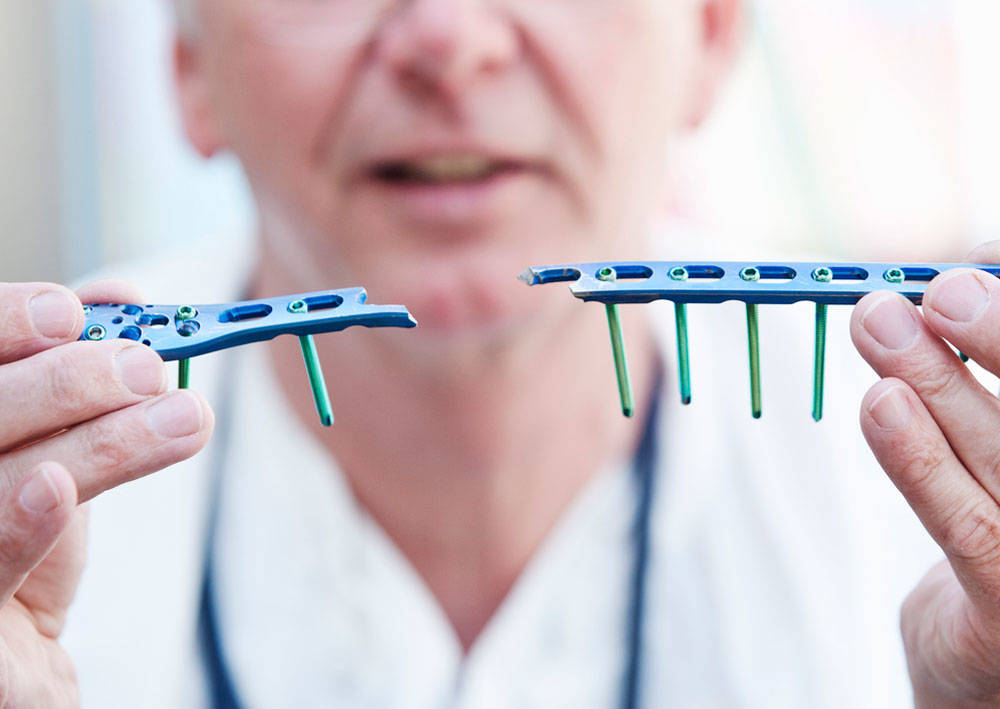
แผ่นยึดตรึงกระดูกหักใช้เพื่อยึดกระดูกที่แตกร้าวหรือหักอย่างรุนแรงให้อยู่นิ่ง แผ่นเหล่านี้มักทำจากไทเทเนียมหรือสแตนเลส ซึ่งทั้งสองชนิดมีคุณสมบัติทางกลที่ใกล้เคียงกับกระดูกธรรมชาติ รวมถึงความแข็งเกร็งและความต้านทานแรงดึงสูงสุด แผ่นเหล่านี้มักมีรูปทรงเรขาคณิตที่ไม่สม่ำเสมอและมีหลายขนาดเพื่อให้เหมาะสมกับตำแหน่งกระดูกหักที่แตกต่างกันในร่างกาย ตัวอย่างเช่น แผ่นที่ใช้ยึดกระดูกต้นขาที่หักจะแตกต่างอย่างมากจากแผ่นที่ใช้กับข้อเท้า นิ้วมือ หรือขากรรไกร รูปทรงเรขาคณิตที่ไม่สม่ำเสมอและช่วงขนาดที่หลากหลายของแผ่นยึดตรึงกระดูกหักทำให้เป็นส่วนประกอบที่ท้าทายในการทดสอบ นอกจากนี้ ในกรณีส่วนใหญ่ แผ่นเหล่านี้จะยังคงอยู่ในตัวผู้ป่วยตลอดชีวิตและต้องสามารถทนต่อการเคลื่อนไหวแบบไดนามิกของร่างกายได้นานหลายทศวรรษ

โซลูชันของเรา

การทดสอบอุปกรณ์ยึดตรึงกระดูกหัก

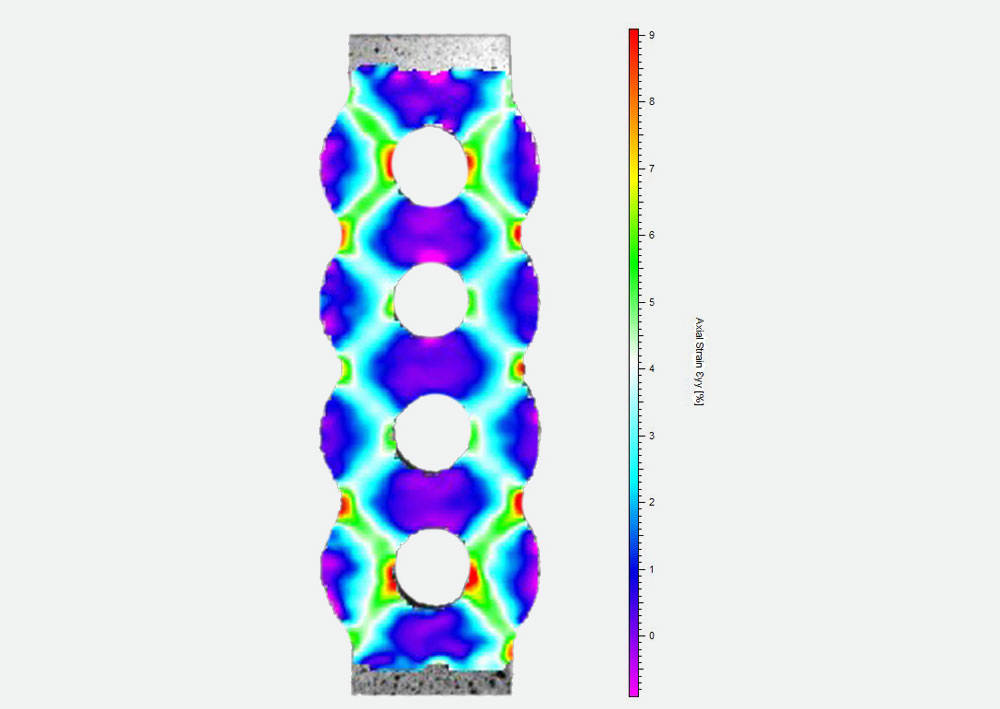
เพื่อให้เข้าใจคุณสมบัติทางกลของแผ่นยึดตรึงกระดูกหัก จำเป็นต้องมีการทดสอบทั้งแบบสถิตและไดนามิกที่หลากหลาย การทดสอบการดัดโค้ง แรงดึง และแรงอัดแบบโมโนโทนิกเป็นสิ่งจำเป็นเพื่อทำความเข้าใจค่ามอดูลัสและความต้านทานแรงดึงสูงสุด เนื่องจากรูปทรงเรขาคณิตที่ไม่สม่ำเสมอของแผ่นยึดตรึงกระดูกหัก การวัดความเครียดจึงเป็นความท้าทาย เทคนิคการสร้างแบบจำลอง 2 มิติและ 3 มิติ เช่น การวิเคราะห์ไฟไนต์เอลิเมนต์ มักถูกนำมาใช้เพื่อทำความเข้าใจคุณสมบัติความเค้นและความเครียดแบบเต็มสนามของแผ่นยึดตรึงกระดูกหัก สำหรับการทดสอบแรงดึง แรงอัด หรือการดัดโค้งแบบโมโนโทนิก ซอฟต์แวร์ Digital Image Correlation ของเราที่จับคู่กับ Advanced Video Extensometer ช่วยให้นักวิจัยและนักวิทยาศาสตร์สามารถมองเห็นภาพและวัดปริมาณคุณสมบัติความเครียดแบบเต็มสนามของแผ่นเหล่านี้ได้ สำหรับการทดสอบความล้าทั้งหมด เราขอแนะนำให้ใช้ระบบ ElectroPuls ของเรา โดยเฉพาะอย่างยิ่ง เราขอแนะนำระบบทดสอบ E3000 หรือ E10000 Linear-Torsions ความสามารถในการทดสอบแผ่นงานพร้อมกันทั้งในแรงกดตามแนวแกนและแรงบิดช่วยจำลองสภาวะการรับน้ำหนักที่สมจริงในร่างกายมนุษย์ได้ดีที่สุด

Hydrogel Tensile Testing

Biomedical Testing

Hydrogel Tensile Testing

The Challenge

Hydrogel Tensile

Hydrogel testing is most commonly done in both tension and compression. Compression testing on hydrogels poses less of a challenge, as many hydrogels are compliant and compress easily under load. The natural compliance of hydrogels becomes more of a challenge in tensile testing, as these materials can be difficult to grip and exhibit high elongation. Gripping hydrogels with too much pressure typically displaces the material out of the grip faces, which makes gripping ineffective. In addition, a traditional contacting extensometer is not a viable option considering the soft properties of hydrogels. Given the viscoelastic properties of these materials, test speed will greatly affect results, such as force at break and elongation at break. 

Our Solution 

Hydrogel Tensile Testing

When testing hydrogels in compression and tension, most common forces at failure are below 100 N. Given the low forces obtained in hydrogel mechanical testing, it is important that an accurate load cell is used. This can be especially tricky in a compression test as many users restrain from using low capacity load cells out of fear that they will overload the load cell if the compression platens begin to touch during a test. To prevent this from happening, it is imperative that safety limits are set and that the end of test criteria is set to the load cell capacity in the software. For tensile testing, Instron® offers a range of low force grips, including spring loaded, screw side action action, and pneumatic side action grips. Given the compliant nature of hydrogels, often sandpaper needs to be used to increase friction at the gripping contact points. When accurate measurement of strain is required, we recommend using our Advanced Video Extensometer

การทดสอบวัสดุฝังรากเทียมกระดูกสันหลัง


Biomedical Testing


การทดสอบวัสดุฝังรากเทียมกระดูกสันหลัง

ความท้าทาย

การทดสอบวัสดุฝังรากเทียมกระดูกสันหลัง

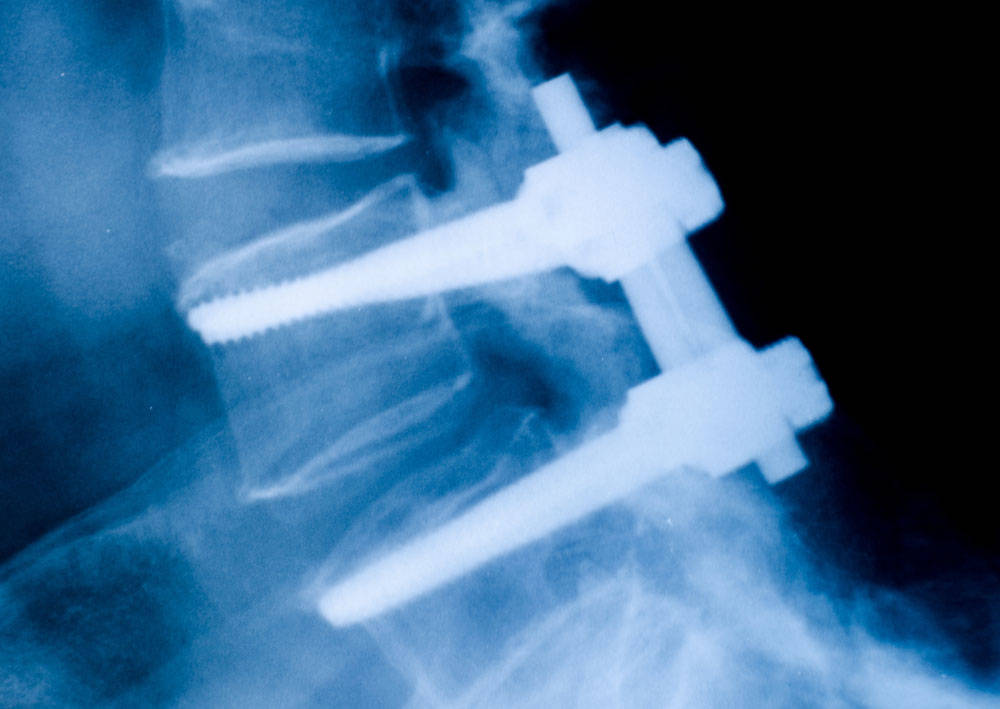
การทดสอบอายุการใช้งานของโครงสร้างกระดูกสันหลังมีความสำคัญอย่างยิ่ง เนื่องจากความเสียหายจากความล้า (fatigue failure) นั้นพบได้บ่อยกว่าความเสียหายแบบฉับพลัน (catastrophic failure) ในระหว่างกิจกรรมปกติของผู้ป่วย โครงสร้างกระดูกสันหลังอาจต้องรับภาระโหลดในร่างกาย (in vivo loading) ที่สูง ซึ่งอาจส่งผลให้เกิดความเสียหายแบบฉับพลันได้ การทดสอบแบบวัฏจักร (cyclic testing) จะดำเนินการเพื่อประเมินจำนวนรอบที่ทำให้เกิดความเสียหายจากความล้า โดยทั่วไปจะใช้ภาระโหลดแบบคลื่นไซน์ที่ควบคุมโหลดด้วยแอมพลิจูดคงที่ ซึ่งทำงานมากกว่าห้าล้านรอบ นอกจากนี้ยังมีการทดสอบแบบสถิต (static testing) อย่างง่ายเพื่อประเมินภาระโหลดที่ทำให้เกิดการหักของกระดูกสันหลัง

โซลูชันของเรา

การทดสอบวัสดุฝังรากเทียมกระดูกสันหลัง

ขอแนะนำระบบ Instron® Linear-Torsion ElectroPuls เนื่องจากช่วยให้ผู้ใช้สามารถทำการทดสอบทั้งแบบสถิตและแบบไดนามิกตามมาตรฐาน ASTM F1717-12 ได้ภายในเครื่องเดียว อุปกรณ์จับยึดกระดูกสันหลังโดยเฉพาะสามารถติดตั้งเข้ากับระบบนี้ได้อย่างง่ายดาย พร้อมตัวเลือกในการติดตั้ง อ่าง น้ำเกลือลงบนฐานสำหรับการทดสอบในสภาวะจำลองร่างกาย (in vivo testing) เมื่อใช้งานอ่างน้ำเกลือ โหลดเซลล์จะถูกออกแบบมาให้ติดตั้งบนชุดขับเคลื่อน (actuator) โดยใช้เทคโนโลยี Dynacell ที่ได้รับสิทธิบัตรของ Instron เพื่อการชดเชยแรงเฉื่อย อัลกอริทึมการปรับจูนตามความแข็งเกร็ง (stiffness-based tuning) ที่ได้รับสิทธิบัตรของ Instron ช่วยให้มั่นใจได้ถึงความเที่ยงตรงของรูปคลื่นที่เป็นเลิศ แม้จะใช้กับชิ้นงานทดสอบที่มีคุณสมบัติไม่เป็นเชิงเส้น (non-linear specimens)

Bioadhesives Peel Testing

Biomedical Testing

Bioadhesives Peel Testing

The Challenge

bio adhesive

Adhesives are widely used in the medical device industry for dental implants, bone cements, and wound closure products. Wound closure products include tissue adhesives that can be found in bandages, secondary dressings, and a variety of surgical sealants. The adhesive strength of these products must be well defined. An adhesive that isn’t strong enough may result in a wound that heals poorly, or it can lead to an infection. If an adhesive is too strong, it may damage the underlying tissue or cause the patient unnecessary pain when removing. A fundamental challenge with testing bio adhesives is characterizing adhesive strength in physiologically relevant conditions. 

Our Solution 

Bioadhesives Peel Testing

Soft tissue substrates should be tested under physiologically relevant conditions, most preferable in a bath or temperature controlled enclosure at 37°C. The BioBath with submersible pneumatic grips is recommended. The grips and pull rod that attach to the force transducer are designed to minimize buoyancy chances during low force testing. We also recommend a low capacity load cell, given that adhesive strength for biological applications is typically under 10-20 N. Bluehill® Universal's Peel, Tear, Friction Module is ideal for this test type in order to measure first peak force, average force over the seal, and average force per width of the specimen. 

การทดสอบเครื่องกระตุ้นหัวใจ


Biomedical Testing


การทดสอบเครื่องกระตุ้นหัวใจ

ความท้าทาย

เครื่องกระตุ้นหัวใจ

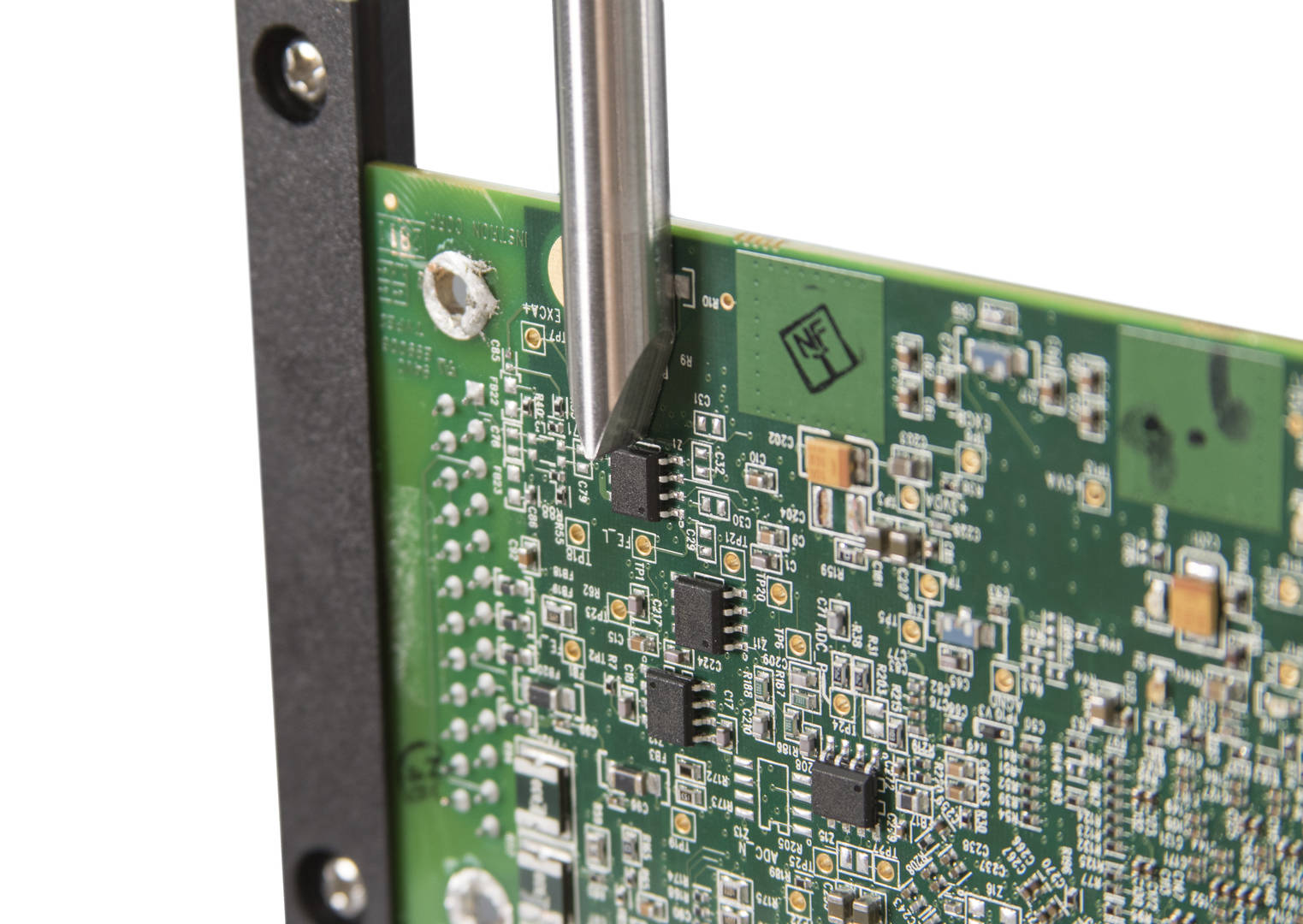
เครื่องกระตุ้นหัวใจคืออุปกรณ์อิเล็กทรอนิกส์ขนาดเล็กที่ฝังไว้ใต้กระดูกไหปลาร้าของผู้ป่วย ซึ่งช่วยให้หัวใจของผู้ป่วยเต้นเป็นจังหวะสม่ำเสมอมากขึ้น ประกอบด้วยส่วนประกอบหลักสามส่วน ได้แก่ เครื่องกำเนิดสัญญาณพัลส์ สายนำสัญญาณหนึ่งเส้นหรือมากกว่า และอิเล็กโทรดบนสายนำสัญญาณแต่ละเส้น เครื่องกำเนิดสัญญาณพัลส์ประกอบด้วยตัวเรือนขนาดเล็กที่บรรจุวงจร แบตเตอรี่ และชิปคอมพิวเตอร์ที่ควบคุมแรงจูงใจทางไฟฟ้าที่ส่งไปยังหัวใจ สายนำสัญญาณคือสายไฟที่มีฉนวนหุ้มซึ่งเชื่อมต่อกับเครื่องกำเนิดสัญญาณพัลส์และทอดยาวไปยังห้องหัวใจห้องใดห้องหนึ่ง อิเล็กโทรดที่ปลายสายนำสัญญาณจะสัมผัสกับผนังหัวใจและทำหน้าที่ส่งแรงจูงใจทางไฟฟ้าไปยังหัวใจของผู้ป่วย เนื่องจากส่วนประกอบแต่ละส่วนของเครื่องกระตุ้นหัวใจมีความสำคัญต่อการทำงาน ส่วนประกอบทั้งสามส่วนจึงต้องผ่านการทดสอบอย่างเข้มงวด การทดสอบที่หลากหลาย ซึ่งรวมถึงการทดสอบแรงเฉือนบนส่วนประกอบไมโครอิเล็กทรอนิกส์ การทดสอบแรงกดบนแบตเตอรี่ และการทดสอบแรงดึงบนสายนำสัญญาณ อาจเป็นเรื่องท้าทายที่จะดำเนินการให้ครบถ้วนด้วยระบบเพียงระบบเดียว

โซลูชันของเรา

การทดสอบเครื่องกระตุ้นหัวใจ

ระบบทดสอบ Instron® 6800 Series พร้อมซอฟต์แวร์ Bluehill® Universal และโมดูล TestProfiler คือเครื่องทดสอบอเนกประสงค์ที่มีประสิทธิภาพสูงสุดในตลาดปัจจุบัน ความยืดหยุ่นของซอฟต์แวร์ช่วยให้ผู้ใช้สามารถตั้งโปรแกรมวิธีการทดสอบที่แตกต่างกันมากมายได้อย่างง่ายดาย รวมถึงการทดสอบแรงดึง การดัดโค้ง แรงกด การลอก การฉีกขาด และแรงเสียดทาน นอกจากนี้ กลุ่ม Engineered Solutions ของ Instron ยังได้ร่วมมือกับบริษัทอิเล็กทรอนิกส์และบริษัทอุปกรณ์การแพทย์หลายแห่งเพื่อพัฒนาอุปกรณ์จับยึดเฉพาะทาง รวมถึงแคลมป์ทดสอบแรงเฉือนพิเศษและอุปกรณ์จับยึดสำหรับการดัดขนาดเล็ก นอกจากนี้ เราขอแนะนำให้ใช้ ปากกาจับชิ้นงานแบบนิวเมติกสำหรับสายเคเบิลและเส้นด้าย สำหรับการทดสอบแรงดึงของสายนำสัญญาณ

สิ่งที่เกี่ยวข้อง

การทดสอบสเตนท์


Biomedical Testing


การทดสอบสเตนท์

ความท้าทาย

สเตนท์

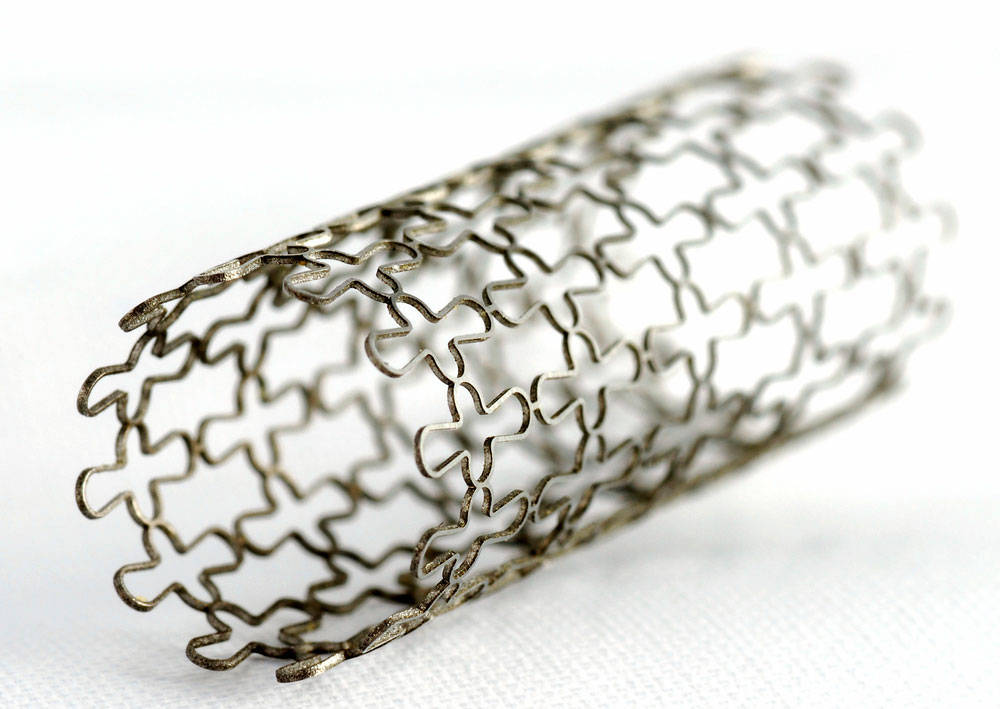
การทดสอบทางกลของขดลวดค้ำยันหลอดเลือดประกอบด้วยการทดสอบที่หลากหลายซึ่งครอบคลุมทั้งวิธีการทดสอบแบบสถิตและแบบล้า โดยทั่วไปขดลวดค้ำยันหลอดเลือดมักทำจากลวดนิทินอล (Nitinol) ซึ่งต้องได้รับการทดสอบตามมาตรฐาน ASTM F2516 ในการทดสอบแบบรอบ (cyclic test) อย่างง่าย การทดสอบแบบสถิตอีกประเภทหนึ่งที่มักดำเนินการกับขดลวดค้ำยันหลอดเลือดคือการทดสอบการดัดงอตามมาตรฐาน ASTM F2606 นอกเหนือจากการทดสอบวัตถุดิบแล้ว โครงสร้างรูปเพชรของตัวขดลวดค้ำยันหลอดเลือดมักจะถูกทดสอบความล้าที่ความถี่ 60 Hz ในการควบคุมตำแหน่ง (position control) นอกจากนี้ โดยปกติแล้วตัวขดลวดค้ำยันหลอดเลือดทั้งหมดจะถูกทดสอบการอัดในแนวรัศมี (radial compression) เป็นการทดสอบแบบสถิต และการทดสอบความล้าแบบเป็นจังหวะ (pulsatile fatigue) หรือความล้าแบบรอบเป็นจังหวะ (cyclic fatigue) เป็นการทดสอบแบบไดนามิก เมื่อพิจารณาว่าขดลวดค้ำยันหลอดเลือดเพียงชิ้นเดียวจำเป็นต้องมีการทดสอบทางกลที่หลากหลายเช่นนี้ จึงมักเป็นเรื่องท้าทายในการเลือกระบบทดสอบที่เหมาะสมเพื่อให้สามารถทำการทดสอบได้มากที่สุดเท่าที่จะเป็นไปได้

โซลูชันของเรา

การทดสอบสเตนท์

สำหรับการทดสอบแบบสถิตทั้งหมด รวมถึงการทดสอบตามมาตรฐาน ASTM 2516, ASTM F2606 และการทดสอบการอัดในแนวรัศมีของตัวขดลวดค้ำยันหลอดเลือดทั้งหมด เราขอแนะนำให้ใช้ระบบทดสอบอเนกประสงค์ 6800 Series เมื่อทำการทดสอบล่วนิทินอลตามมาตรฐาน ASTM 2516 เราขอแนะนำให้ใช้ Advanced Video Extensometer ของเราเพื่อการวัดความเครียดที่แม่นยำ เมื่อทดสอบตัวขดลวดค้ำยันหลอดเลือดทั้งหมดในการอัดแนวรัศมี Instron® ได้ร่วมมือกับ Machine Solutions Inc. (MSI) เพื่อจัดหาอุปกรณ์จับยึดเฉพาะทาง อุปกรณ์จับยึดการอัดแนวรัศมีสามารถติดตั้งเข้ากับระบบทดสอบ Instron 68TM รุ่นใดก็ได้ และสามารถใช้ซอฟต์แวร์มาตรฐาน Bluehill® Universal เพื่อควบคุมการทดสอบ

สำหรับการทดสอบความล้าทั้งหมด รวมถึงการทดสอบโครงสร้างรูปเพชรของตัวขดลวดค้ำยันหลอดเลือดหรือขดลวดค้ำยันหลอดเลือดทั้งหมดในการควบคุมการยืดตัวแบบรอบ เราขอแนะนำให้ใช้ระบบทดสอบ ElectroPuls® ของเรา

สิ่งที่เกี่ยวข้อง

การทดสอบรากฟันเทียม


Biomedical Testing


การทดสอบรากฟันเทียม

ความท้าทาย

รากฟันเทียม

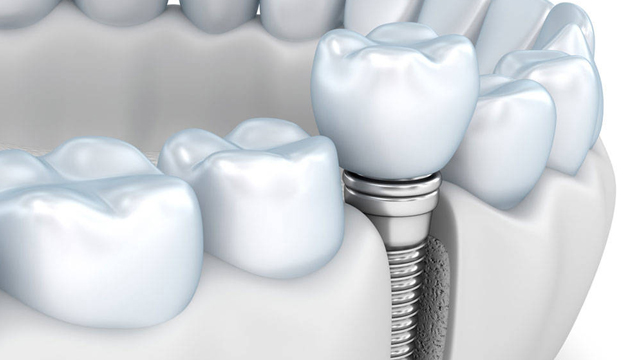
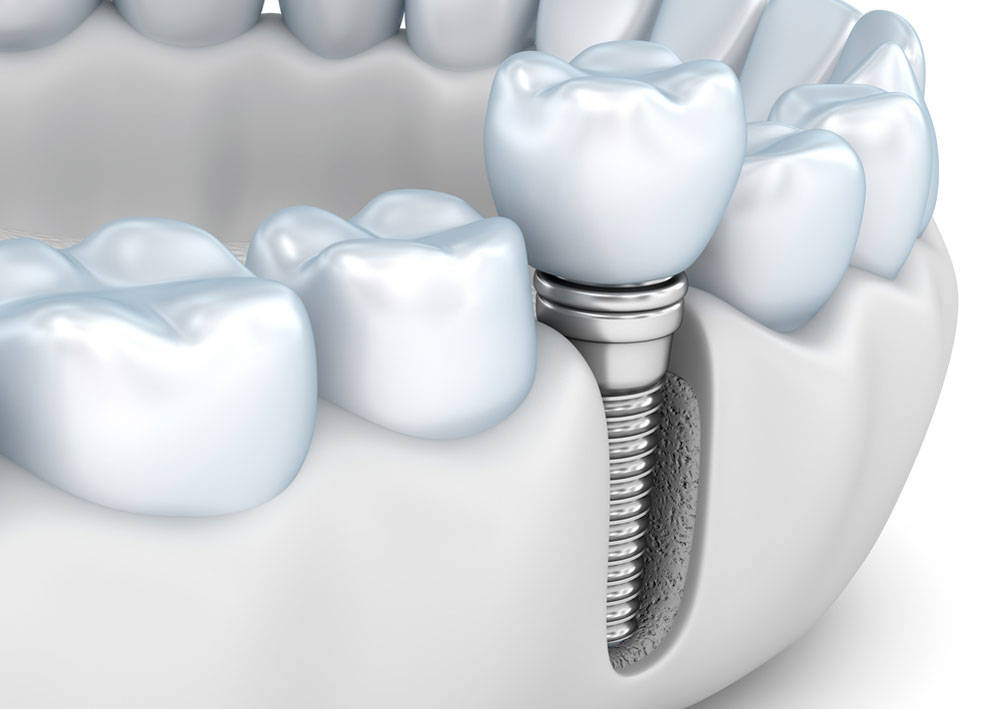
รูปร่างของรากฟันเทียมและวัสดุที่ใช้มีการวิจัยอย่างต่อเนื่องเพื่อปรับปรุงการสัมผัสกับเหงือกและการยึดติดกับกระดูก ดังนั้น รากฟันเทียมที่ออกแบบจากผู้ผลิตรายต่างๆ จึงมักจะมีความแตกต่างกันมากมาย นอกจากนี้ ขนาดและรูปร่างของรากฟันเทียมยังแตกต่างกันไปตามการใช้งานและตำแหน่งที่ติดตั้งในช่องปาก สิ่งนี้ทำให้เกิดความท้าทายเมื่อต้องทดสอบชิ้นงานและเปรียบเทียบวัสดุและการออกแบบ

โซลูชันของเรา

การทดสอบรากฟันเทียม

ด้วยขนาดและรูปทรงของรากฟันเทียมที่หลากหลาย รากฟันเทียมแบบทำมุมสามารถติดตั้งเข้ากับอุปกรณ์จับยึดรากฟันเทียมแบบปรับมุมได้ของ Instron® เพื่อทำการทดสอบ อุปกรณ์จับยึดนี้ช่วยให้มั่นใจได้ว่าการติดตั้งจะไม่จำกัดการเคลื่อนไหวของรากฟันเทียมมากเกินไป และไม่สร้างแรงด้านข้างขนาดใหญ่ที่อาจทำให้โหลดเซลล์หรือเครื่องทดสอบเสียหายได้ เช่นเดียวกับรากฟันเทียมแบบตรง รากฟันเทียมแบบทำมุมล่วงหน้ายังสามารถทดสอบในสภาพแวดล้อมที่เป็นของเหลวได้ หากคาดว่าจะเกิดการล้าเนื่องจากการกัดกร่อน อุปกรณ์จับยึดสามารถติดตั้งใน อ่างของเหลว เพื่อทดสอบรากฟันเทียมในสารละลายน้ำเกลือ หรือสารตัวกลางทางสรีรวิทยาอื่นๆ ในขณะที่รักษาอุณหภูมิไว้ที่ 37°C