Personal Protective Equipment (PPE) Testing

Biomedical Testing

Personal Protective Equipment (PPE) Testing

Materials Testing Guidance for Personal Protective Equipment

The global demand for medical equipment has skyrocketed in response to the COVID-19 pandemic, with many companies refocusing their efforts to produce personal protective equipment (PPE). With this vast uptick in demand, medical device manufacturers have scrambled to increase their production capacities while non-medical manufacturing companies have transitioned their own production facilities to create items such as masks, gloves, and nasal swabs.

With increased manufacturing comes increased quality control testing, and Instron has received numerous inquiries from companies seeking to expand their testing capacity or reconfigure their existing equipment to test PPE. This guide was created to help familiarize manufacturers with key testing requirements and provide an overview of current FDA regulations. We hope that it will be a useful resource for anyone seeking to aid the fight against COVID-19.

Medical Masks

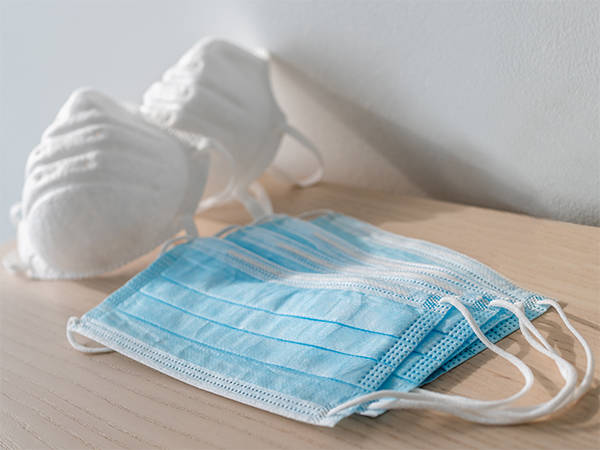
Medical masks come in two primary types: single-use surgical masks and N95 respirator masks. Surgical masks are intended to prevent viral spread by containing droplets produced by the wearer, while respirator masks are designed to protect the wearer from virus particles that have been aerosolized. Both of these masks are relatively easy to manufacture and test, and many textile manufacturers have shifted their operations to produce them in an attempt to meet the current demand. Many of these companies already own materials testing equipment and are able to make small modifications to their existing systems in order to perform the required FDA testing.
mask-fabric-test.jpg

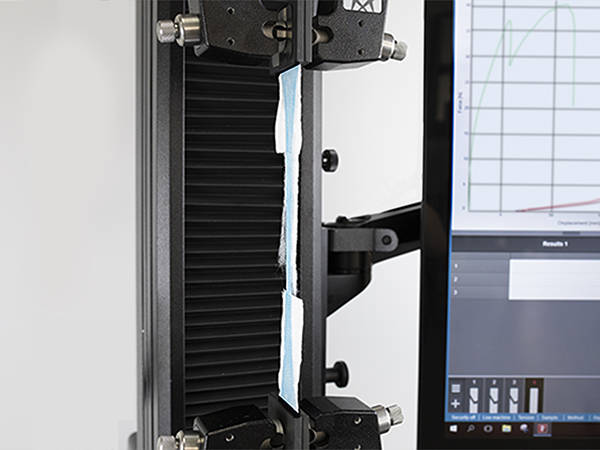
Fabric Test

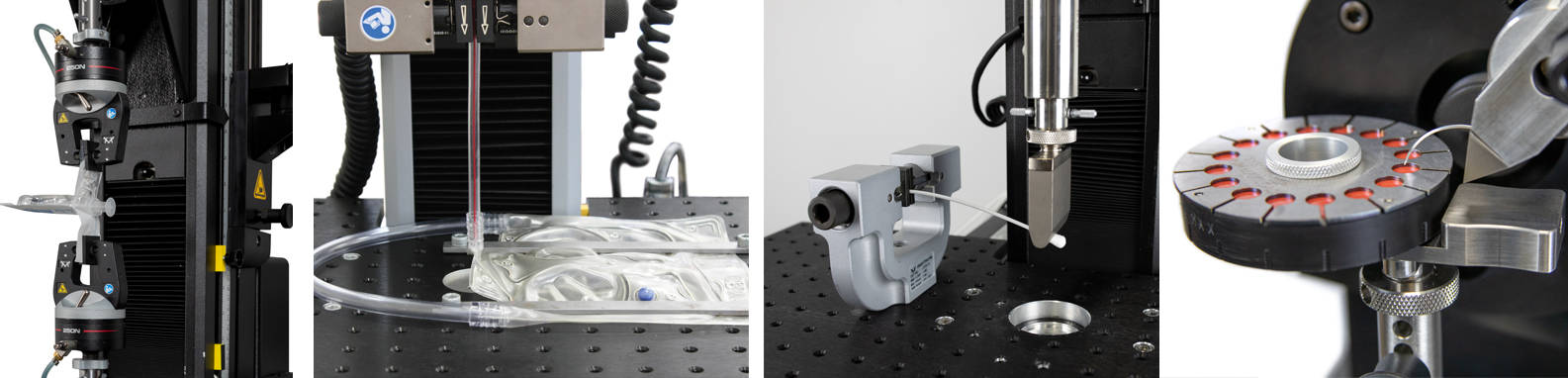
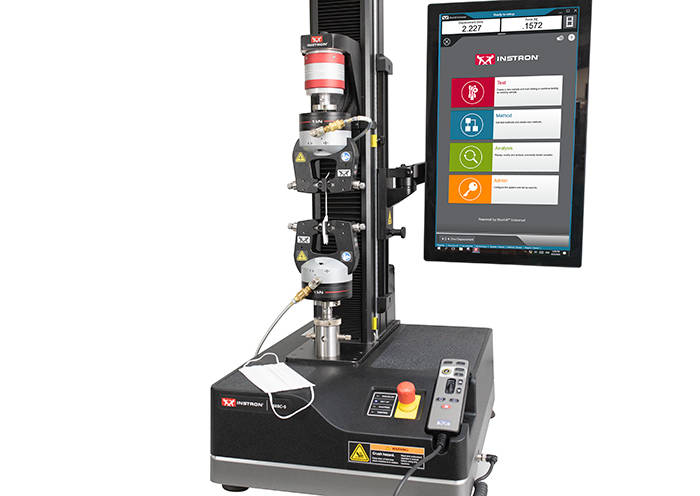
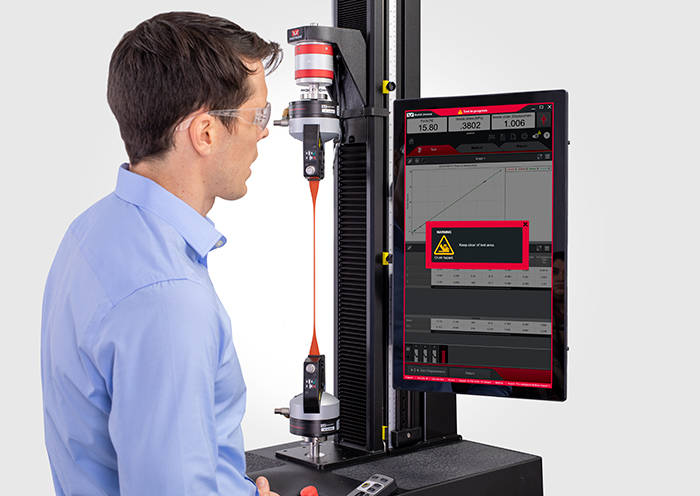
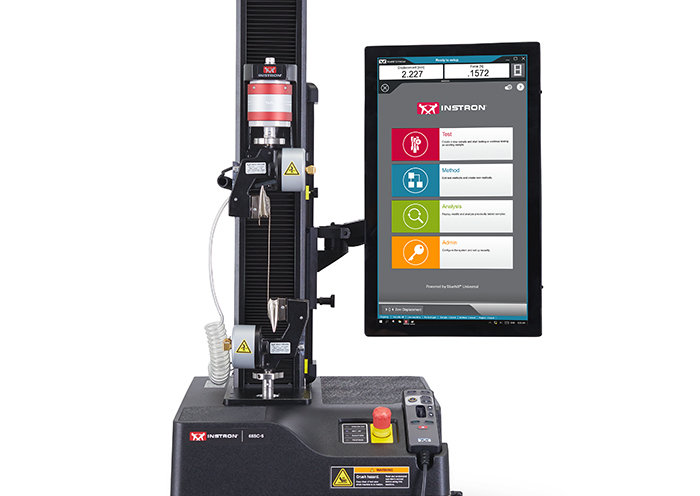
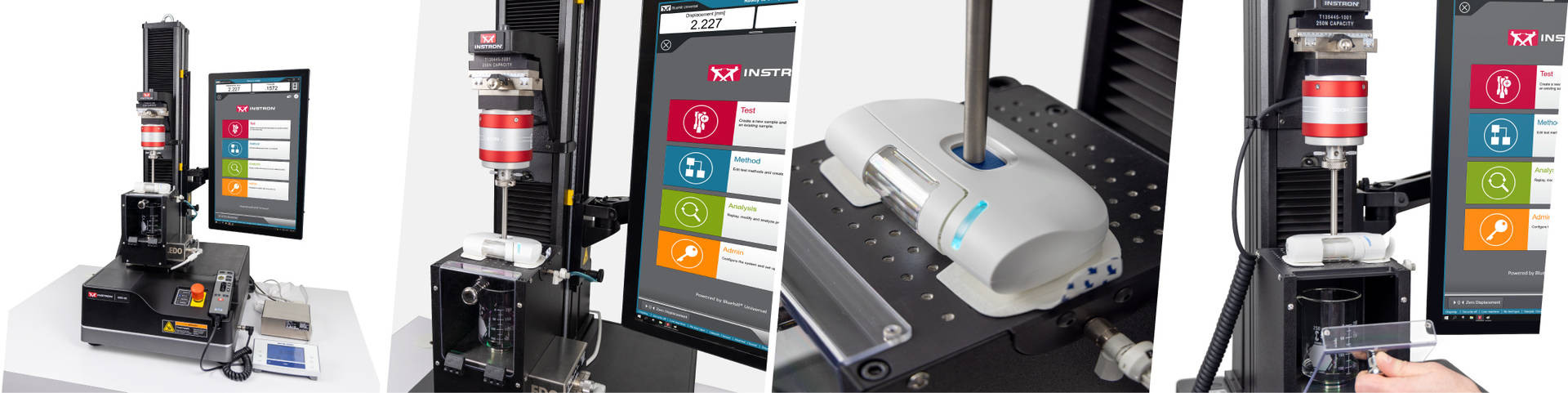
Mask fabric is generally tested in accordance with general textile standards such as ASTM D5034. Because fabric samples are prone to jaw breaks, we recommend pneumatic grips with smooth jaw faces to minimize this risk. In order to capture peaks and troughs generated by individual fiber breaks, we recommend a test system with a high data capture rate, such as Instron's 68SC-5.
mask-elastic-test.jpg

Elastic Test

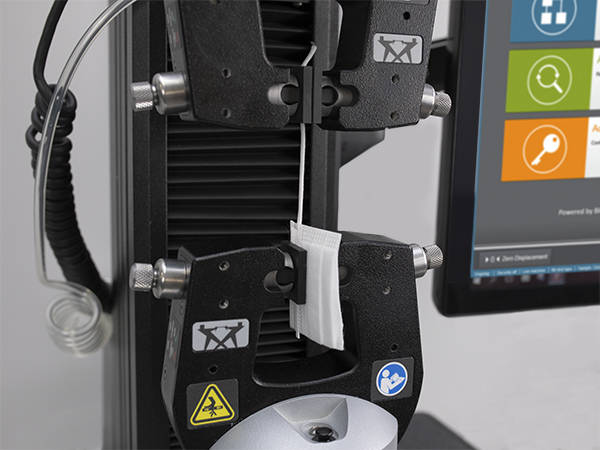
It is important to test the strength of the connection between a mask's fabric and the elastic band that holds it into place. This test is performed by loading the band to a minimum of 10 N and visually evaluating it to ensure there has been no separation. With masks now being worn for longer periods of time than ever, it may also be valuable to perform a relaxation test to determine its durability.
respirator-filter.jpg

Filter Test

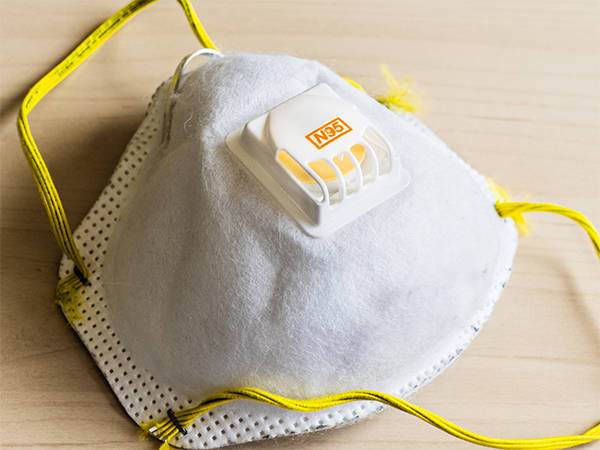
Respirator masks must be tested to ensure the strength of connection between the mask fabric and the respirator valve. This test can be accomplished using a side-acting grip on the base of the system and a custom-made hook fixture attached to the load cell.

Medical Gloves

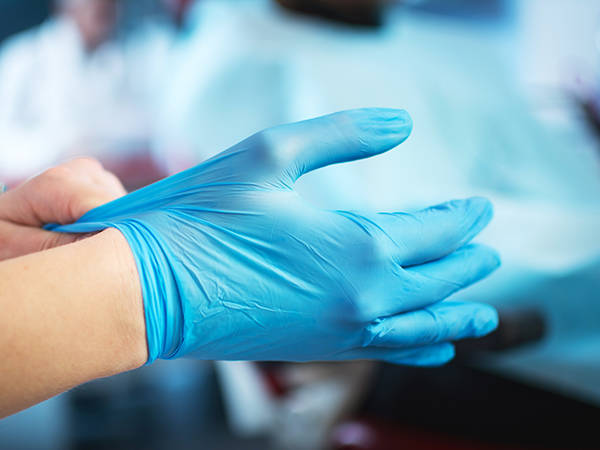
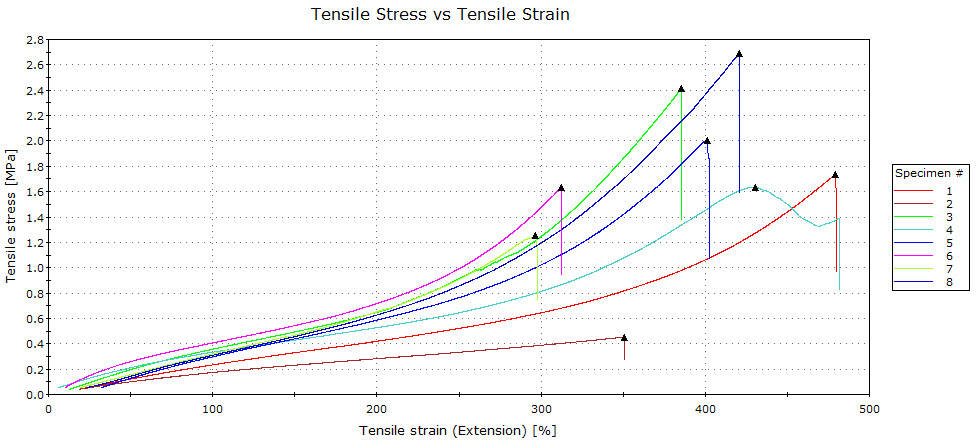
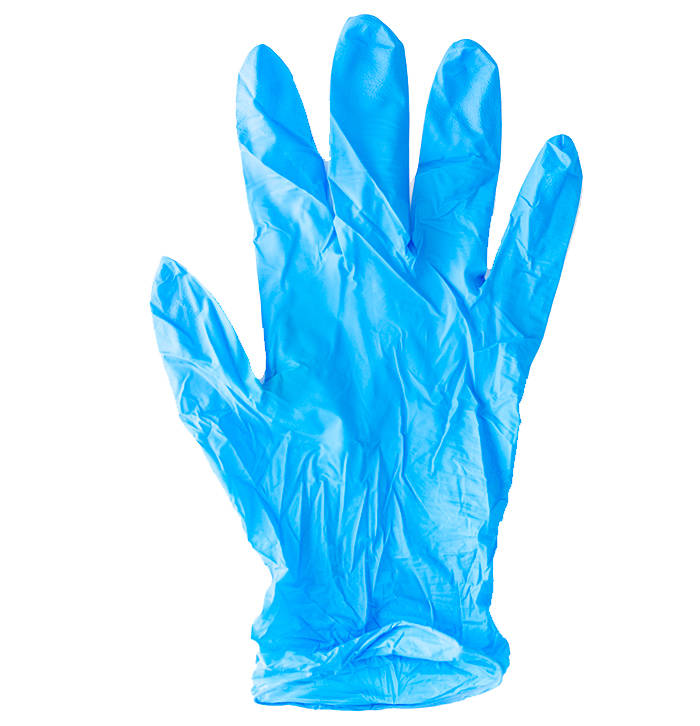
ASTM classifies medical gloves according to their material (latex, nitrile, natural rubber, PVC, or polychloroprene), while ISO classifies them based on their application (patient examination or surgical). Regardless of the testing standard, material, or clinical application, the equipment and general procedure for testing is consistent across all medical glove types. ASTM D6319, ISO 11193, and EN 455-2 are standards used by the biomedical industry to regulate the tensile properties of medical gloves. The key results for all glove testing standards are the tensile strength and ultimate elongation of the material. Rather than testing the entire glove, a dogbone specimen is cut from the finished glove and testing in accordance to the relevant elastomeric standard (ASTM D412 or ISO 37).

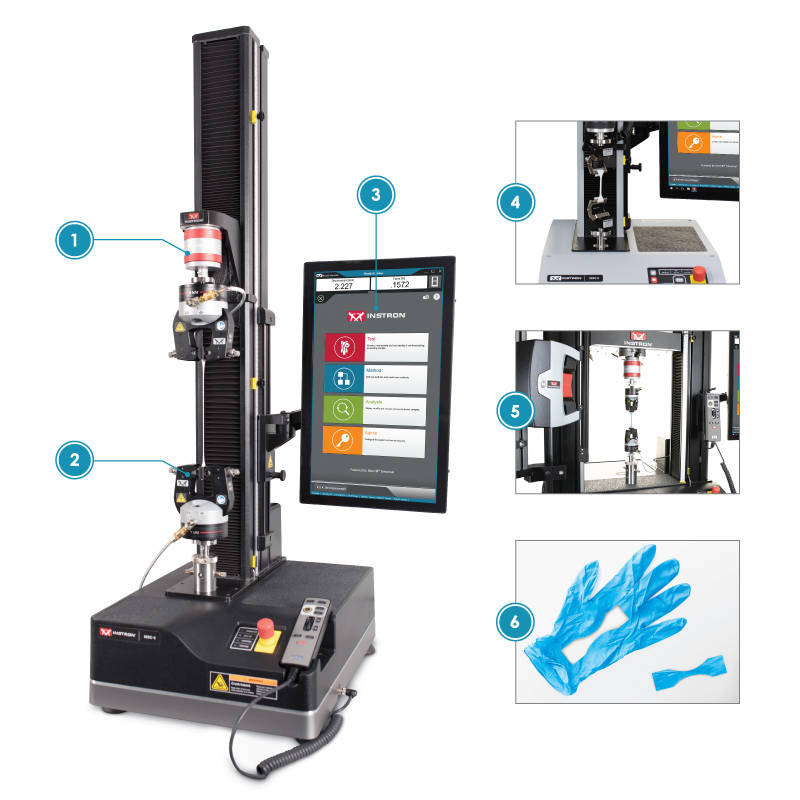
Glove Test Setup
1) Load Cell
A 500N load cell is an appropriate capacity for all glove materials.
2) Pneumatic Grips
Air pressurized grips ensure consistent clamping forces Jaw faces are easily interchangeable to ensure the correct surface texture is used for the material. Elastomeric materials like rubber gloves typically require rubber coated faces due to how thin the specimen is. The rubber coating is able to prevent slippage of the material without damaging the specimen.
3) Bluehill Software
The biomedical method suite includes preconfigured methods for EN455-2
4) Elastomeric Roller Grips
Roller grips provide a cost effective gripping solution for thin elastomers The roller grip utilizes a proportional clamping pressure which increases as more force is applied to the specimen
5) AVE 2.0
An optical non-contacting strain device can be used to ensure more accurate strain measurement
6) Specimen Preparation
All the major ASTM/ISO/EN standards require a dumbbell shaped specimen to be stamped from the palm of the glove EN 455-2 takes into consideration the potential discrepancies in thickness between the palm and the fingertips. The standard compares their thickness and uses a correction factor for the tensile strength of the speicmen.

ppe_gloves_callout-_003.jpg

Nasal Swabs

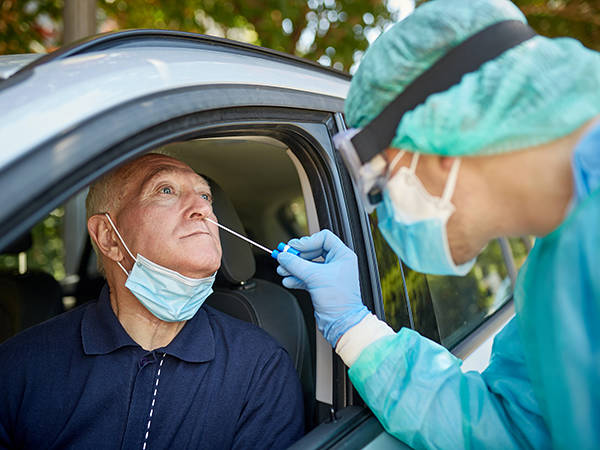
Nasopharyngeal (NP) swabs are crucial tools in the diagnosis of influenza and respiratory diseases. Despite their similar appearance, these swabs are considerably more specialized than the standard cotton swabs used for personal hygiene, using synthetic fibers for the swab staff and tiny bristles for the swab tip. In an effort to bolster the global supply, significant collaborations have occurred between 3D printer manufacturers and medical research teams, which have resulted in a massive increase in production capacity of test quality NP swabs. It is critical to perform mechanical testing to determine if the performance of the 3D printed swabs is comparable to the performance of those produced by standard methods.
nasal-swab-3-point-bend.jpg

3 Point Bend Test

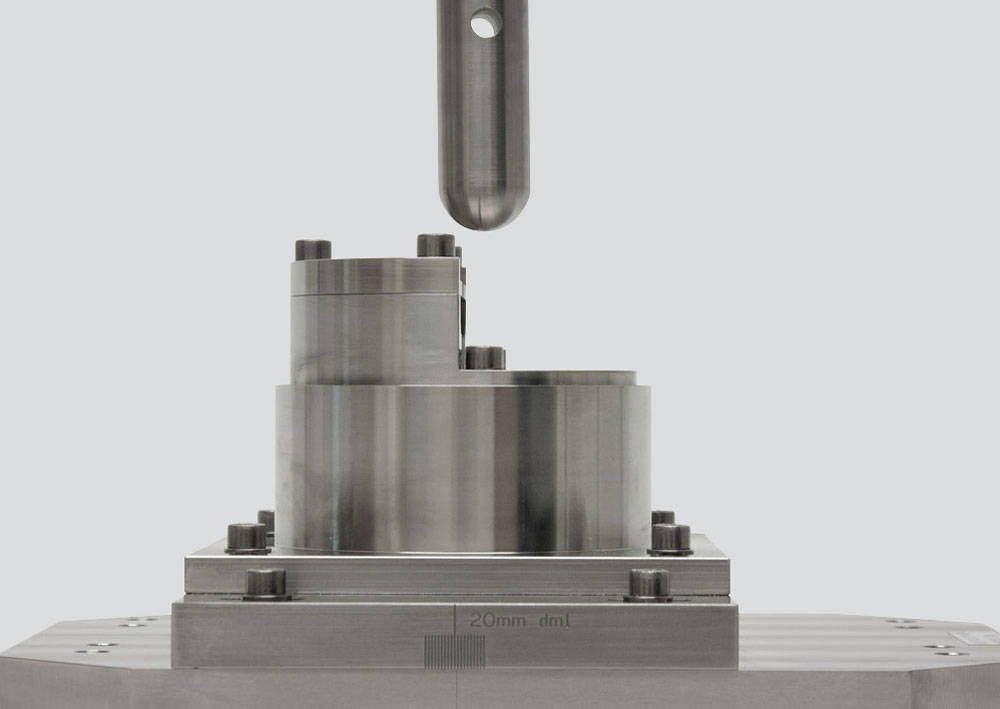
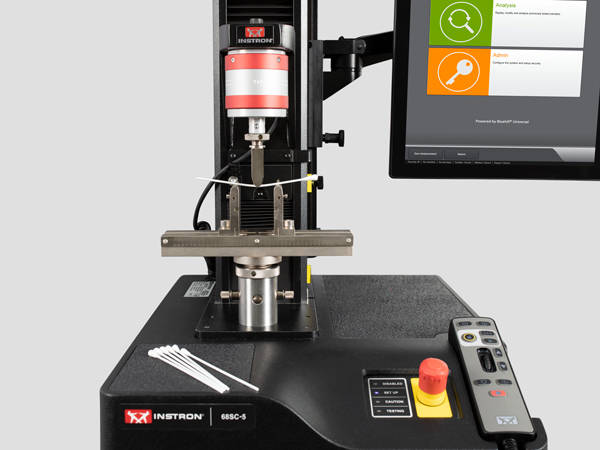
Nasal Swabs are subjected to flexural forces as they travel through the nasal passage. 3 point bend tests help characterize these stresses. It is also important to evaluate the weak point at the tip of the swab which helps achieve the correct size for transport. Instron's standard 2810-400 3-point bend fixture with 10 mm diameter anvils is ideal for these applications.

nasal-swab-cantilever-bend.jpg

Cantilever Bend

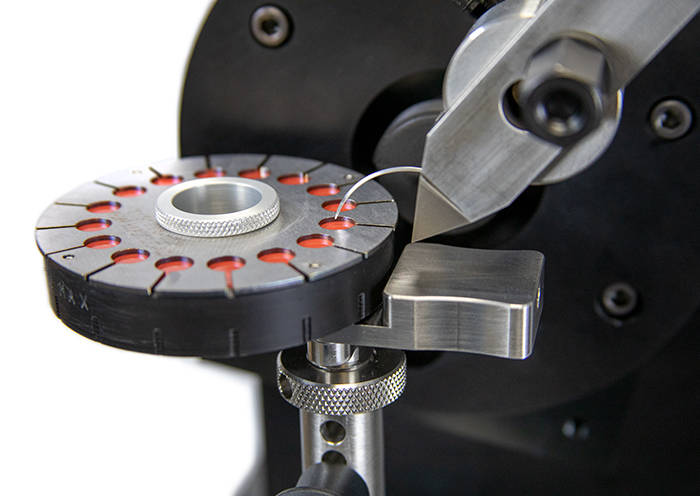
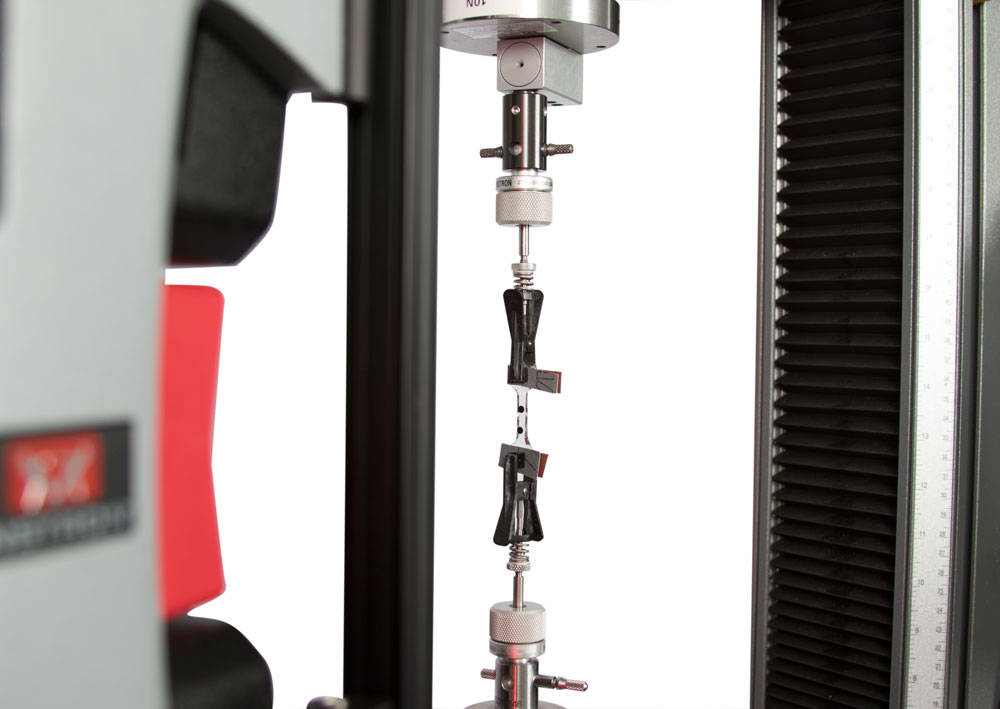
The cantilever bend test best represents the stresses seen when the swab is held during the procedure. The material needs to be flexible enough to ensure it will not fail during the test. This setup is accomplished using a component test plate and an advanced screw action grip to hold the specimen in place. Any probe can be used to deflect the tip of the swab.
nasal-swab-shear-test.jpg

Tip Shear Strength

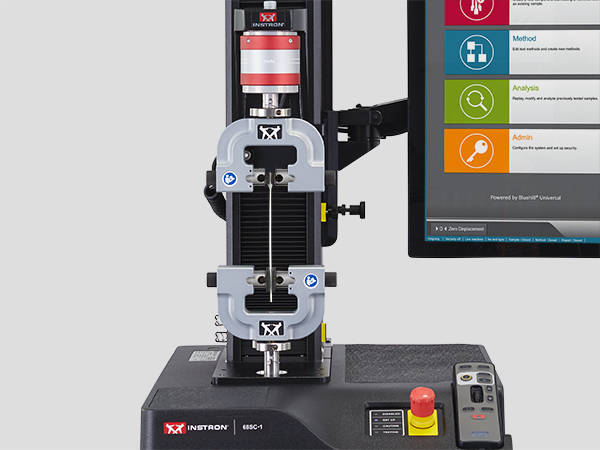
The tip of an NP swab is made of tiny bristles that allow for maximum sample collection. These bristles need to withstand shear forces as they move across the walls of the nasal passage. In order to test this property, the tip and base of the swab are clamped with advanced screw action grips to evaluate the maximum force required to break the bristles or the tip itself.

FDA Requirements in the Age of COVID-19

The Food and Drug Administration is the main regulatory body overseeing the production and distribution of PPE in the United States. The level of FDA involvement depends on the class of the device, which can range from class 1 to class 3 based on the device’s potential risk of nonconformance. Most types of PPE are labeled as class 1 devices, which have the fewest barriers to approval.

Because it can take months or even years to gain FDA approval, in times of health crisis the FDA issues something called an Emergency Use Authorization (EUA). An EUA essentially loosens the requirements for production and distribution of certain medical products to allow production to ramp up quickly. EUAs are currently being granted to manufacturers of COVID test kits, virus therapies, ventilators, respirators, and PPE. These emergency authorizations are generally granted to specific companies who apply to expedite the approval process, but they are also being released as blanket statements covering certain types of PPE so that smaller companies can also participate with minimal red tape. The EUAs include additional documentation that outline the enforcement policy for PPE manufacturing during the current public health emergency and provides criteria for quality control standards as well as the required labeling of products released under the authorization.

Watch Our PPE Testing Webinar

Intervertebral Disc Testing

Biomedical Testing

Intervertebral Disc Testing

The Challenge

Intervertebral Disc

Intervertebral disc replacement is a surgical technique for the treatment of lower back pain related to degenerative disc disease. The advantage of this technique over traditional spinal fusion is that it preserves or restores motion in the spine, and has the potential to delay the onset of degeneration of healthy discs at adjacent levels in the spine. Disc prostheses are designed to be load bearing over the physiological range of disc motion, and to give years of pain-free and trouble-free operation in the body. Understanding the static and dynamic characteristics of a particular device allows manufacturers and designers to ensure their product is proven and accepted. ASTM F2346 provides a methodology for characterizing the static strength and dynamic fatigue behavior of disc prostheses. The rigorous testing regimes in this standard aim to scientifically validate any prosthesis design. With a typical test run lasting for 10 million cycles and requiring both axial and torsional loading, it is vital that a testing system copes with these performance demands and delivers the highest quality of results. In addition, the requirement to conduct these tests in a wet environment adds to the complexity of the system.

Our Solution 

Intervertebral Disc Testing

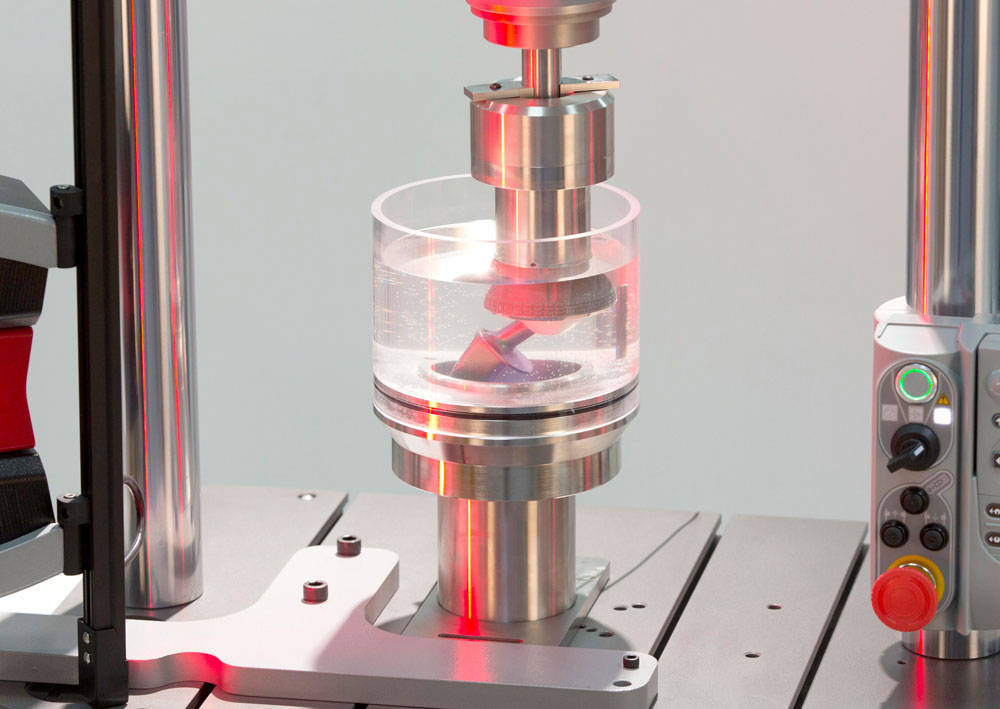
An 8874 axial-torsional system, with the addition of a temperature controller and re-circulator unit, allows device manufacturers and contract research laboratories to conduct both static and cyclic testing on a range of implant designs. The bath, in which saline flow and temperature are controlled, provides a stable environment. With the use of specialized test fixtures, the 8874 system's combined axial-torsional actuator allows for characterization to be conducted in axial compression, compression-shear, and compression-torsion test modes for both articulating discs of traditional metal-on-metal or metal-on-polyethylene design. It's also used for the next generation of prostheses, which feature an elastomeric component to give axial compliance under load that mimic the biomechanics of the natural disc.

Tensile Testing Polymeric Membranes

Biomedical Testing

Tensile Testing Polymeric Membranes

Synthetic membranes are commonly used in the biomedical field. These polymeric membranes, designed to mimic the natural filtration systems in human bodies, are being researched and developed for use in drug delivery systems, medical devices, and artificial bio-organs.

For example, synthetic membranes are used in hemodialysis, which is a method of removing waste products from the body when the kidneys fail. Blood from the patient is passed through a semi-permeable membrane that is immersed in dialysis solution and waste products such as urea in the blood diffuse across the membrane into the dialysis solution.

Often these synthetic membranes are moist and slippery, and consquently, tensile testing can be challenging. Similar to testing soft tissues, the gripping surface must offer sufficient friction to firmly hold onto the membrane, but also be delicate enough to avoid specimen tearing.

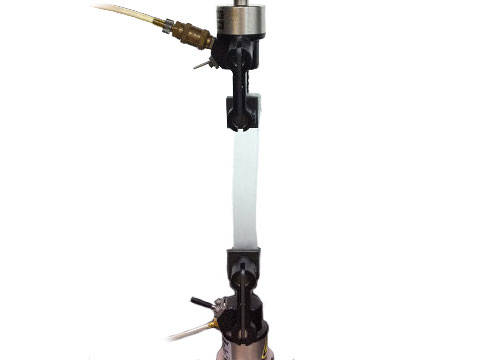
Recently, we were asked to recommend a gripping solution for testing of wet polymeric membranes. In this test, the polymeric membranes were first soaked in water for up to 20 minutes to allow them to soften and swell. The wet specimens were then tested using the 5965 dual column electromechanical machine equipped with pneumatic side action grips and rubber coated jaw faces. Since these membranes are very delicate, the clamping pressure must be carefully controlled as excessive high pressure can cause the specimen to fail prematurely when the grip closes.

Because the specimens are wet, corrosion resistant grips or fixtures should be used. Our 3 Software®Bluehill provides both the test control and results required.

Literature

Bluehill Universal Brochure

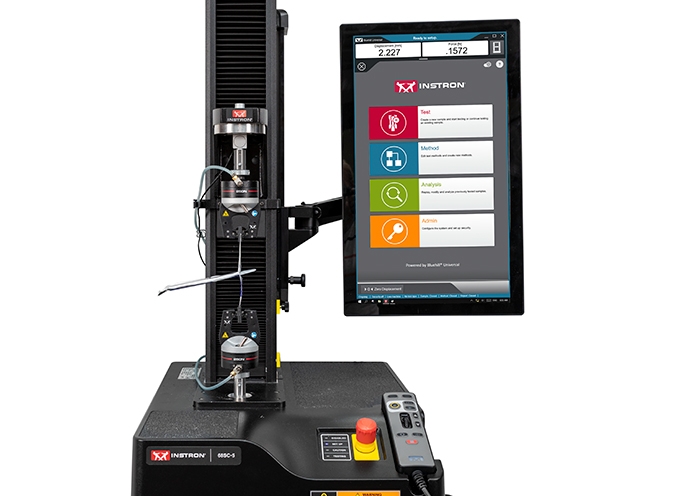
Bluehill Universal is Instron’s advanced materials testing software, designed for intuitive touch interaction and streamlined workflows. It offers pre-loaded test methods, QuickTest for rapid setup, enhanced data exporting, and Instron Connect for direct service communication. Users of Bluehill 2 and Bluehill 3 can easily upgrade to the latest version for improved performance and usability.
  • 产品
  • 02/26/2017
  • 3.76 MB

Evaluation of Radial Forces from Embolic Filters

Biomedical Testing

Evaluation of Radial Forces from Embolic Filters

Radial Strength Testing of Stent Grafts and Vascular Devices

Embolic filters are used within a variety of interventional procedures to capture debris resulting from the deployment of a medical device, like a stent. The stent is used to open arterial paths that may be occluded by plaque. Upon placement of the stent, dislodged plaque (or embolic material) can potentially be responsible for heart attacks, strokes, kidney failure, or death. Firm placement of the embolic filter is a critical requirement for successful procedures.

One of the most critical parameters for proper utilization of the filter is the radial forces it imparts on the arterial wall. In particular, the chronic radial force that the filter imparts over time helps to ensure that the device remains in place as intended. This fit ensures that all material is captured before heading further down the arterial pathways.

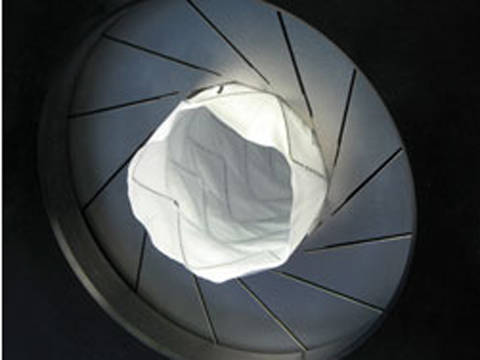
The RX575 system has the fidelity to measure the small radial expansion forces of the embolic filter. The unique segment design of the fixture results in small frictional forces, which ensures that your data will present clean results from the radial tests. The radial fixture mounts to electromechanical instruments, as well as into a fluid bath for accurate simulation of body temperatures. Additionally, the fixture provides the capability for tensile tests to evaluate resistance to tearing properties during deployment.

Bluehill® Software provides an interface to run tests, to evaluate the radial strength, and to generate standard reports that can be submitted for regulatory submissions.

Literature

3400 Series Universal Testing Systems Brochure

Instron 3400 Series universal testing systems for tensile, compression, bend, and other material property tests.

  • 产品
  • 06/27/2022
  • 2.69 MB

6800 Series Premier Testing Systems Brochure

Instron 6800 Series Universal Testing Systems provide unparalleled accuracy and reliability. Built on a patent-pending Operator Protect system architecture with an all-new Smart-Close Air Kit and Collision Mitigation features, the 6800 Series makes materials testing simpler, smarter, and safer than ever before.

  • 产品
  • 02/10/2020
  • 4.15 MB

使用可變式角度剝離夾置具之組織黏著劑測試

Biomedical Testing

使用可變式角度剝離夾置具之組織黏著劑測試

組織黏著劑廣泛的應用於生醫產業,例如繃帶,二次式敷料與傷口癒合。儘管進行測試使用可變角度夾置具沒有明確的標準,對於此測試方法有其他類似的 ASTM 規範,包含 ASTM F2255, F2256, F2258 F2458,這些產品的黏著強度必須在臨床使用時明確白的規定,假如黏著性不夠強,產品會造成感染或癒合不良,但如果黏著性太強,組織可能會因為移除黏著劑而受到傷害


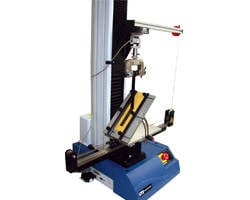
 我們使用可變式角度夾置具進行一個試片的黏著測試,模擬黏著劑從患者上剝離的動作,對於此測試我們使用 3345 機電測試框架 配置 50 kN 荷重元, 250 N 氣動夾置具 加上 25 mm x 25 mm 的金屬平板,與可變式角度剝離夾置具,此可變式角度剝離夾置具的角度設定為 135 °,來模擬在正常使用黏著劑產品的最佳線拉,我們在測試時使用皮革為基材模擬最佳的人體皮膚表面特性


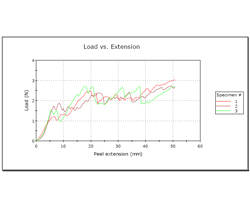
對於此類型測試高度建議使用Bluehill®2 剝離,撕裂及摩擦應用模組 ,此軟體模組可以量測第一個負載峰值,平均負載與每一個頻寬的平均負載,且最常用來計算其結果
文獻

3400 系列萬能材料測試系統手冊

Instron 3400 系列萬能材料試驗系統,適用於拉伸、壓縮、彎曲及其他材料特性測試。

  • 产品
  • 06/27/2022
  • 2.74 MB

Bluehill Universal 型錄

Bluehill Universal 是 Instron 先進的材料測試軟體,專為直覺式觸控操作與精簡工作流程而設計。其提供預先載入的測試方法、用於快速設定的 QuickTest、強化的資料匯出功能,以及可直接進行服務溝通的 Instron Connect。Bluehill 2 與 Bluehill 3 使用者可輕鬆升級至最新版本,以提升效能與易用性。

  • 产品
  • 02/26/2017
  • 14.03 MB

骨科植入物的衝擊測試

Biomedical Testing

骨科植入物的衝擊測試

當人體關節存在最小的力矩時,會導致骨關節炎的發生。缺乏關節運動會導致關節進一步的損傷和機能障礙,骨科植入物設計用於更換受損的關節,提升人體患處的活動性。例如,用於髖關節、膝關節、肩關節或肘關節植入物通常由不銹鋼製成。這種骨科植入物的製造商必須對自身生產的元件(各種植入物)進行測試,以便瞭解產品的耐衝擊性特徵。

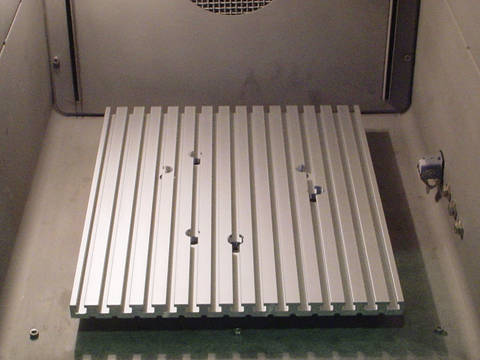
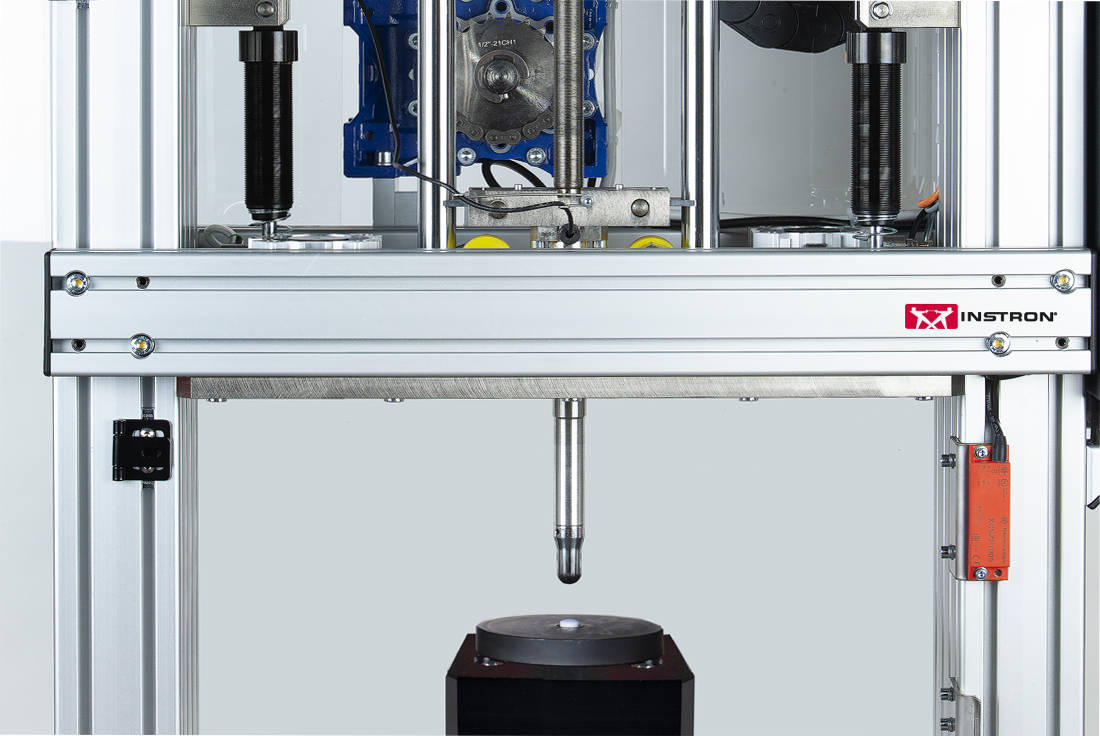
Instron 9450 能夠優秀地滿足這種測試需求。由於各個身體部位適用的植入物具有不同的形狀和尺寸,因此必須使用各種客製的固定裝置進行測試。我們使用栓接在9450底部的T型槽板。客製化固定裝置上帶有夾緊的膝關節植入物,安裝在儀器底部的T形槽板上。採用一個45 kN帶有應變計的錘頭對膝關節植入物進行衝擊,資料擷取系統(DAS)和Bluhill Impact 軟體與落錘衝擊器搭配使用,以便擷取力量/速度資料,並對衝擊性能進行分析。

此外,也可採用圖中所示的通用板來代替T形槽板。使用這些多功能板之後,製造商可以靈活地根據自身需求來安裝多種客製固定裝置。在實際的外科流程中,這種衝擊測試在一定程度上可以進行客製,再現現實生活中的低速和高速衝擊。

註:客戶實際的測試設置為商業機密,因此並未展現在此應用說明。

文獻

9400 系列落锤冲击试验机手册

Instron 落锤冲击试验机用于开发、微调和验证材料模型。在真实冲击条件下测试材料是产品设计前的一个关键步骤。利用从 Instron 9400 获得的表征数据,结合客户提供的高速视频,您可以对结果充满信心,并更快地向客户交付新材料。我们的落锤冲击系统、夹具和冲击头旨在满足广泛的应用和测试标准,包括:ISO、ASTM、ANSI、Airbus、Boeing、BSI、DIN、EN、FDA、Ford、GM、JIS、NASA、GOST 等。

  • 产品
  • 02/05/2020
  • 2.28 MB

9400 Series Dashboard Brochure

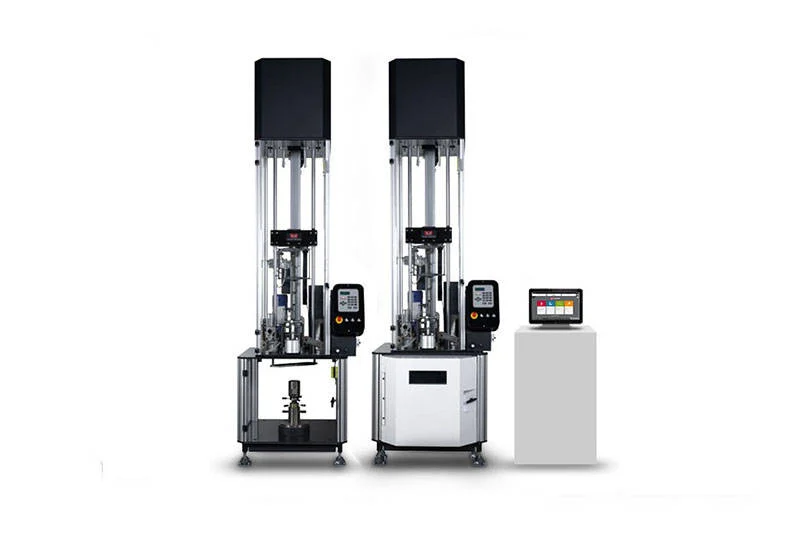
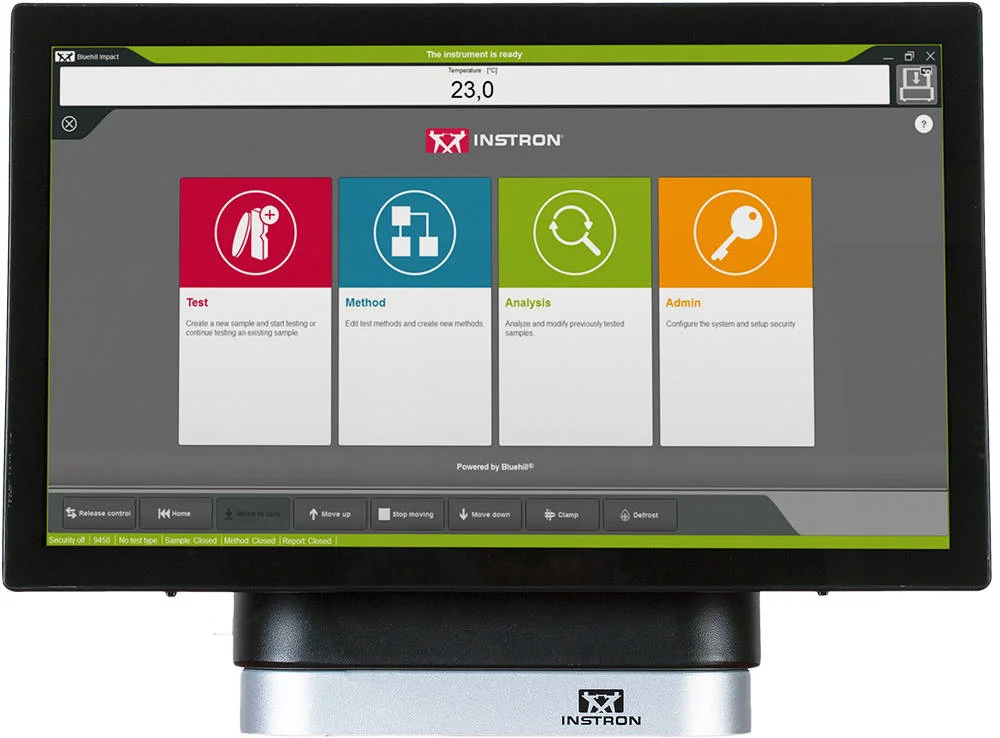
Bluehill® Impact is built from the ground up for touch interaction. The Operator Dashboard features large touchpoints to make the user experience simpler and smarter. Easy-to-understand icons and workflows make it easy to train new or experienced users, simplify operator training, and allow you to start testing even faster than ever before

  • 产品
  • 08/01/2019
  • 2.35 MB

藥錠的衝擊表現

Biomedical Testing

藥錠的衝擊表現

Support for pharmaceutical tablet impact testing

常見的藥錠和藥片通常會加上包衣,作用是以方便吞咽、分階段釋放藥物、識別和列印標記。包衣還能保護產品免受不利環境條件,如光、溫度、濕氣和外部受力的影響,有助於確保較長的保存期限。然而在製造和包裝過程中,片劑包衣會受到衝擊導致損壞。

衝擊測試能以性能資料的形式向製造商傳送數值,用於新塗層材料或加工方法的研發。一旦確立了合適的產品,製造商可以透過利用來自衝擊性能測試的基線資料實施品質控制計畫,對產品進行過程驗證。

INSTRON 9440滴塔配有低负载压电传感器Tup(0.45kN或4.5kN),1/2英寸半球形或扁平的Tup插入物以及Bluehill Impact软件,是药物和药片测试的理想选择。 为了进行固定,我们建议使用坚硬,平坦的金属板,该金属板可以轻松固定到工作台区域。


此衝擊測試解決方案很適合用於測定藥錠的衝擊性能特性,如大量產生一致性和破裂點或初始損壞點。這些特性又與產品包衣層材料有關。透過瞭解包衣是如何強化或者削弱藥丸的性能,就可以做出改進產品的決定。

文獻

9400 Series Drop Tower Brochure

Instron Drop Towers are used to develop, fine tune, and validate material models. Testing materials under real impact conditions is a crucial step prior of product design. Using the characterization data obtained with the Instron 9400, coupled with customer supplied high-speed video, you can have confidence in your results and deliver new materials to your customers faster. Our Drop Tower impact systems, fixtures, and tups are designed to meet a wide range of applications and testing standards including: ISO, ASTM, ANSI, Airbus, Boeing, BSI, DIN, EN, FDA, Ford, GM, JIS, NASA, GOST, and more.

  • 产品
  • 02/05/2020
  • 763.1 KB

9400 Series Dashboard Brochure

Bluehill® Impact is built from the ground up for touch interaction. The Operator Dashboard features large touchpoints to make the user experience simpler and smarter. Easy-to-understand icons and workflows make it easy to train new or experienced users, simplify operator training, and allow you to start testing even faster than ever before

  • 产品
  • 08/01/2019
  • 2.35 MB

Radial Force Evaluation of Stent Grafts

Biomedical Testing

Radial Force Evaluation of Stent Grafts

Stent grafts are used to treat a wide variety of peripheral arterial issues, as well as abdominal and aortic pathologic conditions like abdominal aortic aneurysms (AAA). The success of endovascular stent grafts for AAA’s has provided motivation to adapt similar technology for descending thoracic aortic aneurysms (TAA’s). Survival rates for untreated and traditionally treated (through complex thoracic surgeries) aneurysms are typically quite poor.

Advantages of stent grafts include shorter operative time, avoidance of major thoracic or thoracoabdominal incisions, and significant reductions in morbidity and mortality. Successful surgery requires the accurate placement of the stent graft to ensure it does not move, especially in upper descending thoracic aorta cases.

Typically, secure placement for stent grafts is a function of the proper selection and sizing since physiological movements of the aorta can be significant. Additionally, stent grafts have much larger diameters than coronary stents (30+ mm versus 2-3 mm). Evaluating the radial strength of a stent graft helps manufacturers to ensure efficacy and reliability of the medical device when implanted in vivo.

Instron partners with Machine Solutions Inc. (MSI) to utilize either a RX575 or RX675 stent iris on an Instron system. The fixture can also be customized and used for special specimen types to provide radial strength and stiffness over the entire graft or the securing graft ends. The control software to operate MSI’s RX fixture on an Instron system is standard Bluehill® 3 and TestProfiler. Although room-temperature testing provides excellent comparative results, the system can also be configured with a chamber to provide simulation of body temperature.

Literature

6800 Series Premier Testing Systems Brochure

Instron 6800 Series Universal Testing Systems provide unparalleled accuracy and reliability. Built on a patent-pending Operator Protect system architecture with an all-new Smart-Close Air Kit and Collision Mitigation features, the 6800 Series makes materials testing simpler, smarter, and safer than ever before.

  • 产品
  • 02/10/2020
  • 4.15 MB

Implantable Devices

Biomaterials

Dental

Orthopedics

Soft Tissue Testing

Biomedical Testing

Soft Tissue Testing

The Challenge

Skin

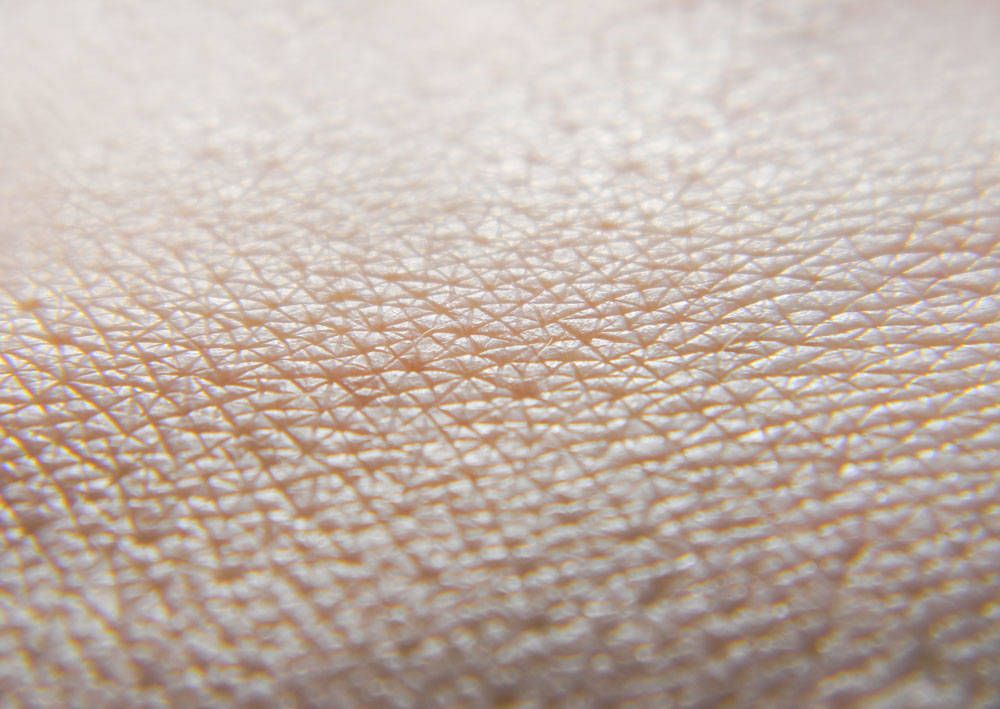
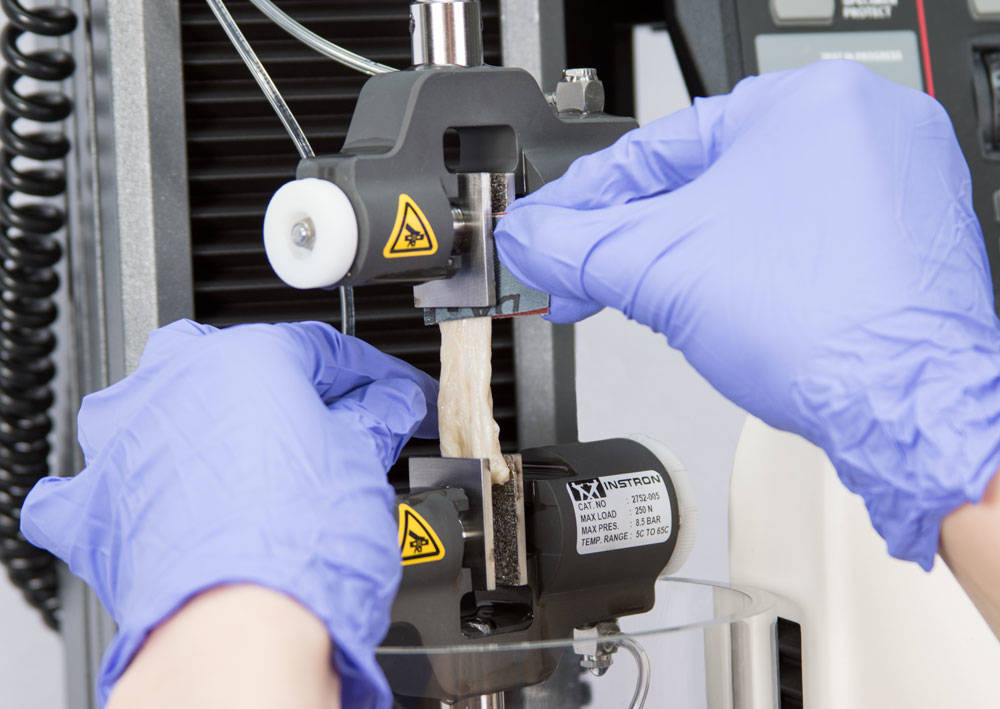
Testing soft tissues, such as skin, tendons, ligaments, and others, presents many challenges. Specimens of this type are delicate; hence they break at low forces. Gripping soft tissues can also be problematic given that these specimens are small, slippery, and compliant in nature. In addition, soft tissues are viscoelastic and often require accurate elongation or strain measurement to properly understand the material properties. Typically, in vivo conditions are needed to test soft tissues, which calls for the test to be performed at body temperature and in a hydrated state. This requires the testing equipment and fixture to be corrosion resistant and "waterproof" to avoid damaging the sensitive electronics of the testing system.  

Our Solution 

Soft Tissue Testing

For testing at physiological conditions, the Instron® BioBath is an ideal solution for keeping a specimen fully hydrated in a saline solution and at 37°C. The BioBath uses a closed-loop temperature control measurement, which can be fed directly into the test system's software to accurately track specimen temperature, in addition to mechanical test data. Pneumatic grips are recommended for consistent clamping pressure that the user can vary up to 90 PSI. A high friction surface is often needed to grip slippery biomaterials to avoid specimen slipping. To avoid this, we recommend using a metallic high friction finish known as surfalloy on the grip face, but grit sandpaper is also a viable option. A stainless steel tray, such as the BioTray, can help protect the system's electronics from damage in the case of spills or messy specimens.

醫療耗材測試


Biomedical Testing


醫療耗材測試

醫療耗材測試

個人防護裝備(PPE)、手術器械與傷口閉合產品等一次性耗材指南
醫療耗材是生物醫學測試中最大的類別,涵蓋多種一次性產品,如手術器械、個人防護裝備(PPE)、傷口閉合產品、檢體採集產品等。醫療照護場域仰賴一次性用品,以降低院內感染發生並確保病患安全。這些產品通常屬於 FDA 第一級或第二級醫療器材;雖然其測試要求不如高風險產品嚴格,但往往因產量龐大,必須採取特定措施以支援高產量的機械測試。為因應大量測試需求,產能與重複性便成為關鍵測試要求,可透過專用夾具、高效率的操作流程以及直覺式軟體加以達成。此類別中另一個關鍵部分是成品所使用的醫療級包裝,其本身也有一套測試要求。如需瞭解其他生物醫學應用的更多資訊,請造訪我們的生物醫學產業頁面。
醫療手套

產品測試範圍

這些裝置可在產品開發與生產流程中的多個階段進行評估,因此實際測試樣品的複雜度可能從原材料到次組件與成品皆有。在原材料階段,測試方法通常更依循明確的標準與既有的夾具解決方案。許多情況下,可使用標準拉伸夾具壓縮壓盤來正確評估不同材料,並協助工程師在為產品選材時做出周全決策。在元件層級的測試中,獨特的產品幾何形狀使客製化夾具的需求更高。運用XY工作台或帶螺紋孔的測試板,可讓使用者更彈性地調整系統以適用多種類型的元件。這些夾具也能協助您確保載荷軸與產品上關注的特徵正確對準。為完整表徵裝置性能,元件可能需要以多種方式進行評估。完整的性能評估除量測的載荷與位移資料外,也可能需要對失效模式做定性評估。整合式testcams可提供與測試資料同步的失效事件視覺回饋。

自動化潛力尤其在全球性疫情的背景下,醫療耗材,特別是個人防護裝備(PPE)的需求已被證實難以預測。這些產品測試產能的大幅變動已成常態。將自動化導入機械測試計畫,可提升產能、重複性與整體產品品質。多數情況下,醫療耗材測試屬於「取放(pick and place)」作業,所需的人員互動極少,因此非常適合透過協作機器人或自動 XY 平台進行自動化。自動化也可包括將設備整合至既有的品質管理系統,在製造流程中建立閉迴路回饋。此回饋可協助降低生產過程中的浪費,並利用蒐集到的機械資料,即時調整上游生產參數。

生物醫學測試自動化

包裝

醫療產品需要堅固且氣密的包裝,以確保器材滅菌狀態可維持至使用時。此包裝對於防止任何汙染至關重要,否則最終可能導致病患感染。為驗證包裝封口強度,多數客戶會依據ASTM F88進行測試,該標準提供封口評估的測試準則。主要挑戰在於試樣製備與資料蒐集。市面上有許多試樣製備夾具,可一致製作符合標準所需的 1 英吋寬條狀試樣。封口強度測試會產生不均勻的曲線,並伴隨瞬間變化,因此需要足夠高的資料擷取率,以確保準確記錄事件。若資料擷取率過低,載荷曲線可能會被圓滑化,進而造成平均封口強度被人為低估。具有平面夾面的氣動夾具非常適合用於可重複地夾持試樣尾端,且不會以任何方式損傷材料。

永續性焦點

醫院日益關注因使用一次性醫療產品而帶來的廢棄物問題。生物塑膠的開發是一個蓬勃發展的產業,市場需求強勁,目前也正在制定標準,以涵蓋多種醫療照護應用中的各類生物聚合物特性。在此期間,許多常見的塑膠標準(如ASTM D638ISO 527)已更新其用語,納入生物塑膠與 3D 列印塑膠。這些標準的測試要求廣為人知,研究人員透過其進行評估,即可清楚區分石油基塑膠與生物基塑膠的材料特性。為妥善表徵這些新型永續材料,研究人員可能需要進行拉伸壓縮彎曲扭轉等多種形式的測試。研發機構需要具備相應工具,以執行這些全面分析,並跨越 FDA 及其他國際組織所設下的法規門檻。

藥物輸送裝置與容器測試


Biomedical Testing


藥物輸送裝置與容器測試

藥物輸送裝置與容器測試

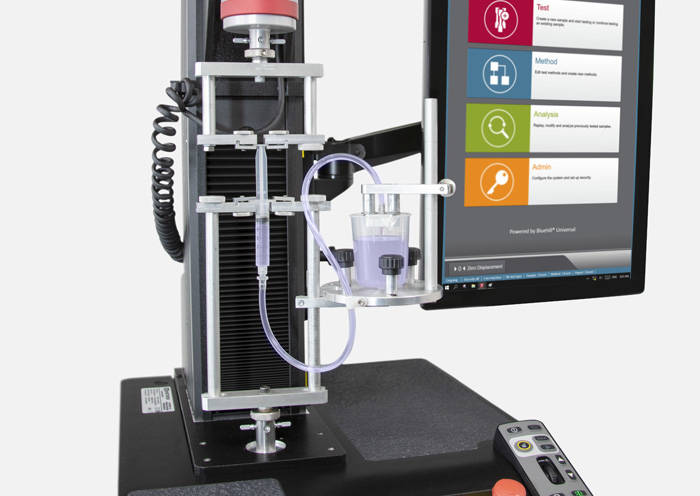
注射器、藥筒與小瓶測試指南

全球對藥品的需求持續攀升,主因包括慢性疾病發生率提高、人口老化,以及未來疫情的威脅。病患與醫師期望藥物輸送容器無瑕疵,並能在運輸與使用過程中確保藥品安全無虞。任何失效都可能對病患造成嚴重風險,或導致大量急需物資被迫報廢。因此,藥物輸送容器與裝置必須接受嚴格評估,並由全球監管機構加以規範,以確保其能如預期運作。藥品容器種類繁多,依不同情境設計用於儲存與輸送藥品。本頁將區分各類容器,並說明其各自獨特的測試目標與挑戰。若需了解其他生醫應用的更多資訊,請造訪我們的生醫產業頁面。

注射器

注射器測試

由於注射器需在多種情境下輸送多種不同藥物,因此其製造形式多樣。玻璃注射器占市場最大比例,其次為塑膠注射器,不鏽鋼注射器則占較小的市場份額。儘管其結構看似簡單,但由於同時扮演容器與藥物輸送裝置的角色,在設計這些產品時必須考量數百項設計因素。機械測試旨在解決其中許多問題,並協助製造商達到最佳性能並維持生產品質。

裝置的可用性是最重要的設計考量之一。對注射器而言,這代表使用推桿推動時,能否輕鬆且順暢地將液體推出。要達到最佳性能,可能需要調整筒身幾何公差、內表面粗糙度、矽化處理流程、推桿塞幾何形狀等。製造商在研發(R&D)過程中必須仰賴機械測試,以確認並評估所有設計決策。

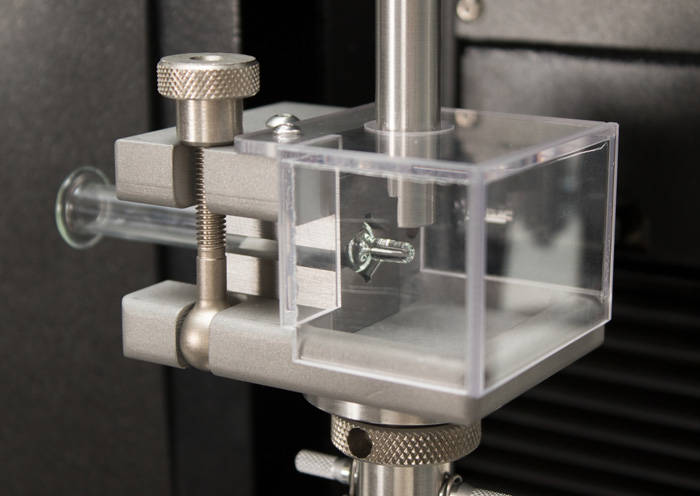
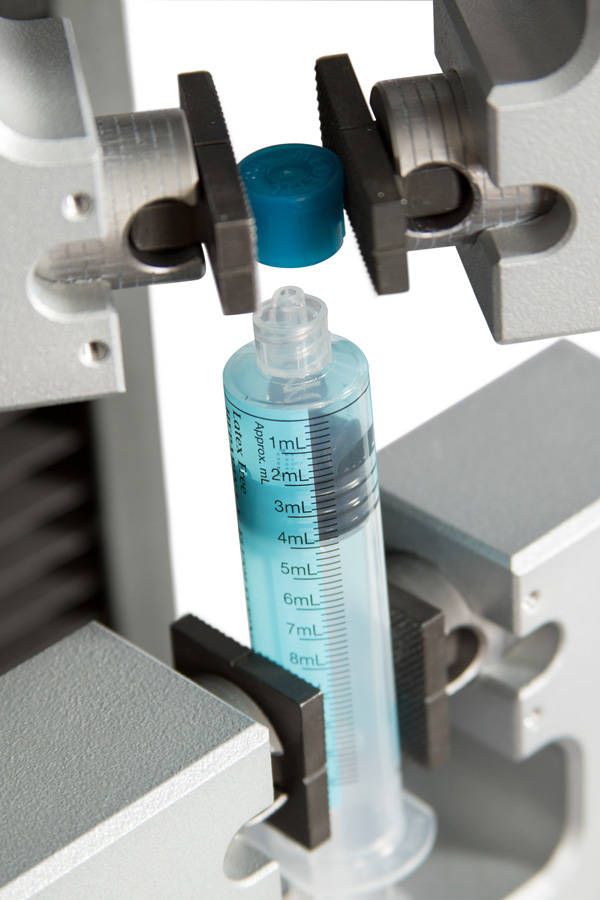
另一項重要考量是裝置的封閉與安全機構。有些玻璃針頭採用嵌針(staked needle)設計,針頭嵌入筒身錐部並需要針頭護套;而多數注射器則使用魯爾(luer)接頭來連接護蓋與可分離針頭。安全機構可依使用者互動方式分為主動式或被動式。主動式安全需要操作人員採取明確動作,例如將護套覆蓋在外露針頭上;被動式機構通常利用彈簧在使用後將針頭隱藏或覆蓋,以防止針刺傷害。無論哪一類機構,主要測試挑戰之一都是對準。不同心度誤差會影響量測的力與扭矩數值。自定心夾具非常適合此類應用,可降低操作人員失誤的可能性。

預充式玻璃注射器與藥筒皆可直接置入自動藥物輸送裝置中。此類裝置設計為在病患按下按鈕或啟動針頭護套後,以機械方式啟動藥物輸送。啟動時,預載彈簧會推動推桿向下作用於容器並將液體推出。自動藥物輸送裝置大幅提升病患的使用便利性,但也帶來更高的設計複雜度,因此需要評估更多子組件與功能。許多客戶會使用多套測試系統來因應不同評估項目,例如射出體積或針長插入深度。製造商可透過使用單一交鑰匙解決方案來執行所有必要的功能測試,以提升產能、降低操作人員影響並簡化測試流程。

注射器護蓋拆卸測試

藥筒測試

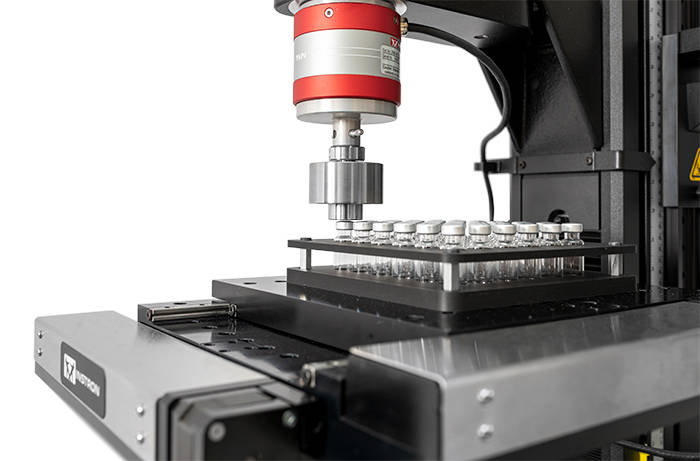
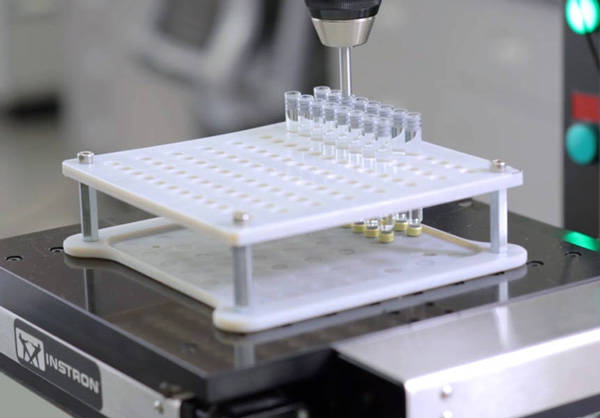
在自動化 XY 平台上進行藥筒測試

Cartridge Testing on Automated XY Stage

藥筒最常用於自動化藥物輸送系統中,包括自動注射器、筆型注射器與穿戴式裝置。對製藥公司而言,藥筒具備獨特優勢:相較於注射器更易製造,且更為緊湊,可提升儲存效率。其設計亦相對簡單,由硼矽酸鹽玻璃容器、彈性體密封件與塞子組成,外部以鋁蓋封裝。藥筒仰賴兩種外部機構來輸送藥物——手動或自動化動作以驅動推桿,以及可安裝的針頭將藥物導入體內。多數藥筒測試聚焦於前者,確保裝置能在可達成的力範圍內完成液體推出。

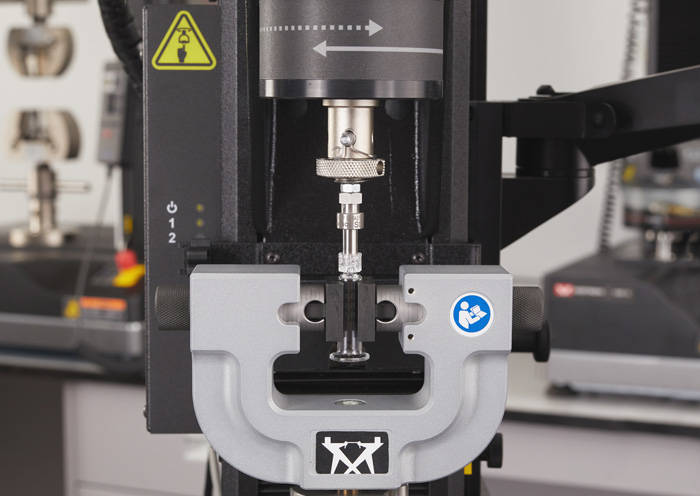
與注射器相同,對準是達成可重複測試結果的主要挑戰。可透過自對準治具以及工作區具備 XY 調整能力來降低對準疑慮。藥筒的幾何形狀使其在測試所需治具上與注射器有關鍵差異:藥筒沒有指托翼(finger flanges),因此所有夾持力都必須施加於容器側面。由於容器為玻璃材質,夾持力必須校準以避免損傷。使用內襯件支撐藥筒底部可限制側向載荷的施加,並提升測試重複性。

小瓶測試

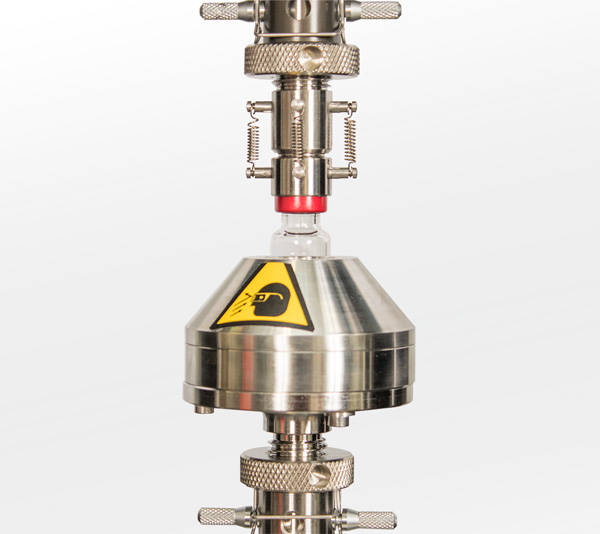
小瓶是藥品的儲存容器,並非實際藥物輸送的一部分。其通常由玻璃容器、橡膠密封件與鋁製壓封蓋組成。給藥時會使用注射器刺穿橡膠密封件,抽取所需的精確劑量。小瓶製造商關注的重點之一是容器密封完整性(CCI),這是一系列用於驗證封口能防止外部微粒污染產品的評估。這些測試本身並非機械性測試,而是使用電性或加壓方式來判定封口完整性。

Instron 系統可提供實證資料,用以辨識與 CCI 表現相關的彈性體密封件關鍵機械參數與壓封程序。殘留密封力(RSF)是主要執行的測試之一,用於判定克服彈性體密封件內部作用力所需的力;該作用力使小瓶與瓶蓋維持接觸。此測試對評估多項最終可能影響 CCI 的變因至關重要:

  • 封口後經過時間
  • 儲存溫度
  • 儲存濕度
  • 塞子設計
  • 塞子材料
  • 壓封技術

RSF 測試的主要挑戰在於確保裝置正確對準,以及在載荷-位移曲線上評估 RSF 點。雖然許多操作人員會手動選取曲線上的點,Bluehill Universal® 軟體可讓操作人員加入一階與二階導數量測,以自動辨識並選取與 RSF 相關的拐點。

另有與醫師使用與標示相關的附加測試。Instron 客製化產品團隊已設計專用治具,可重複地移除塑膠蓋並撕除標籤;由於必須確保黏著強度能在高溫、低溫或溫度波動的儲存條件下維持不變,這點相當重要。

殘留密封力測試

提升效率與重複性

當產品邁向商業化時,測試量勢必增加。效率與重複性是兩項關鍵參數,可能會因測試量增加而受到影響。為因應此情況,可採用多種解決方案以改善流程並降低操作人員錯誤。這些解決方案可能包括:

實際情境:例如,設計驗證測試通常是取得產品核准前的最後衝刺,但可能一年只進行數次。要確保實驗室具備足夠人力,既能完成所有必要測試,又能產出文件、分析與報告,往往是一大挑戰。導入自動化可協助克服這些挑戰,免除操作人員必須站在系統前的需求,並可同時處理其他必要工作。像 CT-6 協作機器人(cobot)等自動化方案可協助最佳化實驗室效率,使實驗室主管能適當分配工作量,並滿足與產品上市相關的緊迫期限。

用於注射器測試的協作機器人系統
FDA 21 CFR Part 11 Compliance

Biomedical Testing

Materials Testing Lab

FDA 21 CFR PART 11 COMPLIANCE FOR MECHANICAL TESTING LABS

What Is Required and How You Can Achieve It

What is FDA 21 CFR Part 11?

21 CFR Part 11 is a regulation that applies specifically to electronic documentation provided to the FDA. First published in 1997, the original intent was to create a framework that ensured electronic means of recording, approving, and submitting documents was effectively equivalent to handwritten paper documents in terms of security. The objective was to ensure that companies were capable of using electronic record keeping technology as it became more commonly utilized within the industry.

Who Does 21 CFR Part 11 Apply To?

FDA 21 CFR Part 11 applies to any pharmaceutical or medical device manufacturer submitting product documentation to the FDA for approval for sale within the United States or as part of any post-market surveillance activities.

What are the Requirements of 21 CFR Part 11?

Regulatory requirements mainly apply to the processes surrounding electronic record creation, retention and submission. The regulation specifically discusses the need for software validation, use of electronic signatures, a searchable time-stamped audit trail, and access to traceable record copies.


INSTRON PRODUCTS


Compliance is best achieved through a partnership between a manufacturer and its equipment suppliers, where the equipment supplier provides the tools to effectively and efficiently integrate the equipment into the manufacturer's quality management system. Instron's Bluehill® Universal software, compatible with static universal testing systems, offers several features designed to aid in 21 CFR Part 11 compliance. Bluehill Central lab management software allows for centralized management of multiple instances of Bluehill Universal, further simplifying the processes necessary for compliance.


Bluehill Universal
Bluehill Universal

Bluehill Universal is the testing industry's most powerful and advanced testing software. Its intuitive workflows are designed to simplify operator training, increase testing efficiency, and minimize safety hazards.

Learn More


Bluehill Central
Bluehill Central

Bluehill Central software is a laboratory management tool that enables centralized, remote management of Bluehill Universal software applications associated with multiple Instron test frames. The software allows you to remotely manage all Bluehill Universal users, test templates, results, file revision approvals, and audit trail data from multiple Instron systems.

Learn More


TRACEABILITY

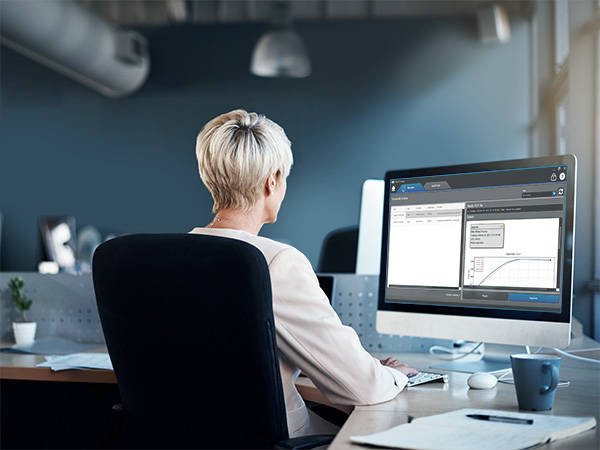
Bluehill Universal’s Traceability Module enables users to meet the audit requirements associated with FDA 21 CFR Part 11 as well as those of ISO 17025, Nadcap, and other regulatory bodies. Through seamless integration of electronic approvals, revision history, and an automated audit trail, this powerful add-on combines with Bluehill’s built-in security to provide unmatched data traceability.

  Webinar: Introducing Bluehill Universal's Traceability Module
  Webinar: Protecting Data Integrity and Having Traceability in Your Testing
  FDA 21 CFR Part 11 Implementation White Paper

revision history icon

Revision History

Revision history allows users to view the full revision history of Bluehill methods, tested samples, and report templates. Each revision contains the details of the affected item, including a time stamp, both the previous and the new value, and the name of the users involved with initiating and, if required, approving the change.

electronic approval icon

Electronic Signatures

Electronic signatures serve as electronic approvals and replace the need for manual, hard copy signatures. Electronic signatures can be configured for primary, secondary, and tertiary electronic sign off to ensure that method revisions and test data are reviewed before a change is implemented or data is publicized.

audit trail icon

Audit Trail

Bluehill Universal’s built-in secure and searchable audit trail tracks system level usage, such as log-ins and log-outs and additions, modifications, and deletions to all Bluehill files. The audit trail also captures usernames, dates, and timestamps for all activities, allowing full visibility into all system activities during an audit.


SECURITY

Bluehill Security allows a Lab Manager to configure permissions in the software, granting access to trained personnel, such as super users, and limiting access where needed. Bluehill Security allows login permissions to be configured directly in Bluehill, or linked to the local Windows® login or Windows Active Directory.

  Security in Bluehill Software Whitepaper
  Security Comparison Chart


DATABASE TYPES

Traceability’s audit trail offers both a network and local database to accommodate your data management preference. A networked, centralized database offers your lab greater efficiencies and reduced risks when compared to locally managed data. Determining your lab’s IT infrastructure and data management preferences is recommended when considering these alternatives.


local systems
Local

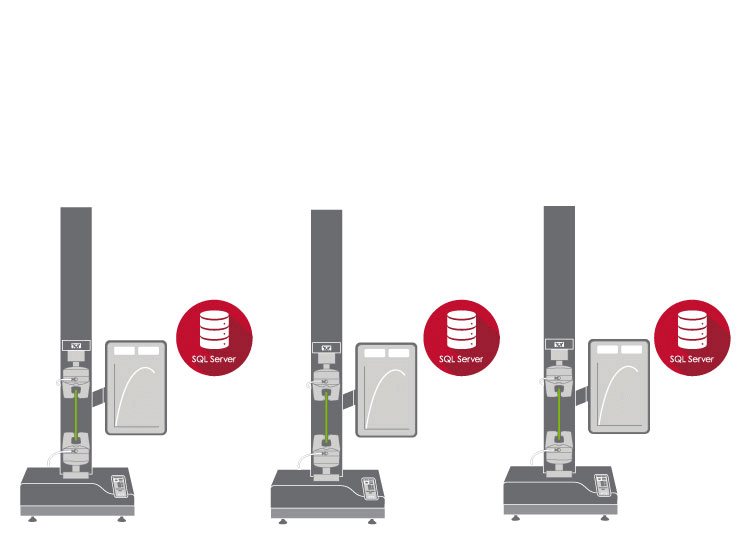
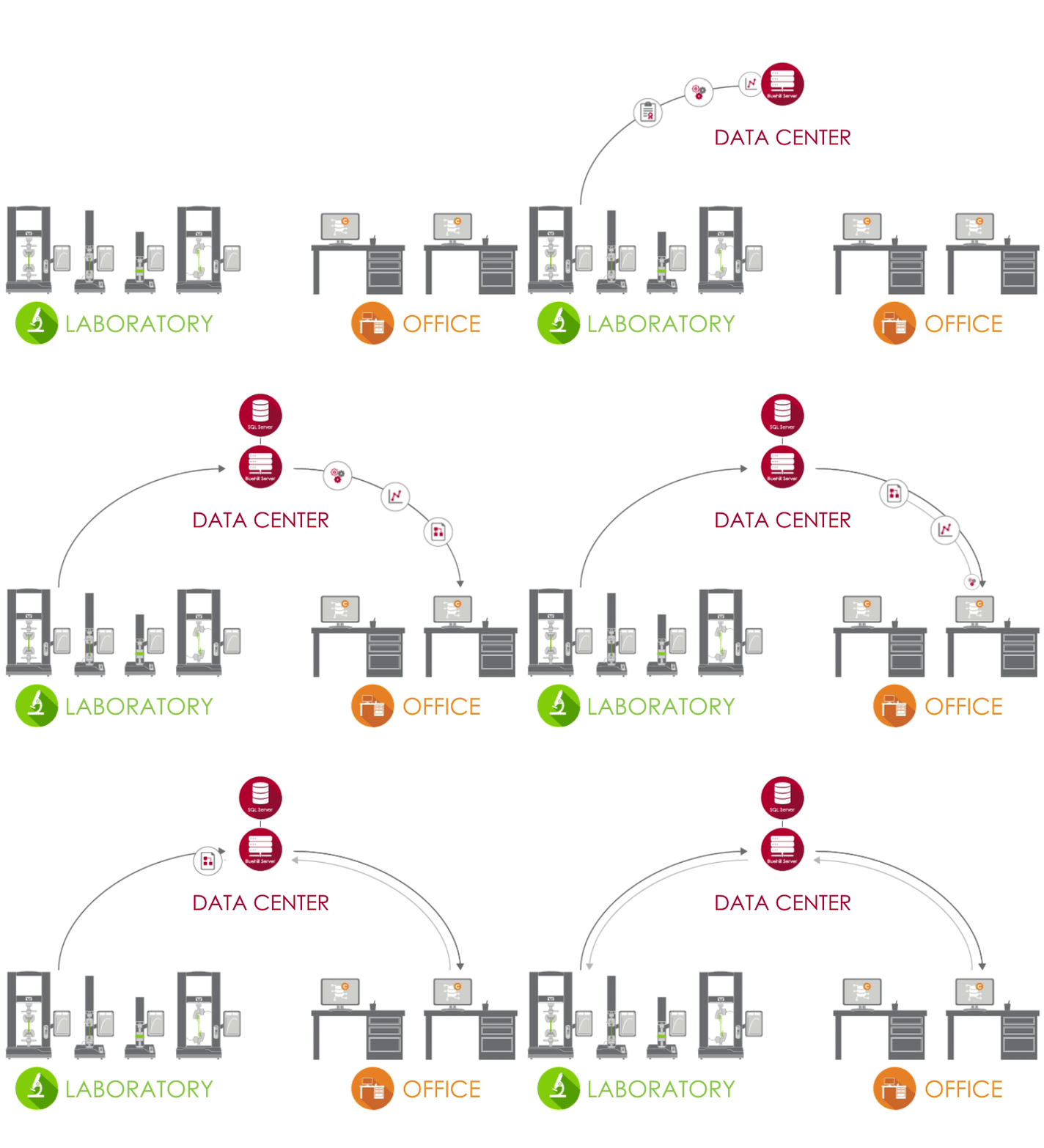
Bluehill Universal’s local Traceability module stores audit trail data on a Microsoft SQL Express database that is hosted on the computer running Bluehill Universal connected to the Instron system. The local database model accommodates labs that cannot connect computers to a shared network. Viewing the audit trail and electronically signing files occurs locally on the computer, and each Instron system with a local Traceability database stores its own SQL Express database. Database backup and restore functions can be performed manually in Bluehill Universal.


Bluehill Central Architecture
Network

The network solution for Instron’s Traceability is powered by Bluehill Central, which employs a client/server framework to store all shared audit trail data, files, and settings on a Microsoft SQL Server database. When Bluehill Universal is connected to your lab’s Bluehill Central server, each testing system send and receives data from the centralized database, eliminating the risk of variation and the burden of locally managing each system. Viewing the audit trail, electronically signing files, and user management is performed either remotely in Bluehill Central or locally in Bluehill Universal. Database backup and restore functions can be performed manually in Bluehill Central.


INSTRON SERVICE


Instron field service teams provide validation and documentation services to support IQOQ processes designed to ensure that your Instron testing equipment performs to its intended purposes and produces valid results (per 21 CFR 820.72 and ISO 13845). Validation packages can also include validation of Bluehill Central and Bluehill Traceability to aid in compliance with CFR 21 Part 11. These validation packages contain checks to confirm that certain operations performed in the software are traceable in an audit trail, and provide reference to Instron transducer calibrations (purchased separately) to ensure that the software and system are providing accurate, reliable results. At the conclusion of our services we provide a Completion Certificate for Installation and Operational Qualification that will be signed by the Instron Field Service Engineer who performed the validations.


IQ/OQ

Our field service teams provide validation and documentation services to support IQOQ processes designed to ensure that your Instron testing equipment performs to its intended purposes and produces valid results per 21 CFR 820.72 and ISO 13845. At the conclusion of our services we provide a Completion Certificate for Installation and Operational Qualification that will be signed by the Instron Field Service Engineer who performed the validations.

Learn More


Systems Verification

Instron's field service teams provide speed, displacement, alignment, and temperature verification for your mechanical testing systems to ASTM E2658, ASTM E2309, and other standards.

Learn More


On Body Delivery Systems

Biomedical Testing

mechanical testing of on body delivery systems

TESTING ON BODY DELIVERY SYSTEMS

Testing Wearable Devices Used in the Treatment of Diabetes and Other Chronic Illnesses


Trends in wearable technology follow those of the broader biomedical and electronics industries — devices are getting smaller, smarter, and easier to use. These wearable devices range from on-body drug delivery systems for diabetes and cancer treatment to electrical nerve stimulation patches or sensors t monitor vitals. All treatments increase patient autonomy and are rapidly increasing in popularity in light of higher incidence rates of chronic disease and an aging population. As this trend continues, manufacturers are working to develop robust testing methods to mechanically evaluate all aspects of these devices and ensure that they are performing as expected. For more information on other biomedical applications, visit our Biomedical Industry page.

CHALLENGES OF TESTING WEARABLES

On Body Delivery Systems (OBDS) represent a quickly growing segment of the injectable drug delivery device market. These devices offer unique advantages over more traditional delivery methods. One of their most differentiating features is their ability to support significantly larger volumes of medication than devices like prefilled syringes and autoinjectors, with some OBDS reaching as much as 10 mL of deliverable volume. This is a direct result of the explosion of large molecule biologics, whose efficacy requires higher concentrations and subsequently higher volume in solution. OBDS also simplify patient adherence, as the entire delivery process occurs automatically once the device is placed and activated. In addition, their form factor allows for easier integration of IOT functionality, helping create companion applications to track and monitor patient progress.

stethoscope icon

Though these devices are just recently starting to be commercialized on drug platforms, the testing requirements are becoming more standardized. ISO 11608-6 was released in 2022, which is the first official standard that provides guidance around evaluating the functionality of OBDS. At this point, the testing specifications are still purposefully broad to apply to a range of devices with different form factors. The dose accuracy, injection time, delivery profile, and needle extension are relatively agnostic of the device, requiring additional testing system capabilities such as an integrated scale and camera. Testing around the properties of the medical grade adhesives is subject to the most uncertainty, with references to a wide range of existing adhesive test standards.

Challenge #1 - Flexibility Around Device Form Factors

The overall size and functionality of OBDS can vary greatly between manufacturers, and mechanical testing systems are not inherently designed for evaluating such a varied set of products. The dimensions of OBDS necessitate testing systems with a large fixturing surface that has sufficient anchoring points to accommodate all profiles. The use of a component test plate - a tapped platform with regularly spaces threaded connections - provides the most flexibility for customers to create their own fixturing for their devices. A unique challenge to OBDS is the potential for activation mechanisms and needles which are not collinear. An adjustable load cell mount makes it possible to maintain the needle centered on the injection point while ensuring the load cell is aligned with the activation button.


Challenge #2 - Capturing Extended Dose Profiles

wearable autoinjector being tested

Autoinjectors typically dispense their entire volume of fluid at a consistent rate in the range of 1 to 10 seconds. OBDS will work on a longer time scale to address patient comfort associated with large volume injections. In some cases, the delivery profile will vary throughout the duration of the injection to optimize drug absorption. The use of an integrated scale measurement in Bluehill Universal allows for proper visualization representation of the dose profile , aligning with the guidance of the ISO 11608-6 standard [Annex B].

Challenge #3 - Adhesive Evaluations

ISO 11608-6 points toward established standards like ASTM D3330 for characterizing the fundamental adhesive properties of the adhesive materials used to affix devices to patients' skin. This standard provides an ideal baseline for comparative testing of different adhesives, but does not accurately represent the real-world adhesive properties. To do this, the testing system must also be able to support more realistic substrates and preconditioning parameters such as temperature and moisture. A system with cyclic loading capabilities may provide additional insights in evaluating the degradation of adhesive properties after hours of simulated use.

Metal Ceramic Plastic Braces Testing

Biomedical Testing

Metal Ceramic Plastic Braces Testing

The  Challenge

Braces

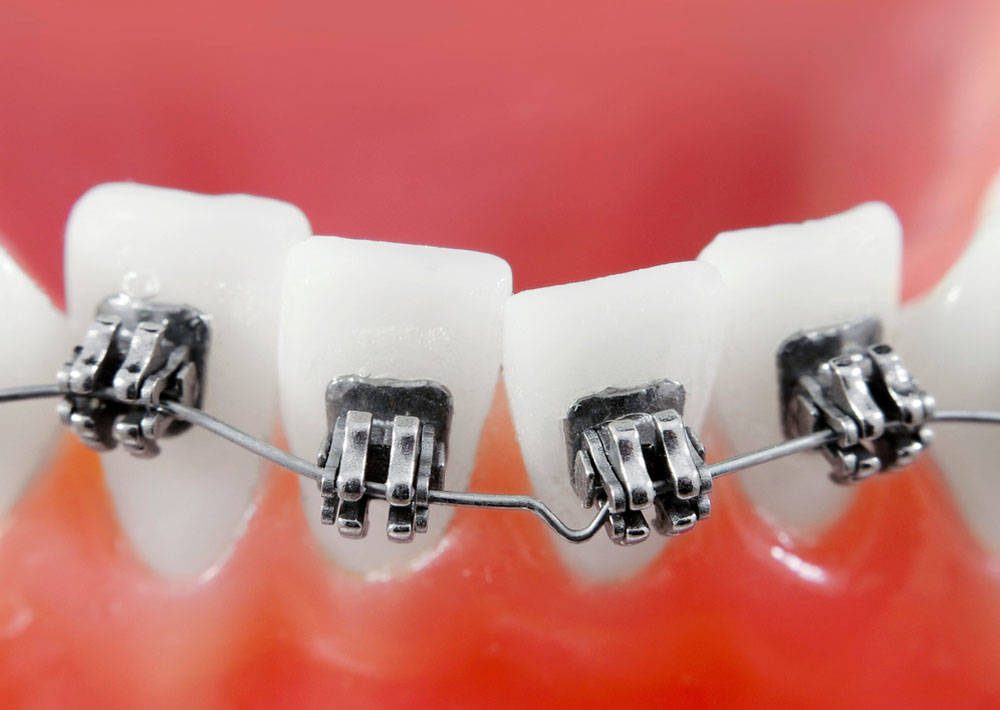
Metal braces are the most common type of braces for correcting misaligned teeth, and are typically made from high quality stainless steel or titanium. The components of metal braces include the brackets that physically attach to the teeth, bonding material like an adhesive to secure the brackets to the teeth, arch wire that connects the brackets together, and elastic which is typically referred to as O-ring material. In recent years, clear braces produced from plastic or ceramic have become a popular alternative to metal braces for cosmetic reasons. For a patient that requires braces, the preparation and application of braces are both expensive and time intensive. It is imperative that braces remain intact during application and during the patient's daily use of eating and drinking. Given the complexity of different patients and the multiple components and materials associated with braces, testing all parts and use cases can be overwhelming.

Our Solution 

Braces Testing

In order to test each component in a set of braces, we recommend using a Universal Testing System, such as the 6800 Series or 3400 Series systems with Bluehill® Universal software. Bluehill Universal's flexible user interface enables users to quickly set up different methods for tensile, compression, flex, peel, tear, and friction tests. This allows users to test the compressive strength properties of the brackets, peel properties of the adhesive, and tensile strength of both the metal wire and O-ring material. For testing the brackets, we recommend using 2-inch compression platens. When testing the adhesive, we recommend performing a 90° peel test with the adhesive bonded to substrates that mimic the tooth. Depending on the thickness of the metal wire, pneumatic cord and yarn grips may be the most preferred gripping solution for wire tensile tests. Finally, for testing the elastomeric O-ring material, Instron® offers a specialized O-ring fixture designed for measuring stiffness, strain, and ultimate tensile strength properties for a variety of O-ring sizes.

膝關節測試


Biomedical Testing


膝關節測試

面臨的挑戰

膝關節

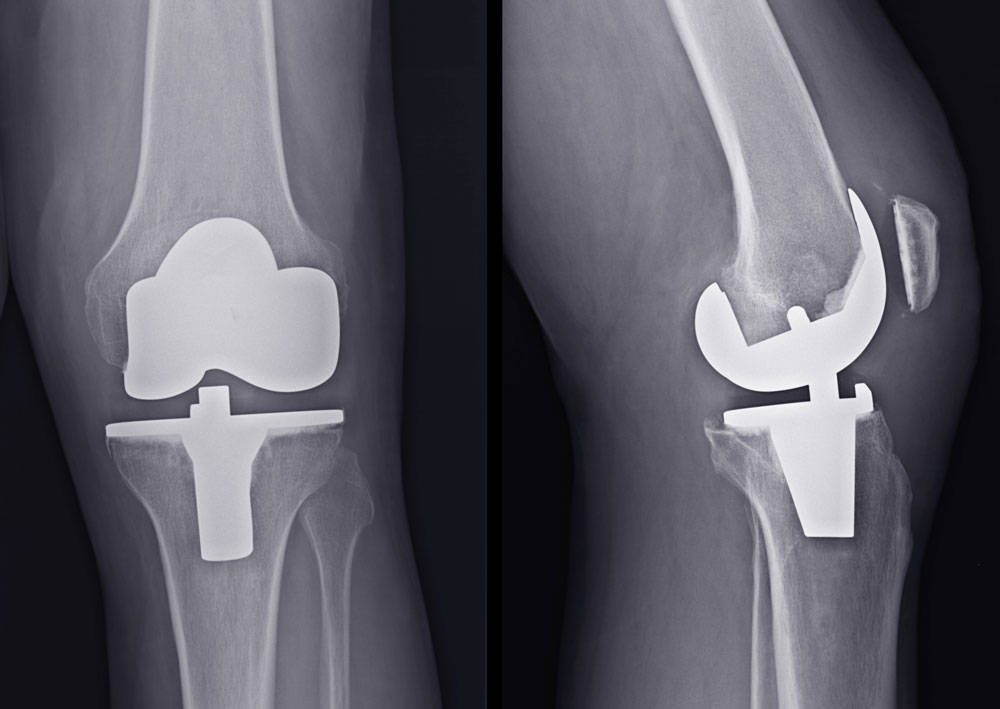
膝關節置換手術是全球提升生活品質的主要手術之一。脛骨平台疲勞斷裂是全膝關節置換(TKR)最常被報告的失效機制之一。其原因在於因磨耗誘發的骨溶解等生物反應,導致下方骨支撐流失。在此情況下,脛骨平台會變得在機械上不穩定,而正常行走所施加的循環載荷會造成疲勞裂紋,最終導致災難性失效。

我們的解決方案

膝關節測試

ElectroPuls 全電動動態試驗儀可在產品生命週期流程中協助設計人員、製造商與研究人員,從取得材料的基本性質(例如抗疲勞裂紋擴展能力),到測試整個脛骨平台等。我們使用夾持治具固定脛骨平台的一半,以模擬完全受支撐的髁部;接著對另一側未受支撐的髁部施加符合生理特性的載荷。透過我們獨特的 Dynacell 荷重元,可消除動態慣性誤差,例如由治具造成的誤差,以及在環境浴中測試時因流體動力效應所產生的誤差。如此可更準確量測施加於試樣的載荷。

隱形眼鏡測試


Biomedical Testing


隱形眼鏡測試

面臨的挑戰

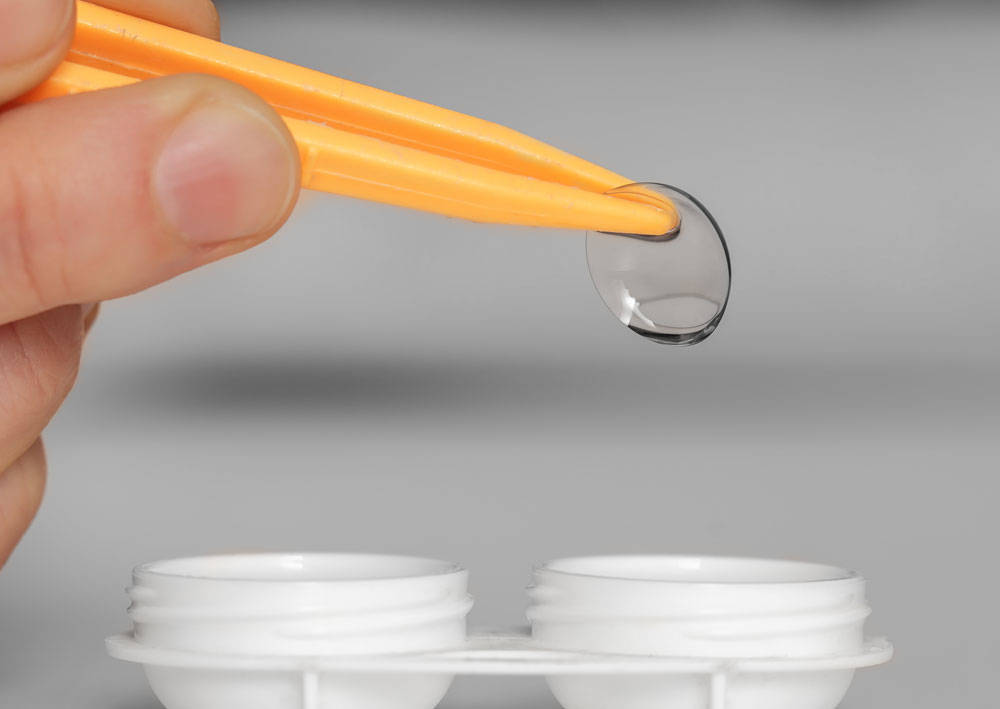
隱形眼鏡

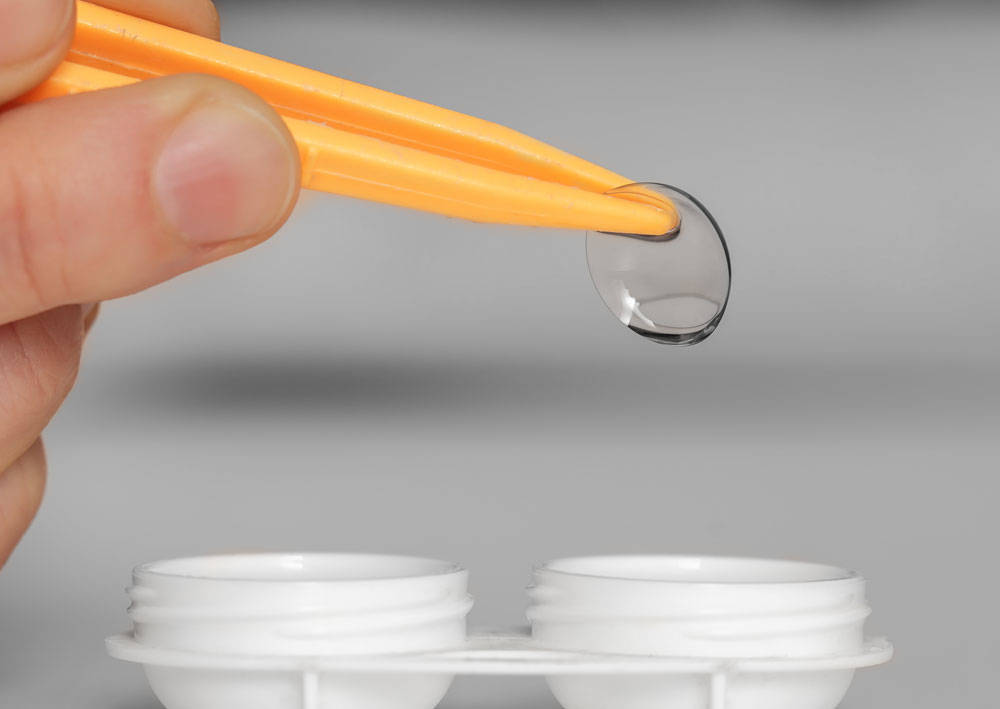
隱形眼鏡是全球最廣泛使用的醫療器材之一,主要用於視力矯正,也可用於美觀增強與修飾。其製造形式多樣,但最常見的是由柔軟的聚合物材料製成。由於軟式隱形眼鏡材料滑且不易操作,將試樣裝載至夾具中可能具有挑戰性,即使在非常低的力下也常見鏡片撕裂。為了最佳模擬其實際使用情境,隱形眼鏡應在符合生理相關的條件下進行測試,這需要在加熱至體溫的生理食鹽水浴中測試鏡片。

我們的解決方案

隱形眼鏡測試

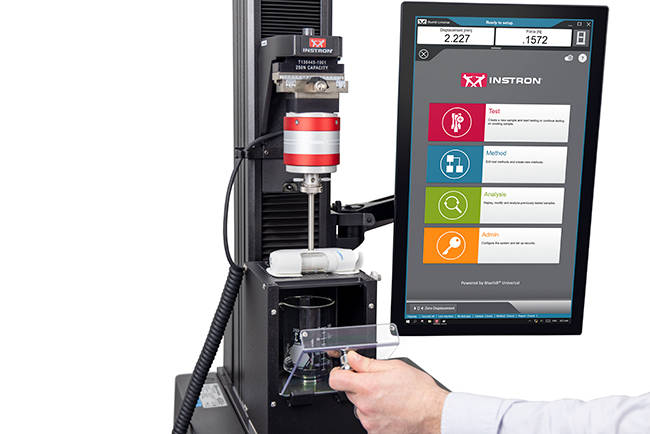
針對隱形眼鏡測試,我們建議使用配置萬能材料試驗系統,並搭配BioBath 250 N 可浸沒式氣動拉伸夾具與加長型 surfalloy 夾持面。加長的夾持面可讓使用者在有足夠操作空間的情況下,將小型鏡片置入夾具,同時使使用者能達到零夾距。鏡片可作為完整最終產品進行測試,也可裁切成條狀,或切片以進行褲形撕裂(trouser tear)類型的測試。另建議使用低力荷重元,以精確偵測試樣失效。250 N 氣動可浸沒式夾具及其連接至荷重元的拉桿,皆為在低力測試(如隱形眼鏡測試)時將浮力影響降至最低而設計。

髖關節植入物測試


Biomedical Testing


髖關節植入物測試

面臨的挑戰

髖關節植入物

手術後,正常活動可能會導致近端鬆動和應力遮蔽,進而引發異常的負載分佈。因此,測試時需要模擬試樣在體內所經歷的真實環境和負載。由於精確嵌入試樣的重要性,髖部股骨疲勞測試可能具有挑戰性。夾具必須能夠承受壓縮、彎曲和扭轉應力,以符合 ISO 7206 標準。這些測試的高頻率也帶來了挑戰,因為它們可能導致試樣升溫超過可接受的限值。

我們的解決方案

髖關節植入物測試

Instron® 提供試樣嵌入裝置,確保達到所需的偏移角度和嵌入深度。專用的耐腐蝕夾具可用於體內模擬測試。該組件配備溫度控制器和循環幫浦,透過自動降低測試頻率,確保溫度絕不超過可接受的限值。易於安裝的夾具包括低摩擦負載頭和用於將其安裝到 ElectroPuls 系統的轉接器。Instron WaveMatrix 軟體允許使用多種測試終止準則,例如運行特定的循環次數,或直到偵測到試樣失效(可透過多種方式判定)。透過此套裝方案,您可以充滿信心地進行測試,並達到或超越 ISO 7206-4、7206-6 和 7206-8 的要求。

眼部植入物測試


Biomedical Testing


眼部植入物測試

面臨的挑戰

眼部植入物

人工水晶體(IOL)是一種合成的人工晶狀體,置入患者眼內,最常見於白內障手術後。當患者的天然晶狀體因疾病而被移除時,眼睛重新對焦的能力便會喪失。IOL 最常由聚(甲基丙烯酸甲酯)(PMMA)、矽膠、壓克力及其他可使其易於折疊並植入眼內的軟性材料製成。手術過程中,IOL 不得破裂或撕裂至關重要,因為即使是最微小的裂口也可能讓患者非常不適。IOL 測試的主要挑戰之一,是模擬手術中所經歷的折疊行為,以及夾持這些小巧、約硬幣大小的裝置。

我們的解決方案

眼部植入物測試

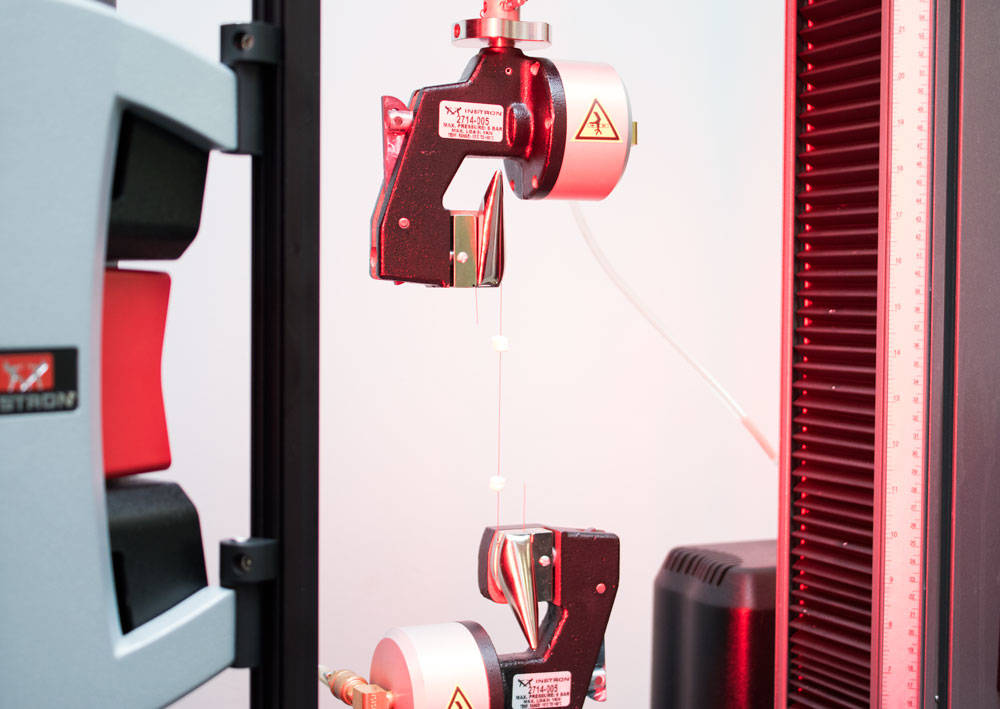
在進行 IOL 測試時,我們建議使用 TestProfiler 模組執行簡單的循環測試,使 IOL 同時承受拉伸與壓縮。測試系統方面,我們建議使用 6800 Series 萬能材料試驗系統、纖維夾具,以及低力值荷重元,例如 10 N load cell。此外,我們建議搭配 USB 顯微鏡使用 Bluehill® Universal’s TestCam 功能,讓使用者可放大測試試樣、錄製測試並於測試後回放影像。使用至少 10 倍放大的 USB 顯微鏡,可協助使用者偵測肉眼可能看不見的微小裂口。

Bone Screw Testing

Biomedical Testing

Bone Screw Testing

The  Challenge

Bone Screw

Bone screws are used in surgical procedures for securing implants, osteosynthesis devices, and fracture fixation plates to the skeletal system. In normal clinical use, a surgeon applies combined axial and torsional forces to the bone screw as it is implanted within the body. Manufacturers and scientists test bone screws to determine various mechanical properties when evaluating new materials and designs. The most common standard for testing bone screws is ASTM F534. The standard consists of a total of four testing annexes: axial tests, torsion only tests, or a combination of both linear and torsion tests. ASTM F543-17 Test A1 - Test Method for Determining the Torsional Properties of Metallic Bone Screws requires the screw to be sufficiently clamped and a rotational velocity between 1 and 5 rpm to be applied until specimen failure, and to measure the torque profile and the rotational angle. ASTM F534-17 Test A2 - Test Method for Driving Torque of Medical Bone Screws measures the torque required to insert and remove the screw with a constant rotational velocity between 1 and 5 rpm while maintaining an axial load of no more than 10 N in compression. ASTM F543-17 Test A3 - Test Method for Determining the Axial Pull-Out Strength of Medical Bone Screws measures the force required to axially remove the screw that has been fully inserted in the test block using the method from Test A2. The pull-out fixture then applies a tensile load at a constant rate of 5 mm/min until the failure of the bone screw or removal from the test block. ASTM F543-17 Test A4 - Test Method for Determining the Self-Tapping Performance of Self-Tapping Medical Bone Screws specifies the procedure to evaluate the axial loading required to engage a self-tapping bone screw into a standard laboratory material. Although considered a simple clinical procedure, reproduction of this in vitro results in a relatively complex motion due to the interaction between the rotation and linear axes of a test machine. The test requires a continuous rotational velocity of up to 30 rpm while the axial load is incremented during the insertion at a rate of 2 N/s. The objective of this test is to record the torque profile as the bone screw is inserted into the material and then removed.

Our Solution 

Bone Screw Testing

To perform bone screw testing to ASTM F543, either an electromechanical system with a Torsion Add-On 3.0 , or an ElectroPuls™ Linear-Torsion system can be used. The Torsion Add-On 3.0 can be added to any new or existing 6800 Series single column or dual column table top testing machine to add rotational capabilities. The ElectroPuls E10000 and E3000 Linear-Torsion test systems are all-electric dynamic testing systems that provide a unique linear and torsion actuator system that is capable of synchronized linear and multi-rotation testing, which makes them ideal platforms for performing the full range of tests prescribed by the standard. For both the electromechanical system and ElectroPuls system, a bi-axial Dynacell load cell is mounted to the base of the machine. Using WaveMatrix™ dynamic test software on the ElectroPuls system, a user is able to control both axial and rotational axis in closed-loop control. This gives the user the ability to easily set up the multi-axial tests as a series of steps, and displays the required information as the test proceeds. Special fixtures are used to clamp the material to the biaxial load cell, and a drill chuck is used for the drive bits.

Hard Tissue Testing

Biomedical Testing

Hard Tissue Testing

The Challenge

Hard Tissue

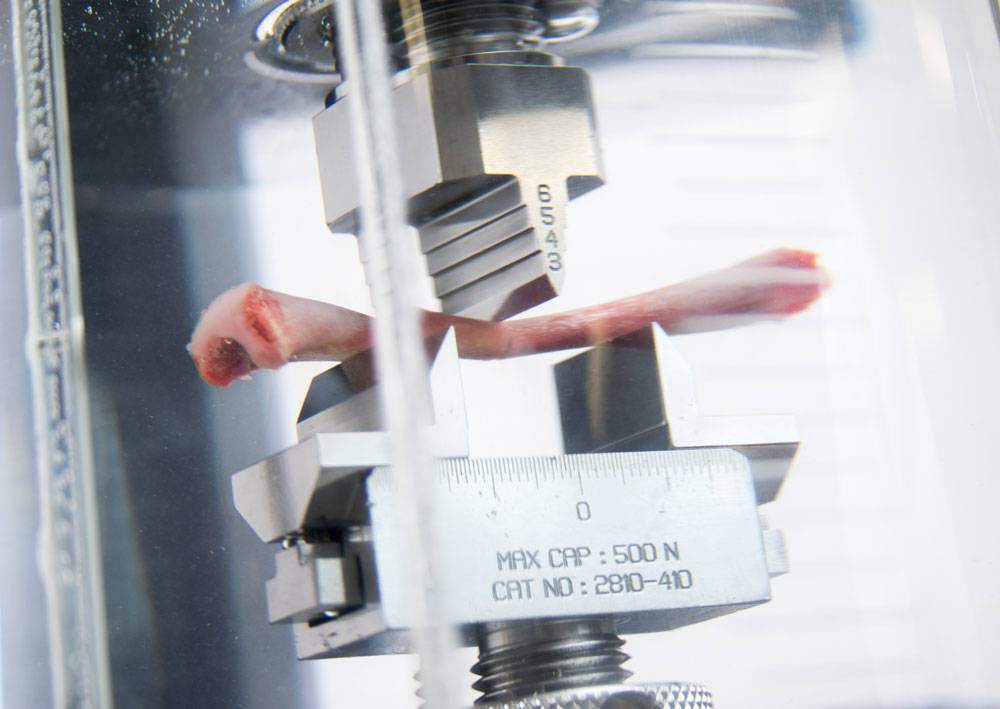
Bone, dentin, and dental enamel are all considered to be hard tissues. Specimens of this type are most commonly tested in compression and flexural. The most common results obtained from a compression or flexural test on hard tissues is modulus and force at fracture. Typically, these specimens come from mice, rats, or other mammals and are small in size. Despite being small in size, hard tissues have high stiffness. A typical challenge with measuring modulus is accurate measurement of displacement. For a given force, a hard tissue such as bone will exhibit small displacement. In addition to compression testing, 3-point and 4-point bend tests are common to quantify force at fracture on bone sections. Often, this testing must be conducted at physiologically relevant test conditions, such as in a hydrated bath and at body temperature.

Our Solution 

Hard Tissue Testing

When conducting compression testing on hard tissues, it is critical that users choose appropriately sized compression platens to closely match specimen size, ensure the compression platens are spherically seated or self-aligning to apply even pressure on the specimen, and use an accurate source to measure system displacement. For example, an accurate measurement source of displacement could be via compliance correction in the software, or by using a strain measuring device, such as a linear variable deflection transducer (LVDT) or a video extensometer. When testing flexural specimens, it is critical that the anvils on the flexural fixture are appropriately sized to the specimen and that the flexural fixture properties, such as span length, are easily entered into the software.

骨折固定裝置測試


Biomedical Testing


骨折固定裝置測試

面臨的挑戰

骨折固定

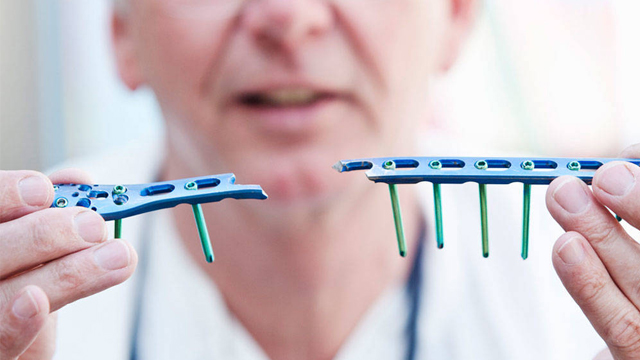
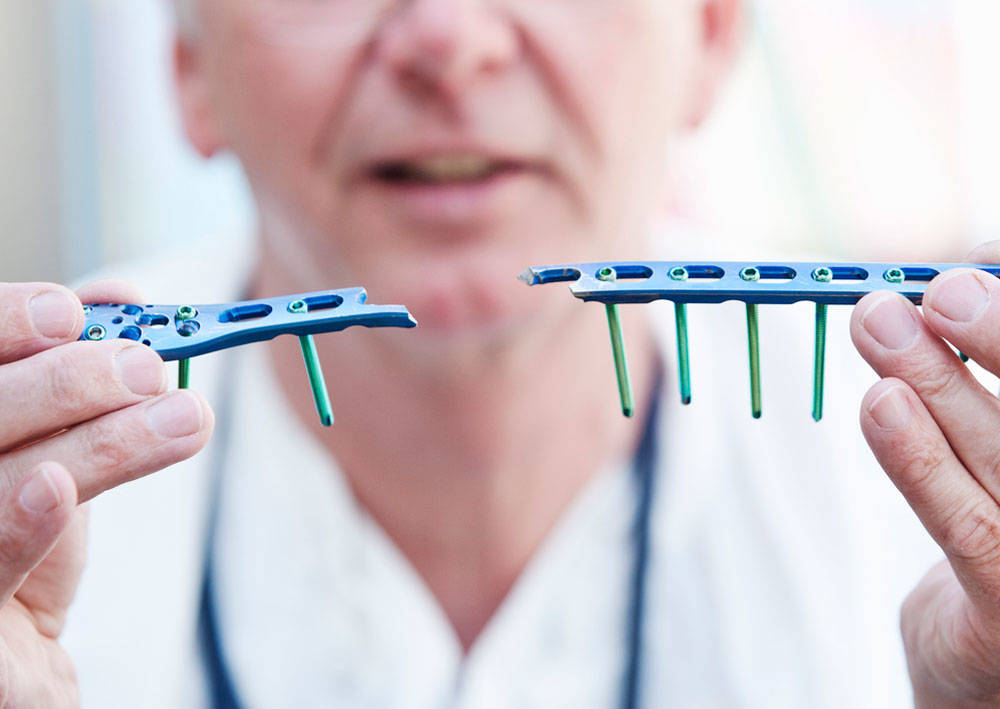
骨折固定板用於固定骨折或嚴重斷裂的骨骼。這些固定板通常由鈦或不鏽鋼製成。兩者都具有與原生骨骼相似的機械性質,包括剛度和極限抗拉強度。這些固定板通常具有不規則的幾何形狀,並有多種尺寸,以適應體內不同部位的骨折。例如,用於固定股骨骨折的固定板與用於腳踝、手指或下顎的固定板截然不同。骨折固定板的不規則幾何形狀和尺寸範圍使其成為具有挑戰性的測試組件。此外,在大多數情況下,這些固定板會終身留在患者體內,且必須能夠承受人體數十年的動態運動。

我們的解決方案

骨折固定裝置測試

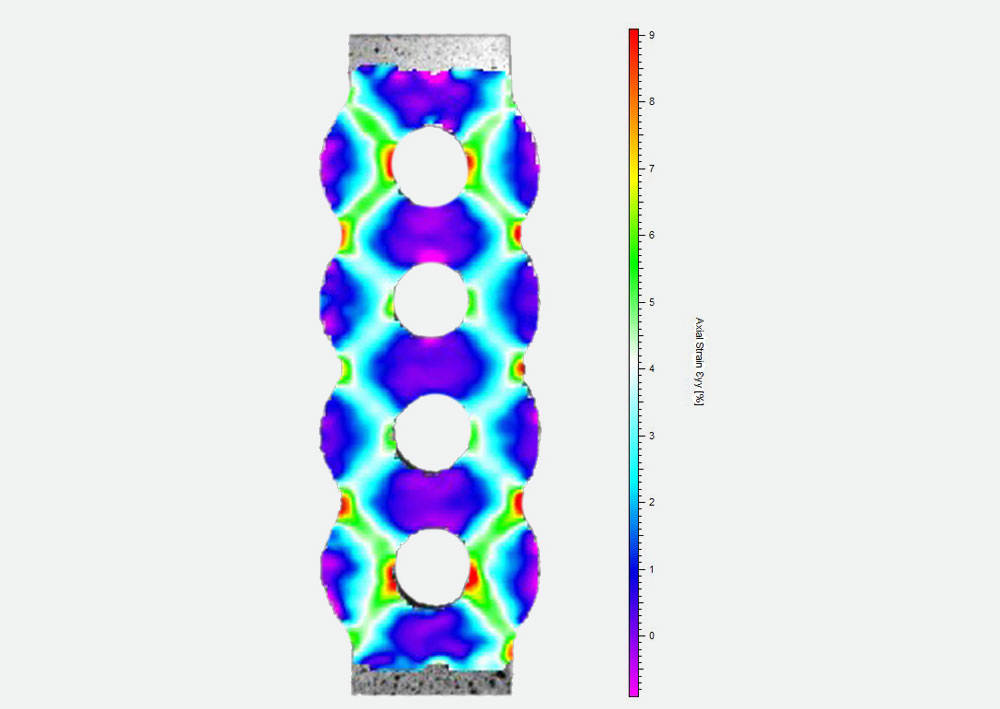
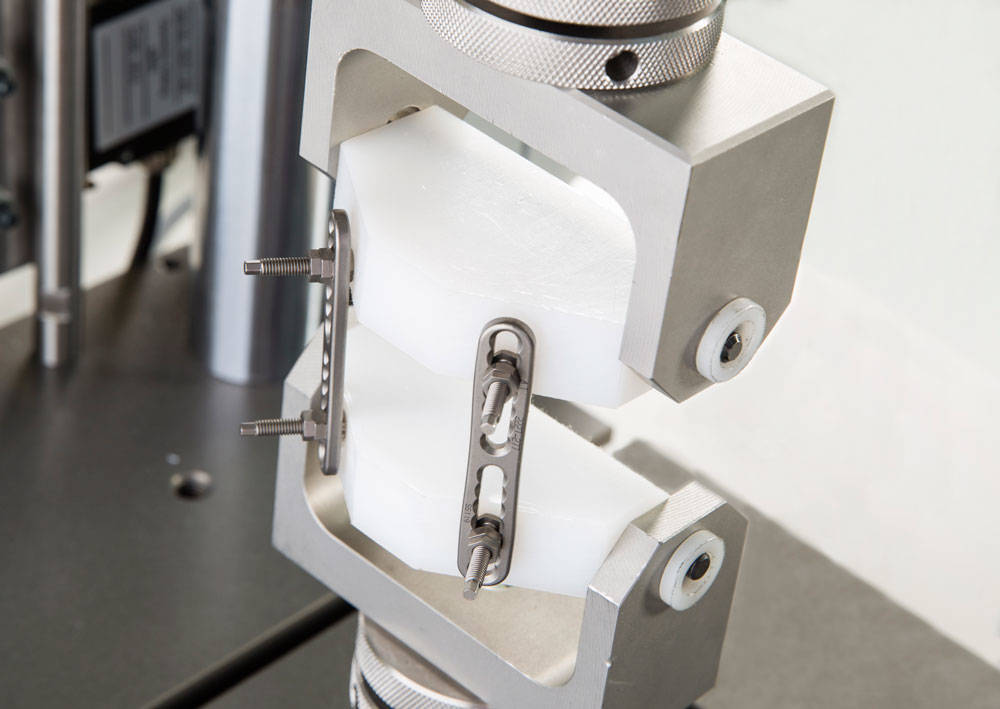
為了瞭解骨折固定板的機械性質,需要進行一系列靜態和動態測試。單向彎曲、拉伸和壓縮測試對於瞭解模數和極限抗拉強度是必要的。鑑於骨折固定板的不規則幾何形狀,測量應變是一項挑戰。通常會進行 2D 和 3D 建模技術(例如有限元素分析),以瞭解骨折固定板的全場應力和應變特性。對於單向拉伸、壓縮或彎曲測試,我們的 數位影像相關 (DIC) 軟體搭配 進階影片伸長計 (AVE),可讓研究人員和科學家將這些固定板的全場應變特性視覺化並量化。對於所有疲勞測試,我們建議使用我們的 ElectroPuls 系統。具體而言,我們推薦 E3000 或 E10000 Linear-Torsion 測試系統。能夠同時在軸向載荷和扭轉載荷下測試固定板,最能代表人體內的真實載荷情況。

Hydrogel Tensile Testing

Biomedical Testing

Hydrogel Tensile Testing

The Challenge

Hydrogel Tensile

Hydrogel testing is most commonly done in both tension and compression. Compression testing on hydrogels poses less of a challenge, as many hydrogels are compliant and compress easily under load. The natural compliance of hydrogels becomes more of a challenge in tensile testing, as these materials can be difficult to grip and exhibit high elongation. Gripping hydrogels with too much pressure typically displaces the material out of the grip faces, which makes gripping ineffective. In addition, a traditional contacting extensometer is not a viable option considering the soft properties of hydrogels. Given the viscoelastic properties of these materials, test speed will greatly affect results, such as force at break and elongation at break. 

Our Solution 

Hydrogel Tensile Testing

When testing hydrogels in compression and tension, most common forces at failure are below 100 N. Given the low forces obtained in hydrogel mechanical testing, it is important that an accurate load cell is used. This can be especially tricky in a compression test as many users restrain from using low capacity load cells out of fear that they will overload the load cell if the compression platens begin to touch during a test. To prevent this from happening, it is imperative that safety limits are set and that the end of test criteria is set to the load cell capacity in the software. For tensile testing, Instron® offers a range of low force grips, including spring loaded, screw side action action, and pneumatic side action grips. Given the compliant nature of hydrogels, often sandpaper needs to be used to increase friction at the gripping contact points. When accurate measurement of strain is required, we recommend using our Advanced Video Extensometer

脊椎植入物測試


Biomedical Testing


脊椎植入物測試

面臨的挑戰

脊椎植入物測試

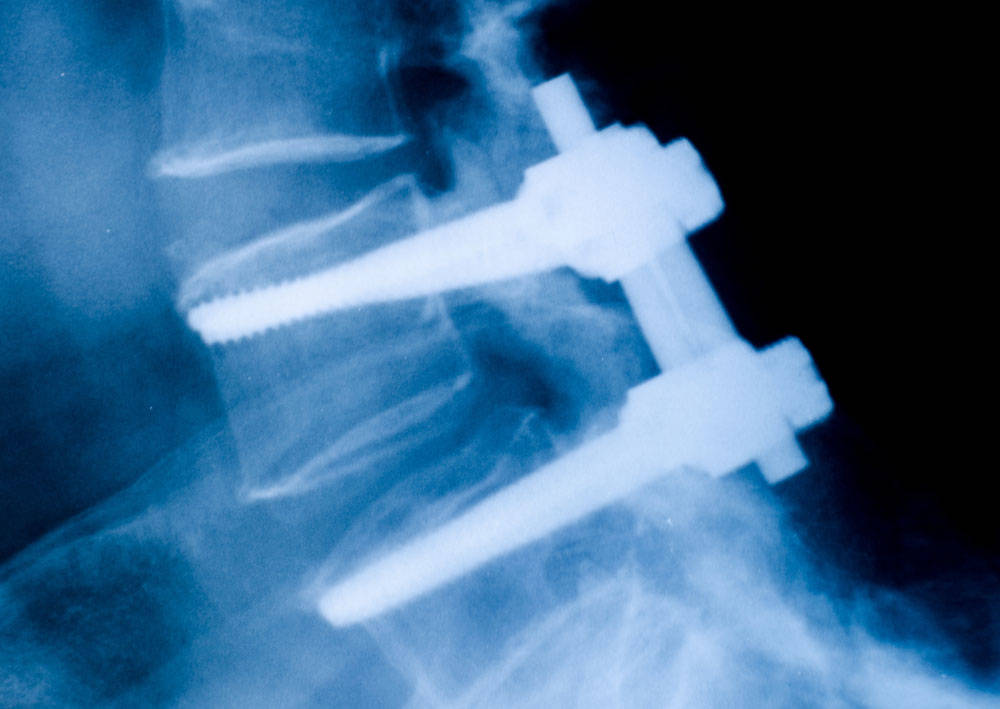
脊椎構造的使用壽命測試至關重要,因為疲勞失效比災難性失效更為常見。在正常的患者活動期間,脊椎構造可能會承受較高的體內負荷,這可能導致災難性失效。進行循環測試是為了評估發生疲勞失效所需的循環次數。負荷通常以恆定振幅、負載控制的正弦波形施加,運行次數超過 500 萬次。同時也會進行簡單的靜態測試,以評估導致脊椎骨折所需的負荷。

我們的解決方案

脊椎植入物測試

推薦使用 Instron® 線性扭轉 ElectroPuls 系統,因為它允許使用者在單台機器上根據 ASTM F1717-12 標準完成靜態和動態測試。專用的脊椎夾具可以輕鬆安裝到此系統上,並可選擇在底座上安裝鹽水浴槽進行體內測試。使用浴槽時,力傳感器設計為安裝在致動器上,並利用 Instron 專利的 Dynacell 技術進行慣性補償。Instron 專利的基於剛度的調諧演算法可確保出色的波形保真度,即使對於非線性試樣也是如此。

Bioadhesives Peel Testing

Biomedical Testing

Bioadhesives Peel Testing

The Challenge

bio adhesive

Adhesives are widely used in the medical device industry for dental implants, bone cements, and wound closure products. Wound closure products include tissue adhesives that can be found in bandages, secondary dressings, and a variety of surgical sealants. The adhesive strength of these products must be well defined. An adhesive that isn’t strong enough may result in a wound that heals poorly, or it can lead to an infection. If an adhesive is too strong, it may damage the underlying tissue or cause the patient unnecessary pain when removing. A fundamental challenge with testing bio adhesives is characterizing adhesive strength in physiologically relevant conditions. 

Our Solution 

Bioadhesives Peel Testing

Soft tissue substrates should be tested under physiologically relevant conditions, most preferable in a bath or temperature controlled enclosure at 37°C. The BioBath with submersible pneumatic grips is recommended. The grips and pull rod that attach to the force transducer are designed to minimize buoyancy chances during low force testing. We also recommend a low capacity load cell, given that adhesive strength for biological applications is typically under 10-20 N. Bluehill® Universal's Peel, Tear, Friction Module is ideal for this test type in order to measure first peak force, average force over the seal, and average force per width of the specimen. 

心臟節律器測試


Biomedical Testing


心臟節律器測試

面臨的挑戰

心臟節律器

節律器是一種小型電子裝置,植入於患者鎖骨下方,可協助患者的心臟更規律地跳動。其由三個主要部分組成:脈衝產生器、一條或多條導線,以及每條導線上的電極。脈衝產生器由一個小型外殼構成,內含電路、電池,以及用於調節傳送至心臟之電脈衝的電腦晶片。導線為一條具絕緣層的電線,連接至脈衝產生器並延伸至心臟的一個腔室。導線末端的電極與心臟壁接觸,負責將電脈衝傳遞至患者心臟。鑑於節律器的每個元件對其功能皆至關重要,這三個元件都必須接受嚴格測試。各式測試(包括對微電子元件進行剪切測試、對電池進行壓縮測試,以及對導線進行拉伸測試)若僅使用一套系統,往往難以全面滿足需求。

我們的解決方案

心臟節律器測試

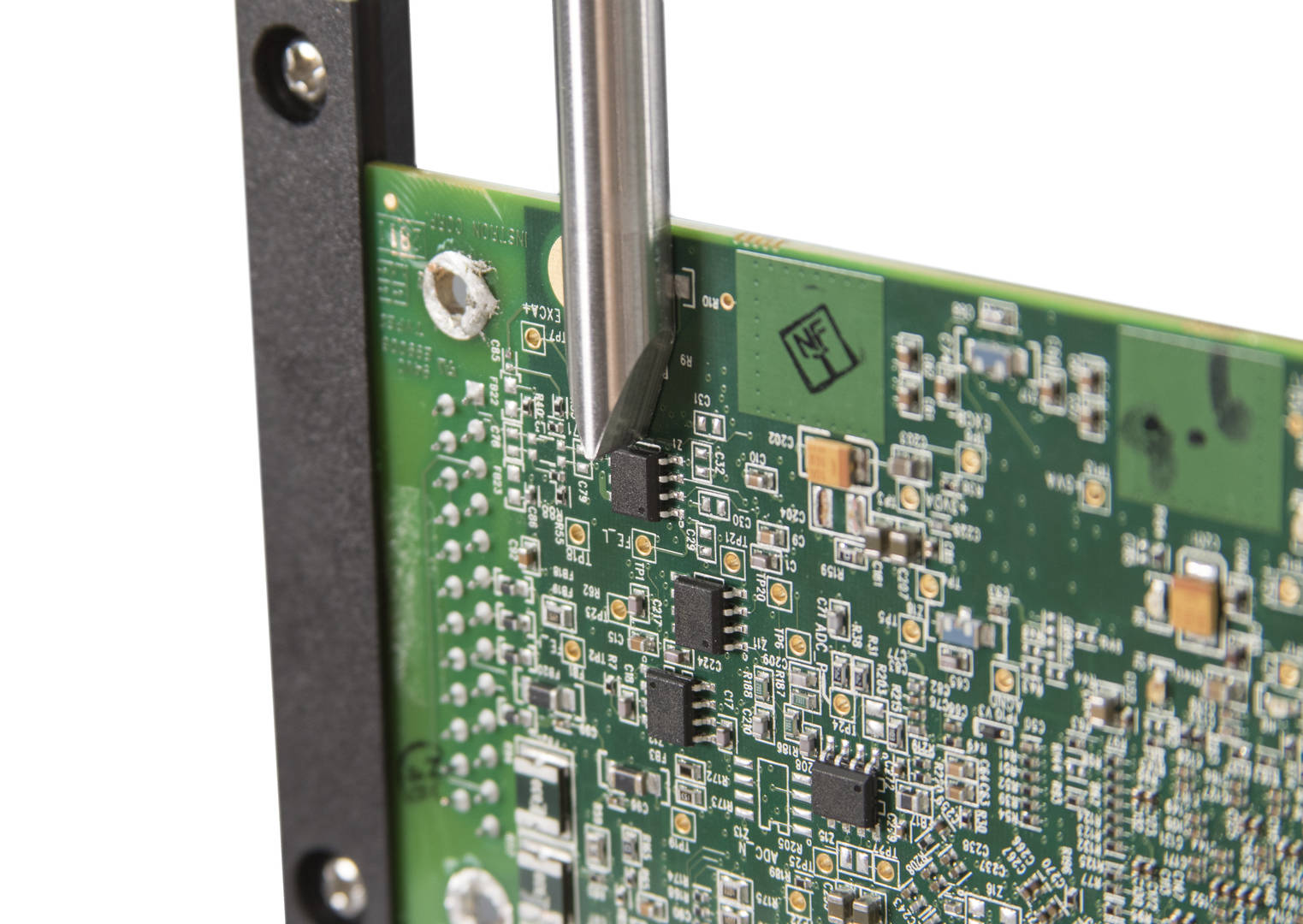
Instron® 6800 系列試驗系統,搭配 Bluehill® Universal 軟體與 TestProfiler 模組,代表目前市面上功能最強大的萬能材料試驗機之一。軟體的彈性讓使用者能以簡便方式編寫多種不同方法,包括拉伸、彎曲、壓縮、剝離、撕裂與摩擦等。此外,Instron 的工程解決方案團隊已與多家電子公司及醫療器材公司合作,開發專用夾具,包括特殊剪切夾具與微彎曲夾具。另外,我們建議在導線拉伸測試中使用氣動式線材與紗線夾具

支架測試


Biomedical Testing


支架測試

面臨的挑戰

支架

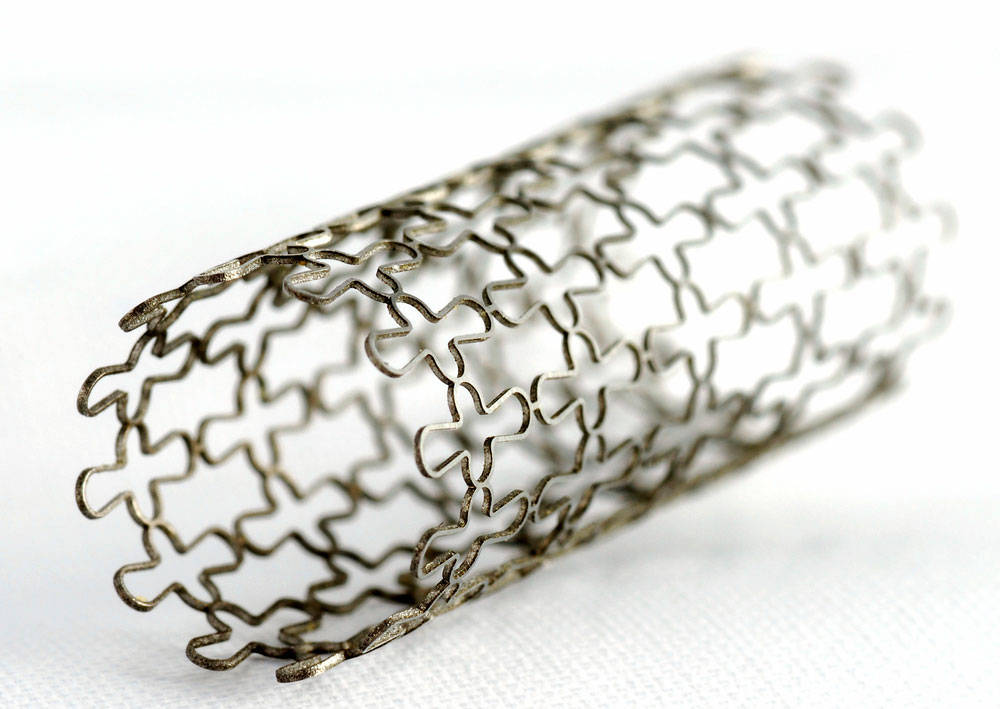
支架的機械測試涵蓋多種不同試驗,包含靜態與疲勞方法。支架最常以鎳鈦合金(Nitinol)線材製成,必須依 ASTM F2516 以簡單的循環試驗進行測試。另一項常對支架進行的靜態試驗為依 ASTM F2606 進行的彎曲試驗。除了原材料測試外,支架本體的菱形結構也常在位置控制下以 60 Hz 進行疲勞測試。整個支架本體通常也會以徑向壓縮作為靜態試驗,並以脈動疲勞或循環疲勞作為動態試驗。鑑於單一支架需要進行如此多樣的機械測試,往往難以選擇能夠執行盡可能多項試驗的合適測試系統。

我們的解決方案

支架測試

針對所有靜態測試(包含依 ASTM 2516、ASTM F2606 的測試,以及對完整支架本體進行的徑向壓縮測試),我們建議使用 6800 Series 萬能材料試驗系統。當依 ASTM 2516 測試鎳鈦合金(Nitinol)線材時,我們建議使用 Advanced Video Extensometer 以進行精準的應變量測。當對完整支架本體進行徑向壓縮測試時,Instron® 與 Machine Solutions Inc.(MSI)合作提供專用夾具。徑向壓縮夾具可安裝於任何 Instron 68TM tseting system,並可使用標準 Bluehill® Universal 軟體控制試驗。

針對所有疲勞試驗(包含對支架本體菱形結構的測試,或在循環伸長控制下對整個支架進行測試),我們建議使用 ElectroPuls® 測試系統。

牙科植體測試


Biomedical Testing


牙科植體測試

面臨的挑戰

牙科植體

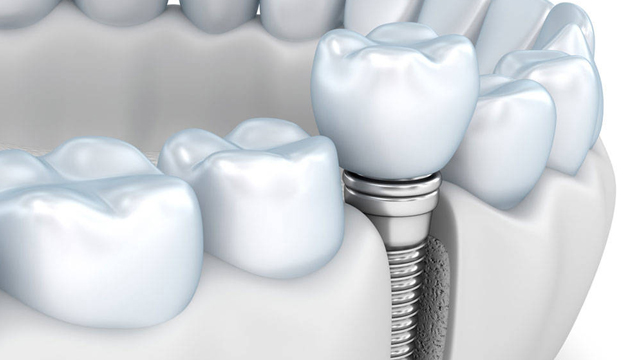
為了改善與牙齦的接觸以及與骨骼的融合,植體的形狀和所使用的材料正不斷地被研究。因此,不同製造商設計的牙科植體往往存在許多差異。此外,植體的大小和形狀會根據其應用和在口腔中的放置位置而有所不同。這在測試試樣以及比較材料和設計時帶來了挑戰。

我們的解決方案

牙科植體測試

針對各種植體尺寸和幾何形狀,角度型牙科植體可以安裝到 Instron® 牙科可變角度夾具中進行測試。該夾具可確保安裝既不會過度約束植體,也不會產生可能損壞荷重元或測試機的巨大側向力。與直型牙科植體一樣,如果預期會發生腐蝕疲勞,預角化牙科植體也可以在水性環境中進行測試。夾具可以安裝在 流體浴槽 中,在維持 37°C 溫度的同時,於鹽水溶液或其他生理介質中測試植體。