Instron

血栓过滤器径向力评估

Biomedical Testing » Implantable Devices

血栓过滤器径向力评估

Radial Strength Testing of Stent Grafts and Vascular Devices

색전 필터(Embolic filters )는 스텐트(stent)와 같은 의료기구의 사용에 따른 파편을 걸러주기 위한 다양한 중재적 시술(interventional procedures)에 사용됩니다. 스텐트는 플라크(plaque)에 의해 막힌 동맥의 통로를 열어 주는데 사용됩니다. 스텐트의 위치를 잡을 때에 떨어진 플라크(또는 색전 물질)들이 잠재적으로 심장마비, 뇌졸중, 신장 손상 또는 사망에까지 이르게 할 수 있습니다. 이 색전 필터는 성공적인 시술을 위한 매우 중요한 부분입니다.

이 필터의 적합한 사용을 위한 매우 중요한 요소 중의 하나는 동맥 벽면에 전달되는 반지름 방향의 힘입니다. 특히 필터가 장기간 가해주는 장기적인 반지름 방향의 힘은 그 기구들이 제자리에 남아있도록 도와 줍니다. 이렇게 잘 맞아야 모든 물질들이 동맥의 통로를 따라 나가기 전에 잡아낼 수 있습니다.

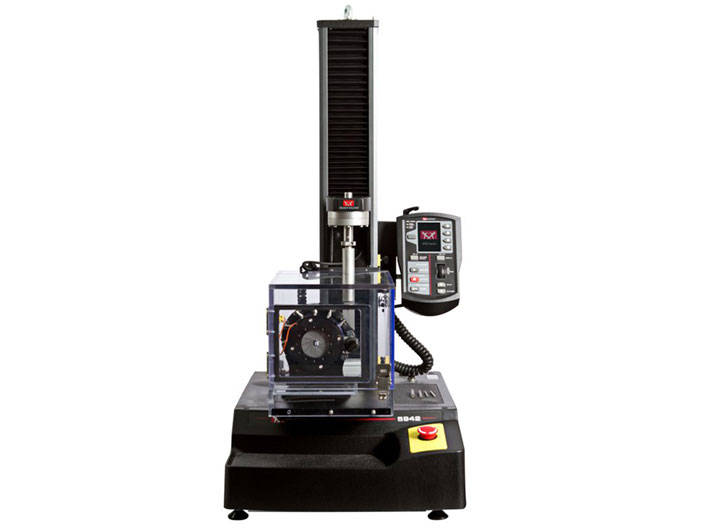
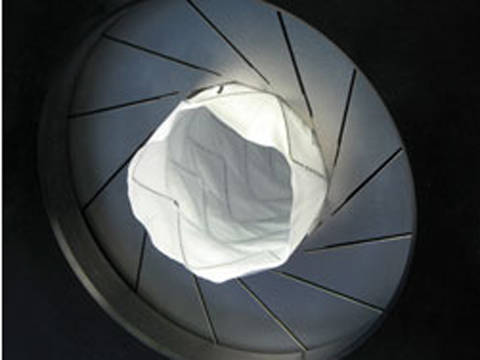
Instron® RX550 시스템은 색전 필터의 작은 반지름 방향 확장력을 충실히 측정합니다. 이 치구의 독특한 분할식 디자인은 마찰력이 낮아서 방사형 시험에서 얻은 데이터들이 깨끗한 결과를 나타내도록 해 줍니다. 이 방사형 치구는 기계식 만능재료시험기에 장착되며  체온의 정확한 시뮬레이션을 위하여 액체조(fluid bath)에도 장착할 수 있습니다. 또한 이 장비는 전개하는 동안의 인열 특성을 평가하기 위한 인장 시험 능력도 갖추고 있습니다.

Bluehill® Software 는 시험을 진행하기 위한 인터페이스를 제공하며 반지름 방향 강도를 측정하고 관리기관에 제출하기 위한 표준 보고서를 작성해 줄 수 있습니다.

문헌

3400 시리즈 – 경제적인 테스트 솔루션

인장, 압축, 굽힘 및 기타 재료 특성 테스트를 위한 Instron 3400 시리즈 범용 테스트 시스템.

  • 제품소개
  • 06/27/2022
  • 2.49 MB

6800 시리즈 프리미어 시험기 브로셔

Instron 6800 시리즈 만능 시험기는 최고의 정확도와 신뢰성을 제공합니다. 6800 시리즈는 완전히 새로운 Smart-Close Air Kit 및 Collision Mitigation 기능이 있는 특허 출원 중인 Operator Protect 시스템 아키텍처를 기반으로 하며, 그 어느 때보다 간편하고 스마트하며 안전한 소재 시험을 가능하게 합니다.

  • 제품소개
  • 02/10/2020
  • 3.56 MB

스텐트 그래프트(stent grafts)의 반지름 방향 힘의 측정

Biomedical Testing » Implantable Devices

覆膜支架的径向力估算

覆膜支架用于治疗很多种类的外周围动脉、和腹部及胸主动脉病变问题,如腹主动脉瘤(Abdominal Aortic Aneurysms,AAA)。覆膜血管支架在腹主动脉瘤治疗中取得的成功激励了人们在胸降主动脉瘤治疗中采用类似的技术。放弃治疗或采用传统治疗方法(通过复杂的胸外科手术)的微动脉瘤患者的存活率通常非常低.

覆膜支架的优势在于:手术时间较短,避免大的胸部或胸腹切口,并且复发率和死亡率显著降低。为了保证此类手术的成功,特别是在前面的胸降主动脉案例中,医生必须准确地放置支架植入物并确保其不移动。

因为主动脉的生理性运动很显著,典型覆膜支架植入物的安全植入与恰当的选型和尺寸密切相关。

另外,支架植入物的直径较冠状动脉支架大很多(30+mm与2-3mm)。正确估算支架植入的径向强度能帮助制造商确保其医疗器械在植入体内后的有效性和可靠性。

我们的RX650可以灵活的适用于直径超过40mm,长度超过200mmd的覆膜支架植入物。不同于采用可能会导致覆膜支架植入物意外变形的加压钢板或者V形块的夹具装置, RX系统利用低摩的分片式方法,更精准的测量径向力。夹具装置可以进行定制以适用于特殊的标本类型,可为整个支架或支架尾部固定的径向强度和刚度测量。虽然本系统室温测试可提供非常好的可对比的结果,本系统可配备一个环境舱来模拟体温环境。

문헌

6800 시리즈 프리미어 시험기 브로셔

Instron 6800 시리즈 만능 시험기는 최고의 정확도와 신뢰성을 제공합니다. 6800 시리즈는 완전히 새로운 Smart-Close Air Kit 및 Collision Mitigation 기능이 있는 특허 출원 중인 Operator Protect 시스템 아키텍처를 기반으로 하며, 그 어느 때보다 간편하고 스마트하며 안전한 소재 시험을 가능하게 합니다.

  • 제품소개
  • 02/10/2020
  • 3.56 MB

Contact Lens Testing

Biomedical Testing » Implantable Devices

Contact Lens Testing

The Challenge

Contact Lens

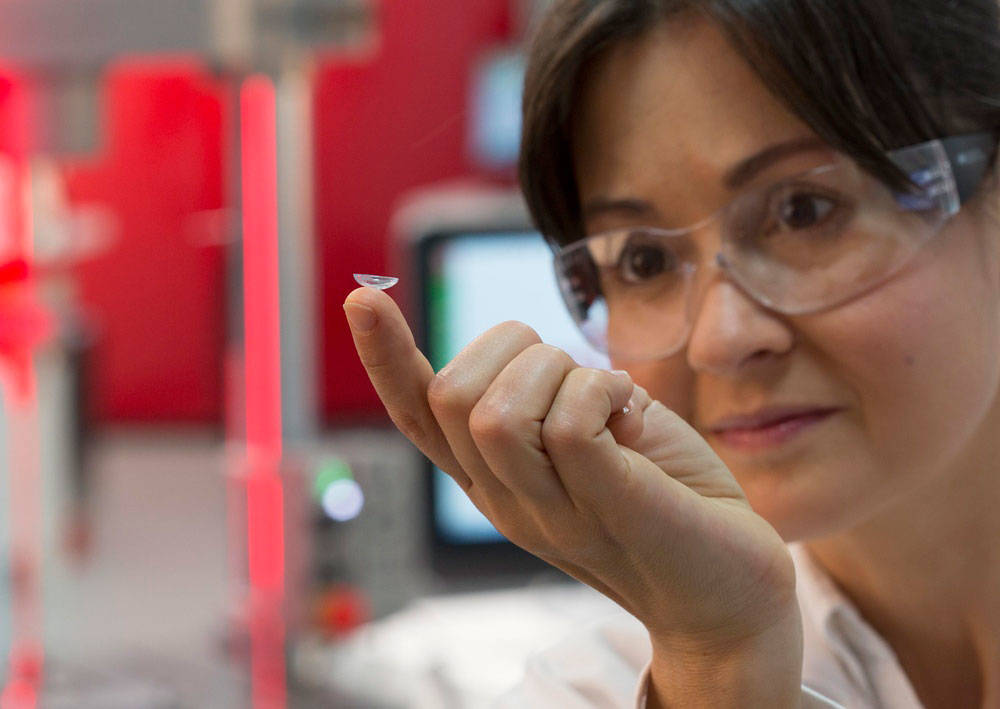
Contact lenses, one of the most widely used medical devices in the world, are primarily used for eyesight correction, but also for aesthetic enhancements and modifications. They are manufactured in a variety of forms, but are most commonly made from soft polymeric materials. Because soft contact lens material is slippery and delicate to handle, loading the specimen into grips can be challenging, and tears in the lens are common even under very low forces. To best simulate how they will be used, contact lenses should be tested in physiologically relevant conditions, which requires the lenses to be tested in a saline bath, heated to body temperature.

Our Solution

Contact Lens Testing

For testing contact lenses, we recommend using a Universal Testing System configured with the BioBath, 250 N submersible pneumatic grips, and extra long surfalloy grip faces. The long grip faces enable the user to insert the small lens into the grips with enough room to maneuver, while allowing the user to achieve zero grip separation. The lenses can be tested as full final products, cut into strips, or sliced to perform a trouser tear type of test. A low force load cell is also recommended to accurately detect specimen failure. The 250 N pneumatic submersible grips and associated pull rod that attach to the load cell are both designed to minimize buoyancy chances during low force testing, such as contact lens testing.

Ocular Implant Testing

Biomedical Testing » Implantable Devices

Ocular Implant Testing

The Challenge

Occular Implants

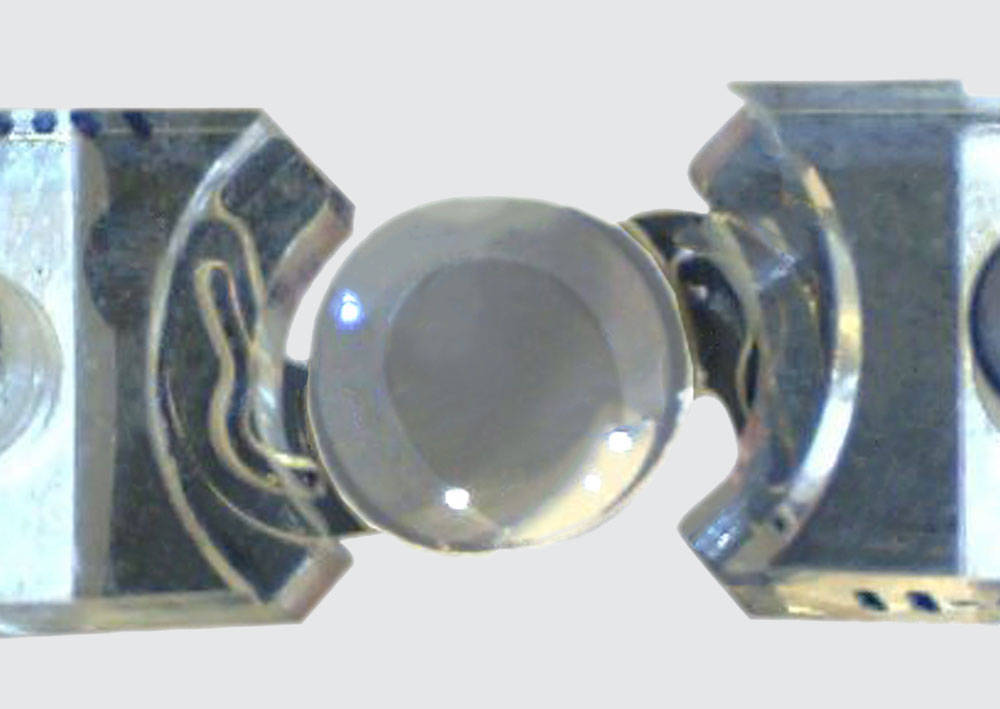
An intraocular lens (IOL) is a synthetic, artificial lens that is placed inside a patient’s eye, most typically after cataract surgery. When the patient’s natural lens is removed due to disease, the eye’s ability to refocus is lost. IOLs are most commonly made from Poly(methyl methacrylate) (PMMA), silicone, acrylic, and other soft materials that enable them to be easily folded and inserted into the eye. During surgery, it is imperative that IOLs do not rip or tear, as even the smallest tear can be very uncomfortable for the patient. Some of the biggest challenges with testing IOLs are simulating the folding behavior experienced during surgery, and gripping these small, dime-sized, devices.

Our Solution 

Ocular Implants Testing

For testing IOLs, we recommend using the TestProfiler module to conduct a simple cyclic test that puts the IOL in both tension and compression. For test systems, we recommend using a 6800 Series universal testing system, fiber grips, and a low force load cell, such as a 10 N load cell. In addition, we recommend using Bluehill® Universal’s TestCam feature paired with a USB microscope, which enables users to magnify their test specimen, record the test, and playback the footage post-test. Using a USB microscope with at least 10x helps the user detect any small sized tears that may not be visible with the naked eye.

Heart Pacemaker Testing

Biomedical Testing » Implantable Devices

Heart Pacemaker Testing

The Challenge

Heart Pacemaker

A pacemaker is a small electronic device, implanted under a patient’s collarbone, which helps a patient’s heart beat more regularly. It's composed of three main parts: a pulse generator, one or more leads, and an electrode on each lead. The pulse generator consists of a small case that contains circuitry, a battery, and a computer chip that regulates the electrical impulses sent to the heart. The lead is an insulated wire that connects to the pulse generator and extends to one of the heart’s chambers. The electrode on the end of the lead makes contact with the heart wall and is responsible for the delivery of electrical impulses to the patient’s heart. Considering that each component of a pacemaker is critical to its function, all three components must undergo rigorous testing. The variety of tests, including shear testing on the microelectronic components, compression testing on the battery, and tensile testing on the leads, can be challenging to meet with just one system.

Our Solution 

Heart Pacemaker Testing

The Instron® 6800 Series test systems, with Bluehill® Universal software and TestProfiler module, represent the most capable of Universal Testing Machines on the market today. Software flexibility gives users the ability to program a multitude of different methods with simplicity, including tensile, flex, compression, peel, tear, and friction. In addition, Instron’s Engineered Solutions Group has partnered with a number of electronics companies and medical device companies to develop specialized fixtures, including special shear clamps and micro bend fixtures. In addition, we recommend using pneumatic cord and yarn grips for tensile testing leads.

Stent Testing

Biomedical Testing » Implantable Devices

Stent Testing

The Challenge

Stent

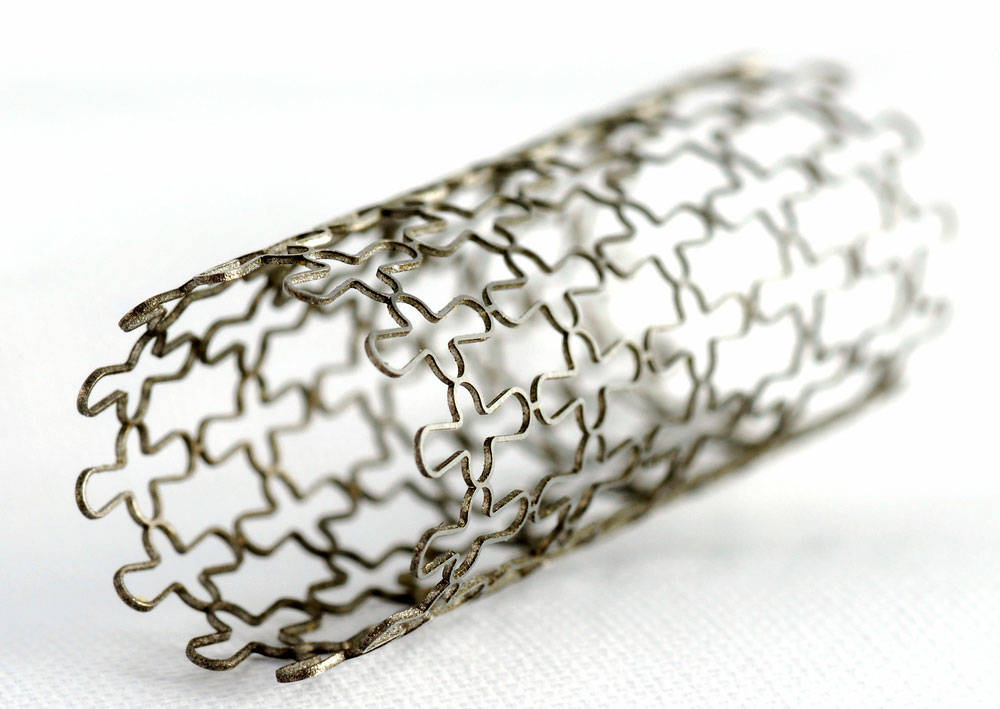
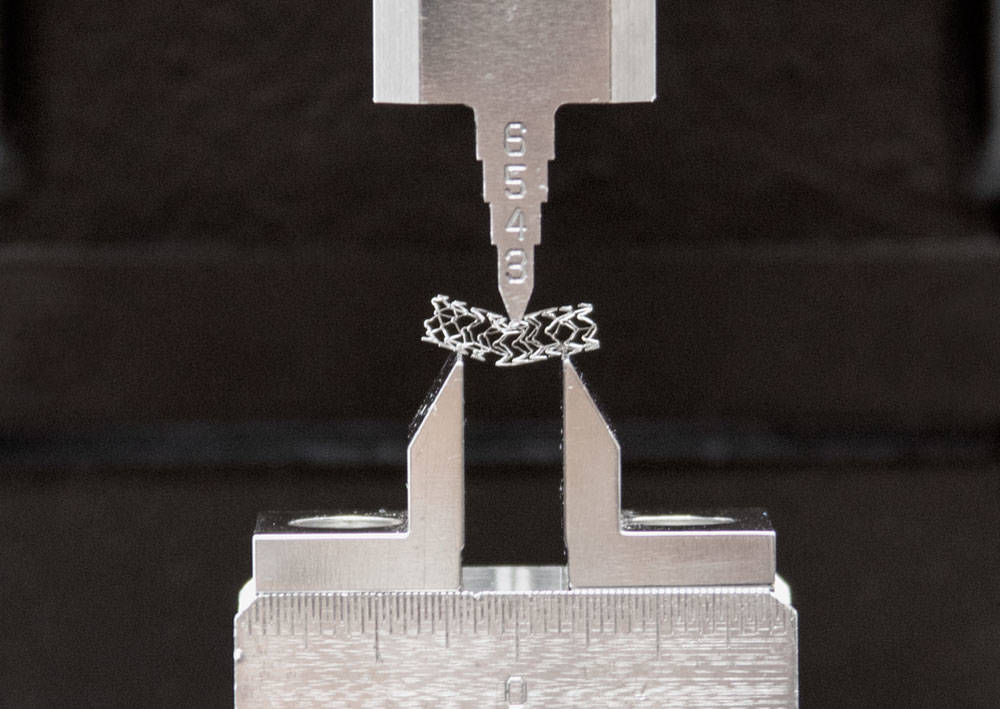
Mechanical testing of stents involves a range of different tests that encompass both static and fatigue methods. Stents are most commonly made from Nitinol wire, which must be tested to ASTM F2516 in a simple cyclic test. Another static test that is often carried out on stents is a flexural test in accordance with ASTM F2606. In addition to testing the raw material, the diamond structure of the stent body is commonly tested in fatigue at 60 Hz in position control. The entire stent body is also typically tested in radial compression as a static test, and pulsatile fatigue or cyclic fatigue as a dynamic test. Considering that such a variety of mechanical tests are required on any single stent, it is often challenging to select the appropriate test system for conducting as many tests as possible.

Our Solution 

Stent Testing

For all static testing, including testing to ASTM 2516, ASTM F2606, and radial compression testing on the full stent body, we recommend using a 6800 Series universal testing system. When testing Nitinol Wire to ASTM 2516, we recommend utilizing our Advanced Video Extensometer for accurate strain measurement. When testing full stent bodies in radial compression, Instron® partners with Machine Solutions Inc. (MSI) to provide a specialized fixture. The radial compression fixture can be mounted to any Instron 5940 or 5960 series system and can utilize standard Bluehill® Universal software to control the test. For all fatigue tests, including testing the diamond structure of the stent body or the entire stent in cyclic extension control, we recommend using our ElectroPuls™ test systems.