Evaluation of Radial Forces from Embolic Filters

Biomedical Testing » Implantable Devices

Evaluation of Radial Forces from Embolic Filters
Radial Strength Testing of Stent Grafts and Vascular Devices

Embolic filters are used within a variety of interventional procedures to capture debris resulting from the deployment of a medical device, like a stent. The stent is used to open arterial paths that may be occluded by plaque. Upon placement of the stent, dislodged plaque (or embolic material) can potentially be responsible for heart attacks, strokes, kidney failure, or death. Firm placement of the embolic filter is a critical requirement for successful procedures.

One of the most critical parameters for proper utilization of the filter is the radial forces it imparts on the arterial wall. In particular, the chronic radial force that the filter imparts over time helps to ensure that the device remains in place as intended. This fit ensures that all material is captured before heading further down the arterial pathways.

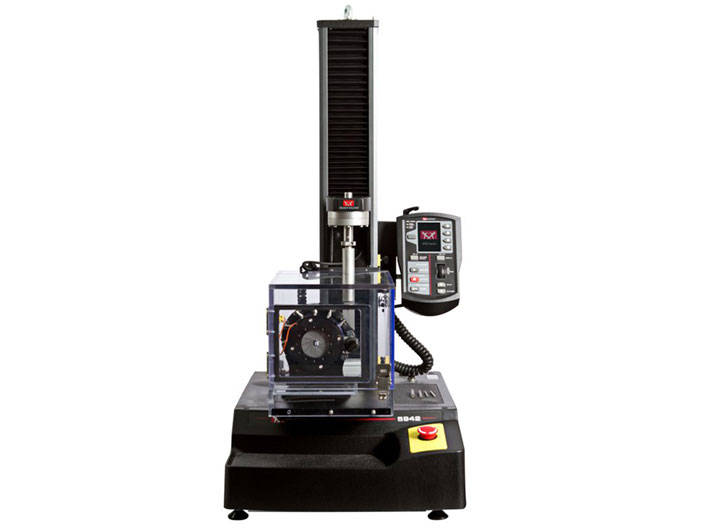
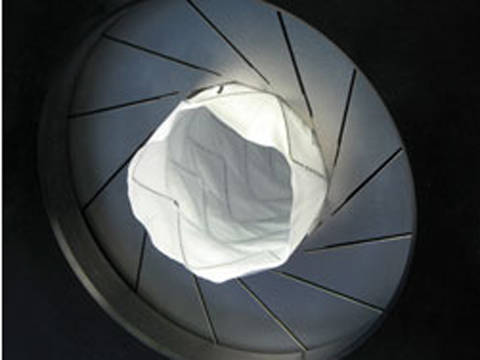
The RX575 system has the fidelity to measure the small radial expansion forces of the embolic filter. The unique segment design of the fixture results in small frictional forces, which ensures that your data will present clean results from the radial tests. The radial fixture mounts to electromechanical instruments, as well as into a fluid bath for accurate simulation of body temperatures. Additionally, the fixture provides the capability for tensile tests to evaluate resistance to tearing properties during deployment.

Bluehill® Software provides an interface to run tests, to evaluate the radial strength, and to generate standard reports that can be submitted for regulatory submissions.

Literature

3400 Series Universal Testing Systems Brochure

Instron 3400 Series universal testing systems for tensile, compression, bend, and other material property tests.

  • 产品
  • 06/27/2022
  • 2.69 MB

6800 Series Premier Testing Systems Brochure

Instron 6800 Series Universal Testing Systems provide unparalleled accuracy and reliability. Built on a patent-pending Operator Protect system architecture with an all-new Smart-Close Air Kit and Collision Mitigation features, the 6800 Series makes materials testing simpler, smarter, and safer than ever before.

  • 产品
  • 02/10/2020
  • 4.15 MB

Radial Force Evaluation of Stent Grafts

Biomedical Testing » Implantable Devices

Radial Force Evaluation of Stent Grafts

Stent grafts are used to treat a wide variety of peripheral arterial issues, as well as abdominal and aortic pathologic conditions like abdominal aortic aneurysms (AAA). The success of endovascular stent grafts for AAA’s has provided motivation to adapt similar technology for descending thoracic aortic aneurysms (TAA’s). Survival rates for untreated and traditionally treated (through complex thoracic surgeries) aneurysms are typically quite poor.

Advantages of stent grafts include shorter operative time, avoidance of major thoracic or thoracoabdominal incisions, and significant reductions in morbidity and mortality. Successful surgery requires the accurate placement of the stent graft to ensure it does not move, especially in upper descending thoracic aorta cases.

Typically, secure placement for stent grafts is a function of the proper selection and sizing since physiological movements of the aorta can be significant. Additionally, stent grafts have much larger diameters than coronary stents (30+ mm versus 2-3 mm). Evaluating the radial strength of a stent graft helps manufacturers to ensure efficacy and reliability of the medical device when implanted in vivo.

Instron partners with Machine Solutions Inc. (MSI) to utilize either a RX575 or RX675 stent iris on an Instron system. The fixture can also be customized and used for special specimen types to provide radial strength and stiffness over the entire graft or the securing graft ends. The control software to operate MSI’s RX fixture on an Instron system is standard Bluehill® 3 and TestProfiler. Although room-temperature testing provides excellent comparative results, the system can also be configured with a chamber to provide simulation of body temperature.

Literature

6800 Series Premier Testing Systems Brochure

Instron 6800 Series Universal Testing Systems provide unparalleled accuracy and reliability. Built on a patent-pending Operator Protect system architecture with an all-new Smart-Close Air Kit and Collision Mitigation features, the 6800 Series makes materials testing simpler, smarter, and safer than ever before.

  • 产品
  • 02/10/2020
  • 4.15 MB

隱形眼鏡測試


Biomedical Testing
»
Implantable Devices


隱形眼鏡測試

面臨的挑戰

隱形眼鏡

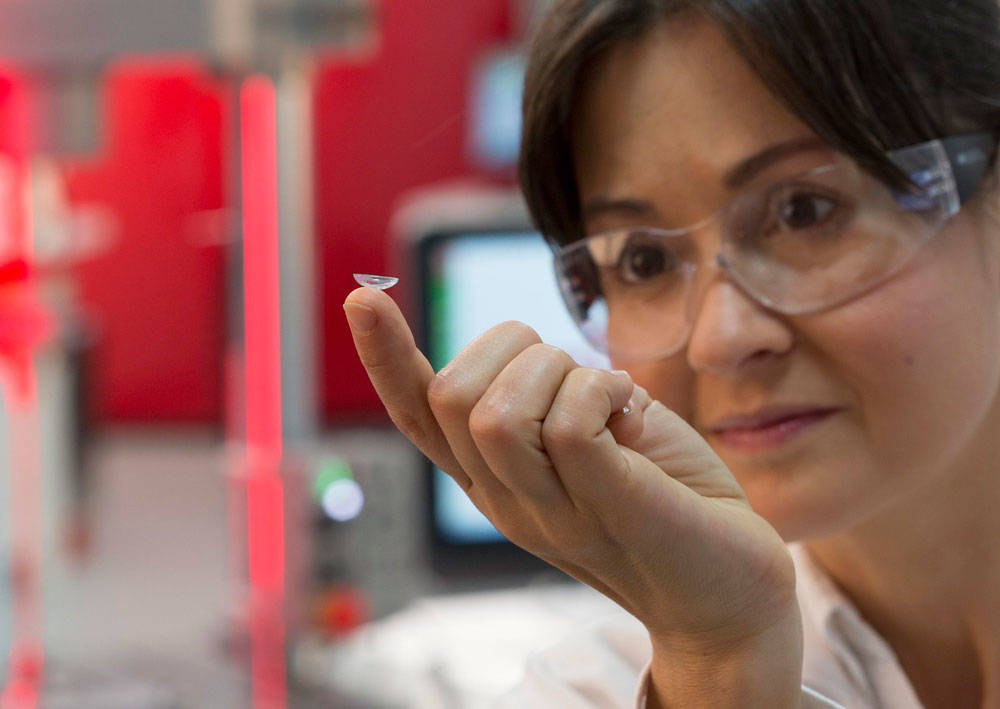
隱形眼鏡是全球最廣泛使用的醫療器材之一,主要用於視力矯正,也可用於美觀增強與修飾。其製造形式多樣,但最常見的是由柔軟的聚合物材料製成。由於軟式隱形眼鏡材料滑且不易操作,將試樣裝載至夾具中可能具有挑戰性,即使在非常低的力下也常見鏡片撕裂。為了最佳模擬其實際使用情境,隱形眼鏡應在符合生理相關的條件下進行測試,這需要在加熱至體溫的生理食鹽水浴中測試鏡片。

我們的解決方案

隱形眼鏡測試

針對隱形眼鏡測試,我們建議使用配置萬能材料試驗系統,並搭配BioBath 250 N 可浸沒式氣動拉伸夾具與加長型 surfalloy 夾持面。加長的夾持面可讓使用者在有足夠操作空間的情況下,將小型鏡片置入夾具,同時使使用者能達到零夾距。鏡片可作為完整最終產品進行測試,也可裁切成條狀,或切片以進行褲形撕裂(trouser tear)類型的測試。另建議使用低力荷重元,以精確偵測試樣失效。250 N 氣動可浸沒式夾具及其連接至荷重元的拉桿,皆為在低力測試(如隱形眼鏡測試)時將浮力影響降至最低而設計。

眼部植入物測試


Biomedical Testing
»
Implantable Devices


眼部植入物測試

面臨的挑戰

眼部植入物

人工水晶體(IOL)是一種合成的人工晶狀體,置入患者眼內,最常見於白內障手術後。當患者的天然晶狀體因疾病而被移除時,眼睛重新對焦的能力便會喪失。IOL 最常由聚(甲基丙烯酸甲酯)(PMMA)、矽膠、壓克力及其他可使其易於折疊並植入眼內的軟性材料製成。手術過程中,IOL 不得破裂或撕裂至關重要,因為即使是最微小的裂口也可能讓患者非常不適。IOL 測試的主要挑戰之一,是模擬手術中所經歷的折疊行為,以及夾持這些小巧、約硬幣大小的裝置。

我們的解決方案

眼部植入物測試

在進行 IOL 測試時,我們建議使用 TestProfiler 模組執行簡單的循環測試,使 IOL 同時承受拉伸與壓縮。測試系統方面,我們建議使用 6800 Series 萬能材料試驗系統、纖維夾具,以及低力值荷重元,例如 10 N load cell。此外,我們建議搭配 USB 顯微鏡使用 Bluehill® Universal’s TestCam 功能,讓使用者可放大測試試樣、錄製測試並於測試後回放影像。使用至少 10 倍放大的 USB 顯微鏡,可協助使用者偵測肉眼可能看不見的微小裂口。

心臟節律器測試


Biomedical Testing
»
Implantable Devices


心臟節律器測試

面臨的挑戰

心臟節律器

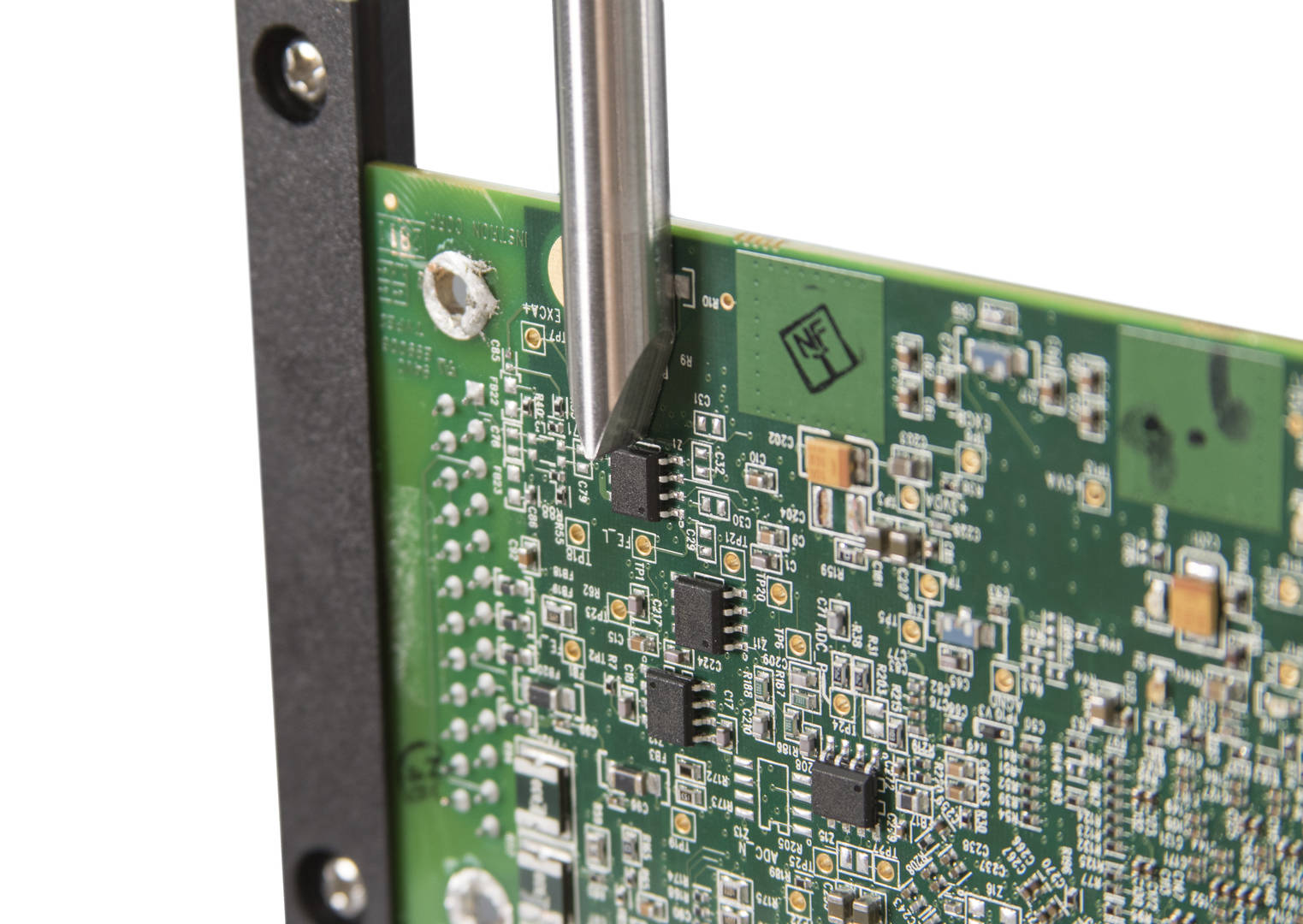
節律器是一種小型電子裝置,植入於患者鎖骨下方,可協助患者的心臟更規律地跳動。其由三個主要部分組成:脈衝產生器、一條或多條導線,以及每條導線上的電極。脈衝產生器由一個小型外殼構成,內含電路、電池,以及用於調節傳送至心臟之電脈衝的電腦晶片。導線為一條具絕緣層的電線,連接至脈衝產生器並延伸至心臟的一個腔室。導線末端的電極與心臟壁接觸,負責將電脈衝傳遞至患者心臟。鑑於節律器的每個元件對其功能皆至關重要,這三個元件都必須接受嚴格測試。各式測試(包括對微電子元件進行剪切測試、對電池進行壓縮測試,以及對導線進行拉伸測試)若僅使用一套系統,往往難以全面滿足需求。

我們的解決方案

心臟節律器測試

Instron® 6800 系列試驗系統,搭配 Bluehill® Universal 軟體與 TestProfiler 模組,代表目前市面上功能最強大的萬能材料試驗機之一。軟體的彈性讓使用者能以簡便方式編寫多種不同方法,包括拉伸、彎曲、壓縮、剝離、撕裂與摩擦等。此外,Instron 的工程解決方案團隊已與多家電子公司及醫療器材公司合作,開發專用夾具,包括特殊剪切夾具與微彎曲夾具。另外,我們建議在導線拉伸測試中使用氣動式線材與紗線夾具

支架測試


Biomedical Testing
»
Implantable Devices


支架測試

面臨的挑戰

支架

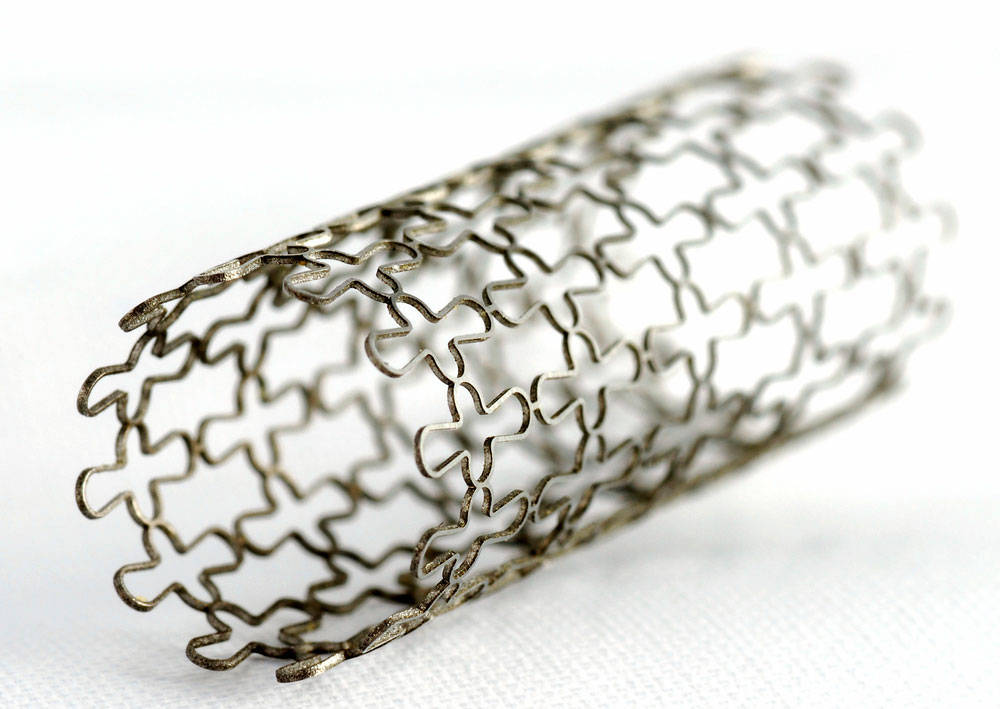
支架的機械測試涵蓋多種不同試驗,包含靜態與疲勞方法。支架最常以鎳鈦合金(Nitinol)線材製成,必須依 ASTM F2516 以簡單的循環試驗進行測試。另一項常對支架進行的靜態試驗為依 ASTM F2606 進行的彎曲試驗。除了原材料測試外,支架本體的菱形結構也常在位置控制下以 60 Hz 進行疲勞測試。整個支架本體通常也會以徑向壓縮作為靜態試驗,並以脈動疲勞或循環疲勞作為動態試驗。鑑於單一支架需要進行如此多樣的機械測試,往往難以選擇能夠執行盡可能多項試驗的合適測試系統。

我們的解決方案

支架測試

針對所有靜態測試(包含依 ASTM 2516、ASTM F2606 的測試,以及對完整支架本體進行的徑向壓縮測試),我們建議使用 6800 Series 萬能材料試驗系統。當依 ASTM 2516 測試鎳鈦合金(Nitinol)線材時,我們建議使用 Advanced Video Extensometer 以進行精準的應變量測。當對完整支架本體進行徑向壓縮測試時,Instron® 與 Machine Solutions Inc.(MSI)合作提供專用夾具。徑向壓縮夾具可安裝於任何 Instron 68TM tseting system,並可使用標準 Bluehill® Universal 軟體控制試驗。

針對所有疲勞試驗(包含對支架本體菱形結構的測試,或在循環伸長控制下對整個支架進行測試),我們建議使用 ElectroPuls® 測試系統。