Instron

Tensile Testing Polymeric Membranes

Biomedical Testing » Biomaterials

Tensile Testing Polymeric Membranes

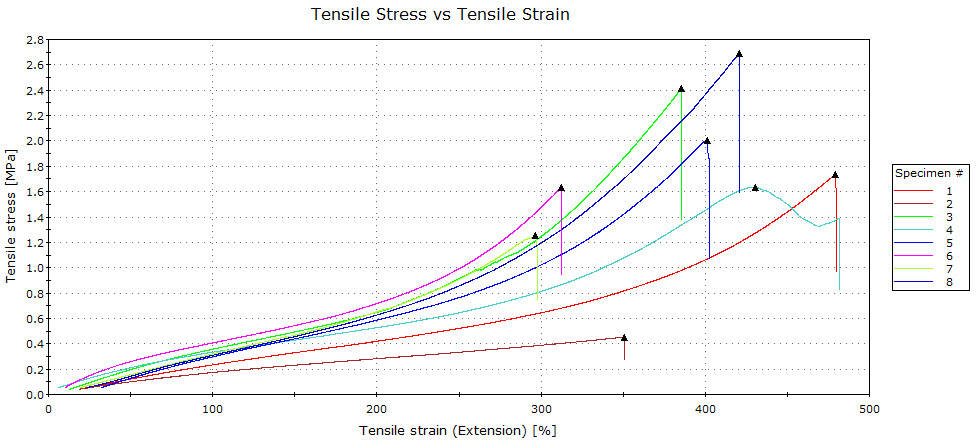
Synthetic membranes are commonly used in the biomedical field. These polymeric membranes, designed to mimic the natural filtration systems in human bodies, are being researched and developed for use in drug delivery systems, medical devices, and artificial bio-organs.

For example, synthetic membranes are used in hemodialysis, which is a method of removing waste products from the body when the kidneys fail. Blood from the patient is passed through a semi-permeable membrane that is immersed in dialysis solution and waste products such as urea in the blood diffuse across the membrane into the dialysis solution.

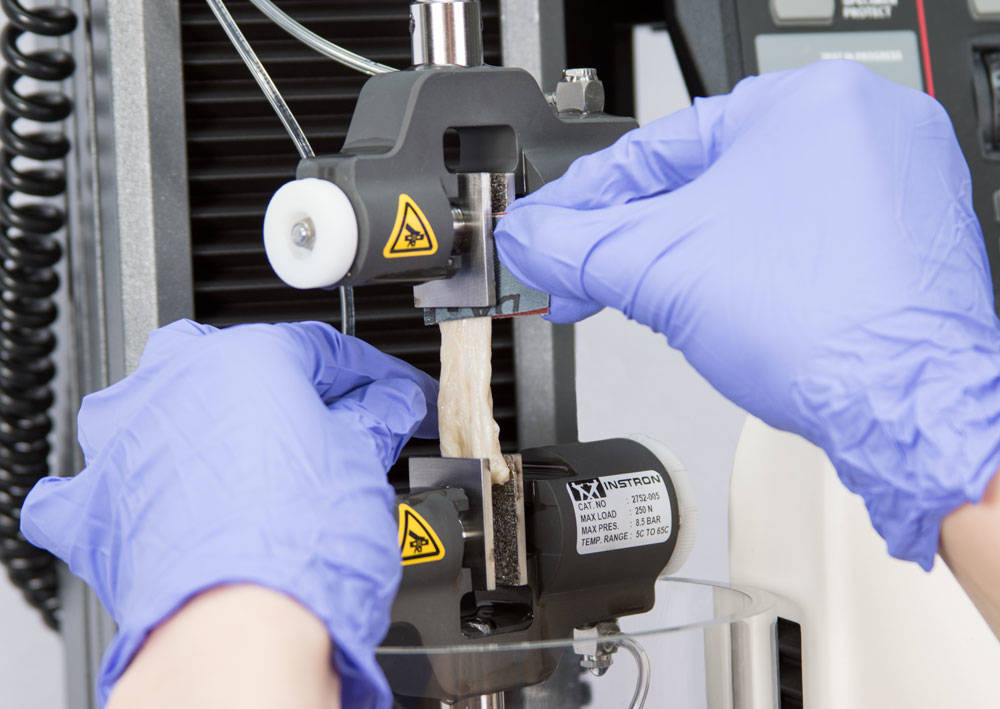
Often these synthetic membranes are moist and slippery, and consquently, tensile testing can be challenging. Similar to testing soft tissues, the gripping surface must offer sufficient friction to firmly hold onto the membrane, but also be delicate enough to avoid specimen tearing.

Recently, we were asked to recommend a gripping solution for testing of wet polymeric membranes. In this test, the polymeric membranes were first soaked in water for up to 20 minutes to allow them to soften and swell. The wet specimens were then tested using the 5965 dual column electromechanical machine equipped with pneumatic side action grips and rubber coated jaw faces. Since these membranes are very delicate, the clamping pressure must be carefully controlled as excessive high pressure can cause the specimen to fail prematurely when the grip closes.

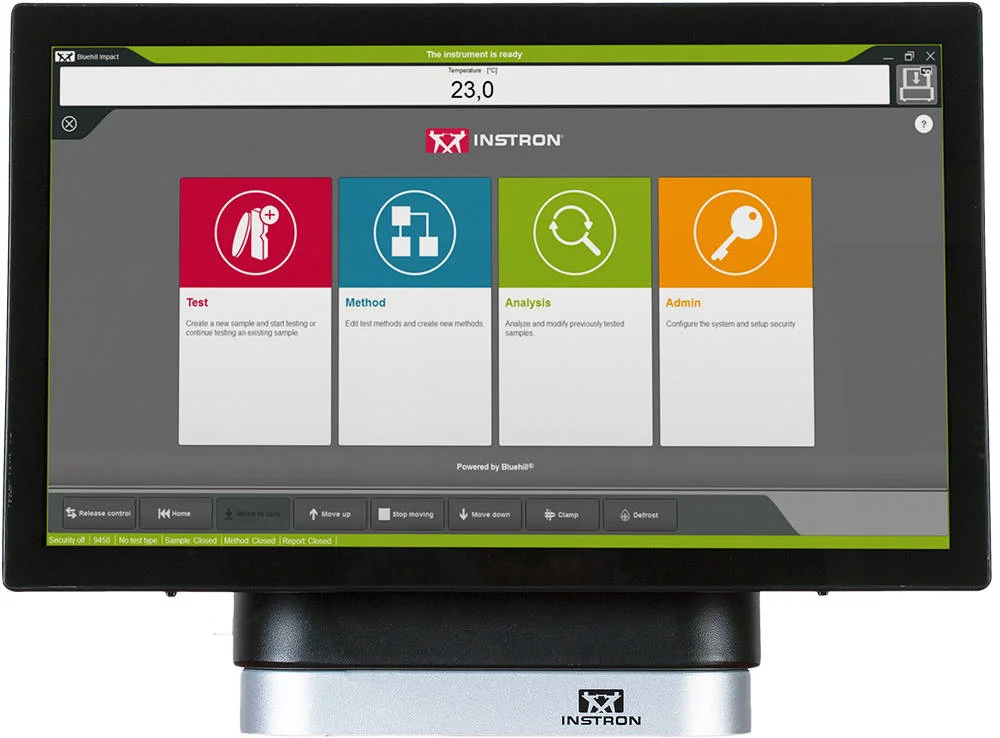
Because the specimens are wet, corrosion resistant grips or fixtures should be used. Our 3 Software®Bluehill provides both the test control and results required.

Literature

Bluehill Universal Brochure

Bluehill Universal is Instron’s advanced materials testing software, designed for intuitive touch interaction and streamlined workflows. It offers pre-loaded test methods, QuickTest for rapid setup, enhanced data exporting, and Instron Connect for direct service communication. Users of Bluehill 2 and Bluehill 3 can easily upgrade to the latest version for improved performance and usability

  • Produkte
  • 02/26/2017
  • 3.77 MB

Prüfung von Gewebeklebern mit einer Schälvorrichtung mit einstellbarem Abzugswinkel

Biomedical Testing » Biomaterials

Prüfung von Gewebeklebern mit einer Schälvorrichtung mit einstellbarem Abzugswinkel

Gewebekleber sind in der Medizin weit verbreitet und werden z.B. als Verband, Sekundärverband oder zum Wundverschluss eingesetzt. Es gibt zwar keine speziellen Normen, die die Prüfung mit einer Vorrichtung mit einstellbarem Winkel spezifizieren, jedoch bestehen andere, ähnliche ASTM-Standards für dieses Prüfverfahren, z.B. ASTM F2255, F2256, F2258 und F2458. Vor dem klinischen Einsatz medizinischer Klebstoffe muss deren Haftfestigkeit nachgewiesen werden. Wenn der Klebstoff keine ausreichende Haftfestigkeit hat, kann dies zu Infektionen und Wundheilungsstörungen führen. Umgekehrt kann eine zu hohe Haftfestigkeit dazu führen, dass das darunter liegende Gewebe beim Entfernen des Verbands verletzt wird.

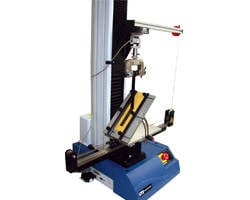
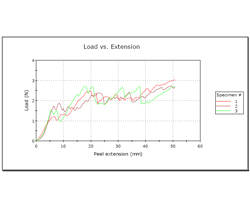
Wir haben eine solche Prüfung der Haftfestigkeit mit einer Vorrichtung mit einstellbarem Abzugswinkel durchgeführt, die die Verhältnisse beim Abziehen des Verbands am Patienten simuliert. Dazu wurde eine elektromechanische Prüfmaschine 3345 eingesetzt, ausgestattet mit einem Kraftaufnehmer mit einer Nennkraft von 50 N, einem pneumatischen Spannzeug für 250 N Nennkraft, mit 25 mm x 25 mm großen flachen Metall-Klemmbackeneinsätzen und der Schälvorrichtung mit einstellbarem Abzugswinkel. Die Schälvorrichtung wurde dabei zur genauen Simulation der Abzugsrichtung beim normalen Gebrauch des Klebstoffs auf einen Winkel von 135° eingestellt. Als Substrat wurde bei dieser Prüfung Leder verwendet, da mit diesem Material die Oberflächeneigenschaften menschlicher Haut am besten simuliert werden können.

Sehr empfehlenswert für diese Art von Prüfungen ist das Bluehill® 2 -Softwaremodul für Schäl- Reiß- und Reibversuche. Mit diesem Softwaremodul können das erste Kraftmaximum, die mittlere Kraft und die mittlere Kraft bezogen auf die Breite bestimmt werden - die am häufigsten verwendeten Größen bei diesen Prüfungen.

Unterlagen

Broschüre der Universalprüfsysteme der Serie 3400

Instron Universalprüfsysteme der Serie 3400 für Zug-, Druck-, Biege- und andere Materialeigenschaftsprüfungen.

  • Produkte
  • 06/27/2022
  • 2.16 MB

Bluehill Universal Broschüre

Bluehill Universal ist die fortschrittliche Materialprüfsoftware von Instron, entwickelt für intuitive Touch-Interaktion und optimierte Arbeitsabläufe. Sie bietet vorinstallierte Prüfmethoden, QuickTest für eine schnelle Einrichtung, verbesserten Datenexport und Instron Connect für die direkte Servicekommunikation. Anwender von Bluehill 2 und Bluehill 3 können problemlos auf die neueste Version upgraden, um die Leistung und Benutzerfreundlichkeit zu verbessern.

  • Produkte
  • 02/26/2017
  • 2.37 MB

Impact Tests On Orthopedic Implants

Biomedical Testing » Biomaterials

Impact Tests On Orthopedic Implants

A medical condition called Osteoarthritis is caused when there is minimal joint moment in human body. Lack of joint moment can result into damaged or dysfunctional joints. Orthopedic implants are designed to replace the damaged joint (s) and increase the mobility of an affected part in the human body. To name a few, implants used for hip, knee, shoulder or elbow joints are commonly made of stainless steel. It is important for manufacturers of such orthopedic implants to test their components (various implants) to characterize the impact resistance of their product.

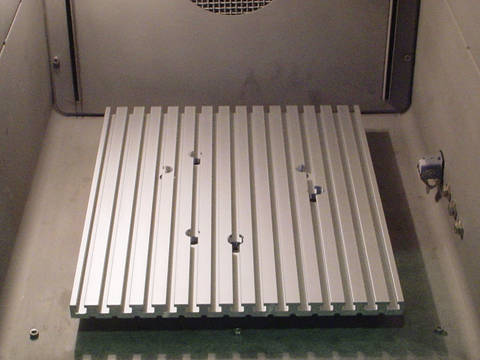
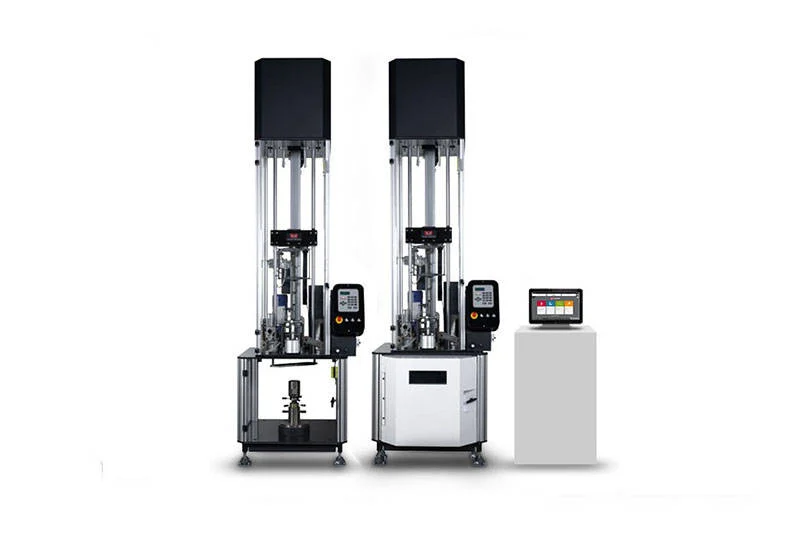
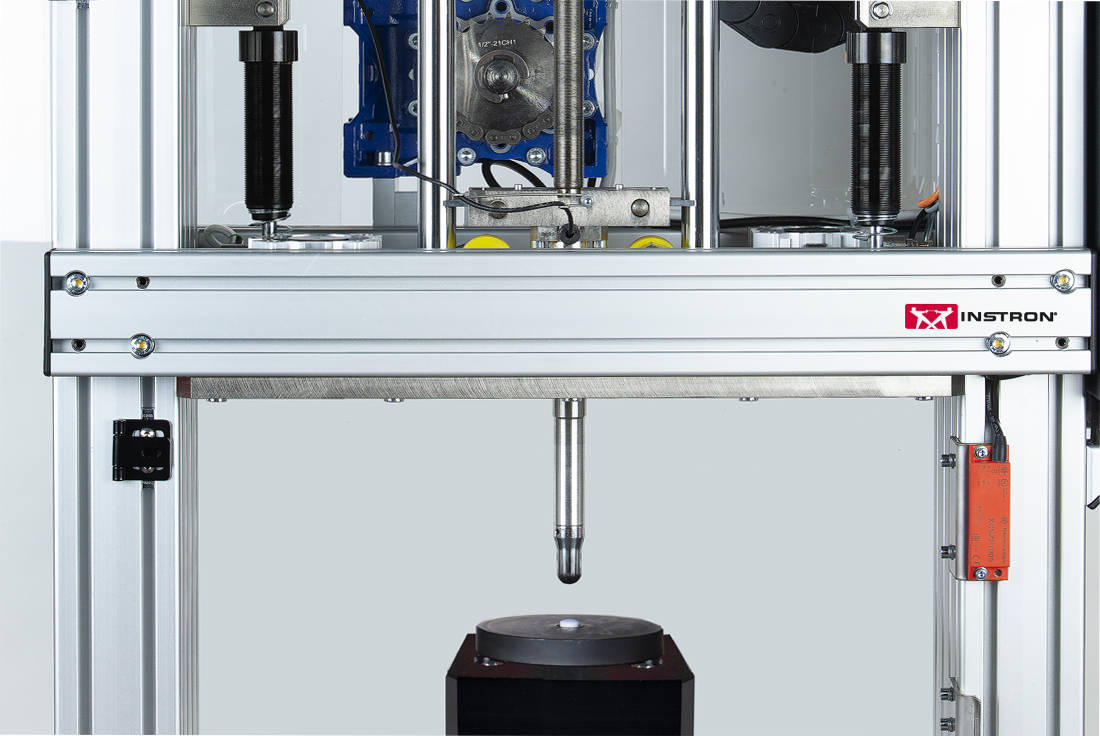
Instron 9400 series is a good fit for such a testing requirement. Since the implants for various body parts are of different shapes & sizes, the testing has to be performed using various custom fixtures. We used a T-slot plate which was bolted at the bottom of 9450. A custom fixture with a clamped knee implant was mounted on the T-slot plate at base of the tower. A 45 kN strain gauge striker was used to impact the knee implant. A Data Acquisition System (DAS) and Bluehill Impact software were used in conjunction with the drop impact machine to collect the force/velocity data and analyze the impact performance.

Alternatively a general purpose plate as seen in the picture can be used instead of a T-slot plate.These versatile plates give flexibility to manufacturers to mount a wide range of custom fixtures as per their own requirements. Such impact tests can be customized to an extent where they can replicate the real life low and high velocity impacts during the actual surgical procedures.

Note: The customer's actual test set up is confidential and hence is not displayed in this application note.

Literature

9400 Series Drop Tower Brochure

Instron Drop Towers are used to develop, fine tune, and validate material models. Testing materials under real impact conditions is a crucial step prior of product design. Using the characterization data obtained with the Instron 9400, coupled with customer supplied high-speed video, you can have confidence in your results and deliver new materials to your customers faster. Our Drop Tower impact systems, fixtures, and tups are designed to meet a wide range of applications and testing standards including: ISO, ASTM, ANSI, Airbus, Boeing, BSI, DIN, EN, FDA, Ford, GM, JIS, NASA, GOST, and more.

  • Produkte
  • 02/05/2020
  • 763.1 KB

9400 Series Dashboard Brochure

Bluehill® Impact is built from the ground up for touch interaction. The Operator Dashboard features large touchpoints to make the user experience simpler and smarter. Easy-to-understand icons and workflows make it easy to train new or experienced users, simplify operator training, and allow you to start testing even faster than ever before

  • Produkte
  • 08/01/2019
  • 2.35 MB

Schlagfestigkeit von Arzneimitteltabletten

Biomedical Testing » Biomaterials

Schlagfestigkeit von Arzneimitteltabletten

Support for pharmaceutical tablet impact testing

Handelsübliche Arzneimitteltabletten haben häufig einen Überzug, der das Schlucken der Tabletten erleichtert und eine zeitgesteuerte Freisetzung des Wirkstoffs sowie eine einfache Identifikation und Markenkennzeichnung ermöglicht. Darüber hinaus können die Überzüge zu einer längeren Haltbarkeit des Medikaments beitragen, indem sie das darunter liegende Produkt vor schädlichen Umwelteinflüssen wie z.B. Licht, Temperatur, Feuchtigkeit und mechanischen Kräften schützen. Insbesondere bei der Herstellung und Verpackung unterliegen die Überzüge Schlagbelastungen, die zu Schäden führen können.

Schlagprüfungen liefern den Herstellern wertvolle Daten für die Untersuchung und Entwicklung neuer Überzugsmaterialien und -prozesse. Im Rahmen der laufenden Fertigung kann ein Hersteller ein Qualitätssicherungsprogramm implementieren, bei dem Basisdaten aus einer Schlagprüfung für die kontinuierliche Kontrolle des Prozesses eingesetzt werden.

Ein INSTRON 9440-Prüfsystem, ausgestattet mit einem Piezo-Sensor-Tup mit geringer Last (0,45 kN oder 4,5 kN), einem halbkugelförmigen oder flachen Tup-Einsatz von ½ Zoll und der Bluehill Impact-Software, sind ideal zum Testen von pharmazeutischen Pillen und Tabletten. Zum Befestigen empfehlen wir die Verwendung einer steifen, flachen Metallplatte, die leicht am Tischbereich befestigt werden kann.

Das oben beschriebene Prüfsystem ermöglicht die Bestimmung von Schlageigenschaften von Tabletten; z.B. zur Gewährleistung der Konsistenz zwischen einzelnen Chargen oder zur Bestimmung von Bruchstellen bzw. Stellen des Schädigungsbeginns. Diese Eigenschaften können wiederum vom Überzugsmaterial abhängig sein. Die Kenntnis der Einflussfaktoren, die dazu führen, dass ein Überzugsmaterial eine Tablette verstärkt oder schwächt, ermöglicht eine Verbesserung des Produkts.

Unterlagen

9400 Series Drop Tower Brochure

Instron Drop Towers are used to develop, fine tune, and validate material models. Testing materials under real impact conditions is a crucial step prior of product design. Using the characterization data obtained with the Instron 9400, coupled with customer supplied high-speed video, you can have confidence in your results and deliver new materials to your customers faster. Our Drop Tower impact systems, fixtures, and tups are designed to meet a wide range of applications and testing standards including: ISO, ASTM, ANSI, Airbus, Boeing, BSI, DIN, EN, FDA, Ford, GM, JIS, NASA, GOST, and more.

  • Produkte
  • 02/05/2020
  • 763.1 KB

9400 Series Dashboard Brochure

Bluehill® Impact is built from the ground up for touch interaction. The Operator Dashboard features large touchpoints to make the user experience simpler and smarter. Easy-to-understand icons and workflows make it easy to train new or experienced users, simplify operator training, and allow you to start testing even faster than ever before

  • Produkte
  • 08/01/2019
  • 2.35 MB

Soft Tissue Testing

Biomedical Testing » Biomaterials

Soft Tissue Testing

The Challenge

Skin

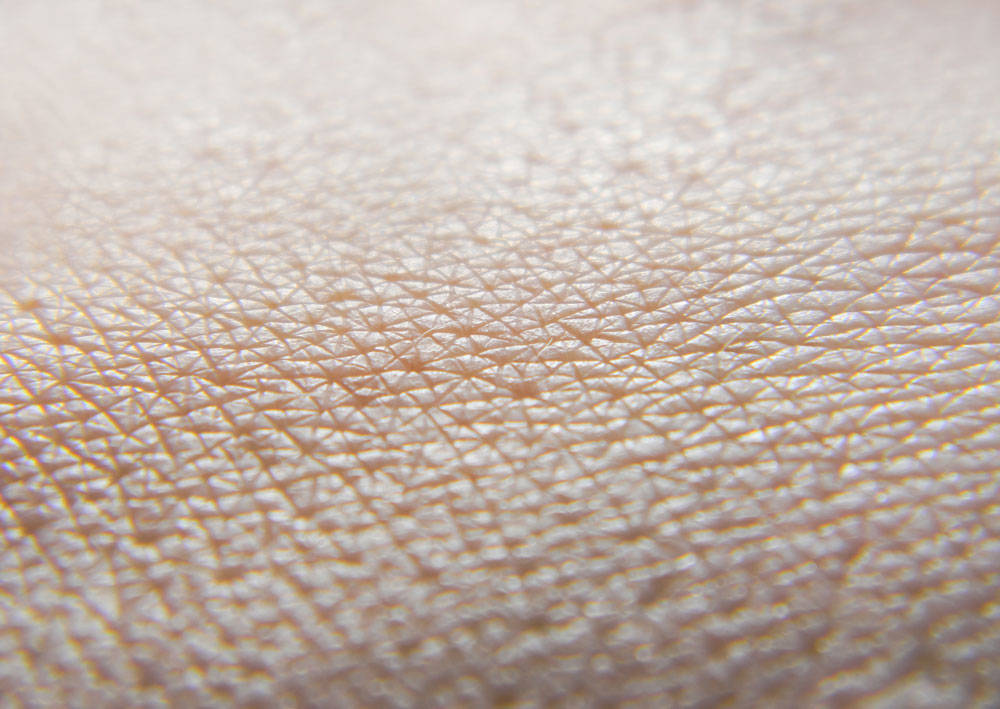
Testing soft tissues, such as skin, tendons, ligaments, and others, presents many challenges. Specimens of this type are delicate; hence they break at low forces. Gripping soft tissues can also be problematic given that these specimens are small, slippery, and compliant in nature. In addition, soft tissues are viscoelastic and often require accurate elongation or strain measurement to properly understand the material properties. Typically, in vivo conditions are needed to test soft tissues, which calls for the test to be performed at body temperature and in a hydrated state. This requires the testing equipment and fixture to be corrosion resistant and "waterproof" to avoid damaging the sensitive electronics of the testing system.  

Our Solution 

Soft Tissue Testing

For testing at physiological conditions, the Instron® BioBath is an ideal solution for keeping a specimen fully hydrated in a saline solution and at 37°C. The BioBath uses a closed-loop temperature control measurement, which can be fed directly into the test system's software to accurately track specimen temperature, in addition to mechanical test data. Pneumatic grips are recommended for consistent clamping pressure that the user can vary up to 90 PSI. A high friction surface is often needed to grip slippery biomaterials to avoid specimen slipping. To avoid this, we recommend using a metallic high friction finish known as surfalloy on the grip face, but grit sandpaper is also a viable option. A stainless steel tray, such as the BioTray, can help protect the system's electronics from damage in the case of spills or messy specimens.

Hard Tissue Testing

Biomedical Testing » Biomaterials

Hard Tissue Testing

The Challenge

Hard Tissue

Bone, dentin, and dental enamel are all considered to be hard tissues. Specimens of this type are most commonly tested in compression and flexural. The most common results obtained from a compression or flexural test on hard tissues is modulus and force at fracture. Typically, these specimens come from mice, rats, or other mammals and are small in size. Despite being small in size, hard tissues have high stiffness. A typical challenge with measuring modulus is accurate measurement of displacement. For a given force, a hard tissue such as bone will exhibit small displacement. In addition to compression testing, 3-point and 4-point bend tests are common to quantify force at fracture on bone sections. Often, this testing must be conducted at physiologically relevant test conditions, such as in a hydrated bath and at body temperature.

Our Solution 

Hard Tissue Testing

When conducting compression testing on hard tissues, it is critical that users choose appropriately sized compression platens to closely match specimen size, ensure the compression platens are spherically seated or self-aligning to apply even pressure on the specimen, and use an accurate source to measure system displacement. For example, an accurate measurement source of displacement could be via compliance correction in the software, or by using a strain measuring device, such as a linear variable deflection transducer (LVDT) or a video extensometer. When testing flexural specimens, it is critical that the anvils on the flexural fixture are appropriately sized to the specimen and that the flexural fixture properties, such as span length, are easily entered into the software.

Hydrogel Tensile Testing

Biomedical Testing » Biomaterials

Hydrogel Tensile Testing

The Challenge

Hydrogel Tensile

Hydrogel testing is most commonly done in both tension and compression. Compression testing on hydrogels poses less of a challenge, as many hydrogels are compliant and compress easily under load. The natural compliance of hydrogels becomes more of a challenge in tensile testing, as these materials can be difficult to grip and exhibit high elongation. Gripping hydrogels with too much pressure typically displaces the material out of the grip faces, which makes gripping ineffective. In addition, a traditional contacting extensometer is not a viable option considering the soft properties of hydrogels. Given the viscoelastic properties of these materials, test speed will greatly affect results, such as force at break and elongation at break. 

Our Solution 

Hydrogel Tensile Testing

When testing hydrogels in compression and tension, most common forces at failure are below 100 N. Given the low forces obtained in hydrogel mechanical testing, it is important that an accurate load cell is used. This can be especially tricky in a compression test as many users restrain from using low capacity load cells out of fear that they will overload the load cell if the compression platens begin to touch during a test. To prevent this from happening, it is imperative that safety limits are set and that the end of test criteria is set to the load cell capacity in the software. For tensile testing, Instron® offers a range of low force grips, including spring loaded, screw side action action, and pneumatic side action grips. Given the compliant nature of hydrogels, often sandpaper needs to be used to increase friction at the gripping contact points. When accurate measurement of strain is required, we recommend using our Advanced Video Extensometer

Bioadhesives Peel Testing

Biomedical Testing » Biomaterials

Bioadhesives Peel Testing

The Challenge

bio adhesive

Adhesives are widely used in the medical device industry for dental implants, bone cements, and wound closure products. Wound closure products include tissue adhesives that can be found in bandages, secondary dressings, and a variety of surgical sealants. The adhesive strength of these products must be well defined. An adhesive that isn’t strong enough may result in a wound that heals poorly, or it can lead to an infection. If an adhesive is too strong, it may damage the underlying tissue or cause the patient unnecessary pain when removing. A fundamental challenge with testing bio adhesives is characterizing adhesive strength in physiologically relevant conditions. 

Our Solution 

Bioadhesives Peel Testing

Soft tissue substrates should be tested under physiologically relevant conditions, most preferable in a bath or temperature controlled enclosure at 37°C. The BioBath with submersible pneumatic grips is recommended. The grips and pull rod that attach to the force transducer are designed to minimize buoyancy chances during low force testing. We also recommend a low capacity load cell, given that adhesive strength for biological applications is typically under 10-20 N. Bluehill® Universal's Peel, Tear, Friction Module is ideal for this test type in order to measure first peak force, average force over the seal, and average force per width of the specimen.