Instron

Display Panel Testing

Automotive » Electronics

Display Panel Testing

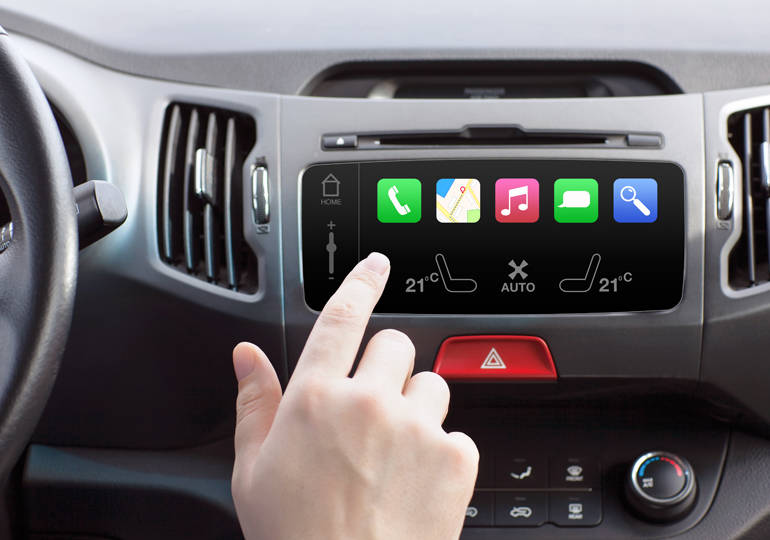
As infotainment display panels and screens are becoming standard features in many automobiles, it is important for manufacturers to understand their mechanical reliability. These displays need to last the lifetime of the vehicle, much longer than a standard electronic device. Therefore, it is relevant to study their mechanical reliability.
The Challengeautomotive


Display panels need to withstand years of abuse.  A multitude of rigorous testing needs to be completed to ensure the panel will last.  Compression testing should be completed on multiple locations on the panel which has historically been very time-consuming.  Additionally, flexure tests are also conducted, sometimes to a point of failure.  Panels can fail out of nowhere and it can be hard to observe the break.  All these factors make display testing challenging.

Our Solution


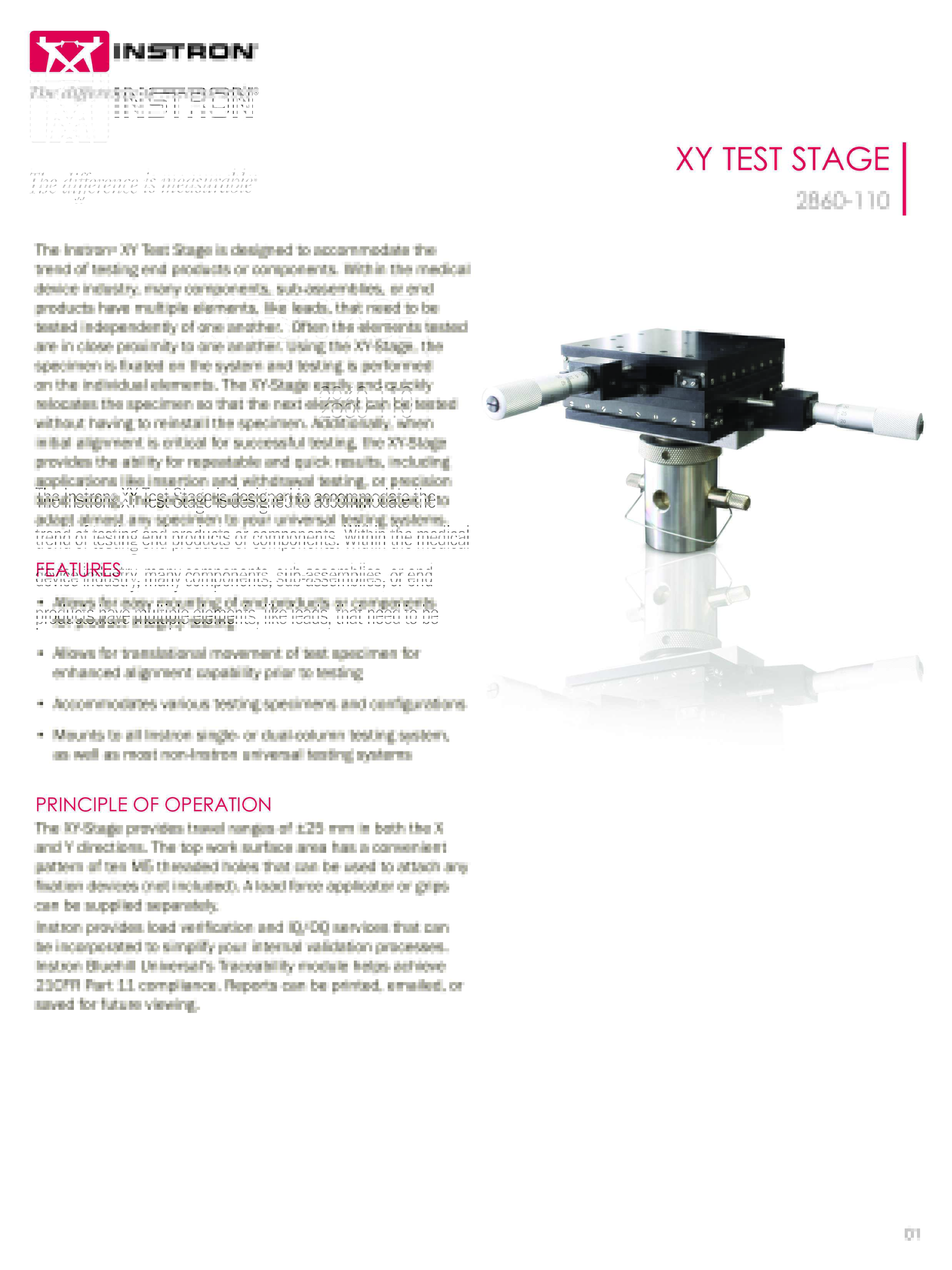
Instron® offers an Automated XY Stage that will move the display panel so that compression testing can be completed at multiple locations.  The stage is driven to different points taught by the operator using the Multi-Test module for Bluehill® Universal software. The test is then automated so all points can be tested in a single run at high speed. Probes of different sizes are available as well.

With a variety of flex/bend fixtures, Instron is able to meet most any display panel bend test need. Fixtures include both 3 and 4 point models with fixed and variable span options. Fixtures also can be altered with a variety of options. If you have a unique bend test need, Instron's Custom Solutions Group can work with you to develop a fixture to your specifications.

Understand failure visually and how it correlates to test data with the TestCam module for test recording and playback. Capture high-speed videos in real time and play them back to get a complete understanding of how the panel reacts at break.

Bend Test on PCB

Automotive » Electronics

Bend Test on PCB

AEC-Q200-005-REV (A) defines the standard for verifying the bond strength of surface mount components on finished printed circuit boards (PCBs) to understand their ability to withstand bending, flexing, and pulling forces. Electronics assembly manufacturers for automotive OEMs are interested in learning and characterizing bond strength for adhesives that are used to mount and hold the surface mount components and their leads in place on a PCB.

THE CHALLENGE

The standard requires that the finished PCB be held in position upside down on the lower anvils, and for a force to be applied on the target location using an upper anvil. This bending force needs to be applied for 60 seconds (+5 seconds) until a bending deflection of at least 2 mm is achieved. Once the test is completed, a thorough visual inspection must be performed on the flexed component.

Our Solution

Instron® TestCam Video Recording and Playback module, which provides users with a video recording of how the test was conducted and how the specimen failed for post-test evaluation.

Electrical Wire and Insulation Tensile Testing

Automotive » Electronics

Electrical Wire and Insulation Tensile Testing

The Challenge
Electrical Wire

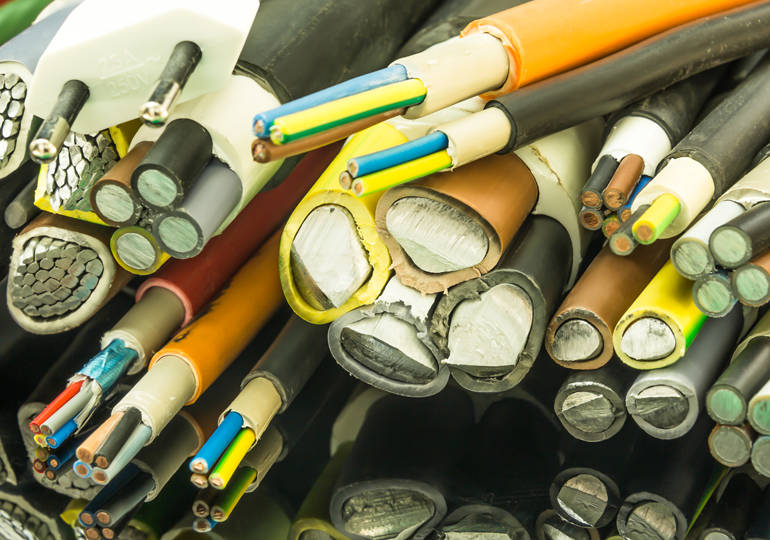
Automotive assemblies today are full of various electrical wires and cable harnesses required to transmit power and other signals to control engine operations, the on-board diagnostic computer, fuel injection system, auxiliary lights, dashboard controls, and the increasingly common infotainment system. These wires are routed through sleeves, taped with fabric tape, and inserted through panels. Due to this level of processing and handling there is a high risk of wire damage or breakage. Additionally, since the electronics are located in automobiles, they are often subjected to both high and low temperatures.

Our Solution
Insulation Testing

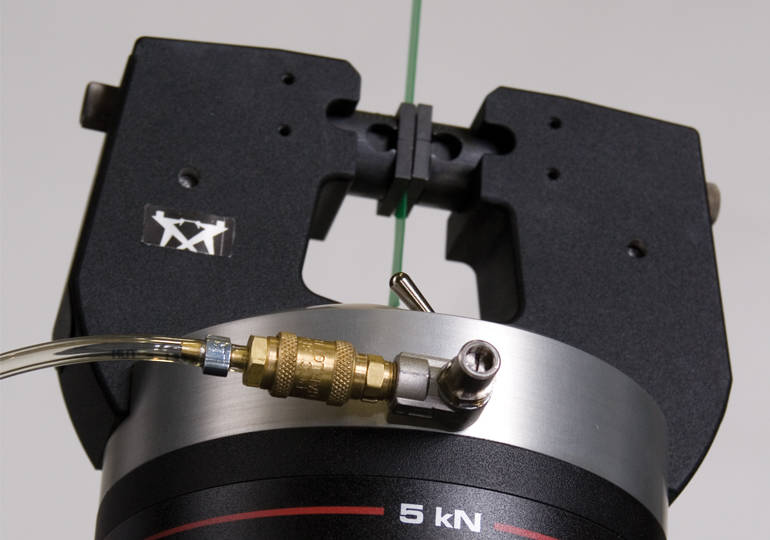
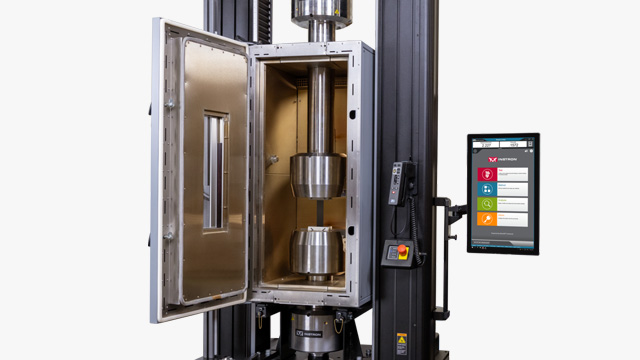
Instron offers a variety of gripping solutions that are designed to clamp or hold specimens of various sizes. Pneumatic grips are the most commonly used gripping solution for securely holding wires and harnesses. Additionally, a variety of environmental chambers are available and can be set or controlled within Bluehill® Universal software.  Features such as pre-heat and pre-cool are available to ensure the test is run at the specified temperature limits. Instron’s Custom Solutions Group is committed to working with customers on applications that need measurements of electrical signals while testing is performed. Instron’s testing systems offer various communication channels that enable Bluehill Universal to present the electrical signal on the graph along with the force vs. displacement curve.


Contact Us to learn more about our automotive solutions.

Button and Switch Compression Testing

Automotive » Electronics

Button and Switch Compression Testing

The Challenge
Button and Switch Compression

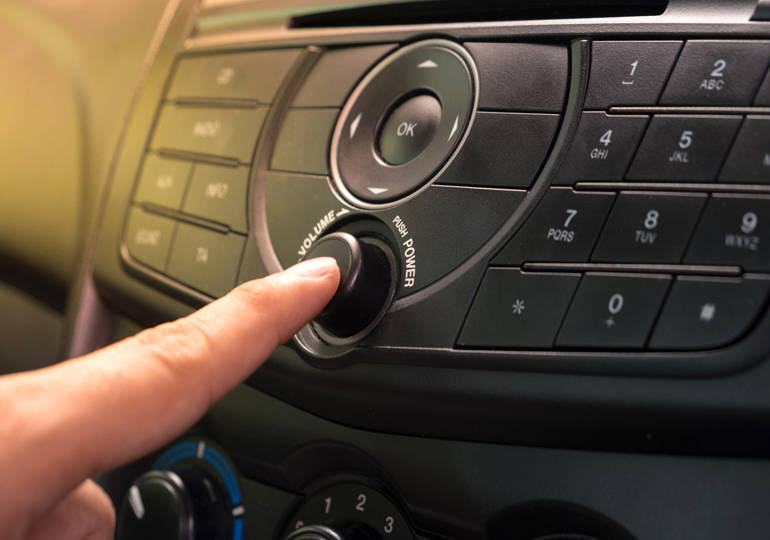
In today's automobiles, a single click of a button or switch is used everywhere, including starting the engine, dashboard controls for entertainment and diagnostic information, and advanced door locking systems. This makes it critical to test the functionality of buttons and switches as the risk of a defective button could be very high, the driver not being able to enter or turn on the vehicle. Mechanically testing buttons is mainly compression testing to understand how much force is required to push a button to engage the electrical signal. This is also known as tactility testing of buttons where OEMs are interested in testing to determine the "feel" of a button.

Our Solution
switch testing

Instron offers various XY stages that can move to test multiple buttons on the same specimen. Standard and custom solutions are available to hold specimens securely during testing.  Instron’s Custom Solutions Group is committed to working with customers on designing probes of different materials and sizes based on specimen and application requirements, in addition to the various standard probes offered.  Instron also offers a multiple point compression software solution strictly designed for testing buttons and switches at high speed, parameters include button height and return height, eliminating long travel times.

Contact Us to learn more about our automotive solutions.

Terminal Strength Test

Automotive » Electronics

Terminal Strength Test

The Automotive Electronics Council (AEC) has defined standards that are critical for qualifying electrical components used in automobiles. Due to the exponential increase in applications of microelectronics in automobiles, these standards are of extreme importance. AEC-Q200-006-REV (A) defines the standard for verifying component terminal strength in order to withstand axial stresses that are likely applied from the manufacturing process of finished printed circuit boards (PCBs). Electronics assembly manufacturers and OEMs are interested in understanding the solder joint strength of leads of a surface mount device (SMD) bonded to a PCB or other substrate.

THE CHALLENGE

The standard requires a force to be applied on the component axially for 60 seconds, which results in shearing the component. This force should be applied gradually, and should not induce shock on the component.

Our Solution

Instron® offers a dedicated Die Shear Fixture that can be used in single or dual column systems to meet the AEC Q200-006 (A) standard. The fixture has the capabilities to hold a finished PCB in position and shear the target SMD. The adjustable holder of this fixture can account for the various sizes of PCBs, and the linear rail helps the operator to center the shear tool on the component. Different sizes of shear tools are offered based on the dimensions of the SMD.Bluehill® Universal software is used to create test methods as per the standard requirements.