Instron

Peel Testing Photovoltaic or Solar Cells

Electronics » General Purpose Applications

Peel Testing Photovoltaic or Solar Cells

IEC 61646 | IEC 61215

The Challenge

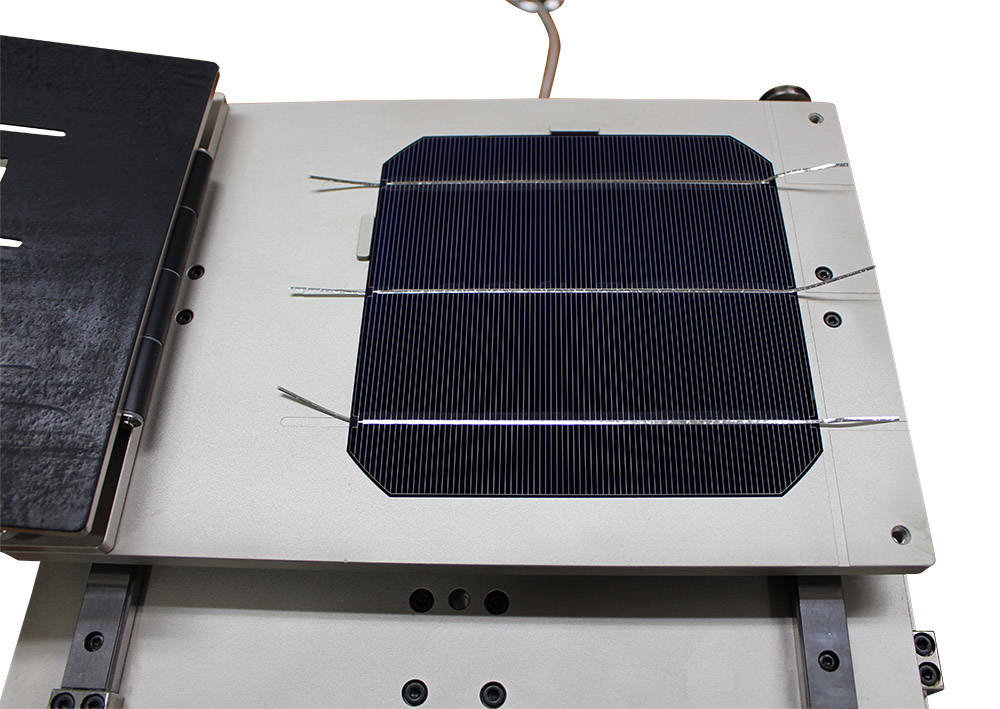
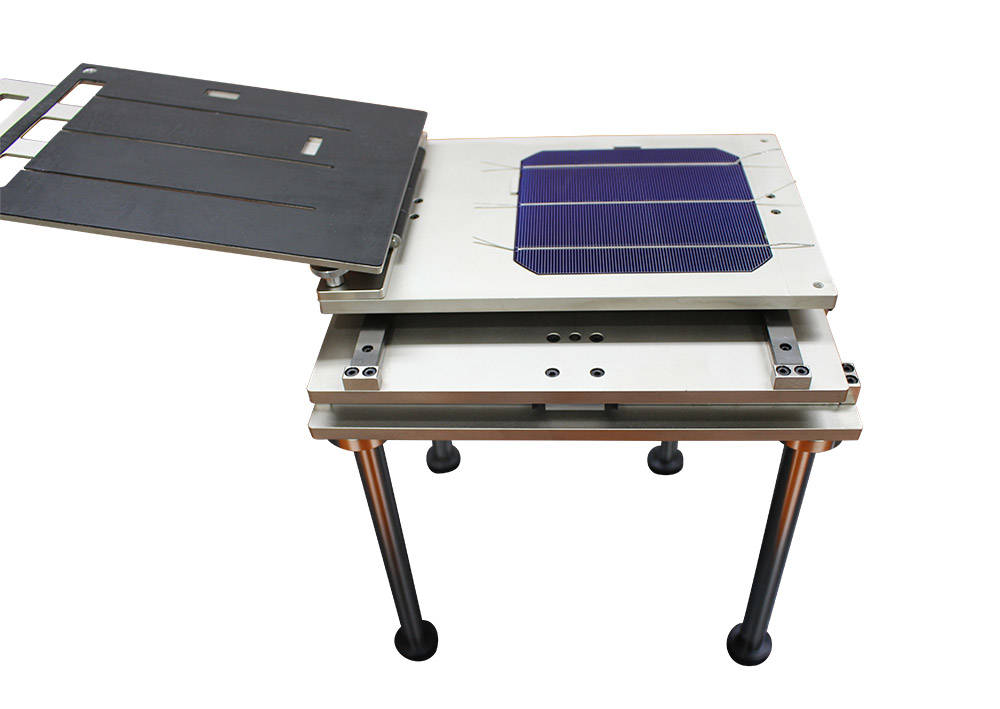
With a growing global focus on green energy, companies are racing to develop higher efficiency and lower cost solar cells for various applications. OEMs recognize the need for mechanical testing to evaluate mechanical performance of thin films and substrates used in the manufacturing of photovoltaic (PV) cells, also known as solar cells. The International Electrotechnical Commission (IEC), a world leading governing body, has published standards, such as IEC 61646, Thin Film Terrestrial Photovoltaic Modules – Design Qualification and Type Approval, and IEC 61215, Crystalline Silicone Terrestrial Photovoltaic Modules – Design Qualification and Type Approval, that focus on mechanical testing of PV modules that simulate external conditions, such as withstanding a wind pressure of 130 km/hour. 

Our Solution

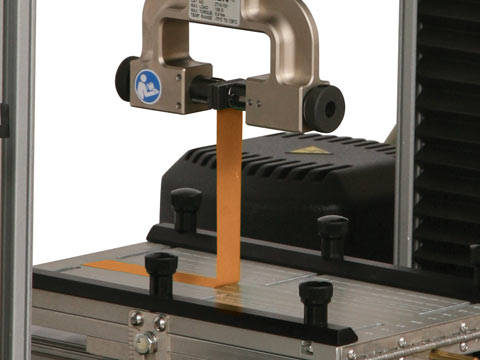
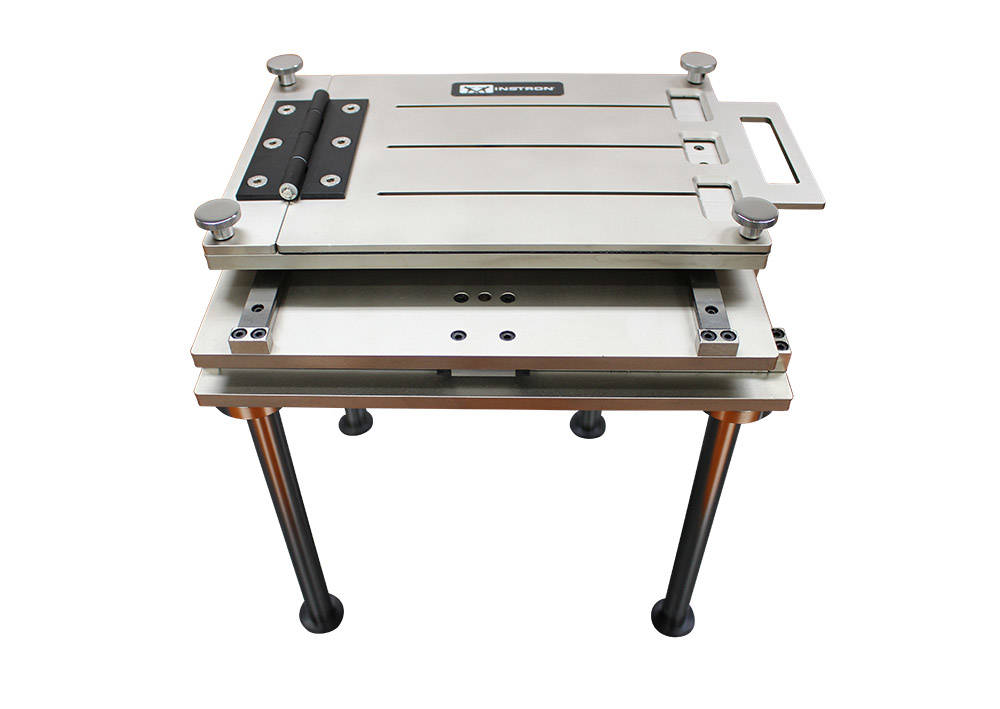
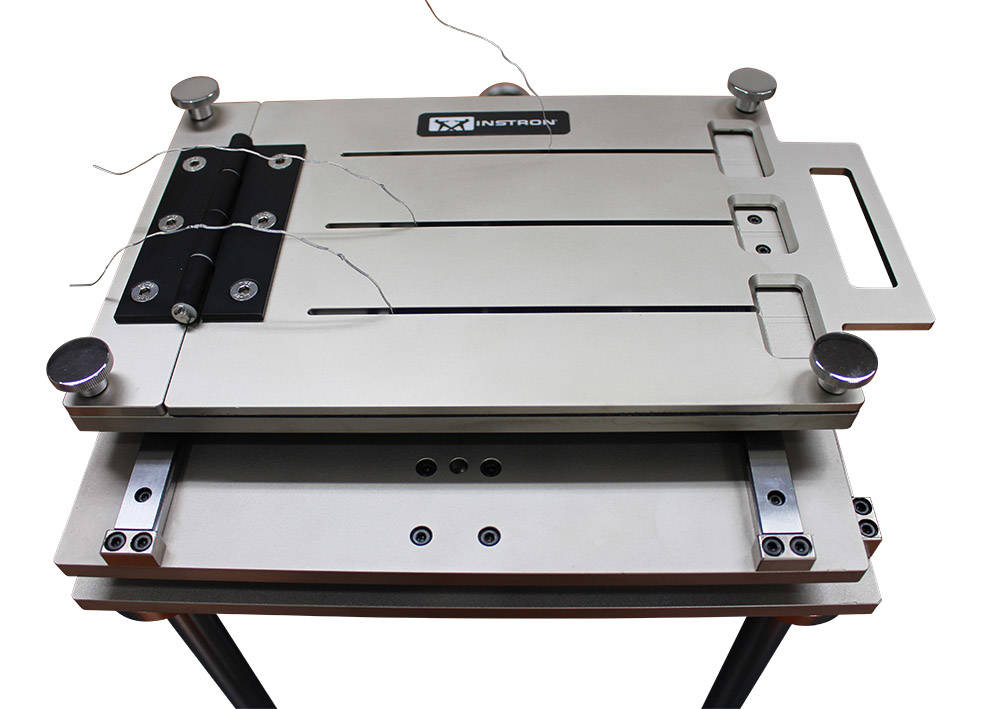
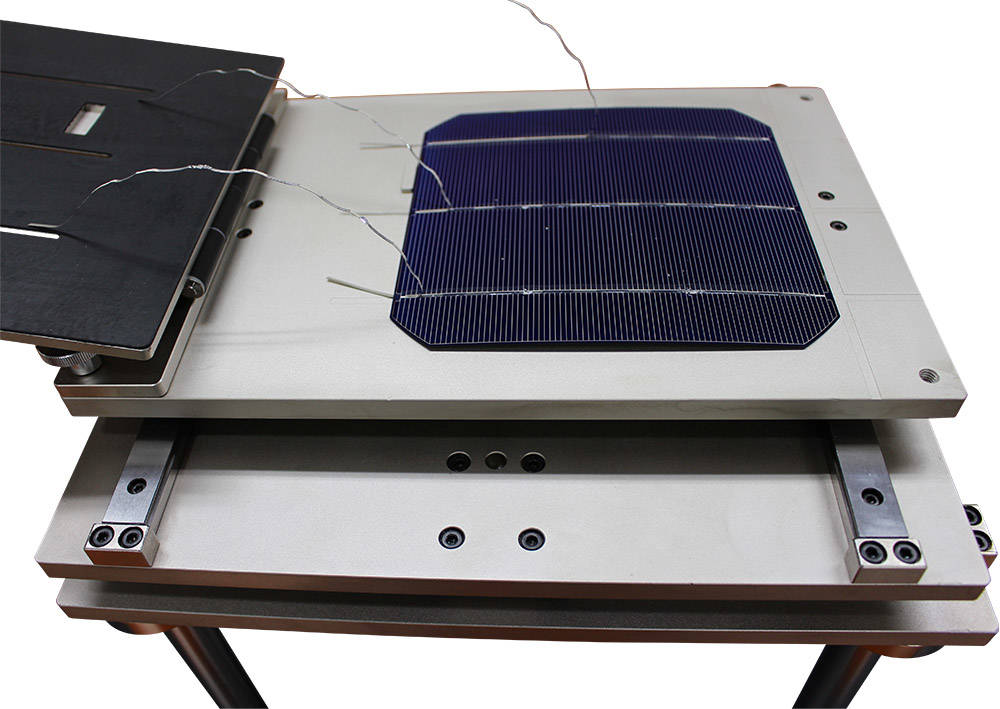
A 90 degree peel adhesion test on various layers of thin films, also known as stacks, is recommended for the described challenges. The test confirms the quality of the adhesion between layers. Peel strength can be computed, which estimates the adhesion strength for a reliable, long-term electrical interconnection between layers. Instron’s 6800 and 3400 Series systems are suitable for 90 degree peel testing applications. Bluehill® Universal software can be used to set up test methods and collect results post testing. The 90 degree peel fixture is designed with zero friction so that all force measurements are a direct outcome of the film and adhesive under test. Furthermore, Instron offers a variable angle peel fixture for testing PV modules at angles other than 90 degrees, such as 45 degree or 30 degree peel testing.  

Lap Shear Test

Electronics » General Purpose Applications

Lap Shear Test

The Challenge

Manufacturers of electronic adhesive materials require characterization of their products that are used in surface mount assemblies of microelectronic components. With rapid changes in electronics packaging designs by OEMs, new adhesives are formulated to address them. Measuring the bond strength of adhesives is considered one of the essential metrics to characterize different formulations. A lap shear test is recognized as one of the methods to mimic real-life loading conditions. The test uses two samples, or specimens, which are bonded together before applying tensile force to pull until shear occurs. Some of the standards, such as the International Electronics Manufacturing Initiative (iNEMI), offer recommendations to perform a lap shear test in characterizing solder alloys, such as the SAC alloy (Sn, Ag, Cu) used in solder paste. 

Our Solution

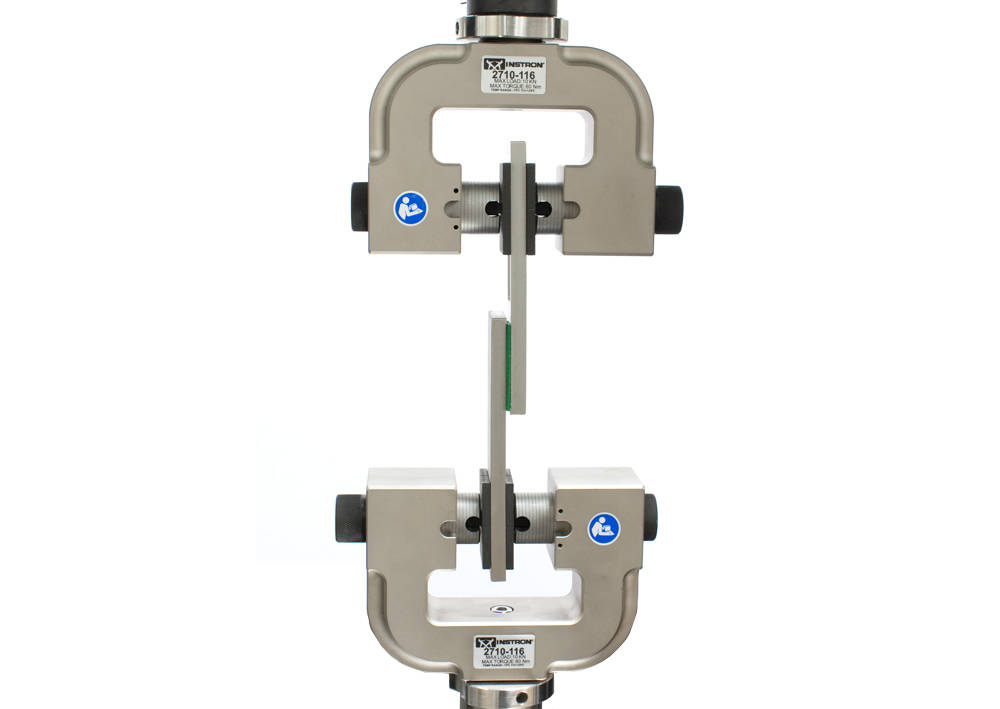
The 6800 Series single and dual column systems are built to perform lap shear tests based on load capacity requirements. Various gripping techniques, such as manual wedge action grips and pneumatic side action grips, are offered with the system to align and hold the specimen in position. Bluehill® Universal software is used to create test methods for running the lap shear test and for measuring maximum strength to shear off the specimens bonded. Furthermore, for qualitative analysis, the TestCam feature is offered for real-time feedback of the actual test at various loading conditions. 

Pin Pull Test of Connectors

Electronics » General Purpose Applications

Pin Pull Test of Connectors

The Challenge

Leadframes, or leads, are key components of a cable connector package for electrical interconnection between two functional systems. Mechanical damage to the leads result in higher risk of system failure. Therefore, it is highly critical to investigate mechanical reliability and homogeneity of the leads assembled inside the cable connectors. Typically, they are bonded inside the connectors using high strength packaging adhesives, and therefore characterization of the mechanical strength is an important part of the assembly process. Furthermore, lead design varies for different connectors depending on their functionality. For example, a connector of a charging port will have micro leadframes that are significantly different in design in comparison to a standard 16-pin socket connector used in high powered systems. These both differ from the coaxial cable connectors, which has a single leadframe.

Our Solution

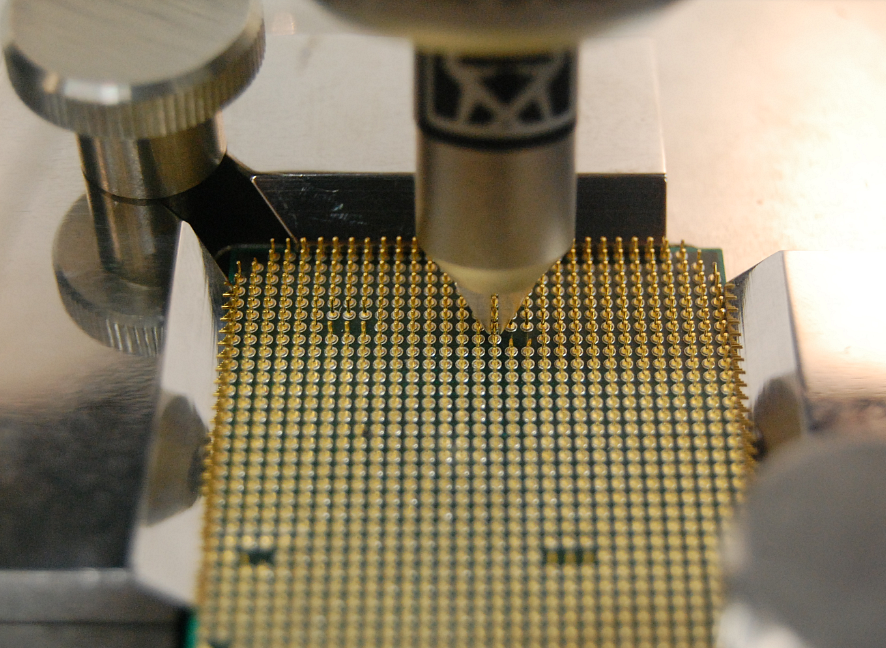
The 6800 Series testing system with an X-Y translation stage is recommended for performing tensile testing of connector pins or leads. Depending on the size of the pin, micro pneumatic grips can be used to hold them in position before pulling them. Clamping stages are available to hold down the specimen in position before performing the pull test. The X-Y translation stage offers precise positioning of individual leads, which is critical to the test in order to obtain accurate results. Using Bluehill® Universal software, a test method can be set up to automate the entire test and collect key results, such as pull strength. Additional features, such as TestCam, can be used during the test for visual representation of failures.

Tension Testing of Cables and Wires

Electronics » General Purpose Applications

Tension Testing of Cables and Wires

The Challenge

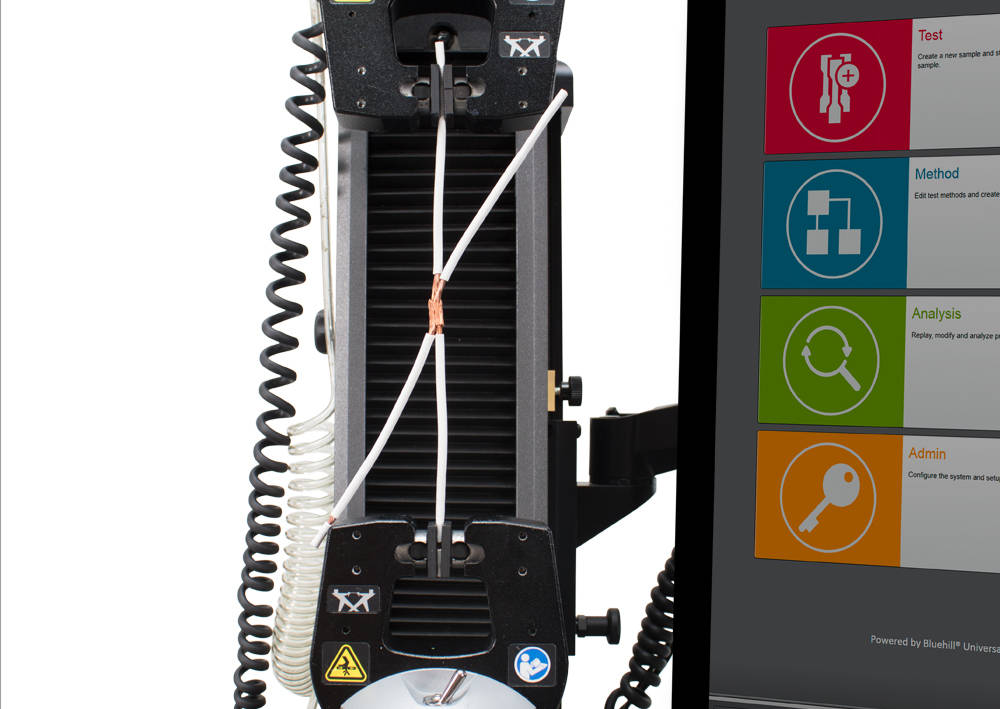
Electrical cables and wires are core components of any electronic operating system. Wired accessories, such as headphones and charging cables, are essential components to the device and the user. Today’s automotive assemblies, especially in electric vehicles, have exponentially more electrical wires and cable harness components, which are used for transmitting power, signals to control engine operations, on-board diagnostics, dashboard controls, and more. As a result, it has become more important for OEMs to understand the reliability of cables and wires under different operation conditions. Damage to these components cause greater risk of product failure, especially in automobiles. Furthermore, assemblies of cable harnesses and wires can introduce risk of damage due to handling and packaging. Environmental effects can also impact the insulation of cables, which exposes the copper leads, or may result in functional failures.

Our Solution

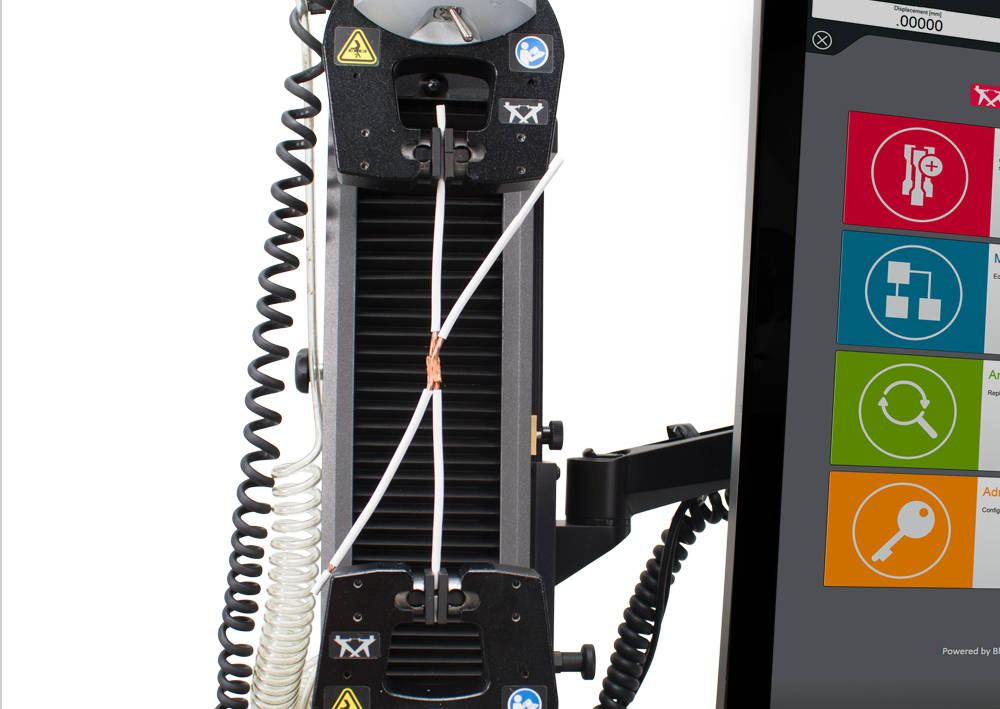
To address these challenges, tensile testing is one of the recommended mechanical test methods for reliability analysis of cables and wires. Instron® offers a wide variety of gripping solutions that are designed to clamp or hold cables of different sizes. Pneumatic grips are commonly recommended for holding wires and harnesses. Furthermore, environmental chambers are available and can be set up with Instron systems and Bluehill® Universal software. Features, such as pre-heat and pre-cool, are available to simulate operating conditions for testing. Extensometers can be used to measure strain and Young’s modulus. Results from Bluehill Universal software on tensile strength can provide OEMs data outlining the strength needed to break a cable. Instron’s Custom Solutions Group is dedicated to developing custom fixtures and accessories based on sample constraints and requirements.