Electronic components and assemblies must stand up to the mechanical stresses of manufacturing, handling, and everyday use. These general-purpose applications cover some of the most common mechanical tests in the electronics industry, helping manufacturers verify bond strength, connection reliability, and material performance. Explore each application below to learn about the recommended testing systems, fixtures, and methods.
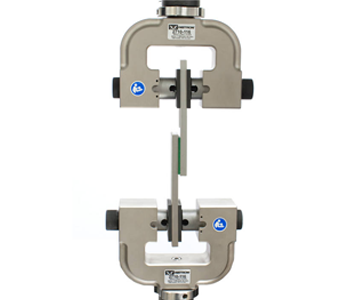
Lap shear testing measures the bond strength of adhesives used in surface mount assemblies of microelectronic components, helping manufacturers characterize and compare new adhesive formulations.
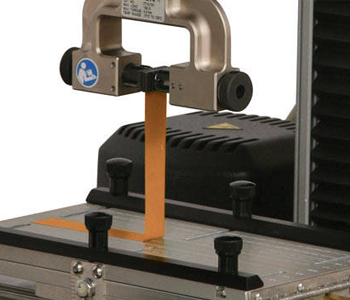
A 90-degree peel adhesion test confirms the quality of adhesion between the thin film layers used in photovoltaic (PV) cells, helping ensure reliable, long-term electrical interconnection between layers.
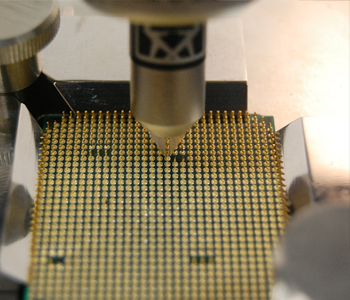
Pin pull testing verifies the mechanical strength and consistency of the pins bonded inside cable connectors, using precise positioning to test individual pins and reduce the risk of system failure.
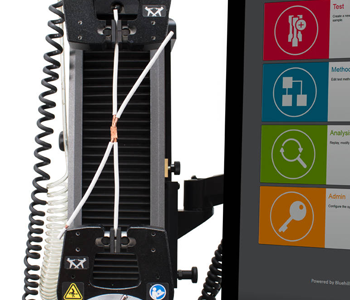
Tension testing evaluates the reliability of cables, wires, and harnesses used in electronics and vehicles, including testing under simulated operating temperatures, so OEMs know the force required to break a cable.

Talk to an Instron Expert
Not sure which test or fixture fits your electronics application? Tell us about your testing requirements and we will help you find the right solution — no guesswork required.
Talk to an Applications Engineer
Tell us about your testing needs, and we'll help you configure the right frame, load cell, grips, and software for your lab. Please complete the form below, and we'll respond within 1-2 business days. For a faster response, call +1-800-473-7838 or +1 781 828 2500 if you are outside of the US.