Road Simulators
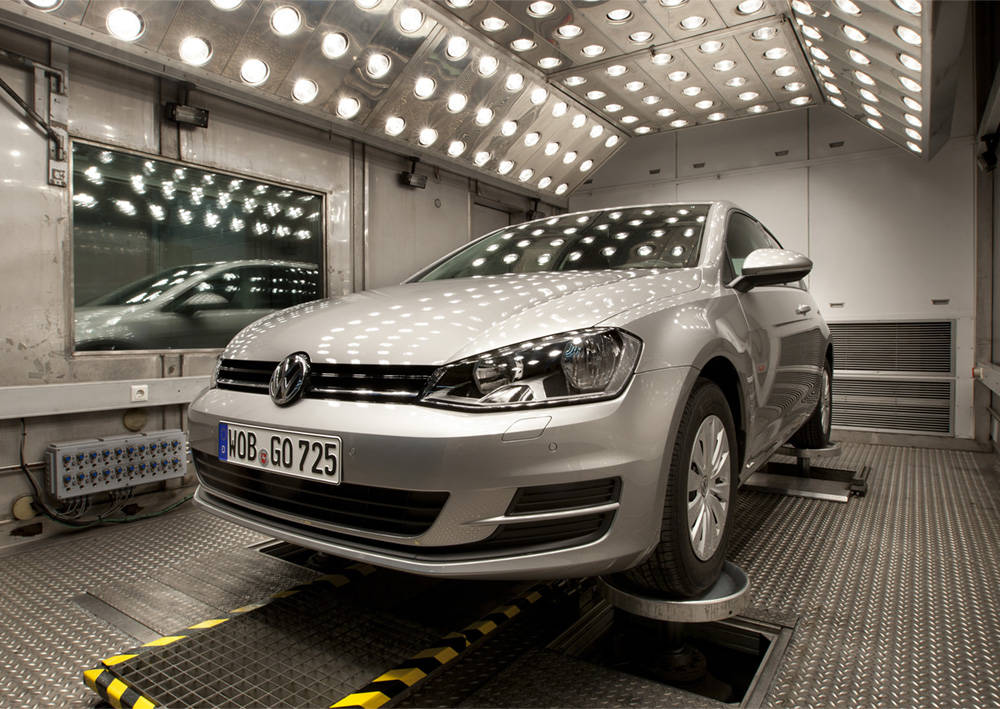
A vehicle is subjected to a wide variety of road-induced loads from poor road surfaces, or from hitting curbstones or potholes. Vertically induced dynamic loads affect the lifetime of vehicle components, can cause rattling noises in the passenger compartment, and can significantly reduce driving comfort.
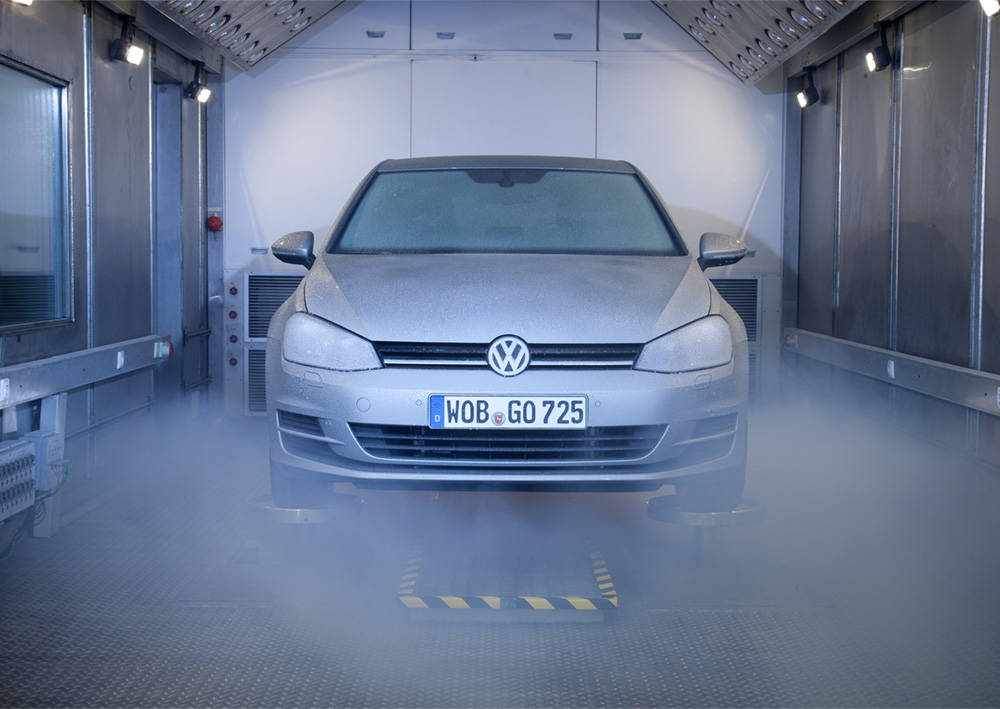
Superimposed environmental loads, such as temperature fluctuations and sunlight, cause vehicle components to age and wear more quickly than vehicle developers intend. An efficient development process requires fast, cost-effective, and reproducible results on product life and quality.
Instron road simulators are designed to recreate these conditions in the laboratory, making them an indispensable tool in a modern, productive development process.
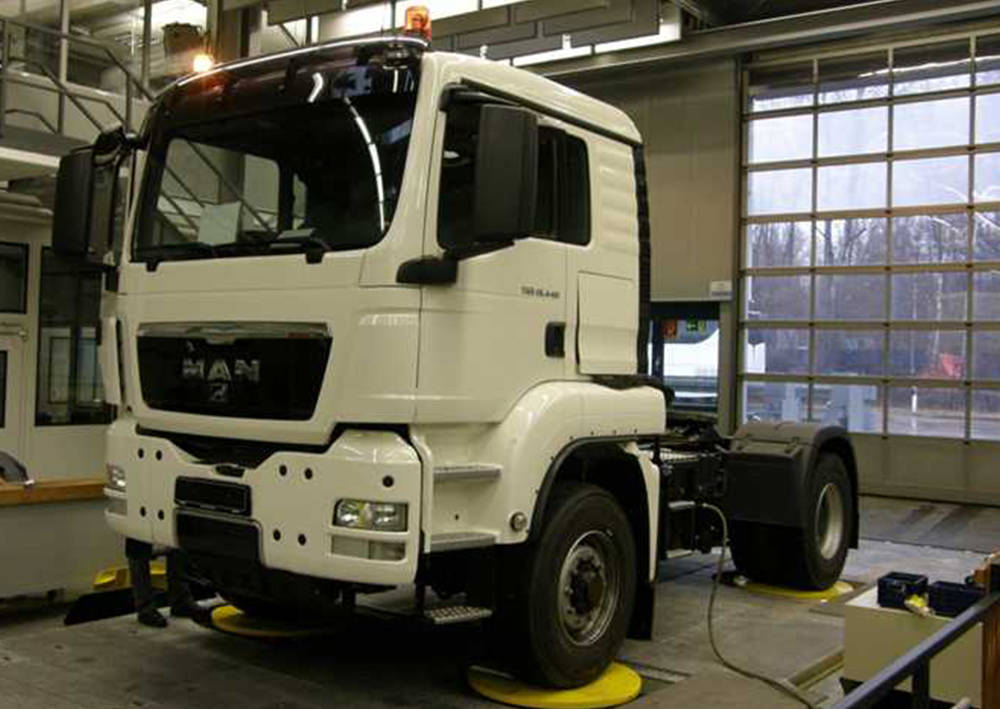
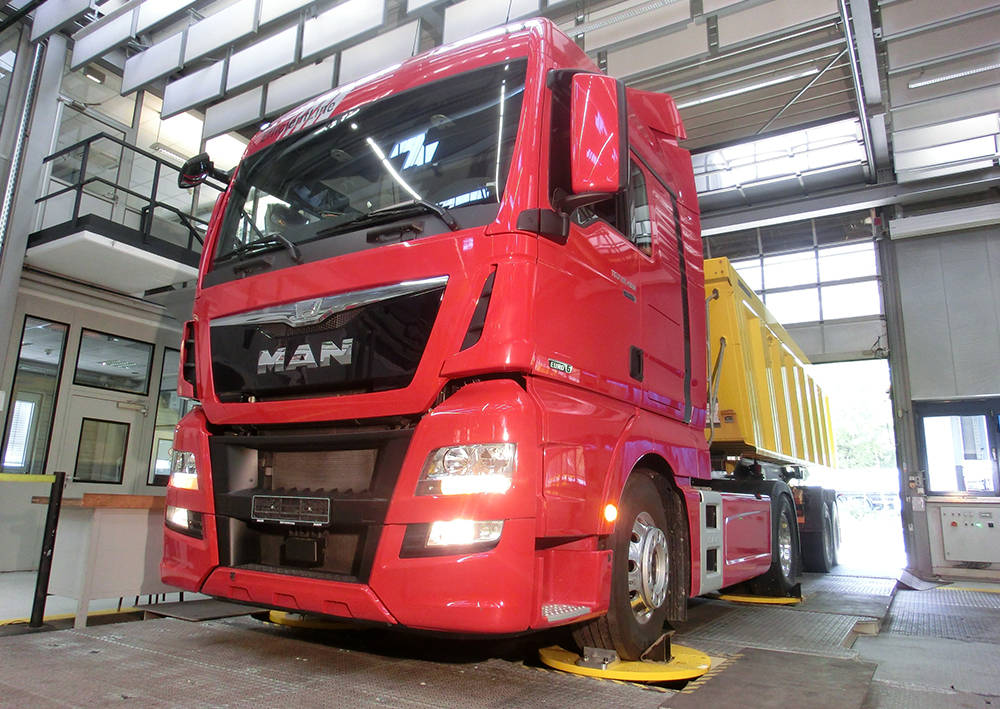
With over 200 installed systems, Instron has extensive expertise in this field. Road simulators for cars, trucks, special vehicles, and motorsport cars, with and without environmental simulation, have been successfully installed worldwide.
At customer request, road simulators have been developed for special vehicles with up to eight axles. Hydropuls® technology, with its highly dynamic, wear-free cylinders, ensures maximum service life and minimum downtime (e.g., for preventive maintenance). Depending on the servo valve combination selected for the actuators, cylinder speeds of more than 5 m/s can be achieved.
The Labtronic 8800ml digital control system, together with the comprehensive and adaptable RS LabSite® Modulogic software suite, is used in combination with the RS TWR (Time Waveform Replication) module to simulate a variety of road surfaces. Extensive analysis modules, such as the RS Analysis module, help users assess and evaluate test results.
Applications
Instron road simulators are successfully used in the following applications:
- Durability Testing
- Noise, Vibration, and Harshness (NVH) Testing
- Ride Comfort Testing
- End-of-Line Quality Control
- Suspension Setup for Motorsport with Downforce Simulation
Optional Extensions
Optional extensions include:
- Foundation engineering
- X-Y positioning devices (manual or fully automated)
- Environmental simulation (temperature, humidity, and sunlight simulation)
- Wireless remote control for use inside the vehicle
- Superimposed longitudinal force introduction
- Various wheel pans
- Event-controlled shock absorber cooling


Talk to an Instron Expert
Not sure which road simulator configuration fits your vehicle testing program? Tell us about your application and we will help you find the right solution.
Talk to an Applications Engineer
Tell us about your testing needs, and we'll help you configure the right frame, load cell, grips, and software for your lab. Please complete the form below, and we'll respond within 1-2 business days. For a faster response, call +1-800-473-7838 or +1 781 828 2500 if you are outside of the US.