Instron

Peel Testing of Screens

Electronics » Electronic Devices

Peel Testing of Screens and Displays

The Challenge

Organic light-emitting diode (OLED) is the next generation technology in the area of flat-panel displays, offering key advantages over traditional LED displays, including better brightness, higher contrast ratio, lower power consumption, and thinner panels. As a result, OLED technology can now be found in many consumer electronic devices, such as smartphones, tablets, TVs, and wearable devices, which has made the research in mechanical testing for OLEDs extremely important.

One of the most important aspects of reliability to understand is the lifetime of OLED panels, as they are highly sensitive to moisture and oxygen. Light emissions can be quenched when the organic materials are exposed to water, wherein the highly reactive cathodes can be easily corroded, due to moisture and oxygen. Effective encapsulation is essential to prevent oxidation and block permeation of water vapor and oxygen. One solution is to apply a UV-cured epoxy as a perimeter seal. Another involves using multi-layered structures of glass or PET substrates and OLED with a thin film of adhesives to bond the various layers.

Our Solution

A peel test, which is a simple mechanical test method for measuring interfacial strength and for characterizing adhesion strength, is recommended to address the challenges of OLED display panels. The adhesive peel fixtures are available in a few options, including a 90 degree peel fixture and a variable angle peel fixture. For the OLED display panels, a 90 degree peel test is often applied to measure the peel force. Furthermore, miniature 90 degree and miniature variable angle peel fixtures can be used for peeling thinner films or tapes. Pneumatic side action grips are recommended to hold the sample before peel. In cases of thin films, micro-pneumatic grips or grips with rubber coated grip faces can be used.

The 6800 Series and 3400 Series systems are suitable to perform the peel tests. Bluehill® Universal software is used to set up test parameters, such as peel length and peel speed to measure the force applied.

Multi-Point Compression Testing of Screens

Electronics » Electronic Devices

Multi-Point Compression Testing of Screens

ISO 13406-2 | ISO 9241-3

The Challenge

In addition to providing a robust viewing experience for hand-held and wearable devices, display technologies also offer touch capability for devices, giving consumers limitless ways to control their devices. Touch capability in various modes, such as using a stylus or fingers on devices, causes multi-point compression across a display panel. Force applied from touch varies by individual user and across device types, such as infotainment systems in automobiles, smartphones, tablets, touch-enabled laptops, etc. On average, billions of touch points are engaged by the user on a display panel of a typical hand-held device. With OLEDs as the next generation display technology, it is critical to perform multi-point compression testing to understand the effect of force applied on the multi-layered organic thin films at various locations of the display panel.

Our Solution

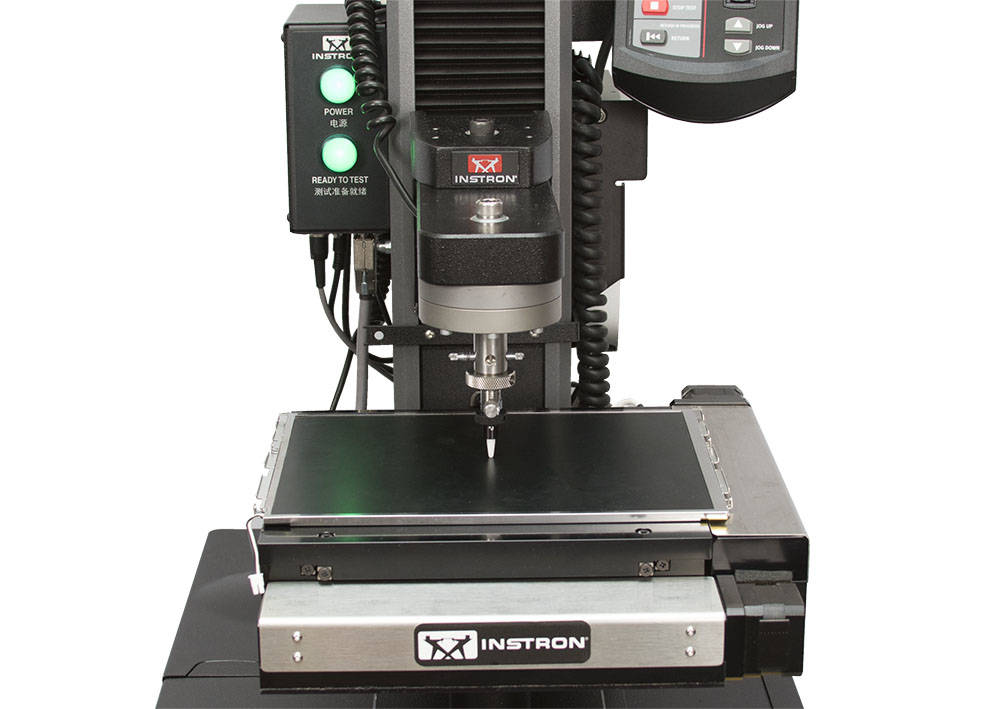
Instron’s 6800 Series single column systems are suitable for performing multi-point compression tests on screens and displays. The AT2 Automated XY Stage Testing System on a single column system offers the ability to automate multi-point compression testing on different sized display panels. Probes of different designs and materials (steel, plastic, etc.) are available to perform this compression testing. Bluehill® Universal testing software enables the user to easily set up methods for automating compression testing at various locations, such as 9-point compression testing, and record results at various points. Critical results, such as deflection at a certain load, can be computed using the software.

Button and Switch Tactility Testing

Electronics » Electronic Devices

Button and Switch Tactility Testing

ASTM F2592-16 | ASTM F1596-15

The Challenge

In today’s day and age, electronic devices available to consumers are ever-increasing and there is a constant push by OEMs to innovate and provide attractive features with cutting edge technology. Fundamentally, buttons and switch components have a wide range of applications from user control on devices and gaming consoles, to simple contacts on electrical panels. Tactility is critical to understand in this space. For example, a stiff button can be difficult to operate if the user needs to apply high force to engage, and a sensitive button can also prove to be difficult as significantly small force can cause unnecessary engagement of the device or panel. Measurement of parameters that simulate user operation of these components, such as touch force, click force, button travel to engage signal, etc. directly affect the end user and are important to monitor.

Our Solution

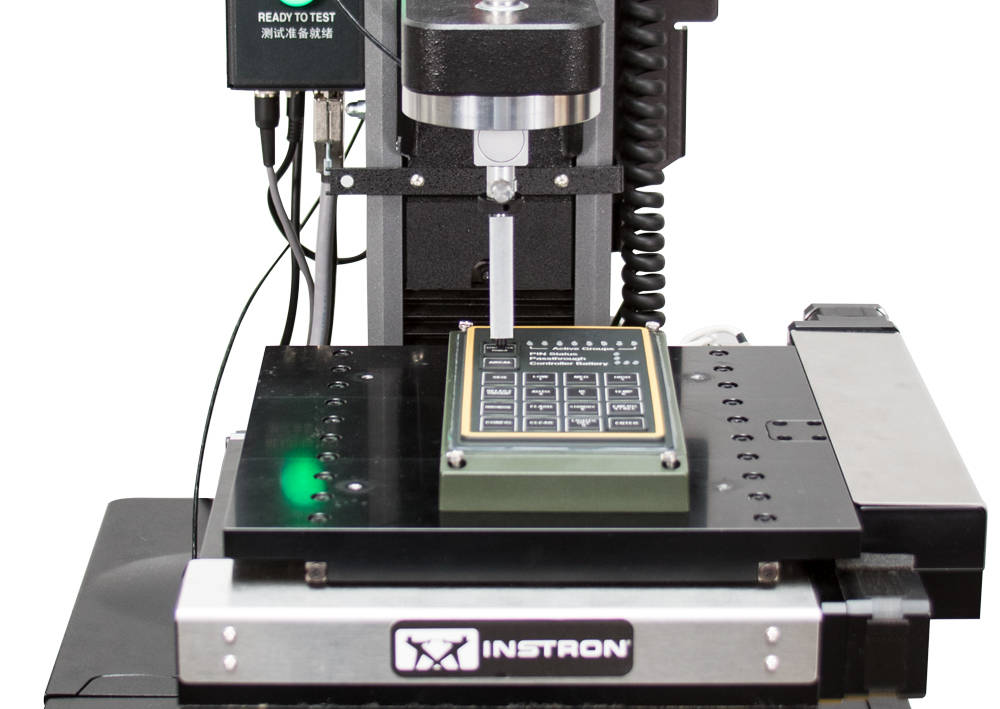
Instron’s 6800 Series single column systems, along with an Automated XY Stage, are designed to test buttons and other switch components, yielding results for OEMs to analyze critical parameters. Bluehill® Universal software is designed to create simple user-friendly methods to automate button testing and generate results in a single run. The XY stage allows users to test multiple points on a single button and multiple button samples in a single test run. Results can be exported from Bluehill software to statistically compare and validate the results.

Bend Testing of Devices

Electronics » Electronic Devices

Bend Testing of Devices

The Challenge

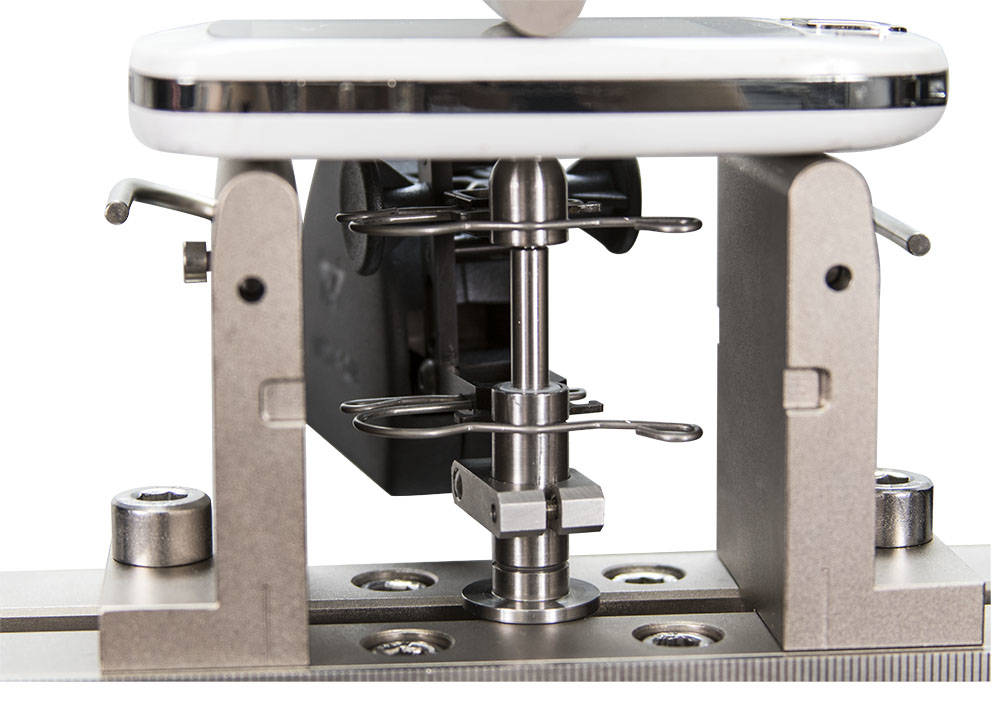
With increased demand for quality and reliable electronic devices, many original equipment manufacturers (OEMs) are committed to performing extensive testing to ensure products do not fail within their guaranteed specifications. A 3-point bend test determines the maximum force until break for destructive testing and deflection at the center of the device. While a 4-point bend test determines maximum stress along a larger region of the device to identify potential defects. It is important to accurately measure the force required to break and the deflection of the device or component for research and development purposes, as well as quality control.

Our Solution

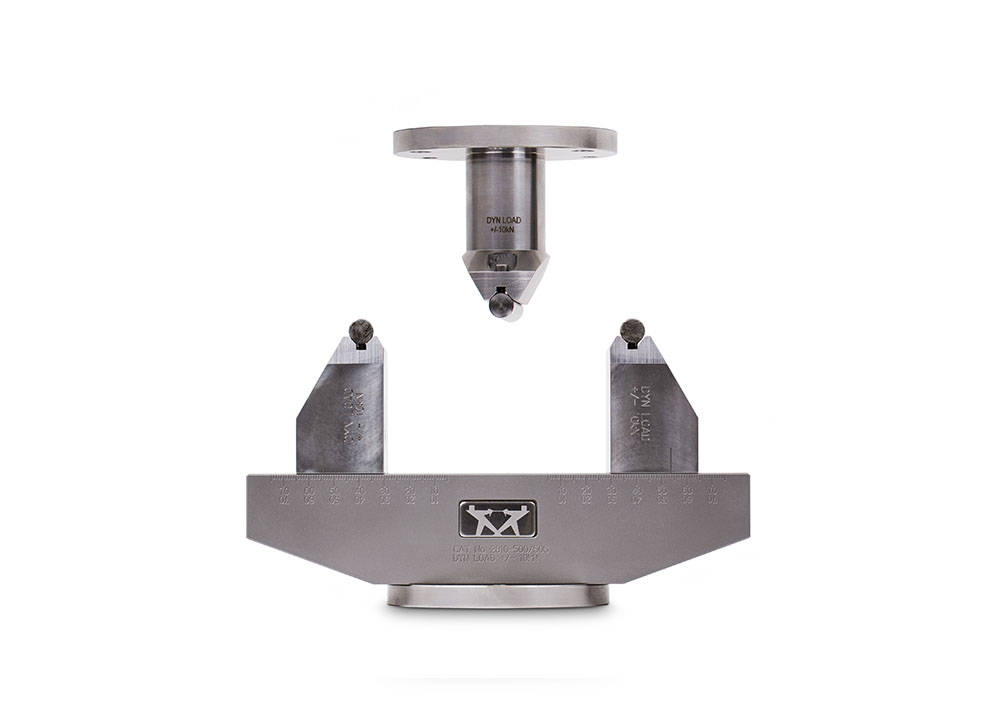
Instron offers flexure fixtures to accommodate a range of device sizes for bend testing. The Bluehill® Universal software, can be used to measure the deflection. Bluehill Universal offers a wide range of calculations and also allows the user to create custom calculations.

Bend Testing of Screens

Electronics » Electronic Devices

Bend Testing of Screens and Display Panels

ASTM C158-02 | ASTM C1499-15 | ISO 13356

The Challenge

Screens and display panels are integral parts of electronic devices, whether they are touch capable or not. OEMs are pushing the envelope by quickly adopting new technologies, like organic light-emitting diode (OLED), to enhance visual experience compared with traditional LCD or plasma displays. OLEDs are comprised of a series of multi-layered organic films between two conductors emitting bright light under electric current, therefore not needing a backlight mechanism. Consequently, they are thinner and more efficient than traditional displays. Due to their multi-layer structure, testing display panels, such as OLEDs, is critical when attempting to understand the strength of each layer and all of the layers together.
 

Our Solution

The 6800 Series single and dual column systems are suitable for conducting bend testing of screens and display panels. Various fixtures are available for performing 3-point and 4-point bend tests. 3-point bend tests are used to determine the strength of thin film materials at localized regions, and to understand failures such as cracks in those regions. Alternatively, 4-point bend tests are used to maximize bend during testing and increase the probability of failure throughout the panel. Bluehill® Universal software has the capability to create user-friendly methods and measure results from bend testing (maximum force, flexural strength, etc.). Furthermore, tests can be set up using Bluehill Universal to conduct low cycle bend testing (1 Hz.).

Compression Testing of Batteries

Electronics » Electronic Devices

Compression Testing of Batteries

IEC 62133 | UL 2054 | UN/DOT 38.3

The Challenge

As battery technology advances, lithium-ion batteries are being miniaturized in size and weight to meet the needs of manufacturers that produce everything from mobile devices and laptops, to automobiles and other electronic devices. The mix of evolving technology and miniaturization of parts demands new testing requirements to meet safety standards. Characterization and evaluation of mechanical properties of internal structural materials and cells are important, as they are exposed to forces and pressures during the manufacturing process and in everyday consumer use.

Our Solution

Instron offers a wide variety of solutions for compression testing of batteries that can be used for research and development, as well as quality control. Our compression platens are offered at many diameters to fit a range of component sizes and capacity requirements. Puncture probes are also available at various radii and offer multi-point compression in localized areas, allowing you to evaluate critical components and consistency of strength across the battery. Instron also offers the option for manual setup of testing fixtures, ideal for research and development labs, as well as fully automated solutions with an Automated XY Stage Testing System for production and quality testing.

Headphones Compression Testing

Electronics » Electronic Devices

Headphones Compression Testing

The Challenge

Headphones have evolved over the years, from wired over-the-ear style, to wired and wireless models that can control the volume of the audio device. This added variable of power and volume control at the headphones presents the need for mechanical testing to ensure a quality product and consumer usability. A defective power source or volume control can lead to an unusable product. This is where compression testing is important in defining the user specifications and inspection important to ensure a quality product is delivered.

Our Solution

The 6800 Series single column electromechanical testing systems are designed for low-force testing. Various automated and manual XY stages are available that can move to test in the X-Y direction. Puncture probes with various radii offer button or touch testing to meet product specifications. Instron’s Bluehill® Universal software with the TestProfiler module allows ramp testing with holds to meet any test procedure requirements. This flexibility allows manufacturers to have varied design criteria, such as length of time a button is compressed, and at what force before a signal is engaged.

Bend Testing of Cables and Wires

Electronics » Electronic Devices

Bend Testing of Cables and Wires

ASTM D790-17

The Challenge

Cables and wires, which are critical in any electrical driven system, are exposed to constant mechanical stresses. For example, in automobiles and aircrafts, electrical cables and wires are routed through different sleeves and inserted through panels as part of the assembly. As a result, it is critical to test the strength of wire insulation under different operating conditions, including high temperature, low temperature, high pressure, moisture, etc. Furthermore, OEMs are looking to characterize the strength of the insulation materials, along with the voltage and resistance measurement. This is critical to understand how mechanical load impacts the electrical performance of the cables and wires used.

Our Solution

Instron’s 3-point and 4-point flexure fixtures are recommended to perform bend testing of cables and wires. Bluehill® Universal software is implemented to set-up quick and easy methods to run bend tests at certain end-of-test conditions. Furthermore, Instron custom fixtures are designed for specific applications, such as cutting of cables and wires, to understand the load at which the current or voltage is lost. In several other cases, manufacturers are also looking to measure the strength and flexural displacement of cables to understand the mechanical load insulation materials can sustain, and the maximum distance the cable harnesses can bend before break. To simulate environmental conditions, Instron offers environmental chambers to run at high and low temperature conditions.

Insert and Extract Testing on Devices

Electronics » Electronic Devices

Insert and Extract Testing on Devices

The Challenge

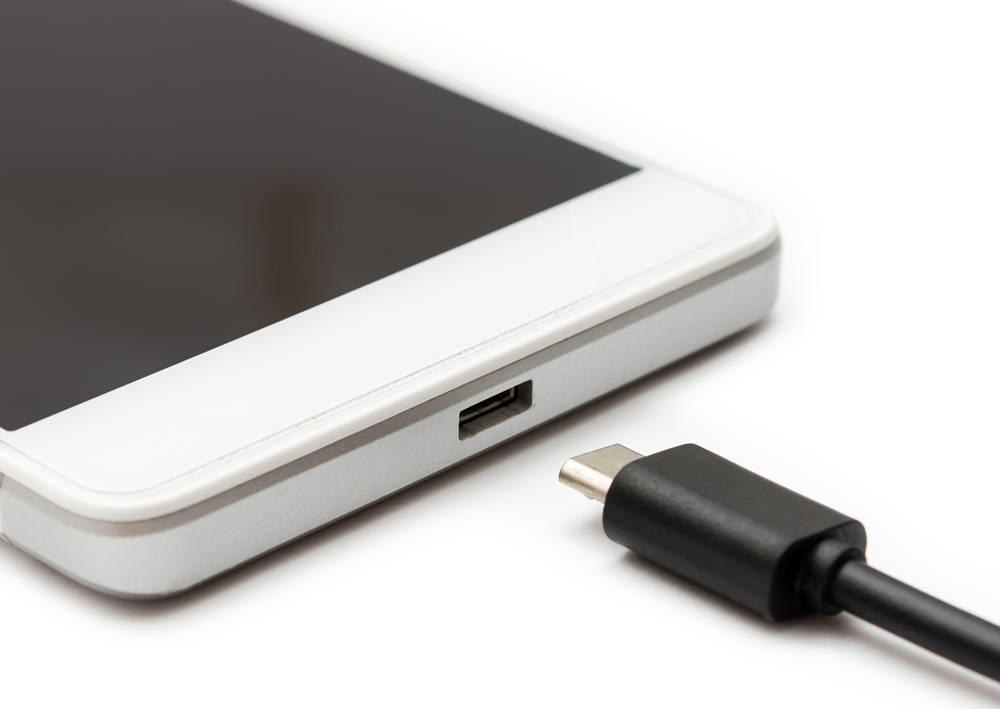
The charging port on mobile devices is arguably the device’s most critical component, as its function is to charge the battery of the device. Measurable and consistent forces for insertion and extraction of cables are required in order to simulate user interaction. Mechanical testing in compression is important to understand how much force is required to insert the cable and engage the electrical signal without damaging the device.

Our Solution

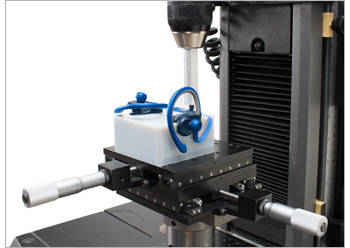
The 6800 Series single column electromechanical testing systems are designed for low-force testing. Adjustable and custom fixtures are available to test any size device in any orientation. These offerings include both manual and fully automated solutions. Manual setup is often used in research and development as tolerances are being designed and human forces are simulated. Automated solutions are often seen in production and quality environments to ensure forces are within the lower and upper boundaries as defined in the specifications.