
ASTM D1525 Determination of Vicat Softening Temperature of Plastics
Vicat softening temperature of plastics: why is it important?
The ASTM D1525 Vicat Softening Temperature (VST) test gauges the ability of a plastic product to retain its surface mechanical properties at high temperatures.
The high temperature mechanical properties of plastics can limit their widespread application. Some polymers are capable of withstanding temperatures of 200°C or higher, while others fail before reaching 100°C.
Vicat Apparatus Test Procedure
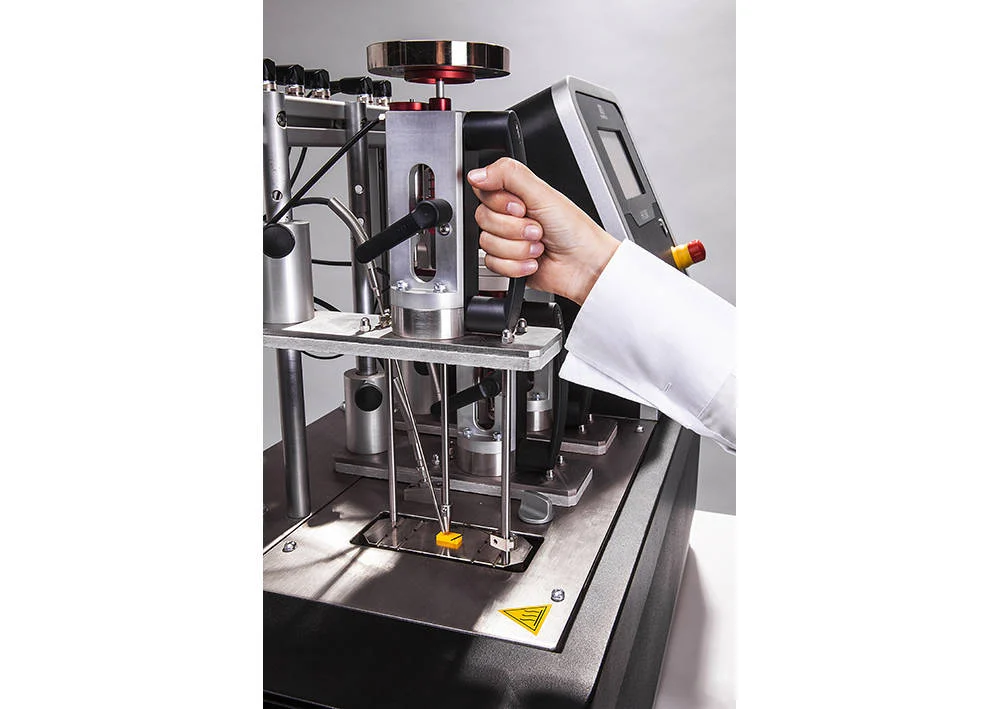
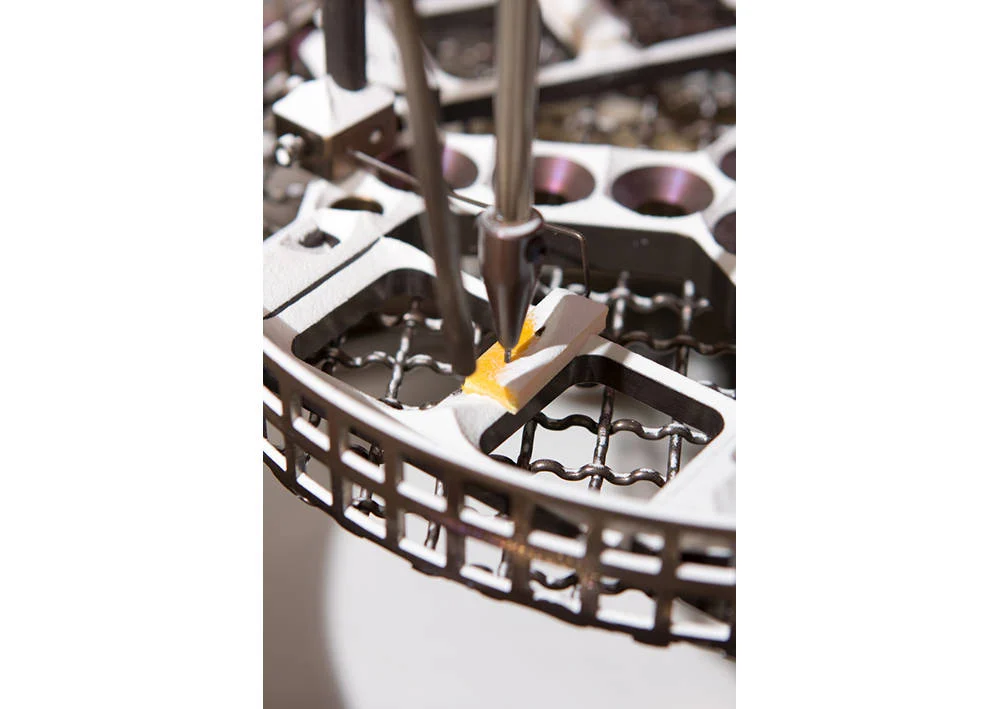
The Vicat Softening Temperature test, also known as Vicat Needle test, is performed by applying a point load onto the specimen, and raising the temperature of that specimen at a steady rate. As soon as the point load has penetrated 1mm into the specimen, the test is ended and the temperature recorded.
The results can then be used for development or quality control purposes, but should not be used in design calculations. The test itself is quite flexible as there is no prescribed specimen size or shape (beyond a particular minimum footprint) and specimens can have a range of thicknesses.
ASTM D1525/ISO 306
The ASTM D1525 Vicat test is shadowed by the ISO equivalent, ISO 306. This test is technically equivalent in many ways, but does not account for initial creep as does this standard. Moreover, the ASTM D1525 standard is allowing the use of the fluidized powder as a heat transferring medium.
This new system has been found satisfactory and safe for short-term heat cycles up to 500°C. It has open the door to thermo-mechanical tests for all those materials (e.g. PEEK, PEI, LCP, etc) where standard softening temperature is greater than 300°C.
HDT Vicat Tester Solutions
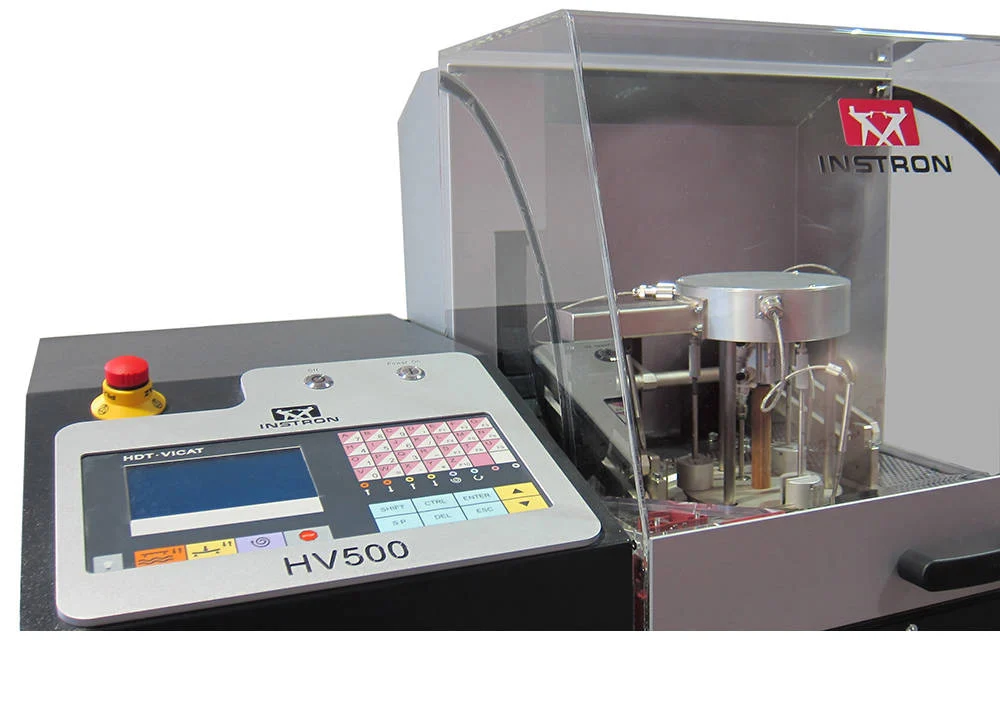
With regard to testing, the Instron HV series of thermo-mechanical testers is perfectly positioned to comply with all of these standards.
Featuring intuitive on-board control (optional automation) and easily changed testing heads, these machines are versatile and adaptable to your changing thermo-mechanical testing needs.
We can even supply the Instron HV500 with oil-free heat transfer medium for laboratories where oil-based systems are inappropriate.
Additionally, we can supply a number of specimen preparation solutions for punching and milling your specimens ready for test.
In order to run an ASTM D1525 test, please consult the standard.
CEAST HDT Vicat Series 3 and 6 Stations Testers
The effect of temperature on the mechanical properties of plastic
materials has a fundamental role in the design of components,
especially in the selection of materials. Unlike metals and ceramics,
plastics are extremely sensitive to the slightest changes in temperature.
The selection of plastics for applications under different temperatures
is a complex task. The material must be able to support a stress under
operating conditions without losing its strength and without critical
distortion. The effect of temperature on geometrical stability and
mechanical properties in general can be studied following different
procedures and methods like at constant temperature or with a
temperature ramp.
- Prodotti
- 06/19/2012
- 1.23 MB
CEAST HDT Vicat Series HV500
The effect of temperature on the mechanical properties of plastic materials has a fundamental role in the design of components, especially in the selection of materials. Unlike metals and ceramics, plastics are extremely sensitive to the slightest changes in temperature. The selection of plastics for applications under different temperatures is a complex task. The material must be able to support a stress under operating conditions without losing its strength and without critical distortion. The effect of temperature on geometrical stability and mechanical properties in general can be studied following different procedures and methods like at constant temperature or with a temperature ramp. From very simple units for QC labs to more advanced and automated systems, the Instron line of CEAST Thermal testers are designed to measure the heat deflection temperature (HDT) and the Vicat softening temperature (VST) according to the related ISO and ASTM international standards.
- Prodotti
- 09/27/2021
Instron HV Series for HDT and Vicat Testing
The effect of temperature on the mechanical properties of plastic materials has a fundamental role in the design of components, especially in the selection of materials. Unlike metals and ceramics, plastics are extremely sensitive to the slightest changes in temperature. The selection of plastics for applications under different temperatures is a complex task. The material must be able to support a stress under operating conditions without losing its strength and without critical distortion. The effect of temperature on geometrical stability and mechanical properties in general can be studied following different procedures and methods like at constant temperature or with a temperature ramp.
- Prodotti
- 06/21/2018
- 1.15 MB
CEAST AlOxide® performs HDT and Vicat Tests at up to 500 °C
The newly developed Instron CEAST AlOxide® thermal tester determines the Vicat softening temperature and HDT heat deflection temperature of plastics at temperatures up to 500 °C, allowing measurements to be conducted even on highly temperature resistant thermoplastics such as PEEK. Unlike conventional instruments, which use silicone oil as heating medium and typically offer maximum temperatures of 300 °C, the Instron CEAST AlOxide uses heat-resistant aluminium oxide powder in a fluid bed. The method is expected to be adopted in the relevant European standards in the near future.
- Press Releases
- 08/31/2011
- 365.2 KB
