Intervertebral Disc Testing

Biomedical Testing » Orthopedics

Intervertebral Disc Testing

The Challenge

Intervertebral Disc

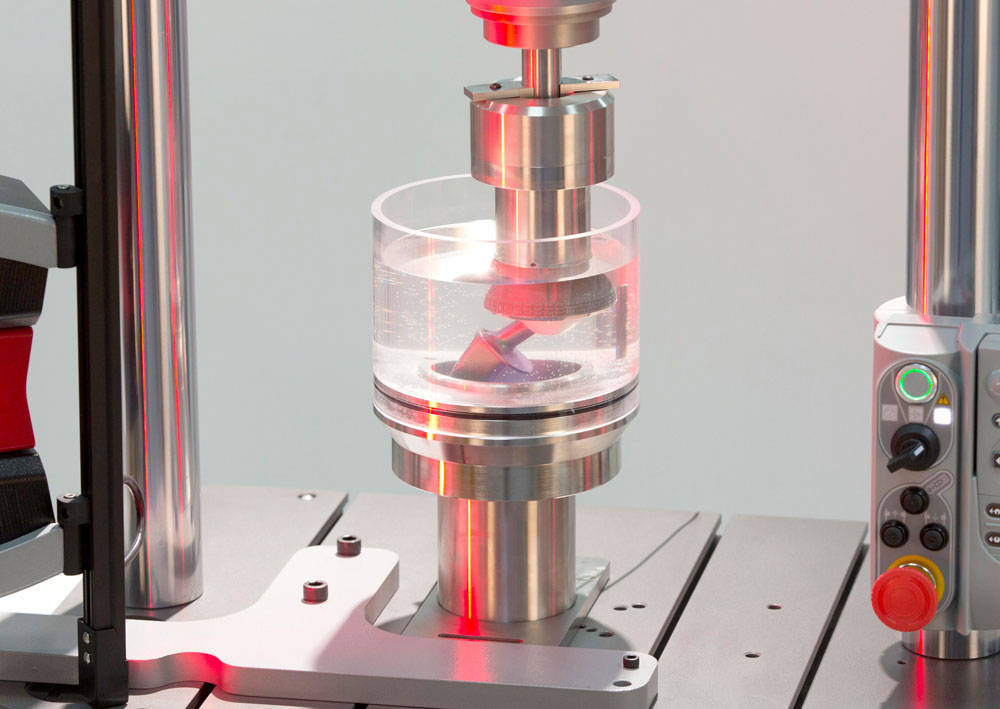
Intervertebral disc replacement is a surgical technique for the treatment of lower back pain related to degenerative disc disease. The advantage of this technique over traditional spinal fusion is that it preserves or restores motion in the spine, and has the potential to delay the onset of degeneration of healthy discs at adjacent levels in the spine. Disc prostheses are designed to be load bearing over the physiological range of disc motion, and to give years of pain-free and trouble-free operation in the body. Understanding the static and dynamic characteristics of a particular device allows manufacturers and designers to ensure their product is proven and accepted. ASTM F2346 provides a methodology for characterizing the static strength and dynamic fatigue behavior of disc prostheses. The rigorous testing regimes in this standard aim to scientifically validate any prosthesis design. With a typical test run lasting for 10 million cycles and requiring both axial and torsional loading, it is vital that a testing system copes with these performance demands and delivers the highest quality of results. In addition, the requirement to conduct these tests in a wet environment adds to the complexity of the system.

Our Solution 

Intervertebral Disc Testing

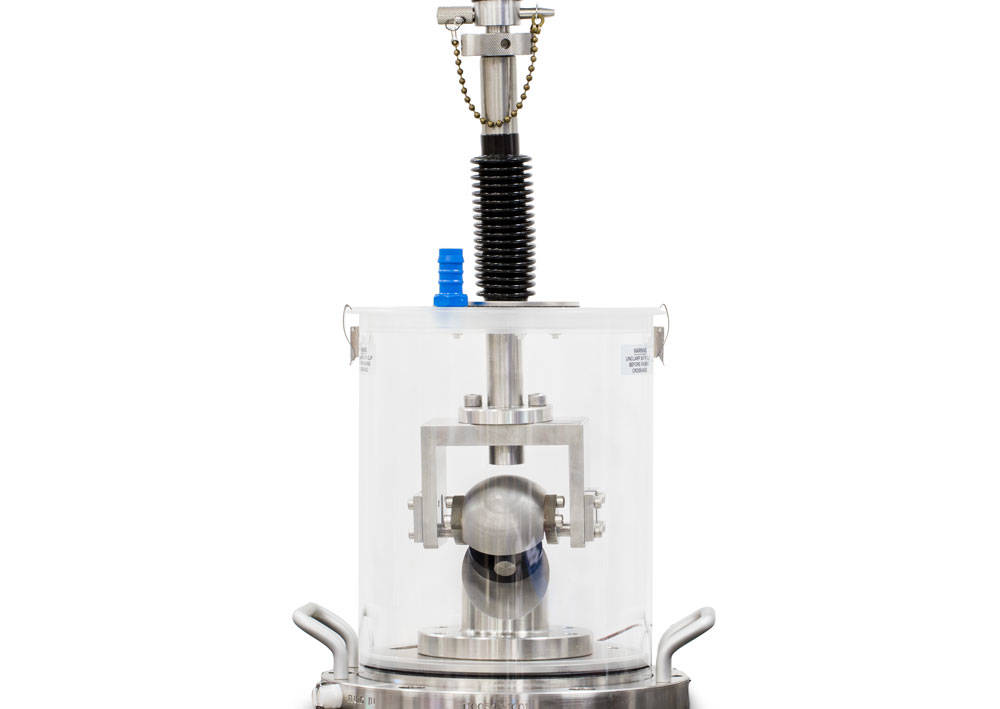
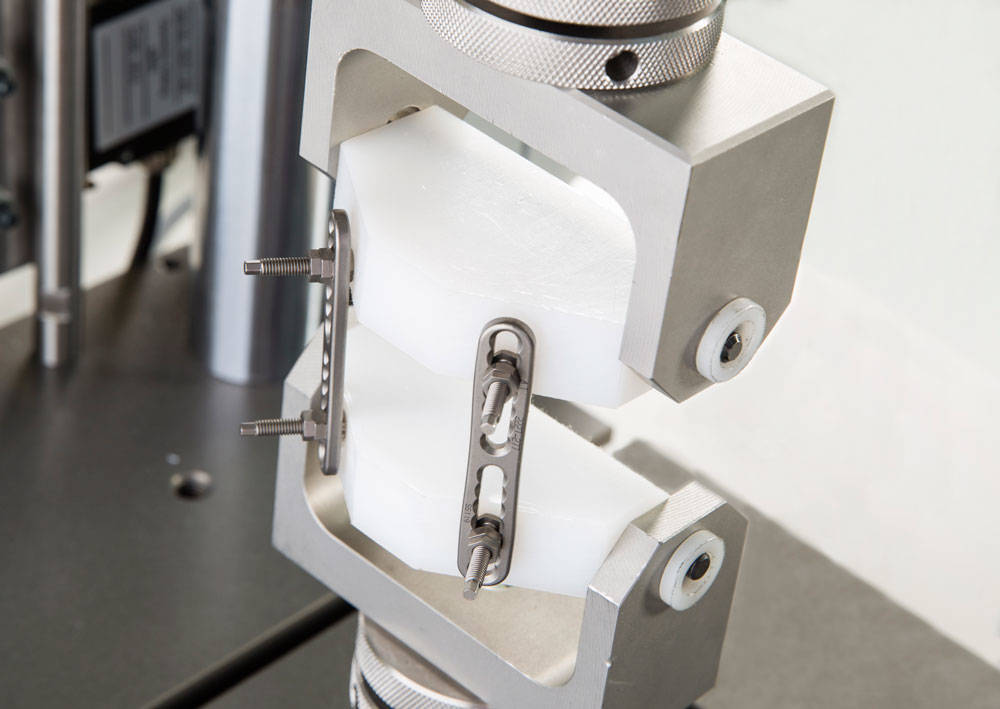
An 8874 axial-torsional system, with the addition of a temperature controller and re-circulator unit, allows device manufacturers and contract research laboratories to conduct both static and cyclic testing on a range of implant designs. The bath, in which saline flow and temperature are controlled, provides a stable environment. With the use of specialized test fixtures, the 8874 system's combined axial-torsional actuator allows for characterization to be conducted in axial compression, compression-shear, and compression-torsion test modes for both articulating discs of traditional metal-on-metal or metal-on-polyethylene design. It's also used for the next generation of prostheses, which feature an elastomeric component to give axial compliance under load that mimic the biomechanics of the natural disc.

การทดสอบข้อเข่า


Biomedical Testing
»
Orthopedics


การทดสอบข้อเข่า

ความท้าทาย

ข้อเข่า

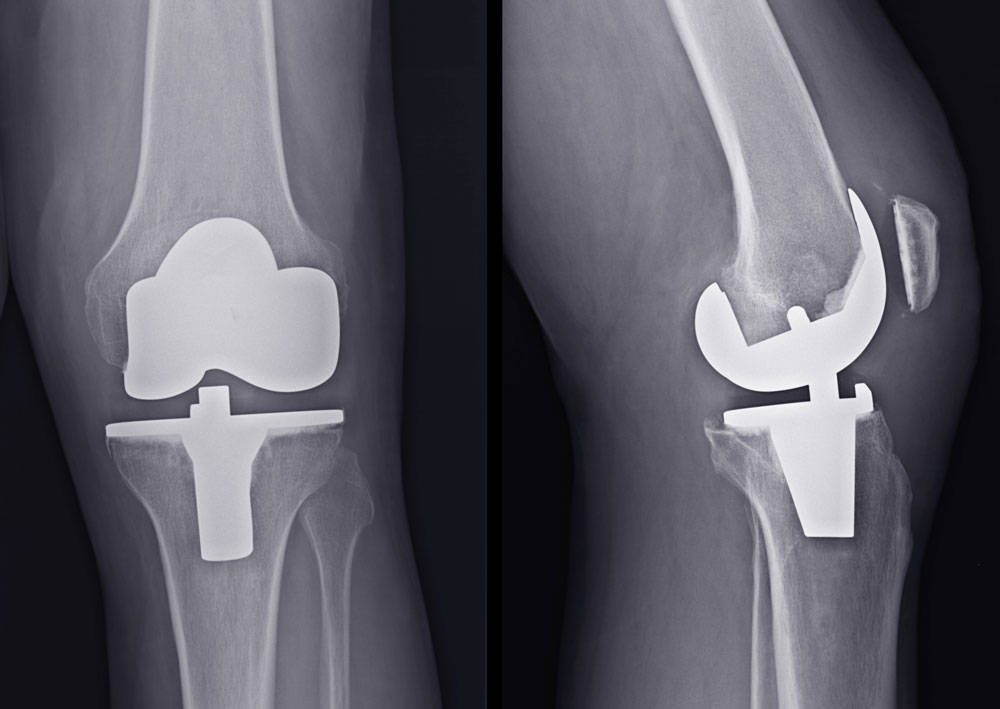
การผ่าตัดเปลี่ยนข้อเข่าเทียมเป็นหนึ่งในหัตถการทางศัลยกรรมชั้นนำทั่วโลกเพื่อปรับปรุงคุณภาพชีวิต การแตกหักจากความล้าของส่วนรองรับกระดูกหน้าแข้ง (tibial tray) เป็นหนึ่งในกลไกความล้มเหลวที่มีการรายงานบ่อยที่สุดของการเปลี่ยนข้อเข่าเทียมทั้งหมด (TKR) ซึ่งเกิดจากการสูญเสียการรองรับของกระดูกที่อยู่ด้านล่างอันเนื่องมาจากปฏิกิริยาทางชีวภาพ เช่น การละลายของกระดูกที่เกิดจากการสึกหรอ ภายใต้สภาวะเหล่านี้ ส่วนรองรับกระดูกหน้าแข้งจะไม่เสถียรทางกล และการรับภาระแบบรอบที่เกิดจากการเดินปกติจะทำให้เกิดรอยร้าวจากความล้า ซึ่งนำไปสู่ความล้มเหลวอย่างรุนแรงในที่สุด

โซลูชันของเรา

การทดสอบข้อเข่า

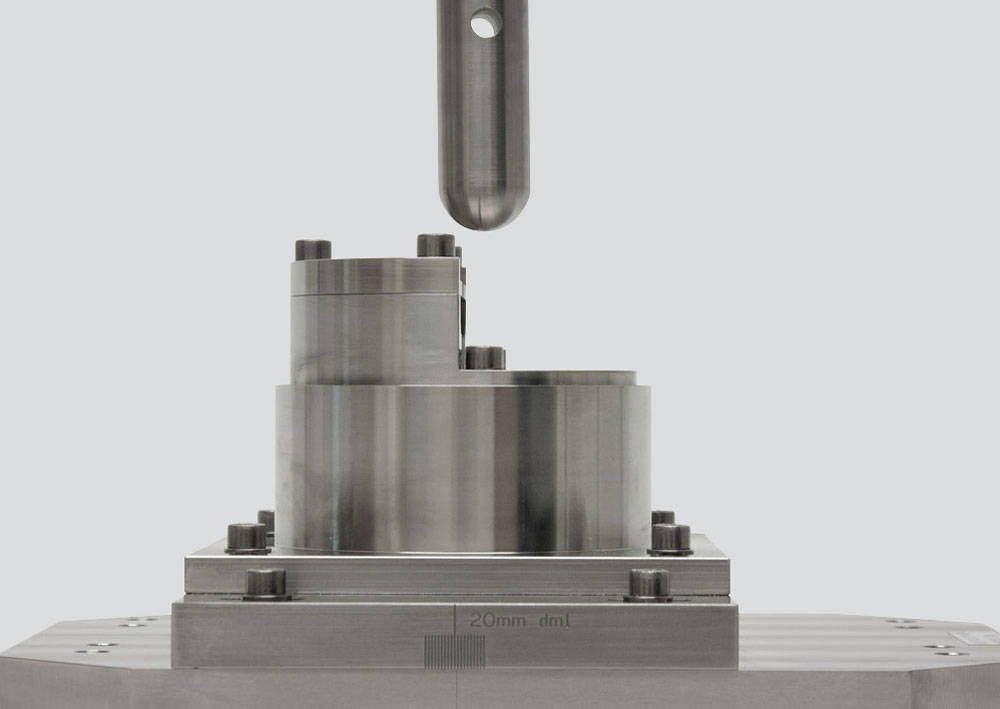
เครื่องทดสอบไดนามิกแบบไฟฟ้าทั้งหมด ElectroPuls ช่วยสนับสนุนผู้ออกแบบ ผู้ผลิต และนักวิจัยตลอดกระบวนการวงจรชีวิตผลิตภัณฑ์ ตั้งแต่การหาคุณสมบัติพื้นฐานของวัสดุ เช่น ความต้านทานต่อการขยายตัวของรอยร้าวจากความล้า ไปจนถึงการทดสอบส่วนรองรับกระดูกหน้าแข้งทั้งหมดและส่วนอื่นๆ เราใช้อุปกรณ์ยึดจับเพื่อยึดส่วนรองรับกระดูกหน้าแข้งไว้ครึ่งหนึ่ง เพื่อจำลองส่วนปุ่มกระดูก (condyle) ที่ได้รับการรองรับอย่างเต็มที่ ส่วนปุ่มกระดูกอีกข้างที่ไม่ได้รับการรองรับจะถูกให้ภาระที่สอดคล้องกับสภาวะทางสรีรวิทยา การใช้โหลดเซลล์ Dynacell ที่เป็นเอกลักษณ์ของเรา จะช่วยขจัดข้อผิดพลาดจากแรงเฉื่อยไดนามิก เช่น ข้อผิดพลาดที่เกิดจากอุปกรณ์ยึดจับและจากอุทกพลศาสตร์ที่เกิดขึ้นเมื่อทดสอบในอ่างควบคุมสภาวะแวดล้อม สิ่งนี้ช่วยให้สามารถวัดภาระที่กระทำต่อชิ้นงานได้อย่างแม่นยำยิ่งขึ้น

การทดสอบข้อสะโพกเทียม


Biomedical Testing
»
Orthopedics


การทดสอบข้อสะโพกเทียม

ความท้าทาย

ข้อสะโพกเทียม

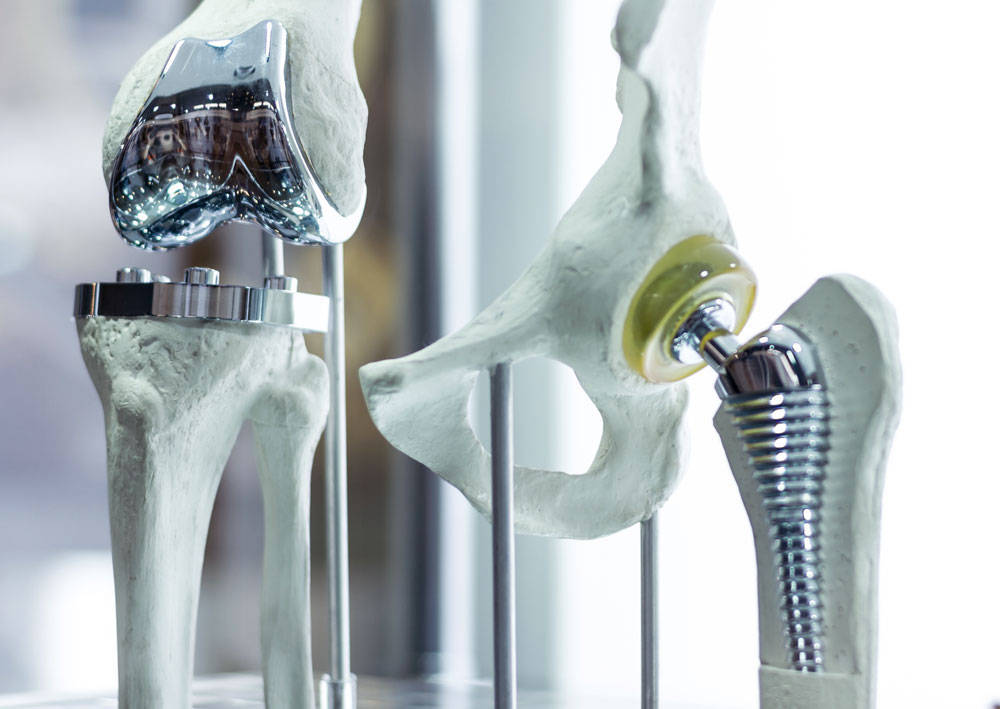
หลังการผ่าตัด อาจเกิดการหลวมของส่วนต้น (proximal loosening) และการบดบังความเค้น (stress shielding) อันเป็นผลมาจากกิจกรรมปกติ และอาจนำไปสู่ลักษณะการรับภาระที่ผิดปกติ ดังนั้น สภาพแวดล้อมและภาระงานจริงที่ชิ้นงานจะได้รับขณะอยู่ในร่างกายจึงจำเป็นต้องได้รับการจำลองในการทดสอบ การทดสอบความล้าของส่วนก้านข้อสะโพกเทียม (Hip femoral fatigue testing) อาจเป็นเรื่องที่ท้าทายเนื่องจากความสำคัญของการฝังชิ้นงานอย่างแม่นยำ อุปกรณ์ยึดจับจำเป็นต้องสามารถรองรับความเค้นจากการกด การดัด และการบิดเพื่อให้เป็นไปตามมาตรฐาน ISO 7206 อัตราความถี่ที่สูงของการทดสอบเหล่านี้ยังก่อให้เกิดความท้าทาย เนื่องจากอาจทำให้ชิ้นงานมีอุณหภูมิสูงเกินขีดจำกัดที่ยอมรับได้

โซลูชันของเรา

การทดสอบข้อสะโพกเทียม

Instron® มีอุปกรณ์ฝังชิ้นงานที่ช่วยให้มั่นใจได้ว่าได้มุมเยื้องและความลึกในการฝังตามที่กำหนด อุปกรณ์ยึดจับที่ทนทานต่อการกัดกร่อนซึ่งสร้างขึ้นเพื่อวัตถุประสงค์เฉพาะช่วยให้สามารถทดสอบในสภาวะเสมือนจริงในร่างกาย (in vivo) ได้ ชุดประกอบมาพร้อมกับตัวควบคุมอุณหภูมิและปั๊มหมุนเวียนเพื่อให้แน่ใจว่าอุณหภูมิจะไม่เกินขีดจำกัดที่ยอมรับได้ โดยการลดความถี่ของการทดสอบโดยอัตโนมัติ อุปกรณ์ยึดจับที่ติดตั้งง่ายนี้ประกอบด้วยหัวกดที่มีแรงเสียดทานต่ำและอะแดปเตอร์สำหรับติดตั้งเข้ากับระบบ ElectroPuls ซอฟต์แวร์ Instron WaveMatrix ช่วยให้สามารถใช้เกณฑ์การสิ้นสุดการทดสอบได้หลายรูปแบบ เช่น การทดสอบตามจำนวนรอบที่กำหนด หรือจนกว่าจะตรวจพบความล้มเหลวของชิ้นงาน ซึ่งสามารถกำหนดได้หลายวิธี ด้วยแพ็คเกจเดียว คุณสามารถทดสอบตามข้อกำหนด ISO 7206-4, 7206-6 และ 7206-8 ได้อย่างมั่นใจและเหนือกว่าข้อกำหนดเหล่านั้น

Bone Screw Testing

Biomedical Testing » Orthopedics

Bone Screw Testing

The  Challenge

Bone Screw

Bone screws are used in surgical procedures for securing implants, osteosynthesis devices, and fracture fixation plates to the skeletal system. In normal clinical use, a surgeon applies combined axial and torsional forces to the bone screw as it is implanted within the body. Manufacturers and scientists test bone screws to determine various mechanical properties when evaluating new materials and designs. The most common standard for testing bone screws is ASTM F534. The standard consists of a total of four testing annexes: axial tests, torsion only tests, or a combination of both linear and torsion tests. ASTM F543-17 Test A1 - Test Method for Determining the Torsional Properties of Metallic Bone Screws requires the screw to be sufficiently clamped and a rotational velocity between 1 and 5 rpm to be applied until specimen failure, and to measure the torque profile and the rotational angle. ASTM F534-17 Test A2 - Test Method for Driving Torque of Medical Bone Screws measures the torque required to insert and remove the screw with a constant rotational velocity between 1 and 5 rpm while maintaining an axial load of no more than 10 N in compression. ASTM F543-17 Test A3 - Test Method for Determining the Axial Pull-Out Strength of Medical Bone Screws measures the force required to axially remove the screw that has been fully inserted in the test block using the method from Test A2. The pull-out fixture then applies a tensile load at a constant rate of 5 mm/min until the failure of the bone screw or removal from the test block. ASTM F543-17 Test A4 - Test Method for Determining the Self-Tapping Performance of Self-Tapping Medical Bone Screws specifies the procedure to evaluate the axial loading required to engage a self-tapping bone screw into a standard laboratory material. Although considered a simple clinical procedure, reproduction of this in vitro results in a relatively complex motion due to the interaction between the rotation and linear axes of a test machine. The test requires a continuous rotational velocity of up to 30 rpm while the axial load is incremented during the insertion at a rate of 2 N/s. The objective of this test is to record the torque profile as the bone screw is inserted into the material and then removed.


Our Solution 

Bone Screw Testing

To perform bone screw testing to ASTM F543, either an electromechanical system with a Torsion Add-On 3.0 , or an ElectroPuls™ Linear-Torsion system can be used. The Torsion Add-On 3.0 can be added to any new or existing 6800 Series single column or dual column table top testing machine to add rotational capabilities. The ElectroPuls E10000 and E3000 Linear-Torsion test systems are all-electric dynamic testing systems that provide a unique linear and torsion actuator system that is capable of synchronized linear and multi-rotation testing, which makes them ideal platforms for performing the full range of tests prescribed by the standard. For both the electromechanical system and ElectroPuls system, a bi-axial Dynacell load cell is mounted to the base of the machine. Using WaveMatrix™ dynamic test software on the ElectroPuls system, a user is able to control both axial and rotational axis in closed-loop control. This gives the user the ability to easily set up the multi-axial tests as a series of steps, and displays the required information as the test proceeds. Special fixtures are used to clamp the material to the biaxial load cell, and a drill chuck is used for the drive bits.

การทดสอบอุปกรณ์ยึดตรึงกระดูกหัก


Biomedical Testing
»
Orthopedics


การทดสอบอุปกรณ์ยึดตรึงกระดูกหัก

ความท้าทาย

การยึดตรึงกระดูกหัก

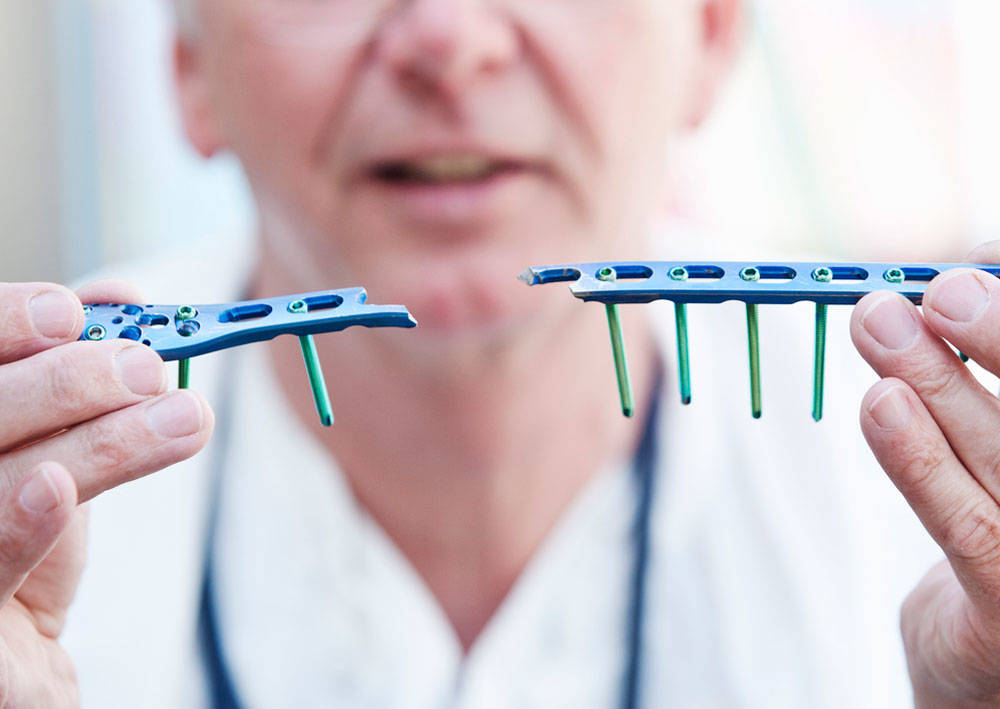
แผ่นยึดตรึงกระดูกหักใช้เพื่อยึดกระดูกที่แตกร้าวหรือหักอย่างรุนแรงให้อยู่นิ่ง แผ่นเหล่านี้มักทำจากไทเทเนียมหรือสแตนเลส ซึ่งทั้งสองชนิดมีคุณสมบัติทางกลที่ใกล้เคียงกับกระดูกธรรมชาติ รวมถึงความแข็งเกร็งและความต้านทานแรงดึงสูงสุด แผ่นเหล่านี้มักมีรูปทรงเรขาคณิตที่ไม่สม่ำเสมอและมีหลายขนาดเพื่อให้เหมาะสมกับตำแหน่งกระดูกหักที่แตกต่างกันในร่างกาย ตัวอย่างเช่น แผ่นที่ใช้ยึดกระดูกต้นขาที่หักจะแตกต่างอย่างมากจากแผ่นที่ใช้กับข้อเท้า นิ้วมือ หรือขากรรไกร รูปทรงเรขาคณิตที่ไม่สม่ำเสมอและช่วงขนาดที่หลากหลายของแผ่นยึดตรึงกระดูกหักทำให้เป็นส่วนประกอบที่ท้าทายในการทดสอบ นอกจากนี้ ในกรณีส่วนใหญ่ แผ่นเหล่านี้จะยังคงอยู่ในตัวผู้ป่วยตลอดชีวิตและต้องสามารถทนต่อการเคลื่อนไหวแบบไดนามิกของร่างกายได้นานหลายทศวรรษ

โซลูชันของเรา

การทดสอบอุปกรณ์ยึดตรึงกระดูกหัก

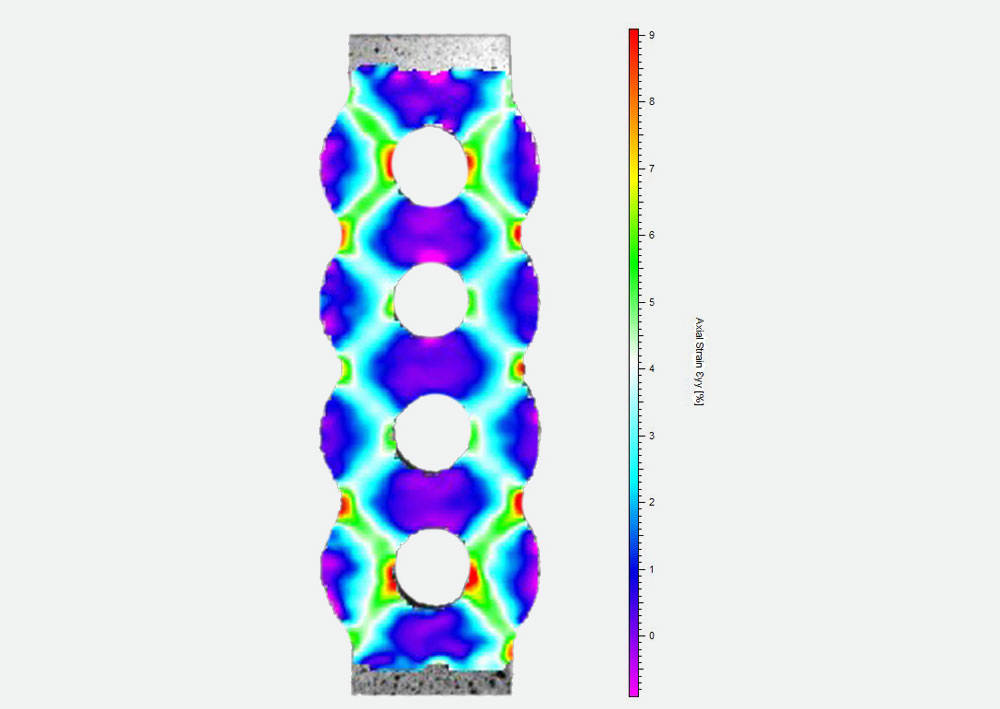
เพื่อให้เข้าใจคุณสมบัติทางกลของแผ่นยึดตรึงกระดูกหัก จำเป็นต้องมีการทดสอบทั้งแบบสถิตและไดนามิกที่หลากหลาย การทดสอบการดัดโค้ง แรงดึง และแรงอัดแบบโมโนโทนิกเป็นสิ่งจำเป็นเพื่อทำความเข้าใจค่ามอดูลัสและความต้านทานแรงดึงสูงสุด เนื่องจากรูปทรงเรขาคณิตที่ไม่สม่ำเสมอของแผ่นยึดตรึงกระดูกหัก การวัดความเครียดจึงเป็นความท้าทาย เทคนิคการสร้างแบบจำลอง 2 มิติและ 3 มิติ เช่น การวิเคราะห์ไฟไนต์เอลิเมนต์ มักถูกนำมาใช้เพื่อทำความเข้าใจคุณสมบัติความเค้นและความเครียดแบบเต็มสนามของแผ่นยึดตรึงกระดูกหัก สำหรับการทดสอบแรงดึง แรงอัด หรือการดัดโค้งแบบโมโนโทนิก ซอฟต์แวร์ Digital Image Correlation ของเราที่จับคู่กับ Advanced Video Extensometer ช่วยให้นักวิจัยและนักวิทยาศาสตร์สามารถมองเห็นภาพและวัดปริมาณคุณสมบัติความเครียดแบบเต็มสนามของแผ่นเหล่านี้ได้ สำหรับการทดสอบความล้าทั้งหมด เราขอแนะนำให้ใช้ระบบ ElectroPuls ของเรา โดยเฉพาะอย่างยิ่ง เราขอแนะนำระบบทดสอบ E3000 หรือ E10000 Linear-Torsions ความสามารถในการทดสอบแผ่นงานพร้อมกันทั้งในแรงกดตามแนวแกนและแรงบิดช่วยจำลองสภาวะการรับน้ำหนักที่สมจริงในร่างกายมนุษย์ได้ดีที่สุด

การทดสอบวัสดุฝังรากเทียมกระดูกสันหลัง


Biomedical Testing
»
Orthopedics


การทดสอบวัสดุฝังรากเทียมกระดูกสันหลัง

ความท้าทาย

การทดสอบวัสดุฝังรากเทียมกระดูกสันหลัง

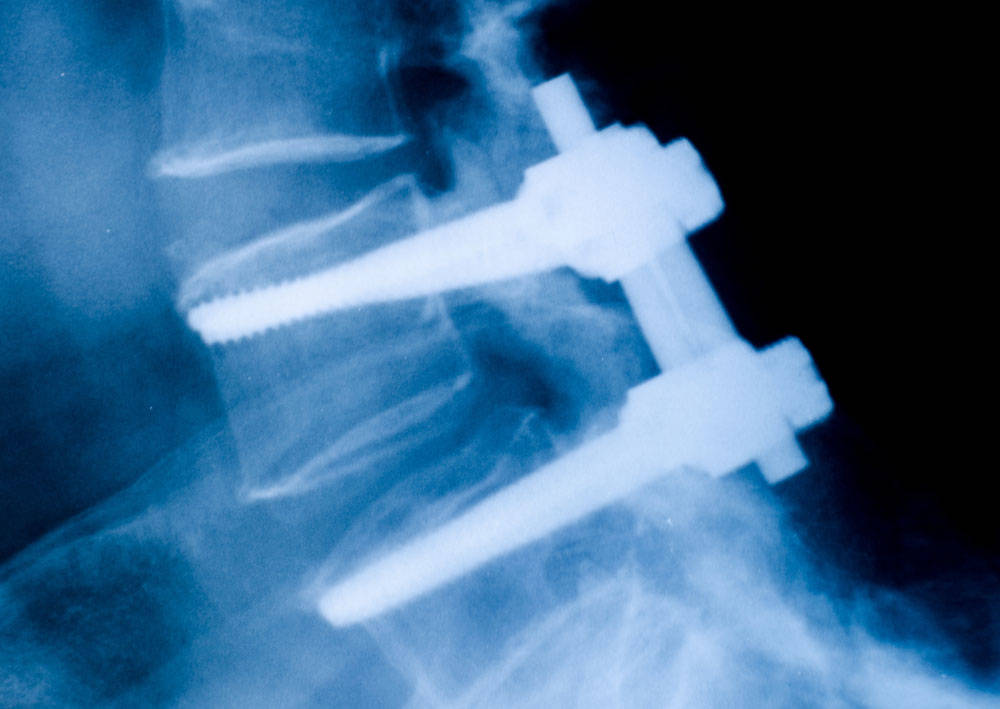
การทดสอบอายุการใช้งานของโครงสร้างกระดูกสันหลังมีความสำคัญอย่างยิ่ง เนื่องจากความเสียหายจากความล้า (fatigue failure) นั้นพบได้บ่อยกว่าความเสียหายแบบฉับพลัน (catastrophic failure) ในระหว่างกิจกรรมปกติของผู้ป่วย โครงสร้างกระดูกสันหลังอาจต้องรับภาระโหลดในร่างกาย (in vivo loading) ที่สูง ซึ่งอาจส่งผลให้เกิดความเสียหายแบบฉับพลันได้ การทดสอบแบบวัฏจักร (cyclic testing) จะดำเนินการเพื่อประเมินจำนวนรอบที่ทำให้เกิดความเสียหายจากความล้า โดยทั่วไปจะใช้ภาระโหลดแบบคลื่นไซน์ที่ควบคุมโหลดด้วยแอมพลิจูดคงที่ ซึ่งทำงานมากกว่าห้าล้านรอบ นอกจากนี้ยังมีการทดสอบแบบสถิต (static testing) อย่างง่ายเพื่อประเมินภาระโหลดที่ทำให้เกิดการหักของกระดูกสันหลัง

โซลูชันของเรา

การทดสอบวัสดุฝังรากเทียมกระดูกสันหลัง

ขอแนะนำระบบ Instron® Linear-Torsion ElectroPuls เนื่องจากช่วยให้ผู้ใช้สามารถทำการทดสอบทั้งแบบสถิตและแบบไดนามิกตามมาตรฐาน ASTM F1717-12 ได้ภายในเครื่องเดียว อุปกรณ์จับยึดกระดูกสันหลังโดยเฉพาะสามารถติดตั้งเข้ากับระบบนี้ได้อย่างง่ายดาย พร้อมตัวเลือกในการติดตั้ง อ่าง น้ำเกลือลงบนฐานสำหรับการทดสอบในสภาวะจำลองร่างกาย (in vivo testing) เมื่อใช้งานอ่างน้ำเกลือ โหลดเซลล์จะถูกออกแบบมาให้ติดตั้งบนชุดขับเคลื่อน (actuator) โดยใช้เทคโนโลยี Dynacell ที่ได้รับสิทธิบัตรของ Instron เพื่อการชดเชยแรงเฉื่อย อัลกอริทึมการปรับจูนตามความแข็งเกร็ง (stiffness-based tuning) ที่ได้รับสิทธิบัตรของ Instron ช่วยให้มั่นใจได้ถึงความเที่ยงตรงของรูปคลื่นที่เป็นเลิศ แม้จะใช้กับชิ้นงานทดสอบที่มีคุณสมบัติไม่เป็นเชิงเส้น (non-linear specimens)