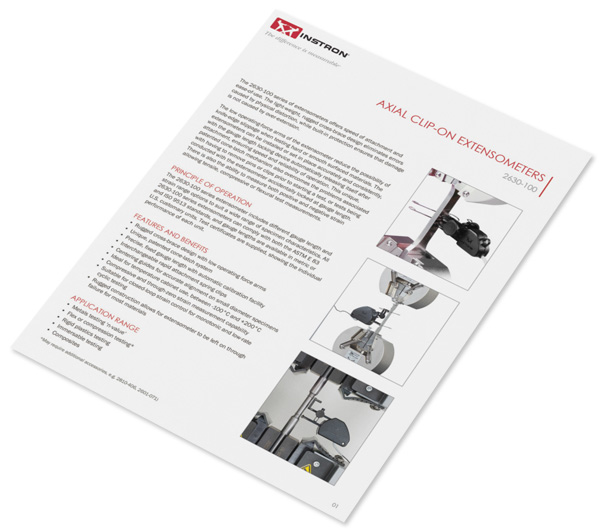
Instron’s static axial clip-on extensometers provide a quick, reliable solution for accurate strain measurement across a wide range of materials, including plastics, metals, and composites. Decades of strain measurement expertise are reflected in their lightweight, rugged cross‑brace design, which eliminates errors from physical distortion, built-in protection to reduce damage caused by over-extension, and low‑force attachment arms that help prevent knife‑edge slippage during testing. All clip-ons in this series can meet ASTM E83 and ISO 9513 requirements and are supplied with factory test certificates that document the individual performance of each unit.
How It Works
The 2630 Series axial extensometers are designed for fast, repeatable setup and reliable operation. Their patented cone‑latch mechanism provides precise gauge length locking during attachment, then automatically self‑releases to allow testing to begin without additional setup steps. This eliminates manual pin removal and prevents accidental testing at a locked gauge length.
Application Range
- Tensile, flexural and compression testing
- Metals testing (including n‑value)
- Rigid plastics testing
- Composites testing
- Immersable testing environments
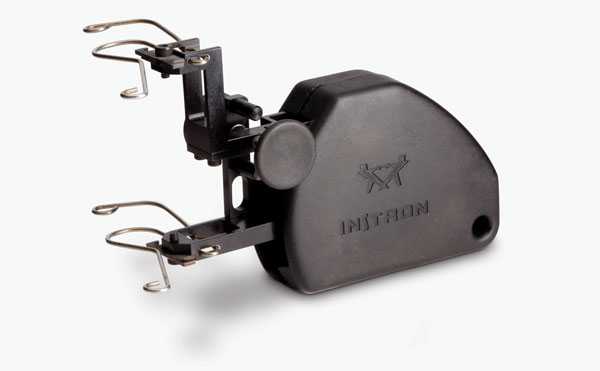
Key Features
- Rugged, lightweight cross‑brace design
- Low‑force arms to minimize specimen loading
- Patented cone‑latch attachment system
- Fixed, precise gauge lengths with automatic calibration capability
- Interchangeable rapid‑attachment spring clips
- Centering guides for accurate alignment on small‑diameter specimens
- Temperature‑rated for environmental chamber use from −100°C to +200°C (−148°F to +392°F)
Benefits in Use
- Faster test setup with consistent, repeatable gauge length alignment
- Reduced measurement error from distortion or knife‑edge slippage
- Built‑in over‑extension protection to prevent device damage
- Capable of closed-loop strain control for monotonic and low‑rate cyclic testing
- Designed to remain on the specimen through failure for most materials
Available Models
| Catalog Number | Gauge Length (Metric) | Travel (Axial) |
|---|---|---|
| 2630-120 | 8 mm | ±50% |
| 2630-101 | 10 mm | ±10% |
| 2630-102 | 10 mm | ±50% |
| 2630-105 | 25 mm | ±10% |
| 2630-106 | 25 mm | +50% |
| 2630-107 | 25 mm | +100% |
| 2630-111 | 50 mm | ±10% |
| 2630-112 | 50 mm | +50% |
| 2630-113 | 50 mm | +100% |
| 2630-123 | 75 mm | +10% |
| 2630-117 | 80 mm | +10% |
| 2630-118 | 80 mm | +50% |
| 2630-119 | 100 mm | +50% |
| Catalog Number | Gauge Length (US Customary) | Travel (Axial) |
| 2630-121 | 0.3 in | ±50% |
| 2630-103 | 0.5 in | ±10% |
| 2630-104 | 0.5 in | ±50% |
| 2630-108 | 1.0 in | ±10% |
| 2630-109 | 1.0 in | +50% |
| 2630-110 | 1.0 in | +100% |
| 2630-114 | 2.0 in | ±10% |
| 2630-115 | 2.0 in | +50% |
| 2630-116 | 2.0 in | +100% |
Need to measure transverse strain? Check out our transverse clip-on extensometers.
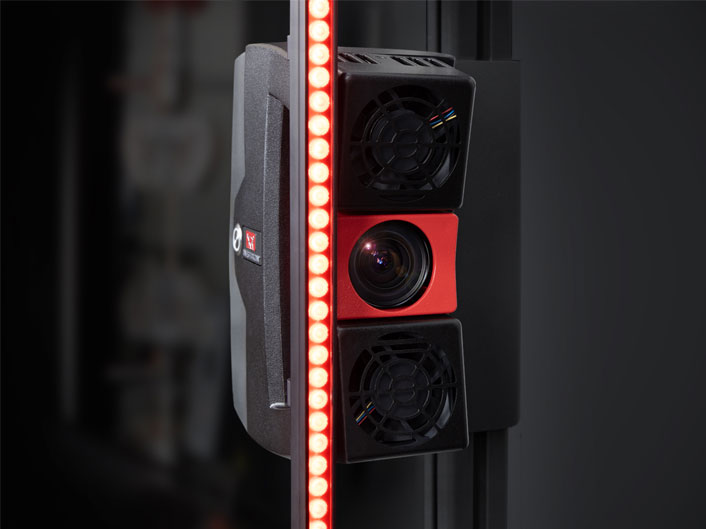
Also Consider
For delicate or very small specimens, or labs testing a wide variety of specimen geometries, non‑contact strain measurement can offer greater flexibility.
How It Works
The W-6280 Series is a long gauge length clip‑on extensometer featuring a unique pull‑apart design that helps protect the instrument during specimen fracture. The quick‑attach kit enables straightforward mounting to the specimen. Due to their larger frame size, W‑6280 Series extensometers require two‑handed attachment and use a gauge length setting pin.
Application Range
- Tensile testing
- Webbing, textile materials, wire, weld joints, steel rebar
- Rounds: 0 to 58.4 mm diameter (0 to 2.3 in)
- Flats: 31.75 mm wide x 0 to 12.7 mm thick (1.25 in x 0 to 0.5 in)
- Test at temperatures ranging from -40°C to 100°C (-40°F to 212°F)

Available Models
| Catalog Number | Gauge Length (Metric) | Travel (Axial) |
|---|---|---|
| W-6280-200 | 200 mm | +12.5% |
| W-6280-250 | 250 mm | +10% |
| Catalog Number | Gauge Length (US Customary) | Travel (Axial) |
| W-6280-8 | 8 in | +12.5% |
Frequently Asked Questions (FAQs)
A clip‑on extensometer attaches directly to the specimen at a fixed gauge length and measures the change in distance between two contact points as the specimen deforms, providing a direct measurement of strain during the test.