
System Retrofits and Upgrades
System Retrofits and Upgrades
Instron testing equipment has earned its reputation for longevity. Our systems are designed to last for decades, with the average age of instruments on service contract being 18 years. The ability to retrofit and upgrade components is a key part of maximizing the life and serviceability of your Instron system. While many of the structural components have a low risk of failure over the life of the frame, test system electronics and software require periodic upgrades to stay fully supported and to ensure that your lab has access to the latest testing functionality. By investing in a system upgrade you extend the life of your testing system, mitigate the risk of unplanned downtime, and optimize the safety and efficiency of your testing.
With a full system retrofit, most legacy components in the existing machine are replaced with current and modern hardware, ensuring that replacement components are immediately available should the need for service arise. This comprehensive option also modernizes the system by taking advantage of new hardware to provide the latest features to your legacy system. The items that are replace will be restored to Life Cycle Phase 1, ensuring minimal downtime should one of these more critical parts of the machine fail, as these items are fully serviceable and are in current production from Instron.
Types of System Upgrades and Retrofits
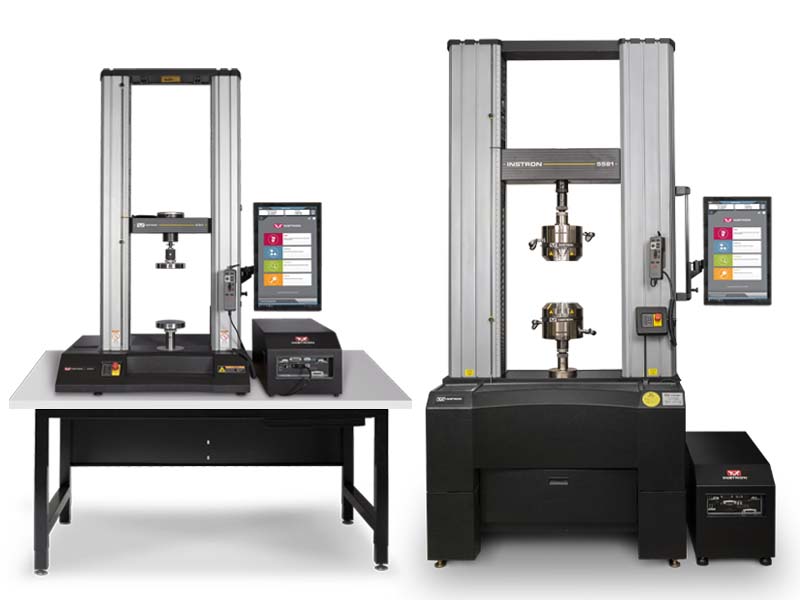
Electromechanical Retrofits
Qualifying legacy electromechanical testing systems can be modernized with the latest 3400 or 6800 Series control electronics and Bluehill Universal software. This upgrade enhances testing functionality and ensures compatibility with the latest testing accessories.

Static Hydraulic Retrofits
Eligible legacy static hydraulic testing systems can be retrofitted with 5900 Series control electronics and the latest Bluehill Universal software to enhance the system's functionality and enable compatibility with all the latest testing accessories.
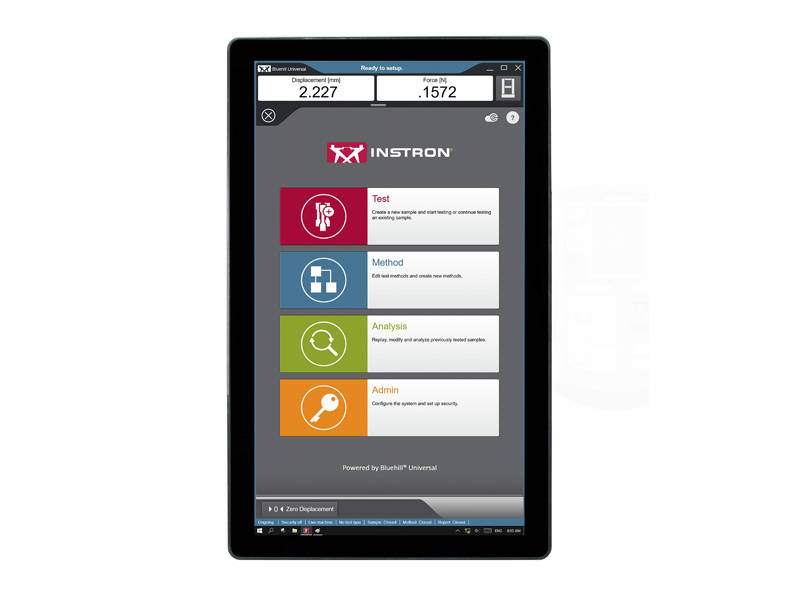
Software Only Upgrade
Depending on your system's electronics and PC operating system, certain testing systems are eligible for a software-only upgrade. This brings your software back to fully supported status and gives your lab access to all the latest software features and functionality.
To learn if your frame is eligible for a system or software upgrade, visit our Out of Production section. For more information about the life cycle phases of Instron testing systems, view our Product Life Cycle Policy.
What is RECOMMENDED for Your Testing System?

We recommend scheduling a free Lab Health Check to better understand the status of all the mechanical testing equipment in your lab. When you schedule a Lab Health Check, a local Instron representative will visit your lab to assess all of your Instron equipment as well as mechanical testing systems from other manufacturers. Afterwards you'll receive a report that identifies the life cycle phase of each system's key components, allowing you to easily identify where an upgrade can be most beneficial to the continued health of your instruments.
