

Preventing Specimen Slippage: Quick Tips for Testing
Specimen slippage during tensile testing can lead to inaccurate results, interrupted tests, and damaged specimens. In this Quick Tips for Testing video, we share practical guidance to help reduce slippage and improve the overall quality and consistency of your test results.
This video addresses the most common factors that contribute to slippage and highlights straightforward adjustments that can be applied in most testing setups. These best‑practice considerations are relevant across a wide range of materials and grip configurations, whether you’re troubleshooting an existing issue or preparing for a new test.
General approaches to improving grip performance are also covered, including proper clamping pressure, appropriate jaw face selection, and the importance of clean, well‑conditioned gripping surfaces.
Regardless of the application, applying these core principles can help prevent specimen slippage, protect your samples, and increase confidence in your tensile testing data.
Related Videos
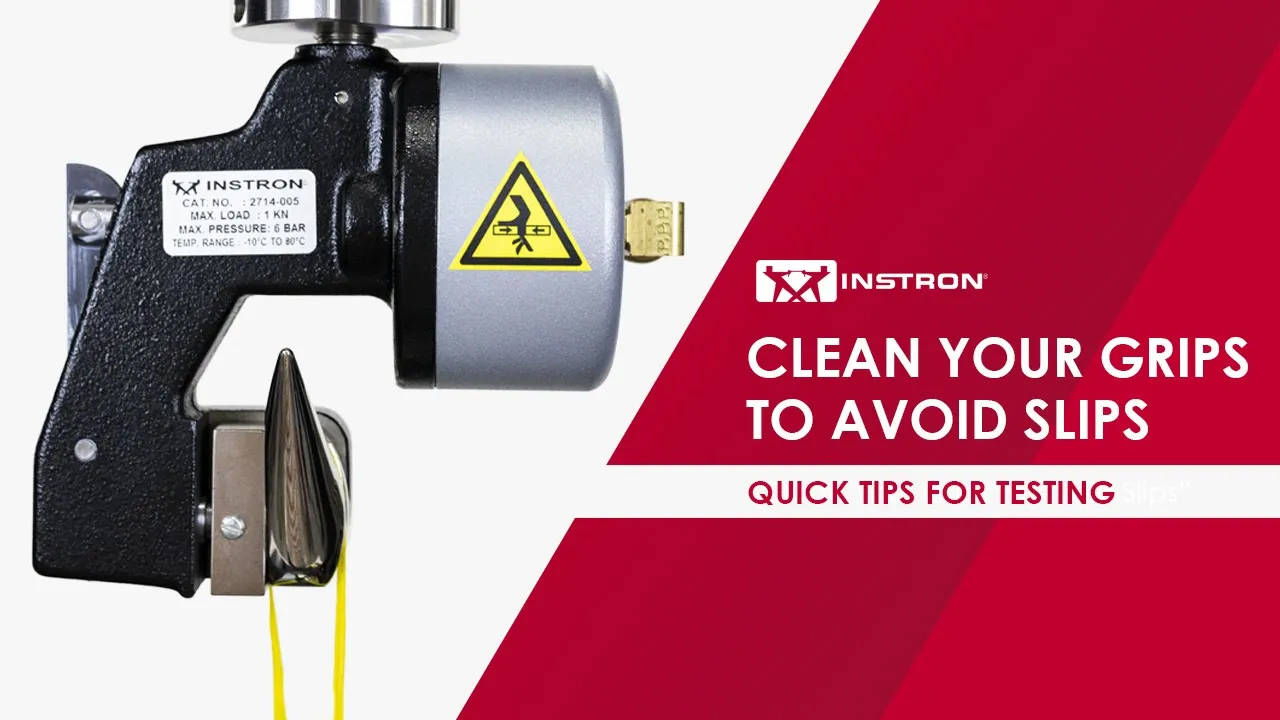
In this video, we discuss the importance of regularly cleaning your grips to avoid specimen slippage and ensure accurate test results.
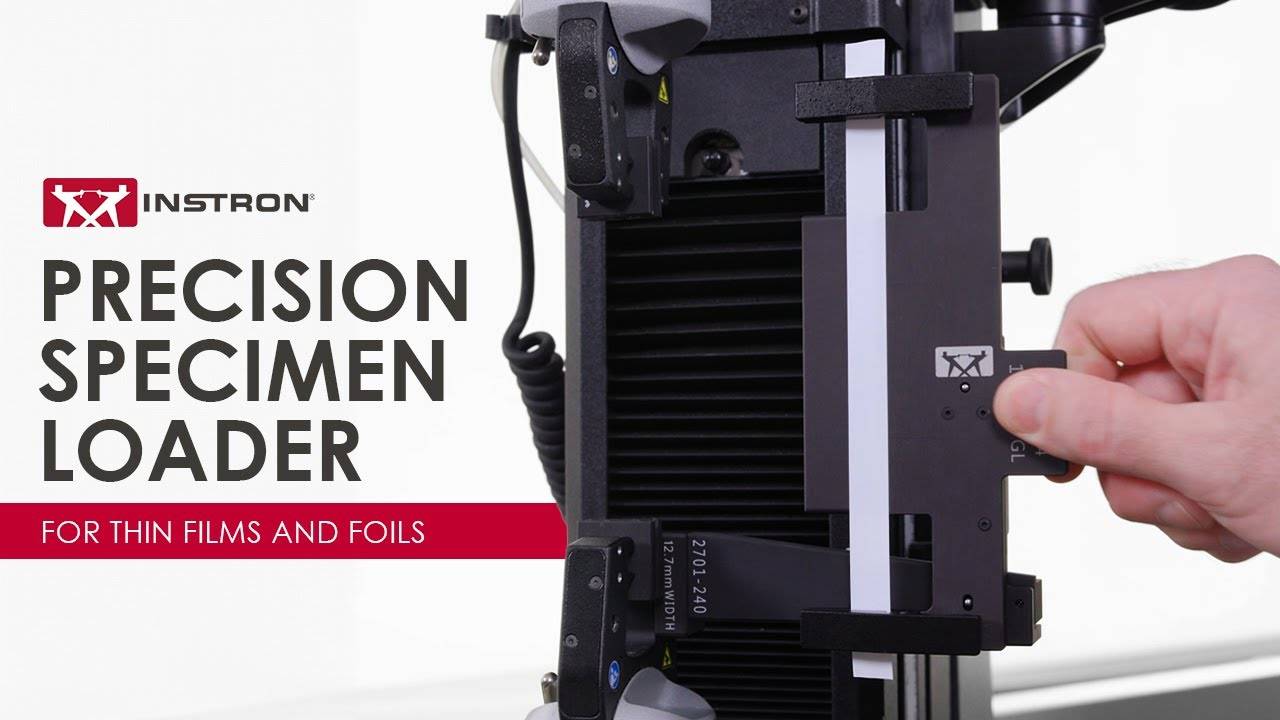
The precision specimen loader improves alignment and the setup process for testing thin films and foils, resulting in reduced variation in test results and improved safety and ergonomics.
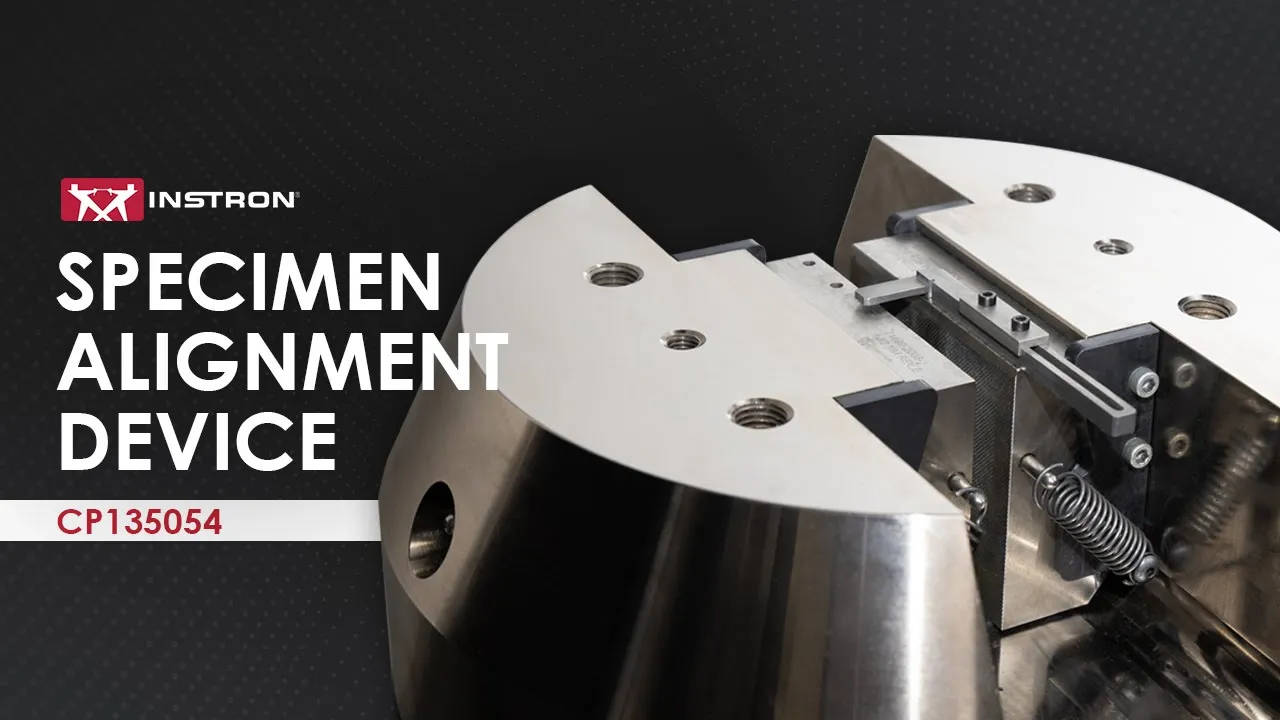
The Instron Specimen Alignment Device CP135054 features a robust design for use with our Hydraulic Wedge Grips 2743-401, 2742-501, and 2742-601.