Instron

Metal Bolt Testing

Automotive » Joining

Metal Bolt Testing

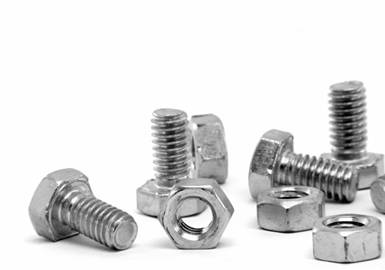
In the manufacture of automobiles, metallic bolts are used in large volumes ranging in application from high strength required for structural assembly to securing lightweight parts to the vehicle. Whatever the application they are used for, testing is critical to determine if they will be suitable for the application and/or to ensure they are meeting the quality standard.

Quality Control for High Volume Production

THE CHALLENGE

Bolts are typically produced in extremely large
quantities, testing needs to be completed as quickly as possible to ensure the
product can be shipped.

our Solution

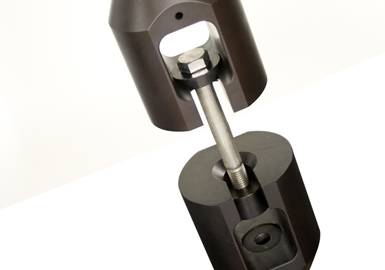
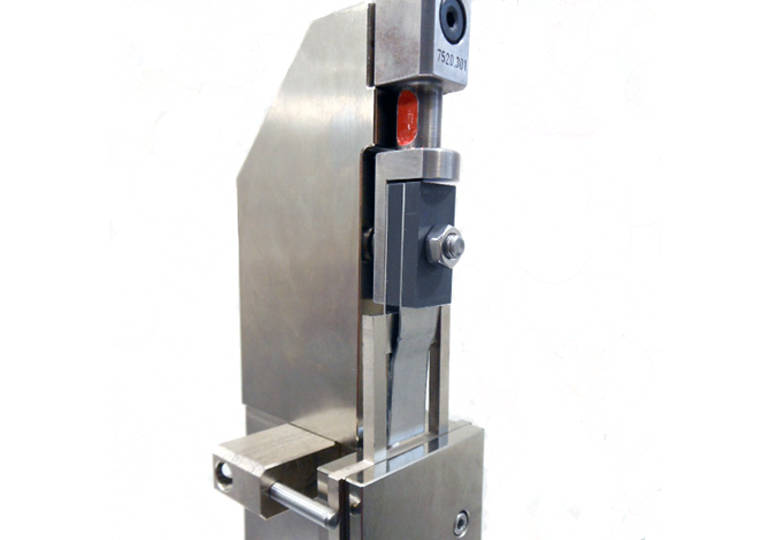
Bolt testing accessories enable proof tests, axial and wedge tensile tests, and cone stripping tests on most standard bolts, screws, studs, and nuts. They are compatible with most universal and tensile testing machines. Available accessories consist of: Bolt holders, washers, short bolt adapters, nut proof loading assemblies, and holder reducing assemblies.

Each bolt holder has a key slot that allows the operator to quickly and correctly load the specimen. A recessed circular area in the bottom of each bolt holder ensures that the washer will fit snugly (sheet metal alignment device is used on Series E holders). This reduces loading time and occurrences of slippage, because a secure, centered seating is ensured for each test.

Short Bolt Lengths

THE CHALLENGE

The length of each type of bolt can vary hugely depending on
the application. Many are quite short, which can make gripping these for a
tension test extremely challenging. The typical tension test setup for bolts
uses a high strength plain and threaded washer, the thickness of these two
components can often mean that there is not sufficient shank left exposed to test.

OUR SOLUTION

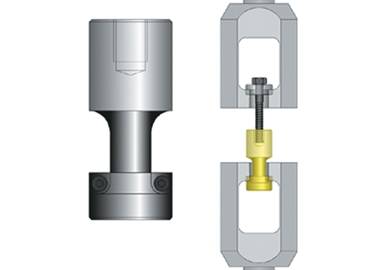
"Top Hat" or "Dumbell" type accessories protrude out of the bold
holder fixtures allowing shorter lengths of bolts to be tested.

Nut Proof Loading

THE CHALLENGE

As well as testing the bolt, the nuts that secure to
the bolts also need to be tested. This requires attaching the nut to a mandrel
that is stronger than the threads of the nut to determine what the maximum load of the threads within the nut are. 

our Solution

Using high strength nut proof load assemblies
allows mounting into the standard bolt holders to complete this test quickly
and easily.

Measuring Strain and Multi Step Loading

THE CHALLENGE

For some testing, an extensometer may be required to accurately determine the yield strength and stiffness of the bolt, however, the extensometer needs to be removed during the test to prevent damage to the instrument due to high energy failures. To do this after yield has been determined, the test needs to return to zero load and then continue the test once removed to test through failure.

our Solution

Bluehill Universal

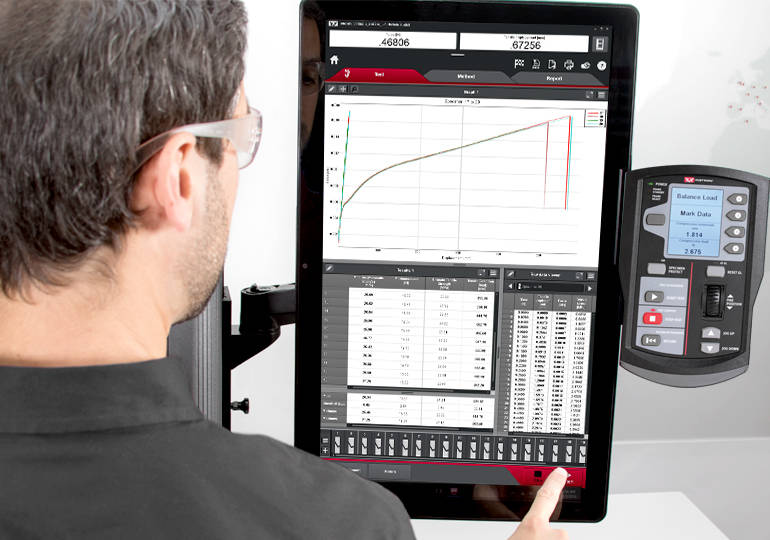
Using Bluehill® Universal software with TestProfiler allows for complex ramp loading during the test. Enabling seamless and automatic switch over meeting the requirements of the standards while allowing safe removal of the extensometer.

Shear Strength

THE CHALLENGE

In their application, bolts are often subjected to shear
forces, these can be in single shear or in double shear. It is important to
understand how the bolts will perform under these shear forces to ensure there
are no product failures.

our Solution

Instron’s single or double shear fixtures can attach simply to any universal testing machine. The double shear test is completed in compression against a fixture supporting either side of a punch, whereas the single shear is conducted in tension as the bolt is mounted through the fixture. These tests are typically performed until the initial yield in shear, further elongation may cause damage to the fixtures.

Learn more about our automotive solutions
Joining High Strain Rate Testing

Automotive » Joining

Joining High Strain Rate Testing

The ChallengeJoining

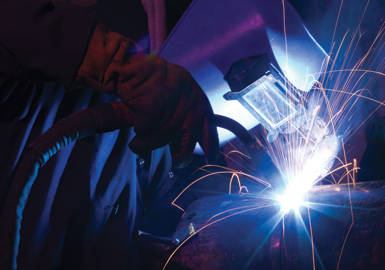
Welding and bolting are widely used techniques to join metal components while adhesives are increasingly popular as a more cost-effective joining method while offering a better reduction in vibration noises and improving aesthetics of vehicles. The constant demand for new materials that are lighter or stronger necessitates advancements in joining techniques, which facilitate the joining of new combinations of materials and have potential contributions to the overall lightweighting of a vehicle. Materials exhibit different behavior under high strain rate conditions. Therefore, by investigating materials and their corresponding joined structures at various strain rates, engineers are able to understand the merits of new materials and joining techniques against established methods during crash impacts, validate and improve upon existing crash simulations.

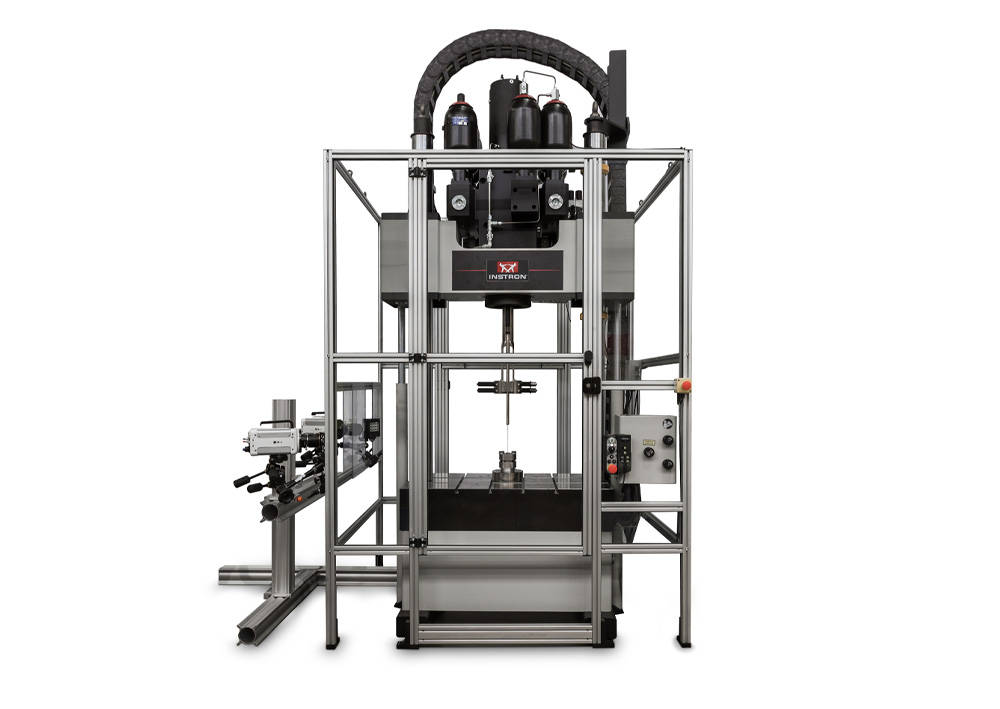
Our SolutionHigh Strain Rate VHS Testing System with Fast Jaw Grips

In order to accommodate investigation of joined structures in high strain rate impact, Instron provides a wide range of accessories that will allow mounting of various structures, including any offset mounting and custom fixtures. Instron VHS also includes a high-stiffness frame that will provide greater repeatability and higher system resonance and t-slot tables come as standard on all VHS systems for easy mounting of components, providing a reliable and fully integrated high strain rate testing solution that is intuitive to use.

Plastic Welds Tensile Testing

Plastic Welds Tensile Testing

Automotive » Joining

Plastic Welds Tensile Testing

Specimen Gripping

As more and more components of cars are made using plastic, testing must be done to ensure that different plastic components will stay bonded together.  From dashboards to gas caps, polymeric materials ranging from nylon to polypropylene can be found throughout vehicles.  Plastic welding techniques such as vibration and laser welding are used to join different plastic components, in addition to traditional adhesive methods.  To ensure that the bonds are sufficiently strong, tensile testing can be performed both during product development and quality control.

THE CHALLENGE


Testing bonded materials can often result in gripping challenges. The specimen tabs are often not in a straight line, which can cause off-center loading and inaccurate results.

our Solution


Intron’s advanced screw action and 5 kN and 10 kN pneumatic side action grips can be adjusted to be offset to ensure that the bonded area is in the center of the load string and the load is applied axially. Both types of grips can be equipped with a variety of different jaw faces suitable for almost any material.

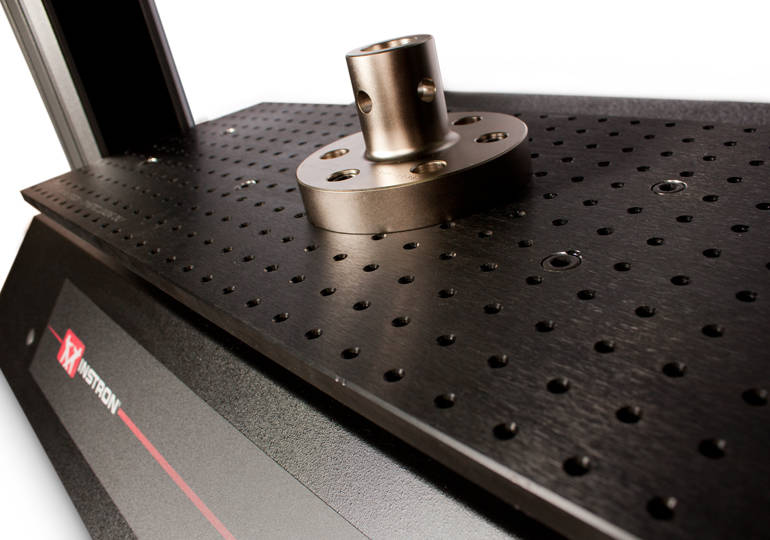
For testing specimens that cannot be gripped with traditional methods, Instron offers component test plates and t-slot tables enabling operators to grip specimens of any shape and size.


Learn more about our automotive solutions
Adhesive Testing

Automotive » Joining

Adhesive Testing

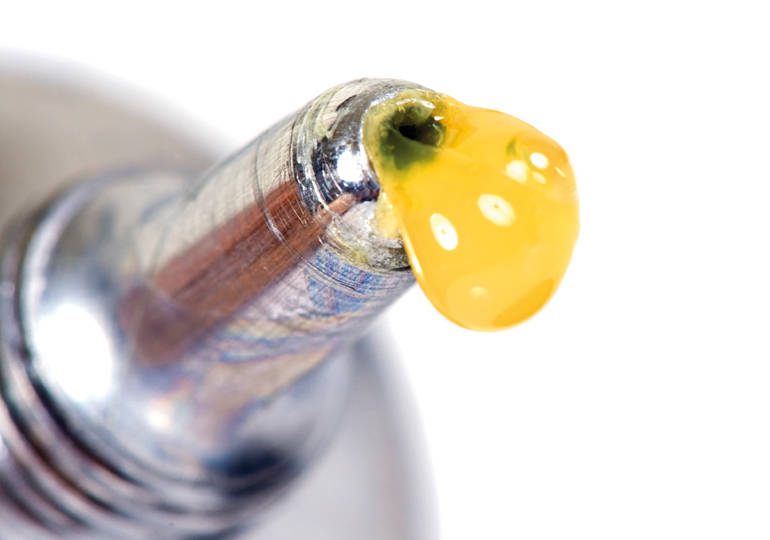
As the drive for light weighting increases the range of materials used in automobiles, the requirement for reliable ways of joining these materials grows in importance. Adhesive joining technology is capable of joining dissimilar materials and can offer improved performance over traditional methods in many situations, however, careful qualification and quality controls are needed to ensure reliable results.

Adhesive Dynamic and Static Testing

THE CHALLENGE

As adhesives find their way into even more arduous automotive applications, the need to understand their static and fatigue behavior under different environmental conditions grows.

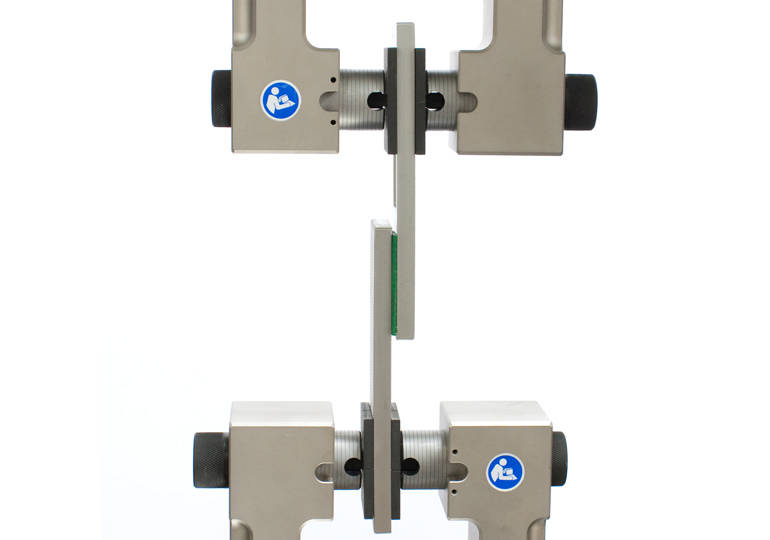
A variety of techniques can be employed to test the mechanical properties (e.g. strength and stiffness) of adhesive joints. Measuring the strength of an adhesive joint between rigid parts is usually performed using a lap-shear test. Various forms of peel tests are used to measure the strength of joints between flexible and rigid/flexible parts.

Fracture toughness tests are used to explore crack growth in bonded joints under both static and fatigue loading. The results of fracture toughness tests can provide a better understanding of the mechanisms of adhesion and the reasons for joint failure.

OUR SOLUTION

Instron’s range of electromechanical and dynamic testing machines are well suited for all types of adhesive joint testing. A range of grips and fixtures are available to assess the strength of adhesives. Tests on lap-shear specimens are commonly performed using either; wedge action grips, screw operated side action grips or pneumatic grips. Peel test fixtures include; 90° peel, variable angle, floating roller and rotating wheel types. Specialty fixtures such as the climbing drum peel fixture are available for testing the adhesive bonds in sandwich core materials. Bluehill® Universal software is ideal for static adhesive testing and an optional Adhesives Application Module includes a number of pre-configured test methods to ASTM, EN and ISO standards.

Fatigue tests on adhesive joints can be performed on dynamic machines using fatigue rated mechanical or hydraulic grips. Adhesives are often tested under various environmental conditions, in this case, Instron environmental chambers are available.

Adhesive Impact Testing

The Challenge

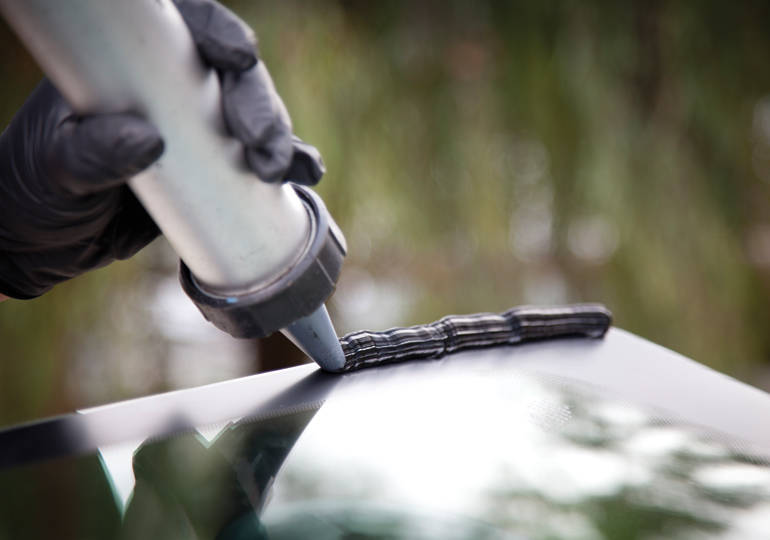
As automotive design evolves, adhesives are rapidly replacing mechanical fasteners as a conventional solution for joining many metals, plastics, rubbers, and glass. Specially formulated adhesives used to bond structural frame assemblies, windshields, and other components can offer improved aesthetics, reduced noise & vibration (NVH), as well as reduced manufacturing costs. With increased use of adhesives however, automotive and adhesives suppliers must develop new test protocols to ensure the structural integrity of the bonds under all possible field conditions. Impact forces in a crash may cause bonded areas of the frame or windshield to fail, resulting in serious injury to vehicle passengers.

Our Solution

Automotive and adhesives suppliers commonly use ISO 11343 wedge-peel impact testing method to compare the relative effects of various product and process variables on impact performance. Instron has developed standard as well as custom test configurations based on ISO 11343. Including a unique support fixture and striker arrangement to impact windshield specimens bonded to auto frame components. Packaged with an Instron thermostatic chamber, this impact system can enable research and development facilities to experiment with different material compositions, cure conditions, and temperatures to optimize product performance and comply with government regulations.