Headliner Peel Testing

Automotive » Interior

Headliner Peel Testing
car_interior2_Instron
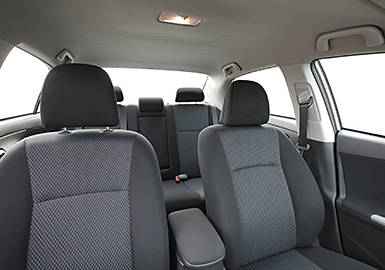
car_interior2_Instron Headliner peel testing

THE CHALLENGE

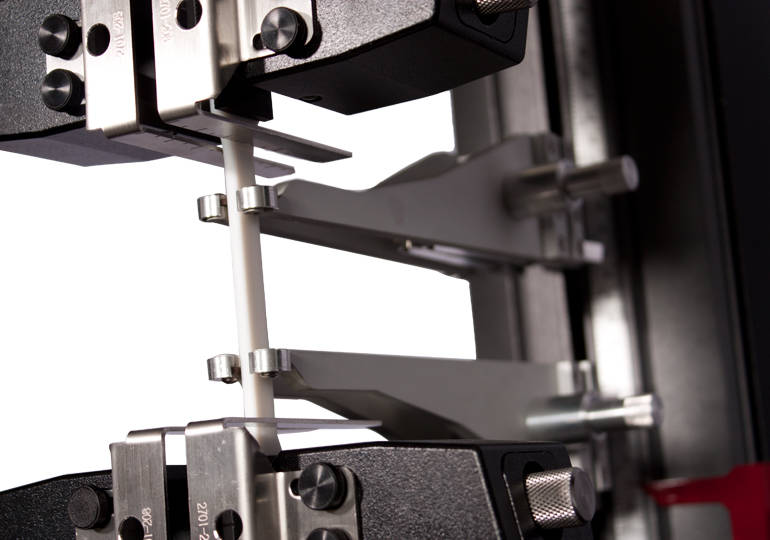
Some vehicle textiles have multiple layers or backings, and must be subjected to a peel test in order to determine if adhesion forces are appropriate.

Our Solution

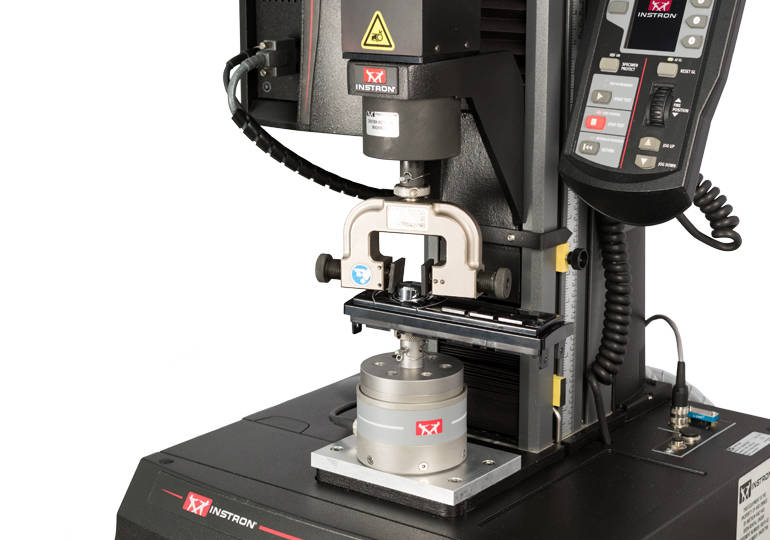
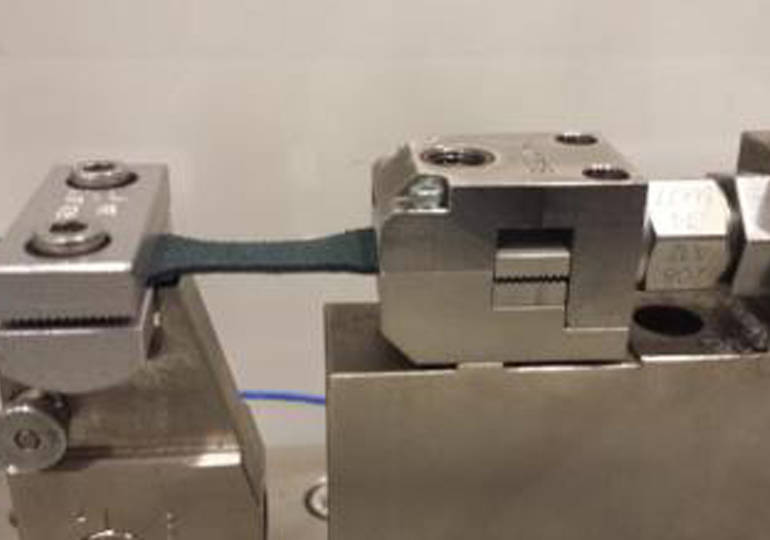
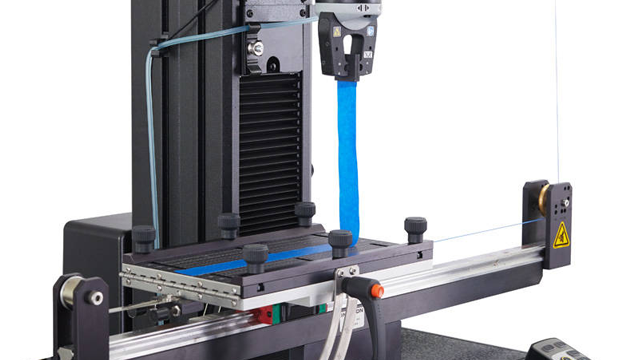
Instron® pneumatic side action grips are able to grip delicate foam specimens in order to perform T-peel tests. With a variety of quick-release jaw faces, these grips allow users to easily test a range of materials with a single system. The air pressure is also adjustable, allowing operators to fine tune the gripping pressure if needed.

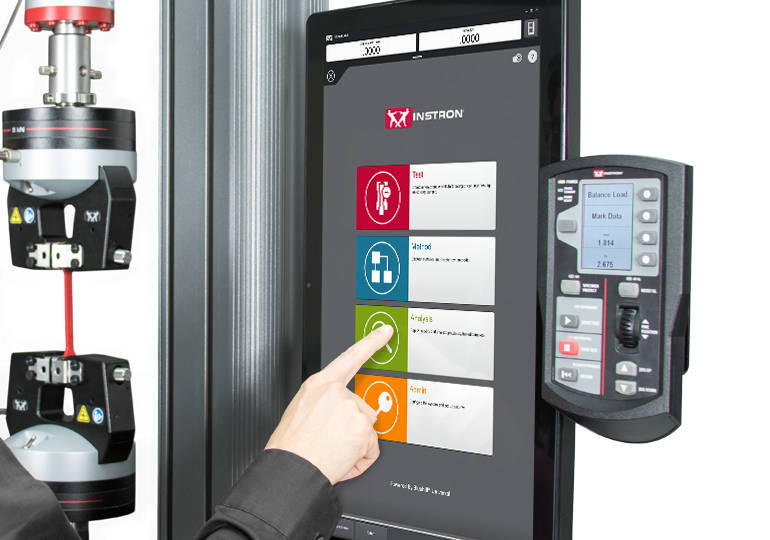
Bluehill® Universal software contains a suite of calculations for peel testing, including industry standard calculations, such as first peak, average peel force over a given length, and even allows for custom calculations.
Dashboard Drop Weight Impact

Automotive » Interior

Dashboard Drop Weight Impact

The Challenge

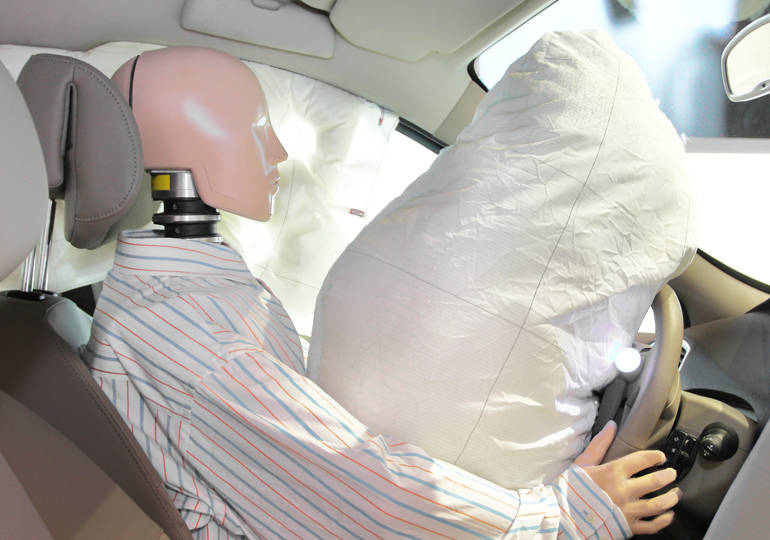
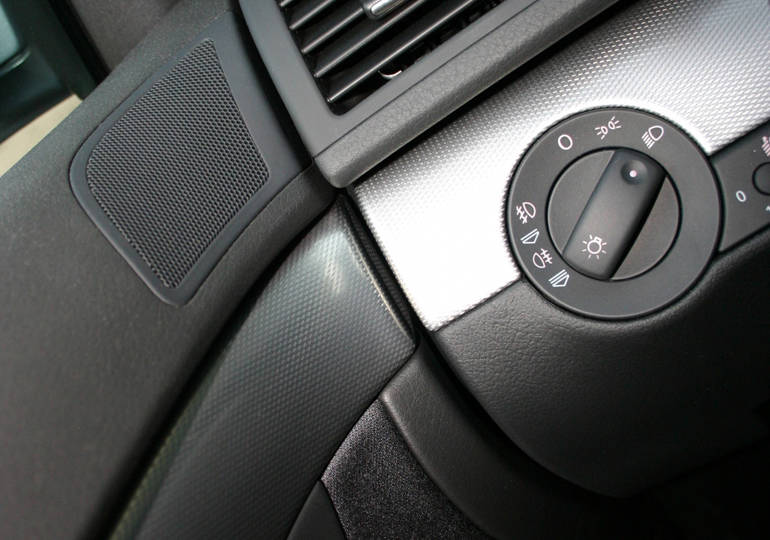
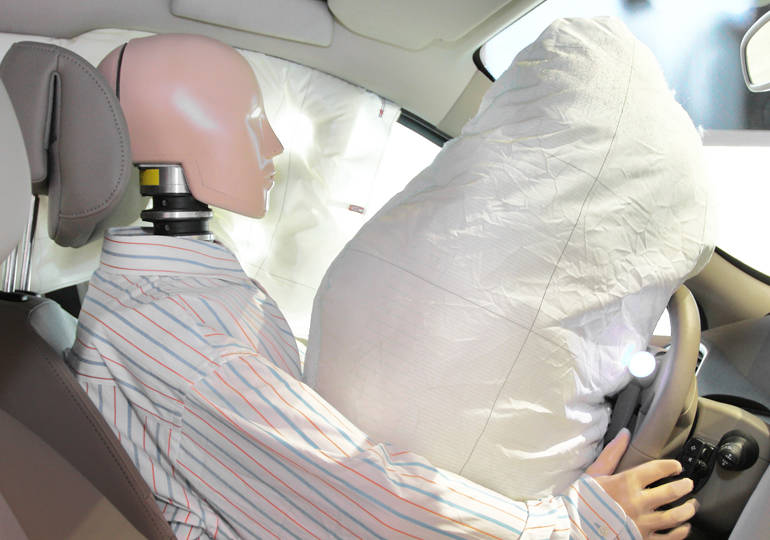
In the automotive field, the safety of passengers is key and drives research and development as well as quality control procedures. Each critical component has to be tested. Looking to gain larger market share in recent years, automotive producers have been including new and original features in car interiors. Besides aesthetics, all of these features have to meet precise technical specifications with regards to strength, durability, and safety. Some of the most critical parts are dashboards and surrounding items such as steering wheel columns, column switches, and airbags. In the event of an accident, the dashboard will absorb a significant amount of the impact energy and, when needed, airbags will deploy. Dashboards are designed to minimize and absorb shocks, their basic construction consists of foam padding and a cover made of PVC. This cover must break in a specific way when an airbag has to deploy to protect the occupants without causing additional injuries.

Our SolutionThermostatic chamber for the Instron 9450 drop tower

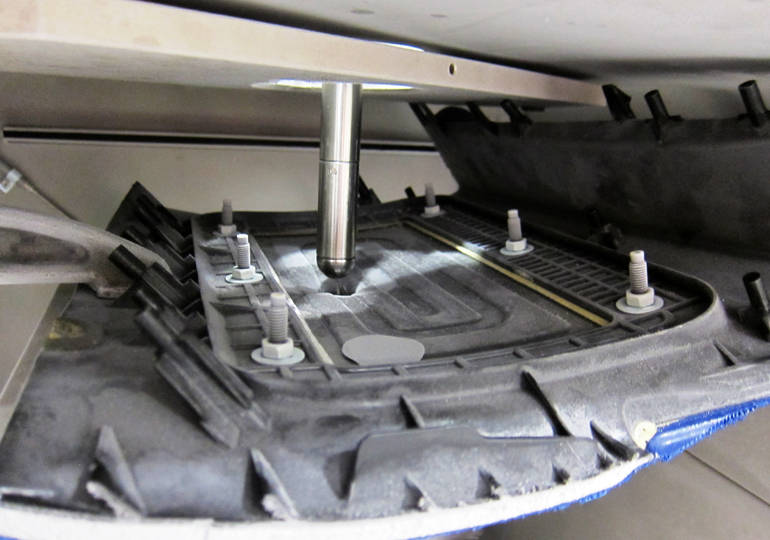
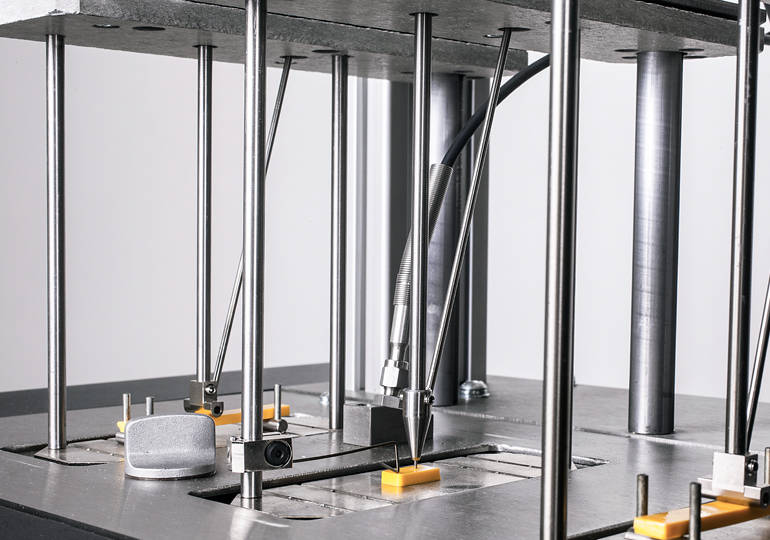
To understand the sequence in which the PVC cover breaks as the airbag is deployed, engineers perform impact tests on both samples of the materials used as well as the finished cover itself. The 9450 drop tower paired with both standard and custom fixtures is an ideal solution for this application. The addition of a thermostatic chamber and the high energy options allows the materials to be impacted over a wide variety of temperatures and speeds – up to 24 m/s. By testing both the raw materials and the finished product, engineers can investigate how changes in material selection, design, and manufacturing processes have an effect on impact performance of the cover. This is critical testing for the safety of vehicles passengers.

Learn more about our automotive solutions

Plastics Tensile Testing

Automotive » Interior

Dashboard Drop Weight Impact

Learn more about our automotive solutions

The Challenge

In the automotive field, the safety of passengers is key and drives research and development as well as quality control procedures. Each critical component has to be tested. Looking to gain larger market share in recent years, automotive producers have been including new and original features in car interiors. Besides aesthetics, all of these features have to meet precise technical specifications with regards to strength, durability, and safety. Some of the most critical parts are dashboards and surrounding items such as steering wheel columns, column switches, and airbags. In the event of an accident, the dashboard will absorb a significant amount of the impact energy and, when needed, airbags will deploy. Dashboards are designed to minimize and absorb shocks, their basic construction consists of foam padding and a cover made of PVC. This cover must break in a specific way when an airbag has to deploy to protect the occupants without causing additional injuries.

Our SolutionThermostatic chamber for the Instron 9450 drop tower

To understand the sequence in which the PVC cover breaks as the airbag is deployed, engineers perform impact tests on both samples of the materials used as well as the finished cover itself. The 9450 drop tower paired with both standard and custom fixtures is an ideal solution for this application. The addition of a thermostatic chamber and the high energy options allows the materials to be impacted over a wide variety of temperatures and speeds – up to 24 m/s. By testing both the raw materials and the finished product, engineers can investigate how changes in material selection, design, and manufacturing processes have an effect on impact performance of the cover. This is critical testing for the safety of vehicles passengers.

Standard Compliance

THE CHALLENGE

Many may not be following standards correctly, and our research has shown that much of the time it is a result of the customer simply not being aware of changes made to standards, or misinterpretation of the standard itself. Some of the implications that result from this can be failed audits, lost time investigating why results from different labs do not agree, and production delays.

The goal of any standard is to provide instructions and guidelines around a test so that different companies, labs, or operators are able to test in the same manner, thus allowing the ability to compare results. If all tests were conducted differently, then key information such as material datasheets and part specifications would offer virtually no value.

our Solution

To help our customers to comply with the latest standards we have been offering free educational assistance to anyone that would like it. Our application experts have also produced a large number of default methods conforming to these key standards when using Bluehill® Universal software.


Learn more about our automotive solutions

HDT and Vicat Testing

Automotive » Interior

Dashboard Drop Weight Impact

The Challenge

In the automotive field, the safety of passengers is key and drives research and development as well as quality control procedures. Each critical component has to be tested. Looking to gain larger market share in recent years, automotive producers have been including new and original features in car interiors. Besides aesthetics, all of these features have to meet precise technical specifications with regards to strength, durability, and safety. Some of the most critical parts are dashboards and surrounding items such as steering wheel columns, column switches, and airbags. In the event of an accident, the dashboard will absorb a significant amount of the impact energy and, when needed, airbags will deploy. Dashboards are designed to minimize and absorb shocks, their basic construction consists of foam padding and a cover made of PVC. This cover must break in a specific way when an airbag has to deploy to protect the occupants without causing additional injuries.

Our SolutionThermostatic chamber for the Instron 9450 drop tower

To understand the sequence in which the PVC cover breaks as the airbag is deployed, engineers perform impact tests on both samples of the materials used as well as the finished cover itself. The 9450 drop tower paired with both standard and custom fixtures is an ideal solution for this application. The addition of a thermostatic chamber and the high energy options allows the materials to be impacted over a wide variety of temperatures and speeds – up to 24 m/s. By testing both the raw materials and the finished product, engineers can investigate how changes in material selection, design, and manufacturing processes have an effect on impact performance of the cover. This is critical testing for the safety of vehicles passengers.

Rigid Plastics Bend Testing

Automotive » Interior

Dashboard Drop Weight Impact

The Challenge

In the automotive field, the safety of passengers is key and drives research and development as well as quality control procedures. Each critical component has to be tested. Looking to gain larger market share in recent years, automotive producers have been including new and original features in car interiors. Besides aesthetics, all of these features have to meet precise technical specifications with regards to strength, durability, and safety. Some of the most critical parts are dashboards and surrounding items such as steering wheel columns, column switches, and airbags. In the event of an accident, the dashboard will absorb a significant amount of the impact energy and, when needed, airbags will deploy. Dashboards are designed to minimize and absorb shocks, their basic construction consists of foam padding and a cover made of PVC. This cover must break in a specific way when an airbag has to deploy to protect the occupants without causing additional injuries.

Our SolutionThermostatic chamber for the Instron 9450 drop tower

To understand the sequence in which the PVC cover breaks as the airbag is deployed, engineers perform impact tests on both samples of the materials used as well as the finished cover itself. The 9450 drop tower paired with both standard and custom fixtures is an ideal solution for this application. The addition of a thermostatic chamber and the high energy options allows the materials to be impacted over a wide variety of temperatures and speeds – up to 24 m/s. By testing both the raw materials and the finished product, engineers can investigate how changes in material selection, design, and manufacturing processes have an effect on impact performance of the cover. This is critical testing for the safety of vehicles passengers.

Learn more about our automotive solutions

Test di Trazione e Torsione su Manopole e Pulsanti


Automotive
»
Interior


Dashboard Drop Weight Impact

The Challenge

In the automotive field, the safety of passengers is key and drives research and development as well as quality control procedures. Each critical component has to be tested. Looking to gain larger market share in recent years, automotive producers have been including new and original features in car interiors. Besides aesthetics, all of these features have to meet precise technical specifications with regards to strength, durability, and safety. Some of the most critical parts are dashboards and surrounding items such as steering wheel columns, column switches, and airbags. In the event of an accident, the dashboard will absorb a significant amount of the impact energy and, when needed, airbags will deploy. Dashboards are designed to minimize and absorb shocks, their basic construction consists of foam padding and a cover made of PVC. This cover must break in a specific way when an airbag has to deploy to protect the occupants without causing additional injuries.

Our SolutionThermostatic chamber for the Instron 9450 drop tower

To understand the sequence in which the PVC cover breaks as the airbag is deployed, engineers perform impact tests on both samples of the materials used as well as the finished cover itself. The 9450 drop tower paired with both standard and custom fixtures is an ideal solution for this application. The addition of a thermostatic chamber and the high energy options allows the materials to be impacted over a wide variety of temperatures and speeds – up to 24 m/s. By testing both the raw materials and the finished product, engineers can investigate how changes in material selection, design, and manufacturing processes have an effect on impact performance of the cover. This is critical testing for the safety of vehicles passengers.

Learn more about our automotive solutions

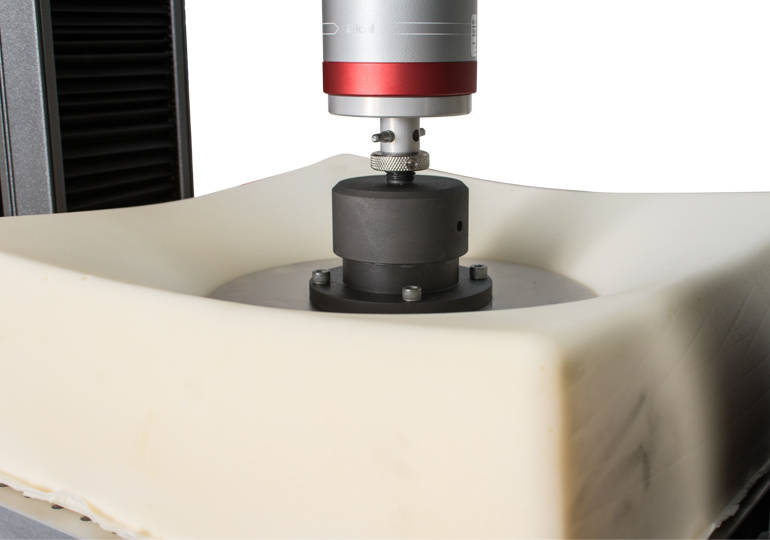
Seating Foam Compression Testing

Automotive » Interior

Dashboard Drop Weight Impact

Learn more about our automotive solutions

The Challenge

In the automotive field, the safety of passengers is key and drives research and development as well as quality control procedures. Each critical component has to be tested. Looking to gain larger market share in recent years, automotive producers have been including new and original features in car interiors. Besides aesthetics, all of these features have to meet precise technical specifications with regards to strength, durability, and safety. Some of the most critical parts are dashboards and surrounding items such as steering wheel columns, column switches, and airbags. In the event of an accident, the dashboard will absorb a significant amount of the impact energy and, when needed, airbags will deploy. Dashboards are designed to minimize and absorb shocks, their basic construction consists of foam padding and a cover made of PVC. This cover must break in a specific way when an airbag has to deploy to protect the occupants without causing additional injuries.

Our SolutionThermostatic chamber for the Instron 9450 drop tower

To understand the sequence in which the PVC cover breaks as the airbag is deployed, engineers perform impact tests on both samples of the materials used as well as the finished cover itself. The 9450 drop tower paired with both standard and custom fixtures is an ideal solution for this application. The addition of a thermostatic chamber and the high energy options allows the materials to be impacted over a wide variety of temperatures and speeds – up to 24 m/s. By testing both the raw materials and the finished product, engineers can investigate how changes in material selection, design, and manufacturing processes have an effect on impact performance of the cover. This is critical testing for the safety of vehicles passengers.

Standard Compliance

THE CHALLENGE

Many may not be following standards correctly, and our research has shown that much of the time it is a result of the customer simply not being aware of changes made to standards, or misinterpretation of the standard itself. Some of the implications that result from this can be failed audits, lost time investigating why results from different labs do not agree, and production delays.

The goal of any standard is to provide instructions and guidelines around a test so that different companies, labs, or operators are able to test in the same manner, thus allowing the ability to compare results. If all tests were conducted differently, then key information such as material datasheets and part specifications would offer virtually no value.

our Solution

To help our customers to comply with the latest standards we have been offering free educational assistance to anyone that would like it. Our application experts have also produced a large number of default methods conforming to these key standards when using Bluehill® Universal software.


Learn more about our automotive solutions

Textiles Testing

Automotive » Interior

Dashboard Drop Weight Impact

Learn more about our automotive solutions

The Challenge

In the automotive field, the safety of passengers is key and drives research and development as well as quality control procedures. Each critical component has to be tested. Looking to gain larger market share in recent years, automotive producers have been including new and original features in car interiors. Besides aesthetics, all of these features have to meet precise technical specifications with regards to strength, durability, and safety. Some of the most critical parts are dashboards and surrounding items such as steering wheel columns, column switches, and airbags. In the event of an accident, the dashboard will absorb a significant amount of the impact energy and, when needed, airbags will deploy. Dashboards are designed to minimize and absorb shocks, their basic construction consists of foam padding and a cover made of PVC. This cover must break in a specific way when an airbag has to deploy to protect the occupants without causing additional injuries.

Our SolutionThermostatic chamber for the Instron 9450 drop tower

To understand the sequence in which the PVC cover breaks as the airbag is deployed, engineers perform impact tests on both samples of the materials used as well as the finished cover itself. The 9450 drop tower paired with both standard and custom fixtures is an ideal solution for this application. The addition of a thermostatic chamber and the high energy options allows the materials to be impacted over a wide variety of temperatures and speeds – up to 24 m/s. By testing both the raw materials and the finished product, engineers can investigate how changes in material selection, design, and manufacturing processes have an effect on impact performance of the cover. This is critical testing for the safety of vehicles passengers.

Standard Compliance

THE CHALLENGE

Many may not be following standards correctly, and our research has shown that much of the time it is a result of the customer simply not being aware of changes made to standards, or misinterpretation of the standard itself. Some of the implications that result from this can be failed audits, lost time investigating why results from different labs do not agree, and production delays.

The goal of any standard is to provide instructions and guidelines around a test so that different companies, labs, or operators are able to test in the same manner, thus allowing the ability to compare results. If all tests were conducted differently, then key information such as material datasheets and part specifications would offer virtually no value.

our Solution

To help our customers to comply with the latest standards we have been offering free educational assistance to anyone that would like it. Our application experts have also produced a large number of default methods conforming to these key standards when using Bluehill® Universal software.


Learn more about our automotive solutions

THE CHALLENGE

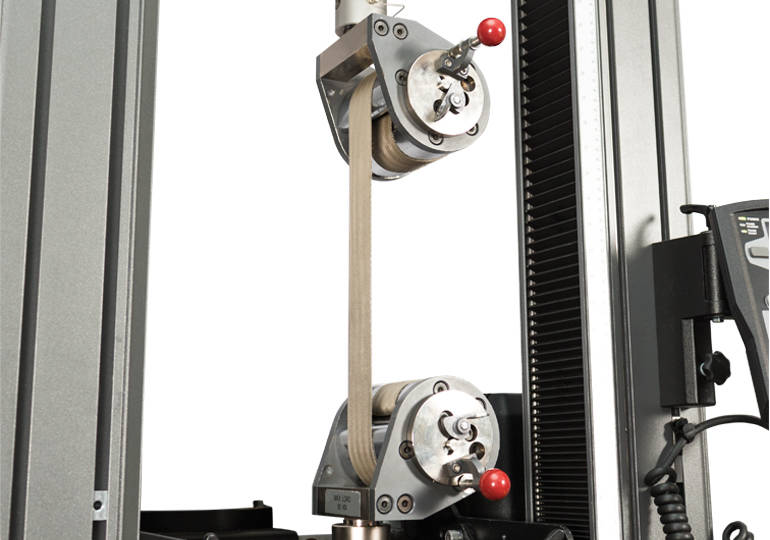
Textiles can be difficult to test, especially some of the more durable types of textiles used for airbag material. The toughness of the material combined with the specimen’s uniform cross-sectional area can result in slippage during testing or premature specimen failure at the gripping point (jaw breaks).

THE Solution

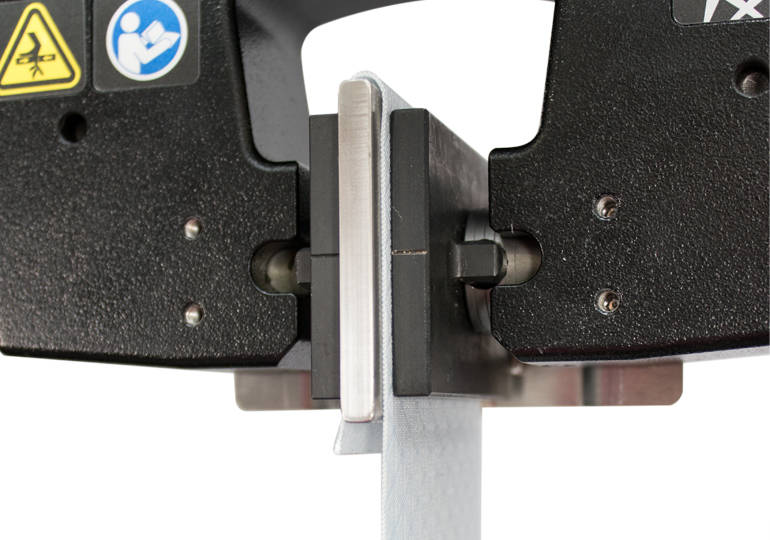
Instron has created a set of integrated wedges that can easily be mounted on a set of 2712-04X grips. These pneumatic side action grips combined with the integrated wedges allow for testing of high-strength strips of material without slippage or jaw breaks while maintaining high throughput.

The wedges can easily be removed, and the grips can then be used as normal pneumatic side action grips.

The wedges are mounted directly to the grips, and specimens are wrapped around the wedge insert so that the amount of material being gripped is effectively doubled. Standard serrated jaw faces are then able to grip the material without inducing jaw breaks.

Learn more about our automotive solutions

In Situ Testing

Automotive » Interior

Dashboard Drop Weight Impact

The Challenge

In the automotive field, the safety of passengers is key and drives research and development as well as quality control procedures. Each critical component has to be tested. Looking to gain larger market share in recent years, automotive producers have been including new and original features in car interiors. Besides aesthetics, all of these features have to meet precise technical specifications with regards to strength, durability, and safety. Some of the most critical parts are dashboards and surrounding items such as steering wheel columns, column switches, and airbags. In the event of an accident, the dashboard will absorb a significant amount of the impact energy and, when needed, airbags will deploy. Dashboards are designed to minimize and absorb shocks, their basic construction consists of foam padding and a cover made of PVC. This cover must break in a specific way when an airbag has to deploy to protect the occupants without causing additional injuries.

Our SolutionThermostatic chamber for the Instron 9450 drop tower

To understand the sequence in which the PVC cover breaks as the airbag is deployed, engineers perform impact tests on both samples of the materials used as well as the finished cover itself. The 9450 drop tower paired with both standard and custom fixtures is an ideal solution for this application. The addition of a thermostatic chamber and the high energy options allows the materials to be impacted over a wide variety of temperatures and speeds – up to 24 m/s. By testing both the raw materials and the finished product, engineers can investigate how changes in material selection, design, and manufacturing processes have an effect on impact performance of the cover. This is critical testing for the safety of vehicles passengers.

Learn more about our automotive solutions

THE CHALLENGE

Many may not be following standards correctly, and our research has shown that much of the time it is a result of the customer simply not being aware of changes made to standards, or misinterpretation of the standard itself. Some of the implications that result from this can be failed audits, lost time investigating why results from different labs do not agree, and production delays.

The goal of any standard is to provide instructions and guidelines around a test so that different companies, labs, or operators are able to test in the same manner, thus allowing the ability to compare results. If all tests were conducted differently, then key information such as material datasheets and part specifications would offer virtually no value.

our Solution

To help our customers to comply with the latest standards we have been offering free educational assistance to anyone that would like it. Our application experts have also produced a large number of default methods conforming to these key standards when using Bluehill® Universal software.

Standard Compliance