THE CHALLENGE
Some vehicle textiles have multiple layers or backings, and must be subjected to a peel test in order to determine if adhesion forces are appropriate.
Our Solution
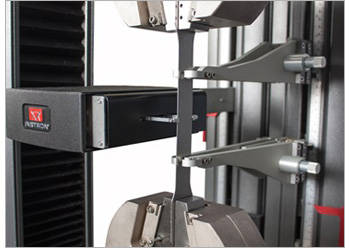
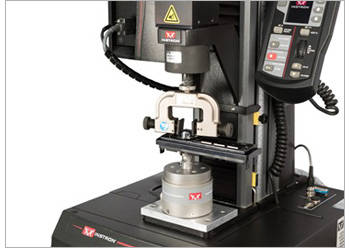
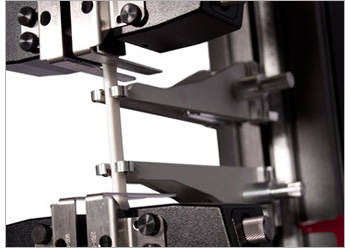
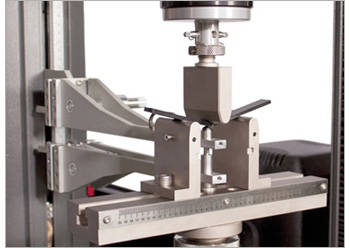
Instron® pneumatic side action grips are able to grip delicate foam specimens in order to perform T-peel tests. With a variety of quick-release jaw faces, these grips allow users to easily test a range of materials with a single system. The air pressure is also adjustable, allowing operators to fine tune the gripping pressure if needed.
Bluehill® Universal software contains a suite of calculations for peel testing, including industry standard calculations, such as first peak, average peel force over a given length, and even allows for custom calculations.
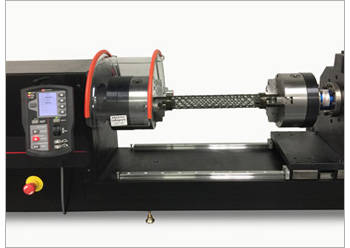
Steel cord is formed by twisting multiple strands of steel wires together to form a cord structure. This is often used as a reinforcement material in conveyor belts and radial tires for passenger cars, buses, or heavy equipment vehicles. Compared to other traditional reinforcement materials like nylon, steel cords possess superior mechanical properties, such as higher tensile strength and modulus and better heat resistance. When used as a reinforcement material in radial tires, it offers high road stability, improved steering response, and longer tire service life. Since some of the key performance indicators of tires are dependent on the reinforcing steel cord, it is important for an engineer to understand the properties of the tire cord and how it functions in a tire.
There are many challenges to account for when testing stranded wire. As stranded wire is not a consistent diameter, generally a nominal diameter is used (as defined in the product standard). As well as the irregularity of the surface, when a specimen is pulled in tension each strand will rotate. Therefore, if a clip-on extensometer is being used, it must be able to rotate. It is also necessary to have a long gauge length, so Instron offers a 600mm G.L. extensometer with 15 degrees of twist available. When stranded wire breaks, the energy released at failure is substantial, and the specimen ‘splays’ out. This may cause damage to extensometers, machine or even operators.
The challenges of testing to this standard are:
Instron's Solution:
It is important to review the pertinent testing standards in order to fully understand the test setup, procedure, and results requirements.
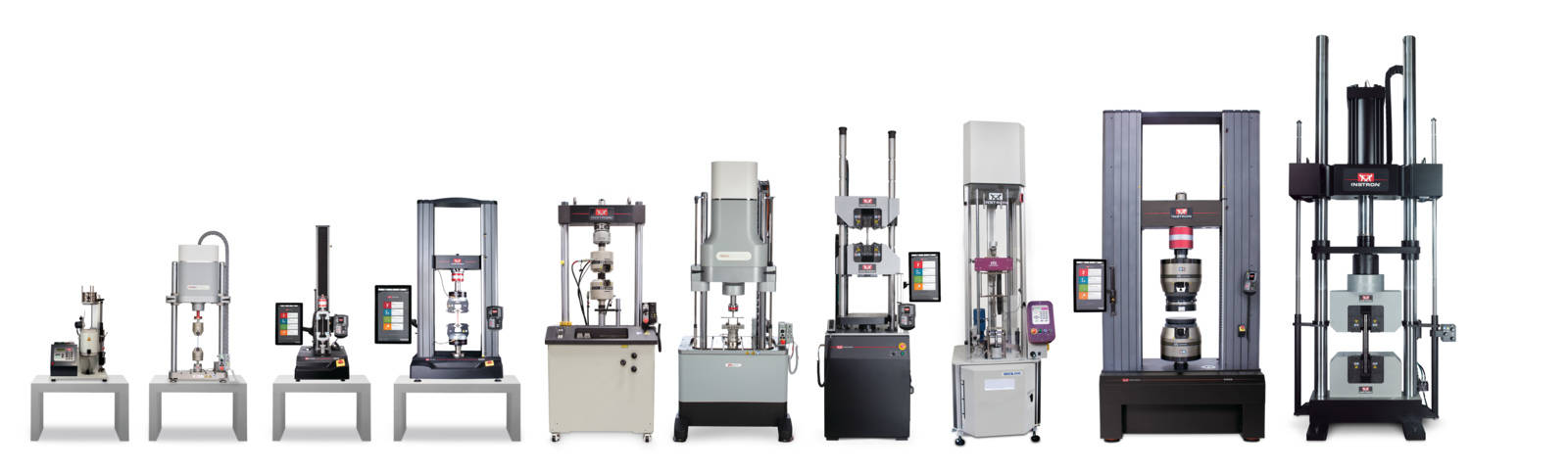
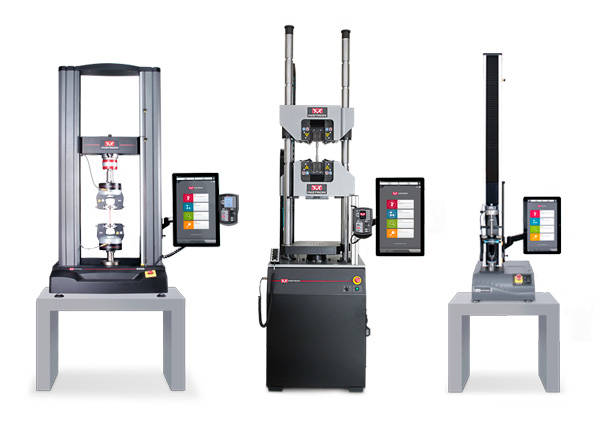
Instron 6800 Series Universal Testing Systems provide unparalleled accuracy and reliability. Built on a patent-pending Operator Protect system architecture with an all-new Smart-Close Air Kit and Collision Mitigation features, the 6800 Series makes materials testing simpler, smarter, and safer than ever before.
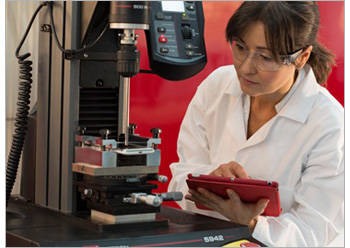
Bluehill Universal is Instron’s advanced materials testing software, designed for intuitive touch interaction and streamlined workflows. It offers pre-loaded test methods, QuickTest for rapid setup, enhanced data exporting, and Instron Connect for direct service communication. Users of Bluehill 2 and Bluehill 3 can easily upgrade to the latest version for improved performance and usability
Tensile testing is ideal when assessing the physical characteristics of many primary textiles, including specialized materials. We offer a wide range of universal testing instruments with different types of gripping solutions to accommodate the wide variations of materials to be tested.
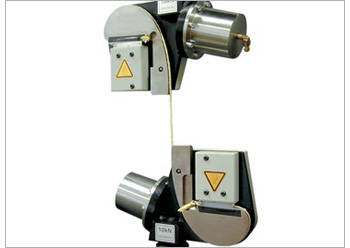
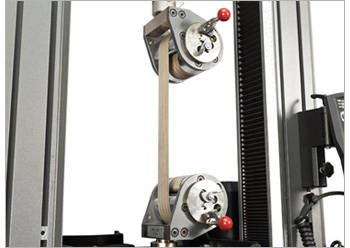
When testing these textiles, we used the 2714-010 Pneumatic Cord and Yarn Grips as they provided the correct gripping solution for this material. As with many textile and composite fibers, it is critical to ensure that no slippage occurs during the test as this could jeopardize the accuracy of any test results.
Aramid fibers have a high strength to weight ratio, 5 times stronger than steel on an equal weight basis and compared to other commercially available fibers. Aramid fibers exhibit similar tensile strength to glass fiber, but can have modulus at least twice as great.
For the testing on aramid fibers, we offer a range of pneumatically operated grips that have been specially designed for exactly this purpose.
So whether or not you are following specific test standards or testing with your own test procedure, we recommend using either the 3300 or 5900 universal testing instruments with Bluehill® 3 Software modules to provide the correct solution for your requirements.
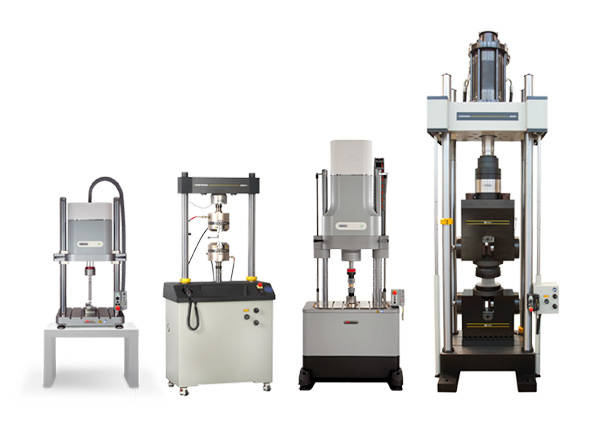
Instron 3400 Series universal testing systems for tensile, compression, bend, and other material property tests.
Instron 6800 Series Universal Testing Systems provide unparalleled accuracy and reliability. Built on a patent-pending Operator Protect system architecture with an all-new Smart-Close Air Kit and Collision Mitigation features, the 6800 Series makes materials testing simpler, smarter, and safer than ever before.
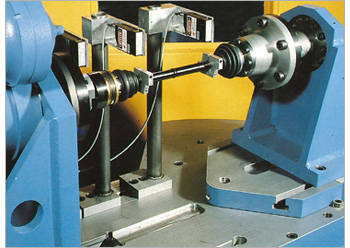
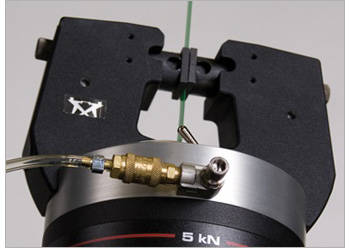
The Instron® pneumatic tire cord grips provide a convenient method for clamping tire cord and braided wire during testing.
Bluehill Universal is Instron’s advanced materials testing software, designed for intuitive touch interaction and streamlined workflows. It offers pre-loaded test methods, QuickTest for rapid setup, enhanced data exporting, and Instron Connect for direct service communication. Users of Bluehill 2 and Bluehill 3 can easily upgrade to the latest version for improved performance and usability
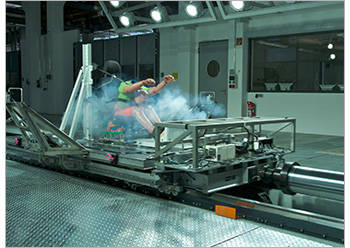
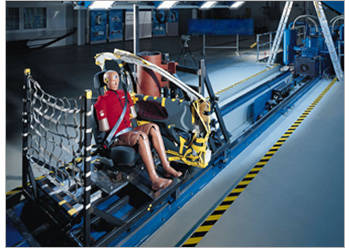
Over the past 20 years, the importance of occupant protection in the development of automobiles has greatly increased. Tighter legal requirements and consumer protection programs have led to significant innovations in the area of active and passive safety. Passive safety is mainly focused on the development of methods and guidelines that reduce the severity of injuries caused by accidents.
A wide range of new materials are being used to decrease the weight of vehicles and reduce emissions. Of these new materials continuous carbon fiber polymer composites offer great potential for producing lightweight structures, however, there are many barriers to their widespread adoption. Currently, the cost and process times of composites parts are significantly higher than those of traditional metal parts and they require new recycling techniques. Progress is being made with the development of lower cost carbon fibers and thermoplastic matrix materials that offer faster manufacturing processes and facilitate recycling.
As infotainment display panels and screens are becoming standard features in many automobiles, it is important for manufacturers to understand their mechanical reliability. These displays need to last the lifetime of the vehicle, much longer than a standard electronic device. Therefore, it is relevant to study their mechanical reliability.
Compression After Impact test (CAI) is used to define the damage resistance of composites after an Impact event. An impact on composite laminate panel may result in no visible external damage, but it may generate a dramatic reduction of compressive strength. The design of automotive parts using composite materials should consider the effects of impact on the material properties. These data can be obtained following dedicated standards (i.e. ASTM D7136M, ASTM D7136), using an Instron Drop Tower configured with CAI accessories.
AEC-Q200-005-REV (A) defines the standard for verifying the bond strength of surface mount components on finished printed circuit boards (PCBs) to understand their ability to withstand bending, flexing, and pulling forces. Electronics assembly manufacturers for automotive OEMs are interested in learning and characterizing bond strength for adhesives that are used to mount and hold the surface mount components and their leads in place on a PCB.
The Automotive Electronics Council (AEC) has defined standards that are critical for qualifying electrical components used in automobiles. Due to the exponential increase in applications of microelectronics in automobiles, these standards are of extreme importance. AEC-Q200-006-REV (A) defines the standard for verifying component terminal strength in order to withstand axial stresses that are likely applied from the manufacturing process of finished printed circuit boards (PCBs). Electronics assembly manufacturers and OEMs are interested in understanding the solder joint strength of leads of a surface mount device (SMD) bonded to a PCB or other substrate.
THE CHALLENGE
The standard requires a force to be applied on the component axially for 60 seconds, which results in shearing the component. This force should be applied gradually, and should not induce shock on the component.
Our Solution
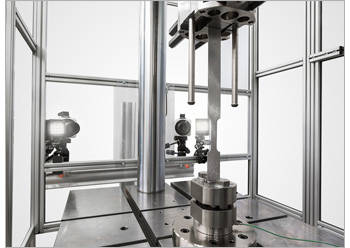
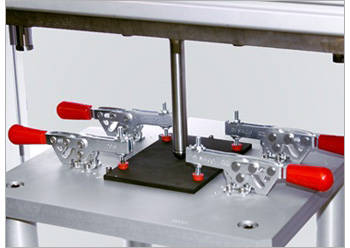
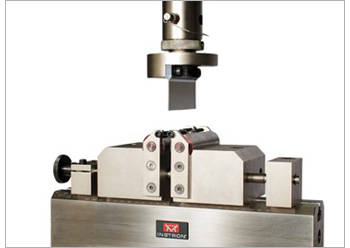
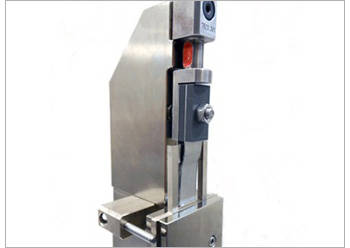
Instron® offers a dedicated Die Shear Fixture that can be used in single or dual column systems to meet the AEC Q200-006 (A) standard. The fixture has the capabilities to hold a finished PCB in position and shear the target SMD. The adjustable holder of this fixture can account for the various sizes of PCBs, and the linear rail helps the operator to center the shear tool on the component. Different sizes of shear tools are offered based on the dimensions of the SMD.Bluehill® Universal software is used to create test methods as per the standard requirements.
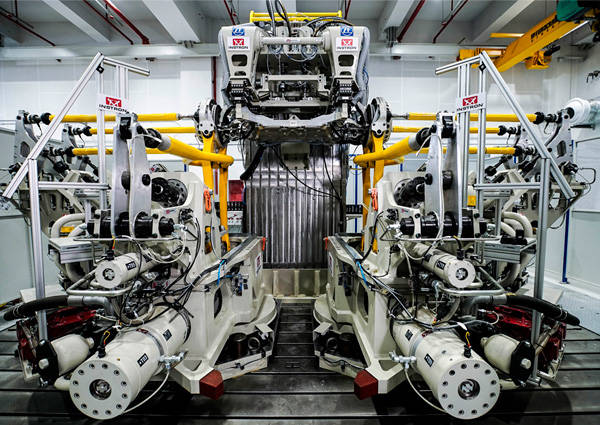
In the automotive sector, development in chassis and body of vehicles is driven by two main aspects, safety, and lightweighting. As the body is the first point of impact during a car crash, modern designs have incorporated features such as crumple zone to absorb most of the initial impact, reducing the force that will reach the passengers. With this in mind, it is essential to understand material behavior under high strain rate, especially during development cycles of metals, alloys, and composites that may be used in chassis or body design. On the other hand, lightweighting provides better fuel economy for the car, decreases component wear and hence provide a much more competitive product overall. Therefore, characterizing how material properties change under high strain rate is important in order to find the optimum design maximizing safety and lightweighting.
Sheet Metal High Strain Rate Testing
The Challenge
When considering the crashworthiness of components, testing in high strain rates is essential. As investigated by numerous research, mechanical properties of materials differ drastically under quasi-static conditions and high strain rates. Therefore, accurate data on strain rate dependence of material behavior will provide more realistic computer simulation and evaluation of crashworthiness of structures, whether it is during the development of new alloys or testing automotive components.
Our Solution
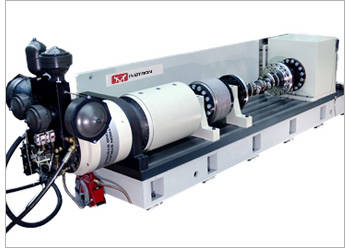
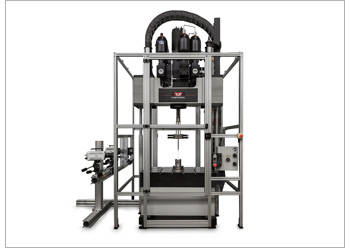
To meet the challenges of high strain rate testing, Instron has been the market leader in manufacturing high strain rate testing machines for over 20 years, advancing high strain rate research and testing capabilities on metals with suitable technologies. For testing metals and high-performance alloys, Instron offers a range of VHS systems that can perform tests that will be suited to your application up to a maximum test velocity of 25 m/s, which translates to testing conditions from quasi-static up to a strain rate of 1000/s. Instron also offers fast jaw or slack rod tensile gripping solutions to ensure gripping at test velocity and DIC integration that will provide non-contact strain measurement with the capacity for dedicated strain gauge channels.
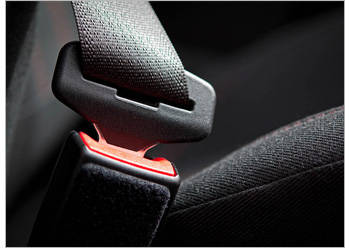
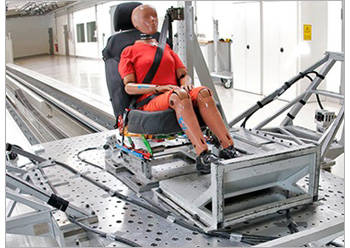
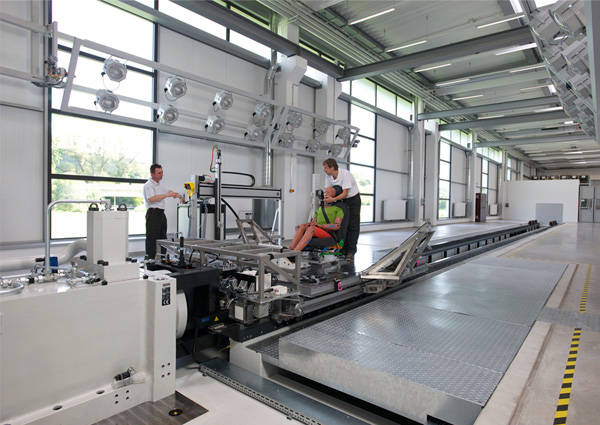
In the automotive field, the safety of passengers is key and many research and development efforts have been put to ensure each critical safety component is tested and up to standard. Seatbelts play a big role in car safety as it decreases the momentum of passengers, reducing the force of secondary impacts with interiors and prevents passengers from being ejected from a vehicle in a crash or a sudden stop.
Learn more about our automotive solutions
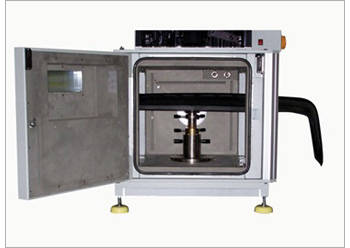
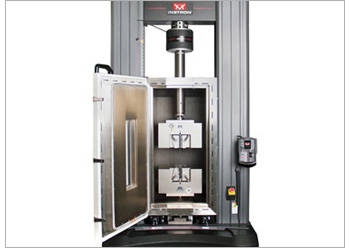
When working in automotive R&D, awareness of how various materials act at ambient temperature as well as normal operating temperature is important. Many original equipment manufactures have unique temperature requirements that all components need to achieve, for example: -30oC to 80oC. However, engine and transmission components get considerably hotter. It is extremely important to subject the material to these temperatures during testing to understand their performance.
Learn more about our automotive solutions
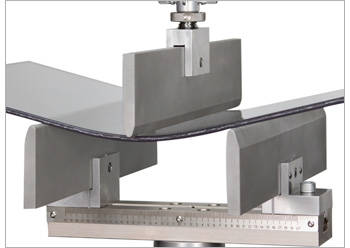
Knowing the formability of metals is absolutely critical in the manufacture and development of automobiles, typical performance indicators for the formability properties are the plastic strain ratio (r-value) and strain hardening exponent (n-value). Bend testing is also vital in drawing conclusions about the forming behavior and the susceptibility to failure of metallic materials during the forming processes dominated by bending deformation but also during crash deformation.
Learn more about our automotive solutions
When working in automotive R&D, awareness of how various materials act at ambient temperature as well as normal operating temperature is important. Many original equipment manufactures have unique temperature requirements that all components need to achieve, for example: -30oC to 80oC. However, engine and transmission components get considerably hotter. It is extremely important to subject the material to these temperatures during testing to understand their performance.
Learn more about our automotive solutions
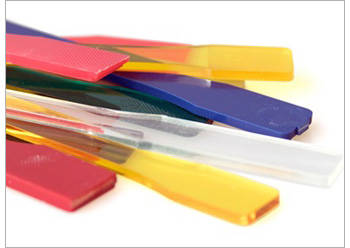
Plastics have proven to be the predominant material for developing durable, highly customizable, and cost-effective interior components. Corrosion resistant properties allow finished components to last longer with little to no maintenance. The versatility of plastic allows automotive designers to customize interiors while maintaining low costs. Modern manufacturing processes allow a vast array of colors and textures to create an aesthetically pleasing environment for the passengers. Additional benefits include reduced weight and high vibration dampening, increasing the ability to meet environmental regulations.
Globally, there are increasing efforts to reduce the weight of automobiles, increasing fuel efficiency which aids in the reduction of emissions. Various grades of steel have been the predominant material used for manufacturing automobiles chassis' and body. A new generation of advanced high-strength steels (AHSS) are being developed and produced to maintain the automotive industry’s demand for steel.
Despite this, automotive manufacturers are now also working with aluminum producers to increase the percentage of aluminum used in the production of automobiles. Aluminum offers low density, excellent formability, corrosion resistance, and high strength.
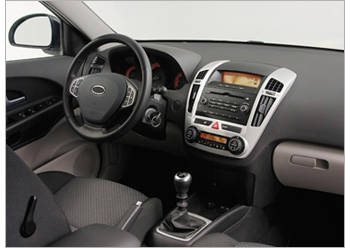
While the world is moving towards touch technology where we interact with swipes, knobs and buttons are still very common in the interior of automobiles. Knobs and buttons enable the driver to keep their eyes on the road and use haptic sensing to change the radio, switch on the air conditioning, turn on their seat warmer etc. Haptic sensing refers to a user applying a force or touch to an object and that object applying a force, vibration, click, or motion back to the user. For example, when a driver turns their windshield wipers on there is a mechanical stop accompanied with a click that notifies the driver of the different windshield wiper level.
Learn more about our automotive solutions
Car manufacturers utilize foam materials primarily for seating purposes. The consumer is continuously interacting with the material and it's material properties can directly affect the consumer's ownership experience. As such, manufacturers perform rigorous testing of foam materials to ensure their safety, durability, and comfort. Various tests are performed in order to characterize the material's properties as they relate to the support profile and long-term consumer comfort.
In the automotive sector, textiles must be aesthetically pleasing but also be durable to survive years of abuse. Automobile owners will see the interior of the vehicle every time they enter, so the importance of aesthetics cannot be understated. The automotive market is incredibly competitive, so any advances in the material technology of these textiles can provide a substantial advantage.
Learn more about our automotive solutions
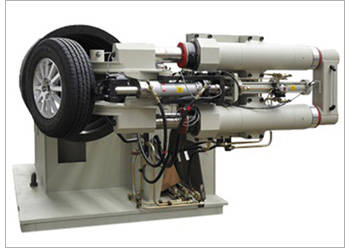
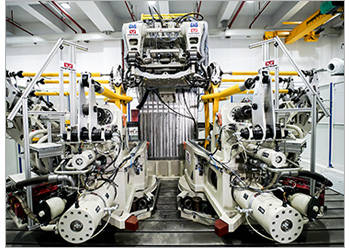
Wheels are safety-critical components of any vehicle and are exposed to severe loads over their lifetime. Their reliability can only be safeguarded by performing tests under laboratory conditions which resemble actual loading conditions as closely as possible. Based on an idea from the Fraunhofer Institute for Structural Durability and System Reliability LBF, the Biaxial Wheel Test Facility has been completing validations since the early 1980´s. This test procedure became a standard at most European wheel producers and was also introduced as SAE wheel standard J 2562, in 2003. Standardized load profiles like Euro-Cycle or AK-Cycle had been developed which could reduce the test time to a minimum by transforming damage content of the original design spectra of 300,000 km to an accelerated one of only 10,000 km. Today, an additional method for the generation of a load profile is available. By using the “Hayes Lemmerz” method the ZWARP’s control parameter could be determined directly from the wheel forces without the need for the long detour of a strain gauge measurement.
Learn more about our automotive solutions
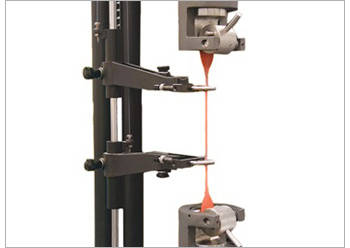
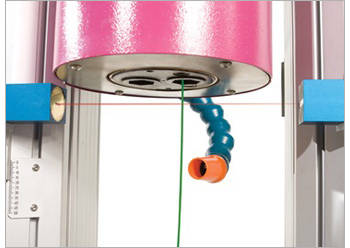
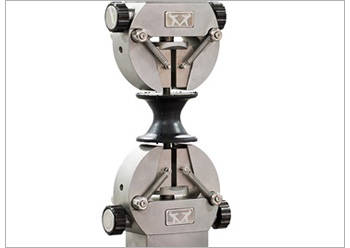
The elongation of elastomers is critically important to tire manufacturers, as this property helps predict how tires may behave during use. This property, however, can create challenges in testing.
Learn more about our automotive solutions
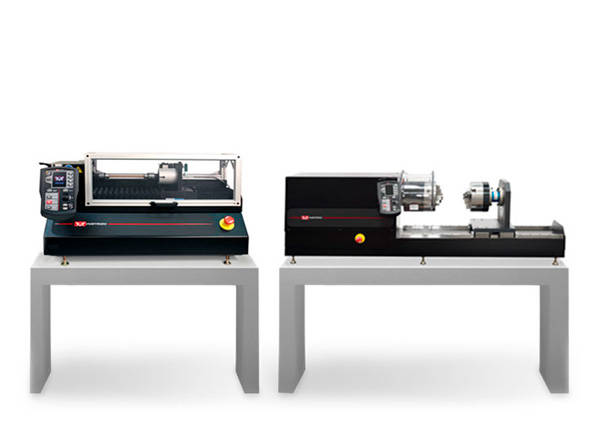
Not all human interactions with automotive components are purely axial and always vertical. If only using a vertical, axial frame, this can create a challenge for the fixture design or prove to be impossible to test in situ. It is important to test final components in the way that the end user will interact with them.
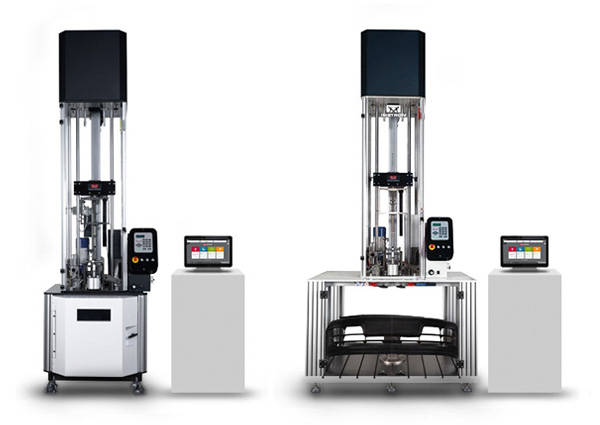
The automotive industry remains one of the most common and vulnerable to impact events. Depending on the component, impact damage can have a minor effect on appearance or lead to a major failure in vehicle safety. Both car assemblers and OEM part suppliers must comply with strict safety standards in order to produce high-quality products. Automotive test standards and regulations place an emphasis on impact performance of assemblies and components.
Learn more about our automotive solutions
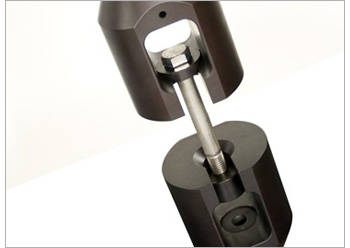
In the manufacture of automobiles, metallic bolts are used in large volumes ranging in application from high strength required for structural assembly to securing lightweight parts to the vehicle. Whatever the application they are used for, testing is critical to determine if they will be suitable for the application and/or to ensure they are meeting the quality standard.
Learn more about our automotive solutions
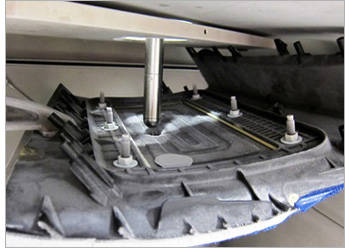
As more and more components of cars are made using plastic, testing must be done to ensure that different plastic components will stay bonded together. From dashboards to gas caps, polymeric materials ranging from nylon to polypropylene can be found throughout vehicles. Plastic welding techniques such as vibration and laser welding are used to join different plastic components, in addition to traditional adhesive methods. To ensure that the bonds are sufficiently strong, tensile testing can be performed both during product development and quality control.
As the drive for light weighting increases the range of materials used in automobiles, the requirement for reliable ways of joining these materials grows in importance. Adhesive joining technology is capable of joining dissimilar materials and can offer improved performance over traditional methods in many situations, however, careful qualification and quality controls are needed to ensure reliable results.