
ASTM F543 Test Methods for Metallic Medical Bone Screws
Mechanical Testing of Metallic Medical Bone Screws Under Torsion and Axial Loads
Written By: Landon Goldfarb
Updated: November 25, 2025
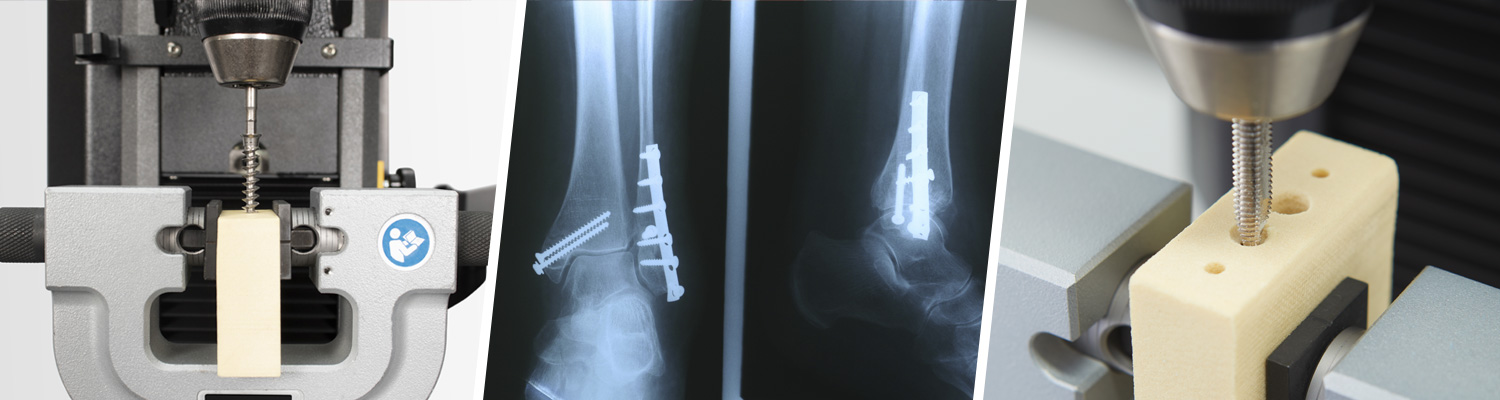
ASTM F543 outlines standardized test methods for evaluating the mechanical properties of metallic medical bone screws under torsional and axial forces. These tests ensure compliance with FDA Class 2 device requirements and verify performance for orthopedic applications such as:
- Implants
- Osteosynthesis
- Fracture fixation plates
The standard also specifies requirements for the materials, finish, dimensions, and tolerances.
Why ASTM F543 Testing Matters
Bone screws experience combined axial and torsional forces during clinical use. Accurate testing under ASTM F543 ensures safety, durability, and regulatory compliance for medical device manufacturers.

Find insights into other applications in our biomedical testing knowledge base.
Testing to ASTM F543
ASTM F543 uses SI units and includes multiple annexes for functional performance testing:
- Annex A1 – Torsional Properties
- Torsional yield strength
- Maximum torque to failure
- Breaking Angle
- Annex A2 – Driving Torque
- Annex A3 – Axial Pullout Strength
- Annex A4 – Self-Tapping Performance
Not every bone screw will require each of these tests, only the tests that are relevant to the screw design. To ensure compliance, always read the full ASTM F543 standard.
Recommended Testing Systems
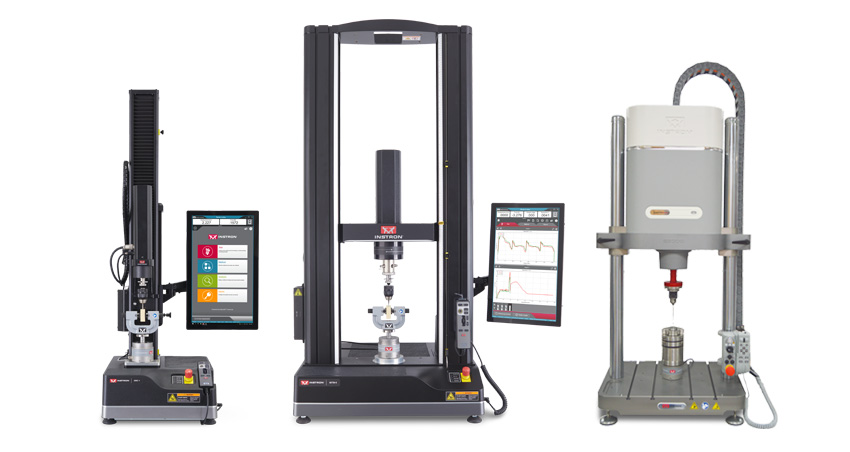
For ASTM F543 compliance, we recommend using one of the following testing systems:
- 6800 Series Universal Testing System with the Torsion Add-On for biaxial testing (axial + torsional)
- ElectroPuls Dynamic Testing System with custom bone screw fixture
Grips, Fixtures, and Load Cells
We recommend the following grips, fixtures and load cells:
- Screw side action grips or custom fixtures to secure the simulated bone
- Three-jaw chuck for the screwdriver bit
- Custom fixture for axial pullout strength
- Biaxial load cell (1 kN / 25 Nm capacity) for combined force measurement
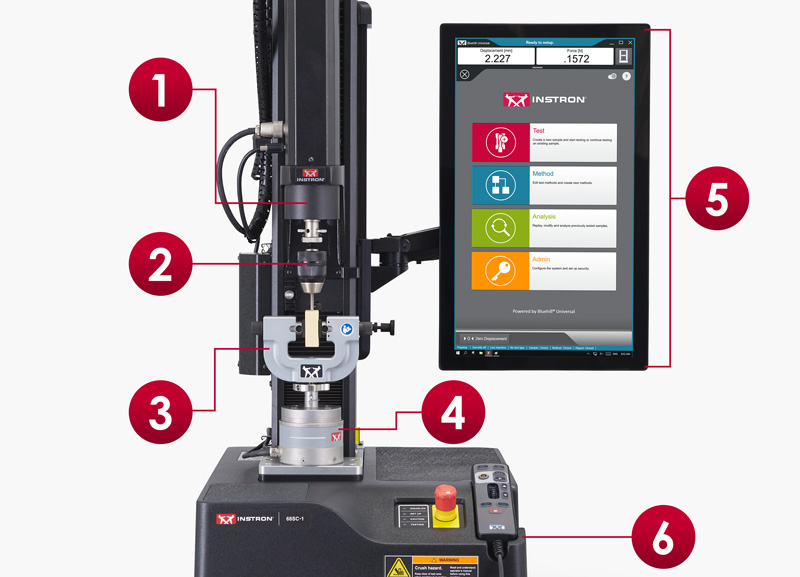
Example Testing System Configuration for ASTM F543
- Torsion Add-On
- Three-Jaw Chuck
- 2710-100 Series Screw Side Action Tensile Grips
- 2270 Series Biaxial Load Cell
- 6800 Series Universal Testing System (68SC or 68TM)
- Bluehill Universal Software
Frequently Asked Questions
- Ensuring system alignment is crucial to promote repeatable torque measurements. Especially when performing the self-tapping test to A.4, it is important to build reliable sample preparation procedures, ensuring the pilot hole is tapped straight in-line with the bone screw.
- The self-tapping test system control can be complicated to set up considering precise loading rates are required. Optimizing the gain settings for the system is important to maintain the expected range of loading rate during the torque application.

6800 Series Premier Testing Systems Brochure
Instron 6800 Series Universal Testing Systems provide unparalleled accuracy and reliability. Built on a patent-pending Operator Protect system architecture with an all-new Smart-Close Air Kit and Collision Mitigation features, the 6800 Series makes materials testing simpler, smarter, and safer than ever before.

Bluehill Universal Brochure
Bluehill Universal is Instron’s advanced materials testing software, designed for intuitive touch interaction and streamlined workflows. It offers pre-loaded test methods, QuickTest for rapid setup, enhanced data exporting, and Instron Connect for direct service communication. Users of Bluehill 2 and Bluehill 3 can easily upgrade to the latest version for improved performance and usability

Torsion Add On 3.0 for Electromechanical Testing Systems Data Sheet
The Torsion Add-On 3.0 for electromechanical universal testing systems is designed for simple, simultaneous axial and torsional testing of devices and/or components. Torsion Add-On 3.0 easily mounts to any new or existing Instron 6800 or 5900 system, adding torsion capability to your lab while saving valuable lab space. It utilizes Bluehill Universal’s dedicated axial-torsion and method types in a user-friendly and intuitive interface.
