Instron

Fatigue Testing

Automotive » Chassis

Fatigue Testing

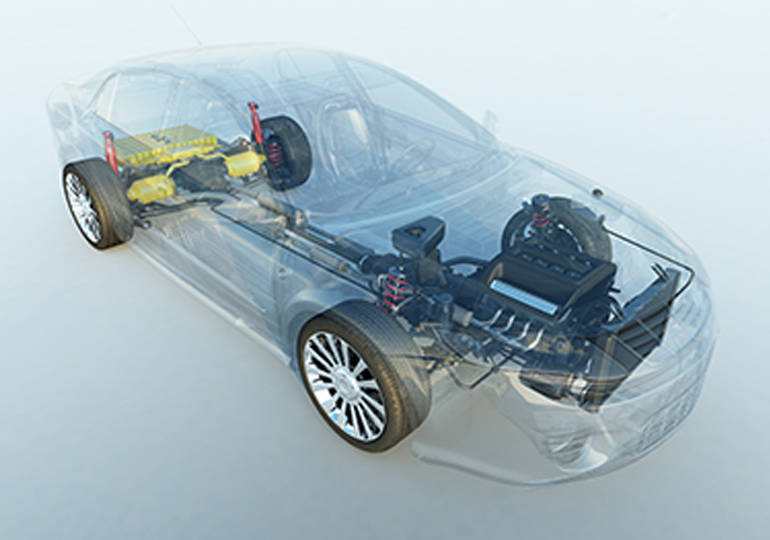
Fatigue performance has always been important in automotive design, where the sources of cyclic loading and vibration are many and varied. Hence fatigue behavior is a long-established part of qualification for automotive steels, and remains essential for newer designs with aluminum and composites.

THE CHALLENGE

Car breakdown

In today's automotive industry, cyclic loading represents a diverse range of evaluation needs, including low cycle fatigue of metals, high cycle fatigue of composites and joints, damping behavior of mountings and interior panels – all of which affect the NVH (noise vibration and harshness) and hence, passenger comfort.

THE CHALLENGE

Our Solution

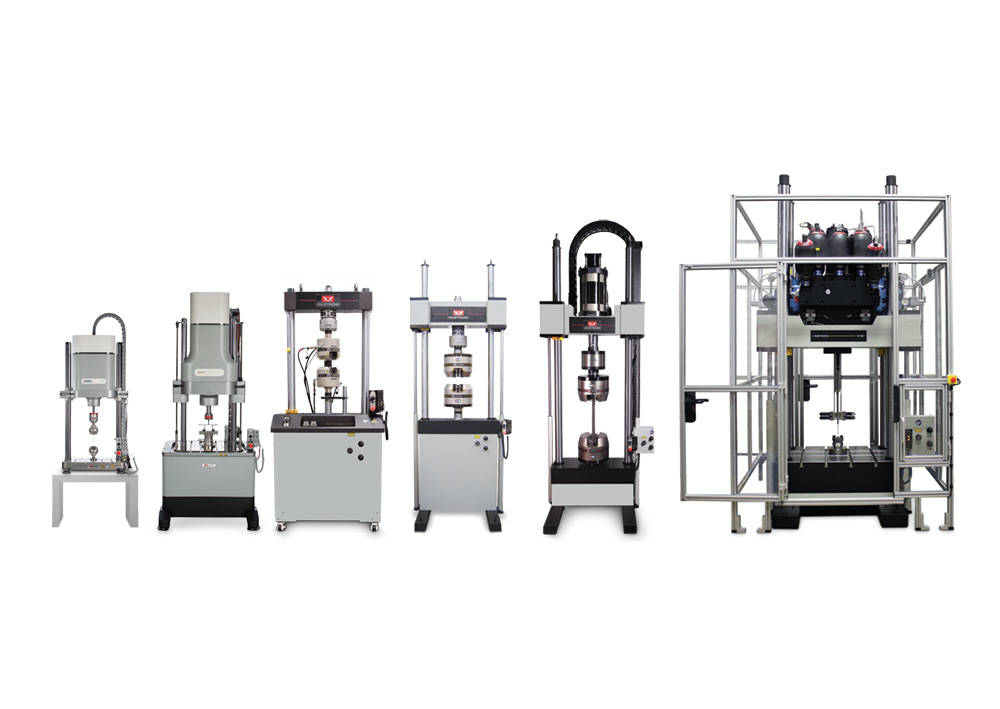
Dynamic Systems Family

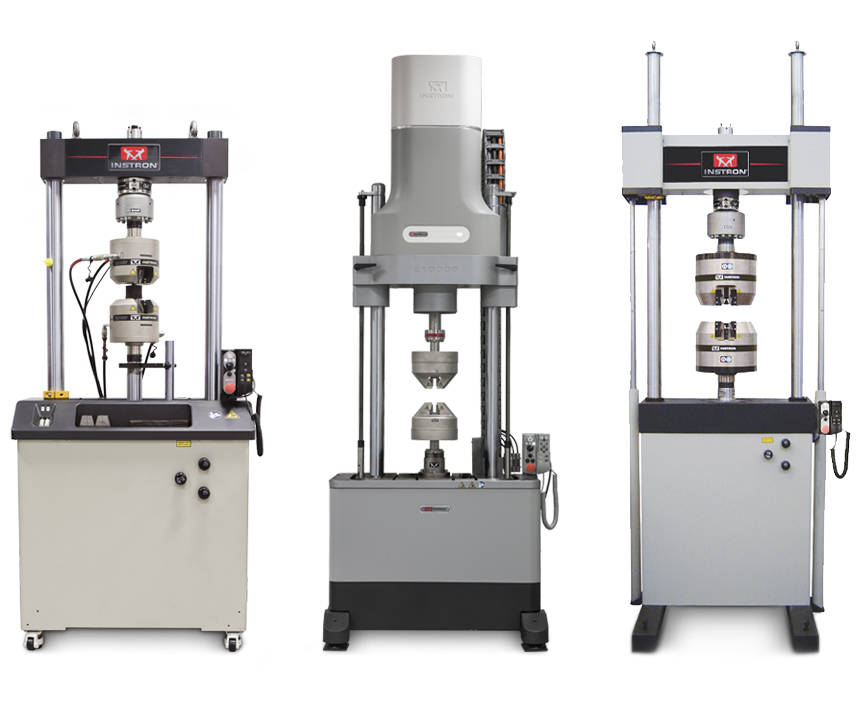
For a multipurpose laboratory handling large specimens, Instron® servo-hydraulic systems provide excellent capabilities for medium to high-capacity dynamic testing. The load frames can be configured to meet a wide range of materials, component testing, and requirements; and can be fitted with interchangeable fixtures to perform specific tests.

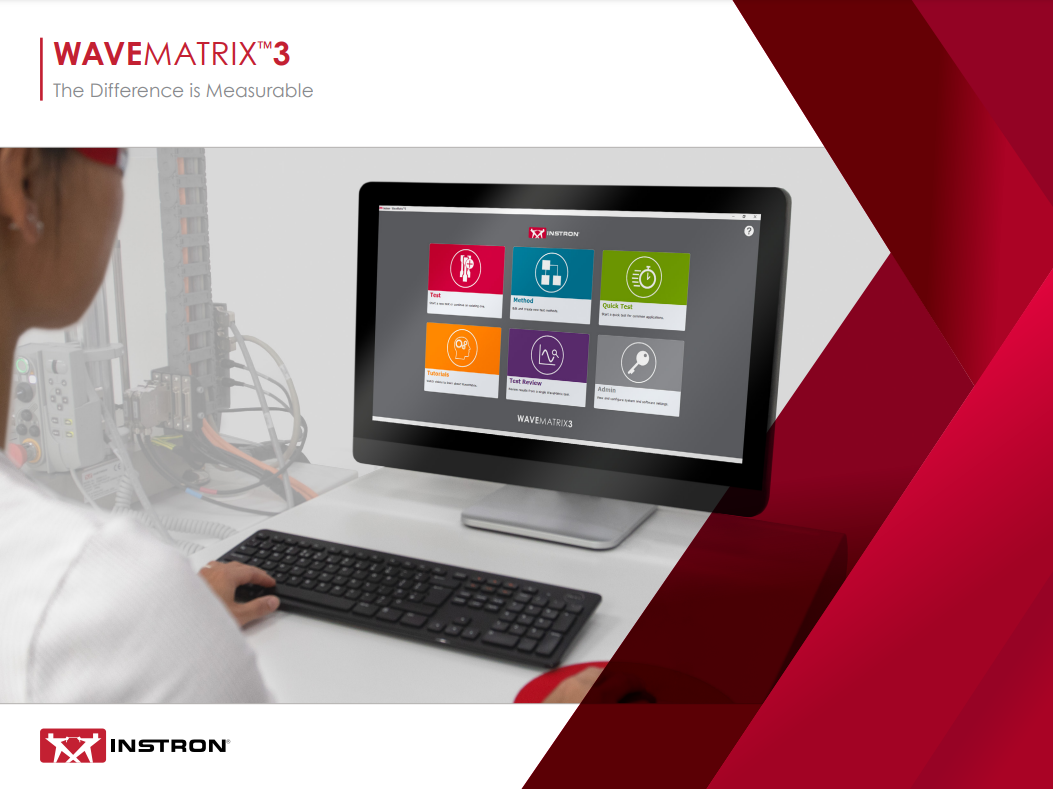
The Instron 8800MT controller with WaveMatrix™ dynamic test software provides high fidelity of control, and synchronous data acquisition, with easily configured test sequences and live calculations to facilitate everything from “simple” fatigue, to vibration analysis, to multi-step conditional test sequences.

Additionally, application-specific software packages can be used seamlessly on the same system to provide more streamlined workflows for LCF, fracture toughness, or quasi-static testing.

Crash Simulation

Automotive » Chassis

Crash Simulation

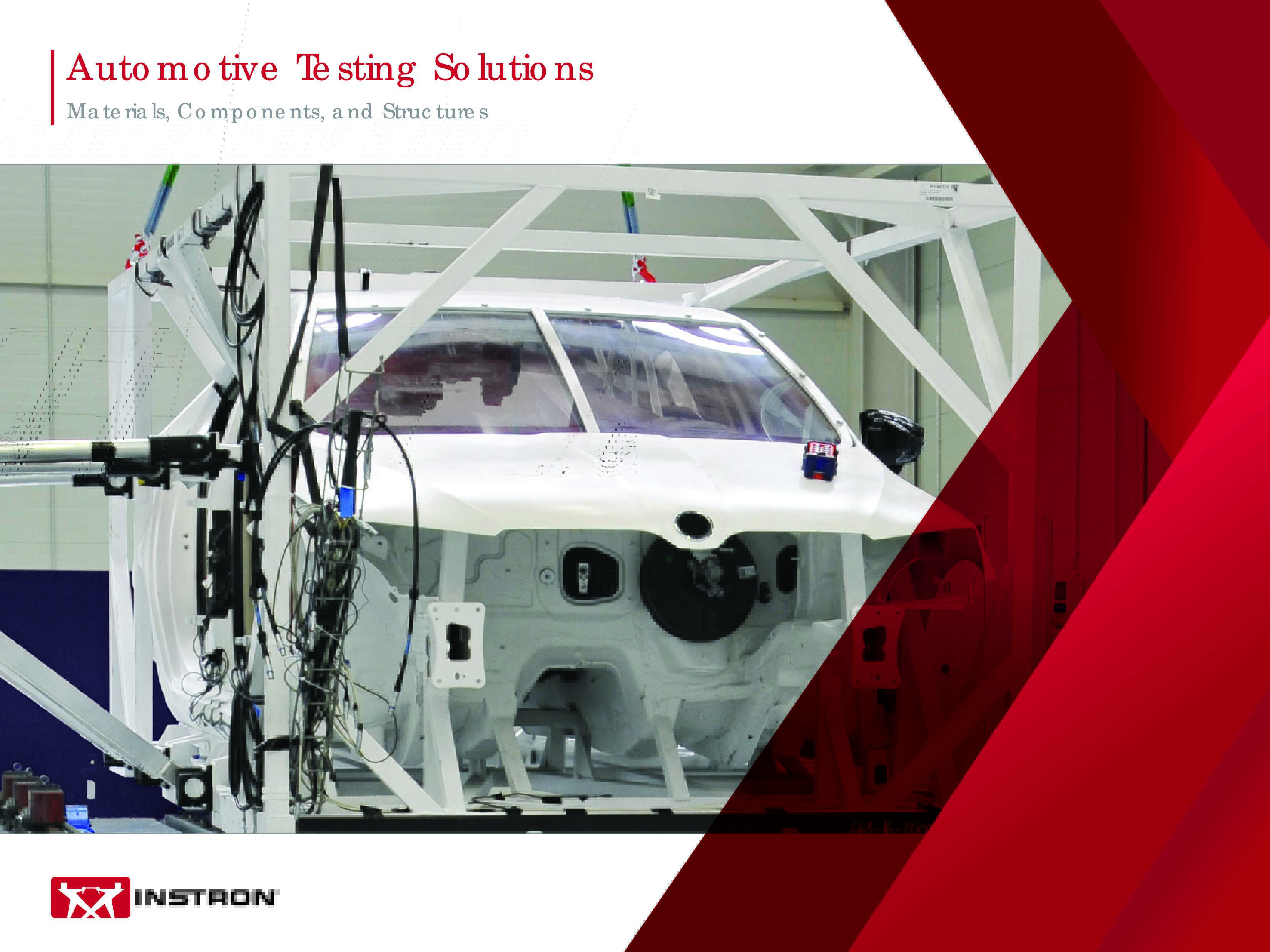
Over the past 20 years, the importance of occupant protection in the development of automobiles has greatly increased. Tighter legal requirements and consumer protection programs have led to significant innovations in the area of active and passive safety. Passive safety is mainly focused on the development of methods and guidelines that reduce the severity of injuries caused by accidents.
The Challenge 

The implementation of these methods and requirements are extremely demanding for car manufacturers and their component suppliers.

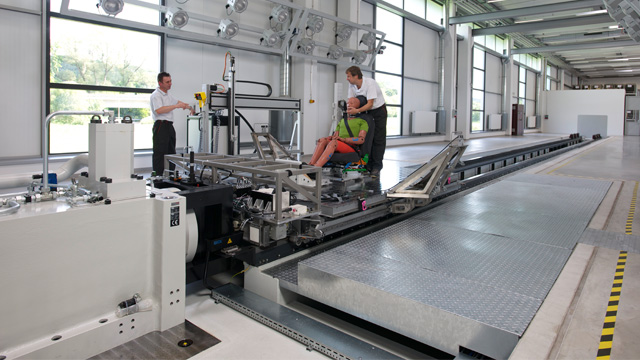
When developing safety components such as airbags, seat belts, seats, etc., a wide range of crash scenarios must be covered and tested in a timely manner. In addition to the modeling process in the design phase and the test of a complete car in the real crash test, the crash simulation system, also known as a sled test system, is one the most important tools in the development process of these safety components.

Today, these crash simulation systems must ensure an efficient and productive testing process in addition to the performance required for the test. This way, these instruments can optimally support the development of safety systems.

Our Solution


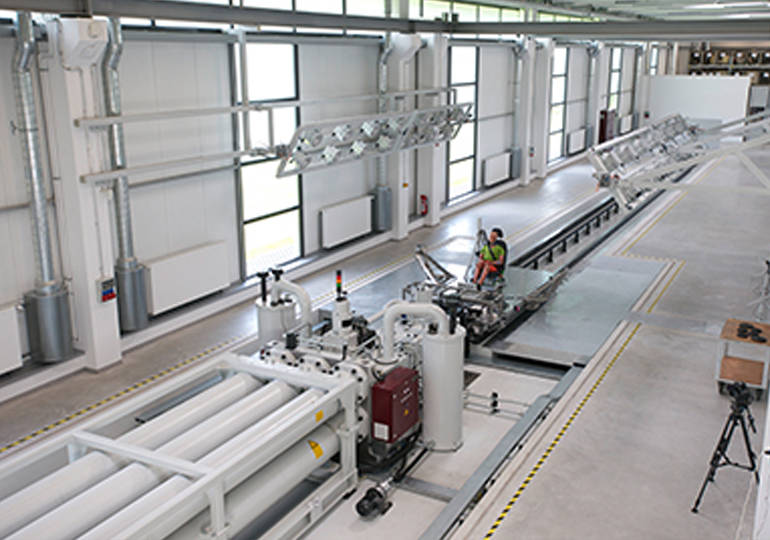
In the area of passive safety, Instron is the market leader, with over 75 installed crash simulation sled systems. In addition to well-known applications such as frontal, offset, and rear impact, the actively controlled pitch motion simulation for frontal tests has proven to be an outstanding technology in the field.

Acceleration sled systems from Instron are used for the development and approval of vehicle safety systems and vehicle parts, as well as for the investigation of material and structural behavior during crash procedures.

These innovative systems have a proven record of strong performance and undisputed quality. Having original and unique solutions for current and future testing increases productivity and ensures efficient test operation.

Contact Us to learn more about our automotive solutions

Full Vehicle Testing

Automotive » Chassis

Full Vehicle Testing

THE CHALLENGE

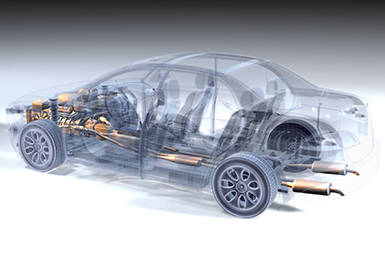
full vehicle

Ever-shorter development cycles for cars and commercial vehicles impose significant time constraints on producers and developers. A multitude of functional and durability tests have to be conducted on prototypes, during which components or sub-systems of the final vehicle are analyzed on a variety of different component and multi-axial test facilities.

Testing of full vehicles is required to validate the vehicle structure and is often carried out on 4-poster systems. However, purely vertical excitation will not reveal all weak points in the vehicle structure. Complex chassis designs and monocoque structures necessitate increasingly precise and, above all, repeatable reproduction of road loads in the laboratory. This requires realistic input of all forces and moments encountered during a track test and the integration of all active vehicle components.

Our Solution

full vehicle

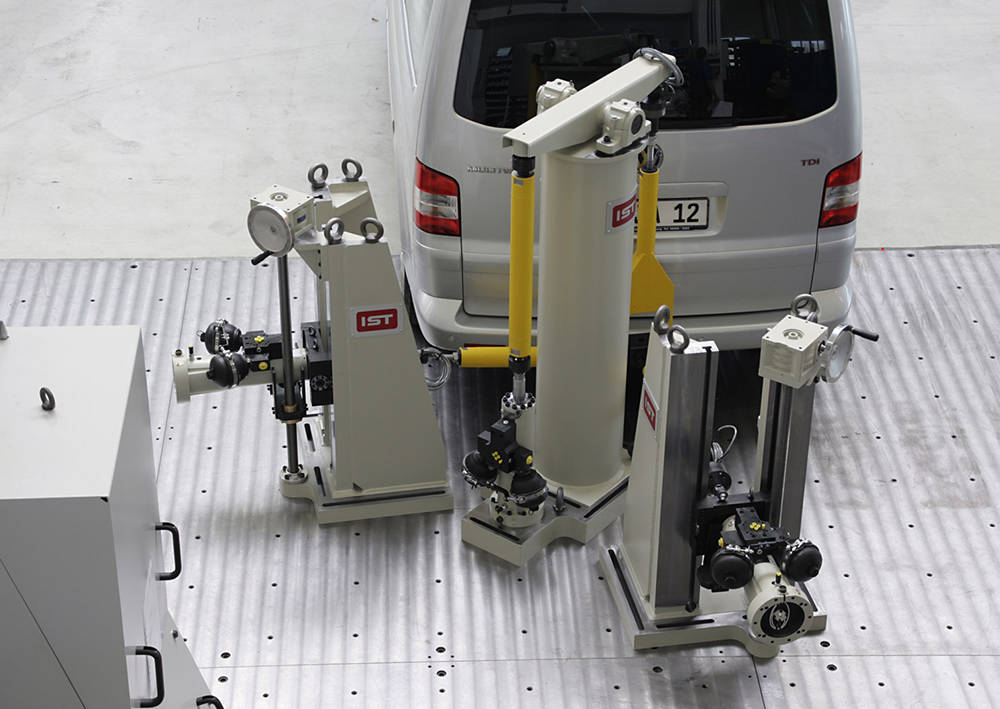
Instron's spindle coupled full-vehicle test rig enables brake, camber and steering moments to be introduced into the dummy wheels, in addition to vertical, longitudinal and lateral loads, thus providing the capability to reproduce even harshest road conditions and severe driving maneuvers in the test laboratory under conditions closely resembling actual road-driving conditions.

The use of an advanced electronic controller allows the synchronous control of active vehicle components in addition to the accurate reproduction of road load data at the wheel. To react braking forces or driving maneuvers, vehicle body restraint systems or longer stroke test systems are available.

Exhaust Line Durability Test

Automotive » Chassis

Exhaust Line Durability Test

THE CHALLENGE

automotive

The investigation of the durability of complex assemblies and structures such as vehicle exhaust lines is an essential part of the vehicle development processes conducted by automotive manufacturers and component suppliers. The exhaust line has to withstand thermal and physical loads from the combustion process, gear changes, engine torque and driving maneuvers. In view of ever-shorter development cycles and increasing demand for longer warranty periods, close-to-real laboratory testing of exhaust lines is therefore a critical step in the development cycle.

our Solution

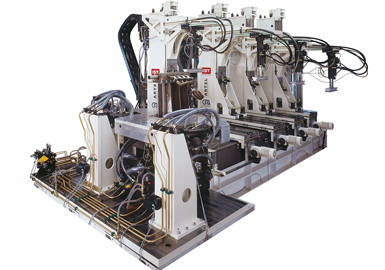
exhaust line test

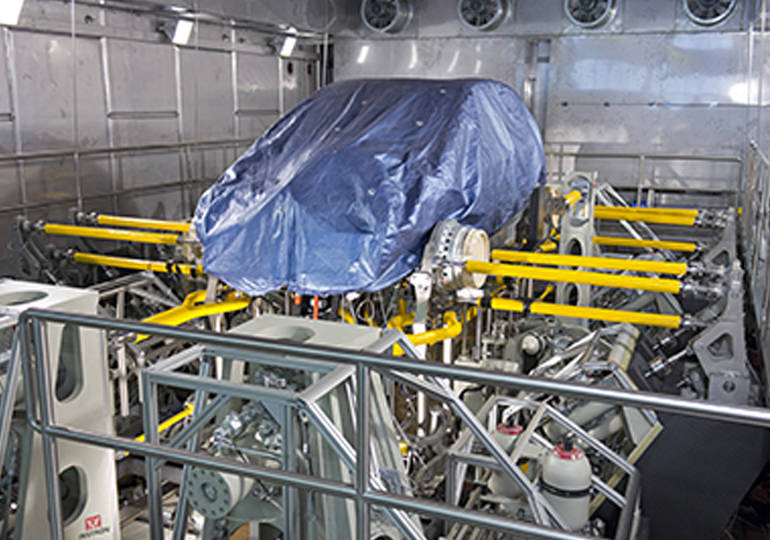
Our ARTEL exhaust line test rig was developed specifically for long-term durability testing of complete vehicle exhaust lines and enables realistic simulation of the service conditions, through thermal and mechanical loading. The shake table on which the engine is installed provides six degrees of freedom and is designed to simulate engine manifold loads. Longitudinal and lateral acceleration signals are generated by means of three to five independent gantries with the associated hydraulic actuators. For fast and convenient installation of the exhaust lines in the test rig, the gantry arms are equipped with linear motors and can be adjusted so that the suspension points coincide with the actual vehicle mounting points.

Composite Laminates Tensile Testing

Automotive » Chassis

Composite Laminates Tensile Testing

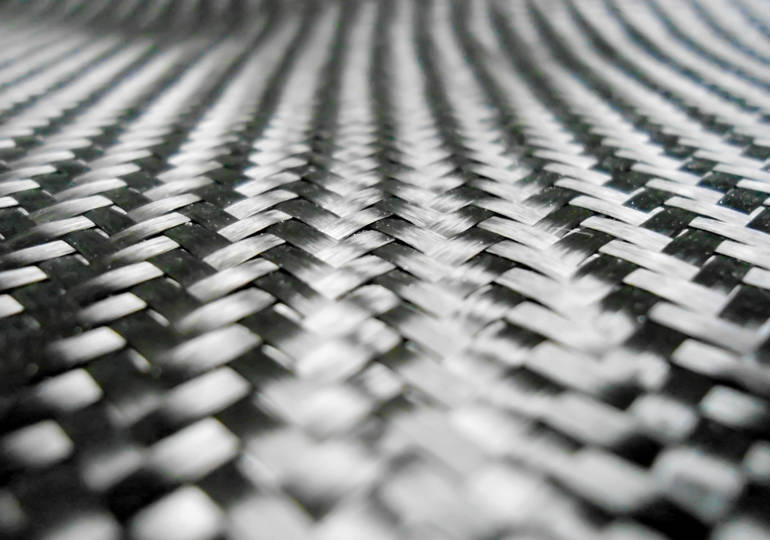
A wide range of new materials are being used to decrease the weight of vehicles and reduce emissions. Of these new materials continuous carbon fiber polymer composites offer great potential for producing lightweight structures, however, there are many barriers to their widespread adoption. Currently, the cost and process times of composites parts are significantly higher than those of traditional metal parts and they require new recycling techniques. Progress is being made with the development of lower cost carbon fibers and thermoplastic matrix materials that offer faster manufacturing processes and facilitate recycling.

Determining the Static Properties of Composite Materials

THE CHALLENGE

The successful use of composite materials demands a thorough understanding of their mechanical properties throughout their operating temperature range. The anisotropic and heterogeneous nature of composite materials means that a range of different mechanical tests, many requiring special fixtures, are required for full characterisation. Maintaining accurate mechanical alignment and minimizing set-up times when switching between test types is a major challenge for laboratories testing composite materials.

OUR SOLUTION

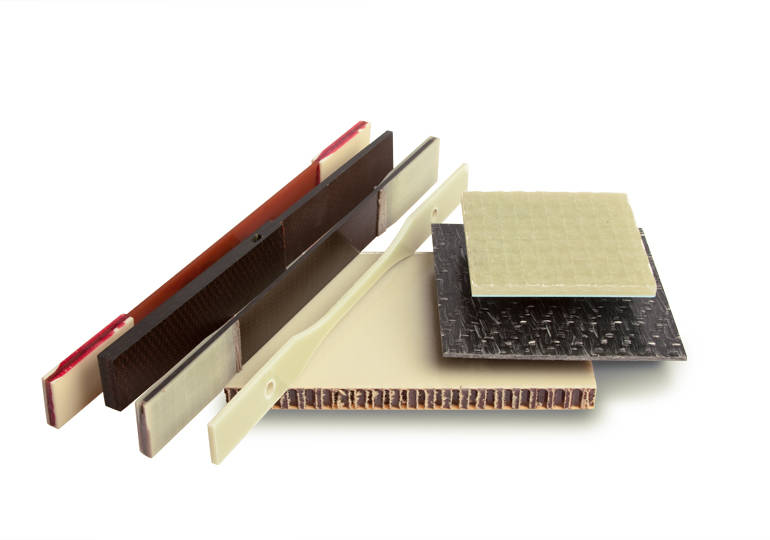
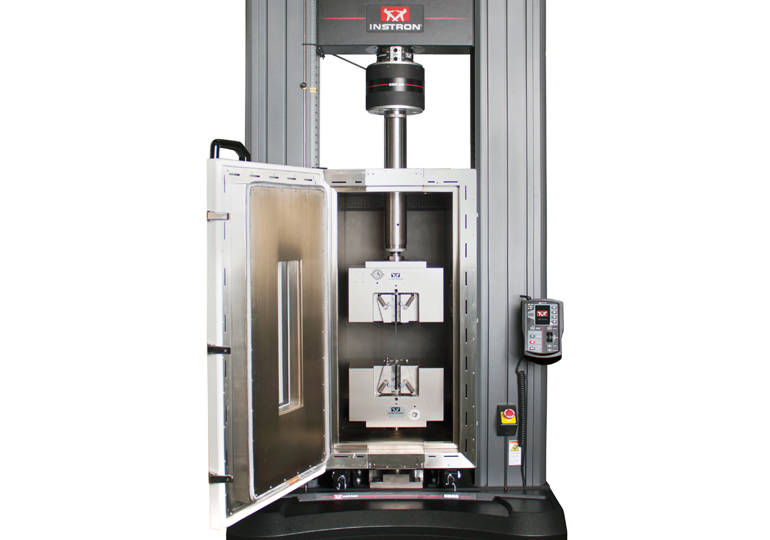
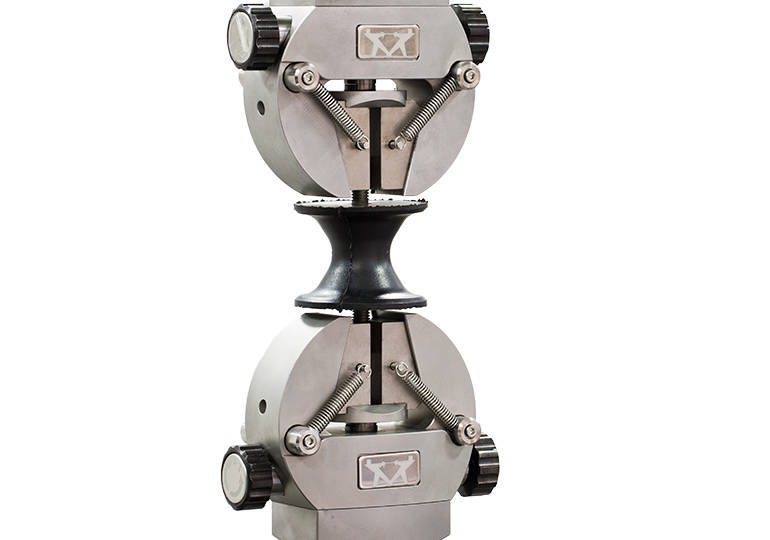
An integrated testing system consisting of accurately aligned precision grips along with a comprehensive range of test fixtures that can be mounted onto the grips provides an effective and productive solution for composites laminates testing. An optional temperature chamber provides the ability to test over a wide temperature range. In addition, the Composites Application Module for Bluehill® Universal software provides a range of, easy-to-use test methods for international standards (e.g. ASTM, EN, and ISO).

High Productivity with Consistent Results

The Challenge

Maintaining high test productivity along with consistent tensile test results is a challenge. High test productivity, particularly when testing at temperatures, demands that the operator spends as little time as possible loading specimens. Achieving the accurate specimen alignment needed to produce consistent results is difficult given these time constraints.

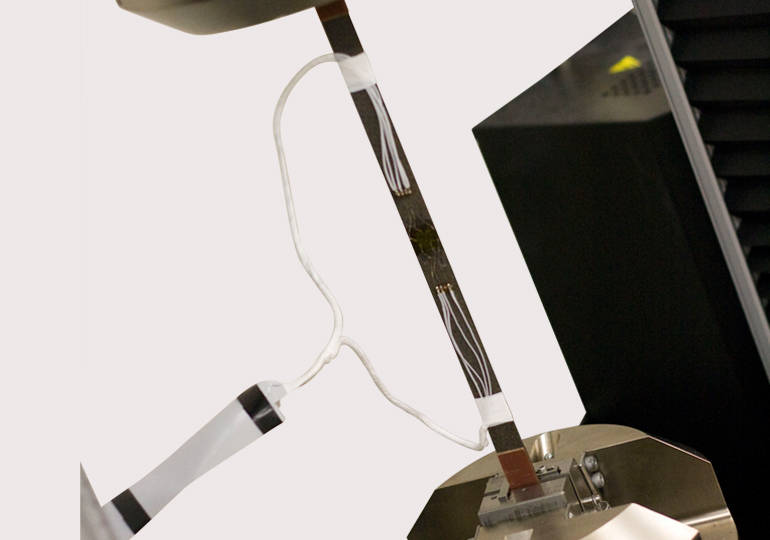
Traditionally, strain measurements on composite materials have been made using bonded strain gauges but the bonding of strain gauges is a costly and time-consuming process that requires a high degree of skill and experience. Thus, the strain gauging process reduces overall productivity and increases test costs.

Our SolutionComposite

Precise specimen alignment requires an accurately aligned testing set-up and repeatable grips incorporating a reliable means of specimen location.

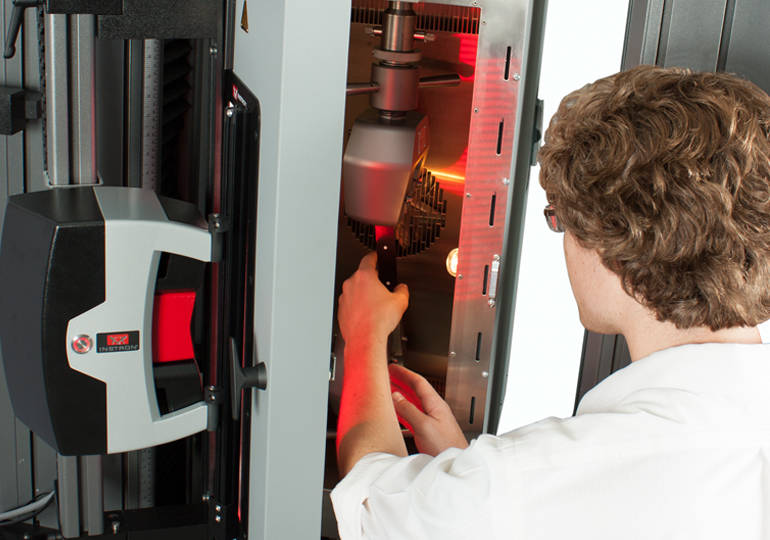
Both manual and automatic (hydraulic) gripping solutions capable of providing quick specimen loading and accurate alignment are available. These grips can be used in an environmental chamber to test over a range of temperatures.

Extensometers are available for the testing of composite laminate coupons and, in most cases, they can be used to replace strain gauges.  Averaging Axial and Biaxial types provide both average axial and transverse strain measurements (for the determination of Poisson’s ratio).

In cases where bonded strain gauges must be used strain gauge adapters can be used to connect strain gauges directly to the test machine. In addition to contacting solutions, the Advanced Video Extensometer (AVE2) non-contacting video extensometer offers completely automatic operation requiring minimal action from the operator.

Contact Us to learn more about our automotive solutions

Bumper Impact Testing

Automotive » Chassis

Bumper Impact Testing

The Challenge

Impact testing on plastic components used in cars and motorcycles determines their response to a sudden high-speed mechanical impact providing invaluable safety information. This is exampled by numerous studies completed by automotive companies on vehicle bumpers. To absorb an impact, such as an unintentional bump at low speeds, bumpers must deform in a flexible manner. However, at the same time, they must have the ability to break and dissipate part of the impact energy during a major incident.

These material properties must be determined at a multitude of working temperatures and conditions.

Our Solution

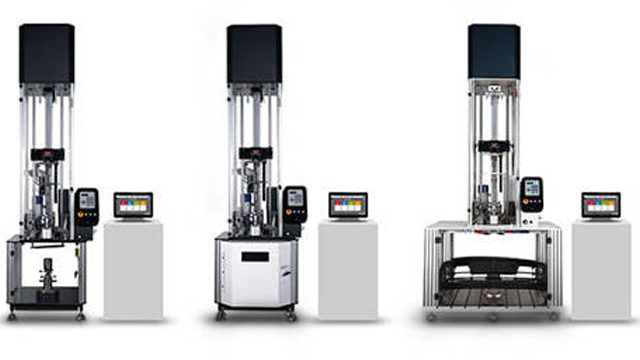
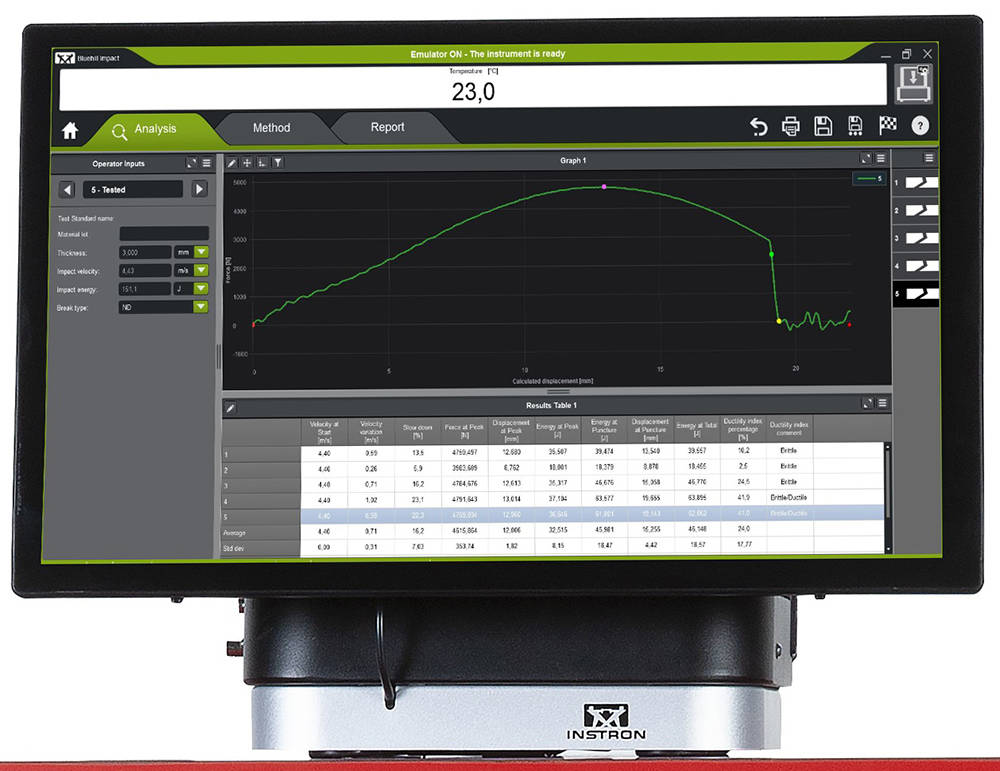
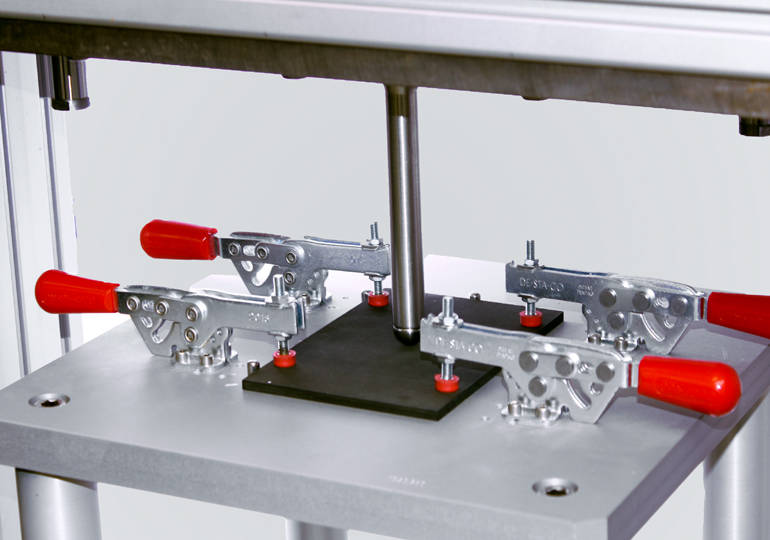
To understand the impact resistance properties of bumper materials, a series of tests on specimens should be conducted, in plaque form, at varying impact energies, velocities, and temperatures. After collecting this data on the raw material, the finished bumper can then be tested under the same set of conditions. Fully instrumenting the test with a tup and data acquisition system, we are able to evaluate how the bumper reacts to an impact event by studying the changes in the load-deformation curves during the test.

Composite Laminates Compression After Impact Testing

Automotive » Chassis

Composite Laminates Compression After Impact Testing

Compression After Impact test (CAI) is used to define the damage resistance of composites after an Impact event. An impact on composite laminate panel may result in no visible external damage, but it may generate a dramatic reduction of compressive strength. The design of automotive parts using composite materials should consider the effects of impact on the material properties. These data can be obtained following dedicated standards (i.e. ASTM D7136M, ASTM D7136), using an Instron Drop Tower configured with CAI accessories.
THE CHALLENGE

composites

While having excellent mechanical properties (i.e. strength and stiffness) with a lower weight, compared to their metallic counterparts, composites can exhibit poor tolerance to damage caused by impact. The types of damage can be complex, irregular in shape, and may affect all layers of the structure. Additionally, they may be barely visible or hidden from view.

Low-energy impacts can be considered the most dangerous since the damage they cause may go unnoticed during routine visual inspections of the impacted surface. Impact energies that cause visible damage to the component may be significantly higher than those that have a significant effect on the mechanical properties.

The study of damage tolerance of laminates and the effect of different impact energies on residual strength is crucial.

Our Solution

Instron 9450 impact droptower

With the Instron® 9450 impact droptower, the damage tolerance of laminates can be studied, and the effect of different impact energies on the residual strength can be determined. Performing a CAI test on components shows that materials respond differently to different impact conditions, and enable engineers to design and test composite products more cost effectively.

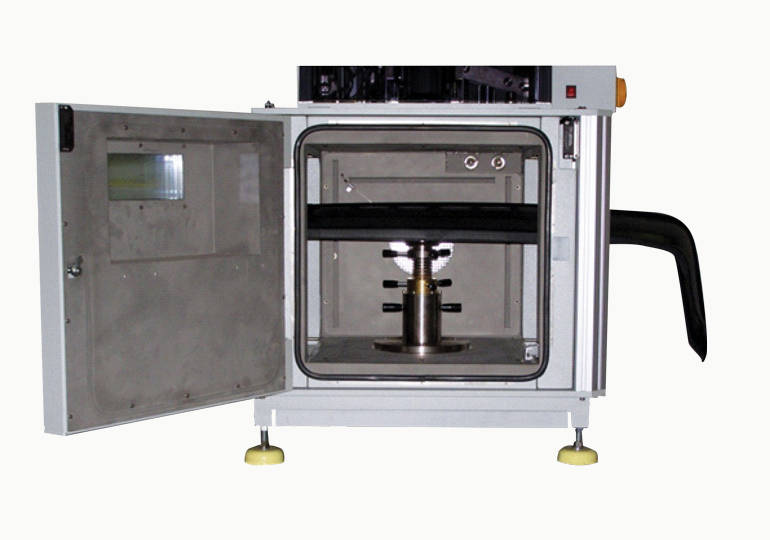
When configured with an instrumented tup, data acquisition, and software, the force signal from each impact can be captured and analyzed, helping engineers improve their knowledge about the material’s performance. The addition of a special temperature chamber allows the user to investigate how the same material may react in high-temperature environments up to 300°C.

Contact Us to learn more about our automotive solutions.

Exhaust Mount Fatigue Testing

Automotive » Chassis

Exhaust Mount Fatigue Testing

THE CHALLENGE

Engine Mount

With increasing customer expectations for a quality, reliable product, there is a need to fully test all components.  Rubber mounts, such as those used to connect a vehicle’s engine and transmission to its chassis are required to reduce the transmission of vibrations, protecting the rigid frame and leading to a more comfortable ride.  The elastomeric material used in these components tends to naturally degrade. Simulating real-life conditions is critical to ensure the component can meet the designer’s expectations.  Choosing the correct control parameters required to perform this type of test reliably can be challenging and requires a high-performance test instrument.

THE SOLUTION

Fatigue Testing

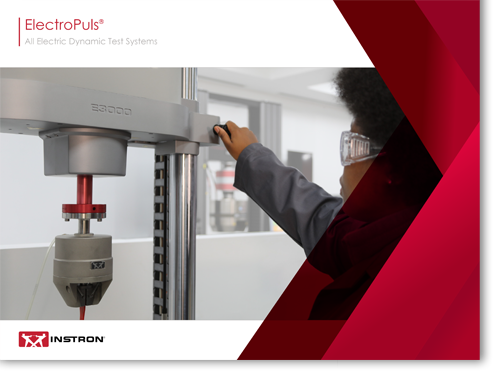
Engineers began using ElectroPuls® test instruments to easily perform advanced fatigue tests to understand the fatigue life of rubber mounts. These tests not only validate the component by simulating real-life road conditions but also give insights into the damping characteristics of the material. The mounts were tested at different displacement amplitudes using frequency sweeps to represent the different conditions to which the components are subjected. Choosing the correct control parameters for this type of test is made simple thanks to the patented Stiffness Based Auto Tuning of the ElectroPuls, which automatically optimizes the correct control parameters in seconds. Because Instron® provides simple to use software with built-in DMA calculations, it is quick and easy for users to setup and run tests, saving more time to analyze the data.

Chassis and Body High Strain Rate Testing

Automotive » Chassis

Chassis and Body High Strain Rate Testing

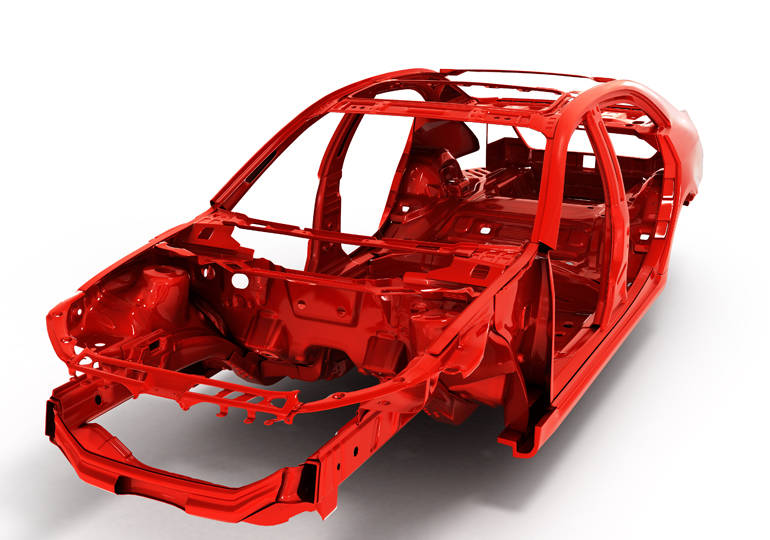
In the automotive sector, development in chassis and body of vehicles is driven by two main aspects, safety, and lightweighting. As the body is the first point of impact during a car crash, modern designs have incorporated features such as crumple zone to absorb most of the initial impact, reducing the force that will reach the passengers. With this in mind, it is essential to understand material behavior under high strain rate, especially during development cycles of metals, alloys, and composites that may be used in chassis or body design. On the other hand, lightweighting provides better fuel economy for the car, decreases component wear and hence provide a much more competitive product overall. Therefore, characterizing how material properties change under high strain rate is important in order to find the optimum design maximizing safety and lightweighting.

Sheet Metal High Strain Rate Testing

The ChallengeChallenge

When considering the crashworthiness of components, testing in high strain rates is essential. As investigated by numerous research, mechanical properties of materials differ drastically under quasi-static conditions and high strain rates. Therefore, accurate data on strain rate dependence of material behavior will provide more realistic computer simulation and evaluation of crashworthiness of structures, whether it is during the development of new alloys or testing automotive components.

Our SolutionVHS High Strain Rate with DIC Camera Setup
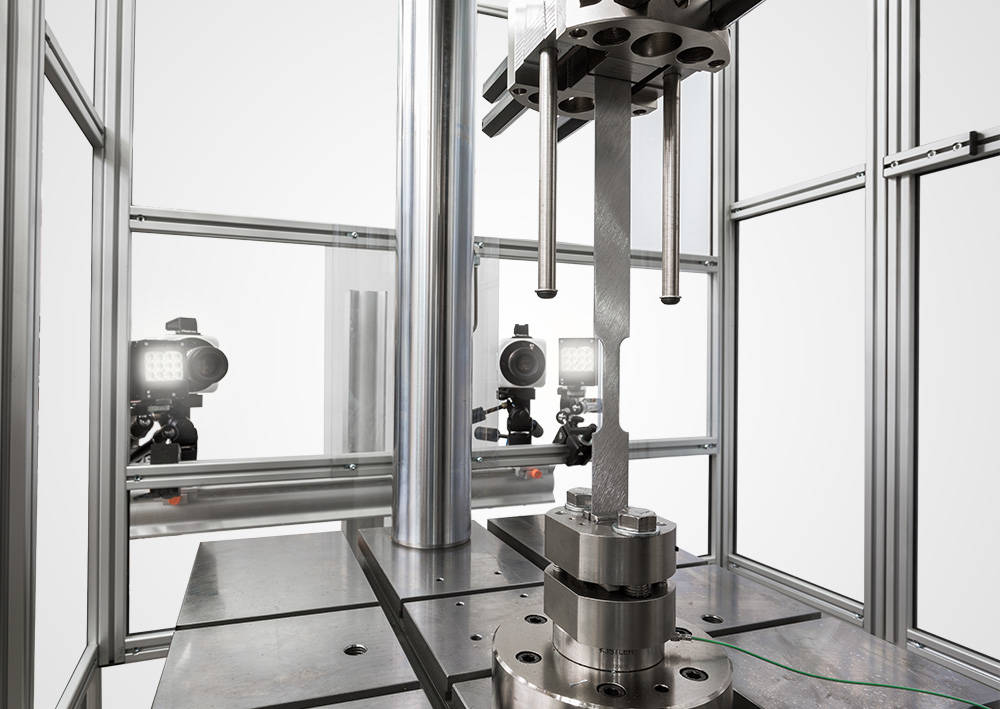
To meet the challenges of high strain rate testing, Instron has been the market leader in manufacturing high strain rate testing machines for over 20 years, advancing high strain rate research and testing capabilities on metals with suitable technologies. For testing metals and high-performance alloys, Instron offers a range of VHS systems that can perform tests that will be suited to your application up to a maximum test velocity of 25 m/s, which translates to testing conditions from quasi-static up to a strain rate of 1000/s. Instron also offers fast jaw or slack rod tensile gripping solutions to ensure gripping at test velocity and DIC integration that will provide non-contact strain measurement with the capacity for dedicated strain gauge channels.
 

Composite High Strain Rate Testing

The ChallengeComposites Laminates Compression Challenge

When conducting material research for lightweighting, composites are good alternatives to conventional materials such as steel and aluminum, as composites, in general, have a high strength to weight ratio. However, due to the nature of the material being more complex structurally, they possess very different mechanical properties when subject to high strain rate. In conjunction with manufacturing limitations in making dog bone specimen, testing of composites under high strain rate is more complex than that of metals and alloys. Therefore, having an accurate and reliable testing machine and a gripping solution is essential in driving composite research in the automotive industry.

Our SolutionHigh Strain Rate VHS Testing System with Fast Jaw Grips

For testing composites, Instron provides a range of 8800 High Strain Rate that are suitable for testing composites. Instron also offers fixtures that will be compatible with a composite specimen. Using plasma spray, dowel pin, and pyramid jaw faces, it will provide ample gripping force without inducing surface tear on the composite specimen, in turn preventing failure near grip face. Also, as strain gauges cannot be welded onto composite materials, a high strain rate testing machine with full DIC integration is invaluable in providing a non-contact solution to perform accurate strain measurements.

Structural Durability

Automotive » Chassis

Structural Durability

The Challenge

A car consists of an average of 10,000 individual components. During their lifetime, diverse service loads affect most of those vehicle components. That means that the components weaken or wear through their lifetime causing safety and reliability to no longer be guaranteed.
Fatigue damages caused by bad road conditions or extreme driving maneuvers can cause damage to car components which can lead to serious accidents. Currently, automotive manufacturers and their component suppliers carry out extensive functional and service life tests of vehicle components or entire systems in order to avoid personal injuries and property or environmental damages.

Our Solution

Instron offers comprehensive expertise in the areas of service load simulation, comfort, and vibration tests designated for testing passenger cars, buses, trucks, and special vehicles.

The offered solutions give a wide range from simple, single-channel component testing to complex test systems which enable the simulation of all service loads including those under environmental conditions.

A modular concept allows individual test rig components to be customized and tailored to the specific requirements of the application at hand.

With our test and simulation systems, we bring the road directly into your laboratory. All desired real-world conditions can be simulated and reproduced under laboratory conditions.

Sheet Metal Bend Testing

Automotive » Chassis

Sheet Metal Bend Testing

Repeatable Results

Knowing the formability of metals is absolutely critical in the manufacture and development of automobiles, typical performance indicators for the formability properties are the plastic strain ratio (r-value) and strain hardening exponent (n-value). Bend testing is also vital in drawing conclusions about the forming behavior and the susceptibility to failure of metallic materials during the forming processes dominated by bending deformation but also during crash deformation.

THE CHALLENGE

There are many factors that can affect the results of a test, it is important that these are minimized where possible to ensure accurate and comparable results. For requirements such as a hemming bend, the bending fixture needs to have high stiffness and be strongly secured to minimize the effect of the side load applied during bending.

our Solution

Using Instron’s bend fixtures that include specimen stops which will ensure accurate and repeatable placement of specimens before starting testing. During testing, the high stiffness fixture experiences little movement as high side loads increase when the compressive load is distributed to the bending rollers. Importantly, the rollers are designed to minimize the friction experienced between the roller and specimen during bending.  Additionally, Instron's Custom Solutions Group can provide fixturing that will meet unique testing needs or standards required by some auto manufacturers.

Meeting Different Specifications

THE CHALLENGE

There are many different requirements and specifications for
bend testing from ASTM/ISO as well as individual automotive producers and
automotive groups such as VDA.

Our Solution

There are many different bending fixtures available to meet different requirements. With adjustable span and modular design, it is possible to configure correctly for all requirements. If more accurate displacement measurement is required, LVDT's or extensometers can be easily secured to bending fixtures and automatically integrate with Bluehill® Universal.


Learn more about our automotive solutions

Road Simulation System

Automotive » Chassis

Road Simulation System

THE CHALLENGE

Ever increasing expectations for vehicle reliability, performance and comfort drive the need to test the complete vehicle under a wide variety of conditions. Where test tracks provide real data, laboratory tests need to accelerate the validation process and need to allow a range of standardized tests under controlled conditions. Typically, these tests need to include durability cycles, performance benchmarks, NVH measurements and ride comfort analysis. Environmental conditions such as temperature, humidity and sunlight can also influence performance and also need to be considered in the vehicle validation programs.

our Solution

road sim

Instron road simulators allow tire coupled simulation of a wide range of road conditions to be performed in a laboratory environment. Systems can be configured to provide high wheel pan accelerations and velocities for durability cycles or to input synthetic drive signals for NVH and ride comfort analysis. Systems are available for passenger cars, light trucks and heavy duty vehicles with a variety of wheel pan designs to suit different tire sizes. Wheel base and track adjustments can be automated and the system can be installed inside a climatic chamber to provide the full range of environmental conditions. The Instron road simulators are an indispensable development tool for accelerated validation testing of full vehicles.

Learn more about our automotive solutions

Sheet Metal Tensile Testing

Automotive » Chassis

Sheet Metal Tensile Testing

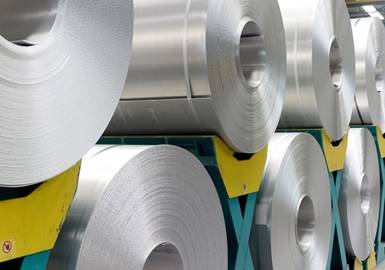
Globally, there are increasing efforts to reduce the weight of automobiles, increasing fuel efficiency which aids in the reduction of emissions. Various grades of steel have been the predominant material used for manufacturing automobiles chassis' and body. A new generation of advanced high-strength steels (AHSS) are being developed and produced to maintain the automotive industry’s demand for steel. 

Despite this, automotive manufacturers are now also working with aluminum producers to increase the percentage of aluminum used in the production of automobiles. Aluminum offers low density, excellent formability, corrosion resistance, and high strength.


Determining r and n Values

tHE CHALLENGE

Sheet metal product development is currently driven by the demand for increased strength with minimal impact to formability. The automotive industry is the greatest driver for increasing strength, meaning thinner/lighter material can be used in the production of cars, reducing overall emissions. Plastic strain ratio (r-value) and the strain hardening exponent (n-value) are critical mechanical properties that define the formability of these products.
Our Solution

Tensile Testing Sheet Metal

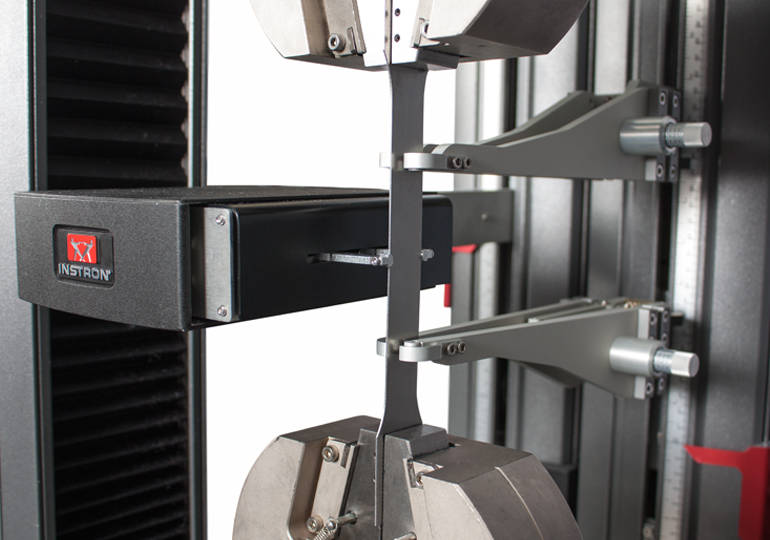
During a tensile test, these formability properties can be determined automatically using Bluehill® Universal software. To determine n-value, axial strain needs to be measured after yield and determined at or between strain values. More traditional contacting extensometers are designed to be removed during the test and may be limited in total travel. Using the latest technology, such as the Advanced Video Extensometer (AVE 2) or the AutoXBiax, strain can be measured throughout the test while ensuring the highest accuracy of results. To determine r-value, the transverse strain must also be measured, traditionally done using an additional extensometer. With either of these devices (AVE 2 or AutoXBiax), axial and transverse strain can be measured at the same time.

Maintaining Specimen Strain Rate

tHE CHALLENGE

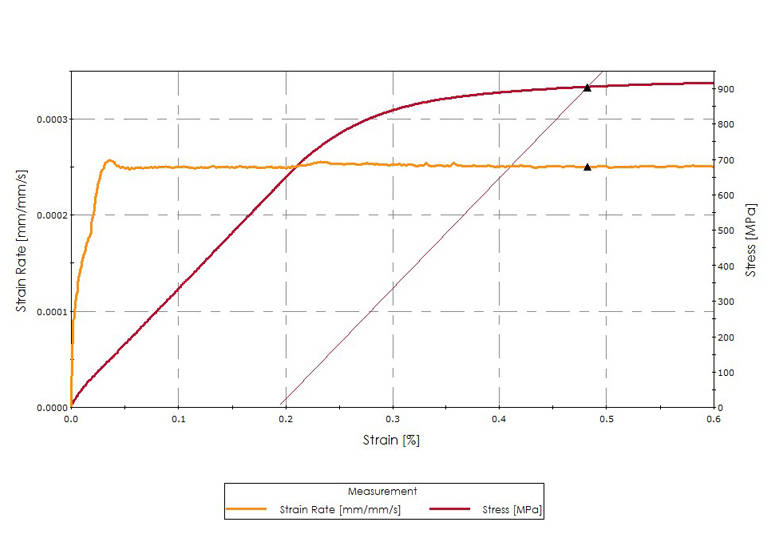
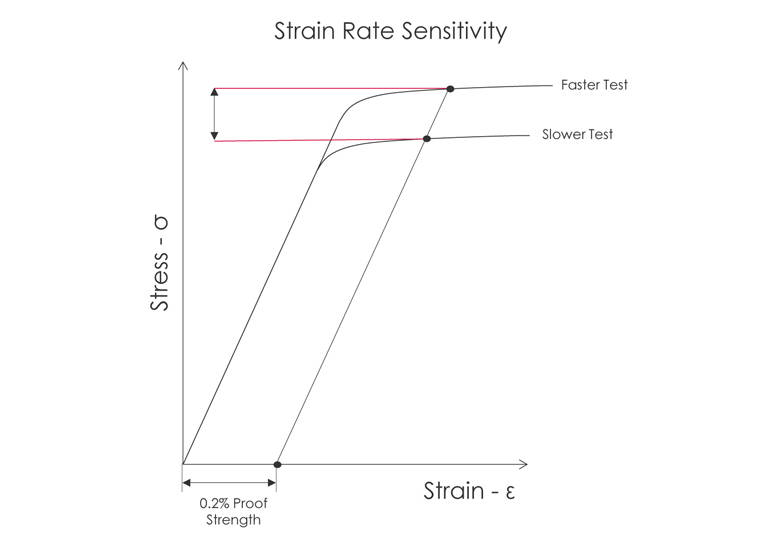
The mechanical properties of some metals will be affected by the speed of the test and are therefore ‘strain rate sensitive’. In more traditional stress rate control or crosshead separation rate control, the overall machine stiffness will affect the strain rate, which will cause differences in results. Strain rate control is becoming more and more common as it means results will be more comparable and tests can be faster.


our Solution

Using a 'stiff' load frame and gripping technology are vital to be able to achieve the tight tolerances of strain rate. Instron’s controller technology and Bluehill® Universal software with automatic tuning performs stable strain control and complies with ISO 6892-1, ASTM E8/E8M as well as GB/T 228.1.

Implementing Strain Control Will Mean:

  • More repeatable and comparable results - Test results reliable from machine to machine
  • Improved efficiency - Time per test minimized and setup time reduced
  • No need to tune with a specimen when using an Instron testing system
  • Future proofing your laboratory


Learn more about our automotive solutions