
Wheel and Tire
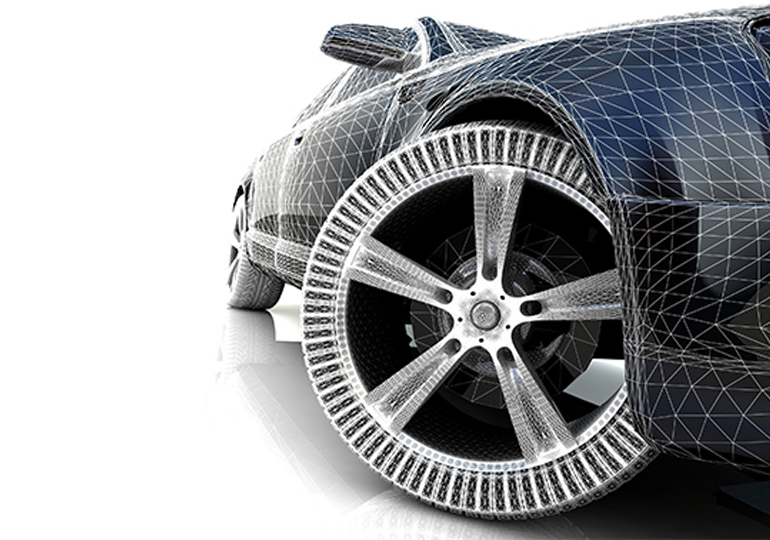
High temperature fatigue testing systems include Low Cycle Fatigue (LCF), Thermomechanical Fatigue (TMF) and Electro-Thermal Mechanical Testing (ETMT) systems. LCF systems assess the performance of materials at elevated isothermal conditions when subjected to high loads and plastic deformations. TMF and ETMT systems simulate the complex effects of thermal cycling combined with mechanical loading, normally experienced by gas turbines and similar equipment during operation. All Instron high temperature fatigue testing systems are fully integrated packages that allow our customers to carry out testing quickly and efficiently, in compliance with all relevant standards.
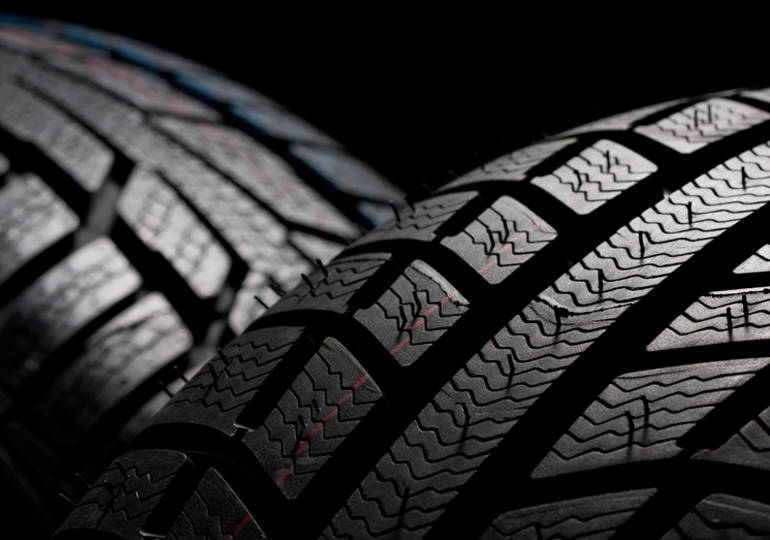
This application note explores the rheology of tire‑rubber compounds and the challenges manufacturers face when evaluating viscosity, flow behavior, and die‑swell characteristics. Using a CEAST SR20 capillary rheometer, the study measures shear‑rate‑dependent viscosity and extrudate swelling to better understand how elastomers behave during processing. The results demonstrate non‑Newtonian flow behavior, strong repeatability, and the value of laser‑based swell measurement for optimizing tire‑rubber formulations and ensuring consistent, high‑quality production.
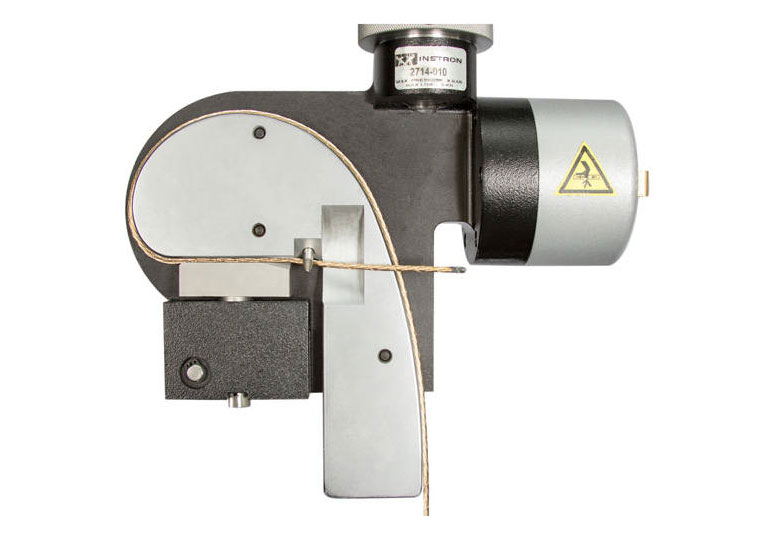
Tire cords are extremely strong reinforcement materials, making them difficult to grip during testing without causing premature failure. Instron’s cord grips are engineered with smooth, curved faces that distribute stress evenly along the specimen, greatly reducing jaw breaks and ensuring more accurate, repeatable results.

Explore the unique challenges of tensile testing elastomeric tire materials, where extreme elongation, temperature variation, and specimen thinning can compromise accuracy. It explains why traditional clip‑on extensometers fall short and highlights non‑contact and long‑travel extensometry solutions—such as the AVE 2 and XL series—that provide reliable strain measurement through break. The overview also addresses gripping difficulties common with rubber specimens and outlines pneumatic and self‑tightening grip options that prevent slippage and premature failures, helping manufacturers achieve consistent, standards‑compliant results.