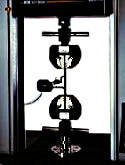
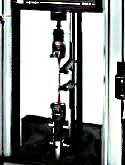
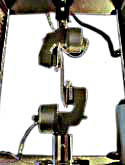
While tensile testing is a well-established method, it requires thought and consideration to ensure that the test will have valid results. Factors involved include the test method used, specimen shape and dimensions, and the choice of material testing equipment, including software, grips, and strain measurement devices. Below are some of the frequently asked questions about tensile testing and tensile testing machines. If you can't find an answer to your questions, please contact us.
Tensile testing machines - also known as universal testing machines - are used to test the mechanical properties of materials, components, and devices.
Universal testing machines, which include electromechanical and hydraulic systems to perform static testing, including tensile, compression, bend, peel, tear, and other mechanical tests. These tests can tell us about the mechanical properties of a material or component. How strong it is, how much it can elongate/how much it stretches, how much it can compress before breaking, and how flexible it is. They can also measure the strength of an adhesive bond.
 .
.