Instron

Peel Testing Photovoltaic or Solar Cells

Electronics

Peel Testing Photovoltaic or Solar Cells

IEC 61646 | IEC 61215

The Challenge

With a growing global focus on green energy, companies are racing to develop higher efficiency and lower cost solar cells for various applications. OEMs recognize the need for mechanical testing to evaluate mechanical performance of thin films and substrates used in the manufacturing of photovoltaic (PV) cells, also known as solar cells. The International Electrotechnical Commission (IEC), a world leading governing body, has published standards, such as IEC 61646, Thin Film Terrestrial Photovoltaic Modules – Design Qualification and Type Approval, and IEC 61215, Crystalline Silicone Terrestrial Photovoltaic Modules – Design Qualification and Type Approval, that focus on mechanical testing of PV modules that simulate external conditions, such as withstanding a wind pressure of 130 km/hour. 

Our Solution

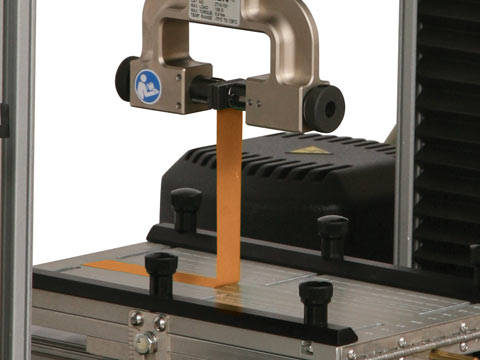
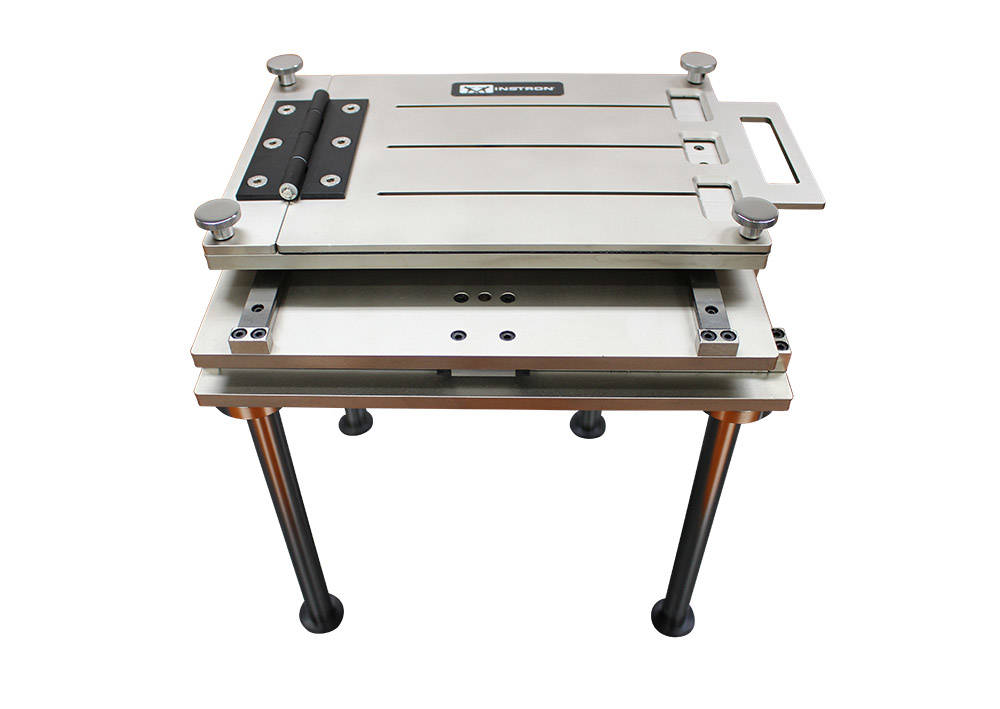
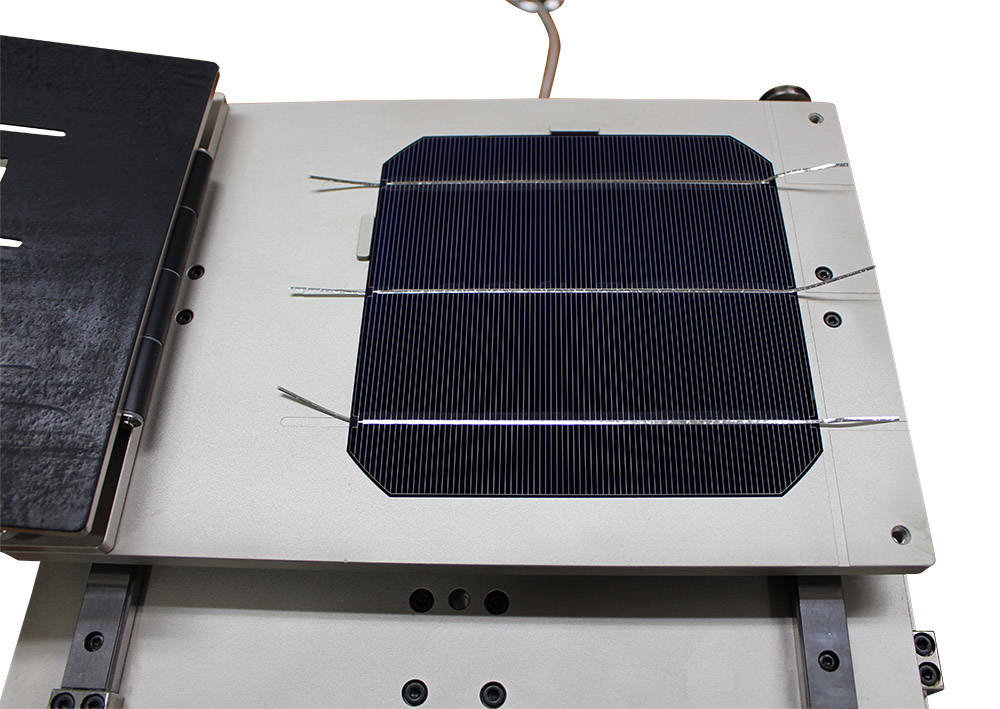
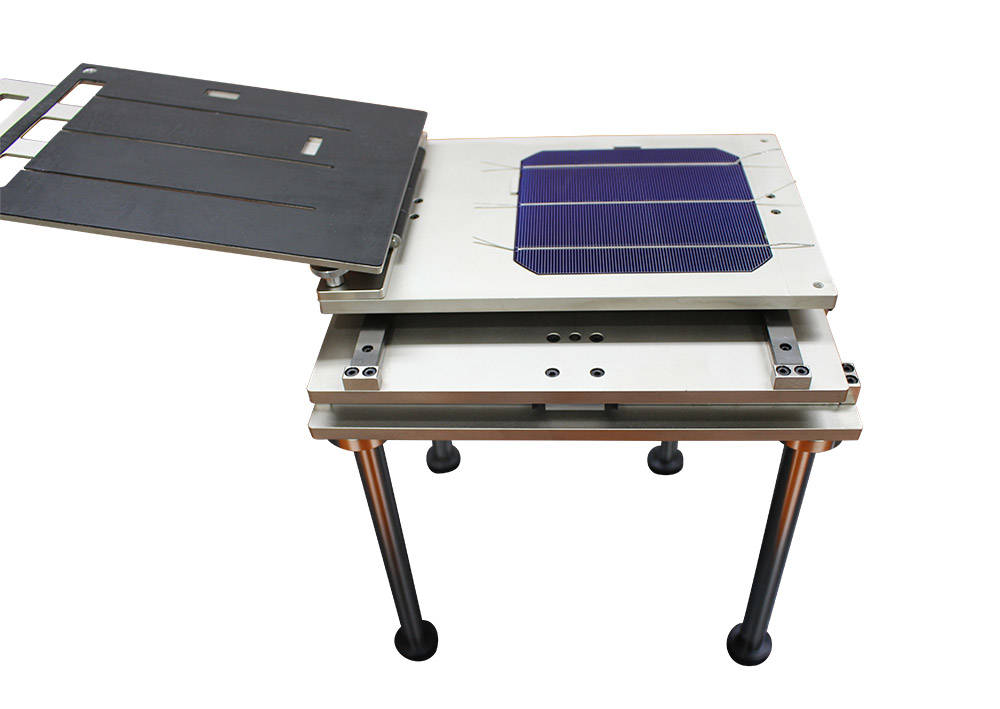
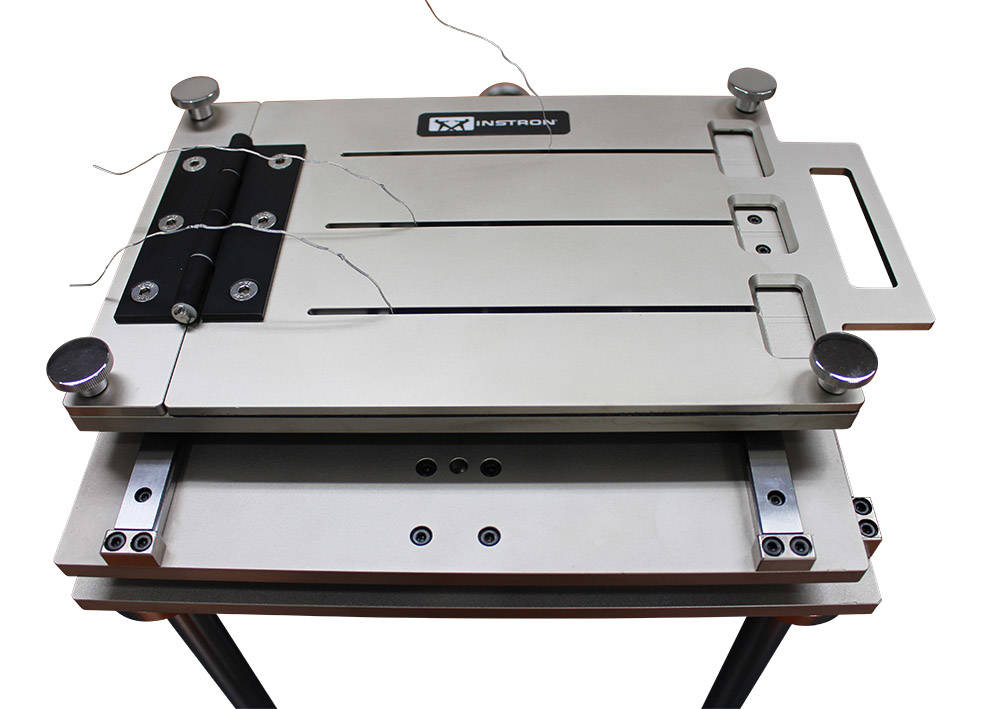
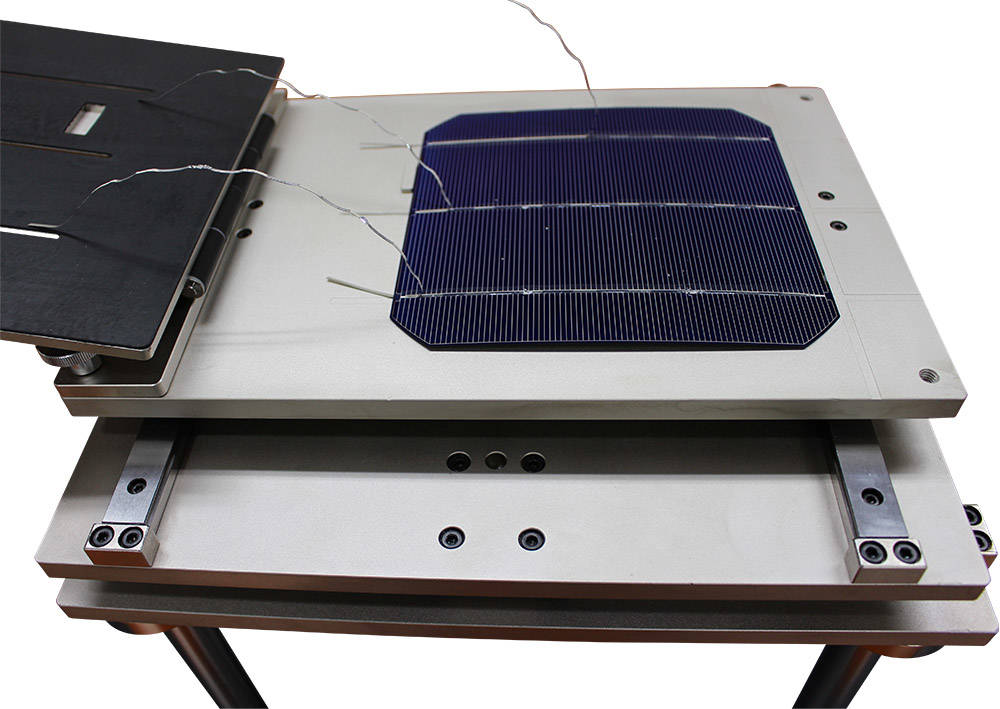
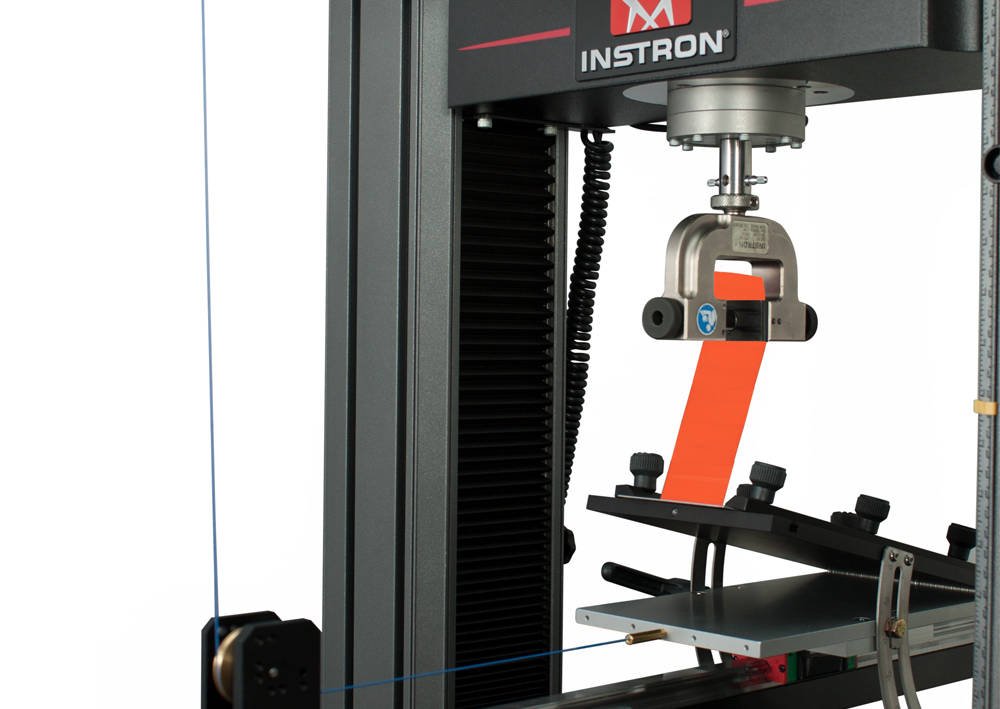
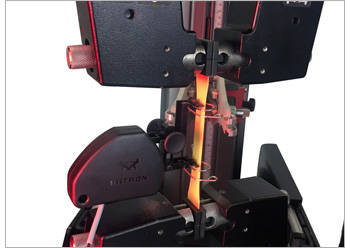
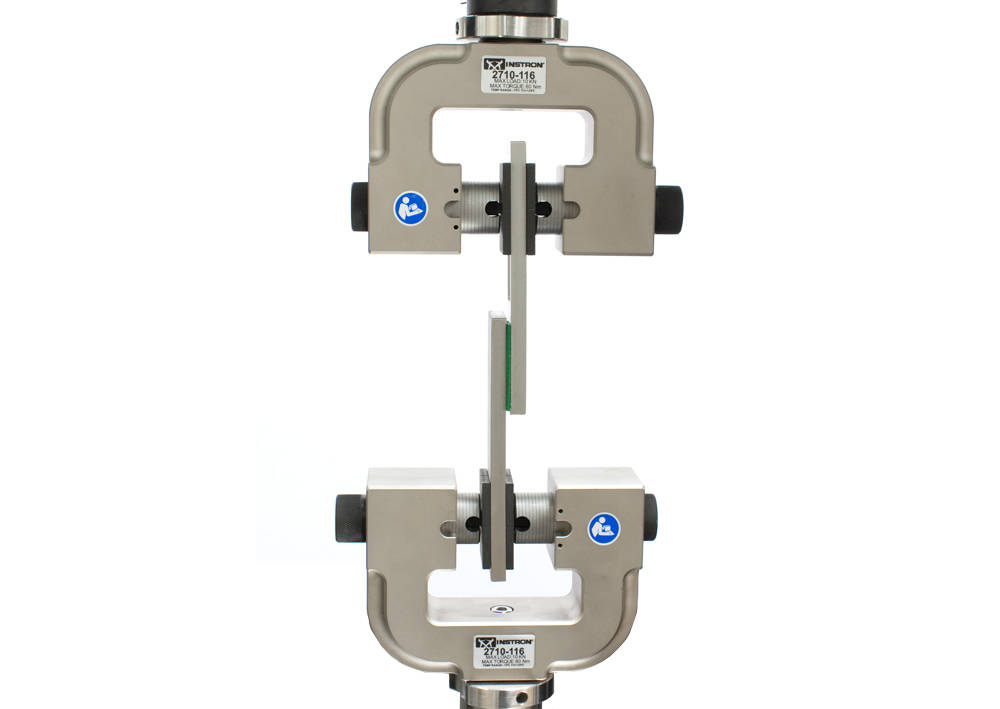
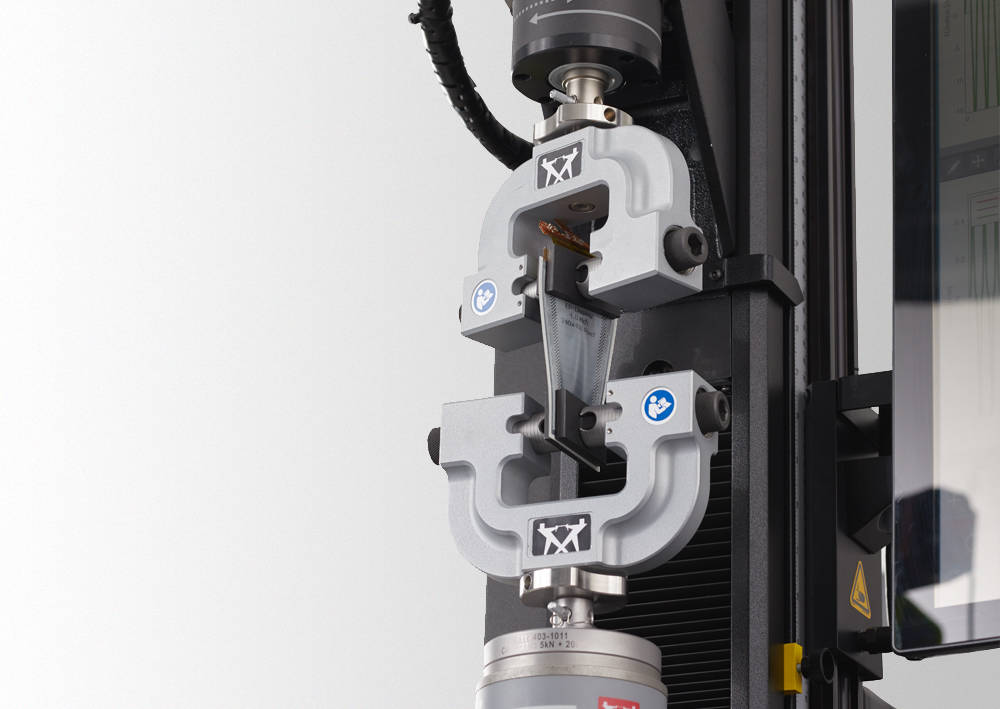
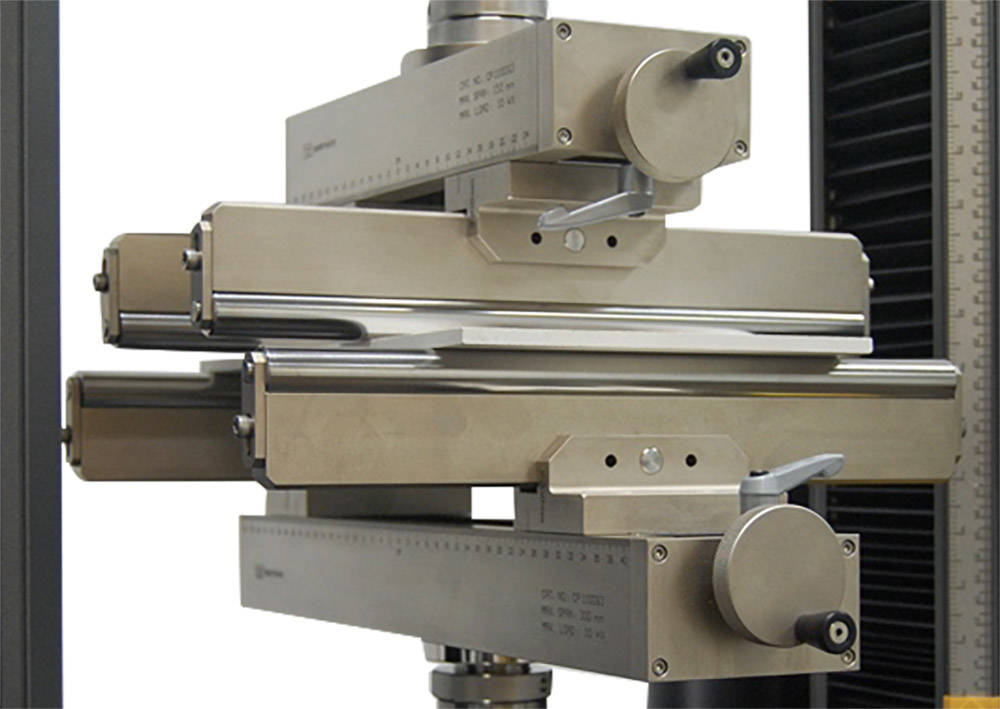
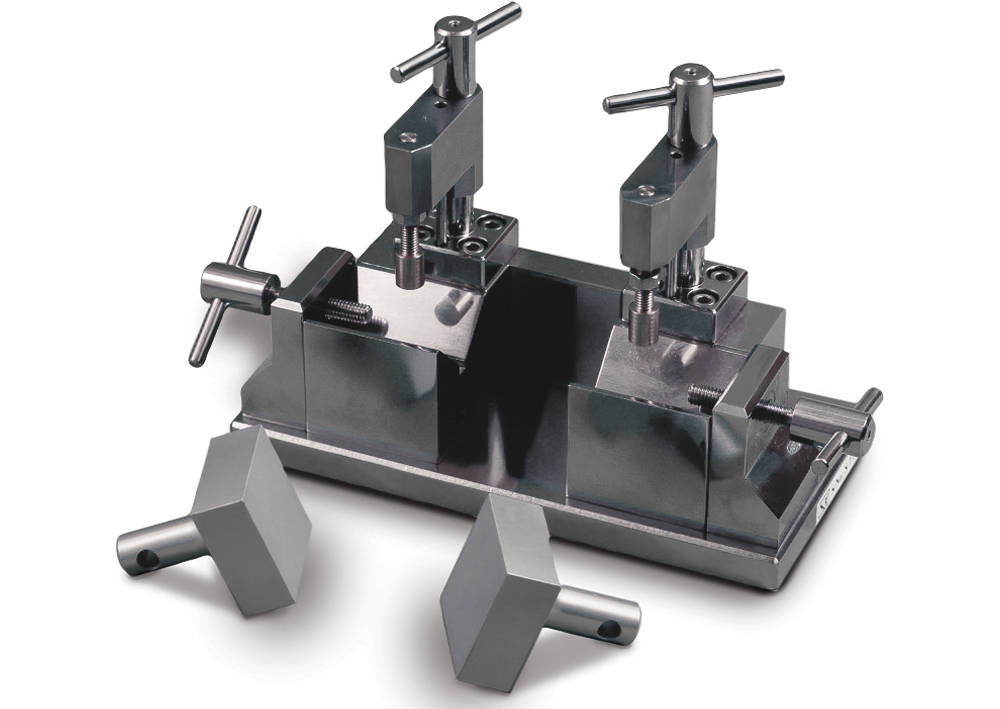
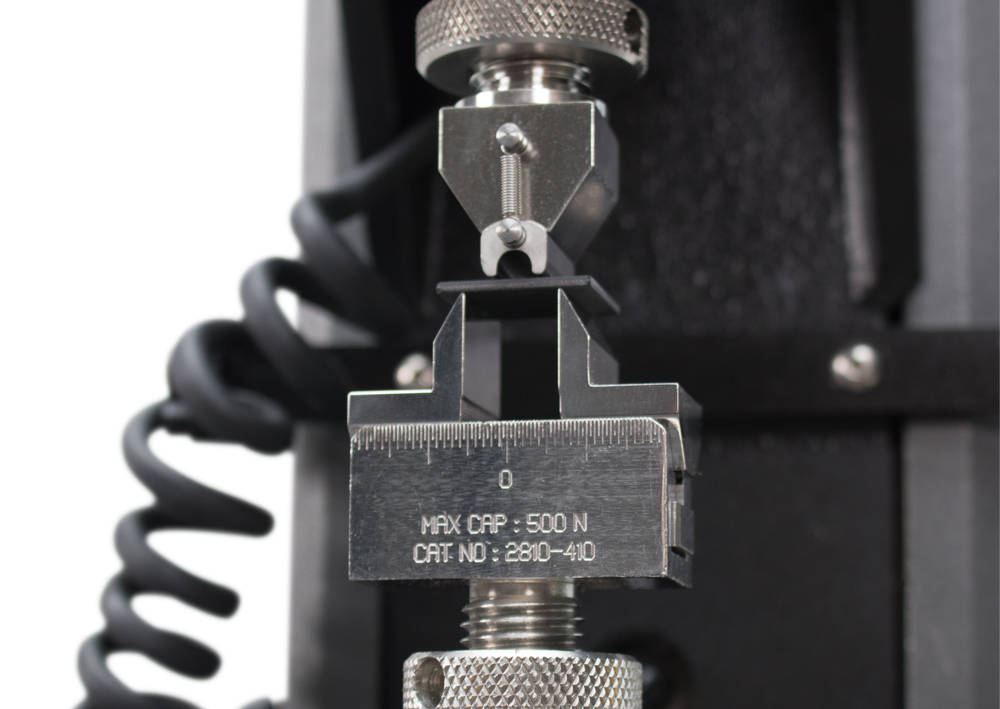
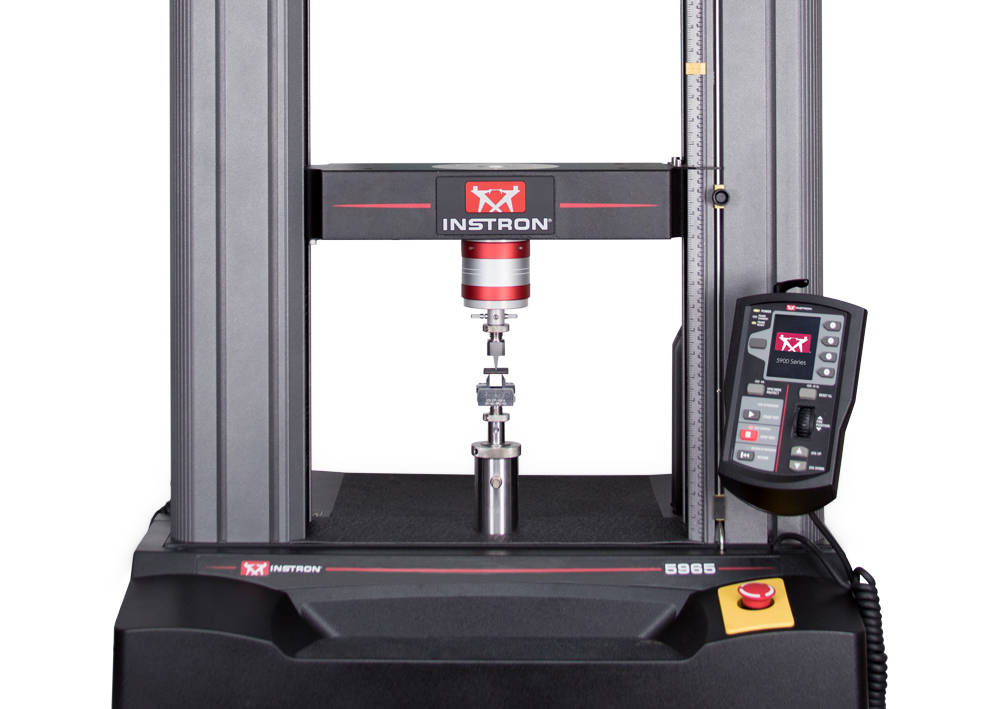
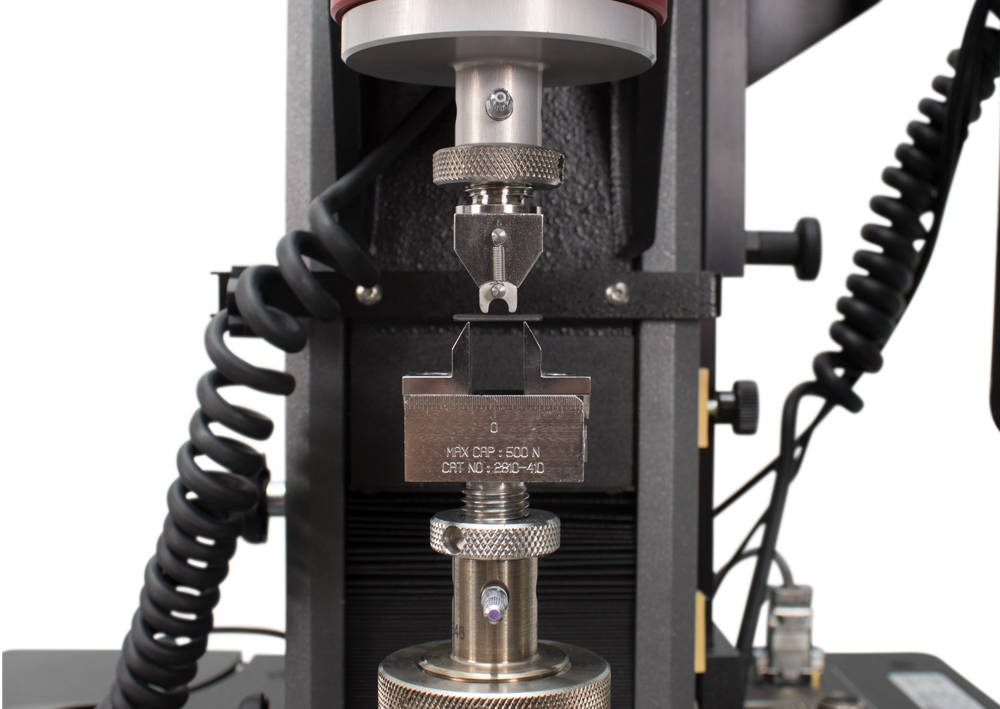
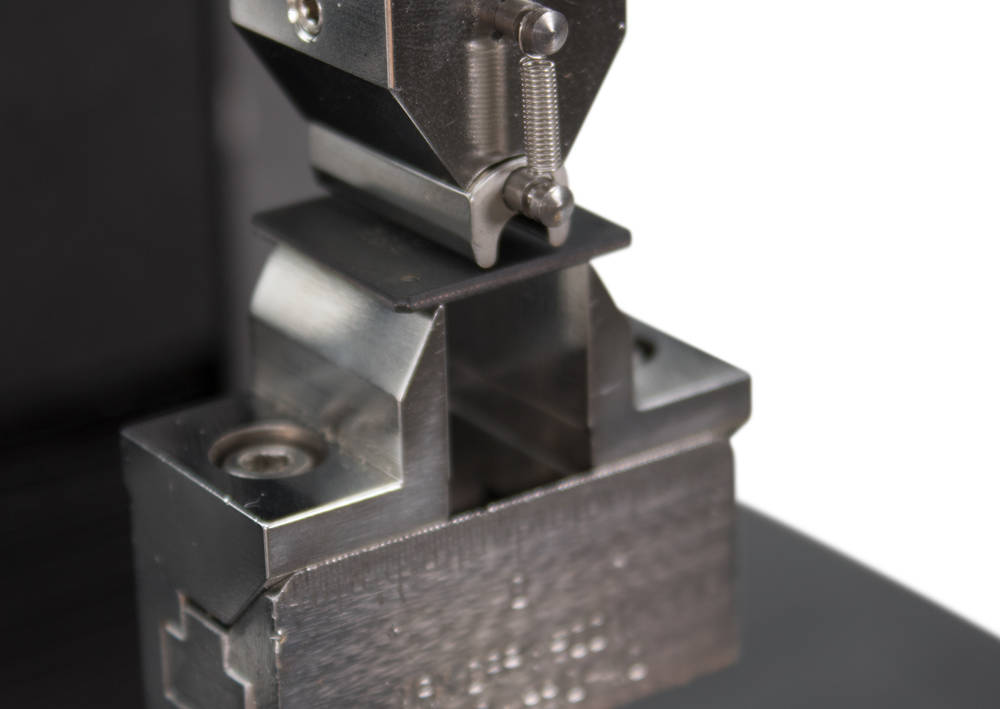
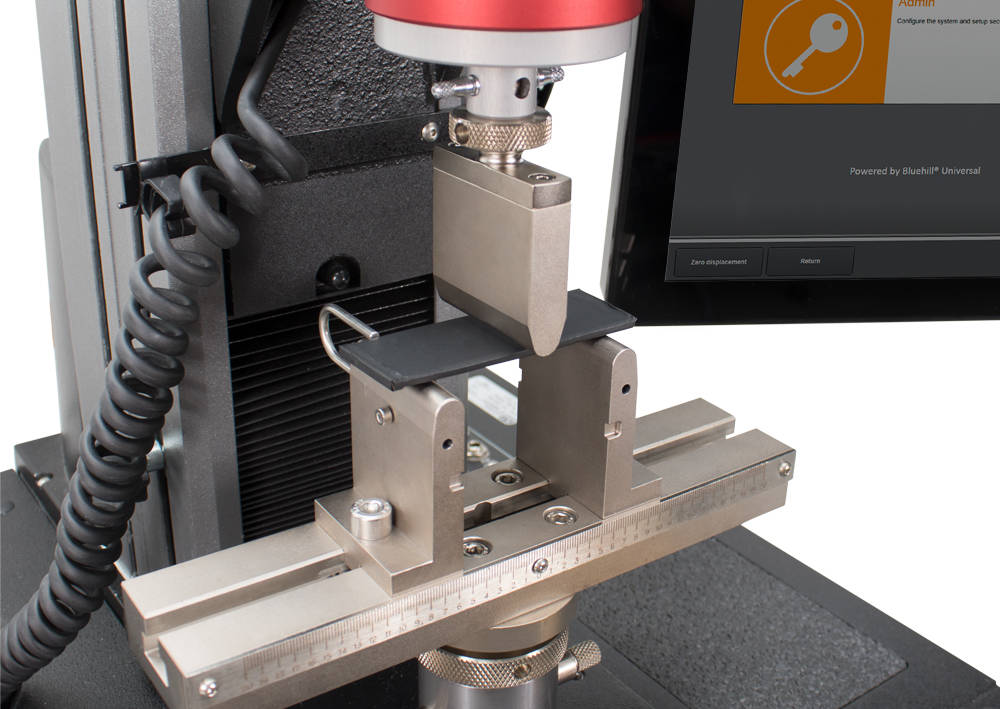
A 90 degree peel adhesion test on various layers of thin films, also known as stacks, is recommended for the described challenges. The test confirms the quality of the adhesion between layers. Peel strength can be computed, which estimates the adhesion strength for a reliable, long-term electrical interconnection between layers. Instron’s 6800 and 3400 Series systems are suitable for 90 degree peel testing applications. Bluehill® Universal software can be used to set up test methods and collect results post testing. The 90 degree peel fixture is designed with zero friction so that all force measurements are a direct outcome of the film and adhesive under test. Furthermore, Instron offers a variable angle peel fixture for testing PV modules at angles other than 90 degrees, such as 45 degree or 30 degree peel testing.  

Peel Testing of Screens

Electronics

Peel Testing of Screens and Displays

The Challenge

Organic light-emitting diode (OLED) is the next generation technology in the area of flat-panel displays, offering key advantages over traditional LED displays, including better brightness, higher contrast ratio, lower power consumption, and thinner panels. As a result, OLED technology can now be found in many consumer electronic devices, such as smartphones, tablets, TVs, and wearable devices, which has made the research in mechanical testing for OLEDs extremely important.

One of the most important aspects of reliability to understand is the lifetime of OLED panels, as they are highly sensitive to moisture and oxygen. Light emissions can be quenched when the organic materials are exposed to water, wherein the highly reactive cathodes can be easily corroded, due to moisture and oxygen. Effective encapsulation is essential to prevent oxidation and block permeation of water vapor and oxygen. One solution is to apply a UV-cured epoxy as a perimeter seal. Another involves using multi-layered structures of glass or PET substrates and OLED with a thin film of adhesives to bond the various layers.

Our Solution

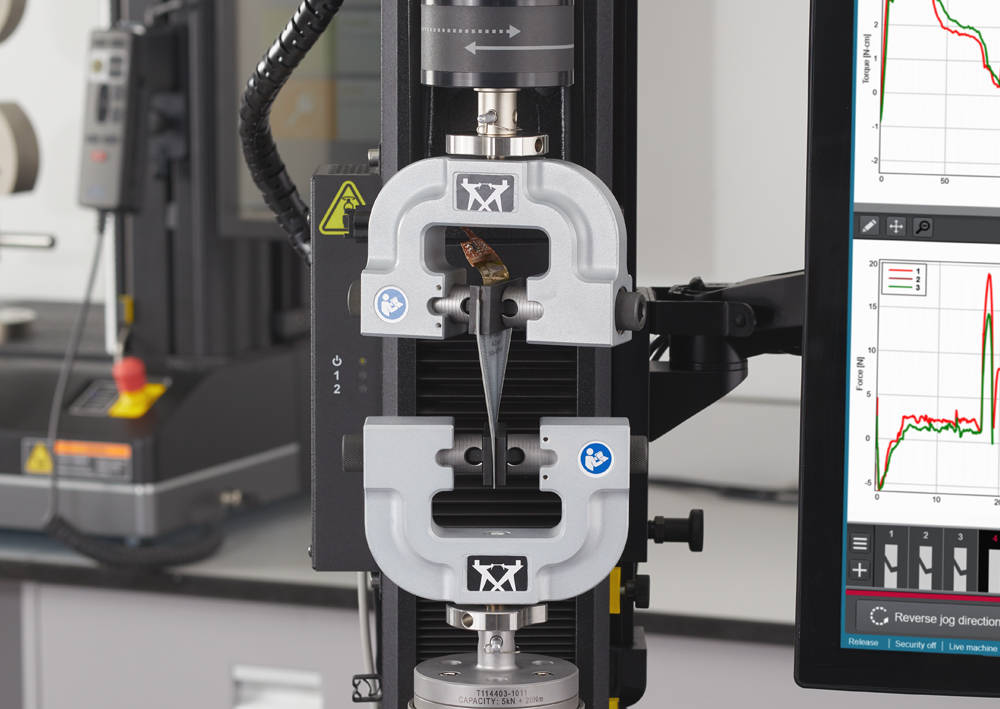
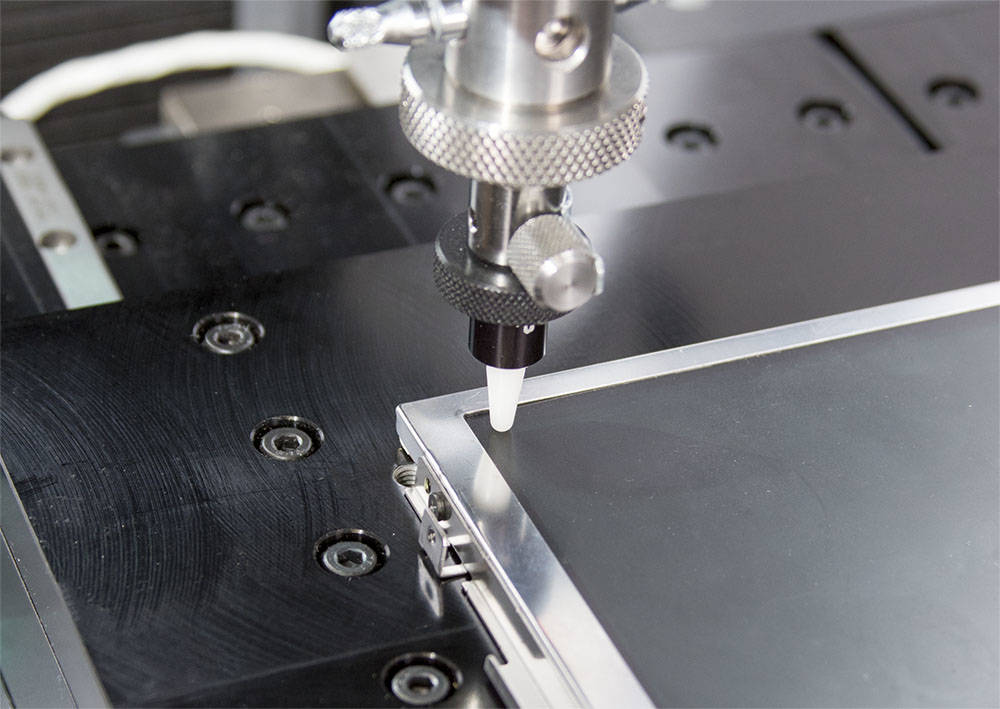
A peel test, which is a simple mechanical test method for measuring interfacial strength and for characterizing adhesion strength, is recommended to address the challenges of OLED display panels. The adhesive peel fixtures are available in a few options, including a 90 degree peel fixture and a variable angle peel fixture. For the OLED display panels, a 90 degree peel test is often applied to measure the peel force. Furthermore, miniature 90 degree and miniature variable angle peel fixtures can be used for peeling thinner films or tapes. Pneumatic side action grips are recommended to hold the sample before peel. In cases of thin films, micro-pneumatic grips or grips with rubber coated grip faces can be used.

The 6800 Series and 3400 Series systems are suitable to perform the peel tests. Bluehill® Universal software is used to set up test parameters, such as peel length and peel speed to measure the force applied.

部件测试: 电子键盘

Electronics

部件测试: 电子键盘

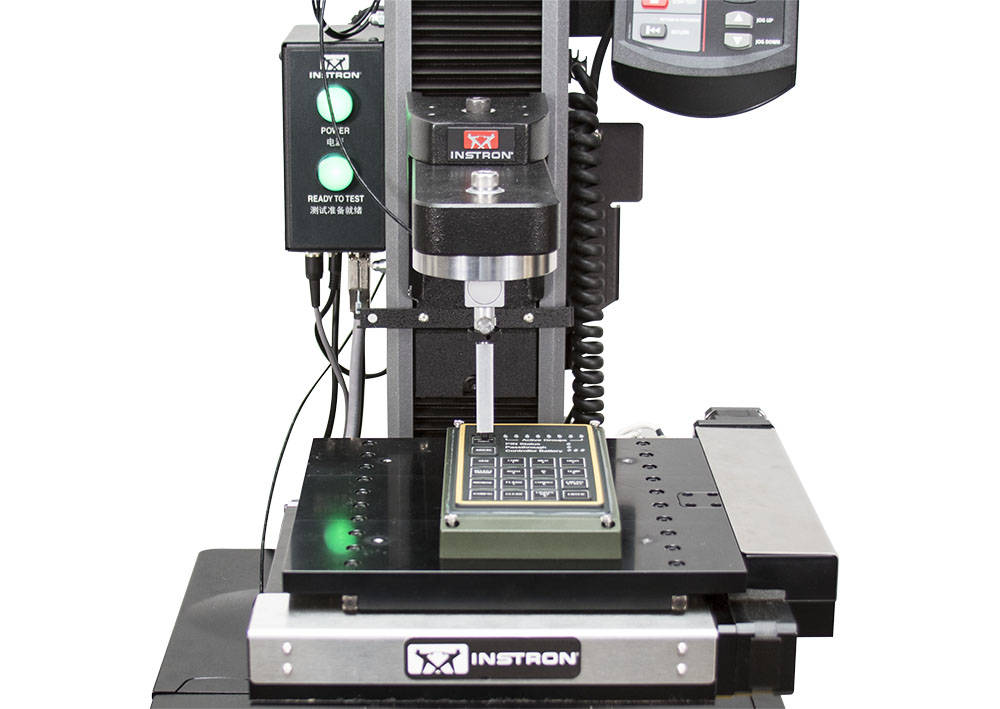
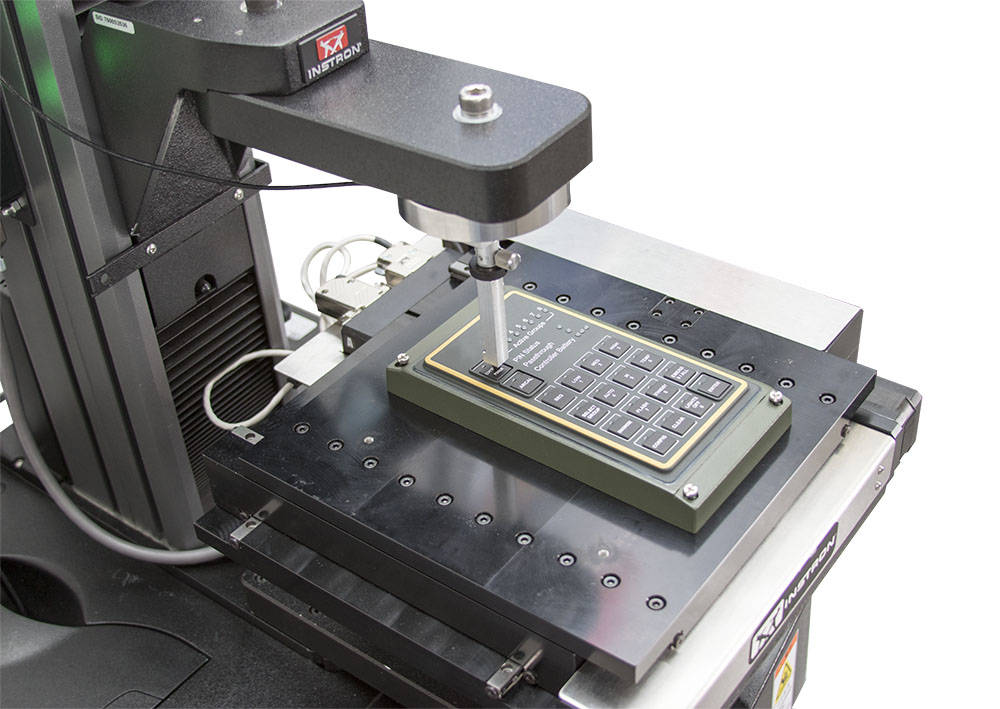
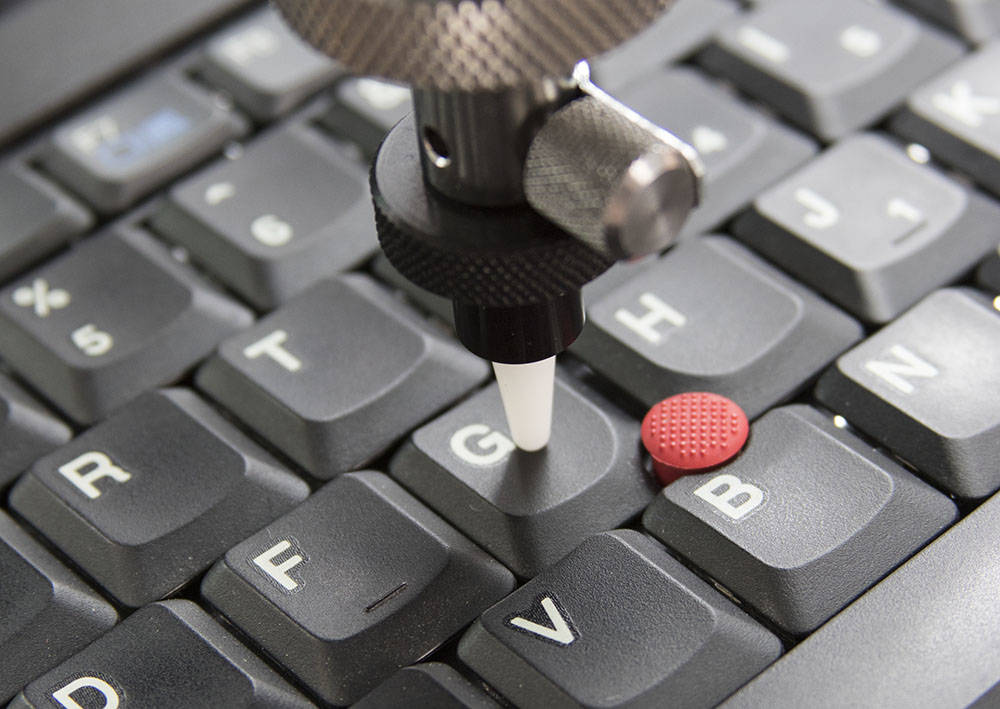
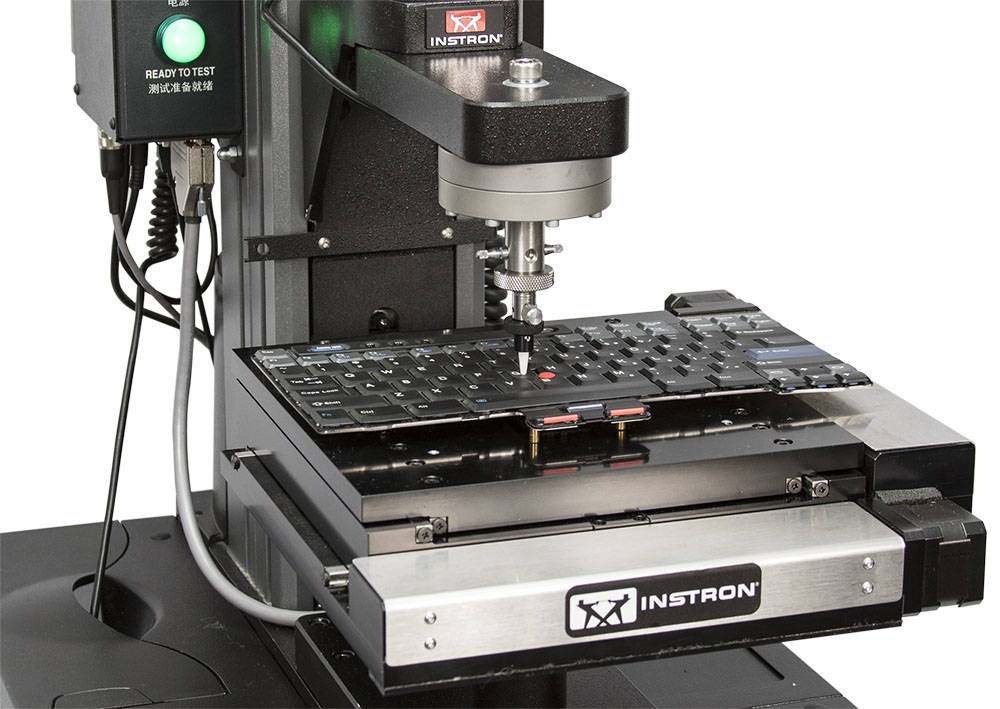
Component Testing on Keypad

키패드의 동작 형태 Keypad Actuation Profiles

핸드폰의 소형화는 전화를 걸거나 데이터를 입력시키기 위한 버튼 역시 소형화된다는 의미입니다. 이러한 키패드들은 사용하기에 충분히 쉬운지가 시험되어야 합니다. 이러한 성능의 한 평가방법은 키패드의 작동에 필요한 힘의 측정과 개개 버튼의 동작형태입니다. 버튼을 작동시키는데 필요한 힘은 쉽게 눌러 동작이 되도록 충분히 작은 힘이어야 합니다. 그러나 주머니나 가방에 넣어 두었을 때 뜻하지 않게 작동되지는 않을 정도로 너무 낮은 낮은 힘에 의해 작동되어서도 안됩니다.

키패드 시험 Keypad Testing

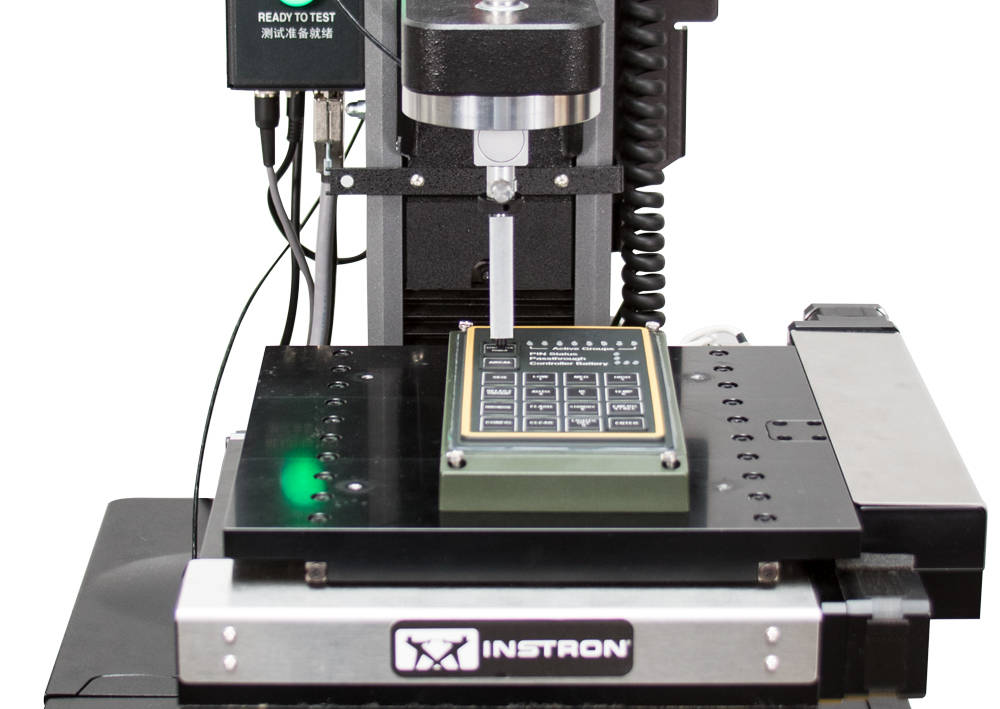
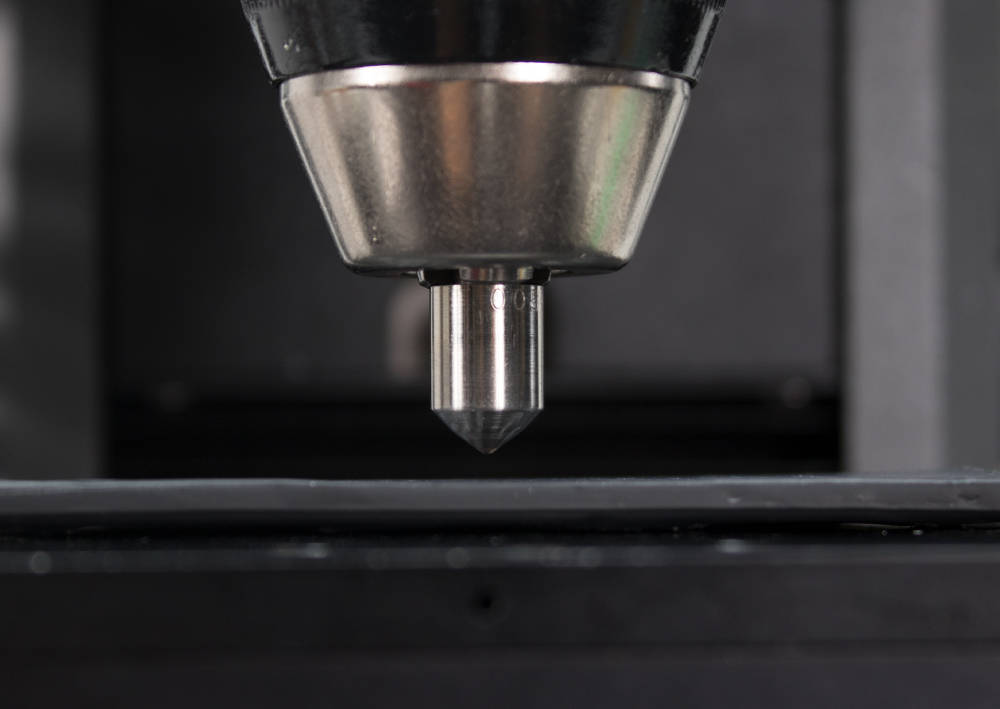
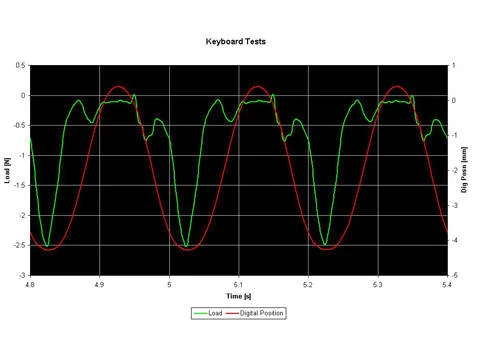
키패드 시험을 위한 기본 구성은 만능재료시험기(universal testing machine), 저하중 로드셀, 철재 압자를 잡기위한 chuck fixture로 되어있습니다. 여기에 핸드폰이나 키패드 모듈을 잡아주기 위한 판이나 티홈 테이블(t-slot table)이 사용됩니다. 시험 중에는 하중형태(load profile)와 때때로 버튼이 눌려질 때의 변위특성도 함께 측정됩니다.

더욱 자세한 분석을 위해서는 전기접점을 장비에 연결하여 스위치의 작동 위치와 힘을 정밀하게 측정하기도 합니다. 정확한 데이터를 확보하기 위하여 고속 데이터 수집장치를 사용하여 스위치가 작동될 때 아주 미세한 위치변화에서 하중이 급히 변화되는 지점을 관찰할 수 있습니다. 사용되는 장비는 정밀한 부품에의 손상을 피하기 위하여 위치 정밀도가 높고 제어능력이 뛰어난 장비이어야 합니다.

문헌

Microelectronics Testing Solutions

Ultra High Precision Testing Systems. Mechanical Testing for Microelectronics R&D, production and other varieties of high accuracy, small scale testing.

  • Applications
  • 03/15/2006
  • 950.96 KB

6800 시리즈 프리미어 시험기 브로셔

Instron 6800 시리즈 만능 시험기는 최고의 정확도와 신뢰성을 제공합니다. 6800 시리즈는 완전히 새로운 Smart-Close Air Kit 및 Collision Mitigation 기능이 있는 특허 출원 중인 Operator Protect 시스템 아키텍처를 기반으로 하며, 그 어느 때보다 간편하고 스마트하며 안전한 소재 시험을 가능하게 합니다.

  • 제품소개
  • 02/10/2020
  • 3.56 MB

3400 시리즈 – 경제적인 테스트 솔루션

인장, 압축, 굽힘 및 기타 재료 특성 테스트를 위한 Instron 3400 시리즈 범용 테스트 시스템.

  • 제품소개
  • 06/27/2022
  • 2.49 MB

Bluehill Universal 브로슈어

Bluehill Universal은 직관적인 터치 상호 작용과 간소화된 워크플로우를 위해 설계된 Instron의 고급 재료 시험 소프트웨어입니다. 이 소프트웨어는 사전 로드된 시험 방법, 빠른 설정을 위한 QuickTest, 향상된 데이터 내보내기, 그리고 직접적인 서비스 통신을 위한 Instron Connect를 제공합니다. Bluehill 2 및 Bluehill 3 사용자들은 향상된 성능과 사용 편의성을 위해 최신 버전으로 쉽게 업그레이드할 수 있습니다.
  • 제품소개
  • 02/26/2017
  • 4.61 MB

가는 와이어 (정선)의 인장시험

Electronics

가는 와이어 (정선)의 인장시험

정선(fine wire)는 마이크로 전자 산업에 폭넓게 사용됩니다. 이런 와이어들은 반도체나 회로기판 사이의 상호 연결을 하는데 가장 흔히 사용됩니다. 오늘날의 대부분의 연결 와이어들은 직경이 50 mm 이하이며 이러한 와이어들의 기계적 특성은 반도체 장비의 적절한 작동과 신뢰도에 아주 중요합니다.

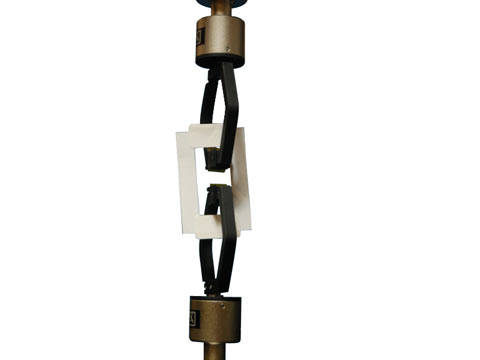
인장시험은 이런 와이어의 인장강도항복강도, 및 연신율을 측정하기 위해 자주 실시됩니다. 이런 가는 와이어를 시험할 때 가장 적합한 시험 구성을 결정하는 것이 자주 어려운 일이 됩니다. 선택된 그립은 시편이 미끌어지거나 죠 부근에서 끊어지는 일이 없이 시편을 단단히 잡아줄 수 있어야 합니다. 이러한 와이어들은 대개 매우 정교해서 그립의 파지 압력과 속도가 매우 주의깊게 제어 되어야 조기 파단을 막을 수 있습니다. 어떤 사용자들은 시편을 그립에 직접 삽입하기 전에 작은 구멍을 낸 카드에 부착합니다. 이런 구멍 낸 카드는 시편의 정렬을 더 잘 할 수 있으며 시편을 그립에 물릴 때 더 쉽게 할 수 있습니다.

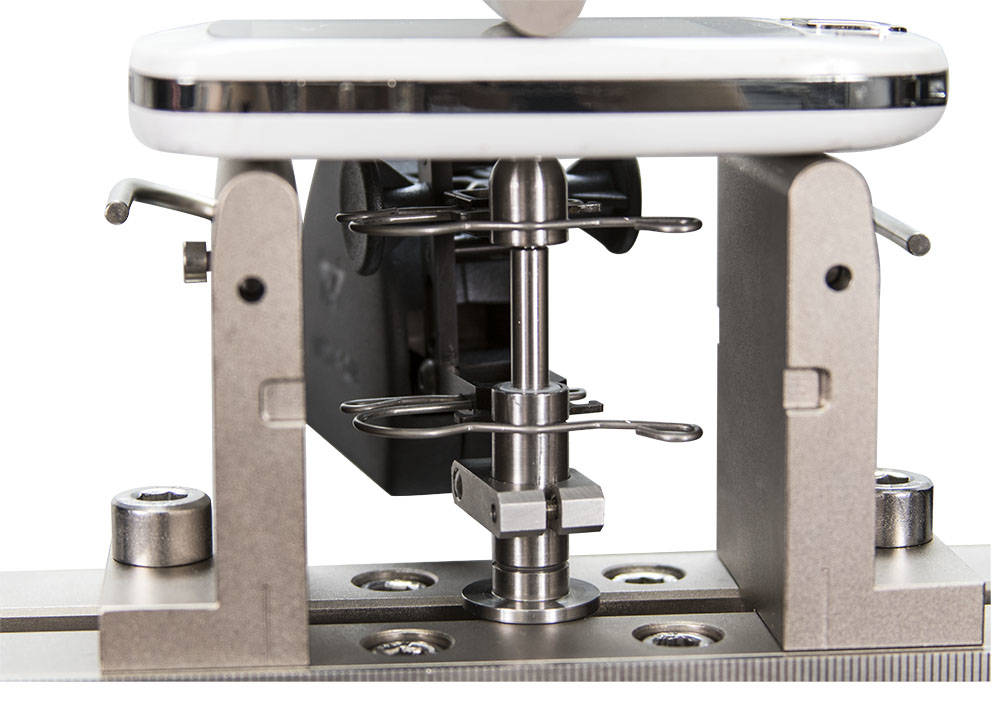
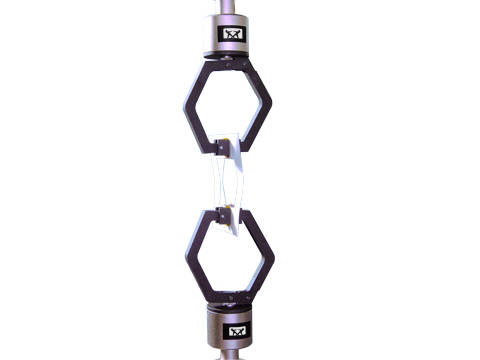
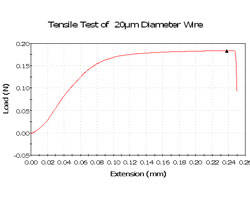
인장시험은 직경 20 mm의 와이어를 시편으로 테이블 모델의 기계식 장비에서 맞춤형 10 N 용량의 공압식 사이트 액팅 그립과 Bluehill®  소프트웨어를 사용하여 실시되었습니다. 와이어 시편은 구멍을 낸 카드에 부착되고 이 카드를 잡고 그립에 물렸습니다. 그리고 나서 카드의 두개의 수직 부분을 시험 시작전에 잘라 내었습니다. 읽는 하중값이 매우 낮으므로 10N 이하의 저용량 로드셀을 사용할 것을 권합니다. 로드셀 사용 범위를 최대화 하기 위하여는 그립의 무게가 로드셀 용량의 50%를 초과하지 않는 것이 최선입니다. 인스트론의 주문형 공압식 그립은 무게가 가볍고 죠페이스에는 미끌어짐을 최소화 하고 죠 페이스 내부에서의 파단을 방지하기 위한 특수 코팅이 되어 있습니다. 낮은 하중값은 또한 시험의 결과가 주변 환경에 매우 민감하다는 뜻을 포함하고도 있습니다. 이러한 이유로 정밀한 결과를 얻기 위해서는 진동이나 바람과 같은 외부의 에러 요소를 방지하는 것이 매우 중요합니다.
문헌

6800 시리즈 프리미어 시험기 브로셔

Instron 6800 시리즈 만능 시험기는 최고의 정확도와 신뢰성을 제공합니다. 6800 시리즈는 완전히 새로운 Smart-Close Air Kit 및 Collision Mitigation 기능이 있는 특허 출원 중인 Operator Protect 시스템 아키텍처를 기반으로 하며, 그 어느 때보다 간편하고 스마트하며 안전한 소재 시험을 가능하게 합니다.

  • 제품소개
  • 02/10/2020
  • 3.56 MB

Bluehill Universal 브로슈어

Bluehill Universal은 직관적인 터치 상호 작용과 간소화된 워크플로우를 위해 설계된 Instron의 고급 재료 시험 소프트웨어입니다. 이 소프트웨어는 사전 로드된 시험 방법, 빠른 설정을 위한 QuickTest, 향상된 데이터 내보내기, 그리고 직접적인 서비스 통신을 위한 Instron Connect를 제공합니다. Bluehill 2 및 Bluehill 3 사용자들은 향상된 성능과 사용 편의성을 위해 최신 버전으로 쉽게 업그레이드할 수 있습니다.
  • 제품소개
  • 02/26/2017
  • 4.61 MB

Microelectronics

Consumer Electronic Devices

General Purpose Applications

Torsion Testing of Flexible Circuits and Microelectronic Components

Electronics

Torsion Testing of Flexible Circuits and Microelectronic Components

IPC TM-650

The Challenge

Because the industry has trended towards the miniaturization of mobile electronic devices, flexible printed circuits (FPC) have become increasingly attractive to OEMs. In addition, the availability of flexible electronic displays allows these products to be flexible or bendable. As these technologies are still relatively new, it is critical to understand the mechanical reliability of these sub-assemblies. Understanding how torsion is applied to FPC panels is important when evaluating component layout patterns under various load conditions.

Our Solution

The Torsion Add-On 3.0 is capable of twisting FPC panels at various degrees of rotation, while pneumatic side action tensile grips can be used to hold FPC panels in the correct position for performing the twisting operations. Bluehill® Universal software offers the ability to create test methods for automating the torsion operation, and for measuring critical results, such as force to break. Cyclic torsion testing can also be set up with Bluehill Universal.

Multi-Point Compression Testing of Screens

Electronics

Multi-Point Compression Testing of Screens

ISO 13406-2 | ISO 9241-3

The Challenge

In addition to providing a robust viewing experience for hand-held and wearable devices, display technologies also offer touch capability for devices, giving consumers limitless ways to control their devices. Touch capability in various modes, such as using a stylus or fingers on devices, causes multi-point compression across a display panel. Force applied from touch varies by individual user and across device types, such as infotainment systems in automobiles, smartphones, tablets, touch-enabled laptops, etc. On average, billions of touch points are engaged by the user on a display panel of a typical hand-held device. With OLEDs as the next generation display technology, it is critical to perform multi-point compression testing to understand the effect of force applied on the multi-layered organic thin films at various locations of the display panel.

Our Solution

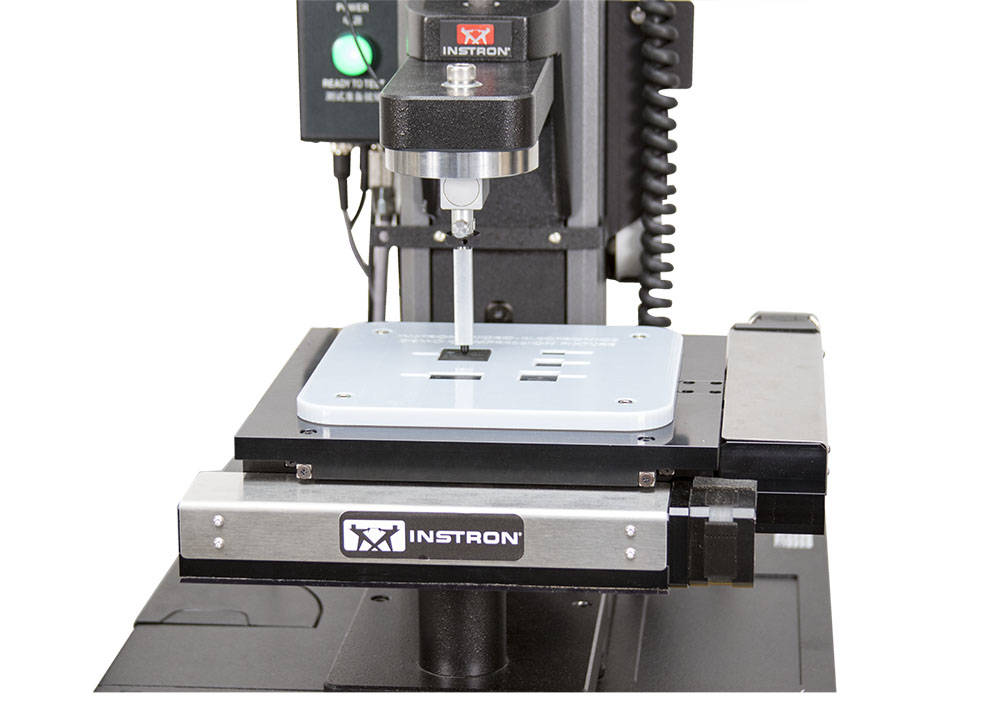
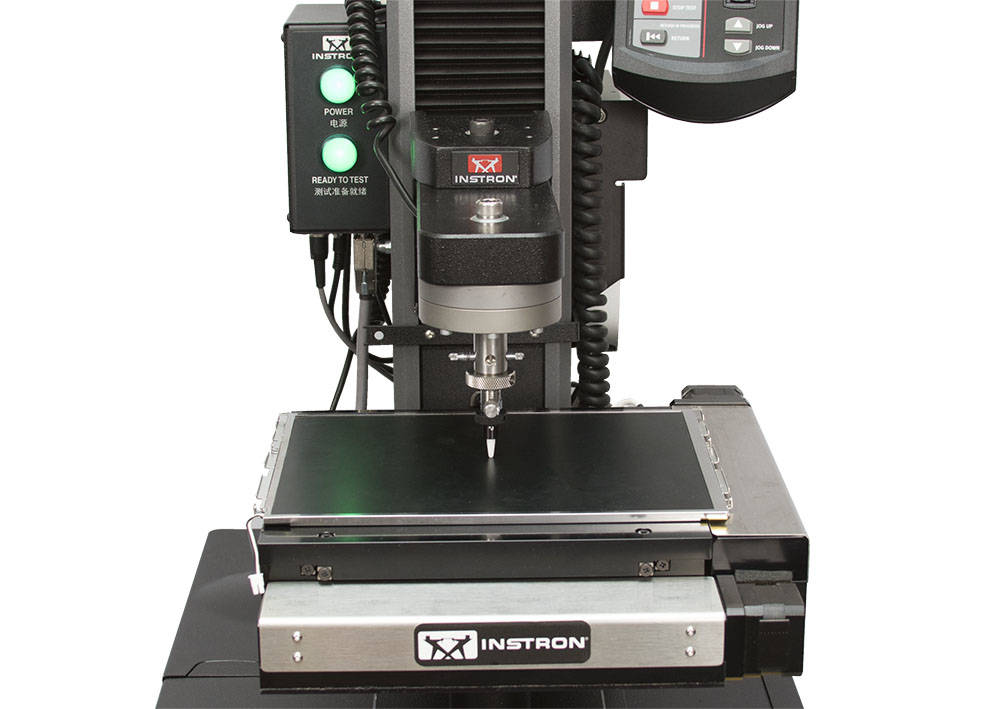
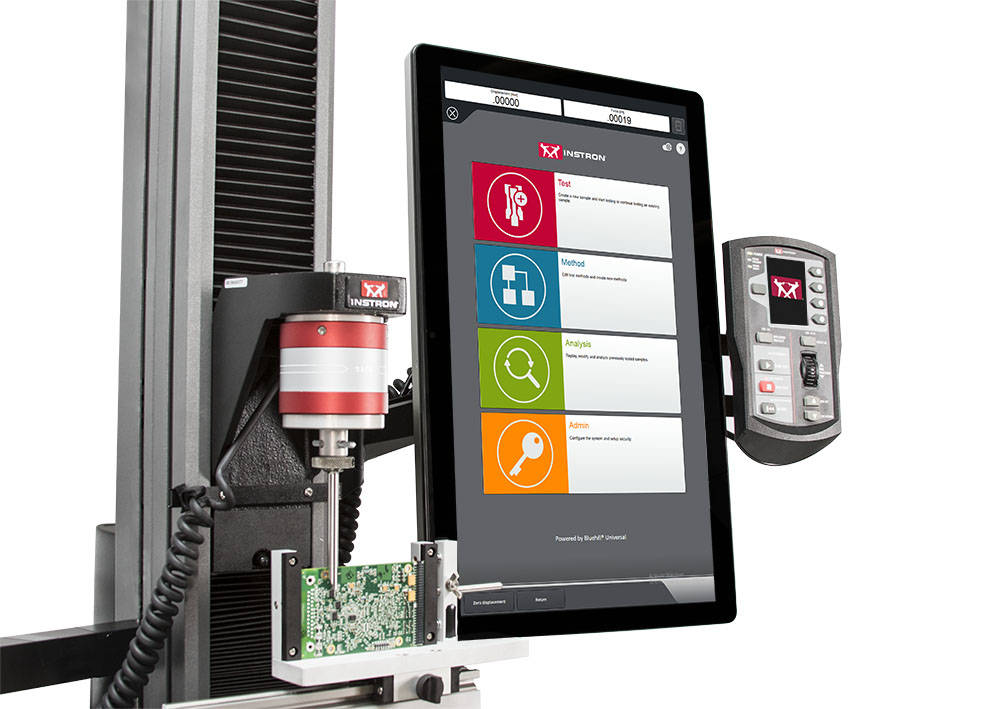
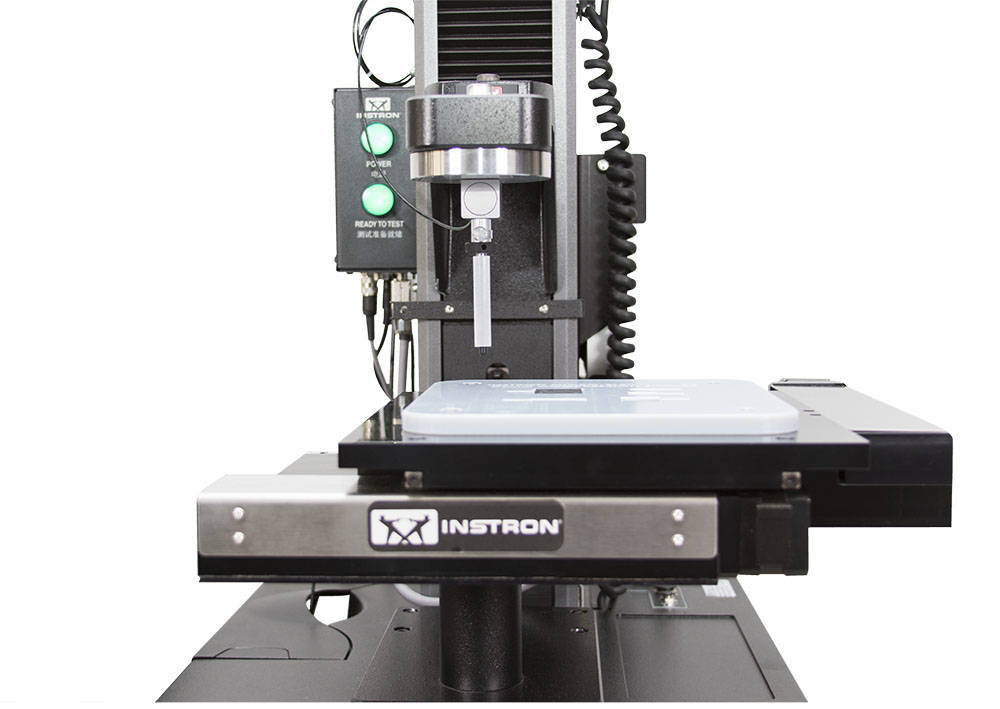
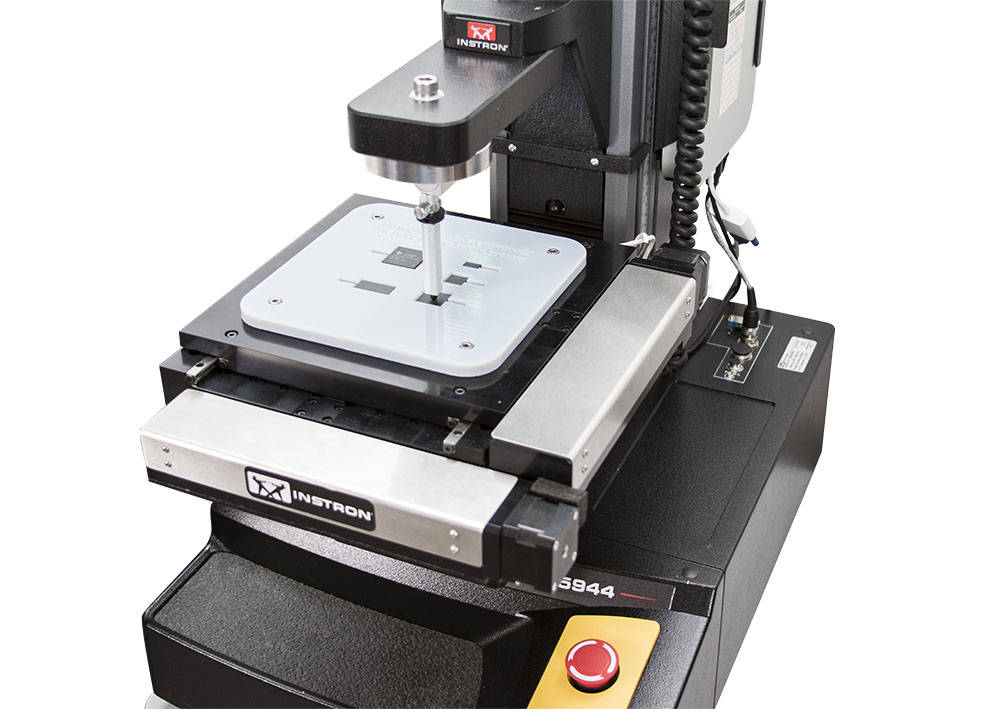
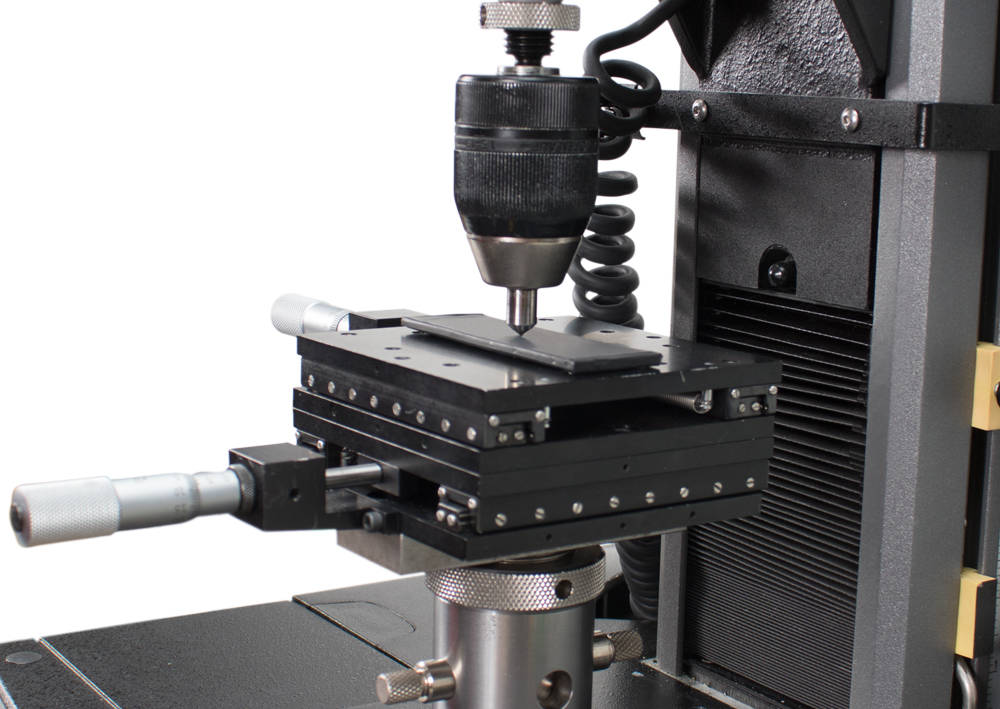
Instron’s 6800 Series single column systems are suitable for performing multi-point compression tests on screens and displays. The AT2 Automated XY Stage Testing System on a single column system offers the ability to automate multi-point compression testing on different sized display panels. Probes of different designs and materials (steel, plastic, etc.) are available to perform this compression testing. Bluehill® Universal testing software enables the user to easily set up methods for automating compression testing at various locations, such as 9-point compression testing, and record results at various points. Critical results, such as deflection at a certain load, can be computed using the software.

Button and Switch Tactility Testing

Electronics

Button and Switch Tactility Testing

ASTM F2592-16 | ASTM F1596-15

The Challenge

In today’s day and age, electronic devices available to consumers are ever-increasing and there is a constant push by OEMs to innovate and provide attractive features with cutting edge technology. Fundamentally, buttons and switch components have a wide range of applications from user control on devices and gaming consoles, to simple contacts on electrical panels. Tactility is critical to understand in this space. For example, a stiff button can be difficult to operate if the user needs to apply high force to engage, and a sensitive button can also prove to be difficult as significantly small force can cause unnecessary engagement of the device or panel. Measurement of parameters that simulate user operation of these components, such as touch force, click force, button travel to engage signal, etc. directly affect the end user and are important to monitor.

Our Solution

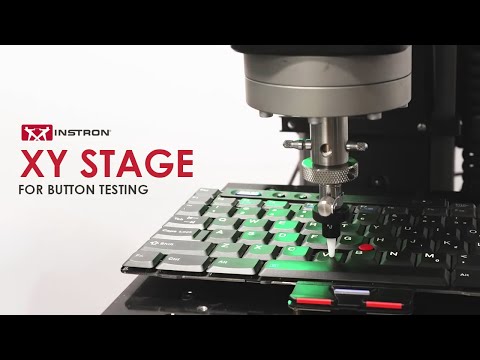
Instron’s 6800 Series single column systems, along with an Automated XY Stage, are designed to test buttons and other switch components, yielding results for OEMs to analyze critical parameters. Bluehill® Universal software is designed to create simple user-friendly methods to automate button testing and generate results in a single run. The XY stage allows users to test multiple points on a single button and multiple button samples in a single test run. Results can be exported from Bluehill software to statistically compare and validate the results.

Bend Testing of Printed Circuit Boards

Electronics

Bend Testing of Printed Circuit Boards

AEC-Q200-005A | IPC TM-650 | ASTM F3147-15

The Challenge

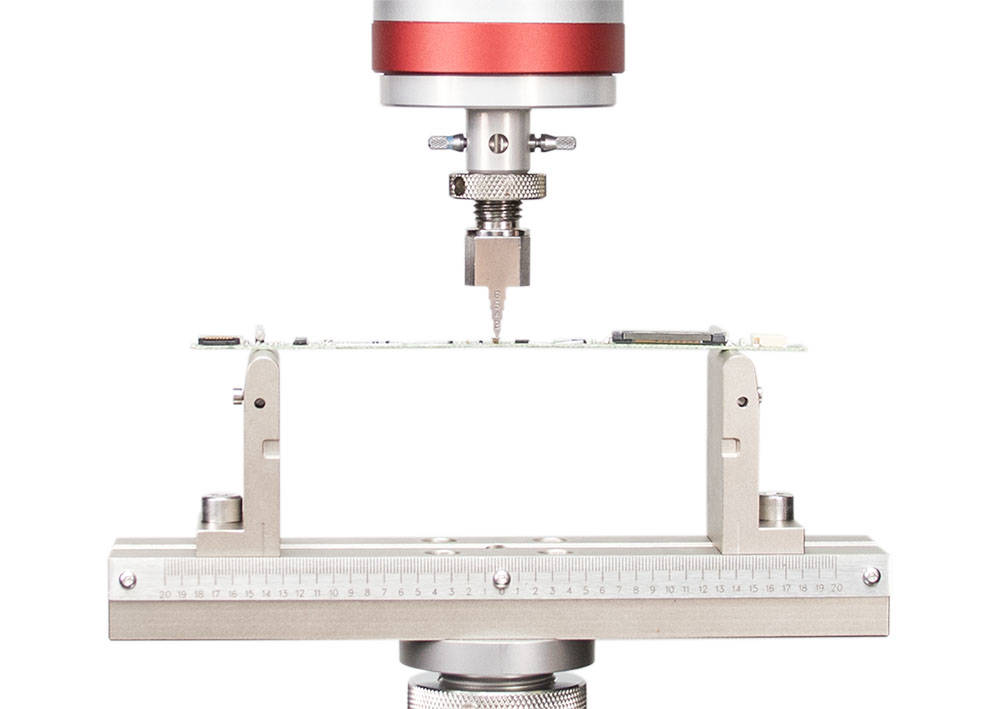
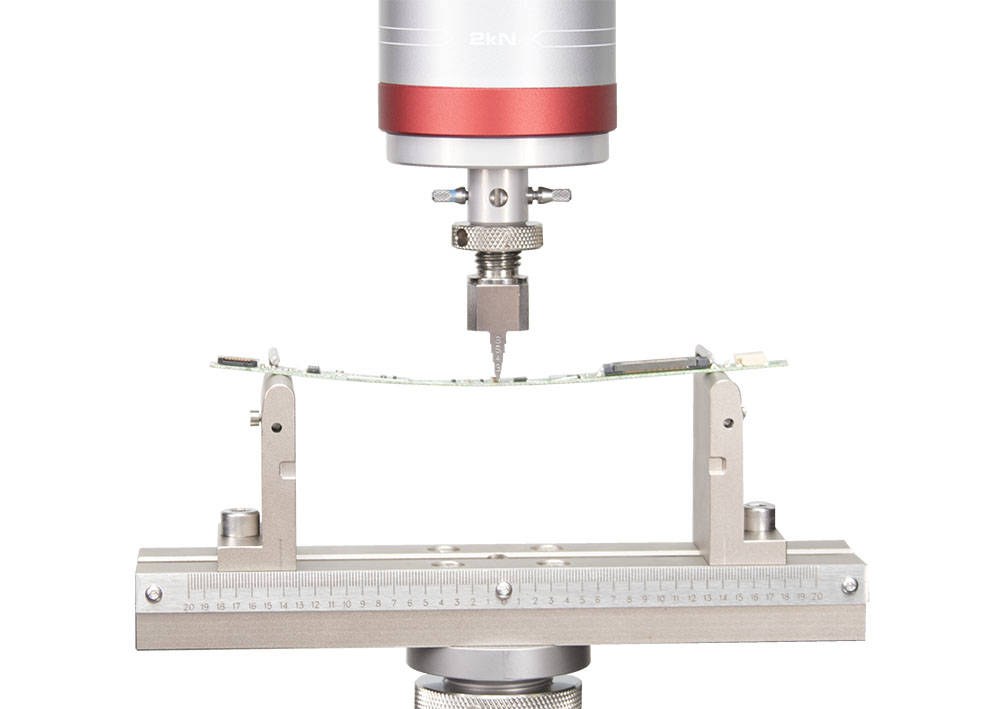
Surface mounting and through-hole mounting of electronic packages, such as BGAs, QFNs, CSPs, etc. on a substrate can impact the mechanical reliability of finished printed circuit board (PCB) goods. With high-density component packaging and complex layouts, PCBs undergo mechanical and thermal stress from the assembly processes, leading to an increased risk of failures, such as warping, cracking, and failure in the joints between the die and the substrate. When electronic packages are mounted on both sides of a PCB, it is even more imperative to understand the mechanical reliability of a finished PCB. Furthermore, requirements driven by standards, such as the Automotive Electronics Council (AEC-Q200-005A) and IPC TM-650, require testing of finished PCBs to understand terminal failure of surface mounted components after they undergo bending, flexing, and pulling during the assembly process. Mechanical failure of these boards in finished products impact the electrical performance of devices where populated PCBs are used, presenting a risk to OEMs.

Our Solution

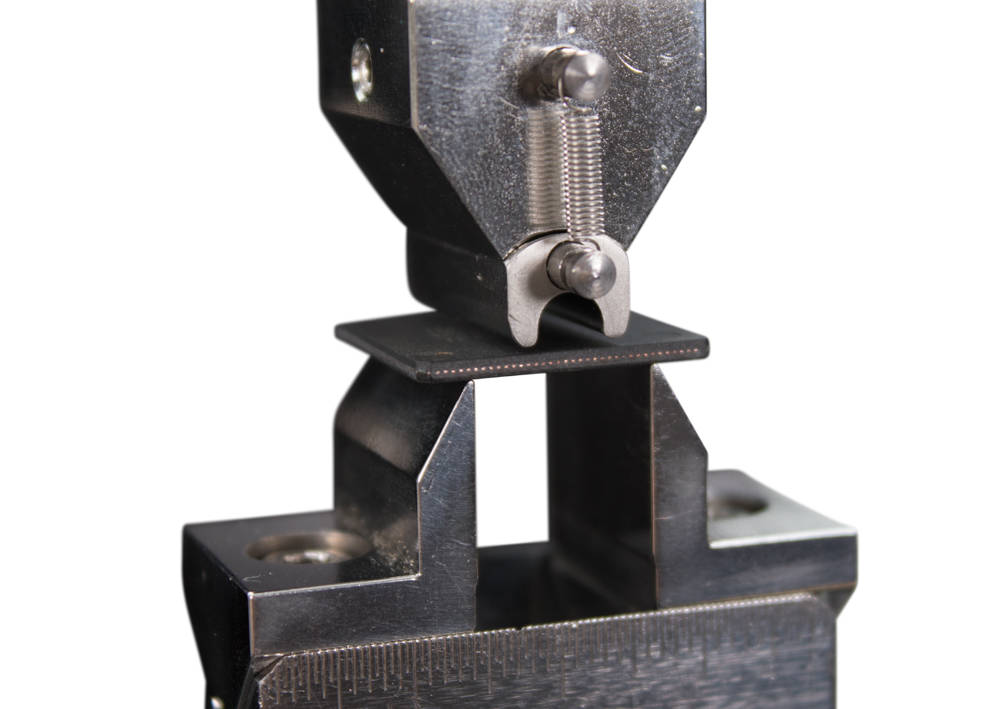
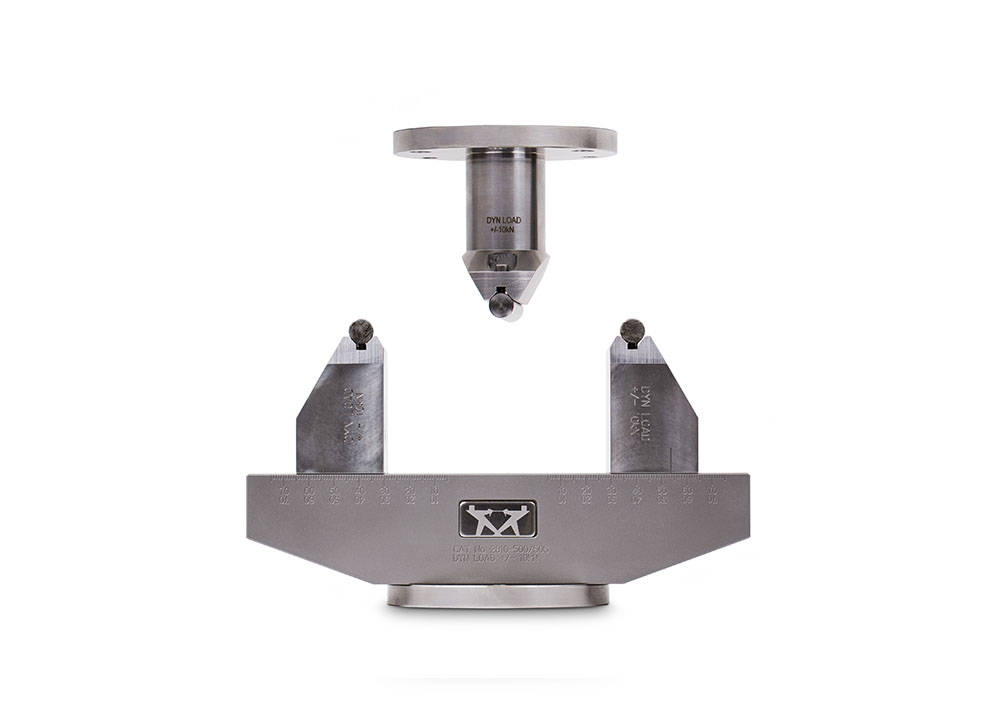
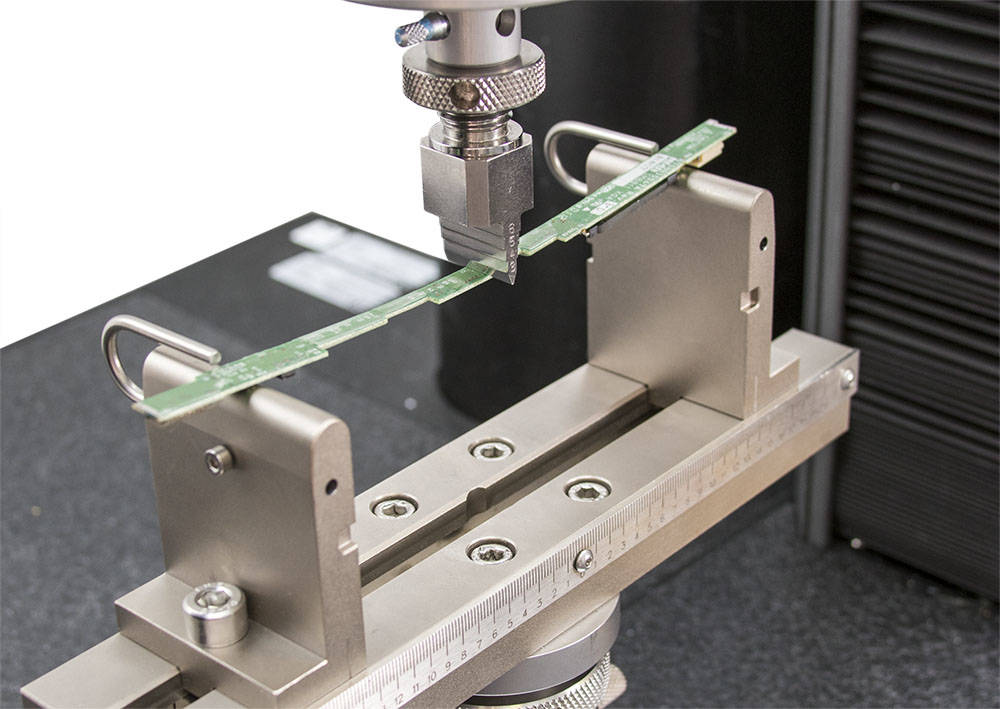
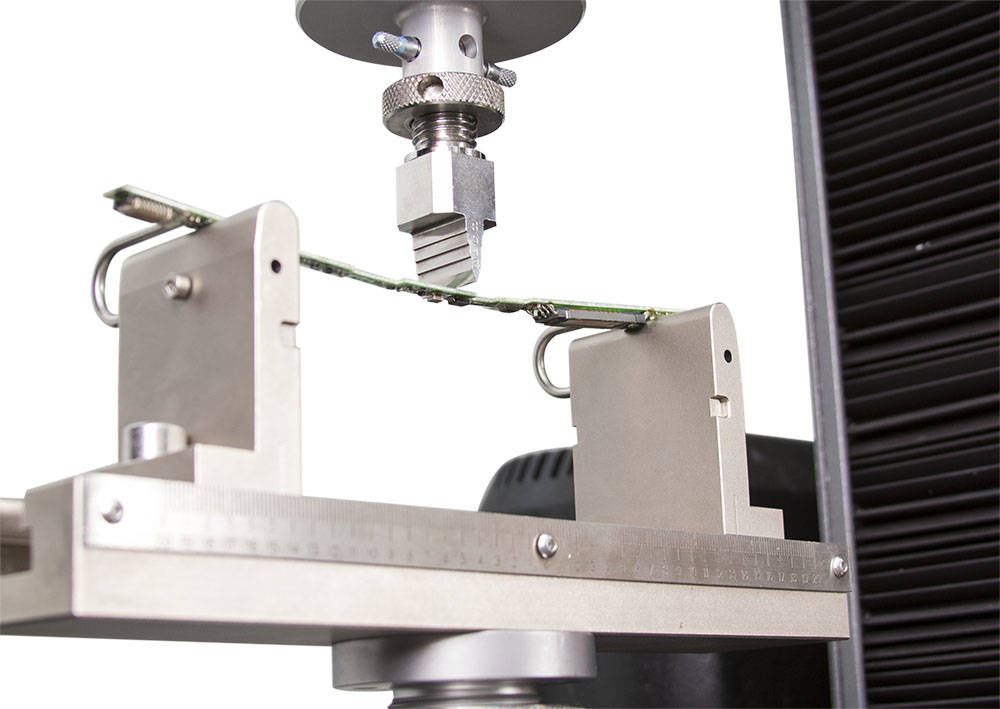
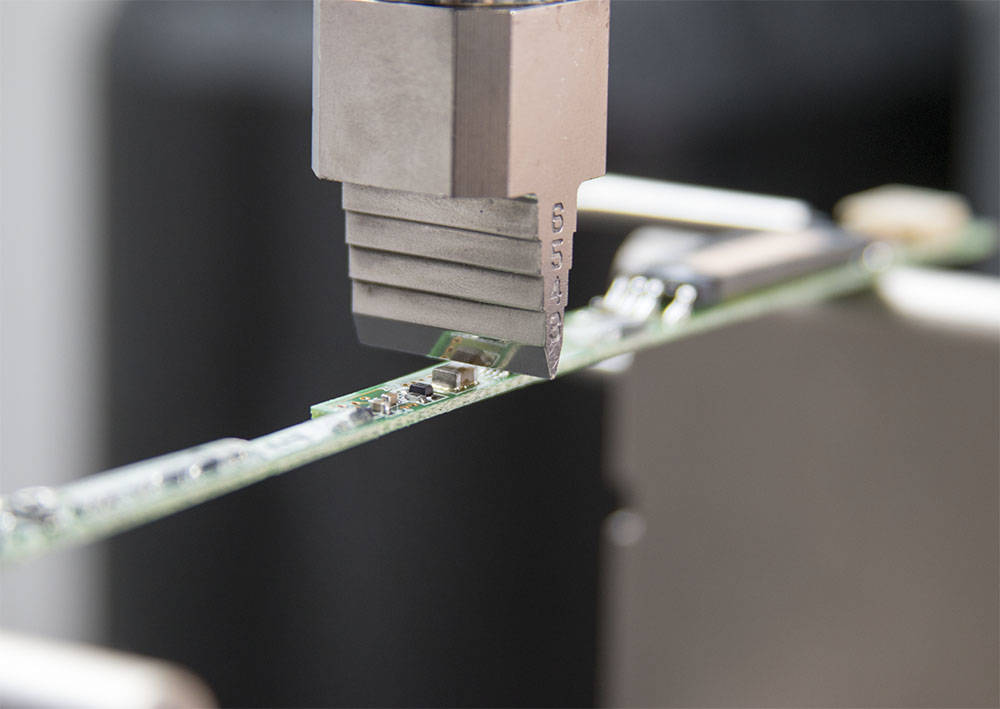
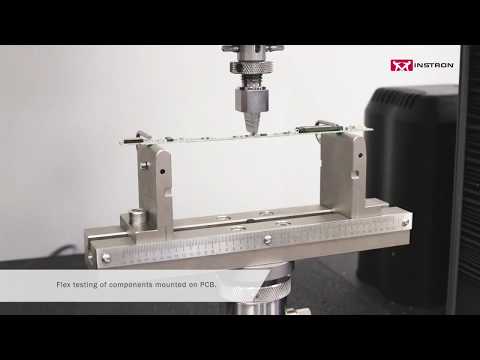
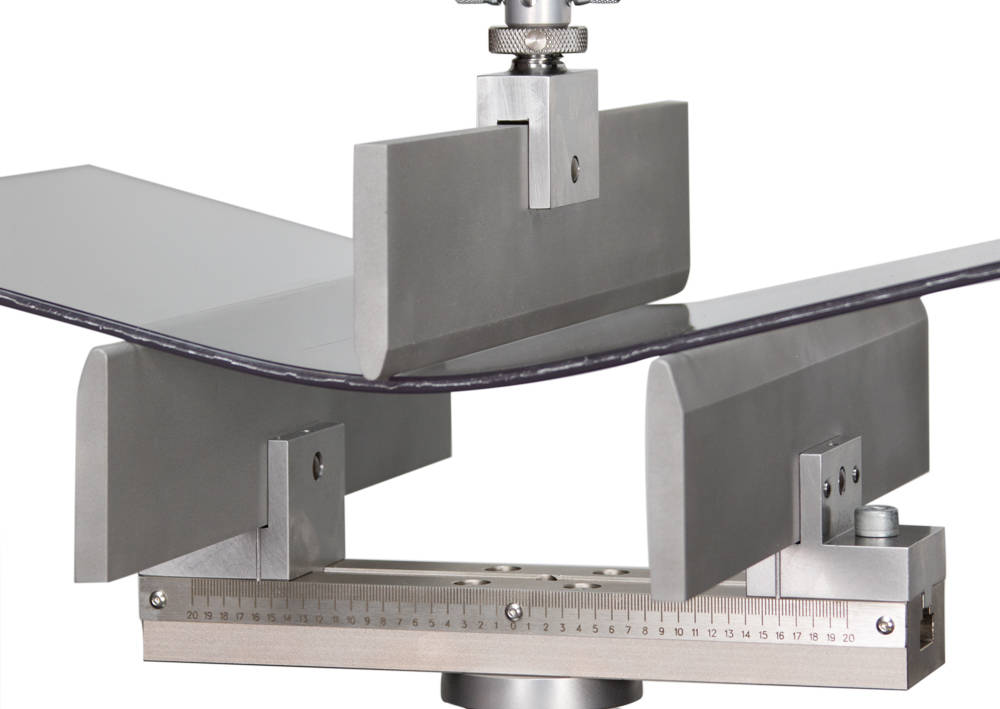
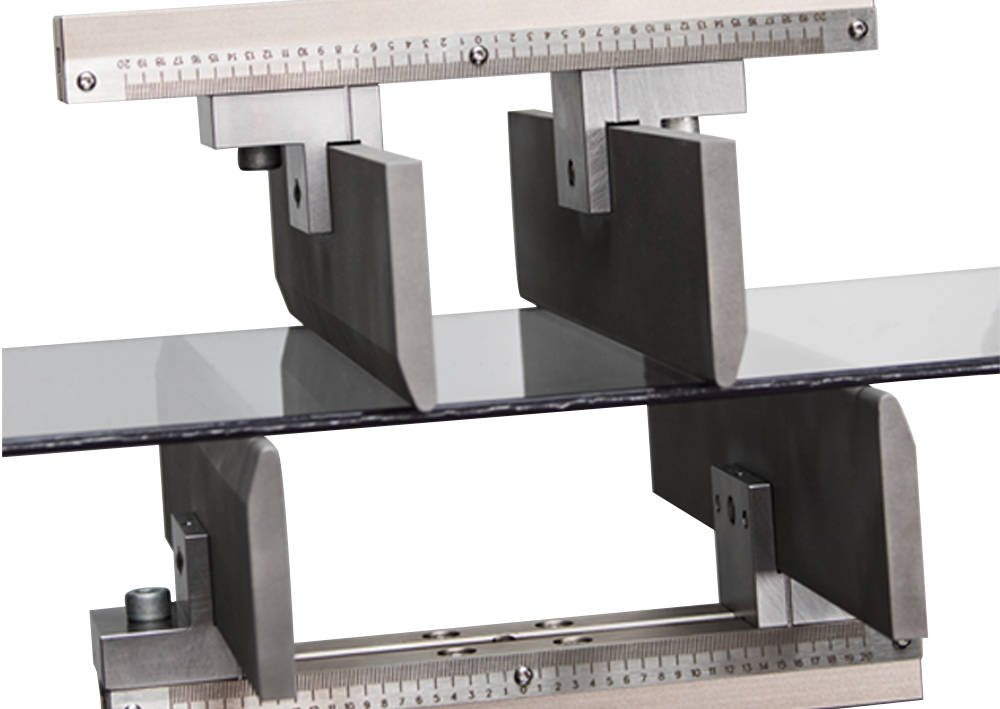
The Instron® 6800 Series single column and dual column table model systems are designed to conduct bend testing at various force capacities. Additionally, the 2810-400 Series of flex fixtures can be outfitted with various anvil radii. Micro 3-point and 4-point bend fixtures are available for miniaturized PCBs. Bluehill® Universal software offers a wide range of calculations to estimate bending stress, flexural strength, and maximum force.

Die Shear Testing of Electronic Packages

Electronics

Die Shear Testing of Electronic Packages

IPC TM-650 | MIL-STD-883E | AEC-Q200-006A | ASTM F1269-13

The Challenge

Die shear testing is an important step when investigating the mechanical reliability of conductive adhesives that are used between the die and substrate. When designing modern surface mount assemblies, manufacturers are constantly formulating novel isotropic conductive adhesives that can improve the shear strength over traditional adhesives. Additionally, experts are interested in understanding the failure analysis post-shearing of the die. As the high density packaging and component miniaturization trends continue to grow, electronic packages are getting smaller and thinner in size. As a result, it is critical to understand the mechanical performance of these components.

Our Solution

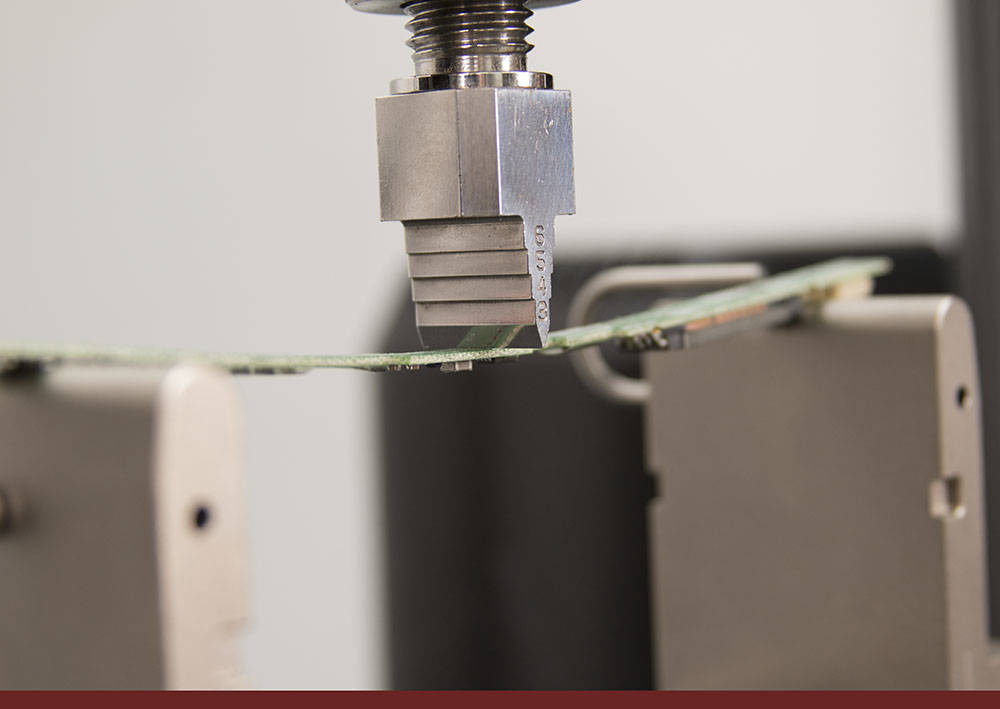
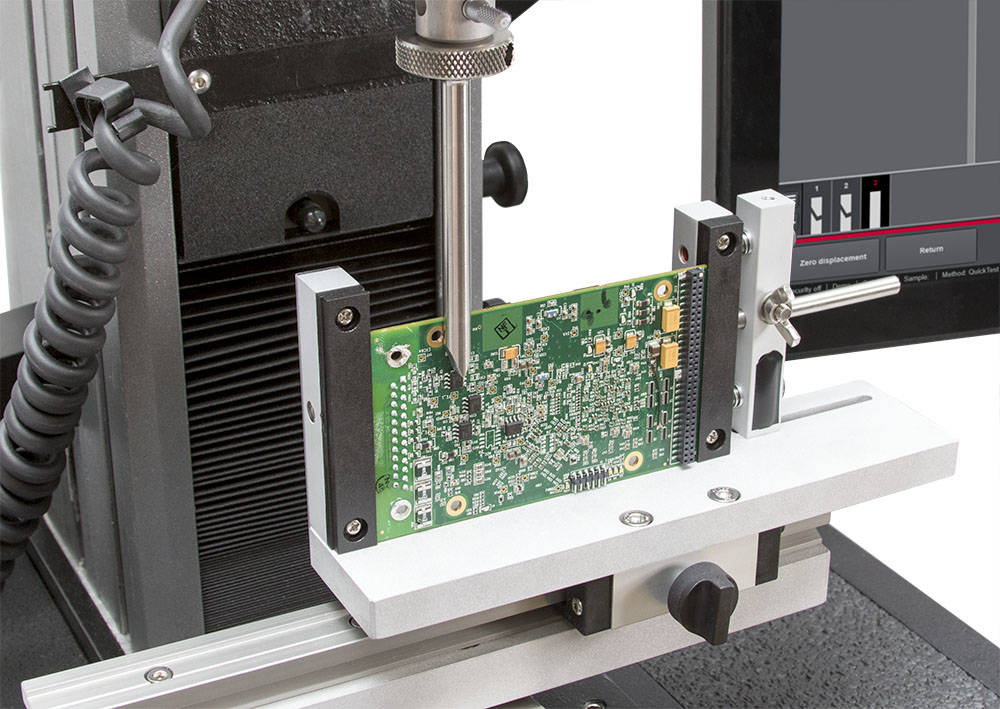
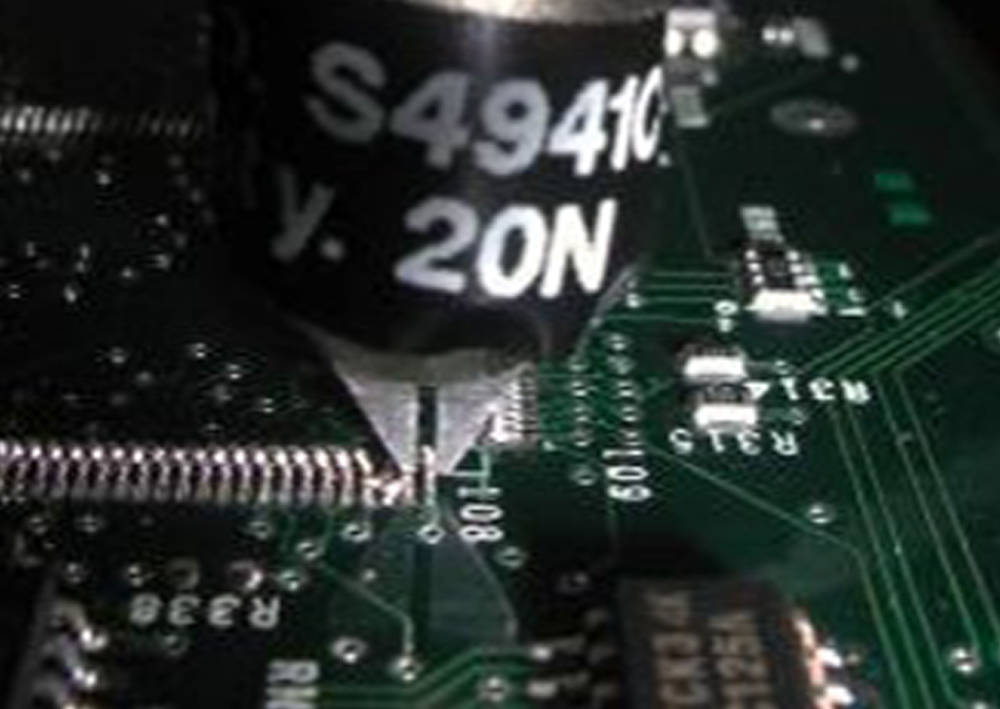
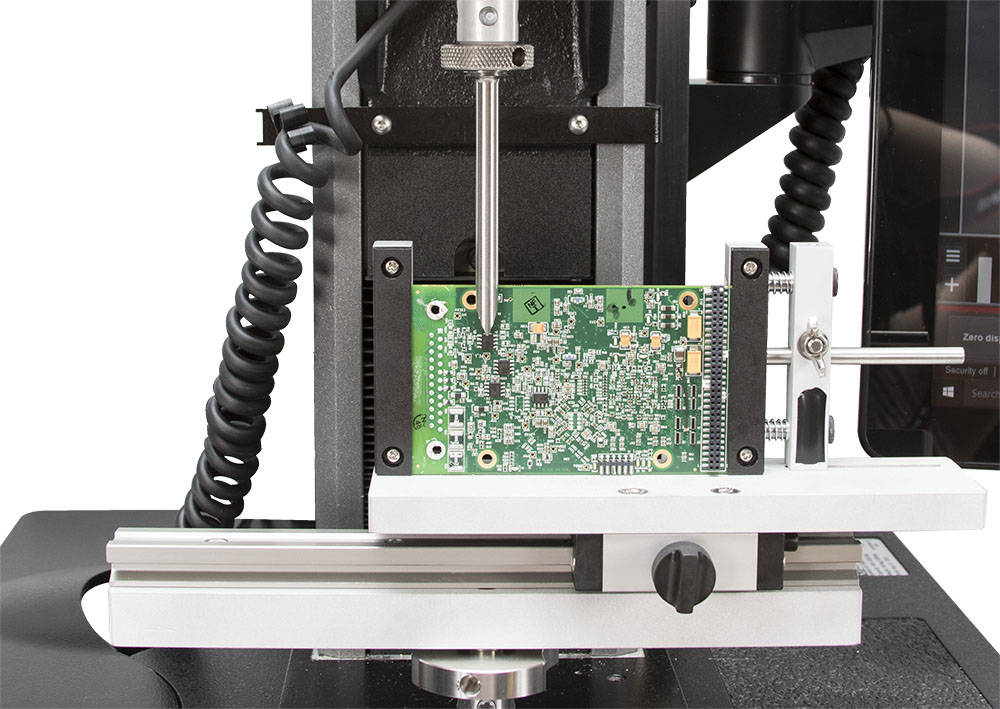
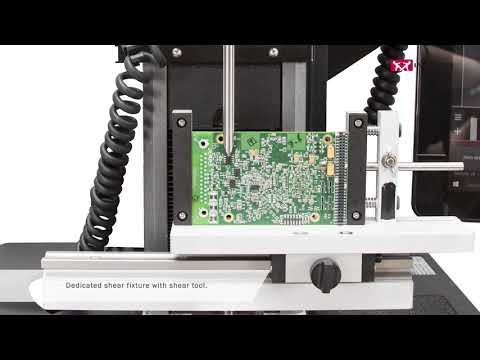
Die shear testing can be performed on a 6800 Series single or dual column system with Instron’s Terminal Strength Shear Fixture (CP122690), which was designed by our Custom Solutions Group and is used to hold a sample populated printed circuit board (PCB) and shear target components. The fixture consists of an adjustable PCB holder that can accommodate a variety of board sizes and a linear rail, allowing the operator to center the probe on the component of interest. A variety of probes can be utilized to test components of different sizes. Bluehill® Universal software can be used to create test methods, and results such as maximum force can be measured. For a visual representation of die shearing, TestCam is offered to capture real time video with Bluehill Universal.


Compression Testing of IC Packages

Electronics

Compression Testing of IC Packages

The Challenge

Three closely related trends in the microelectronics industry are: complex printed circuit board (PCB) layouts, dimensional reduction of PCB packages, and high density packaging. The assembly of electronic packages, integrated circuits (ICs), and other components on PCBs introduce mechanical stress. High density packaging of components on both the top and bottom side of a PCB creates an increased probability of mechanical failures, such as cracks or fractures. Furthermore, OEMs are interested in knowing how the application of force changes voltage or current generated from the chips, as materials used to manufacture these chips and their forms constantly evolve over time.
Our Solution

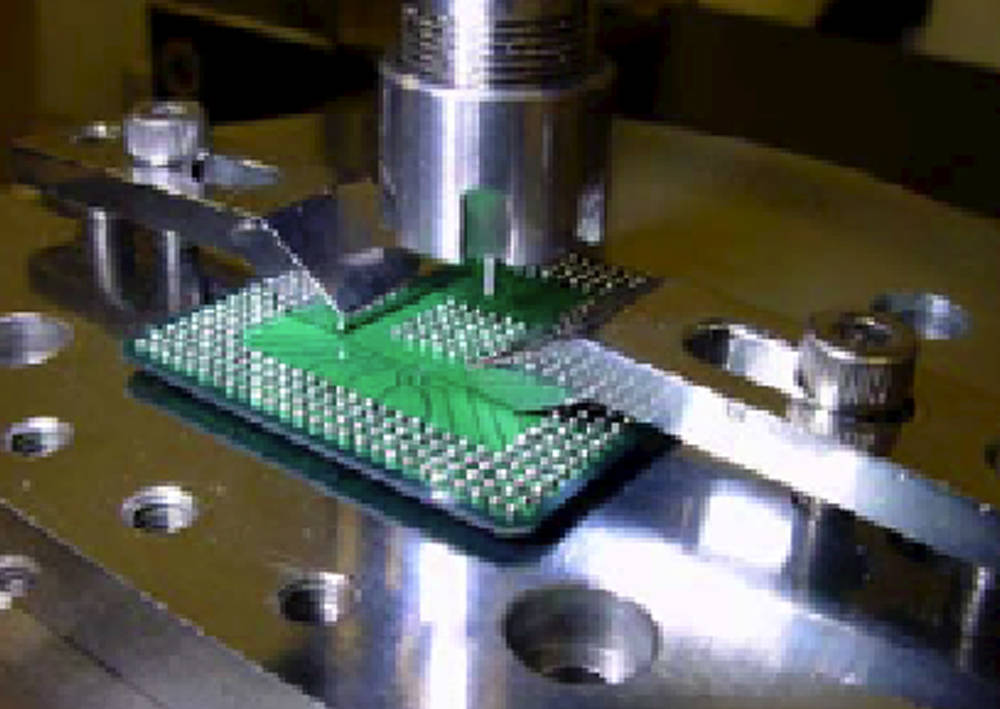
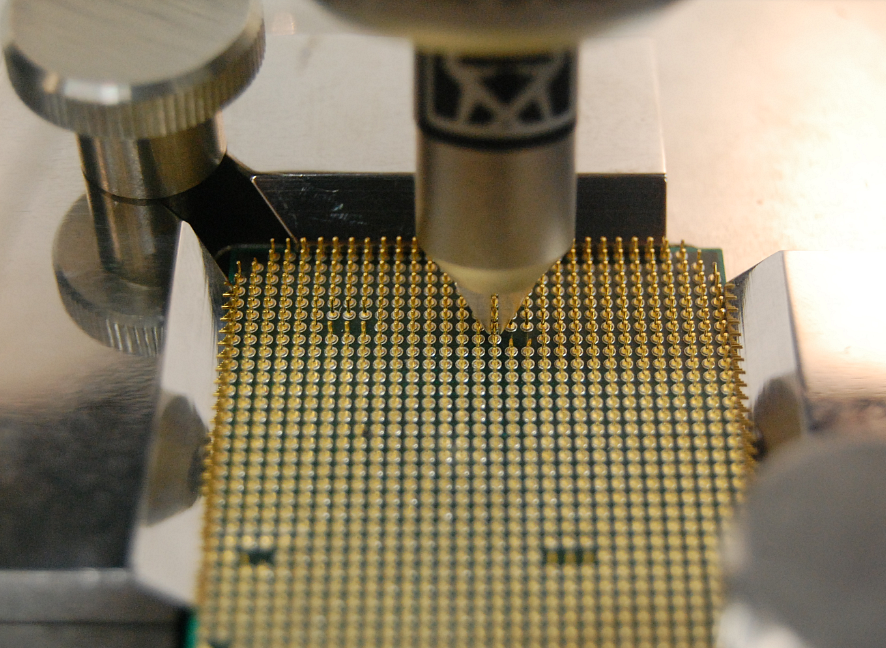
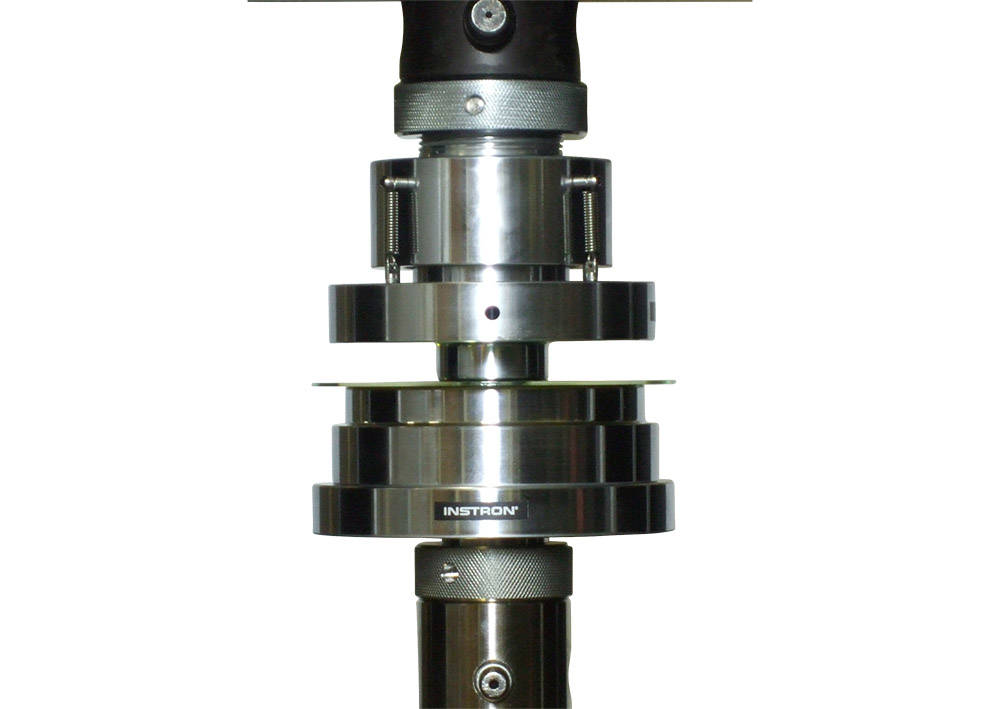
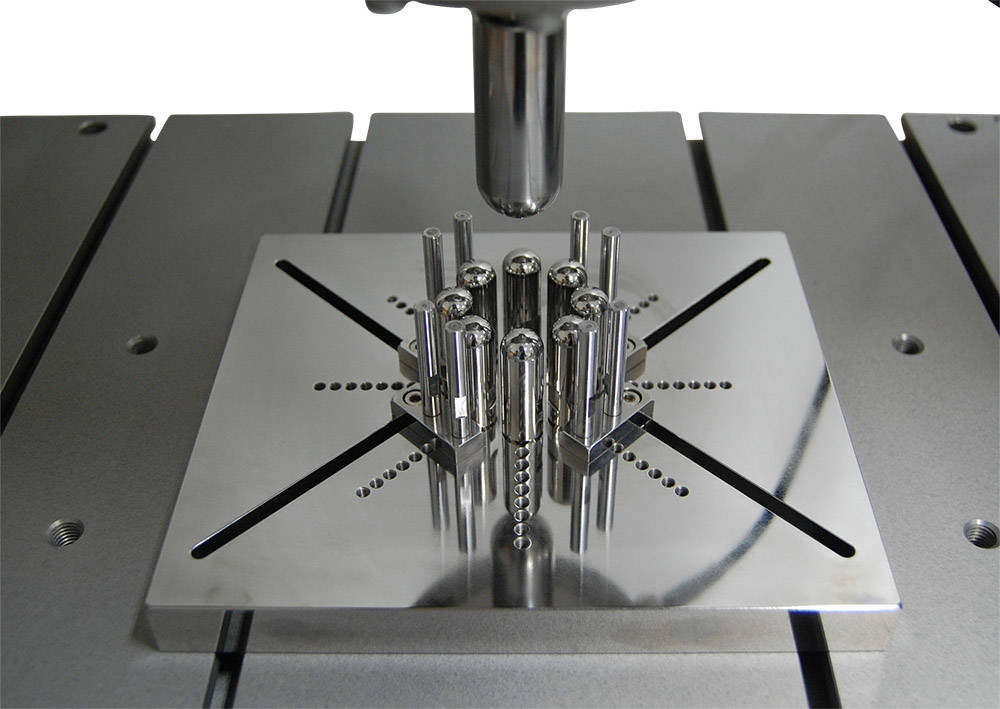
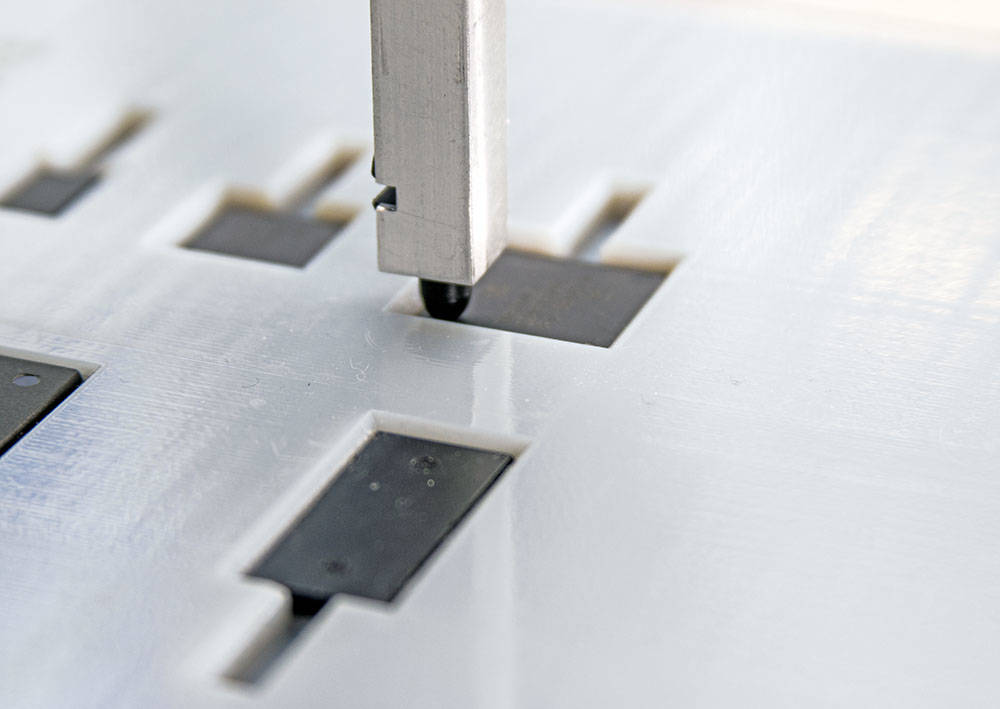
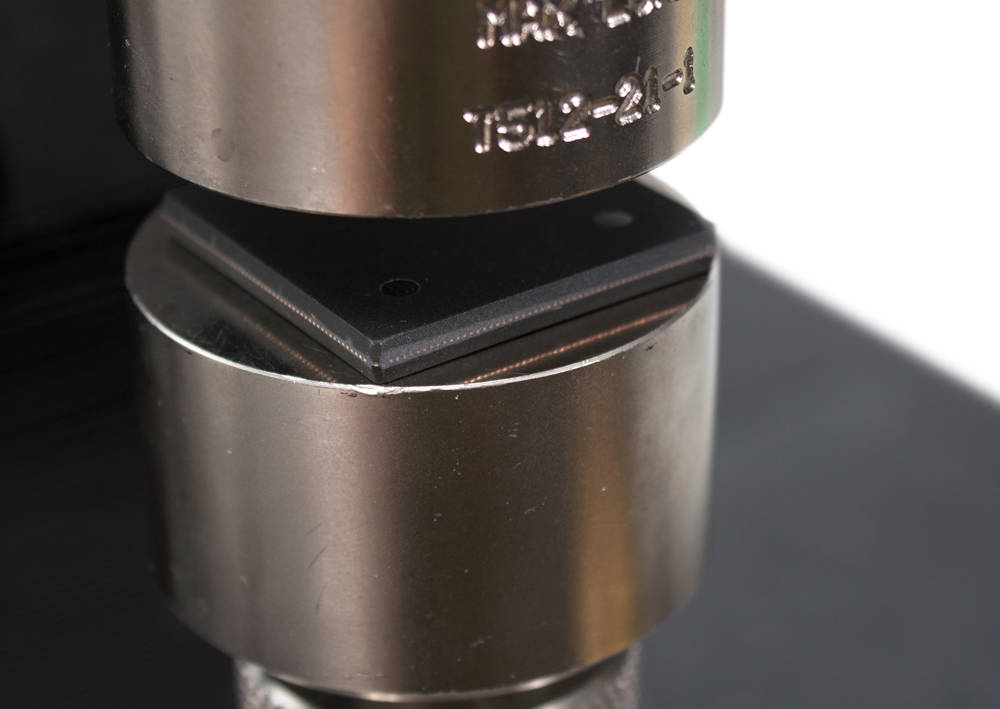
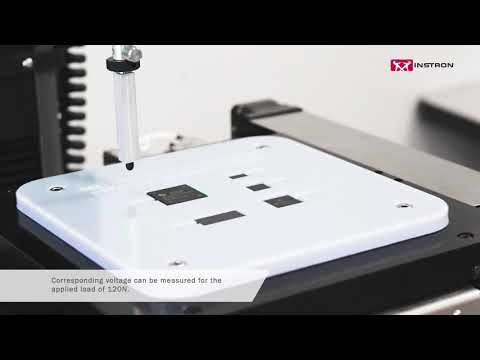
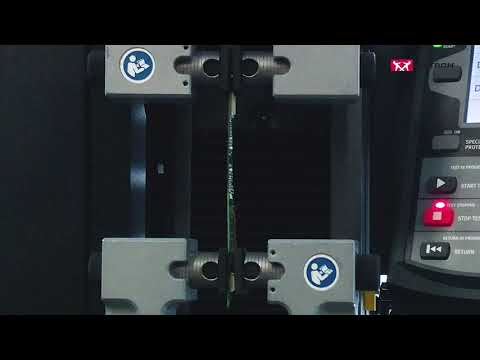
Instron® 6800 Series single and dual column systems, along with an Automated XY Stage, are configured to perform micro-compression tests across multiple points of a chip or component. Fixtures developed by our Custom Solutions Group can clamp these components at proper positions to conduct the test accurately. Since micro-compression tests involve measuring displacement or deflection in microns, routines can be performed to eliminate any system compliance or variance from the machine, load cell, and the fixture. Different style probes are available and can be developed to perform point-based compression testing.

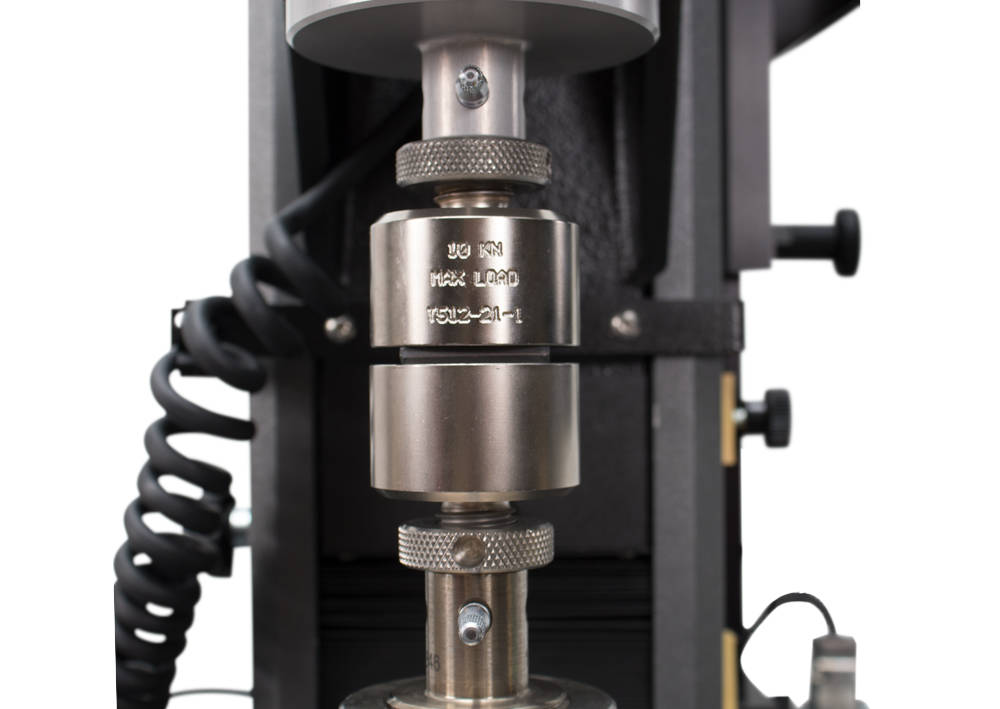
Micro-compression platens are available to conduct compression of the entire package or chip simultaneously. External measurement devices, such as the LVDT Platen Displacement Fixture, can be used to perform contact style measurement, and the Advanced Video Extensometer 2 (AVE 2) can be used to perform non-contact style deflection measurement in microns. Instron’s Bluehill® software is used to set up test methods for an XY stage or micro-compression platens. Using external strain channels, graphical results on voltage and resistance to corresponding force can be presented in the software.

Bend Testing of Devices

Electronics

Bend Testing of Devices

The Challenge

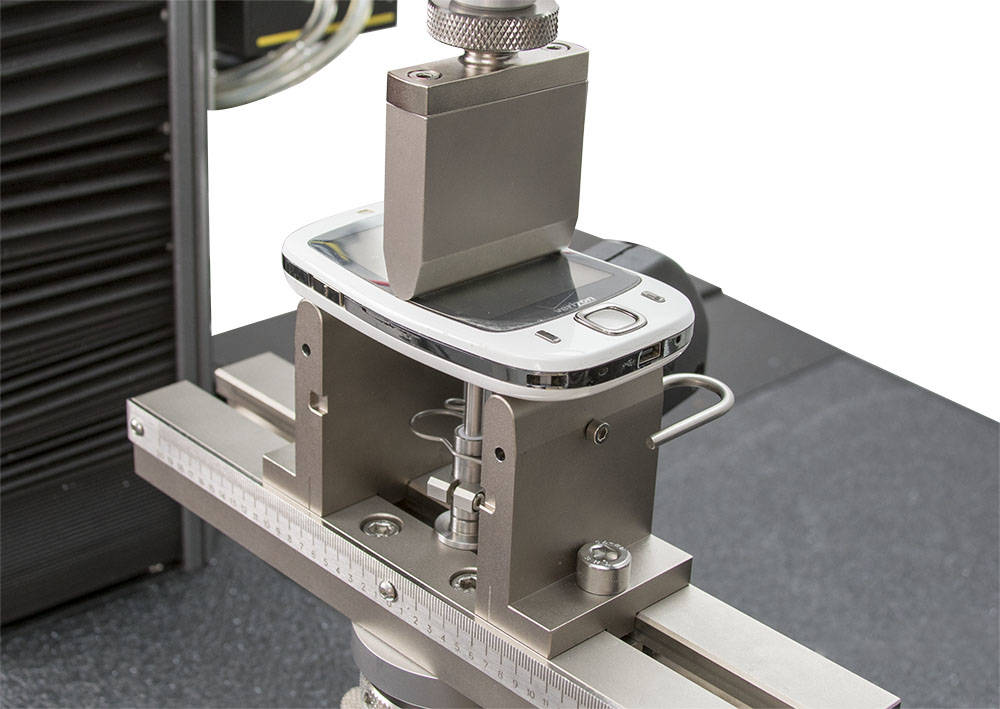
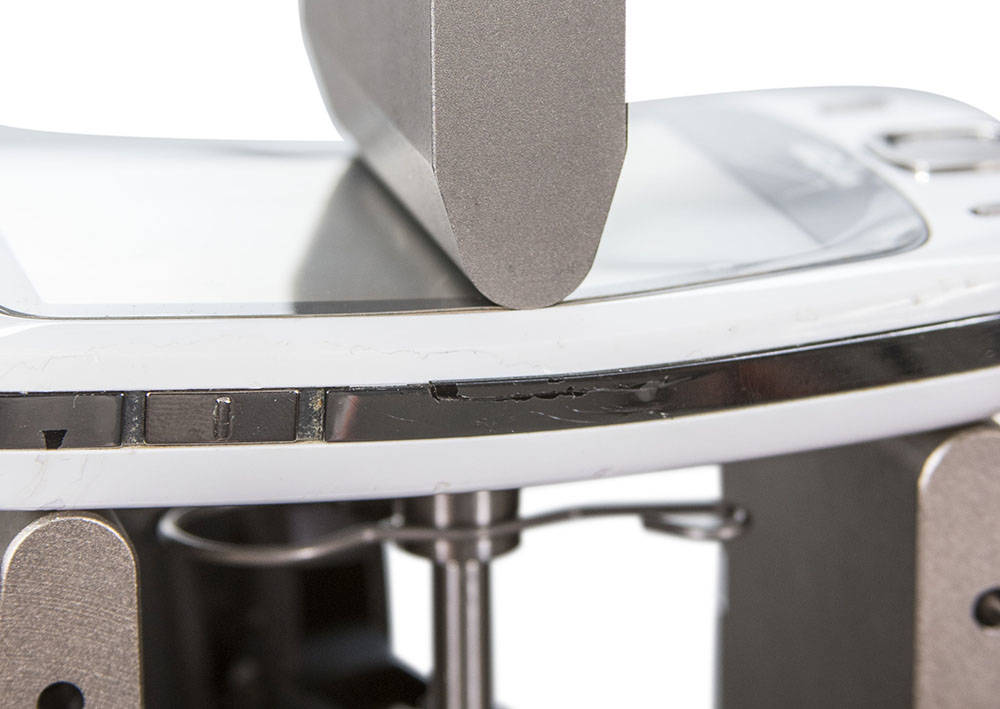
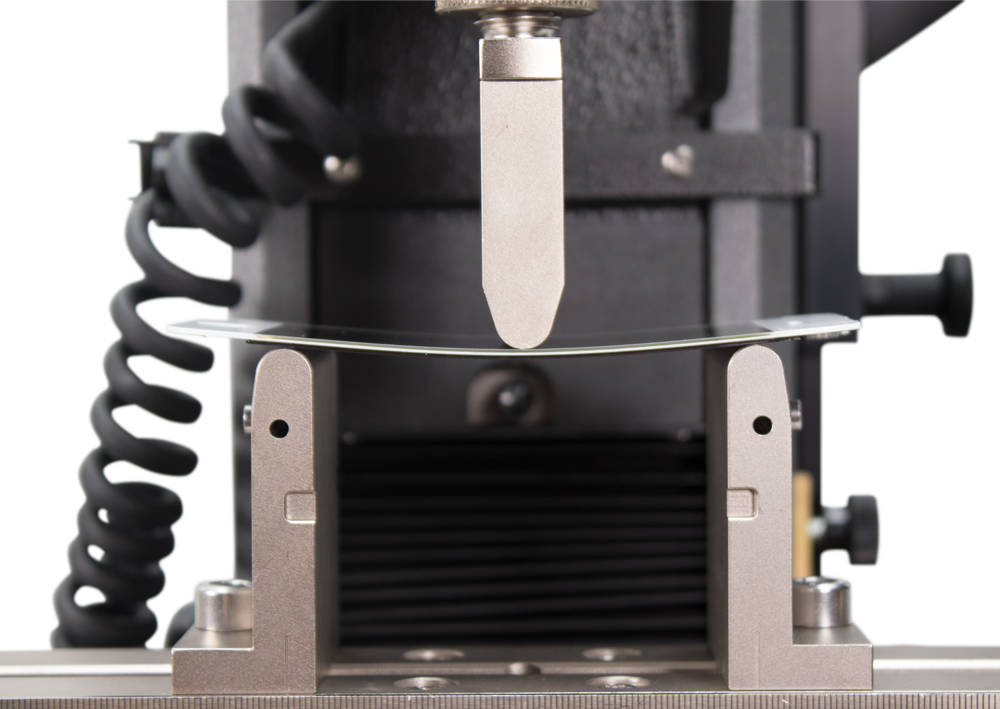
With increased demand for quality and reliable electronic devices, many original equipment manufacturers (OEMs) are committed to performing extensive testing to ensure products do not fail within their guaranteed specifications. A 3-point bend test determines the maximum force until break for destructive testing and deflection at the center of the device. While a 4-point bend test determines maximum stress along a larger region of the device to identify potential defects. It is important to accurately measure the force required to break and the deflection of the device or component for research and development purposes, as well as quality control.

Our Solution

Instron offers flexure fixtures to accommodate a range of device sizes for bend testing. The Bluehill® Universal software, can be used to measure the deflection. Bluehill Universal offers a wide range of calculations and also allows the user to create custom calculations.

Lap Shear Test

Electronics

Lap Shear Test

The Challenge

Manufacturers of electronic adhesive materials require characterization of their products that are used in surface mount assemblies of microelectronic components. With rapid changes in electronics packaging designs by OEMs, new adhesives are formulated to address them. Measuring the bond strength of adhesives is considered one of the essential metrics to characterize different formulations. A lap shear test is recognized as one of the methods to mimic real-life loading conditions. The test uses two samples, or specimens, which are bonded together before applying tensile force to pull until shear occurs. Some of the standards, such as the International Electronics Manufacturing Initiative (iNEMI), offer recommendations to perform a lap shear test in characterizing solder alloys, such as the SAC alloy (Sn, Ag, Cu) used in solder paste. 
Our Solution

The 6800 Series single and dual column systems are built to perform lap shear tests based on load capacity requirements. Various gripping techniques, such as manual wedge action grips and pneumatic side action grips, are offered with the system to align and hold the specimen in position. Bluehill® Universal software is used to create test methods for running the lap shear test and for measuring maximum strength to shear off the specimens bonded. Furthermore, for qualitative analysis, the TestCam feature is offered for real-time feedback of the actual test at various loading conditions. 

Bend Testing of Screens

Electronics

Bend Testing of Screens and Display Panels

ASTM C158-02 | ASTM C1499-15 | ISO 13356

The Challenge

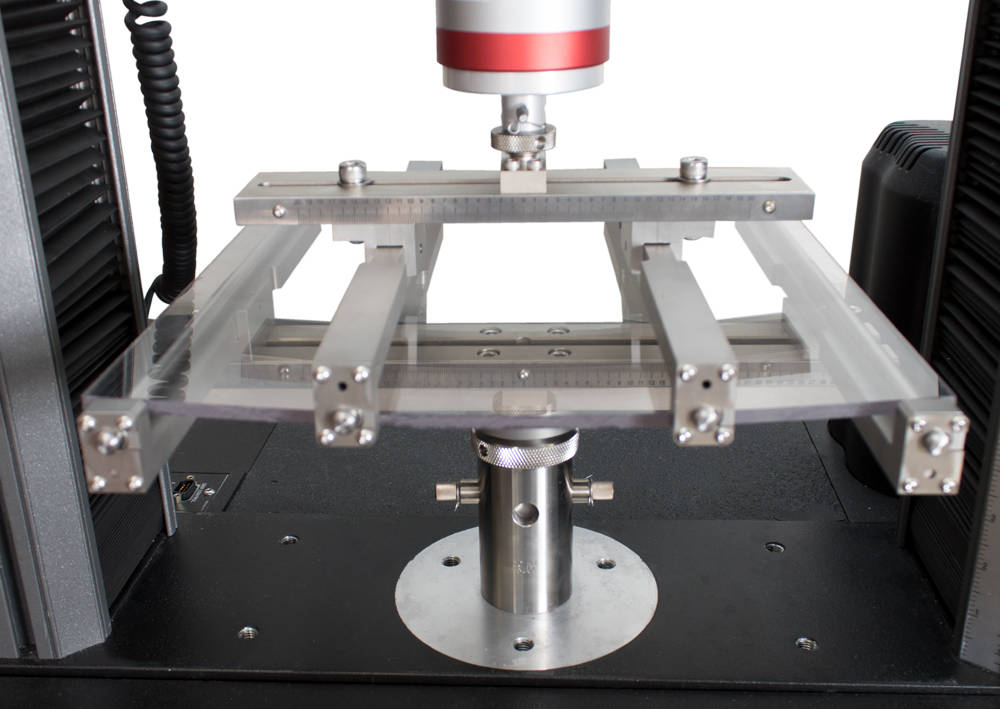
Screens and display panels are integral parts of electronic devices, whether they are touch capable or not. OEMs are pushing the envelope by quickly adopting new technologies, like organic light-emitting diode (OLED), to enhance visual experience compared with traditional LCD or plasma displays. OLEDs are comprised of a series of multi-layered organic films between two conductors emitting bright light under electric current, therefore not needing a backlight mechanism. Consequently, they are thinner and more efficient than traditional displays. Due to their multi-layer structure, testing display panels, such as OLEDs, is critical when attempting to understand the strength of each layer and all of the layers together.
 

Our Solution

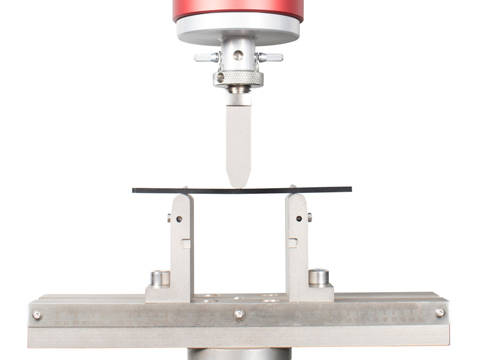
The 6800 Series single and dual column systems are suitable for conducting bend testing of screens and display panels. Various fixtures are available for performing 3-point and 4-point bend tests. 3-point bend tests are used to determine the strength of thin film materials at localized regions, and to understand failures such as cracks in those regions. Alternatively, 4-point bend tests are used to maximize bend during testing and increase the probability of failure throughout the panel. Bluehill® Universal software has the capability to create user-friendly methods and measure results from bend testing (maximum force, flexural strength, etc.). Furthermore, tests can be set up using Bluehill Universal to conduct low cycle bend testing (1 Hz.).

Solder Ball Compression Test

Electronics

Solder Ball Compression Test

IPC TM-650

The Challenge

Solder paste manufacturers and electronics packaging experts are constantly formulating new compositions of solder alloys and flux materials to address assembly challenges. Type 6 solder powder, with a particle size of 10 µm and below, is preferred over type 4 and type 5 solder pastes for the assembly of 0201s chip components. Ball grid array packages (BGA) that are attached on the substrate using solder bumps on the bottom of the package are trending towards smaller size solder bumps. As a result, it is important to perform mechanical testing on the solder bumps, or solder balls, in order to understand the maximum load sustainable before failure. One effective way to test these solder balls is through compression. By applying a compressive load to a single solder ball, maximum force can be estimated before the ball cracks to failure. This helps in characterizing the bump strength of solder for package assemblies.
Our Solution

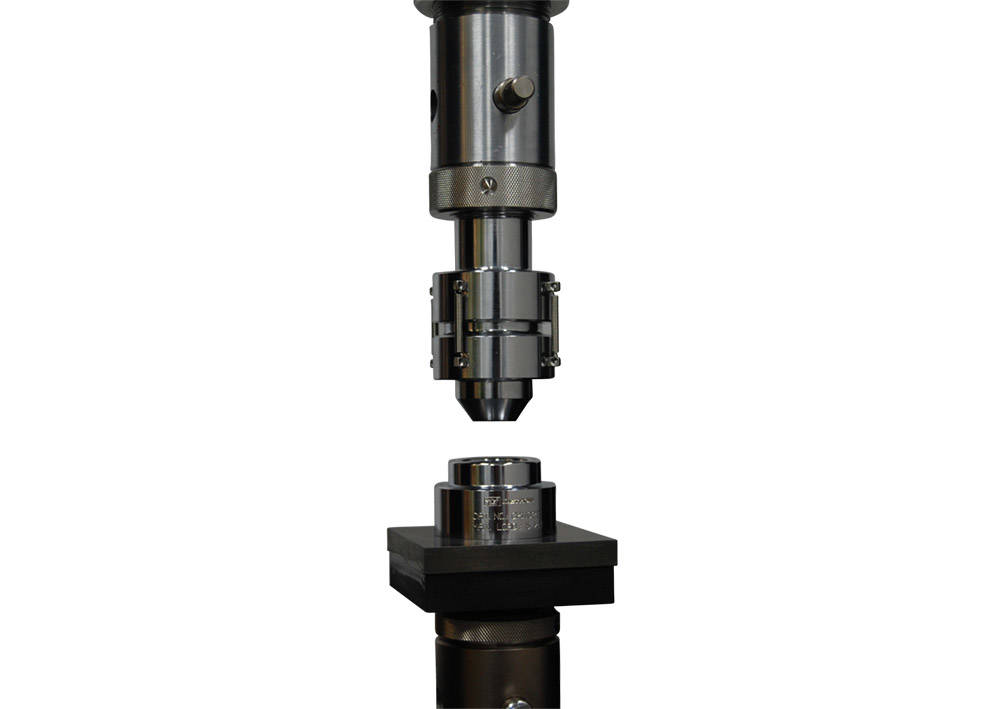
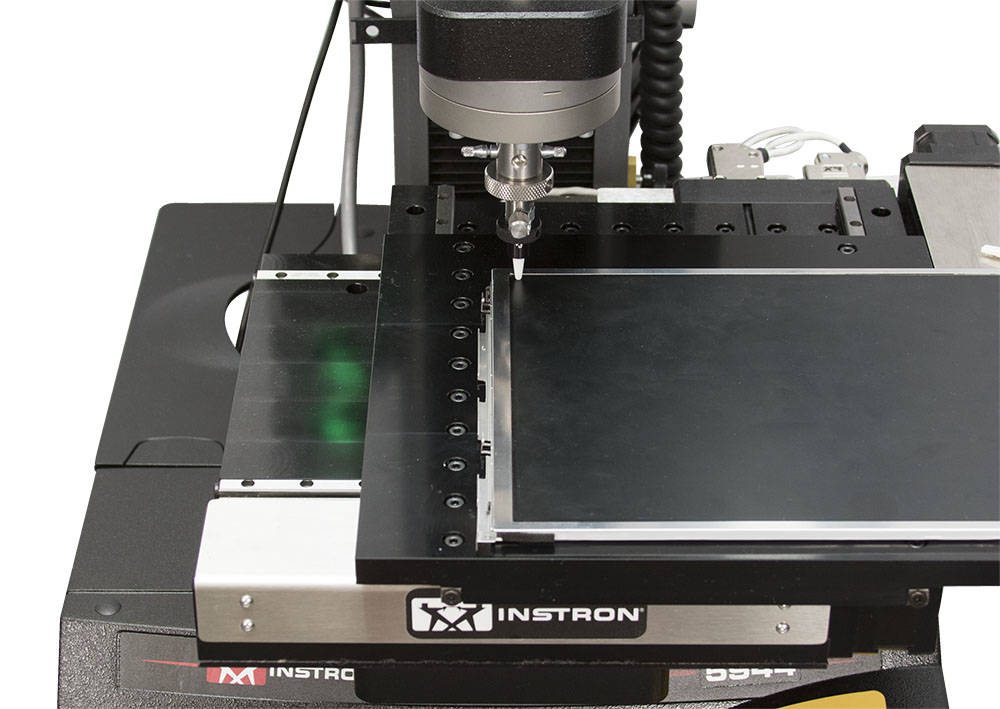
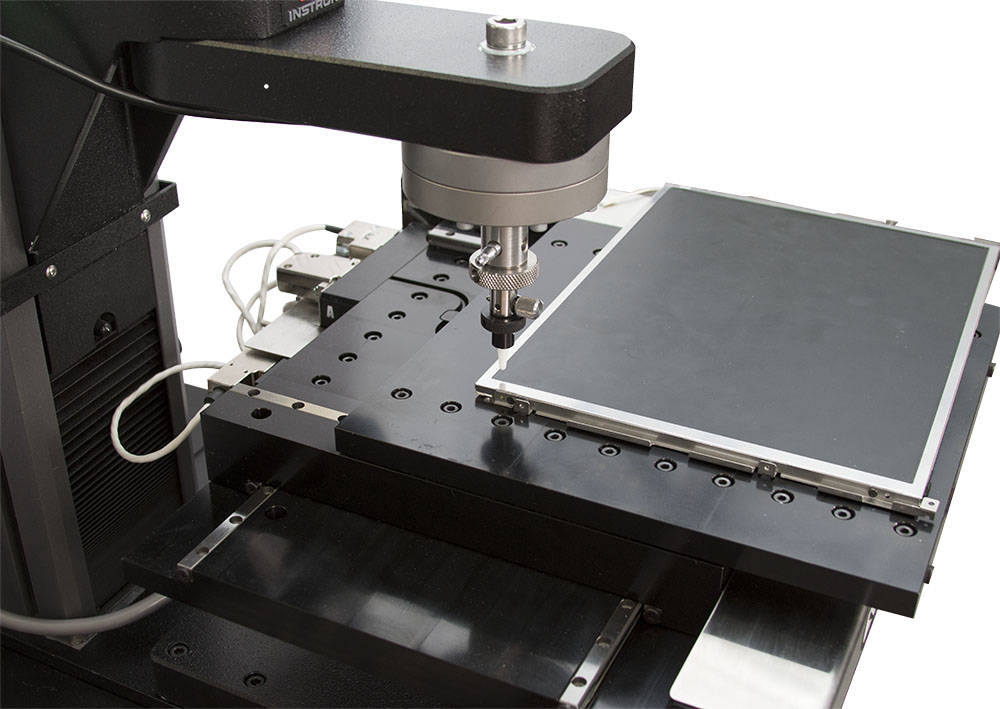
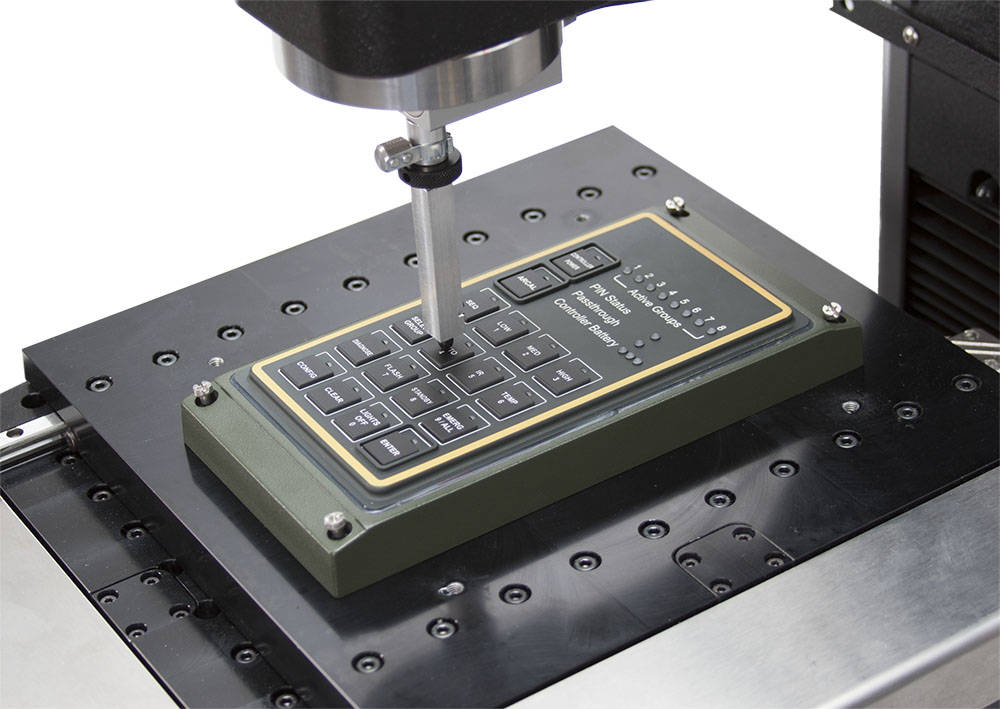
The Instron® 6800 Series systems are ideal for conducting this micro-precision compression test. Depending on the force required to break, either a single or a dual column system can be used. Custom pin type probes of various dimensions are available to perform accurate compression tests on the solder ball. A multitude of clamping solutions are offered for accurate clamping and positioning of package assemblies for conducting this test. Instron’s Automated XY Stage Testing Systems offer an automated solution for performing compression tests on multiple solder balls in a single test run. The TestCam module in Bluehill® Universal software can be used for real-time live feedback of the compression test, allowing for a visual review of the bump compression for qualitative analysis. In cases where you need to introduce a high temperature before performing the test, custom heating stages are available, allowing you to heat the package or the substrate prior to compression. 
Stud Pull Test for Electronic Packages

Electronics

Stud Pull Test for Electronic Packages

The Challenge

A typical surface mount assembly involves mounting electronic packages onto the printed circuit board (PCB). This assembly requires bonding of a chip or die onto the PCB using solder paste and other adhesive materials. For example, the assembly of flip chips, ball grid arrays (BGA), and chip-scale packages (CSP) require you to apply the process of underfill for the bonding between the die and the substrate. As part of the design and mechanical validation, OEMs look to perform tests that measure the bond strength of the adhesives in a package assembly at various operating conditions. One such critical technique is the stud pull test for packages of various dimensions.

Our Solution

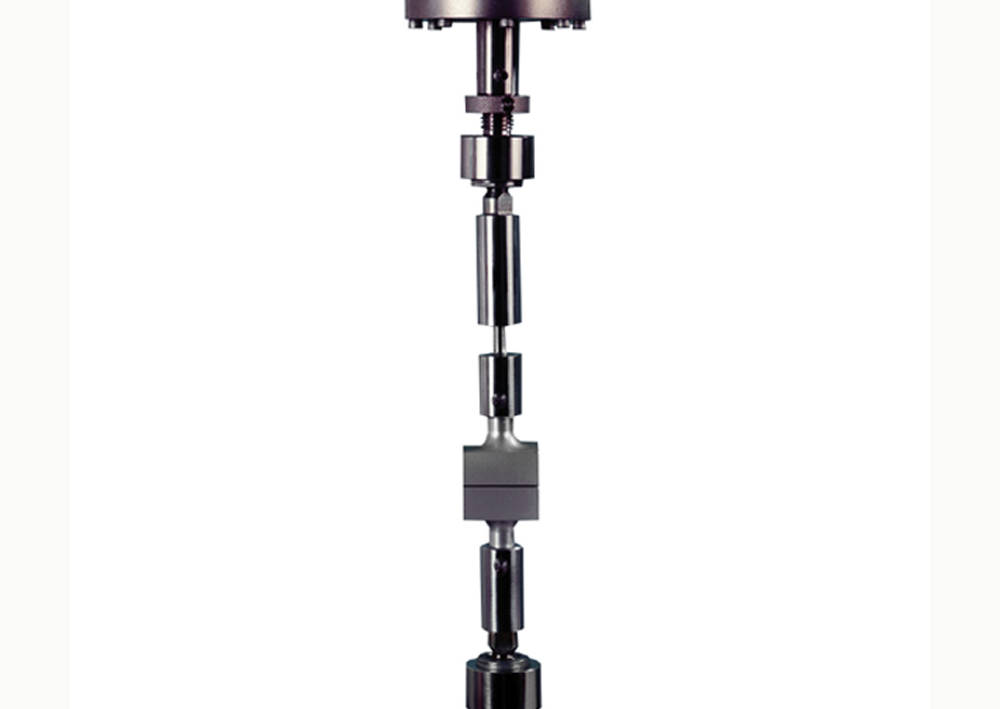
Instron® offers an easy to use stud pull fixture with a specimen preparation fixture for running the test at ambient and high temperatures. The specimen preparation fixture allows the operator to bond the studs on the die package using a high strength adhesive. The fixture applies a constant force, enabling correct alignment, which is highly critical to the test. In addition to the preparation fixture, the stud pull fixture has upper and lower fittings with self-aligning swivels at both sections. This allows for accurate alignment of the studs in parallel to the frame, or perpendicular to the cross-head. High temperature chambers are also offered to perform this test. Stud sets are designed in various sizes, ranging from 2 mm to 50 mm, to fit a range of die package dimensions.

Bend Test of Electronic Packages

Electronics

Bend Test of Electronic Packages

SEMI G69-0996 | ASTM D790 | ASTM D6272 | IPC TM-650 | JEDEC 9702 | MIL STD 883 | SEMI G86-0303

The Challenge

Understanding the mechanical reliability of microelectronic components and packages is a critical step towards design validation.  With high density packaging, components are getting smaller and thinner so they can be used on the printed circuit boards (PCBs) of hand-held devices. Furthermore, new materials are being introduced, such as the addition of layers on electronic packages, which requires validation of the material’s strength. During new product development, OEMs are required to know the mechanical stress induced on various electronic packages, as they are subjected to warping from the assembly process of PCBs on the top and bottom of the substrate. New innovations in electronic packages, such as chip-on-film, stacked multi-layered packages, etc. require a thorough understanding of mechanical failure.

Our Solution

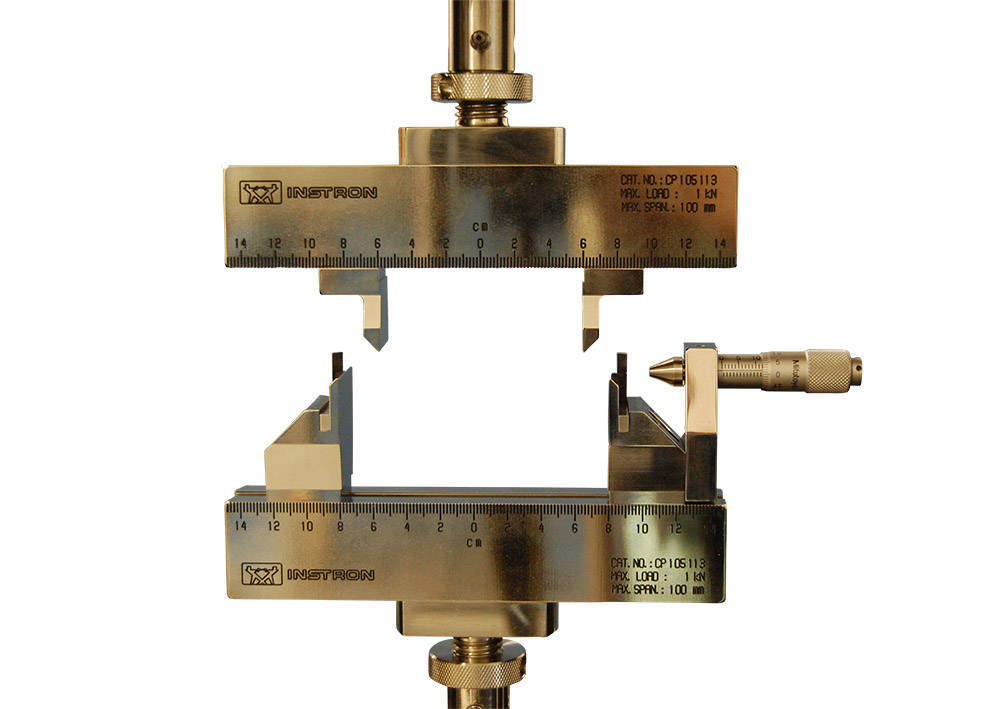
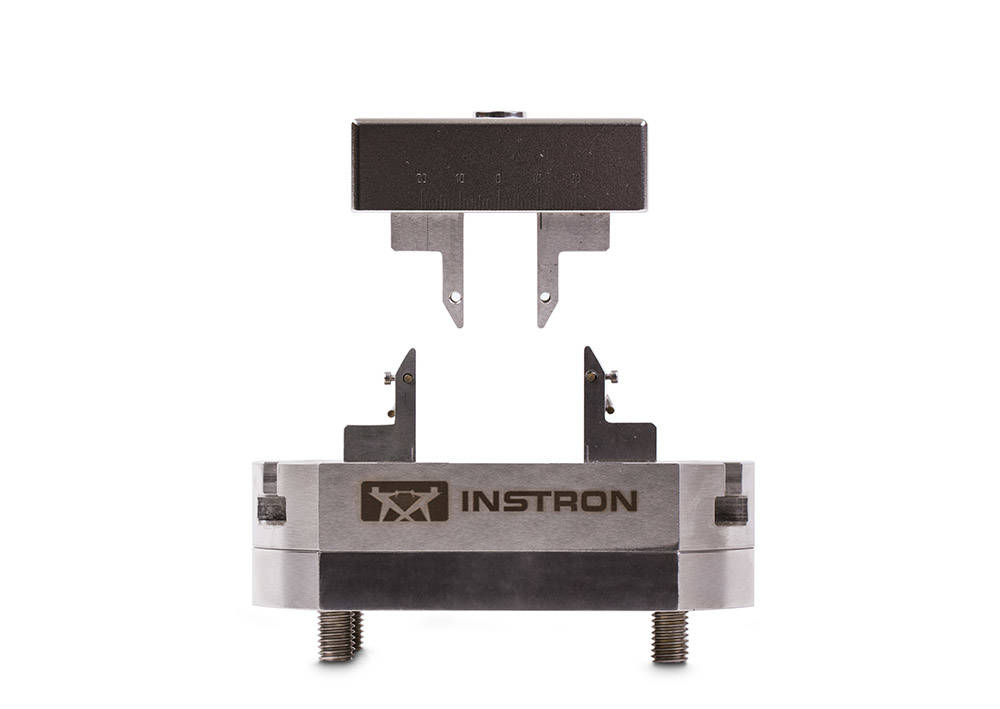
The Instron® micro bend fixtures are designed to perform bend testing on small scaled electronic packages, and other microelectronic components. The micro 3-point and 4-point bend fixtures are used to apply stress at local regions, or throughout the package. Using these fixtures, users can determine the load at which the packages undergo failure, such as cracking, delamination of layers, fatigue, etc. Bend fixtures are available with various anvil radii based on package dimensions. Variable span adjustments on the lower anvil are available using a micrometer screw gauge to precisely set the span length. Bluehill® Universal software can be used to easily set up test methods and to perform the bend tests on different sized components. In cases where flexure displacement is a required measurement, a compliance correction routine can be performed to eliminate any system compliance that can affect the results. 

Compression Testing of Batteries

Electronics

Compression Testing of Batteries

IEC 62133 | UL 2054 | UN/DOT 38.3

The Challenge

As battery technology advances, lithium-ion batteries are being miniaturized in size and weight to meet the needs of manufacturers that produce everything from mobile devices and laptops, to automobiles and other electronic devices. The mix of evolving technology and miniaturization of parts demands new testing requirements to meet safety standards. Characterization and evaluation of mechanical properties of internal structural materials and cells are important, as they are exposed to forces and pressures during the manufacturing process and in everyday consumer use.

Our Solution

Instron offers a wide variety of solutions for compression testing of batteries that can be used for research and development, as well as quality control. Our compression platens are offered at many diameters to fit a range of component sizes and capacity requirements. Puncture probes are also available at various radii and offer multi-point compression in localized areas, allowing you to evaluate critical components and consistency of strength across the battery. Instron also offers the option for manual setup of testing fixtures, ideal for research and development labs, as well as fully automated solutions with an Automated XY Stage Testing System for production and quality testing.

Pin Pull Test of Connectors

Electronics

Pin Pull Test of Connectors

The Challenge

Leadframes, or leads, are key components of a cable connector package for electrical interconnection between two functional systems. Mechanical damage to the leads result in higher risk of system failure. Therefore, it is highly critical to investigate mechanical reliability and homogeneity of the leads assembled inside the cable connectors. Typically, they are bonded inside the connectors using high strength packaging adhesives, and therefore characterization of the mechanical strength is an important part of the assembly process. Furthermore, lead design varies for different connectors depending on their functionality. For example, a connector of a charging port will have micro leadframes that are significantly different in design in comparison to a standard 16-pin socket connector used in high powered systems. These both differ from the coaxial cable connectors, which has a single leadframe.

Our Solution

The 6800 Series testing system with an X-Y translation stage is recommended for performing tensile testing of connector pins or leads. Depending on the size of the pin, micro pneumatic grips can be used to hold them in position before pulling them. Clamping stages are available to hold down the specimen in position before performing the pull test. The X-Y translation stage offers precise positioning of individual leads, which is critical to the test in order to obtain accurate results. Using Bluehill® Universal software, a test method can be set up to automate the entire test and collect key results, such as pull strength. Additional features, such as TestCam, can be used during the test for visual representation of failures.

Tensile Testing of Copper Clad Laminates (CCL)

Electronics

Tensile Testing of Copper Clad Laminates (CCL)

IPC TM-650 | ASTM D5109-12

The Challenge

Laminates are basic materials used to mechanically support electronic components and to interconnect them electrically. Copper clad laminates (CCL) are comprised of multiple layers of copper foils and reinforcing materials that are used between the foils. In the printed circuit board (PCB) manufacturing process, CCLs are used as a base material for electrical conductivity and physical performance, such as dimensional stability, punching quality, peel strength, bending strength, heat resistance, etc. As new reinforced materials (i.e. fiber-glass cloth, asbestos sheet, and paper) and different types of resins (i.e. phenolic, epoxy, and polyimide) are used, it is critical to perform mechanical testing under various conditions in order to understand the total strength of particular laminates. Reinforced materials used in combination with resins are designed to have excellent heat resistance, which prevents thermal stress on the PCB during the assembly process. Therefore, manufacturers are particularly interested in understanding the mechanical performance of CCLs in high temperature conditions, with the expectation of a similar performance under ambient conditions.

Our Solution

Instron® 6800 Series single column and dual column systems can perform tensile tests on CCL materials, and can be equipped with a set of grips to fit the dimensions of the CCL being tested. When performing strain measurements, contact and non-contact style strain devices are available. The 2630 Series and W-6820 Series axial clip-on extensometers are simple contact-style strain measurement devices. Non-contact video extensometers, such as the Advanced Video Extensometer 2 (AVE 2), are more advanced and offer higher accuracy for strain measurement.

To perform tensile tests at non-ambient temperatures, the 3119-600 Series environmental chambers are capable of achieving temperatures that can range from -150O C to +350O C. For high temperature conditions, corresponding grips and contact-style extensometers are also available.

Bluehill® Universal software offers the ability to easily set up test methods and run tests at various environmental conditions. Results such as strain and tensile strength can be calculated from the software. The QuickTest feature allows the user to set up and quickly run a tensile test in order to understand preliminary results of CCL materials.
Headphones Compression Testing

Electronics

Headphones Compression Testing

The Challenge

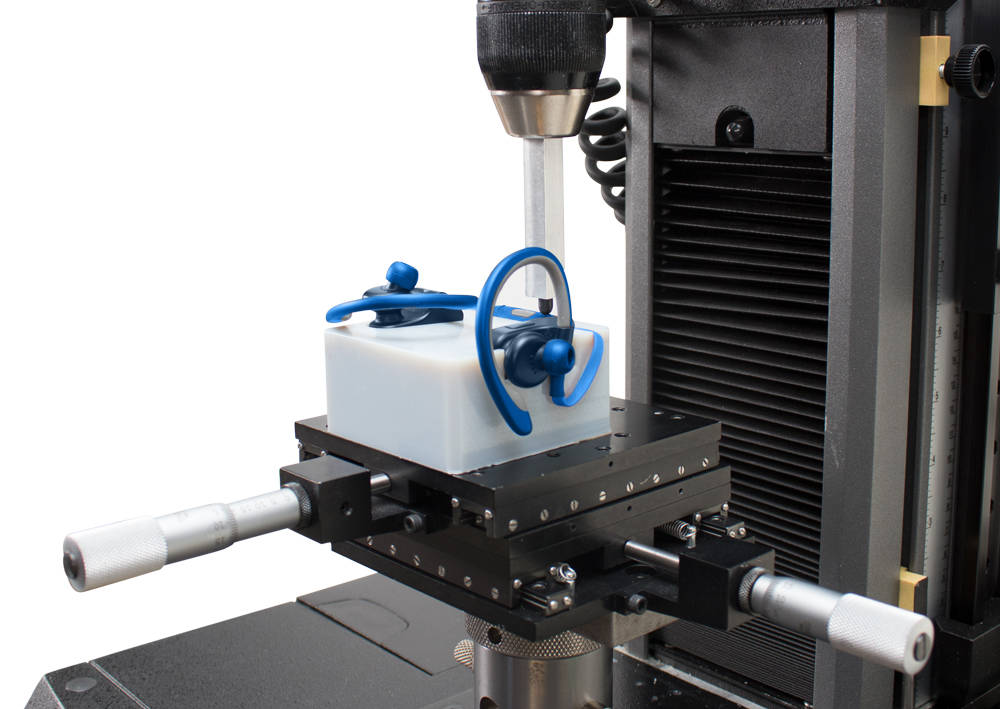
Headphones have evolved over the years, from wired over-the-ear style, to wired and wireless models that can control the volume of the audio device. This added variable of power and volume control at the headphones presents the need for mechanical testing to ensure a quality product and consumer usability. A defective power source or volume control can lead to an unusable product. This is where compression testing is important in defining the user specifications and inspection important to ensure a quality product is delivered.

Our Solution

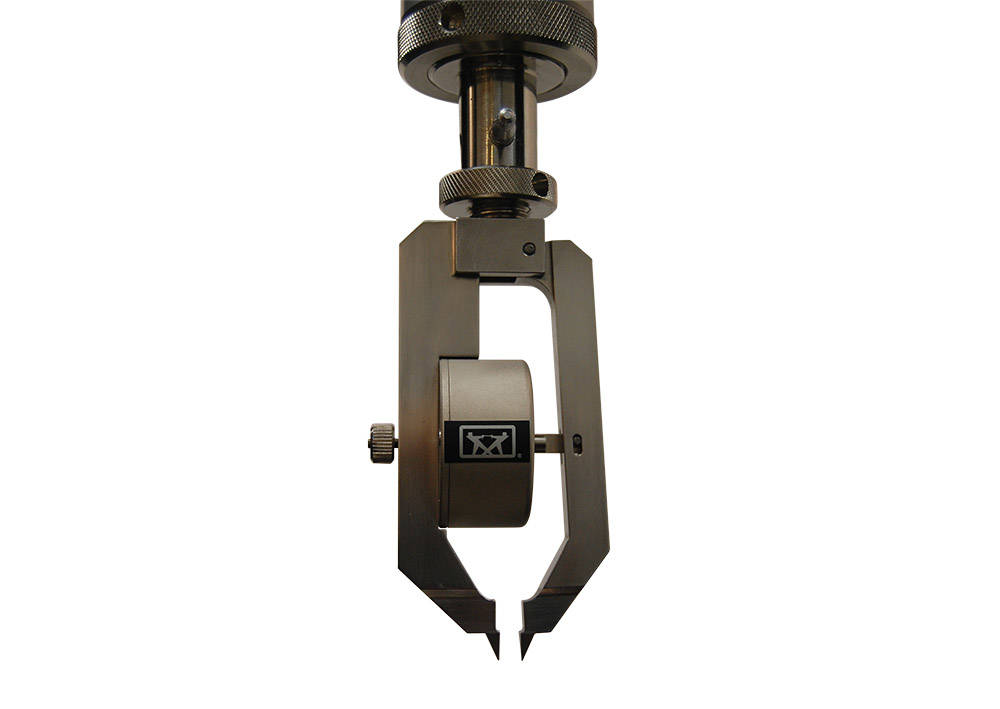
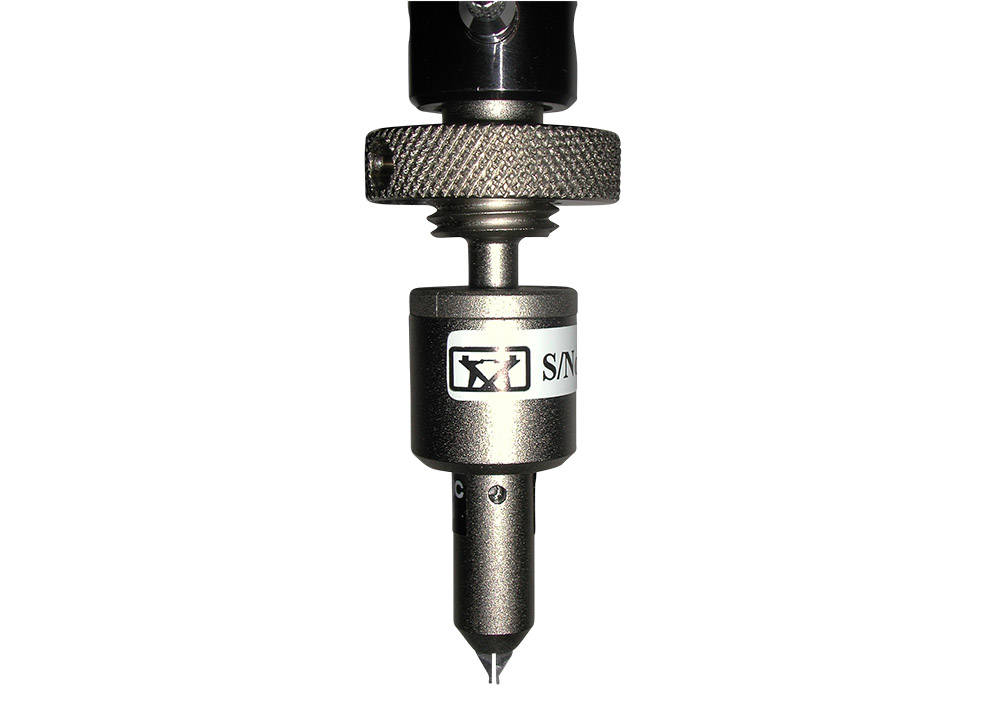
The 6800 Series single column electromechanical testing systems are designed for low-force testing. Various automated and manual XY stages are available that can move to test in the X-Y direction. Puncture probes with various radii offer button or touch testing to meet product specifications. Instron’s Bluehill® Universal software with the TestProfiler module allows ramp testing with holds to meet any test procedure requirements. This flexibility allows manufacturers to have varied design criteria, such as length of time a button is compressed, and at what force before a signal is engaged.
Tension Testing of Cables and Wires

Electronics

Tension Testing of Cables and Wires

The Challenge

Electrical cables and wires are core components of any electronic operating system. Wired accessories, such as headphones and charging cables, are essential components to the device and the user. Today’s automotive assemblies, especially in electric vehicles, have exponentially more electrical wires and cable harness components, which are used for transmitting power, signals to control engine operations, on-board diagnostics, dashboard controls, and more. As a result, it has become more important for OEMs to understand the reliability of cables and wires under different operation conditions. Damage to these components cause greater risk of product failure, especially in automobiles. Furthermore, assemblies of cable harnesses and wires can introduce risk of damage due to handling and packaging. Environmental effects can also impact the insulation of cables, which exposes the copper leads, or may result in functional failures.

Our Solution

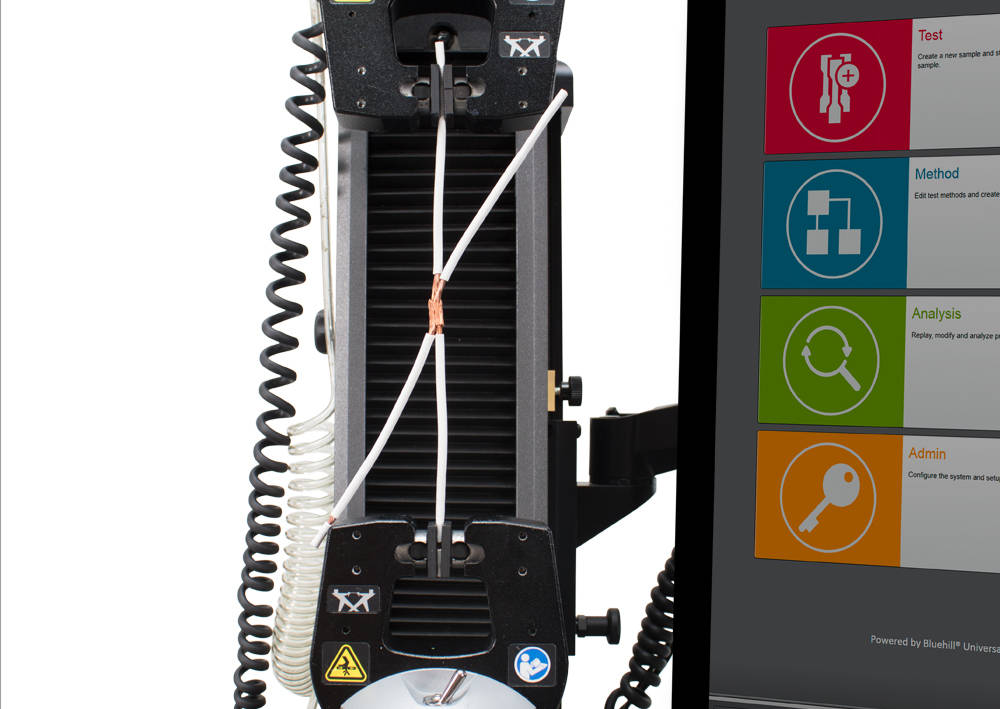
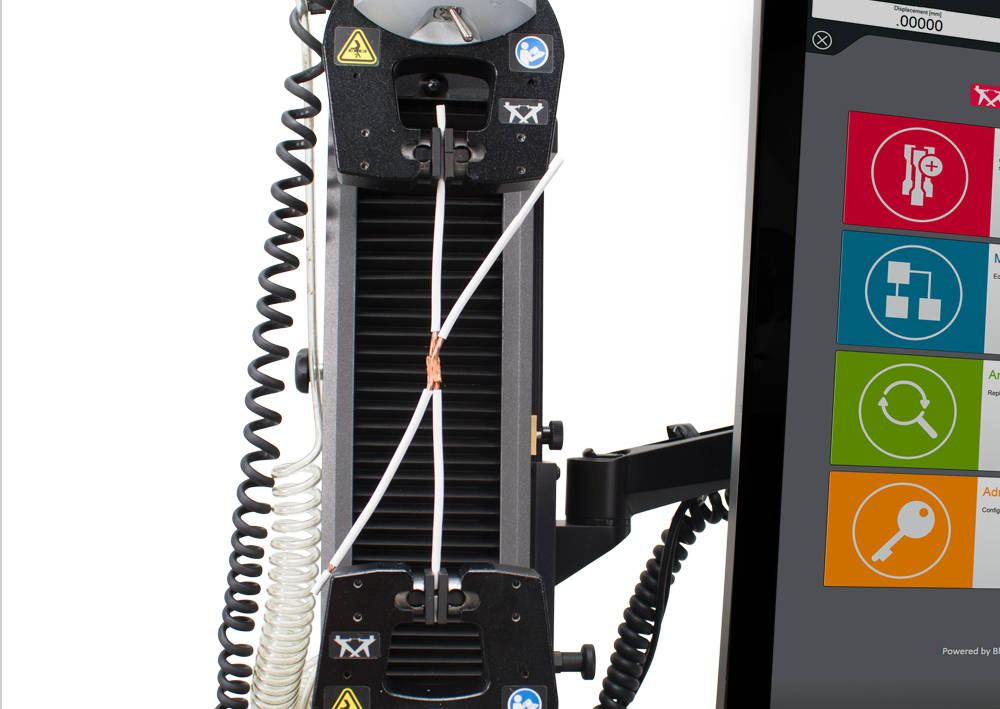
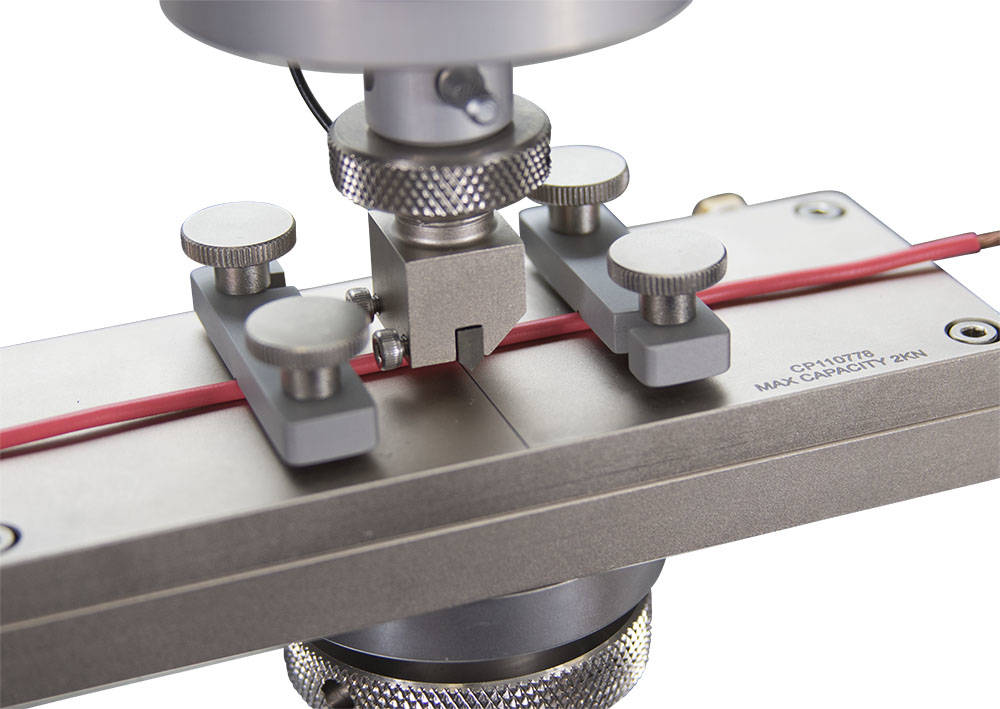
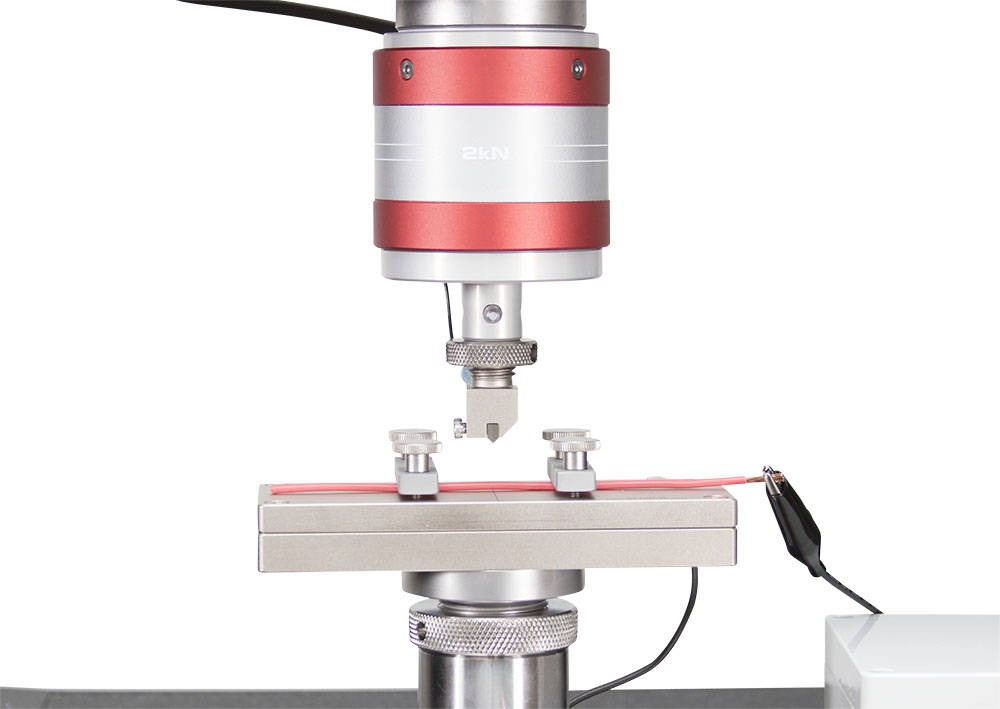
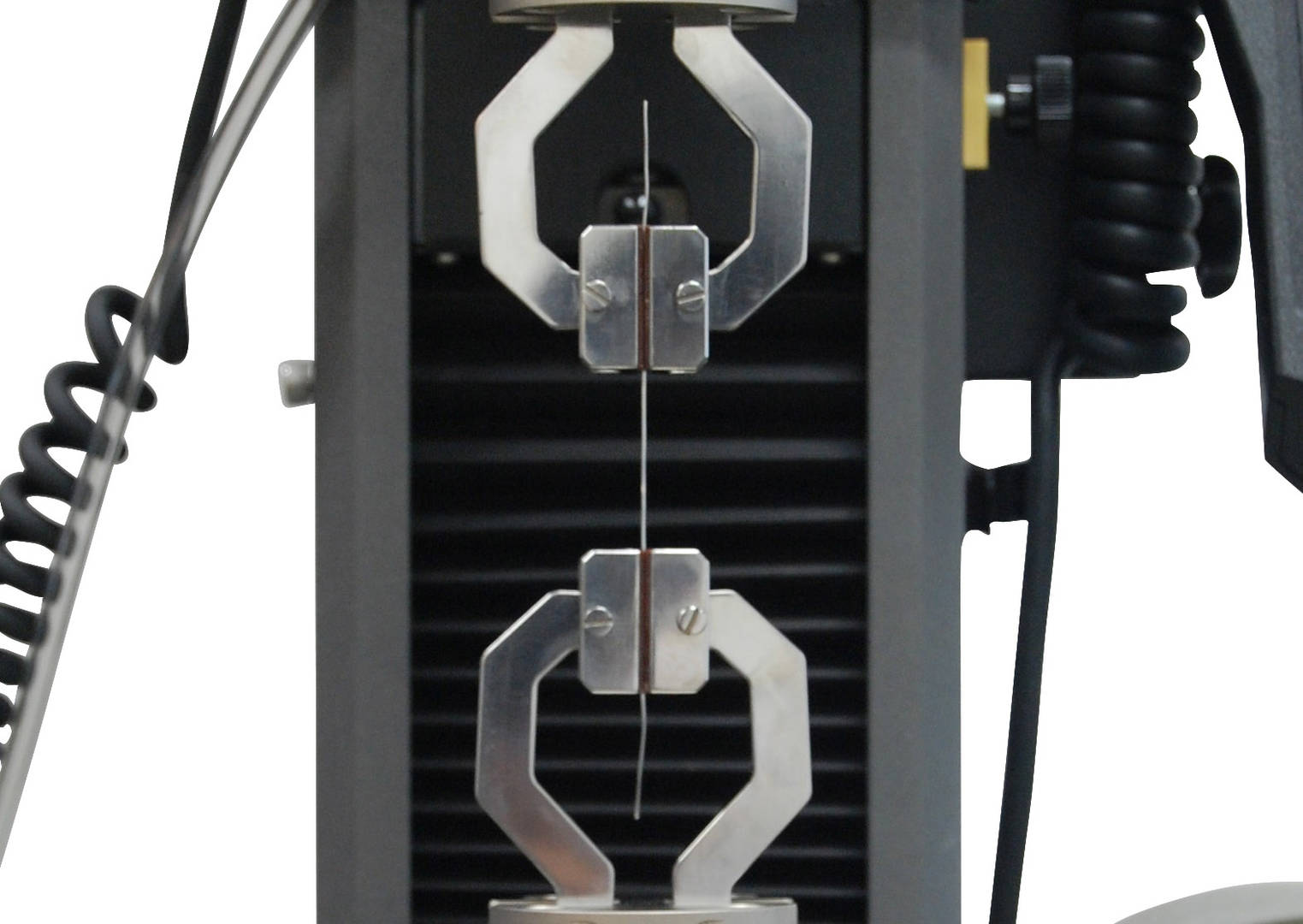
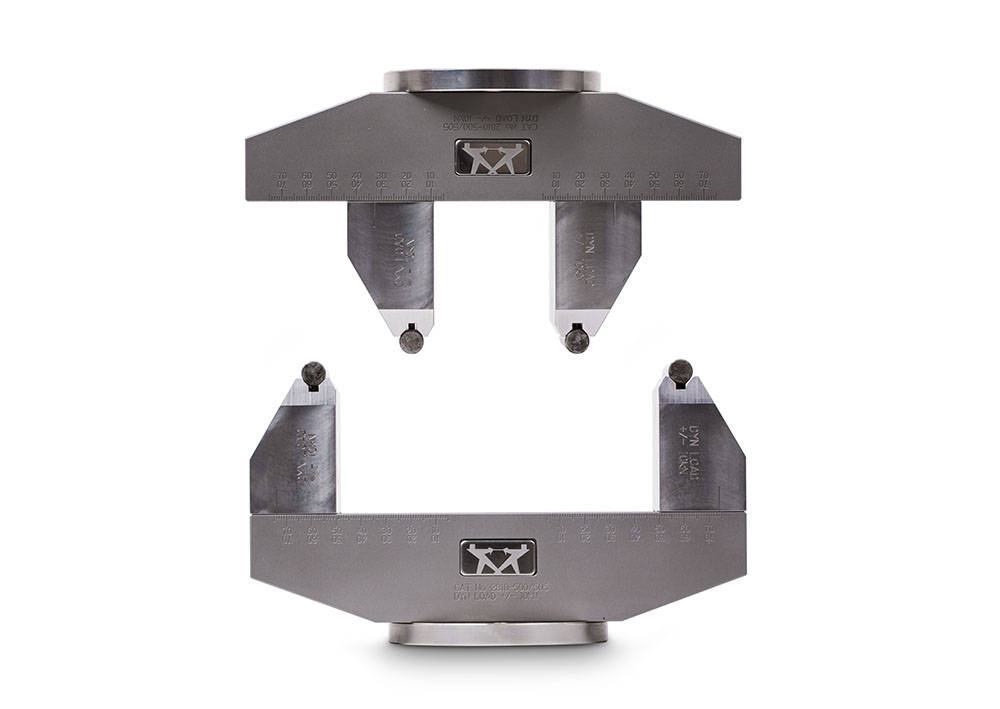
To address these challenges, tensile testing is one of the recommended mechanical test methods for reliability analysis of cables and wires. Instron® offers a wide variety of gripping solutions that are designed to clamp or hold cables of different sizes. Pneumatic grips are commonly recommended for holding wires and harnesses. Furthermore, environmental chambers are available and can be set up with Instron systems and Bluehill® Universal software. Features, such as pre-heat and pre-cool, are available to simulate operating conditions for testing. Extensometers can be used to measure strain and Young’s modulus. Results from Bluehill Universal software on tensile strength can provide OEMs data outlining the strength needed to break a cable. Instron’s Custom Solutions Group is dedicated to developing custom fixtures and accessories based on sample constraints and requirements.
Lead Frame and Wire Bond Pull Test

Electronics

Lead Frame and Wire Bond Pull Test

IPC TM-650 | ASTM F459-13

The Challenge

Lead frames used in various electronic packages, such as capacitors, resistors, and integrated circuits (IC), are used to provide electrical interconnection between the die and the substrate. Some components may have one or two leads, while other packages such as IC chips can have hundreds. These lead frames are bonded using solder paste materials. As part of reliability testing, it is critical to test the bond strength of the lead at the solder joint, allowing you to better understand where failure occurs. Tensile testing can reveal the benefits of using various materials, such as gold, copper, etc., when developing new lead frames and final assemblies. Some of the most common challenges in tensile testing of lead frames include accurate gripping, alignment of the package or components, gripping of printed circuit boards (PCBs), and determining the failure location with real-time data.

Our Solution

Instron® micro pneumatic grips are designed to hold the lead frames in an accurate position for the pull test. Other grips, such as wire pull hooks, are also available to align and hold the lead frame accurately. XY stages are designed to accurately mount and position any rigid or flexible printed circuit boards. These stages allow you to adjust the X and Y axis using a micrometer, as well as the angular position, theta, to enable easier gripping of micro components with a fine pitch assembly. The XY stages are available in a manual version, or you can fully automate the lead pull test with the motorized version, ensuring high accuracy and repeatability. The TestCam module for Bluehill® Universal is designed to shoot high-frame rate videos while tests are being conducted. The camera can be synced with the software to observe images and videos at various test points in real-time. Bluehill Universal software is designed for the user to add calculations and to plot various response curves, such as force vs. displacement and stress vs. strain, that are relevant to the application. In the lead tensile test, the software can be used to plot the force vs. displacement curve in order to identify the maximum load needed to break the lead frame from the solder joint.

Bend Testing of Cables and Wires

Electronics

Bend Testing of Cables and Wires

ASTM D790-17

The Challenge

Cables and wires, which are critical in any electrical driven system, are exposed to constant mechanical stresses. For example, in automobiles and aircrafts, electrical cables and wires are routed through different sleeves and inserted through panels as part of the assembly. As a result, it is critical to test the strength of wire insulation under different operating conditions, including high temperature, low temperature, high pressure, moisture, etc. Furthermore, OEMs are looking to characterize the strength of the insulation materials, along with the voltage and resistance measurement. This is critical to understand how mechanical load impacts the electrical performance of the cables and wires used.

Our Solution

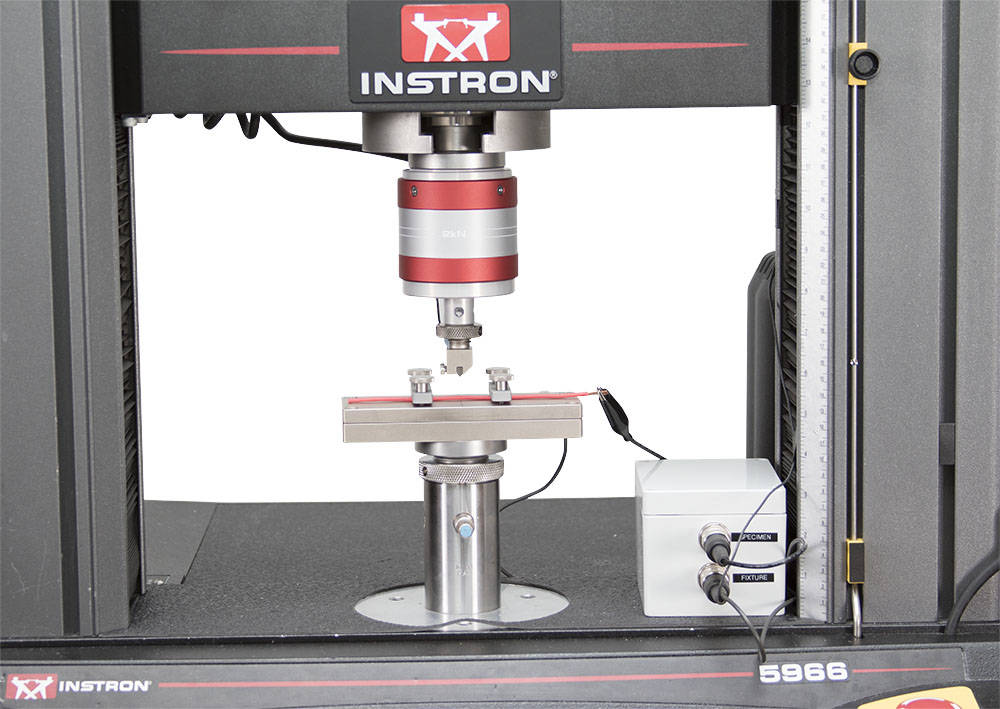
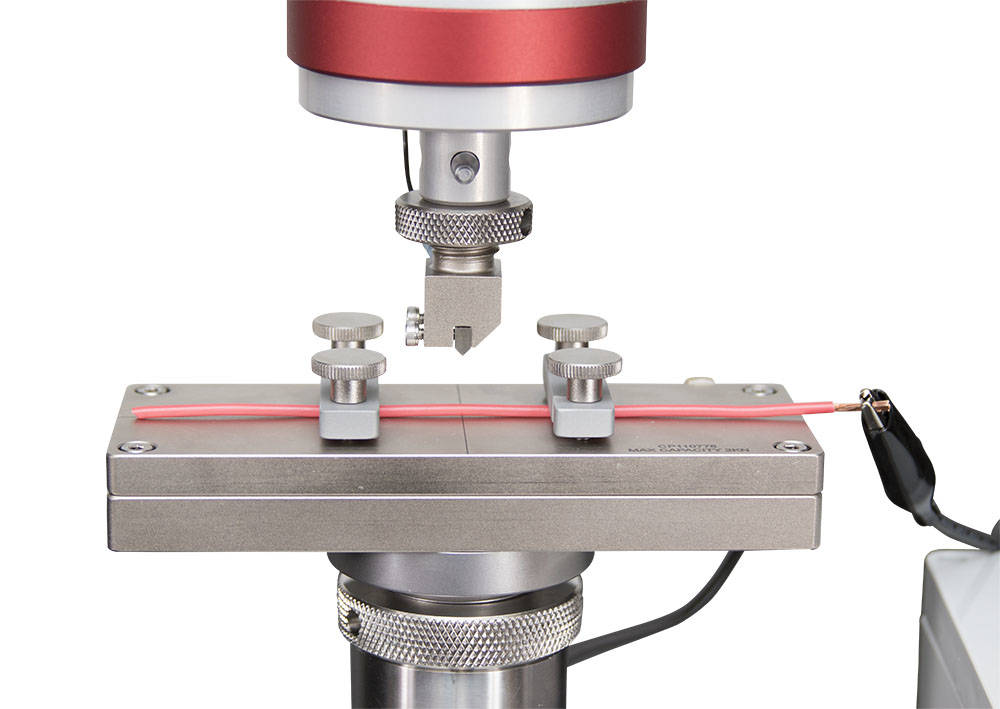
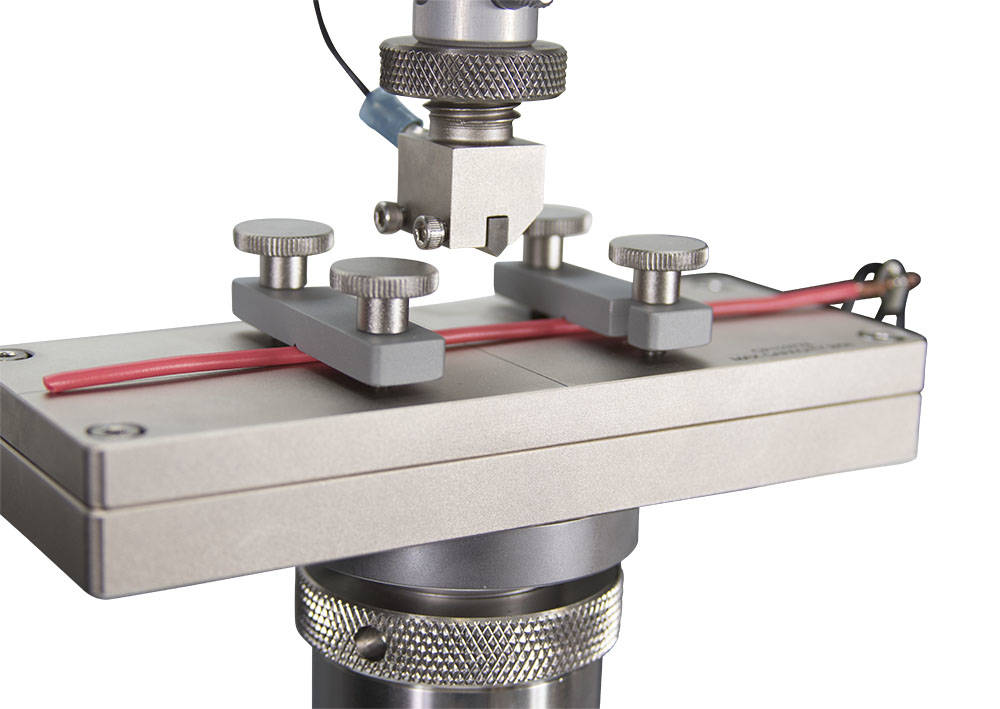
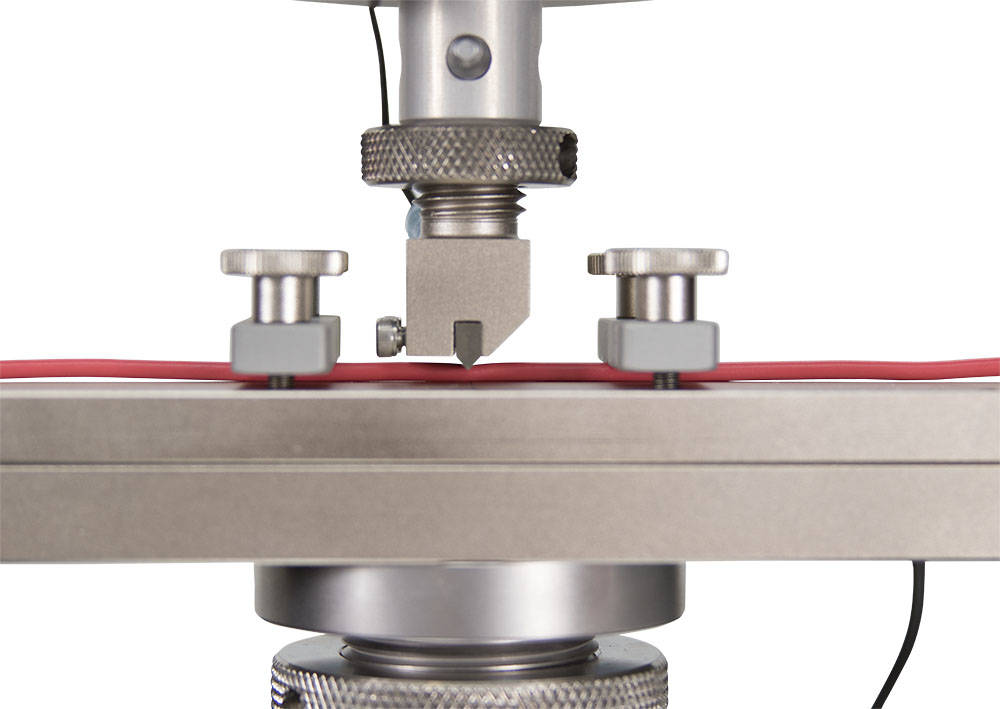
Instron’s 3-point and 4-point flexure fixtures are recommended to perform bend testing of cables and wires. Bluehill® Universal software is implemented to set-up quick and easy methods to run bend tests at certain end-of-test conditions. Furthermore, Instron custom fixtures are designed for specific applications, such as cutting of cables and wires, to understand the load at which the current or voltage is lost. In several other cases, manufacturers are also looking to measure the strength and flexural displacement of cables to understand the mechanical load insulation materials can sustain, and the maximum distance the cable harnesses can bend before break. To simulate environmental conditions, Instron offers environmental chambers to run at high and low temperature conditions.

Insert and Extract Testing on Devices

Electronics

Insert and Extract Testing on Devices

The Challenge

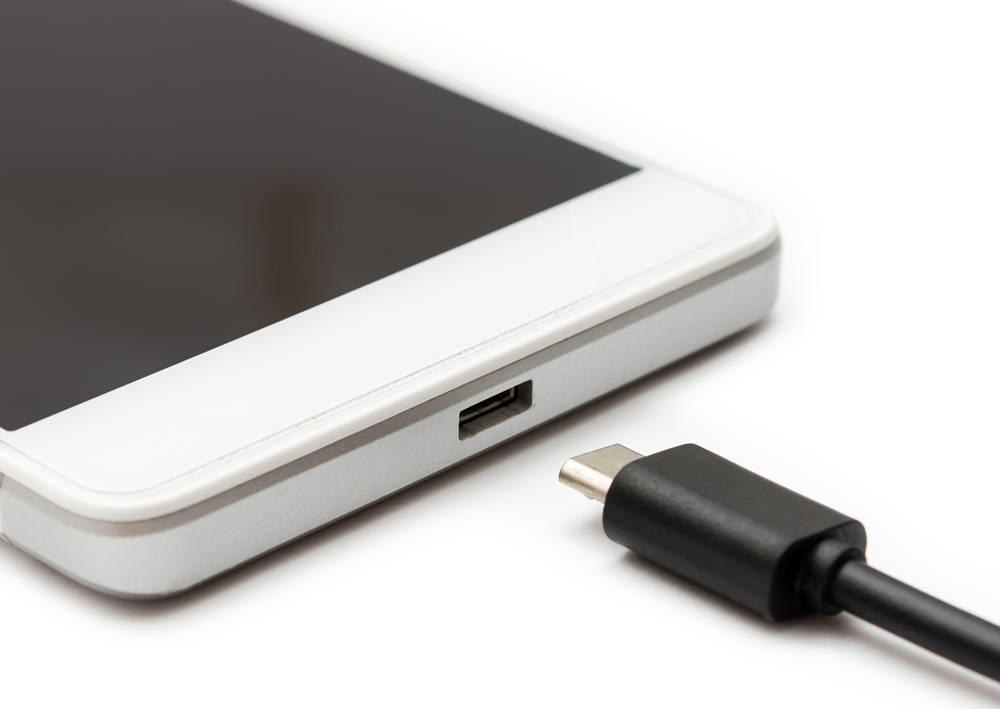
The charging port on mobile devices is arguably the device’s most critical component, as its function is to charge the battery of the device. Measurable and consistent forces for insertion and extraction of cables are required in order to simulate user interaction. Mechanical testing in compression is important to understand how much force is required to insert the cable and engage the electrical signal without damaging the device.

Our Solution

The 6800 Series single column electromechanical testing systems are designed for low-force testing. Adjustable and custom fixtures are available to test any size device in any orientation. These offerings include both manual and fully automated solutions. Manual setup is often used in research and development as tolerances are being designed and human forces are simulated. Automated solutions are often seen in production and quality environments to ensure forces are within the lower and upper boundaries as defined in the specifications.