ASTM D1894 and ISO 8295: Coefficient of Friction on Plastic Film

ASTM D1894 and ISO 8295: Coefficient of Friction on Plastic Film

ASTM D1894 and ISO 8295 are standardized test methods used for determining static (μ_s) and kinetic (μ_k) coefficients of friction of plastic film and sheeting. In order to ensure that plastic films perform as expected, the frictional properties of these films must be characterized and controlled.

This test requires the use of Instron's 2810-005 coefficient of friction fixture, which is specifically designed to meet the requirements of ASTM D1894 and ISO 8295. The film under test is secured on a flat surface, and a sled of known weight is wrapped in the same material. The motion of the crosshead drags the sled along the film being tested, and the force measured is used to determine the static and kinetic coefficients of friction.

Learn more about ASTM D1894.

More information about ISO 8295.

Related Video(s)

Righting and Moving an Instron Floor Model Universal Testing System

This video outlines the essential guidelines and best practices for moving your Instron floor model universal testing system.

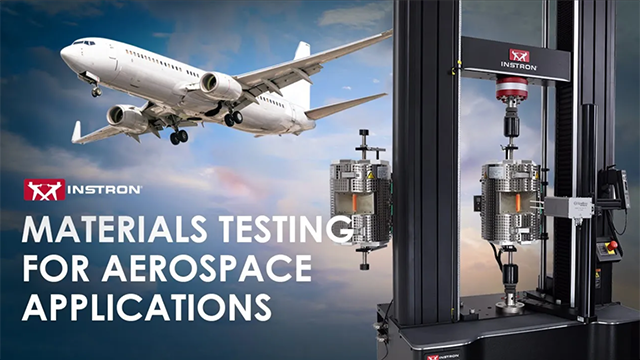
Materials Testing for Aerospace Applications

Watch how Instron supports the aerospace industry with precision testing systems, accredited calibration, and expert insight — backed by 80 years of experience.

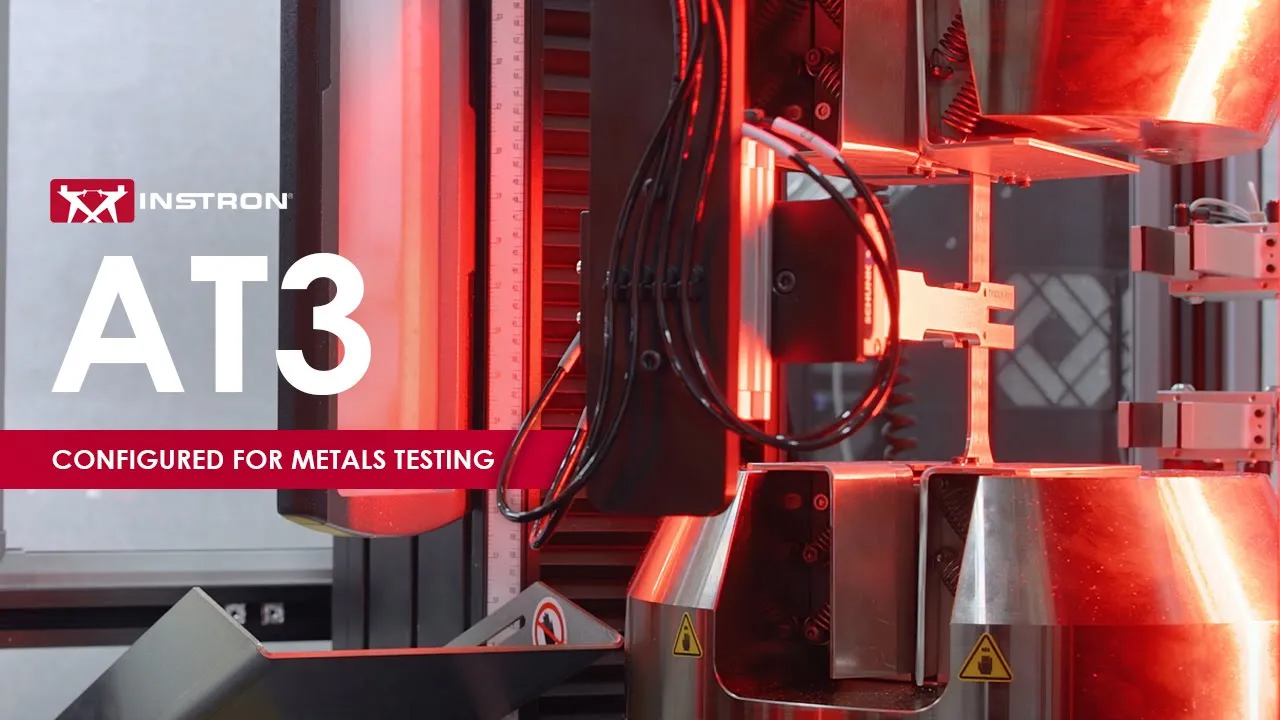
AT3 Automated Testing System: Configured for Metals Tensile Testing

The Instron AT3 Automated Testing System utilizes an innovative, adaptable design for testing a variety of materials including metals, rigid plastics, elastomers, rubber, thin film,...

ISO 80369: Mechanical Testing of Luer Connectors

ISO 80369 evaluates the functionality of small-bore connectors for liquids and gases in healthcare applications. These luer connectors ensure that medical products such as syringes...

AT6 Automated Testing System: Testing Plastics, Elastomers, and Thin Films

See an Instron AT6 automated testing system configured for tensile testing on a range of material types, including rigid plastics, elastomers, and thin films.

ASTM D695 / ISO 604: Compressive Properties of Rigid Plastics

ASTM D695 and ISO 604 can be performed on either a single-column or dual-column universal testing machine such as those from Instron’s 3400 and 6800...

MFi Series: The Importance of Deadweights

MFi Series: The Importance of Deadweights

Ever wondered why Instron stays committed to deadweights for melt flow indexers, even with ASTM updates? Explore the rationale behind our enduring choice.

Learn more about melt flow index testers.

Related Videos

Putting History to the Test at Kent State University

Putting History to the Test at Kent State University

Instron joins Dr. Metin Eren and Dr. Michelle Bebber from Kent State University's Experimental Archaeology Lab to discuss the important role their Instron universal testing system plays in their innovative research.

Related Videos

Extend Your Warranty Agreement

Instron Professional Services: Extended Warranty

Investing in an extended warranty agreement is a proactive measure to help protect and create a routine of regular maintenance and care for your new investment. Extended warranty agreements include all the benefits below to provide full security for your Instron® testing system:

Annual preventative maintenance visit

On-site repair visits, including parts, labor, and travel

Priority on-site response

Instron Connect

Extended warranty agreements are available on the 6800 and 3400 Series universal testing systems.

Related Videos

Automated Carousel Testing System

ASTM D1894 and ISO 8295: Coefficient of Friction on Plastic Film

The Instron® Automated Carousel Testing System utilizes an innovative, adaptable design for testing of medical vials, cartridges, and pre-filled syringes. The small footprint allows it to be placed on standard lab benches, adding automation to even the smallest labs. It is designed with easy-wipe-down surfaces and stainless steel covers for biomedical environments. The system is commonly configured to automate testing of residual seal force (RSF) and compression testing.

Related Videos

WaveMatrix3: How to Easily Set Up Stress Channel Control Tests

ASTM D1894 and ISO 8295: Coefficient of Friction on Plastic Film

ASTM D1894 and ISO 8295 are standardized test methods used for determining static (μ_s) and kinetic (μ_k) coefficients of friction of plastic film and sheeting. In order to ensure that plastic films perform as expected, the frictional properties of these films must be characterized and controlled.

Related Videos

Teams in Bluehill Central

ASTM D1894 and ISO 8295: Coefficient of Friction on Plastic Film

ASTM D1894 and ISO 8295 are standardized test methods used for determining static (μ_s) and kinetic (μ_k) coefficients of friction of plastic film and sheeting. In order to ensure that plastic films perform as expected, the frictional properties of these films must be characterized and controlled.

Related Videos

Tensile Grip Guide

Tensile Grip Guide » Page 5

ASTM D1894 and ISO 8295: Coefficient of Friction on Plastic Film

ASTM D1894 and ISO 8295 are standardized test methods used for determining static (μ_s) and kinetic (μ_k) coefficients of friction of plastic film and sheeting. In order to ensure that plastic films perform as expected, the frictional properties of these films must be characterized and controlled.

The Instron® Automated Carousel Testing System utilizes an innovative, adaptable design for testing of medical vials, cartridges, and pre-filled syringes. The small footprint allows it to be placed on standard lab benches, adding automation to even the smallest labs. It is designed with easy-wipe-down surfaces and stainless steel covers for biomedical environments. The system is commonly configured to automate testing of residual seal force (RSF) and compression testing.

Related Videos

Testing Insulin Delivery Devices

ASTM D1894 and ISO 8295: Coefficient of Friction on Plastic Film

ASTM D1894 and ISO 8295 are standardized test methods used for determining static (μ_s) and kinetic (μ_k) coefficients of friction of plastic film and sheeting. In order to ensure that plastic films perform as expected, the frictional properties of these films must be characterized and controlled.

The Instron® Automated Carousel Testing System utilizes an innovative, adaptable design for testing of medical vials, cartridges, and pre-filled syringes. The small footprint allows it to be placed on standard lab benches, adding automation to even the smallest labs. It is designed with easy-wipe-down surfaces and stainless steel covers for biomedical environments. The system is commonly configured to automate testing of residual seal force (RSF) and compression testing.

Related Videos

WaveMatrix3: How to Rapidly Manipulate Datasets to Regenerate Graphs

ASTM D1894 and ISO 8295: Coefficient of Friction on Plastic Film

ASTM D1894 and ISO 8295 are standardized test methods used for determining static (μ_s) and kinetic (μ_k) coefficients of friction of plastic film and sheeting. In order to ensure that plastic films perform as expected, the frictional properties of these films must be characterized and controlled.

The Instron® Automated Carousel Testing System utilizes an innovative, adaptable design for testing of medical vials, cartridges, and pre-filled syringes. The small footprint allows it to be placed on standard lab benches, adding automation to even the smallest labs. It is designed with easy-wipe-down surfaces and stainless steel covers for biomedical environments. The system is commonly configured to automate testing of residual seal force (RSF) and compression testing.

Related Videos

What is Tensile Testing?

What is Tensile Testing?

Tensile testing is a key part of basic materials characterization. This video discusses the equipment used when performing a tension test and explains why this testing is important.

About Instron: The Leading Force in Mechanical Testing

ASTM D1894 and ISO 8295: Coefficient of Friction on Plastic Film

ASTM D1894 and ISO 8295 are standardized test methods used for determining static (μ_s) and kinetic (μ_k) coefficients of friction of plastic film and sheeting. In order to ensure that plastic films perform as expected, the frictional properties of these films must be characterized and controlled.

The Instron® Automated Carousel Testing System utilizes an innovative, adaptable design for testing of medical vials, cartridges, and pre-filled syringes. The small footprint allows it to be placed on standard lab benches, adding automation to even the smallest labs. It is designed with easy-wipe-down surfaces and stainless steel covers for biomedical environments. The system is commonly configured to automate testing of residual seal force (RSF) and compression testing.

AT6 Automated Testing System: Dual-Frame Configuration for Metals Tensile Testing

Designed for precision and repeatability, the AT6 Automated Testing System automates the full testing workflow from specimen measurement to data collection.

Instron 2810-40X Series Flexure Fixture

See everything included with the 2810-40X Series flexure fixture, and learn how to install it on your Instron universal testing machine.

Preventing Specimen Slippage: Quick Tips for Testing

This video offers practical guidance to help reduce specimen slippage and improve the overall quality and consistency of your test results.

Level Up Your Materials Testing Data Integrity With Test Setup Essentials

Watch this webinar to learn 10 best practices for standardizing testing, eliminating human variability, and ensuring reliable data with Bluehill Universal software.

2716 Series Mechanical Wedge Action Grips

This video shows what's included with the 2716 Series mechanical wedge action grips and explains how to install them on your Instron universal testing machine.

2712-04x Series Pneumatic Side Action Grips

This video looks at everything included with the Instron 2712-04x Series pneumatic side action grips and demonstrates the correct installation procedure.