Resources » Videos » ASTM D1894 and ISO 8295: Coefficient of Friction on Plastic Film

ASTM D1894 and ISO 8295: Coefficient of Friction on Plastic Film

ASTM D1894 and ISO 8295 are standardized test methods used for determining static (μ_s) and kinetic (μ_k) coefficients of friction of plastic film and sheeting. In order to ensure that plastic films perform as expected, the frictional properties of these films must be characterized and controlled.

This test requires the use of Instron's 2810-005 coefficient of friction fixture, which is specifically designed to meet the requirements of ASTM D1894 and ISO 8295. The film under test is secured on a flat surface, and a sled of known weight is wrapped in the same material. The motion of the crosshead drags the sled along the film being tested, and the force measured is used to determine the static and kinetic coefficients of friction.

Learn more about ASTM D1894.

More information about ISO 8295.
Related Video(s)

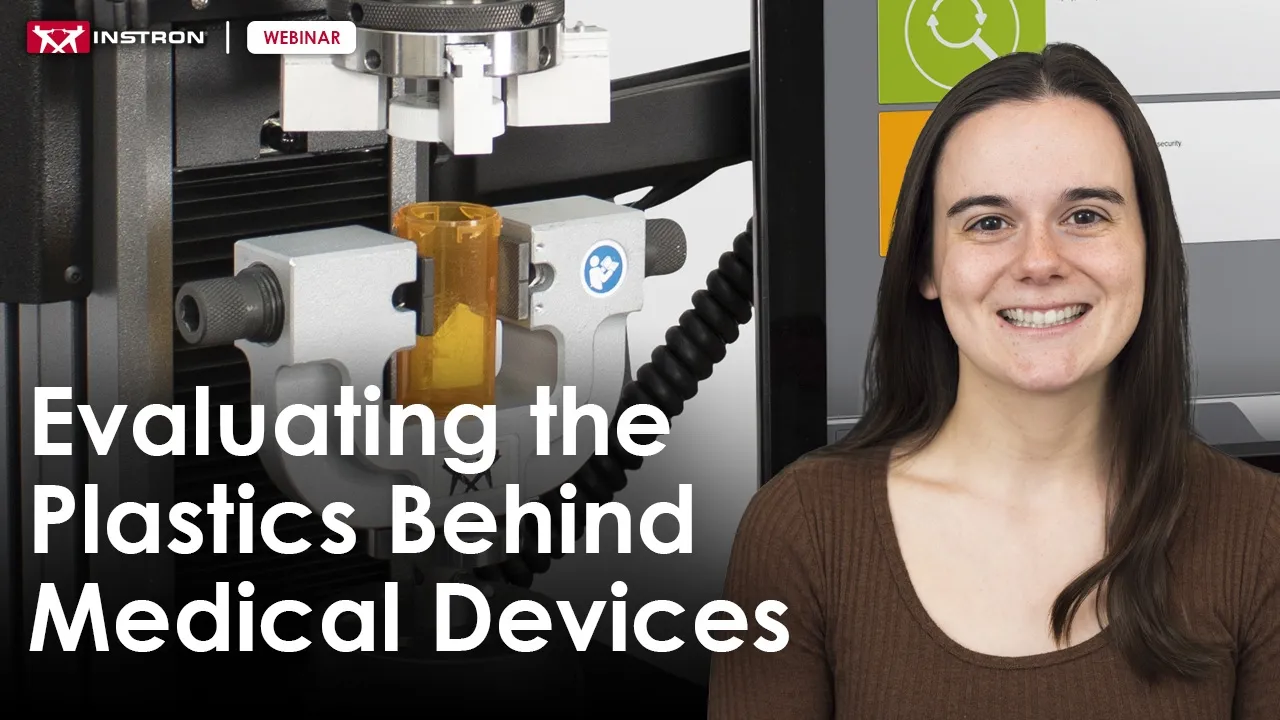
Mechanical Testing of Medical Device Plastics Webinar

Plastics in biomedical applications are rarely tested as standard dog bones. In this webinar, Biomedical Product Specialist Sam Havel covers how to test packaging, components,…

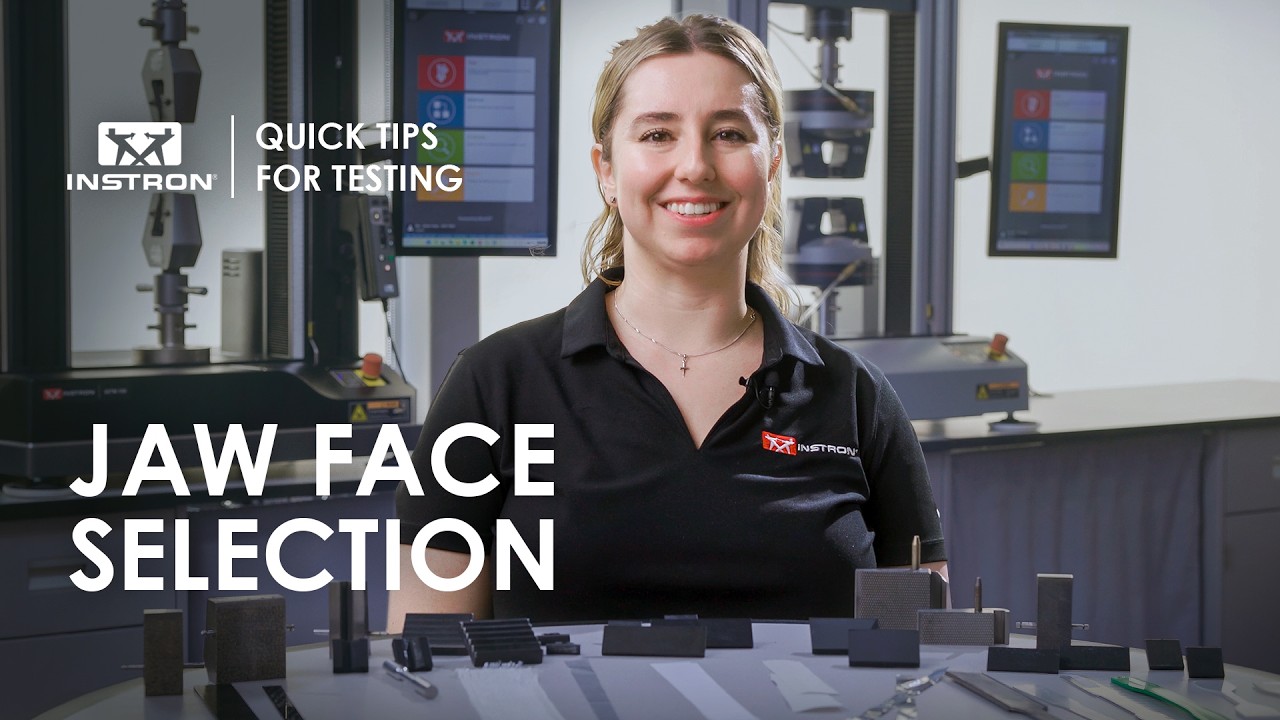
Jaw Face Selection

Learn how to select the best jaw face type for your material when using side-acting grips and manual wedge grips on testing systems up to…

A Beginner’s Guide to TestProfiler Webinar

Webinar: An introduction to Bluehill Universal’s TestProfiler module for building custom test sequences with ramps, holds, and cycles. Learn the basics, explore events and actions,…

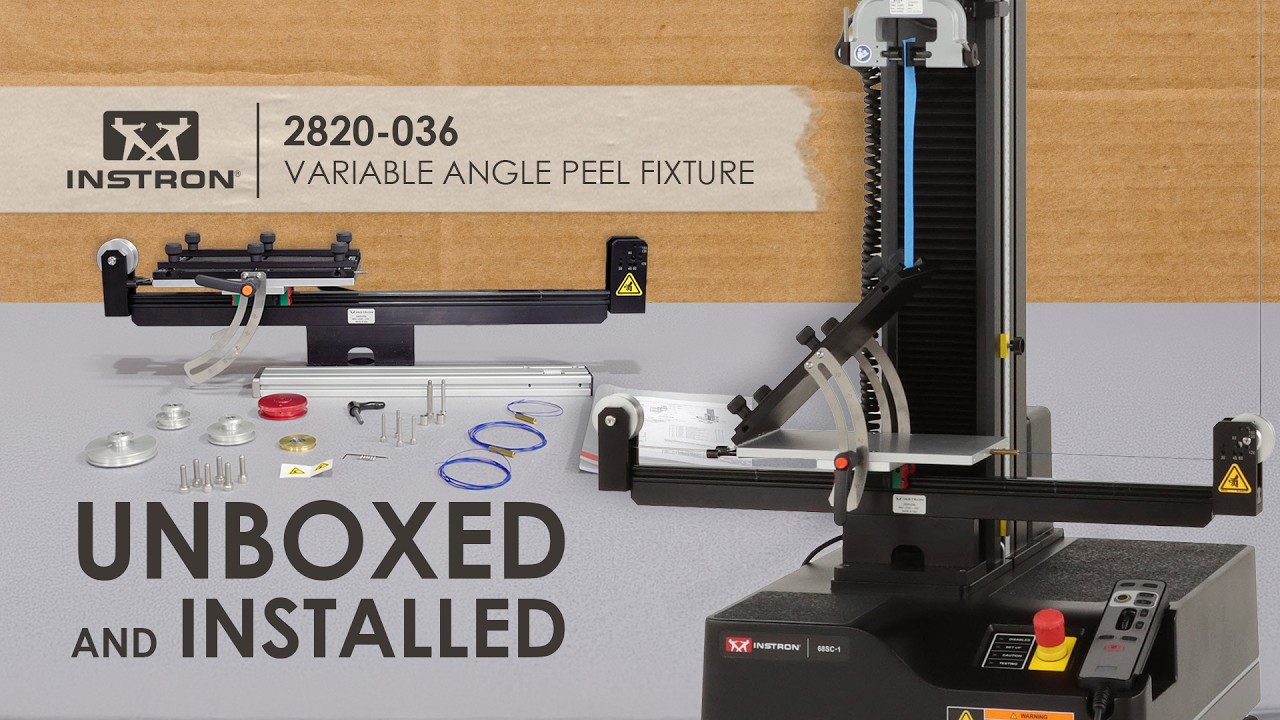
2820-036 Variable Angle Peel Fixture

See everything that’s included with the 2820-036 Variable Angle Peel Fixture and learn the correct procedure for installation.

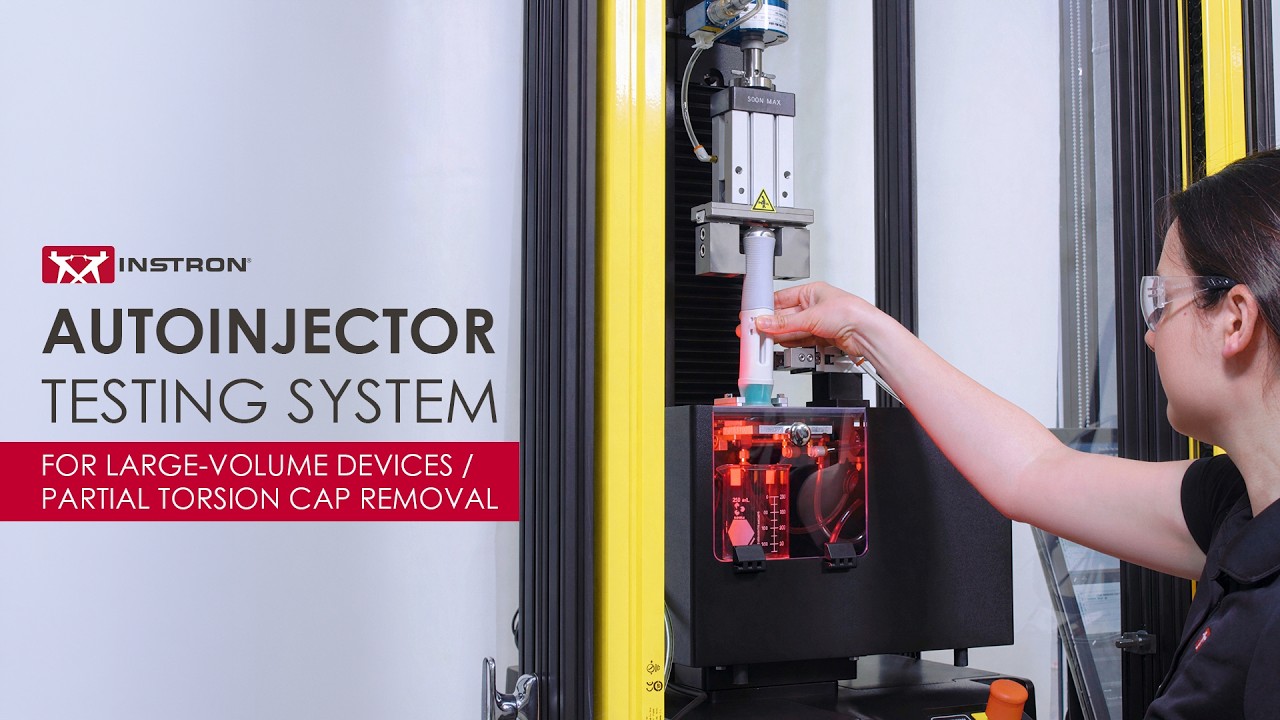
Large-Volume Autoinjector Testing and Partial Torsion Cap Removal

The Autoinjector Testing System for Large-Volume Devices is designed to evaluate the performance, functionality, and usability of large-volume autoinjectors (3+ mL).

Setting Spherically Seated Platens

Learn how to properly set up and use spherically seated compression platens to improve compression test accuracy. We demonstrate two common setup methods.