

Jaw Face Selection
Quick Tips for Testing
Choosing the right jaw faces for tensile testing is essential for achieving accurate, repeatable results and preventing specimen slippage or damage. In this Quick Tips video, you'll learn how to select the best jaw face type for your material when using side-acting grips and manual wedge grips on testing systems up to 150 kN.
In this video, we'll cover:
- Serrated jaw faces for metals, plastics, composites, and elastomers
- Rubber-coated jaw faces for delicate materials, thin films, and textiles
- Smooth jaw faces for paper and other thin specimens
- Line-contact jaw faces for extremely delicate materials and thin films
- Wave-profile jaw faces for engineered and coated textiles
- Vee-serrated jaw faces for round specimens
- How to choose between 16 TPI and 25 TPI wedge grip faces
- Surfalloy jaw faces for fragile composite specimens
- Best practices for reducing specimen slippage and grip-induced failures
- Proper jaw face engagement for reliable tensile test results
Whether you're testing metals, plastics, composites, textiles, elastomers, paper, films, wire, or round specimens, understanding jaw face selection can help improve test accuracy, specimen retention, and overall confidence in your results.
Related Videos
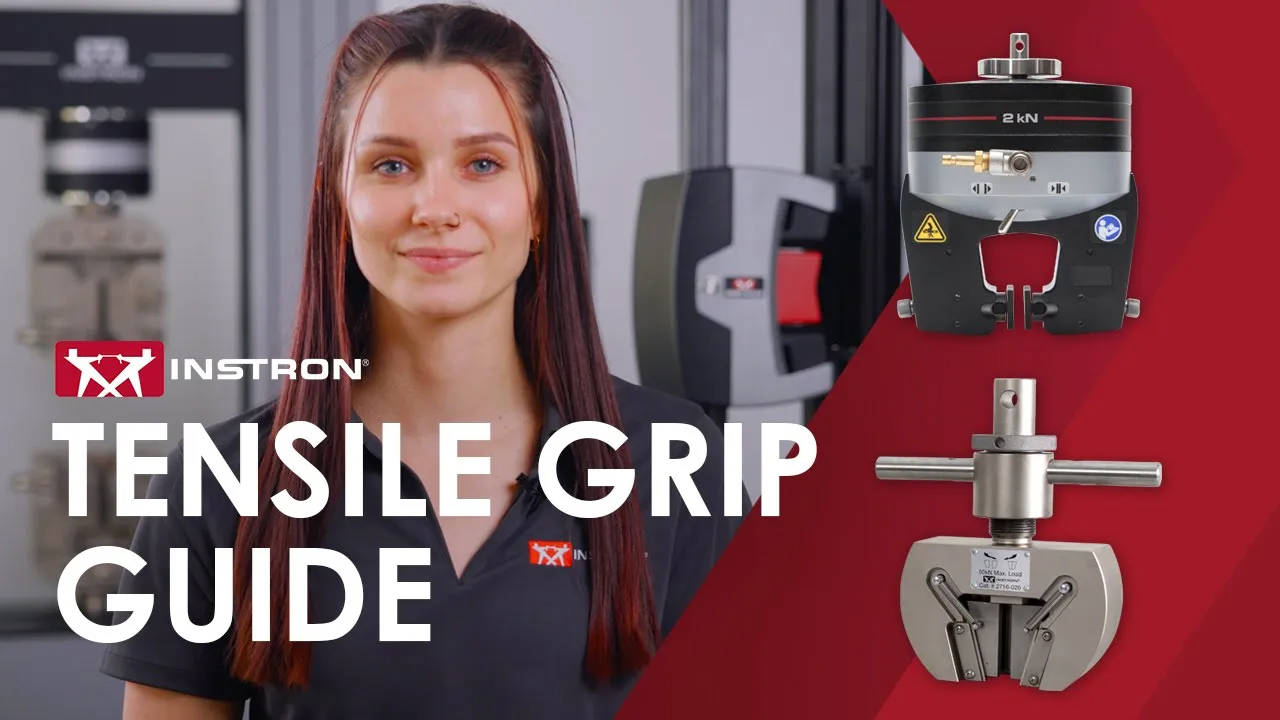
Learn about key differentiators between the major tensile grip types, including manual versus powered and side action versus wedge. We cover how they work and their suitability in various testing scenarios.
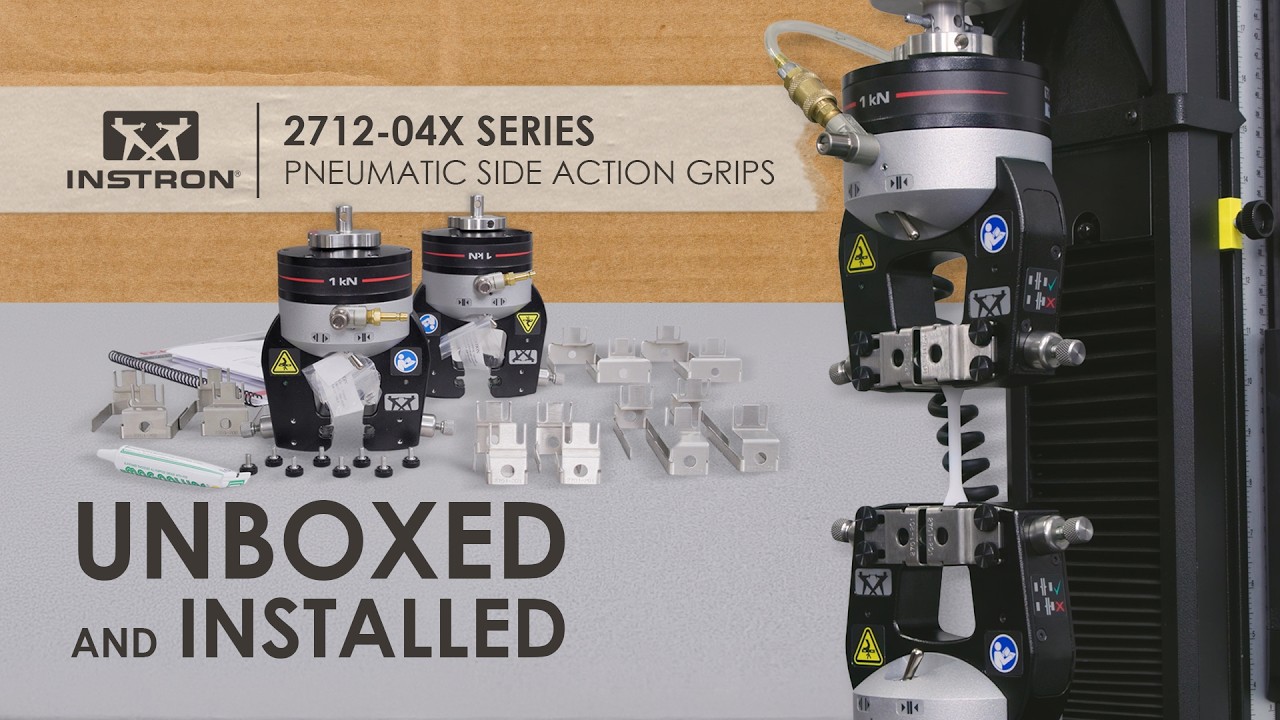
This video looks at everything included with the Instron 2712-04x Series pneumatic side action grips and demonstrates the correct installation procedure.
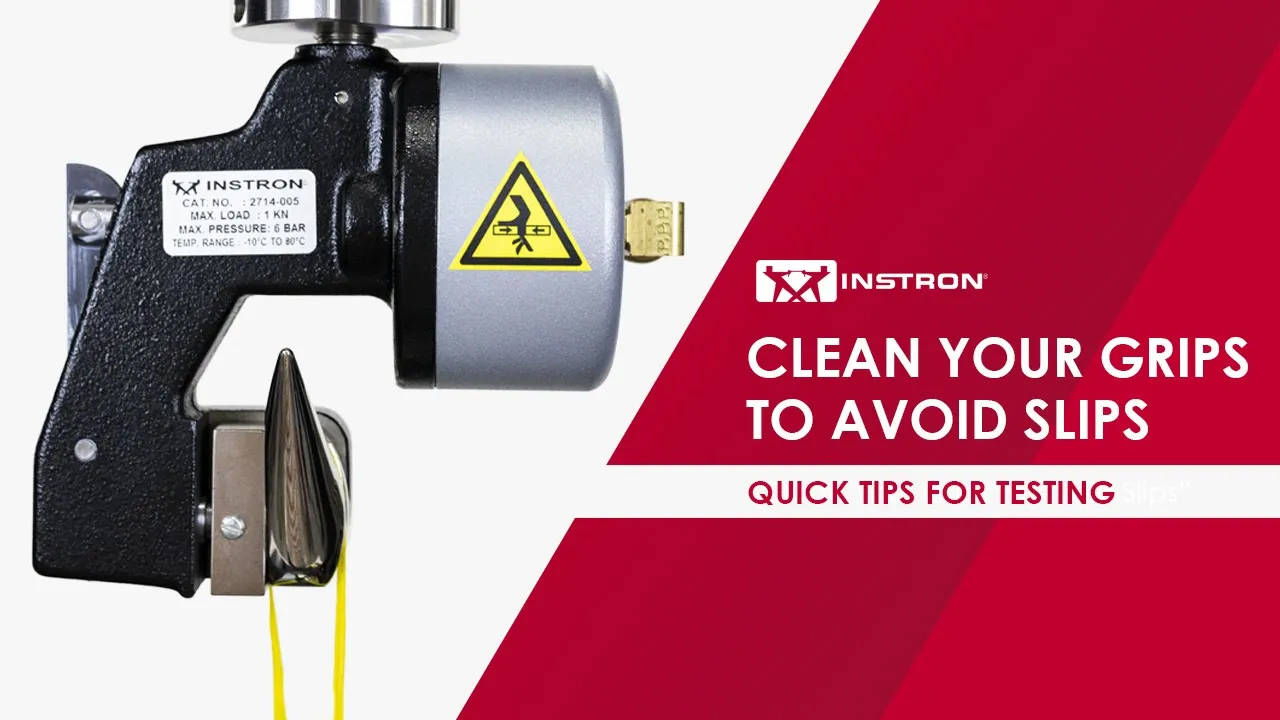
This video discusses the importance of regularly cleaning your grips to avoid specimen slippage and ensure accurate test results. Proper cleaning will ensure your grips are free of oil, residue, and debris and will increase frictional contact with your specimens.