Ensaios de tração de plásticos em condições não ambientais

Automotive » Engine

Ensaios de tração de plásticos em condições não ambientais

Manutenção da temperatura do corpo de prova

Ao trabalhar em P&D automotivo, é importante ter consciência de como diversos materiais agem à temperatura ambiente, bem como à temperatura normal de operação. Muitos fabricantes de equipamentos originais possuem requisitos de temperatura exclusivos que todos os componentes precisam atingir — por exemplo, de -30 °C a +80 °C. No entanto, os componentes do motor e da transmissão tornam-se consideravelmente mais quentes. É extremamente importante submeter o material a essas temperaturas durante os ensaios para compreender seu desempenho.

O DESAFIO
Interior do veículo

Para determinar o desempenho do material em altas temperaturas, é fundamental que a temperatura do material seja cuidadosamente controlada na temperatura exigida.

NOSSA SOLUÇÃO
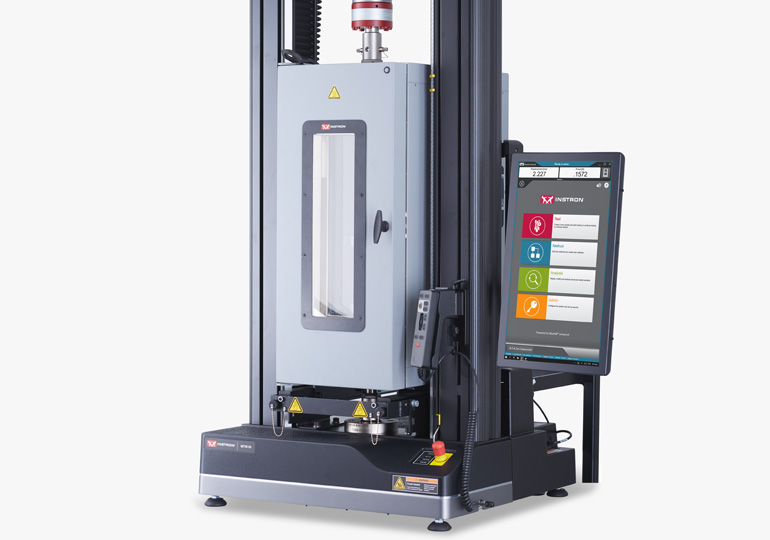
Câmara de ensaio ambiental

As câmaras ambientais da série 3119-600 da Instron podem controlar com precisão a temperatura de -150 °C até +600 °C (-240 °F a +1110 °F), tornando-as adequadas para materiais de todos os tipos dentro do compartimento do motor. Suportes de montagem de roletes opcionais facilitam a movimentação da câmara para dentro e para fora do espaço de ensaio para alternar rapidamente entre ensaios ambientais e não ambientais. O tempo de estabilização da temperatura pode ser configurado automaticamente no Bluehill® Universal e, uma vez concluído, o ensaio será iniciado. Alternativamente, utilizando o TestProfiler, é possível ter diferentes temperaturas sob diferentes condições de carregamento durante o mesmo ensaio.

Medição de deformação em condições não ambientais

O DESAFIO

Corpos de prova de plástico tipo haltere

Ao realizar ensaios dentro de uma câmara ambiental, calcular o módulo de plásticos com um extensômetro clip-on tradicional pode ser um desafio. Quando o extensômetro precisa ser removido durante um ensaio, a porta da câmara deve ser aberta. Isso pode resultar em uma oscilação de temperatura no meio do ensaio, à medida que o ar ambiente invade a câmara.

NOSSA SOLUÇÃO
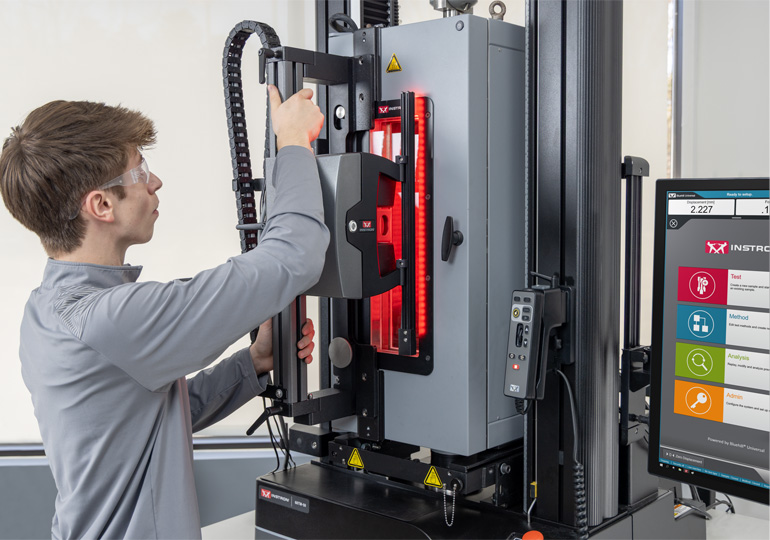
AVE3 montado na câmara

O Extensômetro de Vídeo Avançado AVE3 foi projetado para trabalhar através do vidro de qualidade óptica na parte frontal das câmaras ambientais da série 3119-600. O AVE3 é um extensômetro de vídeo sem contato e pode medir a deformação até a ruptura, eliminando a necessidade de abrir a porta da câmara durante o ensaio, aumentando a segurança do operador e permitindo uma medição precisa da deformação durante todo o ensaio.
Saiba mais sobre as soluções de ensaios automotivos da Instron

Teste de fadiga de combustão interna

Automotive » Engine

Teste de fadiga de combustão interna

O DESAFIO

simulação de combustão interna

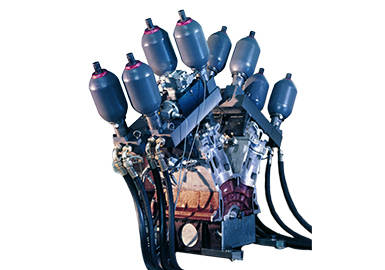
Pulsos de gás de alta pressão dentro da câmara de combustão introduzem altas cargas no bloco do motor, pistões e bielas. Para acelerar o processo de desenvolvimento, os pulsos de pressão do cilindro registrados podem ser reproduzidos em laboratório usando o controle de pressão hidráulica.

NOSSA SOLUÇÃO

simulação de combustão interna

As unidades de controle de pressão Hydropuls® da Instron permitem a simulação de cargas de pressão alternadas dentro da câmara de combustão. Esses sistemas de teste de pressão dinâmica podem ser usados para avaliar a vida útil de fadiga de vários componentes, incluindo o bloco do motor, pistão, pino do êmbolo, biela, cabeçote e junta.

Saiba mais sobre nossas soluções automotivas

Crankshaft Torsional Fatigue Testing

Automotive » Engine

Crankshaft Torsional Fatigue Testing

THE CHALLENGE

crankshaft

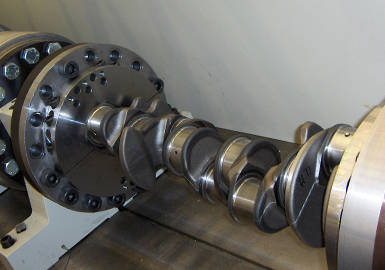
Crankshafts convert the forces generated within the cylinder during combustion into torque. During this process, crankshafts are exposed to severe cyclic fatigue loads and the design must be optimized to deliver the required service life. Fatigue testing is therefore essential to validate the design and manufacturing process for these key components.

our Solution

crankshaft

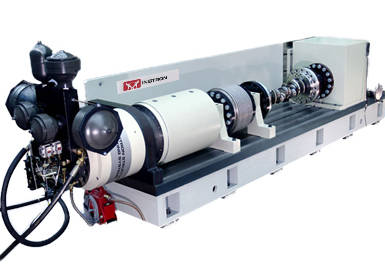
Torsional fatigue testing of the crankshafts of passenger cars and commercial vehicles can be conducted efficiently and reliably with Hydropuls® rotary actuators. Accelerated testing by running at the crankshaft torsional resonant frequency is also possible.
To cover a wide spectrum of test scenarios we offer a variety of rotary actuators with different capacities. We also offer numerous accessories for compensating eccentricity, misalignment, or shortening of specimens under load. Climatic chambers for simulating environmental conditions and temperature are also available.

Non-ambient Metals Tensile Testing

Automotive » Engine

Non-ambient Metals Tensile Testing

When working in automotive R&D, awareness of how various materials act at ambient temperature as well as normal operating temperature is important. Many original equipment manufactures have unique temperature requirements that all components need to achieve, for example: -30oC to 80oC. However, engine and transmission components get considerably hotter. It is extremely important to subject the material to these temperatures during testing to understand their performance.

Maintaining Specimen Temperature

THE CHALLENGE

In order to determine the material's performance at high temperatures, it is critical that the temperature of the material is carefully controlled when the desired temperature is reached. For auxiliary parts or components, the temperature requirement will not be as high when compared to the material within the engine block, which will be considerably hotter and can be closer to the melting point of the material which could cause failure.

THE Solution

Environmental Chamber

3119-600 Series environmental chambers can accurately control the temperature from -150oC up to 600oC (-240°F to 1110°F) making them suitable for all types of materials within the engine and transmission assemblies. Alternatively, the 1200°C (2200°F) Model SF-16 three-zone resistance furnaces have a split construction design that facilitates fast and easy loading of a pre-assembled load string. Adjustable stainless steel latches keep the furnace halves locked together during use, but are then easily opened once testing is complete. The temperature soak time can be automatically set in Bluehill® Universal and once complete the test will start.  Alternatively, utilizing TestProfiler you can have different temperatures under different loading conditions during the same test.

Strain Measurement at High Temperature

THE CHALLENGE

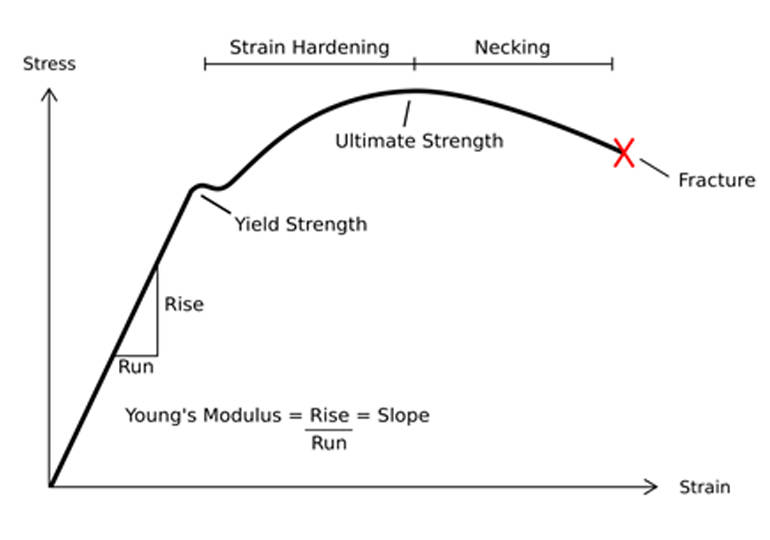
The complete stress-strain curve is important because it shows not only the maximum stress and strain a material can handle, but also important properties such as stiffness and yield (where the material becomes completely deformed), and ultimately, how the material will behave in use. Therefore, it is critical to determine the strain during high-temperature testing.

THE solution

There are several choices for extensometry, depending on your requirements and the type of furnace that you have. If the furnace has a port in the side, then a side entry extensometer can be used, these typically have long ceramic arms with the body of the extensometer outside of the temperature. Alternatively, if it is a closed type furnace, a vertical mechanical extensometer such as the W-6183 type is effective.


Learn more about our automotive solutions