非環境溫度塑膠拉伸測試

Automotive » Engine

非環境溫度塑膠拉伸測試

維持試樣溫度

在汽車研發(R&D)中,了解各種材料在環境溫度以及正常工作溫度下的表現十分重要。許多原始設備製造商(OEM)對所有元件需達到的溫度有其特定要求,例如 -30°C 至 +80°C。然而,引擎與變速箱元件的溫度會高得多。在測試期間讓材料經歷這些溫度以了解其性能至關重要。

挑戰
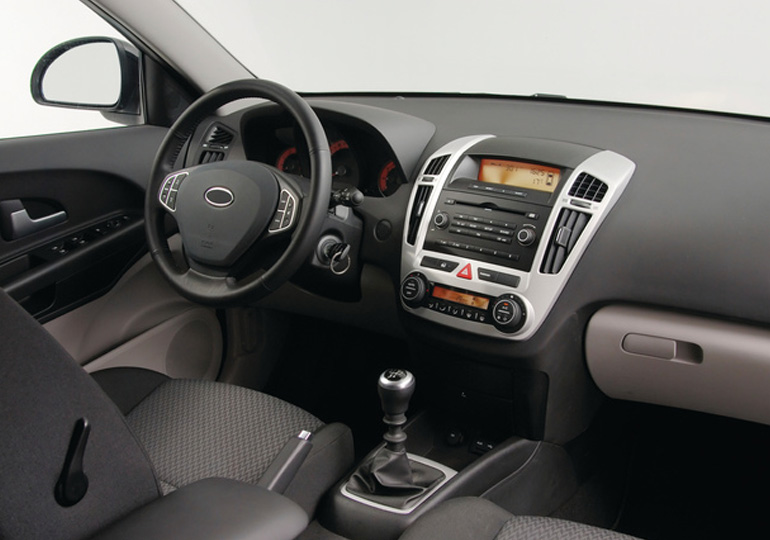
車輛內裝

為了判定材料在高溫下的性能,必須在所需溫度下精確控制材料溫度。

我們的解決方案
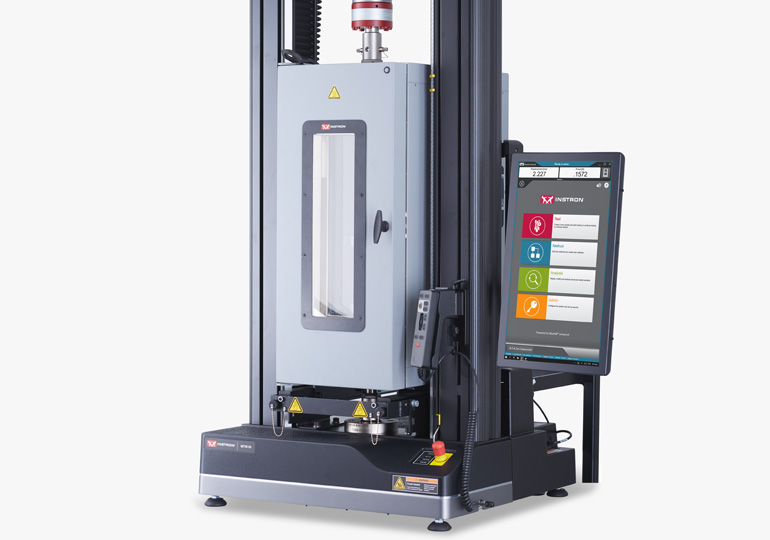
環境試驗箱

Instron 的3119-600 系列環境試驗箱可精準控制溫度範圍為 -150°C 至 +600°C(-240°F 至 +1110°F),使其適用於引擎室內各類材料。選配的滾輪式安裝支架可讓試驗箱輕鬆進出測試空間,快速在環境與非環境溫度測試之間切換。可在Bluehill® Universal中自動設定溫度浸泡時間,完成後即開始測試。或者,使用TestProfiler,您可在同一次測試中於不同載荷條件下設定不同溫度。

非環境溫度條件下的應變量測

挑戰

塑膠狗骨形試樣

在環境試驗箱內進行測試時,使用傳統夾式引伸計計算塑膠的彈性模數可能具有挑戰性。當測試過程中需要移除引伸計時,必須打開試驗箱門。這可能導致測試進行到一半時,因環境空氣湧入試驗箱而造成溫度波動。

我們的解決方案
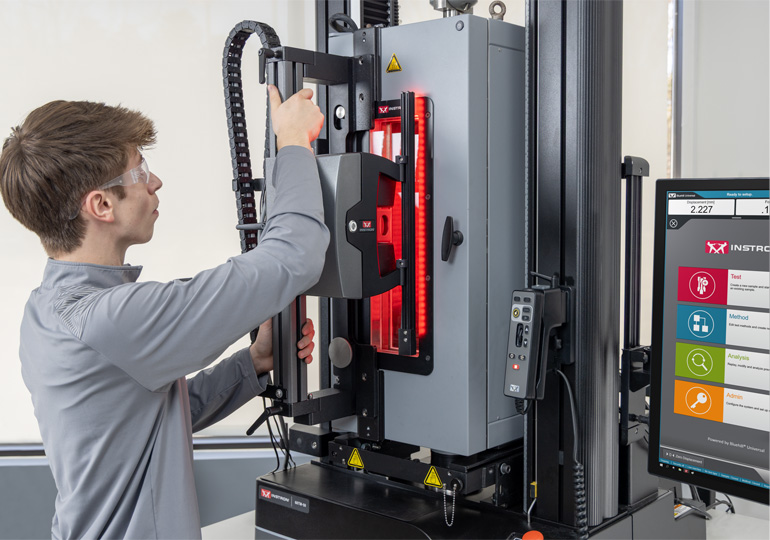
安裝於試驗箱上的 AVE3

AVE3 先進影像引伸計專為透過3119-600 系列環境試驗箱前方的光學級玻璃進行量測而設計。AVE3 為非接觸式影像引伸計,可量測至試樣破壞,無需在測試期間打開試驗箱門,提升操作人員安全性,並可在整個測試過程中進行精準的應變量測。
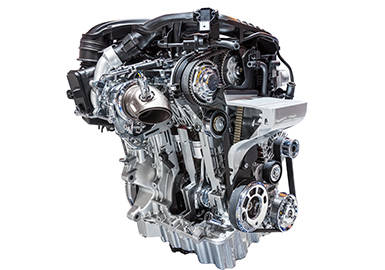
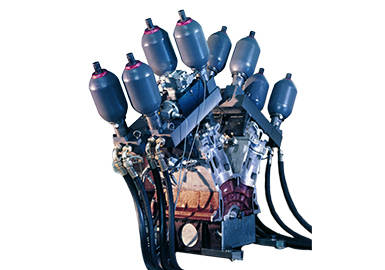
深入了解 Instron 的汽車測試解決方案

內燃機疲勞測試

Automotive » Engine

內燃機疲勞測試

挑戰

內燃機模擬

燃燒室內的高壓氣體脈衝會將高負載引入引擎本體、活塞和連桿。為了加速開發過程,可以使用液壓壓力控制在實驗室中重現記錄的氣缸壓力脈衝。

我們的解決方案

內燃機模擬

Instron Hydropuls® 壓力控制單元可模擬燃燒室內的交變壓力負載。這些動態壓力測試系統可用於評估各種元件的疲勞壽命,包括引擎本體、活塞、活塞銷、連桿、汽缸蓋和墊片。

了解更多關於我們的汽車解決方案

Crankshaft Torsional Fatigue Testing

Automotive » Engine

Crankshaft Torsional Fatigue Testing

THE CHALLENGE

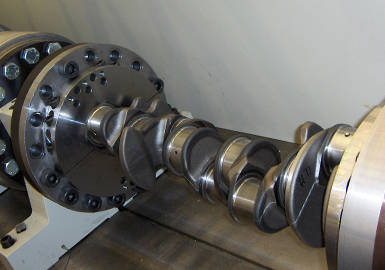
crankshaft

Crankshafts convert the forces generated within the cylinder during combustion into torque. During this process, crankshafts are exposed to severe cyclic fatigue loads and the design must be optimized to deliver the required service life. Fatigue testing is therefore essential to validate the design and manufacturing process for these key components.

our Solution

crankshaft

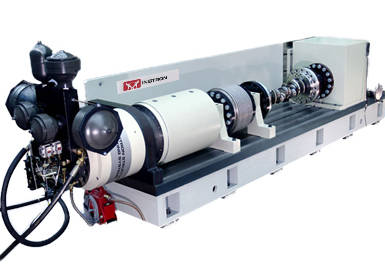
Torsional fatigue testing of the crankshafts of passenger cars and commercial vehicles can be conducted efficiently and reliably with Hydropuls® rotary actuators. Accelerated testing by running at the crankshaft torsional resonant frequency is also possible.
To cover a wide spectrum of test scenarios we offer a variety of rotary actuators with different capacities. We also offer numerous accessories for compensating eccentricity, misalignment, or shortening of specimens under load. Climatic chambers for simulating environmental conditions and temperature are also available.

Non-ambient Metals Tensile Testing

Automotive » Engine

Non-ambient Metals Tensile Testing

When working in automotive R&D, awareness of how various materials act at ambient temperature as well as normal operating temperature is important. Many original equipment manufactures have unique temperature requirements that all components need to achieve, for example: -30oC to 80oC. However, engine and transmission components get considerably hotter. It is extremely important to subject the material to these temperatures during testing to understand their performance.

Maintaining Specimen Temperature

THE CHALLENGE

In order to determine the material's performance at high temperatures, it is critical that the temperature of the material is carefully controlled when the desired temperature is reached. For auxiliary parts or components, the temperature requirement will not be as high when compared to the material within the engine block, which will be considerably hotter and can be closer to the melting point of the material which could cause failure.

THE Solution

Environmental Chamber

3119-600 Series environmental chambers can accurately control the temperature from -150oC up to 600oC (-240°F to 1110°F) making them suitable for all types of materials within the engine and transmission assemblies. Alternatively, the 1200°C (2200°F) Model SF-16 three-zone resistance furnaces have a split construction design that facilitates fast and easy loading of a pre-assembled load string. Adjustable stainless steel latches keep the furnace halves locked together during use, but are then easily opened once testing is complete. The temperature soak time can be automatically set in Bluehill® Universal and once complete the test will start.  Alternatively, utilizing TestProfiler you can have different temperatures under different loading conditions during the same test.

Strain Measurement at High Temperature

THE CHALLENGE

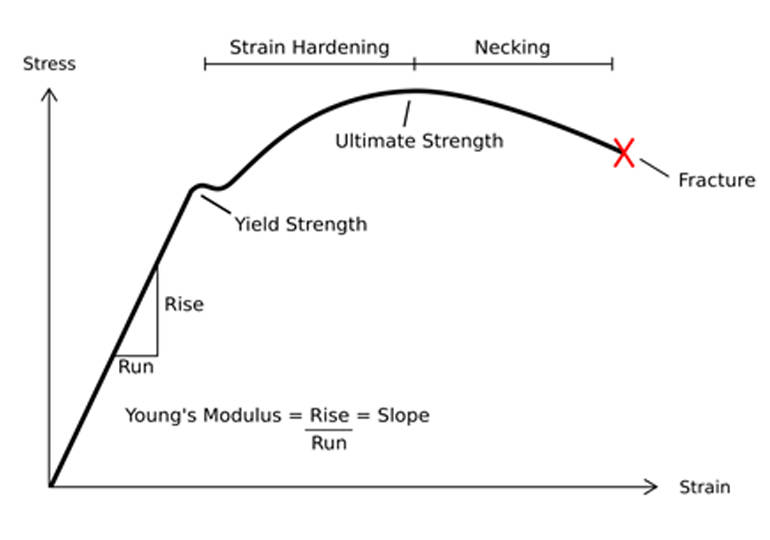
The complete stress-strain curve is important because it shows not only the maximum stress and strain a material can handle, but also important properties such as stiffness and yield (where the material becomes completely deformed), and ultimately, how the material will behave in use. Therefore, it is critical to determine the strain during high-temperature testing.

THE solution

There are several choices for extensometry, depending on your requirements and the type of furnace that you have. If the furnace has a port in the side, then a side entry extensometer can be used, these typically have long ceramic arms with the body of the extensometer outside of the temperature. Alternatively, if it is a closed type furnace, a vertical mechanical extensometer such as the W-6183 type is effective.


Learn more about our automotive solutions