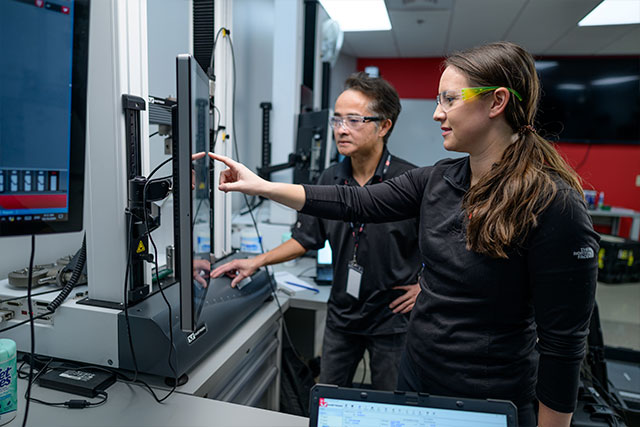
在這為期一天的課程中,學員將學習材料測試的相關知識。本課程重點介紹材料測試的基礎知識,包括機械性質、不同測試類型、應力/應變測試曲線、模數、降伏以及應用測試,並在電腦化材料測試儀器上進行示範。學員將觀察拉伸、壓縮、彎曲和剝離測試,學習如何解讀測試曲線和計算結果。下載 課程大綱 以查看完整計畫。
完成本課程後,您將能夠:
- 瞭解基礎材料測試術語、理論和概念
- 瞭解典型的力/位移測試曲線,並能區分不同類型的曲線
- 執行典型拉伸、壓縮、彎曲和剝離測試時的注意事項
- 學習使用電腦化測試儀器進行拉伸、壓縮、彎曲和剝離測試時的正確測試程序
- 瞭解系統校準對數據準確性的重要性
- 瞭解試片幾何形狀及試片尺寸的重要性
- 計算應力、應變、伸長率、模數、偏移降伏及其他進階計算
- 能夠解讀測試曲線並標註主要特徵點和結果
- 瞭解不同類型的應變測量方式和裝置
報名參加此課程
在這為期一天的課程中,學員將學習材料測試的相關知識。本課程重點介紹材料測試的基礎知識,包括機械性質、不同類型的測試、應力/應變測試曲線、模數、屈服點以及在電腦化材料測試儀器上進行的應用測試演示。學員將觀察拉伸、壓縮、彎曲和剝離測試,以學習如何解讀測試曲線和計算結果。下載 課程大綱 以查看完整計畫。
完成本課程後,您將能夠:
- 瞭解基礎材料測試術語、理論和概念
- 瞭解典型的力/位移測試曲線,並能區分不同類型的曲線
- 執行典型拉伸、壓縮、彎曲和剝離測試時的注意事項
- 學習使用電腦化測試儀器進行拉伸、壓縮、彎曲和剝離測試時的良好測試程序
- 瞭解系統校準對數據準確性的重要性
- 瞭解試片幾何形狀及試片尺寸的重要性
- 計算應力、應變、伸長率、模數、偏移屈服點及其他進階計算
- 能夠解讀測試曲線並標註主要數據點和結果
- 瞭解不同類型的應變測量和設備
註冊此課程
在這個為期一天的課程中,學員將學習材料測試。本課程重點介紹材料測試的基礎知識,包括機械性質、不同類型的測試、應力/應變測試曲線、模數、屈服,以及使用電腦化材料測試儀器進行應用測試的示範。學員將觀察拉伸、壓縮、彎曲與剝離測試,以學習解讀測試曲線與計算結果。下載課程大綱以查看完整課程內容。
完成本課程後,您將能夠:
- 了解基本材料測試術語、理論與概念
- 了解典型的力/位移測試曲線,並能區分不同類型的曲線
- 執行典型拉伸、壓縮、彎曲與剝離測試時的注意事項
- 學習使用電腦化測試儀器進行拉伸、壓縮、彎曲與剝離測試時的良好測試程序
- 了解系統校準對資料準確性的重要性
- 了解試樣幾何形狀以及試樣尺寸的重要性
- 計算應力、應變、伸長率、模數、偏移屈服及其他進階計算
- 能夠解讀測試曲線,並標示主要點位與結果
- 了解不同類型的應變量測與裝置
報名此課程
在這個為期一天的課程中,學員將學習材料測試。本課程重點介紹材料測試的基礎,包括機械性質、不同類型的測試、應力/應變測試曲線、模數、降伏,以及透過電腦化材料測試儀器示範的應用測試。學員將觀察拉伸、壓縮、彎曲與剝離測試,以學習如何解讀測試曲線與計算結果。下載 課程大綱 以查看完整課程內容。
完成本課程後,您將能夠:
- 了解基本材料測試術語、理論與概念
- 了解典型的力/位移測試曲線,並能區分不同類型的曲線
- 進行典型拉伸、壓縮、彎曲與剝離測試時的注意事項
- 學習使用電腦化測試儀器進行拉伸、壓縮、彎曲與剝離測試時的良好測試程序
- 了解系統校準對資料準確性的重要性
- 了解試樣幾何形狀以及試樣尺寸的重要性
- 計算應力、應變、伸長率、模數、偏移降伏及其他進階計算
- 能夠解讀測試曲線,並標示主要點與結果
- 了解不同類型的應變量測與裝置
報名此課程
在這個為期一天的課程中,學員將學習材料測試。本課程重點介紹材料測試的基礎,包括機械性質、不同的測試類型、應力/應變測試曲線、模數、降伏,以及使用電腦化材料測試儀器進行應用測試的示範。學員將觀察拉伸、壓縮、彎曲與剝離測試,以學習解讀測試曲線與計算結果。下載 課程大綱 以查看完整課程內容。
完成本課程後,您將能夠:
- 了解基本材料測試術語、理論與概念
- 了解典型的力/位移測試曲線,並能區分不同類型的曲線
- 執行典型拉伸、壓縮、彎曲與剝離測試時的注意事項
- 學習使用電腦化測試儀器進行拉伸、壓縮、彎曲與剝離測試時的良好測試程序
- 了解系統校準對資料準確性的重要性
- 了解試樣幾何形狀以及試樣尺寸的重要性
- 計算應力、應變、伸長率、模數、偏移降伏及其他進階計算
- 能夠解讀測試曲線,並標示主要點位與結果
- 了解不同類型的應變量測與裝置
報名此課程
在這門為期一天的課程中,學員將學習材料測試。本課程重點介紹材料測試的基礎,包括機械性質、不同測試類型、應力/應變測試曲線、模數、降伏,以及使用電腦化材料試驗儀器進行應用測試的示範。學員將觀察拉伸、壓縮、彎曲與剝離測試,以學習解讀測試曲線與計算結果。下載 課程大綱 以查看完整課程內容。
完成本課程後,您將能夠:
- 了解基本材料測試術語、理論與概念
- 了解典型的力/位移測試曲線,並能區分不同類型的曲線
- 執行典型拉伸、壓縮、彎曲與剝離測試時的注意事項(該做與不該做)
- 學習使用電腦化試驗儀器進行拉伸、壓縮、彎曲與剝離測試時的良好測試程序
- 了解系統校準對資料準確性的重要性
- 了解試樣幾何形狀以及試樣尺寸的重要性
- 計算應力、應變、伸長量、模數、偏移降伏及其他進階計算
- 能夠解讀測試曲線,並標示主要點位與結果
- 了解不同類型的應變量測與裝置
報名此課程
在這為期一天的課程中,學員將學習材料測試的相關知識。本課程重點介紹材料測試的基礎知識,包括機械性能、不同類型的測試、應力/應變測試曲線、模數、屈服點,以及在電腦化材料測試儀器上進行的應用測試演示。學員將觀察拉伸、壓縮、彎曲和剝離測試,學習如何解讀測試曲線和計算結果。下載 課程大綱 以查看完整計畫。
完成本課程後,您將能夠:
- 瞭解基礎材料測試術語、理論和概念
- 瞭解典型的力/位移測試曲線,並能區分不同類型的曲線
- 執行典型拉伸、壓縮、彎曲和剝離測試時的注意事項
- 學習使用電腦化測試儀器進行拉伸、壓縮、彎曲和剝離測試時的良好測試程序
- 瞭解系統校準對數據準確性的重要性
- 瞭解試樣幾何形狀及試樣尺寸的重要性
- 計算應力、應變、伸長率、模數、偏移屈服點及其他進階計算
- 能夠解讀測試曲線並標註主要特徵點和結果
- 瞭解不同類型的應變測量方式和裝置
報名參加此課程

In this one-day course, students will learn about materials testing. The course highlights the basics of materials testing including mechanical properties, different types of testing, stress/strain test curves, modulus, yield, and application testing with demonstrations on computerized materials test instruments. Students will observe tensile, compressive, flexural, and peel tests to learn to interpret test curves and calculated results. Download the course outline to see the full program.
After completing this course, you will be able to:
- Understand basic materials testing terminology, theory and concepts
- Understand typical force/displacement test curves and be able to distinguish between different types of curves
- Do’s and Dont’s when running typical tensile, compression, flexure, and peel tests
- Learn good testing procedures when using a computerized testing instrument to perform tension, compression, flexural and peel testing
- Learn the importance of system calibration for data accuracy
- Understand specimen geometry and the importance of specimen dimensions
- Calculate stress, strain, elongation, modulus, offset yield, and other advanced calculations
- Be able to interpret test curves and to label major points and results
- Understand different types of strain measurements and devices
Register for This Course
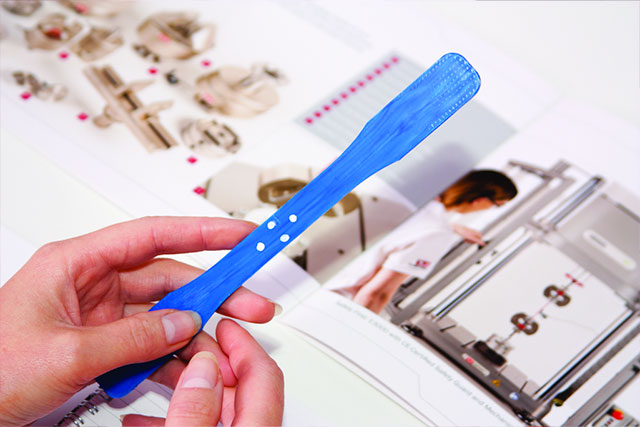
In this one-day course, students will learn about materials testing. The course highlights the basics of materials testing including mechanical properties, different types of testing, stress/strain test curves, modulus, yield, and application testing with demonstrations on computerized materials test instruments. Students will observe tensile, compressive, flexural, and peel tests to learn to interpret test curves and calculated results. Download the course outline to see the full program.
After completing this course, you will be able to:
- Understand basic materials testing terminology, theory and concepts
- Understand typical force/displacement test curves and be able to distinguish between different types of curves
- Do’s and Dont’s when running typical tensile, compression, flexure, and peel tests
- Learn good testing procedures when using a computerized testing instrument to perform tension, compression, flexural and peel testing
- Learn the importance of system calibration for data accuracy
- Understand specimen geometry and the importance of specimen dimensions
- Calculate stress, strain, elongation, modulus, offset yield, and other advanced calculations
- Be able to interpret test curves and to label major points and results
- Understand different types of strain measurements and devices
Register for This Course