Tissue Adhesives Testing Using a Variable Angle Peel Fixture

Tissue Adhesives Testing Using a Variable Angle Peel Fixture

Tissue adhesives are widely used in the biomedical industry for applications such as bandages, secondary dressings, and wound closure. Although there are no specific standards that address testing using a variable angle fixture, other similar ASTM standards for this test method include: ASTM F2255, F2256, F2258 and F2458. The adhesive strength of these products must be clearly defined before put to use in a clinical setting. If the adhesive is not strong enough, the product may lead to infection or poor healing. If the adhesive is too strong, the underlying tissue may become damaged upon removal.

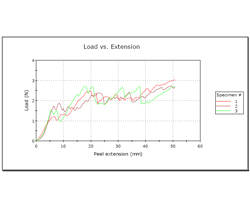
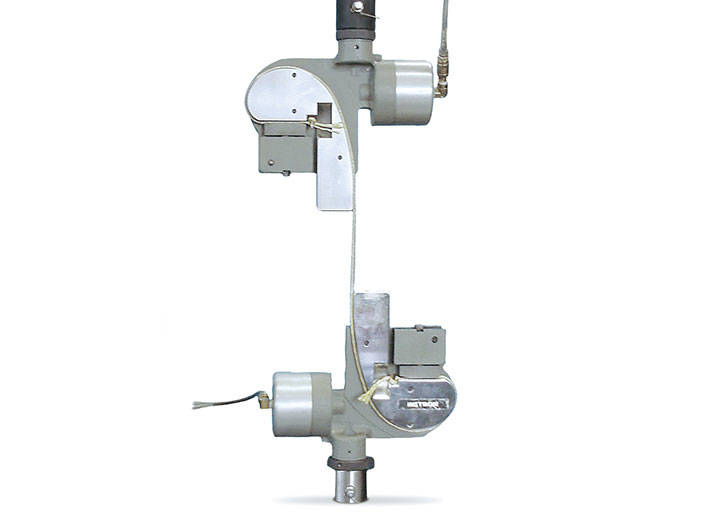
We conducted one example of an adhesive test by using a variable angle fixture that would simulate the action of peeling the adhesive off a patient. We used a 3345 electromechanical test frame configured with a 50 N load cell, a single 250 N capacity pneumatic grip with 25 mm x 25 mm flat metallic faces, and the variable angle peel fixture for this test. The variable angle peel fixture was set at a 135° angle, to best simulate the line of pull that would be seen during normal use of the adhesive product. We used leather as the substrate during this test to best simulate the surface properties of human skin.

The 3 Peel, Tear and Friction Software Module®Bluehill is highly recommended for this type of test. This software module allows for measurement of the first peak load, average load and average load per width, the most commonly used calculations.

Literature

3400 Series Universal Testing Systems Brochure

Instron 3400 Series universal testing systems for tensile, compression, bend, and other material property tests.

  • Produtos
  • 06/27/2022
  • 2.69 MB

Bluehill Universal Brochure

Bluehill Universal is Instron’s advanced materials testing software, designed for intuitive touch interaction and streamlined workflows. It offers pre-loaded test methods, QuickTest for rapid setup, enhanced data exporting, and Instron Connect for direct service communication. Users of Bluehill 2 and Bluehill 3 can easily upgrade to the latest version for improved performance and usability.

  • Produtos
  • 02/26/2017
  • 3.76 MB

Tensile Test of Fine Wires

Tensile Test of Fine Wires

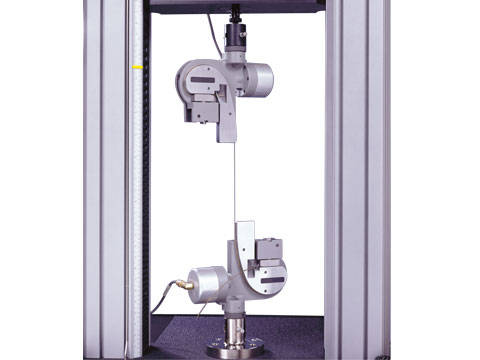
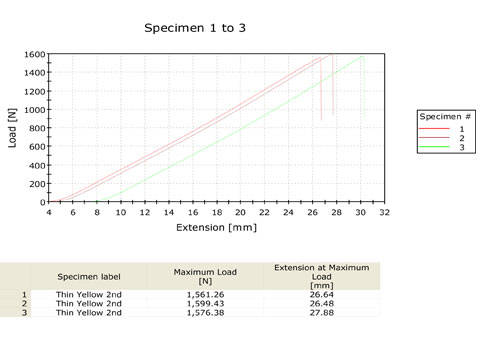
Fine wires are widely employed in the microelectronic industry. These wires are most commonly used for forming interconnections between ICs (integrated circuit) and PCBs (printed circuit boards). Most interconnection wires today are less than 50µm in diameter and the mechanical characteristics of these wires are crucial in ensuring proper functioning and reliability of the semiconductor device.

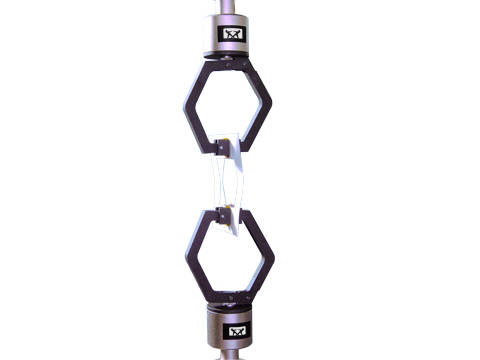
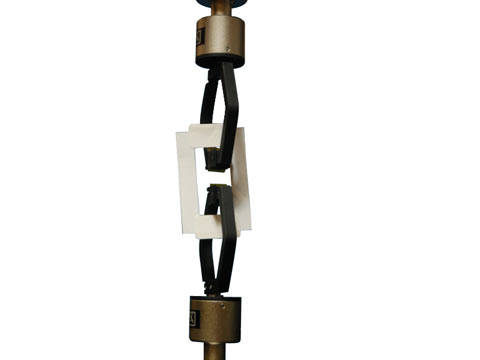
Tensile tests are often conducted to evaluate the wire’s tensile strength, yield strength, and elongation. When testing fine wires, it is often challenging to determine the most suitable test configuration. Grips selected should be able to hold the specimen firmly, without causing any specimen slippage or breaks near the jaws. Since these wires are usually very delicate, clamping pressure and closing speed of the grips must be carefully controlled to prevent any premature failure. Some users attach the test specimen to an aperture card prior to inserting the specimen into the grips. These aperture cards allows for better specimen alignment and easier insertion of specimens into the grips.

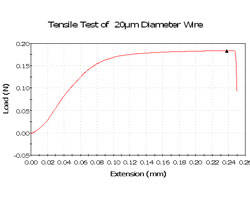
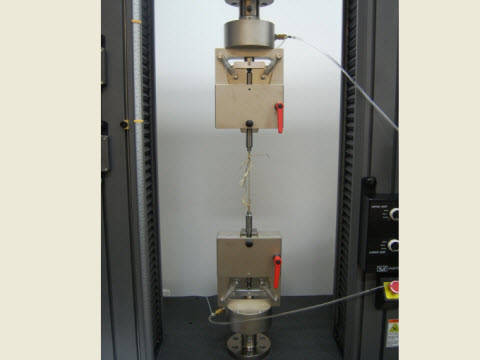
A tensile test was conducted on 20µm diameter wire using our 6800 Series table model electromechanical machine, together with custom 10 N pneumatic side acting grips and Bluehill® Universal Software. The wire specimen was attached to an aperture card and clamped by the grips. The two vertical sections of the aperture card were then cut before starting the test. As the load readings are very low, it is recommended to use a load cell of capacity 10 N or lower. To maximize the working range of the load cell, it is best that the weight the grip does not exceed 50% of the load cell capacity. Our custom pneumatic grips are lightweight and the jaw faces feature a special coating to minimize slippage and breaks within the jaw faces. The low load readings also imply that the test results are highly sensitive to surrounding conditions. For this reason, to obtain accurate results, it is critical that the test area be free of external sources of error such as vibration and wind.

Literature

6800 Series Premier Testing Systems Brochure

Instron 6800 Series Universal Testing Systems provide unparalleled accuracy and reliability. Built on a patent-pending Operator Protect system architecture with an all-new Smart-Close Air Kit and Collision Mitigation features, the 6800 Series makes materials testing simpler, smarter, and safer than ever before.

  • Produtos
  • 02/10/2020
  • 4.15 MB

Bluehill Universal Brochure

Bluehill Universal is Instron’s advanced materials testing software, designed for intuitive touch interaction and streamlined workflows. It offers pre-loaded test methods, QuickTest for rapid setup, enhanced data exporting, and Instron Connect for direct service communication. Users of Bluehill 2 and Bluehill 3 can easily upgrade to the latest version for improved performance and usability.

  • Produtos
  • 02/26/2017
  • 3.76 MB

Reologia de Elastômero Termoplástico para Compostos de Pneus: Reometria Capilar conforme ISO 11443

Reometria Capilar de Elastômeros Termoplásticos para Fabricação de Pneus: Ensaio de Viscosidade e Inchamento do Extrudado conforme ISO 11443

Hinchamiento del extruido

Hinchamiento del extruido


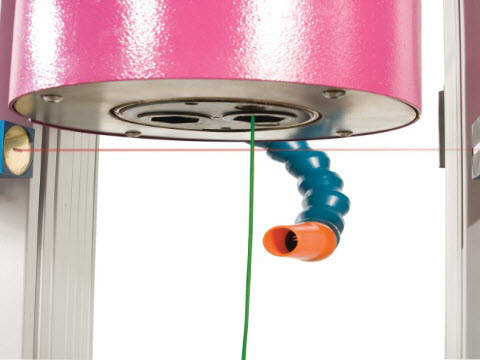
Elastômeros termoplásticos são materiais que possuem propriedades mecânicas semelhantes às da borracha termorrígida, mas podem ser processados usando métodos projetados para termoplásticos padrão, como extrusão e moldagem por injeção. Além disso, podem ser reciclados de forma muito mais fácil e eficiente. Um reômetro capilar é uma ferramenta útil para determinar as características de fluxo de elastômeros termoplásticos. Além de determinar a curva de viscosidade versus taxa de cisalhamento, é frequentemente útil estudar as características de inchamento do extrudado, e isso pode ser feito com um dispositivo laser adicional para medição de inchamento.

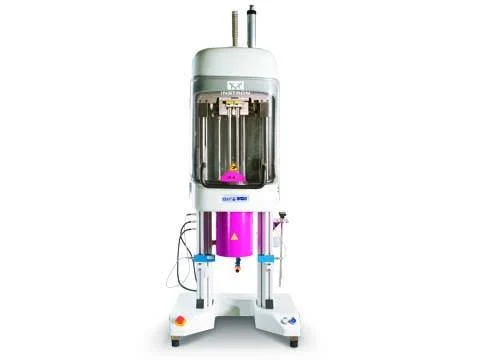
Um fabricante de pneus interessado em estudar seu composto de elastômero termoplástico nos forneceu um composto de elastômero termoplástico consistindo em um elastômero, negro de fumo e aditivos na forma de folhas planas. Testamos este composto conforme ISO 11443 em um CEAST SR20, um reômetro capilar de duplo cilindro (diâmetro do cilindro 15 mm) equipado com células de carga de 20 kN. O ensaio foi realizado a uma temperatura de cilindro de 100 °C. Cortamos as folhas de elastômero termoplástico em pequenos pedaços para alimentar o cilindro uniformemente, permitimos que o material pré-aquecesse e o compactamos com uma força de 2400 N. Em seguida, submetemos o material fundido a taxas de cisalhamento entre 1 e 2000 s⁻¹ através de uma matriz capilar. O ensaio foi configurado e controlado usando o software CEASTVIEW (VISUALRHEO).

Todos os corpos de prova apresentaram comportamento não newtoniano com viscosidade variando de 100.000 Pa.s a 1 s⁻¹ de taxa de cisalhamento a 800 Pa.s a 1000 s⁻¹. Observamos que 1000 s⁻¹ é uma taxa de cisalhamento crítica para este composto, acima da qual manter um platô de pressão estável foi bastante desafiador. A correção de Bagley foi aplicada ao longo de todo o ensaio. No geral, o material apresentou boa repetibilidade e reprodutibilidade dos resultados.

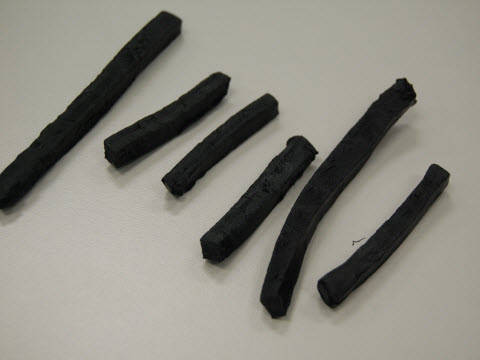
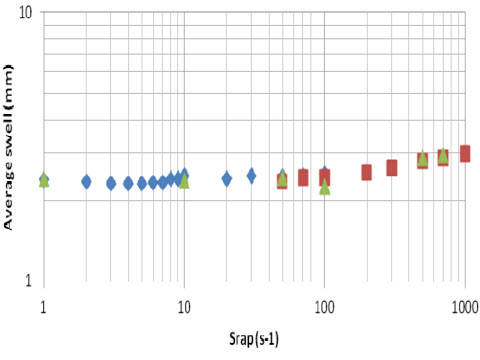
O inchamento do extrudado — a tendência de um material expandir ao sair da matriz capilar — é uma característica particularmente importante para compostos de pneus, pois o inchamento excessivo pode afetar o processamento subsequente e a consistência dimensional dos perfis extrudados. Realizamos o ensaio de inchamento do extrudado usando o sistema laser de inchamento CEAST na mesma faixa de taxa de cisalhamento. Os resultados são apresentados no gráfico SQC juntamente com a curva de viscosidade versus taxa de cisalhamento, demonstrando comportamento de inchamento do extrudado consistente e confirmando a repetibilidade dos resultados entre os corpos de prova.

Literatura

CEAST SmartRHEO Series: Capillary Rheometer Systems

Thermoplastic materials are processed as fluids under the effect of temperature and pressure. The ability of plastics to be formed into a wide variety of shapes, by the common plastics conversion processes, has a fundamental importance in polymer science and application. The innovative Instron® line of CEAST SmartRHEO Series of Capillary Rheometer systems are designed for an accurate investigation of the rheological properties of polymeric materials.

  • Produtos
  • 09/22/2014
  • 3.45 MB

VisualRHEO | Software for CEAST SR Series Capillary Rheometers

A fundamental part of a capillary rheometer system is the software. As the system investigates the flow behavior of
plastics over a wide range of shear conditions, the software controls the instrument from a PC, acquiring and analyzing
data, calculating results, and exporting data to easily share and perform further analysis. Performing tests that are much
more effective and informative than a trial-and-error approach, the software provides a user-friendly interface for lab
operators when programming and monitoring the tests.

  • Produtos
  • 02/14/2014
  • 2.46 MB

Impact Tests On Orthopedic Implants

Impact Tests On Orthopedic Implants

A medical condition called Osteoarthritis is caused when there is minimal joint moment in human body. Lack of joint moment can result into damaged or dysfunctional joints. Orthopedic implants are designed to replace the damaged joint (s) and increase the mobility of an affected part in the human body. To name a few, implants used for hip, knee, shoulder or elbow joints are commonly made of stainless steel. It is important for manufacturers of such orthopedic implants to test their components (various implants) to characterize the impact resistance of their product.

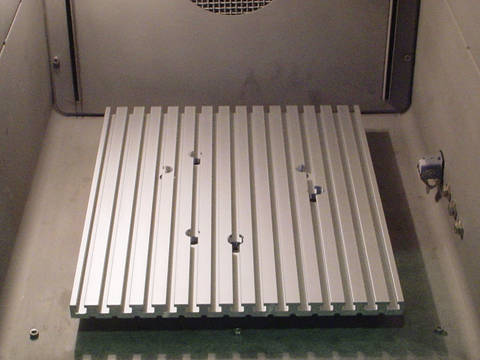
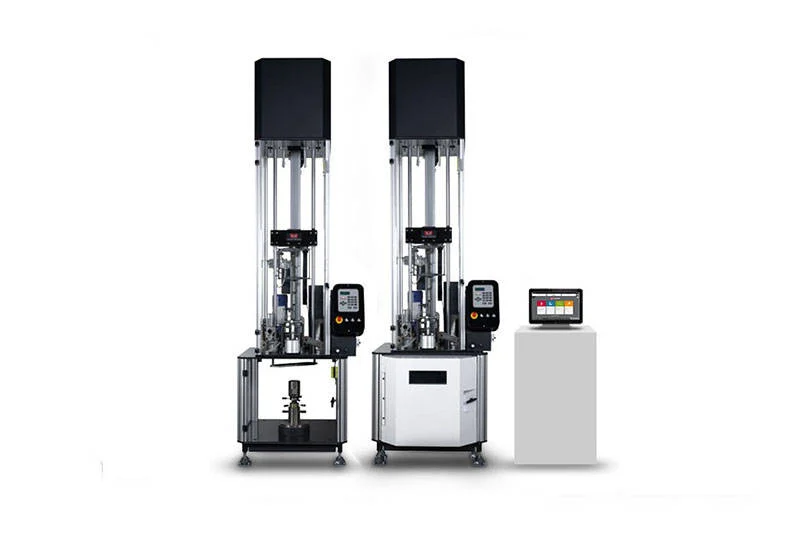
Instron 9400 series is a good fit for such a testing requirement. Since the implants for various body parts are of different shapes & sizes, the testing has to be performed using various custom fixtures. We used a T-slot plate which was bolted at the bottom of 9450. A custom fixture with a clamped knee implant was mounted on the T-slot plate at base of the tower. A 45 kN strain gauge striker was used to impact the knee implant. A Data Acquisition System (DAS) and Bluehill Impact software were used in conjunction with the drop impact machine to collect the force/velocity data and analyze the impact performance.

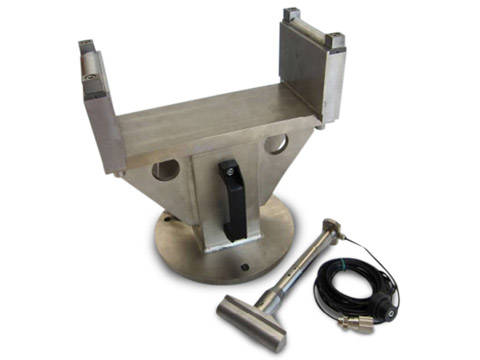
Alternatively a general purpose plate as seen in the picture can be used instead of a T-slot plate.These versatile plates give flexibility to manufacturers to mount a wide range of custom fixtures as per their own requirements. Such impact tests can be customized to an extent where they can replicate the real life low and high velocity impacts during the actual surgical procedures.

Note: The customer's actual test set up is confidential and hence is not displayed in this application note.

Literature

9400 Series Drop Tower Brochure

Instron Drop Towers are used to develop, fine tune, and validate material models. Testing materials under real impact conditions is a crucial step prior of product design. Using the characterization data obtained with the Instron 9400, coupled with customer supplied high-speed video, you can have confidence in your results and deliver new materials to your customers faster. Our Drop Tower impact systems, fixtures, and tups are designed to meet a wide range of applications and testing standards including: ISO, ASTM, ANSI, Airbus, Boeing, BSI, DIN, EN, FDA, Ford, GM, JIS, NASA, GOST, and more.

  • Produtos
  • 02/05/2020
  • 763.1 KB

9400 Series Dashboard Brochure

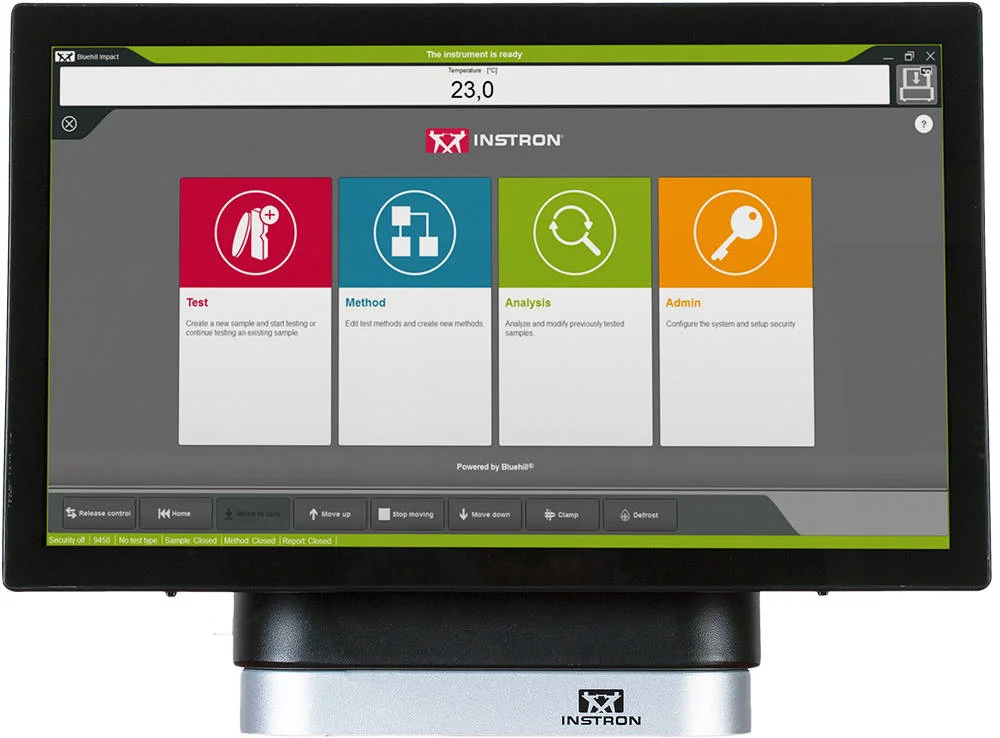
Bluehill® Impact is built from the ground up for touch interaction. The Operator Dashboard features large touchpoints to make the user experience simpler and smarter. Easy-to-understand icons and workflows make it easy to train new or experienced users, simplify operator training, and allow you to start testing even faster than ever before

  • Produtos
  • 08/01/2019
  • 2.35 MB

Tensile Testing of Steel Cords

Tensile Testing of Steel Cords

Steel cord is formed by twisting multiple strands of steel wires together to form a cord structure. This is often used as a reinforcement material in conveyor belts and radial tires for passenger cars, buses, or heavy equipment vehicles. Compared to other traditional reinforcement materials like nylon, steel cords possess superior mechanical properties, such as higher tensile strength and modulus and better heat resistance. When used as a reinforcement material in radial tires, it offers high road stability, improved steering response, and longer tire service life. Since some of the key performance indicators of tires are dependent on the reinforcing steel cord, it is important for an engineer to understand the properties of the tire cord and how it functions in a tire.

There are many challenges to account for when testing stranded wire. As stranded wire is not a consistent diameter, generally a nominal diameter is used (as defined in the product standard).  As well as the irregularity of the surface, when a specimen is pulled in tension each strand will rotate. Therefore, if a clip-on extensometer is being used, it must be able to rotate. It is also necessary to have a long gauge length, so Instron offers a 600mm G.L. extensometer with 15 degrees of twist available. When stranded wire breaks, the energy released at failure is substantial, and the specimen ‘splays’ out. This may cause damage to extensometers, machine or even operators.

The challenges of testing to this standard are:

  • Specimen gripping
  • Strain measurement
  • Safety

Instron's Solution:

  • Instron provides side action tensile grips with wire strand inserts that ensure optimum grip face engagement and clamping surface area.
  • Instron’s E-series extensometers allow for a 600mm gauge length and specimen rotation, providing a robust strain-measurement solution.
  • Debris shields are available in many shapes and sizes, and can be interlocked to ensure operators are not in danger at any time throughout testing.

It is important to review the pertinent testing standards in order to fully understand the test setup, procedure, and results requirements.

Literature

6800 Series Premier Testing Systems Brochure

Instron 6800 Series Universal Testing Systems provide unparalleled accuracy and reliability. Built on a patent-pending Operator Protect system architecture with an all-new Smart-Close Air Kit and Collision Mitigation features, the 6800 Series makes materials testing simpler, smarter, and safer than ever before.

  • Produtos
  • 02/10/2020
  • 4.15 MB

Bluehill Universal Brochure

Bluehill Universal is Instron’s advanced materials testing software, designed for intuitive touch interaction and streamlined workflows. It offers pre-loaded test methods, QuickTest for rapid setup, enhanced data exporting, and Instron Connect for direct service communication. Users of Bluehill 2 and Bluehill 3 can easily upgrade to the latest version for improved performance and usability.

  • Produtos
  • 02/26/2017
  • 3.76 MB

Impact Performance of Pharmaceutical Tablets

Impact Performance of Pharmaceutical Tablets

Support for pharmaceutical tablet impact testing

Common pharmaceutical pills and tablets are usually finished with a coating to facilitate swallowing, time phased release of the medication, identification and branding. Coatings may also help ensure long shelf life by protecting the underlying product from negative environmental conditions such as light, temperature, moisture and mechanical loading. Particularly in the manufacturing and packaging process, tablet coatings are subject to impacts that can cause damage.

Impact testing can deliver value to the manufacturer in the form of performance data for research and development of new coating materials or processes. Once a suitable product has been established, a manufacturer can implement a quality control program utilizing baseline data from an impact performance test to provide ongoing process validation.

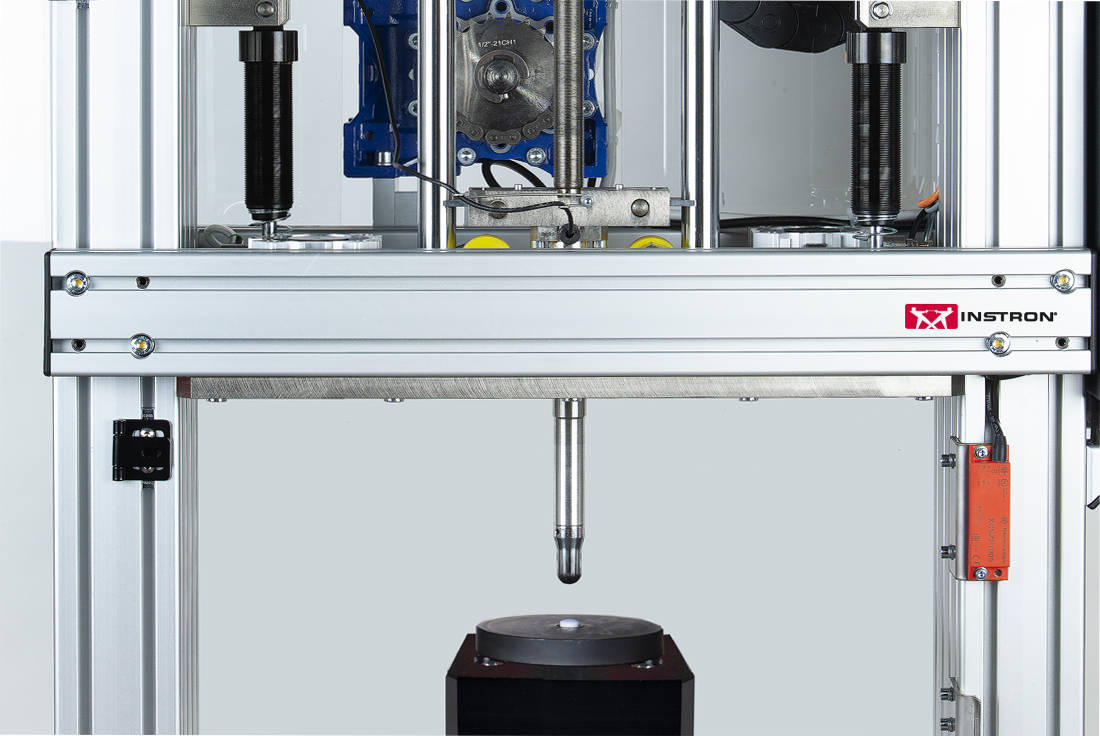
An INSTRON 9440 Drop Tower, instrumented with a low load piezo sensor tup (0.45kN or 4.5kN), ½ inch hemispherical or flat tup insert, and Bluehill Impact software are ideal for the testing of pharmaceutical pills and tablets. For fixturing we recommend using a stiff, flat, metal plate which can be easily secured to the table area.

This impact test solution is well suited for determining the impact performance characteristics of pharmaceutical tablets, such as lot consistency and failure or incipient damage points. These characteristics may in turn be related to the coating material used on the product. By understanding how the coating may strengthen or weaken the pills, changes to improve the product can be made.

Literature

9400 Series Drop Tower Brochure

Instron Drop Towers are used to develop, fine tune, and validate material models. Testing materials under real impact conditions is a crucial step prior of product design. Using the characterization data obtained with the Instron 9400, coupled with customer supplied high-speed video, you can have confidence in your results and deliver new materials to your customers faster. Our Drop Tower impact systems, fixtures, and tups are designed to meet a wide range of applications and testing standards including: ISO, ASTM, ANSI, Airbus, Boeing, BSI, DIN, EN, FDA, Ford, GM, JIS, NASA, GOST, and more.

  • Produtos
  • 02/05/2020
  • 763.1 KB

9400 Series Dashboard Brochure

Bluehill® Impact is built from the ground up for touch interaction. The Operator Dashboard features large touchpoints to make the user experience simpler and smarter. Easy-to-understand icons and workflows make it easy to train new or experienced users, simplify operator training, and allow you to start testing even faster than ever before

  • Produtos
  • 08/01/2019
  • 2.35 MB

Dynamic Fatigue Bend Testing Sintered Powder Metal Carbides

Dynamic Fatigue Bend Testing Sintered Powder Metal Carbides

Dynamic Fatigue Bend Testing Sintered Powder Metal Carbides

Many machine tool materials, such as those manufactured from sintered powder metal carbides, are extremely strong (5 GPa in compression is typical) with a high stiffness (>500 GPa). Often these materials are expensive to manufacture or are only available in small sample sizes.

An effective testing system should be capable of applying cyclic forces at very small load and displacement levels while maintaining a high frequency. Our ElectroPuls® test instrument offers the precision and repeatability necessary for testing of metals and metal carbides in tension, compression, flexure, and fatigue. With correct set up and selection of the right load cell and grips, the ElectroPuls test instrument provides a versatile platform for applying stable loads at the sub-Newton load level over many hours, as well as loads of more than 1000N as required for this particular test.

When testing at small loads, correct load cell selection is vital to ensure the appropriate measurement accuracy and control. For operating at higher frequencies, the integral inertia compensation feature of our Dynacell® load cells ensures that any inertial errors in the load reading are minimized.

We tested various heat treated v-notched specimens of these metal carbides using WaveMatrix dynamic testing software and a small 4-point bend fixture supplied by The National Physical Laboratory (NPL), UK.

The software allowed us to quickly set up a test and its versatile data acquisition facilities provided accurate and relevant data collection in .CSV format, including an accurate record of fracture events. We were able to provide consistent, repeatable results over a number of tests.

Literature

ElectroPuls

With more than ten years of running tests over billions of cycles, ElectroPuls systems are the established materials testing machines using patented linear motor technology. With model capacities up to 20 kN, ElectroPuls systems offer slow-speed static testing and high-frequency dynamic fatigue testing with hundreds of hertz capability. The Linear-Torsion models feature a patented actuator for bi-axial tests on materials and components.

  • Produtos
  • 06/05/2019
  • 3.63 MB

Impact Performance of Concrete Beams

Impact Performance of Concrete Beams

There is increasing demand for testing concrete beams in an impact 3-point bend configuration. We recommend a 9400 series drop tower for this testing depending on the maximum energy required. We developed a custom fixture with 300mm span, dedicated tup insert and used the DAS and Bluehill Impact software for data acquisition.

Samples were 400mm x 100mm x 100mm and tested at up to 4.65m/s. The velocity could be increased if required. Tests showed the failure modes and were designed to simulate larger structures which would require much more energy to test than can be achieved in the lab. The types of results compared were total energy absorbed, maximum load, energy to failure and displacement to failure.

The 9400 series is well suited for helping customers determine the performance characteristics of their materials when subjected to an impact event. The information gathered by doing instrumented impact testing can be used to provide the customer with a data baseline whereby they can determine how changes made in the mix of raw materials will perform in real life situations. A broader range of testing could be accomplished with the inclusion of an environmental chamber to study impact characteristics at different temperatures as well as using different fixtures and inserts to simulate other unsupported spans and impact events.

Literature

9400 Series Drop Tower Brochure

Instron Drop Towers are used to develop, fine tune, and validate material models. Testing materials under real impact conditions is a crucial step prior of product design. Using the characterization data obtained with the Instron 9400, coupled with customer supplied high-speed video, you can have confidence in your results and deliver new materials to your customers faster. Our Drop Tower impact systems, fixtures, and tups are designed to meet a wide range of applications and testing standards including: ISO, ASTM, ANSI, Airbus, Boeing, BSI, DIN, EN, FDA, Ford, GM, JIS, NASA, GOST, and more.

  • Produtos
  • 02/05/2020
  • 763.1 KB

9400 Series Dashboard Brochure

Bluehill® Impact is built from the ground up for touch interaction. The Operator Dashboard features large touchpoints to make the user experience simpler and smarter. Easy-to-understand icons and workflows make it easy to train new or experienced users, simplify operator training, and allow you to start testing even faster than ever before

  • Produtos
  • 08/01/2019
  • 2.35 MB

Radial Force Evaluation of Stent Grafts

Radial Force Evaluation of Stent Grafts

Stent grafts are used to treat a wide variety of peripheral arterial issues, as well as abdominal and aortic pathologic conditions like abdominal aortic aneurysms (AAA). The success of endovascular stent grafts for AAA’s has provided motivation to adapt similar technology for descending thoracic aortic aneurysms (TAA’s). Survival rates for untreated and traditionally treated (through complex thoracic surgeries) aneurysms are typically quite poor.

Advantages of stent grafts include shorter operative time, avoidance of major thoracic or thoracoabdominal incisions, and significant reductions in morbidity and mortality. Successful surgery requires the accurate placement of the stent graft to ensure it does not move, especially in upper descending thoracic aorta cases.

Typically, secure placement for stent grafts is a function of the proper selection and sizing since physiological movements of the aorta can be significant. Additionally, stent grafts have much larger diameters than coronary stents (30+ mm versus 2-3 mm). Evaluating the radial strength of a stent graft helps manufacturers to ensure efficacy and reliability of the medical device when implanted in vivo.

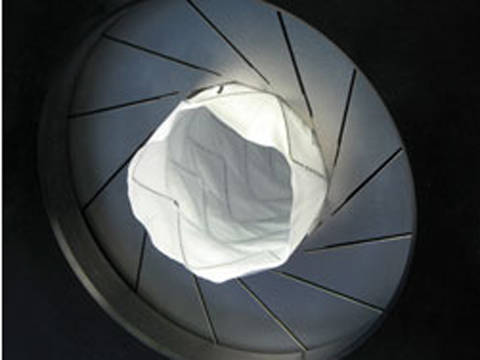
Instron partners with Machine Solutions Inc. (MSI) to utilize either a RX575 or RX675 stent iris on an Instron system. The fixture can also be customized and used for special specimen types to provide radial strength and stiffness over the entire graft or the securing graft ends. The control software to operate MSI’s RX fixture on an Instron system is standard Bluehill® 3 and TestProfiler. Although room-temperature testing provides excellent comparative results, the system can also be configured with a chamber to provide simulation of body temperature.

Literature

6800 Series Premier Testing Systems Brochure

Instron 6800 Series Universal Testing Systems provide unparalleled accuracy and reliability. Built on a patent-pending Operator Protect system architecture with an all-new Smart-Close Air Kit and Collision Mitigation features, the 6800 Series makes materials testing simpler, smarter, and safer than ever before.

  • Produtos
  • 02/10/2020
  • 4.15 MB

Impact Performance of Composite Decking

Impact Performance of Composite Decking

Composite Decking
Composite Decking

The backyard deck has taken on an ever increasing role in our lives becoming an extension of a homes interior living space. Traditionally decks have been built from pressure treated lumber, however, cost, life cycle, appearance, construction time, maintenance and environmental concerns are all factors contributing to the huge growth in the use of wood–plastic composites, also known as composite decking.

Made from a wide ranging mixture of wood and plastic, composite decking has certain advantages like durability, color retention and reduced maintenance costs over pressure treated wood. With a material cost 20 to 30 percent more than pressure treated pine, impact performance can be critical. Decks are routinely subjected to a wide range of everyday impact events, dropped tools, patio furniture, ladders and paint cans to name a few, and the types and quantities of the various materials used in the manufacturing of the decking can affect their resistance to impacts.

When approached by a manufacturer of composite decking we recommended a Instron 9450 with optional High energy system, instrumented with a 22.2kN tup, ½” hemispherical tup insert, 1” spherical tup insert, Data Acquisition System and Bluehill Impact software. By varying the tup insert and test velocity we were able to create a range of impact profiles and energies that allowed the customer to simulate a wide variety of impacts that their product might be subjected to.

The 9450 is well suited for helping customers determine the performance characteristics of their materials when subjected to an impact event. The information gathered by doing instrumented impact testing can be used to provide the customer with a data baseline whereby they can determine how changes made in the mix of raw materials will perform in real life situations. A broader range of testing could be accomplished with the inclusion of an environmental chamber to study impact characteristics at different temperatures as well as using different fixtures and inserts to simulate other unsupported spans and impact events.
Literature

9400 Series Drop Tower Brochure

Instron Drop Towers are used to develop, fine tune, and validate material models. Testing materials under real impact conditions is a crucial step prior of product design. Using the characterization data obtained with the Instron 9400, coupled with customer supplied high-speed video, you can have confidence in your results and deliver new materials to your customers faster. Our Drop Tower impact systems, fixtures, and tups are designed to meet a wide range of applications and testing standards including: ISO, ASTM, ANSI, Airbus, Boeing, BSI, DIN, EN, FDA, Ford, GM, JIS, NASA, GOST, and more.

  • Produtos
  • 02/05/2020
  • 763.1 KB

9400 Series Dashboard Brochure

Bluehill® Impact is built from the ground up for touch interaction. The Operator Dashboard features large touchpoints to make the user experience simpler and smarter. Easy-to-understand icons and workflows make it easy to train new or experienced users, simplify operator training, and allow you to start testing even faster than ever before

  • Produtos
  • 08/01/2019
  • 2.35 MB

Aramid Fiber Testing

Aramid Fiber Testing

Tensile testing is ideal when assessing the physical characteristics of many primary textiles, including specialized materials. We offer a wide range of universal testing instruments with different types of gripping solutions to accommodate the wide variations of materials to be tested.

When testing these textiles, we used the 2714-010 Pneumatic Cord and Yarn Grips as they provided the correct gripping solution for this material. As with many textile and composite fibers, it is critical to ensure that no slippage occurs during the test as this could jeopardize the accuracy of any test results.

Aramid fibers have a high strength to weight ratio, 5 times stronger than steel on an equal weight basis and compared to other commercially available fibers. Aramid fibers exhibit similar tensile strength to glass fiber, but can have modulus at least twice as great.

For the testing on aramid fibers, we offer a range of pneumatically operated grips that have been specially designed for exactly this purpose.

So whether or not you are following specific test standards or testing with your own test procedure, we recommend using either the 3300 or 5900 universal testing instruments with Bluehill® 3 Software modules to provide the correct solution for your requirements.

Literature

3400 Series Universal Testing Systems Brochure

Instron 3400 Series universal testing systems for tensile, compression, bend, and other material property tests.

  • Produtos
  • 06/27/2022
  • 2.69 MB

6800 Series Premier Testing Systems Brochure

Instron 6800 Series Universal Testing Systems provide unparalleled accuracy and reliability. Built on a patent-pending Operator Protect system architecture with an all-new Smart-Close Air Kit and Collision Mitigation features, the 6800 Series makes materials testing simpler, smarter, and safer than ever before.

  • Produtos
  • 02/10/2020
  • 4.15 MB

Pneumatic Tire Cord Grips (CP105953)

The Instron® pneumatic tire cord grips provide a convenient method for clamping tire cord and braided wire during testing.

  • Produtos
  • 08/14/2013
  • 599.82 KB

Bluehill Universal Brochure

Bluehill Universal is Instron’s advanced materials testing software, designed for intuitive touch interaction and streamlined workflows. It offers pre-loaded test methods, QuickTest for rapid setup, enhanced data exporting, and Instron Connect for direct service communication. Users of Bluehill 2 and Bluehill 3 can easily upgrade to the latest version for improved performance and usability.

  • Produtos
  • 02/26/2017
  • 3.76 MB

Drop Tower Impact Testing of Rocks and Stones

Drop Tower Impact Testing of Rocks and Stones

We have recently been in contact with a customer interested in a non-standard, but extremely interesting, way to perform impact tests. This company is specialized in the development of systems for selective fragmentation of various solids, especially in the mining and geosciences circuits. In these environments, improved methods for mineral comminution are continually being sought, pursuing the goal of achieving the required size reduction at a lower energy consumption level than conventional technology allows. Comminution is probably the largest energy consumer in most mine sites, with major implications for costs as well as environmental pollution. Applying different working conditions with their units they are able to pre-weak the rock or the stone to be comminuted. To understand how much their process is affecting the raw material, we suggest them a basic impact test by a means of a drop tower.

To help them to completely characterize the process, we have offer a 9450 drop tower equipped with a special support and a dedicated tup plus insert. The pre-weakened rock/stone will be placed for the test on the dedicated flat support. This support is connected to a reinforced adjustable height stand, which allows the proper positioning of the specimen for the impact. A dedicated tup, including a special reinforced flat insert, is used in combination with a reinforced tup-holder to impact the stone to be pulverized. Just selecting a specific mass and some basic test conditions (like the impact velocity or a drop height), it is possible to deliver on the specimen a well known amount of energy. The antirebound system is able to catch the tup preventing a second impact on the specimen. The weakened specimen will absorb a part of the impact energy fragmenting in many small pieces. The special box that is covering the impact area will allow to contain all pieces generated during the test, in order to perform further analysis and checks on the tested specimen.

To improve the understanding of the fragmenting process, is also possible to exchange the un-instrumented tup with a special one including a force sensor. The sensor, used in combination with a DAS and its related Bluehill software, will allow acquire the whole impact event and to perform more deeper analysis and studies.

Literature

9400 Series Drop Tower Brochure

Instron Drop Towers are used to develop, fine tune, and validate material models. Testing materials under real impact conditions is a crucial step prior of product design. Using the characterization data obtained with the Instron 9400, coupled with customer supplied high-speed video, you can have confidence in your results and deliver new materials to your customers faster. Our Drop Tower impact systems, fixtures, and tups are designed to meet a wide range of applications and testing standards including: ISO, ASTM, ANSI, Airbus, Boeing, BSI, DIN, EN, FDA, Ford, GM, JIS, NASA, GOST, and more.

  • Produtos
  • 02/05/2020
  • 763.1 KB

9400 Series Dashboard Brochure

Bluehill® Impact is built from the ground up for touch interaction. The Operator Dashboard features large touchpoints to make the user experience simpler and smarter. Easy-to-understand icons and workflows make it easy to train new or experienced users, simplify operator training, and allow you to start testing even faster than ever before

  • Produtos
  • 08/01/2019
  • 2.35 MB