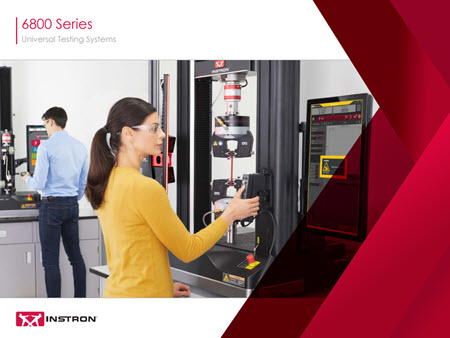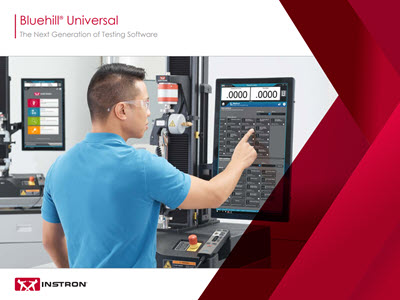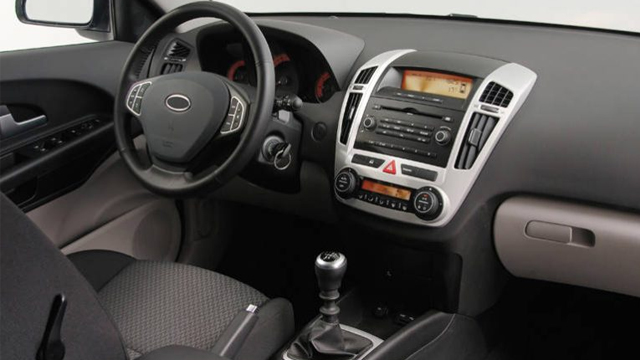
De dispositivos de consumo ao crescente número de sistemas eletrônicos nos veículos de hoje, os componentes eletrônicos devem suportar as tensões mecânicas de fabricação, montagem e uso diário. As soluções de ensaio da Instron ajudam os fabricantes a verificar a força de adesão, a confiabilidade da conexão e a durabilidade, de acordo com as principais normas do setor.
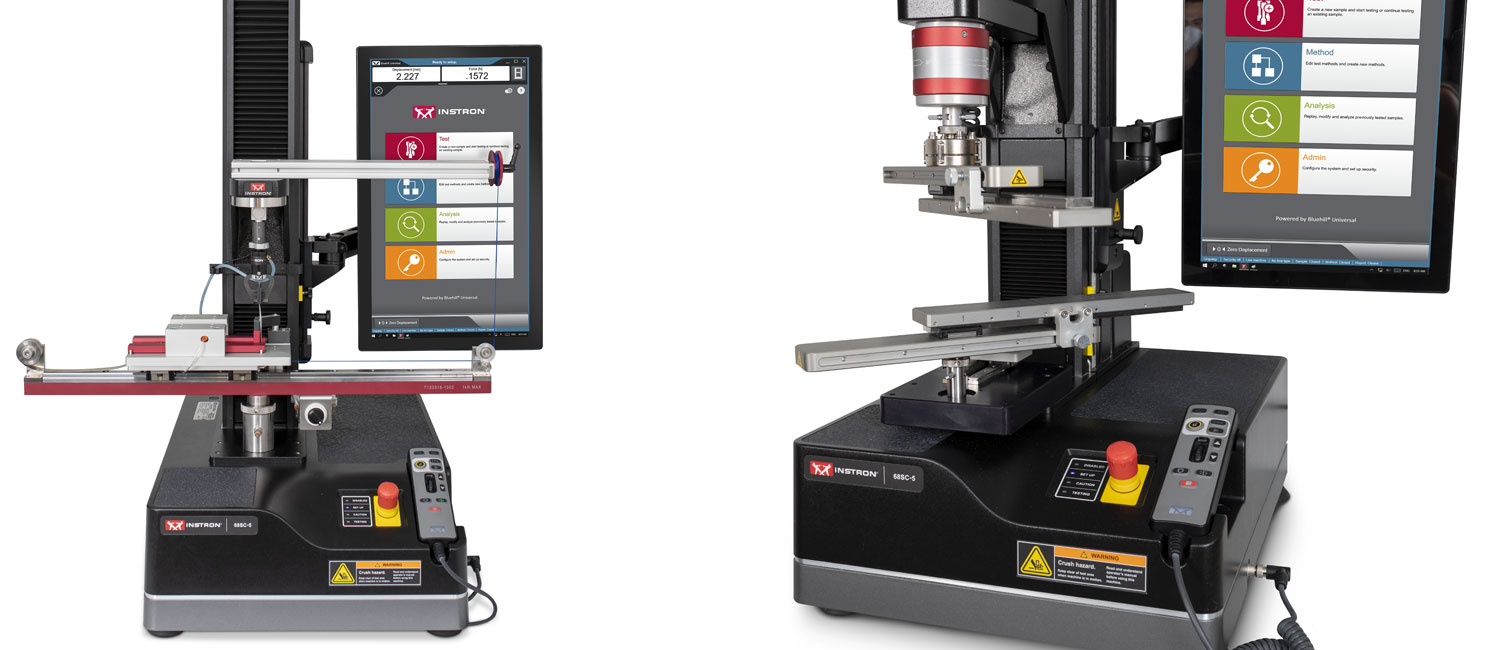
Procurando por ensaios comuns, como cisalhamento de sobreposição, tração de pinos e ensaios de descascamento? Explore nossas Aplicações de Ensaios Eletrônicos de Uso Geral.
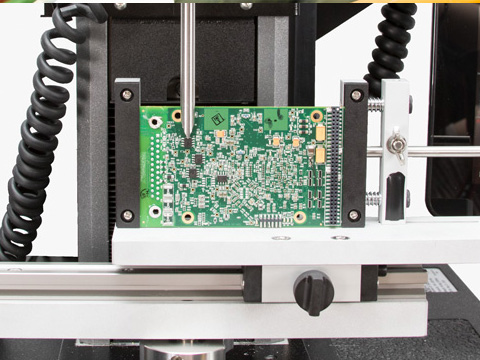
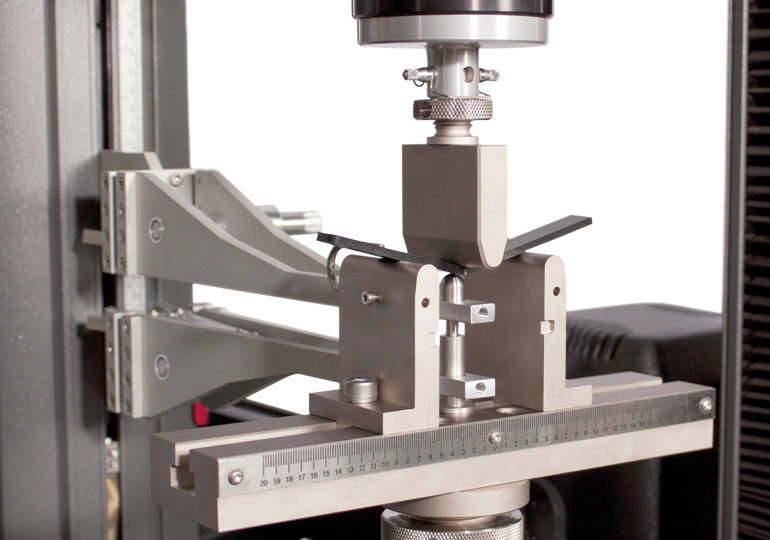
A norma AEC-Q200-005 Rev A define o padrão para verificar a força de adesão de componentes de montagem em superfície em placas de circuito impresso (PCBs) acabadas, testando sua capacidade de suportar forças de dobramento, flexão e tração.
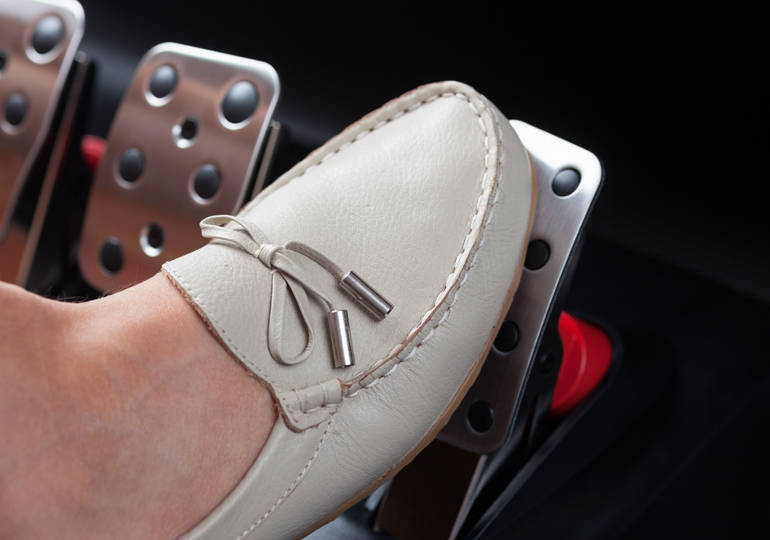
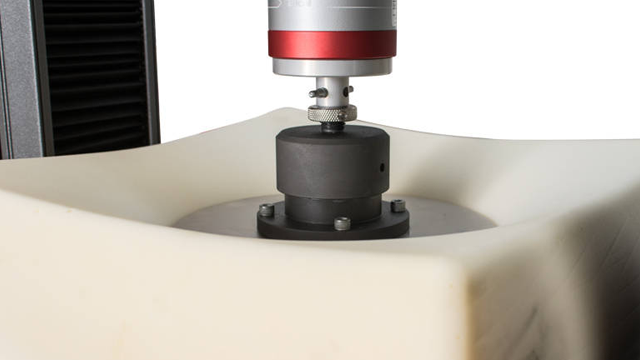
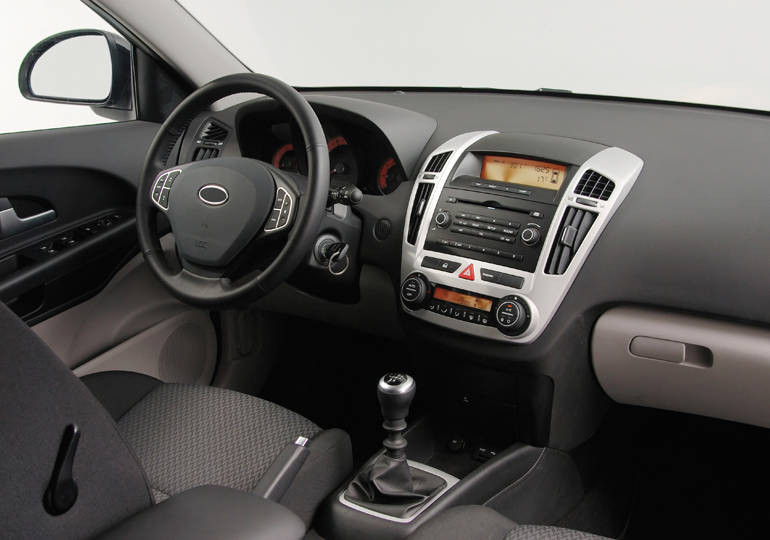
Botões e interruptores controlam quase tudo nos veículos atuais, desde a partida do veículo até os controles do painel, infoentretenimento e travamento das portas. O ensaio de compressão mede a força de acionamento e a sensação de cada botão ou interruptor, ajudando os fabricantes a verificar o desempenho consistente ao longo de sua vida útil.
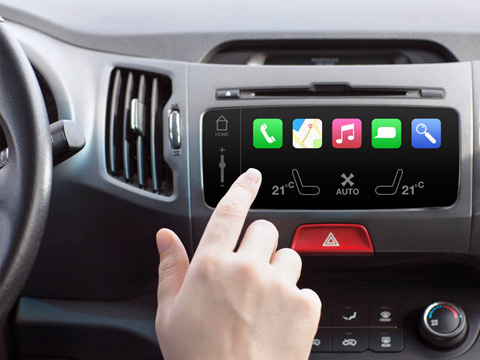
À medida que as telas de infoentretenimento e as telas sensíveis ao toque se tornam padrão em muitos veículos, os fabricantes precisam entender sua confiabilidade mecânica. O ensaio de painéis de exibição avalia como as telas e painéis respondem às forças que experimentam durante a montagem e o uso diário.
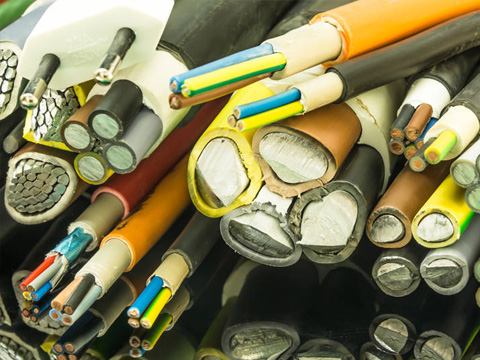
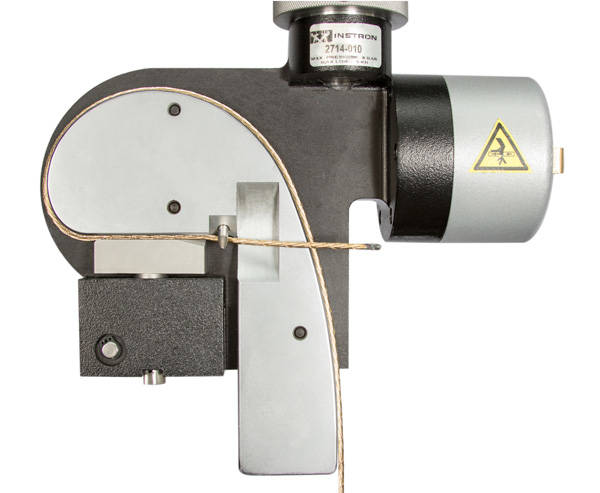
Os veículos de hoje contêm um número crescente de fios elétricos e chicotes de cabos que transmitem energia e sinais para controles de trem de força, diagnósticos de bordo, iluminação, controles de painel e sistemas de infoentretenimento. O ensaio de tração verifica a resistência dos fios e de seu isolamento, ajudando a reduzir o risco de falhas elétricas.
O Automotive Electronics Council (AEC) definiu normas que são críticas para a qualificação de componentes elétricos usados em veículos. Com o rápido aumento da microeletrônica nos veículos, o ensaio de resistência de terminais de acordo com essas normas ajuda a garantir que os terminais dos componentes possam suportar as forças mecânicas de montagem e uso.
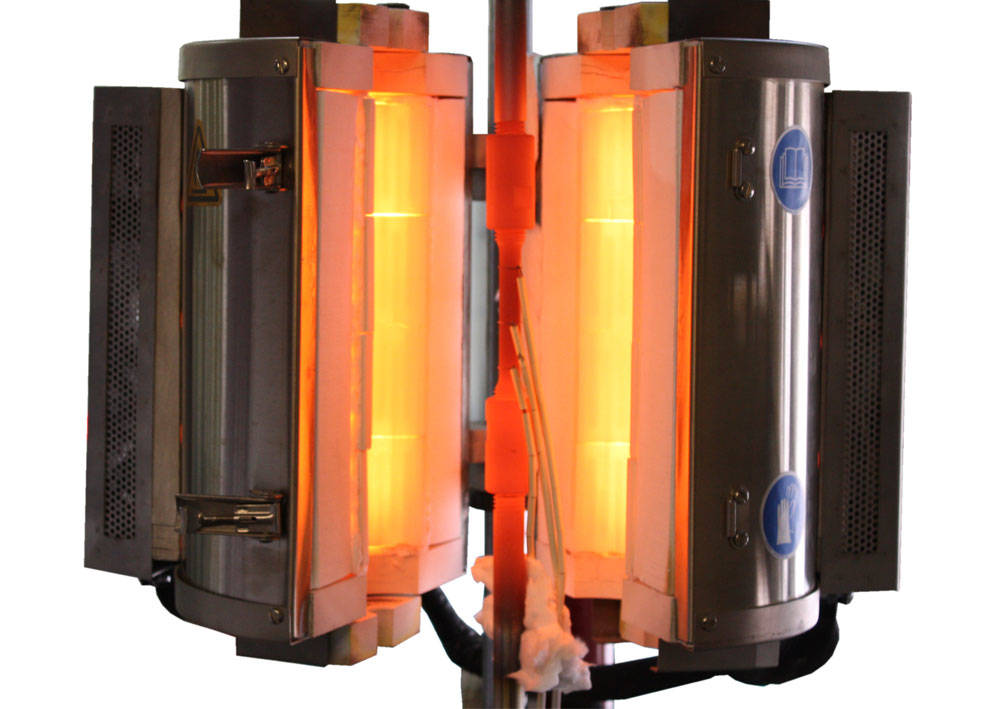
Os sistemas de teste de fadiga a alta temperatura incluem sistemas de Fadiga de Baixo Ciclo (LCF), Fadiga Termomecânica (TMF) e Teste Eletro-Térmico Mecânico (ETMT). Os sistemas LCF avaliam o desempenho dos materiais em condições isotérmicas elevadas quando submetidos a altas cargas e deformações plásticas. Os sistemas TMF e ETMT simulam os efeitos complexos de ciclos térmicos combinados com cargas mecânicas, normalmente experimentados por turbinas a gás e equipamentos similares durante a operação. Todos os sistemas de teste de fadiga a alta temperatura da Instron são pacotes totalmente integrados que permitem aos nossos clientes realizar testes de forma rápida e eficiente, em conformidade com todas as normas relevantes.
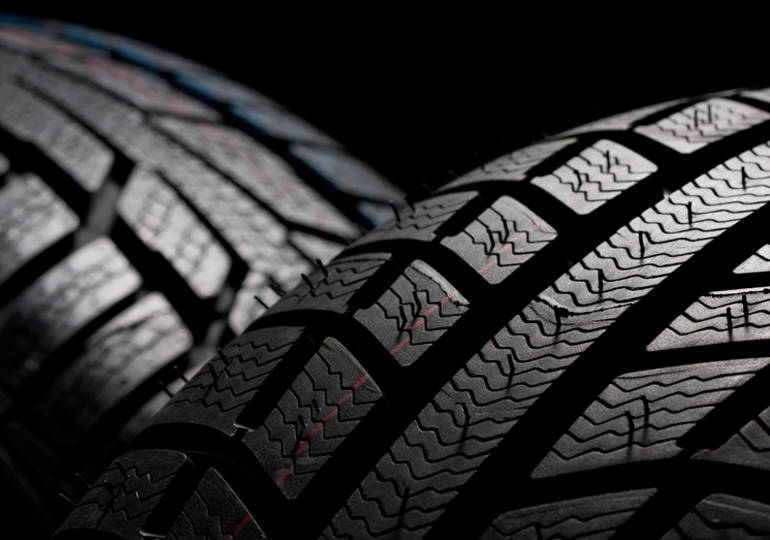
Esta nota de aplicação explora a reologia de compostos de borracha para pneus e os desafios que os fabricantes enfrentam ao avaliar viscosidade, comportamento de fluxo e características de inchamento na matriz. Utilizando um reômetro capilar CEAST SR20, o estudo mede a viscosidade dependente da taxa de cisalhamento e o inchamento do extrudado para compreender melhor como os elastômeros se comportam durante o processamento. Os resultados demonstram comportamento de fluxo não newtoniano, forte repetibilidade e o valor da medição de inchamento baseada em laser para otimizar formulações de borracha para pneus e garantir produção consistente e de alta qualidade.
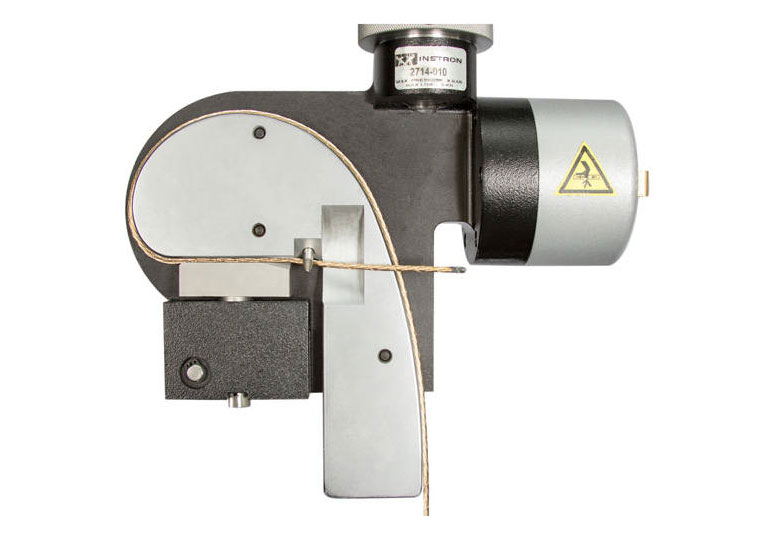
Os cordões de pneus são materiais de reforço extremamente resistentes, tornando-os difíceis de fixar durante o ensaio sem causar falha prematura. As garras para cordões da Instron são projetadas com faces lisas e curvas que distribuem a tensão uniformemente ao longo do corpo de prova, reduzindo significativamente as rupturas nas garras e garantindo resultados mais precisos e repetíveis.
Explore os desafios únicos do ensaio de tração em materiais elastoméricos de pneus, onde a elongação extrema, a variação de temperatura e o afinamento do corpo de prova podem comprometer a precisão. O texto explica por que os extensômetros tradicionais do tipo clip-on são insuficientes e destaca soluções de extensometria sem contato e de longo curso — como as séries AVE 2 e XL — que fornecem medição de deformação confiável até a ruptura. A visão geral também aborda as dificuldades de fixação comuns em corpos de prova de borracha e descreve opções de garras pneumáticas e de autoaperto que evitam o deslizamento e falhas prematuras, ajudando os fabricantes a obter resultados consistentes e em conformidade com as normas.
Os processos de união são fundamentais para a integridade estrutural e a segurança dos conjuntos automotivos. De ligações adesivas e soldas plásticas a fixadores metálicos de alta resistência, cada método de união deve ser rigorosamente testado para garantir seu desempenho em condições reais. A Instron oferece uma gama abrangente de soluções de teste para ajudar fabricantes e fornecedores automotivos a caracterizar as propriedades mecânicas de suas tecnologias de união — desde testes quase-estáticos até a avaliação de alta taxa de deformação.
À medida que a redução de peso impulsiona a adoção de novos materiais no design automotivo, a tecnologia de união por adesivos desempenha um papel cada vez mais crítico. Esta página aborda as soluções de ensaios da Instron para aplicações de adesivos automotivos — desde ensaios de cisalhamento de sobreposição e descascamento até tenacidade à fratura, fadiga e ensaios de impacto conforme a ISO 11343 e outras normas fundamentais.
Compreender como as juntas soldadas, parafusadas e adesivas se comportam sob condições de alta taxa de deformação é fundamental para validar simulações de colisão e desenvolver estruturas de veículos mais leves e resistentes. Esta página aborda as soluções de ensaios de alta taxa de deformação da Instron para estruturas automotivas unidas, incluindo o sistema VHS e uma ampla gama de acessórios de montagem e dispositivos personalizados.
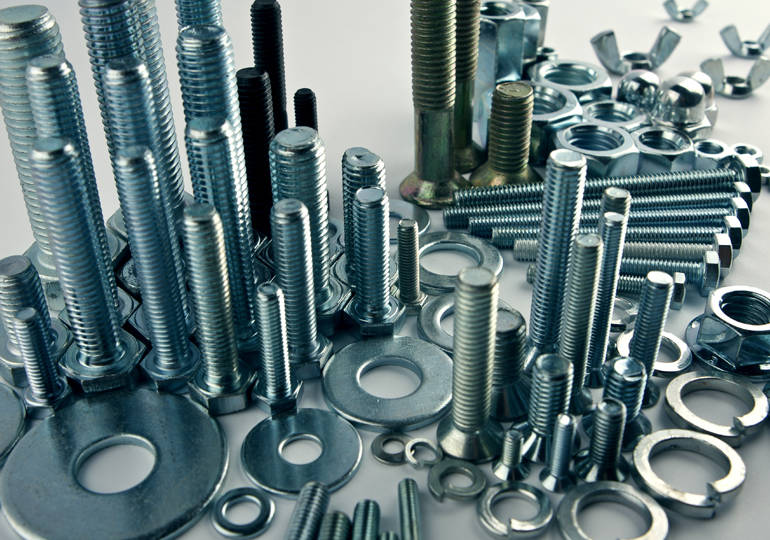
Parafusos metálicos são utilizados em volumes enormes em toda a fabricação automotiva, desde montagens estruturais de alta resistência até a fixação de componentes leves. Esta página aborda as soluções de teste da Instron para toda a gama de desafios de teste de parafusos — incluindo controle de qualidade para produção de alto volume, teste de parafusos curtos, carga de prova de porcas, medição de deformação e teste de resistência ao cisalhamento.
À medida que os componentes plásticos se tornam cada vez mais comuns no design automotivo, garantir a integridade das uniões de soldas em plástico é fundamental tanto para o desenvolvimento do produto quanto para o controle de qualidade. Esta página aborda as soluções de ensaio de tração da Instron para juntas plásticas soldadas, incluindo opções de fixação descentrada para corpos de prova com abas não lineares e placas de teste de componentes para geometrias não padronizadas.
Não tem certeza de qual solução de teste é a ideal para sua aplicação de união?

There are multiple ways in which batteries can fail. One of the most common modes of failure is caused by the electrode coating material cracking or delaminating from the current collector. This cracking or delaminating is typically caused by the constant charging and discharging of the battery as well as by mechanical loading of the battery in use. It is critical to understand the adhesion strength and longevity of electrodes to ensure that a battery does not fail before the end of its predicted life cycle.
As battery manufacturers work to understand the adhesive properties of their cathode and anode materials, many are also introducing new electrode makeups in an effort to increase the safety and energy density of batteries. Most of these changes are to the anode material with additions such as silicone, which requires further testing and analysis. It is critical to understand how electrode adhesion is influenced by different binders and elements. The three types of testing most commonly used to characterize the adhesive properties and monitor production material for electrodes are 90° peel tests, 180° peel tests, and tack tests.
The most commonly performed peel tests are 90° and 180° peel tests. 180° testing has an advantage over 90° testing in simplicity of setup and ease of alignment. This testing can be done using low force grips and load cells along with a substrate that helps the flexible material maintain proper alignment during testing. It is best to consider pneumatic grips and a metal substrate to ensure high throughput and a proper 180° peel throughout each test.

90° peel testing is commonly seen as an alternative to 180° degree peel testing. The 90° peel test generally involves slightly higher loads than the 180° peel test and can be set up more quickly because it often does not require a substrate. Instron’s most common solutions for this testing are a standard 90° peel fixture or a pneumatic peel fixture designed specifically to test the adhesion of electrodes. The pneumatic 90° peel fixture was developed specifically for electrode adhesion testing and provides improved repeatability and throughput while also aiding the operator in consistent specimen placement and alignment at 90°. For the upper fixture, a pneumatic grip optimizes throughput and repeatability and is recommended for testing delicate materials.
A tack test is an electrode adhesion test that has been backed by researchers as an additional way to test the adhesion of electrodes to a battery's current collector. Instead of slowly peeling electrodes from the current collector, a tack test focuses on the adhesion strength of an entire predetermined area of electrodes, allowing for quicker evaluation of electrode adhesion over a large area. Instron’s tack testing fixture is designed for ease of specimen preparation as well as high throughput and repeatability. It features predetermined contact areas in addition to a spherically seated and lockable upper fixture, which ensures parallelism between both fixtures. Due to the fast speeds of this testing, a testing system with a very high data rate collection will ensure the best possible results and throughput.
A separator is a membrane that separates a battery cell's anode from its cathode. Separator films are a critical part of lithium-ion batteries and other liquid electrolyte batteries. The polymers used for these films must be strong enough to withstand the winding operation during assembly as well as plating of lithium on the anode in an uneven manner due to extensive use. Issues with the selection of the cell separator materials can compromise battery integrity and increase the potential for internal short circuits, leading to thermal runaway, fire, and even explosions. Safer and stronger separator material more effectively prevents contact between the anode and cathode, while thinner material helps reduce the weight of each battery and improve energy density.
The main tests performed to evaluate the mechanical properties of separator film are tensile, puncture, and coefficient of friction tests. Tensile and coefficient of friction testing are critical for ensuring the separator film can withstand manufacturing of the battery, while puncture resistance is a crucial mechanical property used to assess and select the material with the best performance, while reducing the thickness, number of layers, and weight. UL 2591 (Component certification for lithium-ion battery cell separators) was specifically designed
to develop a comprehensive approach to cell separator testing in order to address safety
concerns associated with separators becoming progressively thinner and lighter due to industry trends.
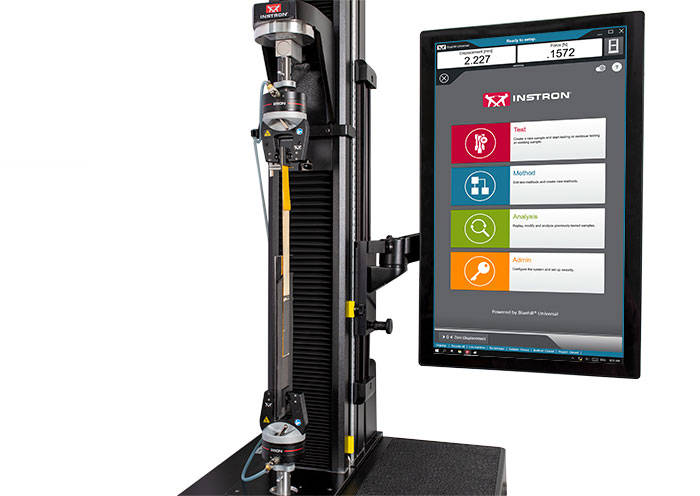
Tensile testing ensures that separator film can withstand all tensile forces applied during manufacturing and throughout the service life of the battery. There are several standards suitable for tensile testing polymer separators, including ASTM D882 and ISO 527-3. Ensuring proper specimen alignment, insertion, and grip operation are necessary for best repeatability and throughput, as well as to avoid possible damage to a specimen before testing. Instron offers a variety of solutions for tensile testing battery separator films, with both affordable and premium tiers of products designed to provide superior accuracy and throughput for labs requiring them. Testing these materials in accordance to ASTM D882 can be very beneficial for quality control checks as well as during R&D when trying to determine the optimal separator film solution. Additionally, as is the case for many other thin film materials, separator film is anisotropic and so is recommended to be tested in multiple different cutting/testing directions.
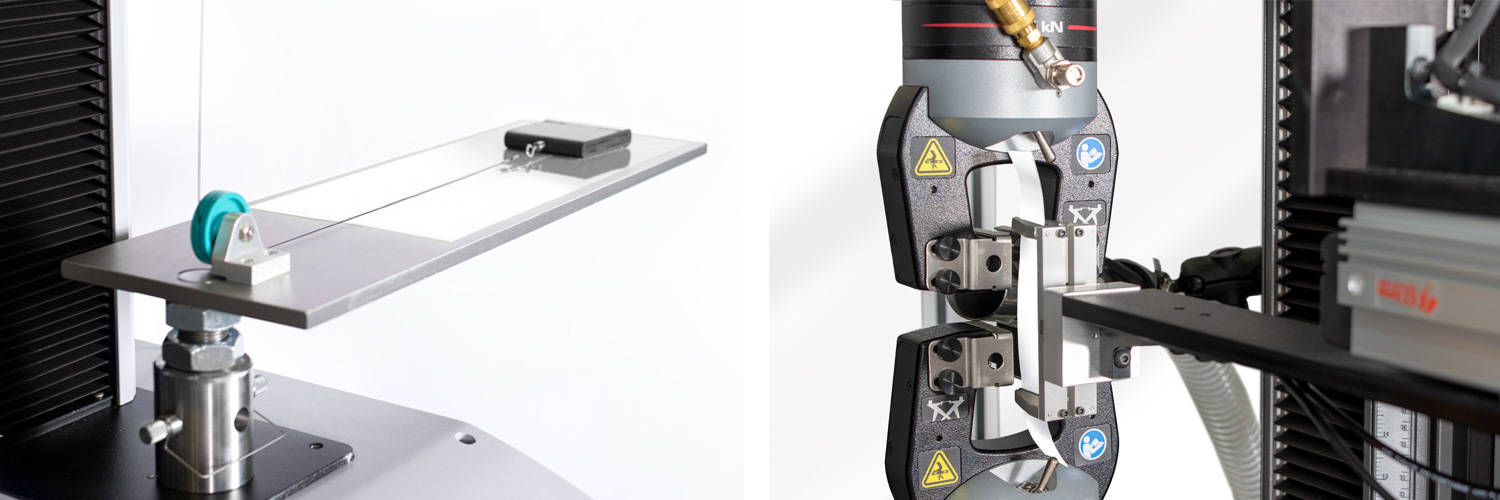
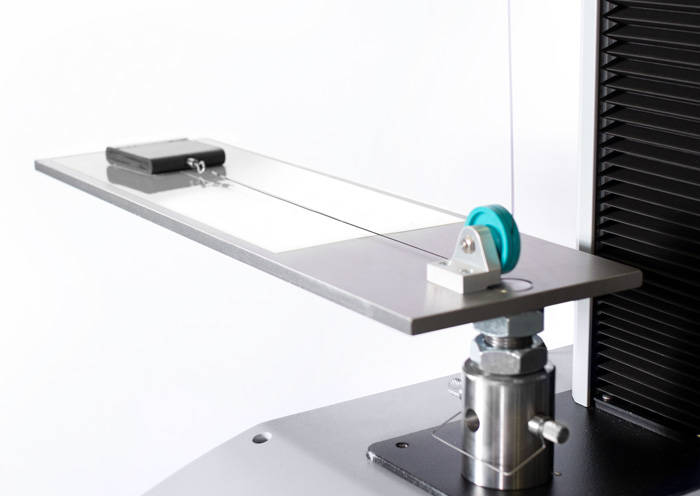
Separator film must be strong enough to withstand punctures from dendrites that form with extensive battery use. This is critical for ensuring the safety and longevity of each cell throughout the lifespan of the battery. Ensuring proper specimen tautness and alignment of the upper probe are critical for this application. ASTM F1306 outlines the puncture testing of flexible barrier films to characterize the material response when a 3.2 mm diameter probe is driven into a clamped specimen. EN 14477 is another standard that characterizes the puncture resistance of thin film materials, however, it uses a smaller probe (0.8 mm) compared to ASTM F1306. High-speed puncture resistance testing to ASTM D3763 can be determined by use of Instron's 9450 Series drop tower.
Tight winding creates mechanical loads between the separator film and the electrode coating, and understanding the coefficient of friction can ensure that proper winding processes occur in production. It is common to use ISO 8295 and ASTM D1894-14 as guidance for this testing.
Automation systems from Instron introduce a new level of productivity for battery testing. As battery production volumes continue to increase, throughput and efficiency are critical to keep up with demand. Utilizing an automation system with the recommended equipment for each application can free up operators and maximize throughput, while maintaining optimal results.

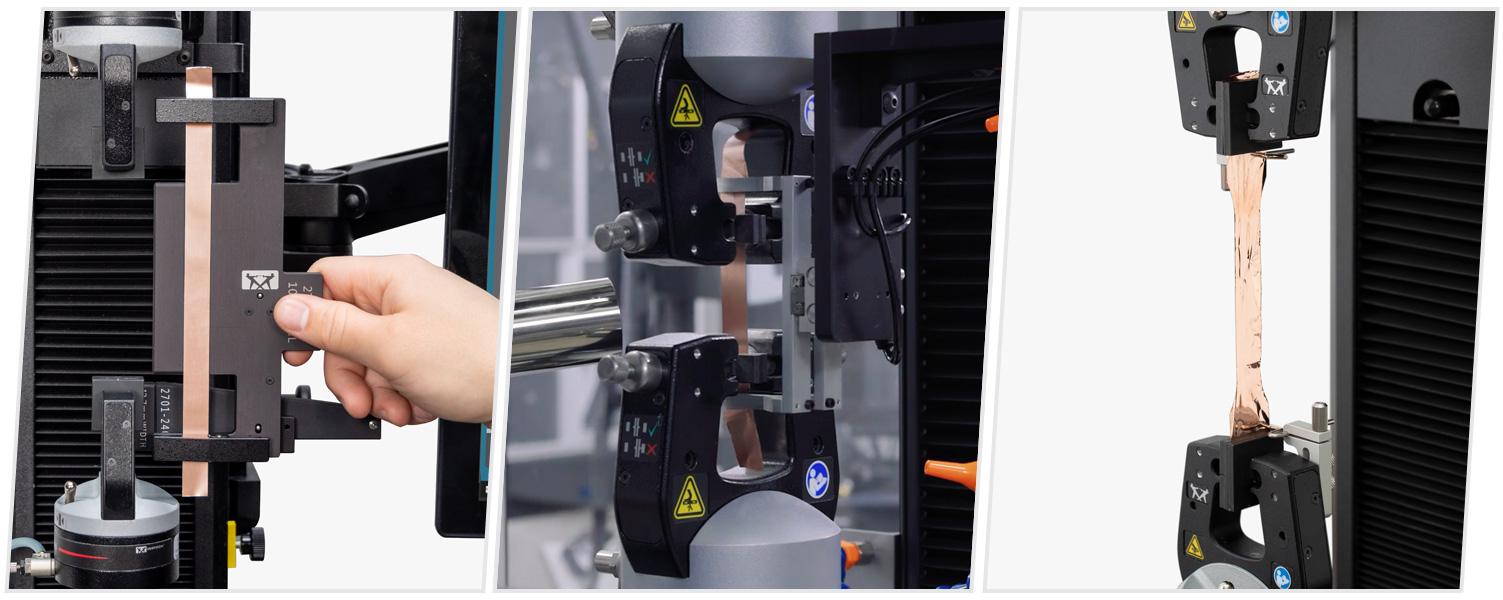
A standard tensile test is the most appropriate way to determine the mechanical properties of aluminum and copper foil specimens. Typically, elongation at break and maximum load are the key material properties that are calculated in mechanical testing, as these properties help ensure the quality of the foil; whether or not it will be able to withstand the mechanical loading and expansion/contraction in use.
While some standards may call out gripping options, such as wedge action grips, Instron has found that pneumatic side action grips are the optimal solution for foil under 20 microns thick. Pneumatic side action grips offer the ability to fine tune the clamping pressure and they will always provide constant pressure throughout each test. The use of pneumatic grips also improves throughput for these high-volume materials, as quality control labs can test hundreds of specimens per day. An additional factor that must be considered is the type of clamping surface, such as the jaw faces used. The optimal jaw faces to pair with pneumatic side action grips are rubber-coated faces. The soft and pliable rubber is able to adequately hold foil material throughout the duration of a test, while minimizing the stress concentration added by clamping the specimens.

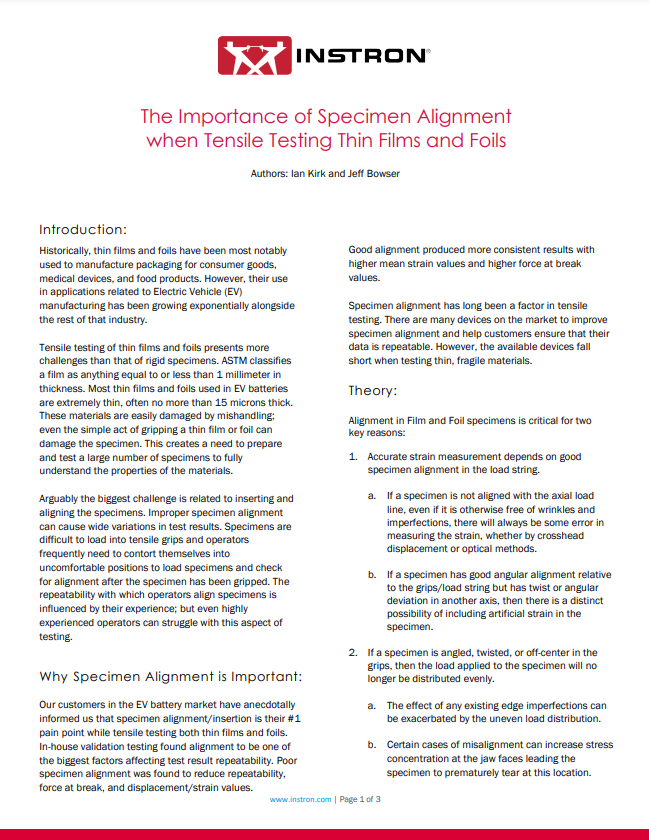
Two of the biggest challenges that come from testing foil material are the preparation and alignment of the specimen. Specimen preparation is extremely critical for such fragile specimens. The better the quality of the cut, the better the quality of the edges will be for each specimen. Poorly cut edges increase the chances of the material breaking prematurely. Premature failure reduces the quality of the test results, and can lead to the need for re-testing.
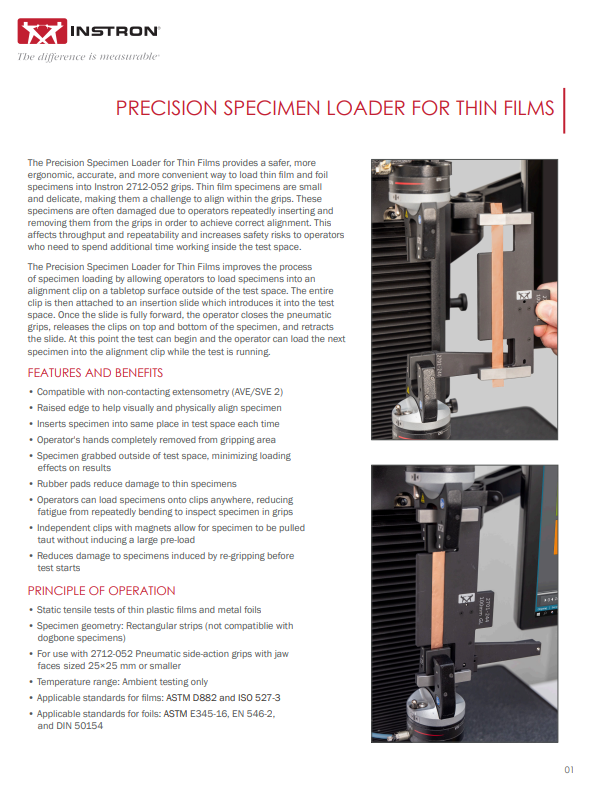
Specimen alignment is also critical for repeatability and protection of the specimen, as thin foils can be noticeably affected by minor misalignment within the grips. Additionally, having to adjust foils within the grips multiple times can sometimes lead to premature breaks due to the damage caused by clamping and unclamping. We highly recommend using Instron’s Precision Specimen Loader to reduce variability in test results while improving ergonomics and safety.
Automation systems from Instron introduce a new level of productivity for foil testing. As battery production volumes continue to increase, throughput and efficiency are critical to keep up with demand. Utilizing an automation system with the recommended equipment for each application can free up operators and maximize throughput, while maintaining optimal results.