
ในหลักสูตรหนึ่งวันนี้ ผู้เรียนจะได้เรียนรู้เกี่ยวกับการทดสอบวัสดุ โดยหลักสูตรจะเน้นพื้นฐานของการทดสอบวัสดุ รวมถึงคุณสมบัติทางกล การทดสอบประเภทต่างๆ กราฟการทดสอบความเค้น/ความเครียด มอดุลัส จุดคราก และการทดสอบการใช้งานจริง พร้อมการสาธิตด้วยเครื่องทดสอบวัสดุแบบใช้คอมพิวเตอร์ควบคุม ผู้เรียนจะได้สังเกตการทดสอบแรงดึง แรงอัด การดัดโค้ง และการลอก เพื่อเรียนรู้วิธีการตีความกราฟการทดสอบและผลการคำนวณ ดาวน์โหลด โครงสร้างหลักสูตร เพื่อดูโปรแกรมทั้งหมด
หลังจากจบหลักสูตรนี้ คุณจะสามารถ:
- เข้าใจคำศัพท์ ทฤษฎี และแนวคิดพื้นฐานของการทดสอบวัสดุ
- เข้าใจกราฟการทดสอบแรง/การกระจัดทั่วไป และสามารถแยกแยะความแตกต่างระหว่างกราฟประเภทต่างๆ ได้
- สิ่งที่ควรทำและไม่ควรทำเมื่อทำการทดสอบแรงดึง แรงอัด การดัดโค้ง และการลอกแบบทั่วไป
- เรียนรู้ขั้นตอนการทดสอบที่ดีเมื่อใช้เครื่องทดสอบแบบใช้คอมพิวเตอร์ควบคุมในการทดสอบแรงดึง แรงอัด การดัดโค้ง และการลอก
- เรียนรู้ความสำคัญของการสอบเทียบระบบเพื่อความแม่นยำของข้อมูล
- เข้าใจรูปทรงของชิ้นงานทดสอบและความสำคัญของขนาดชิ้นงาน
- คำนวณความเค้น ความเครียด การยืดตัว มอดุลัส จุดครากแบบออฟเซต และการคำนวณขั้นสูงอื่นๆ
- สามารถตีความกราฟการทดสอบและระบุจุดสำคัญรวมถึงผลลัพธ์ต่างๆ ได้
- เข้าใจประเภทของการวัดความเครียดและอุปกรณ์วัดประเภทต่างๆ
ลงทะเบียนสำหรับหลักสูตรนี้
ในหลักสูตรหนึ่งวันนี้ นักเรียนจะได้เรียนรู้เกี่ยวกับการทดสอบวัสดุ หลักสูตรนี้จะเน้นพื้นฐานของการทดสอบวัสดุ รวมถึงคุณสมบัติทางกล การทดสอบประเภทต่างๆ กราฟการทดสอบความเค้น/ความเครียด มอดุลัส จุดคราก และการทดสอบการใช้งานพร้อมการสาธิตด้วยเครื่องทดสอบวัสดุแบบคอมพิวเตอร์ นักเรียนจะได้สังเกตการทดสอบแรงดึง แรงอัด การดัดโค้ง และการลอก เพื่อเรียนรู้การตีความกราฟการทดสอบและผลลัพธ์ที่คำนวณได้ ดาวน์โหลด โครงร่างหลักสูตร เพื่อดูโปรแกรมฉบับเต็ม
หลังจากจบหลักสูตรนี้ คุณจะสามารถ:
- เข้าใจคำศัพท์ ทฤษฎี และแนวคิดพื้นฐานของการทดสอบวัสดุ
- เข้าใจกราฟการทดสอบแรง/การกระจัดทั่วไป และสามารถแยกแยะความแตกต่างระหว่างกราฟประเภทต่างๆ ได้
- สิ่งที่ควรทำและไม่ควรทำเมื่อทำการทดสอบแรงดึง แรงอัด การดัดโค้ง และการลอกทั่วไป
- เรียนรู้ขั้นตอนการทดสอบที่ดีเมื่อใช้เครื่องมือทดสอบแบบคอมพิวเตอร์เพื่อทำการทดสอบแรงดึง แรงอัด การดัดโค้ง และการลอก
- เรียนรู้ความสำคัญของการสอบเทียบระบบเพื่อความแม่นยำของข้อมูล
- เข้าใจรูปทรงของชิ้นงานทดสอบและความสำคัญของขนาดชิ้นงานทดสอบ
- คำนวณความเค้น ความเครียด การยืดตัว มอดุลัส จุดครากแบบออฟเซต และการคำนวณขั้นสูงอื่นๆ
- สามารถตีความกราฟการทดสอบและระบุจุดสำคัญและผลลัพธ์ต่างๆ ได้
- เข้าใจประเภทต่างๆ ของการวัดความเครียดและอุปกรณ์วัด
ลงทะเบียนสำหรับหลักสูตรนี้

ในหลักสูตรหนึ่งวันนี้ ผู้เรียนจะได้เรียนรู้เกี่ยวกับการทดสอบวัสดุ หลักสูตรนี้จะเน้นพื้นฐานของการทดสอบวัสดุ รวมถึงคุณสมบัติทางกล การทดสอบประเภทต่างๆ กราฟความเค้น/ความเครียด (stress/strain test curves) มอดุลัส จุดคราก (yield) และการทดสอบการใช้งานจริง พร้อมการสาธิตด้วยเครื่องทดสอบวัสดุแบบใช้คอมพิวเตอร์ควบคุม ผู้เรียนจะได้สังเกตการทดสอบแรงดึง แรงอัด การดัดโค้ง และการลอก (peel tests) เพื่อเรียนรู้วิธีการตีความกราฟการทดสอบและผลลัพธ์ที่คำนวณได้ ดาวน์โหลด โครงสร้างหลักสูตร เพื่อดูโปรแกรมฉบับเต็ม
หลังจากจบหลักสูตรนี้ คุณจะสามารถ:
- เข้าใจคำศัพท์ ทฤษฎี และแนวคิดพื้นฐานของการทดสอบวัสดุ
- เข้าใจกราฟการทดสอบแรง/การกระจัด (force/displacement) ทั่วไป และสามารถแยกแยะความแตกต่างระหว่างกราฟประเภทต่างๆ ได้
- สิ่งที่ควรทำและไม่ควรทำเมื่อทำการทดสอบแรงดึง แรงอัด การดัดโค้ง และการลอกทั่วไป
- เรียนรู้ขั้นตอนการทดสอบที่ดีเมื่อใช้เครื่องทดสอบแบบใช้คอมพิวเตอร์ควบคุมเพื่อทำการทดสอบแรงดึง แรงอัด การดัดโค้ง และการลอก
- เรียนรู้ความสำคัญของการสอบเทียบระบบเพื่อความแม่นยำของข้อมูล
- เข้าใจเรขาคณิตของชิ้นงานทดสอบและความสำคัญของขนาดชิ้นงาน
- คำนวณความเค้น ความเครียด ความยืดตัว มอดุลัส ออฟเซ็ตยิลด์ (offset yield) และการคำนวณขั้นสูงอื่นๆ
- สามารถตีความกราฟการทดสอบและระบุจุดสำคัญรวมถึงผลลัพธ์ต่างๆ ได้
- เข้าใจการวัดความเครียดและอุปกรณ์วัดประเภทต่างๆ
ลงทะเบียนสำหรับหลักสูตรนี้
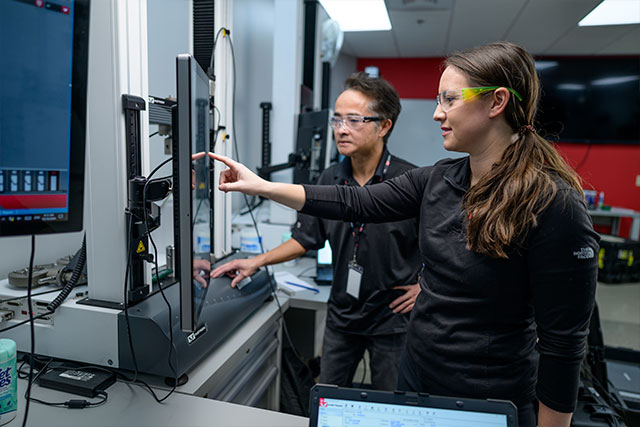
ในหลักสูตรหนึ่งวันนี้ ผู้เรียนจะได้เรียนรู้เกี่ยวกับการทดสอบวัสดุ โดยหลักสูตรจะเน้นพื้นฐานของการทดสอบวัสดุ รวมถึงคุณสมบัติทางกล การทดสอบประเภทต่างๆ กราฟการทดสอบความเค้น/ความเครียด มอดุลัส จุดคราก และการทดสอบการใช้งาน พร้อมการสาธิตด้วยเครื่องทดสอบวัสดุแบบคอมพิวเตอร์ ผู้เรียนจะได้สังเกตการทดสอบแรงดึง แรงอัด การดัดโค้ง และการลอก เพื่อเรียนรู้วิธีการตีความกราฟการทดสอบและผลลัพธ์ที่คำนวณได้ ดาวน์โหลด โครงร่างหลักสูตร เพื่อดูโปรแกรมทั้งหมด
หลังจากจบหลักสูตรนี้ คุณจะสามารถ:
- เข้าใจคำศัพท์ ทฤษฎี และแนวคิดพื้นฐานของการทดสอบวัสดุ
- เข้าใจกราฟการทดสอบแรง/การกระจัดทั่วไป และสามารถแยกแยะความแตกต่างระหว่างกราฟประเภทต่างๆ ได้
- สิ่งที่ควรทำและไม่ควรทำเมื่อทำการทดสอบแรงดึง แรงอัด การดัดโค้ง และการลอกทั่วไป
- เรียนรู้ขั้นตอนการทดสอบที่ดีเมื่อใช้เครื่องทดสอบแบบคอมพิวเตอร์เพื่อทำการทดสอบแรงดึง แรงอัด การดัดโค้ง และการลอก
- เรียนรู้ความสำคัญของการสอบเทียบระบบเพื่อความแม่นยำของข้อมูล
- เข้าใจรูปทรงของชิ้นงานทดสอบและความสำคัญของขนาดชิ้นงานทดสอบ
- คำนวณความเค้น ความเครียด ความยืดตัว มอดุลัส ออฟเซตยิลด์ และการคำนวณขั้นสูงอื่นๆ
- สามารถตีความกราฟการทดสอบและระบุจุดสำคัญและผลลัพธ์ต่างๆ ได้
- เข้าใจประเภทต่างๆ ของการวัดความเครียดและอุปกรณ์วัด
ลงทะเบียนสำหรับหลักสูตรนี้

ในหลักสูตรหนึ่งวันนี้ นักเรียนจะได้เรียนรู้เกี่ยวกับการทดสอบวัสดุ หลักสูตรนี้จะเน้นพื้นฐานของการทดสอบวัสดุ รวมถึงคุณสมบัติทางกล การทดสอบประเภทต่างๆ กราฟการทดสอบความเค้น/ความเครียด (stress/strain) มอดุลัส จุดคราก (yield) และการทดสอบการใช้งานจริง พร้อมการสาธิตด้วยเครื่องทดสอบวัสดุแบบใช้คอมพิวเตอร์ควบคุม นักเรียนจะได้สังเกตการทดสอบแรงดึง แรงอัด การดัดโค้ง และการลอก (peel tests) เพื่อเรียนรู้การตีความกราฟการทดสอบและผลลัพธ์ที่คำนวณได้ ดาวน์โหลด โครงร่างหลักสูตร เพื่อดูโปรแกรมทั้งหมด
หลังจากจบหลักสูตรนี้ คุณจะสามารถ:
- เข้าใจคำศัพท์ ทฤษฎี และแนวคิดพื้นฐานของการทดสอบวัสดุ
- เข้าใจกราฟการทดสอบแรง/การกระจัด (force/displacement) ทั่วไป และสามารถแยกแยะความแตกต่างระหว่างกราฟประเภทต่างๆ ได้
- สิ่งที่ควรทำและไม่ควรทำเมื่อทำการทดสอบแรงดึง แรงอัด การดัดโค้ง และการลอกแบบทั่วไป
- เรียนรู้ขั้นตอนการทดสอบที่ดีเมื่อใช้เครื่องทดสอบแบบคอมพิวเตอร์เพื่อทำการทดสอบแรงดึง แรงอัด การดัดโค้ง และการลอก
- เรียนรู้ความสำคัญของการสอบเทียบระบบเพื่อความแม่นยำของข้อมูล
- เข้าใจรูปทรงของชิ้นงานทดสอบและความสำคัญของขนาดชิ้นงาน
- คำนวณความเค้น ความเครียด ความยืดตัว มอดุลัส จุดครากแบบออฟเซ็ต และการคำนวณขั้นสูงอื่นๆ
- สามารถตีความกราฟการทดสอบและระบุจุดสำคัญรวมถึงผลลัพธ์ต่างๆ ได้
- เข้าใจการวัดความเครียดและอุปกรณ์วัดประเภทต่างๆ
ลงทะเบียนสำหรับหลักสูตรนี้
ในหลักสูตรหนึ่งวันนี้ นักเรียนจะได้เรียนรู้เกี่ยวกับการทดสอบวัสดุ โดยหลักสูตรจะเน้นพื้นฐานของการทดสอบวัสดุ ซึ่งรวมถึงคุณสมบัติทางกล การทดสอบประเภทต่างๆ กราฟการทดสอบความเค้น/ความเครียด (stress/strain) โมดูลัส จุดคราก (yield) และการทดสอบการใช้งาน พร้อมการสาธิตด้วยเครื่องทดสอบวัสดุแบบใช้คอมพิวเตอร์ควบคุม นักเรียนจะได้สังเกตการทดสอบแรงดึง แรงอัด การดัดโค้ง และการลอก (peel tests) เพื่อเรียนรู้วิธีการตีความกราฟการทดสอบและผลลัพธ์ที่คำนวณได้ ดาวน์โหลด โครงสร้างหลักสูตร เพื่อดูโปรแกรมทั้งหมด
หลังจากจบหลักสูตรนี้ คุณจะสามารถ:
- เข้าใจคำศัพท์ ทฤษฎี และแนวคิดพื้นฐานของการทดสอบวัสดุ
- เข้าใจกราฟการทดสอบแรง/การกระจัด (force/displacement) ทั่วไป และสามารถแยกแยะความแตกต่างระหว่างกราฟประเภทต่างๆ ได้
- สิ่งที่ควรทำและไม่ควรทำเมื่อทำการทดสอบแรงดึง แรงอัด การดัดโค้ง และการลอกทั่วไป
- เรียนรู้ขั้นตอนการทดสอบที่ดีเมื่อใช้เครื่องทดสอบแบบใช้คอมพิวเตอร์ควบคุมเพื่อทำการทดสอบแรงดึง แรงอัด การดัดโค้ง และการลอก
- เรียนรู้ความสำคัญของการสอบเทียบระบบเพื่อความแม่นยำของข้อมูล
- เข้าใจรูปทรงของชิ้นงานทดสอบและความสำคัญของขนาดชิ้นงาน
- คำนวณความเค้น ความเครียด ความยืดตัว โมดูลัส ออฟเซตยิลด์ (offset yield) และการคำนวณขั้นสูงอื่นๆ
- สามารถตีความกราฟการทดสอบและระบุจุดสำคัญรวมถึงผลลัพธ์ต่างๆ ได้
- เข้าใจประเภทของการวัดความเครียดและอุปกรณ์วัดประเภทต่างๆ
ลงทะเบียนสำหรับหลักสูตรนี้
ในหลักสูตรหนึ่งวันนี้ นักเรียนจะได้เรียนรู้เกี่ยวกับการทดสอบวัสดุ หลักสูตรนี้จะเน้นพื้นฐานของการทดสอบวัสดุ รวมถึงคุณสมบัติทางกล การทดสอบประเภทต่างๆ กราฟการทดสอบความเค้น/ความเครียด มอดุลัส จุดคราก และการทดสอบการใช้งานจริงพร้อมการสาธิตบนเครื่องมือทดสอบวัสดุแบบคอมพิวเตอร์ นักเรียนจะได้สังเกตการทดสอบแรงดึง แรงอัด การดัดโค้ง และการลอก เพื่อเรียนรู้วิธีตีความกราฟการทดสอบและผลลัพธ์ที่คำนวณได้ ดาวน์โหลด โครงร่างหลักสูตร เพื่อดูโปรแกรมฉบับเต็ม
หลังจากจบหลักสูตรนี้ คุณจะสามารถ:
- เข้าใจคำศัพท์ ทฤษฎี และแนวคิดพื้นฐานของการทดสอบวัสดุ
- เข้าใจกราฟการทดสอบแรง/การกระจัดทั่วไป และสามารถแยกแยะความแตกต่างระหว่างกราฟประเภทต่างๆ ได้
- สิ่งที่ควรทำและไม่ควรทำเมื่อทำการทดสอบแรงดึง แรงอัด การดัดโค้ง และการลอกทั่วไป
- เรียนรู้ขั้นตอนการทดสอบที่ดีเมื่อใช้เครื่องมือทดสอบแบบคอมพิวเตอร์เพื่อทำการทดสอบแรงดึง แรงอัด การดัดโค้ง และการลอก
- เรียนรู้ความสำคัญของการสอบเทียบระบบเพื่อความแม่นยำของข้อมูล
- เข้าใจเรขาคณิตของชิ้นงานทดสอบและความสำคัญของขนาดชิ้นงานทดสอบ
- คำนวณความเค้น ความเครียด ความยืดตัว มอดุลัส จุดครากแบบออฟเซต และการคำนวณขั้นสูงอื่นๆ
- สามารถตีความกราฟการทดสอบและระบุจุดสำคัญและผลลัพธ์ต่างๆ ได้
- เข้าใจประเภทของการวัดความเครียดและอุปกรณ์วัดประเภทต่างๆ
ลงทะเบียนสำหรับหลักสูตรนี้
In this one-day course, students will learn about materials testing. The course highlights the basics of materials testing including mechanical properties, different types of testing, stress/strain test curves, modulus, yield, and application testing with demonstrations on computerized materials test instruments. Students will observe tensile, compressive, flexural, and peel tests to learn to interpret test curves and calculated results. Download the course outline to see the full program.
After completing this course, you will be able to:
- Understand basic materials testing terminology, theory and concepts
- Understand typical force/displacement test curves and be able to distinguish between different types of curves
- Do’s and Dont’s when running typical tensile, compression, flexure, and peel tests
- Learn good testing procedures when using a computerized testing instrument to perform tension, compression, flexural and peel testing
- Learn the importance of system calibration for data accuracy
- Understand specimen geometry and the importance of specimen dimensions
- Calculate stress, strain, elongation, modulus, offset yield, and other advanced calculations
- Be able to interpret test curves and to label major points and results
- Understand different types of strain measurements and devices
Register for This Course

In this one-day course, students will learn about materials testing. The course highlights the basics of materials testing including mechanical properties, different types of testing, stress/strain test curves, modulus, yield, and application testing with demonstrations on computerized materials test instruments. Students will observe tensile, compressive, flexural, and peel tests to learn to interpret test curves and calculated results. Download the course outline to see the full program.
After completing this course, you will be able to:
- Understand basic materials testing terminology, theory and concepts
- Understand typical force/displacement test curves and be able to distinguish between different types of curves
- Do’s and Dont’s when running typical tensile, compression, flexure, and peel tests
- Learn good testing procedures when using a computerized testing instrument to perform tension, compression, flexural and peel testing
- Learn the importance of system calibration for data accuracy
- Understand specimen geometry and the importance of specimen dimensions
- Calculate stress, strain, elongation, modulus, offset yield, and other advanced calculations
- Be able to interpret test curves and to label major points and results
- Understand different types of strain measurements and devices
Register for This Course
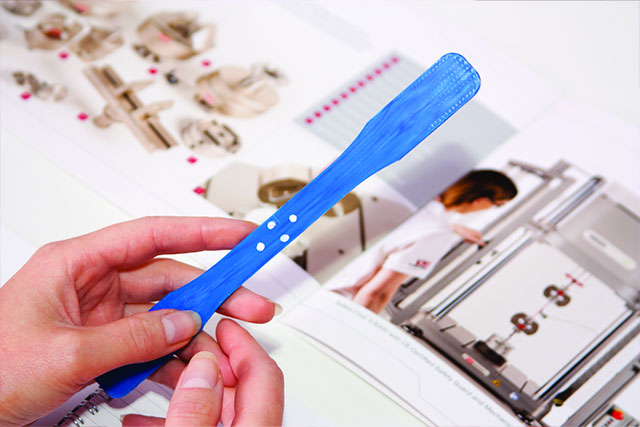
In this one-day course, students will learn about materials testing. The course highlights the basics of materials testing including mechanical properties, different types of testing, stress/strain test curves, modulus, yield, and application testing with demonstrations on computerized materials test instruments. Students will observe tensile, compressive, flexural, and peel tests to learn to interpret test curves and calculated results. Download the course outline to see the full program.
After completing this course, you will be able to:
- Understand basic materials testing terminology, theory and concepts
- Understand typical force/displacement test curves and be able to distinguish between different types of curves
- Do’s and Dont’s when running typical tensile, compression, flexure, and peel tests
- Learn good testing procedures when using a computerized testing instrument to perform tension, compression, flexural and peel testing
- Learn the importance of system calibration for data accuracy
- Understand specimen geometry and the importance of specimen dimensions
- Calculate stress, strain, elongation, modulus, offset yield, and other advanced calculations
- Be able to interpret test curves and to label major points and results
- Understand different types of strain measurements and devices
Register for This Course
In this one-day course, students will learn about materials testing. The course highlights the basics of materials testing including mechanical properties, different types of testing, stress/strain test curves, modulus, yield, and application testing with demonstrations on computerized materials test instruments. Students will observe tensile, compressive, flexural, and peel tests to learn to interpret test curves and calculated results. Download the course outline to see the full program.
After completing this course, you will be able to:
- Understand basic materials testing terminology, theory and concepts
- Understand typical force/displacement test curves and be able to distinguish between different types of curves
- Do’s and Dont’s when running typical tensile, compression, flexure, and peel tests
- Learn good testing procedures when using a computerized testing instrument to perform tension, compression, flexural and peel testing
- Learn the importance of system calibration for data accuracy
- Understand specimen geometry and the importance of specimen dimensions
- Calculate stress, strain, elongation, modulus, offset yield, and other advanced calculations
- Be able to interpret test curves and to label major points and results
- Understand different types of strain measurements and devices
Register for This Course
In this one-day course, students will learn about materials testing. The course highlights the basics of materials testing including mechanical properties, different types of testing, stress/strain test curves, modulus, yield, and application testing with demonstrations on computerized materials test instruments. Students will observe tensile, compressive, flexural, and peel tests to learn to interpret test curves and calculated results. Download the course outline to see the full program.
After completing this course, you will be able to:
- Understand basic materials testing terminology, theory and concepts
- Understand typical force/displacement test curves and be able to distinguish between different types of curves
- Do’s and Dont’s when running typical tensile, compression, flexure, and peel tests
- Learn good testing procedures when using a computerized testing instrument to perform tension, compression, flexural and peel testing
- Learn the importance of system calibration for data accuracy
- Understand specimen geometry and the importance of specimen dimensions
- Calculate stress, strain, elongation, modulus, offset yield, and other advanced calculations
- Be able to interpret test curves and to label major points and results
- Understand different types of strain measurements and devices
Register for This Course


