

Manténgase al día con lo último en ensayos de materiales, desde guías prácticas y conocimientos sobre aplicaciones hasta las tendencias emergentes en sectores como el de la automoción, el aeroespacial, el biomédico y muchos más. Tanto si está resolviendo problemas de un método de ensayo, explorando nuevas normas o simplemente tiene curiosidad por el futuro de la tecnología de ensayos, lo encontrará aquí.
Utilice los siguientes filtros para navegar por tema o año.
abril 11, 2014

Testing United States Bridges at Columbia University
Testing United States Bridges at Columbia University With recent events causing concern about the stability of major bridges, the Department of Civil Engineering and Engineering Mechanics at Columbia University is […]
marzo 25, 2014
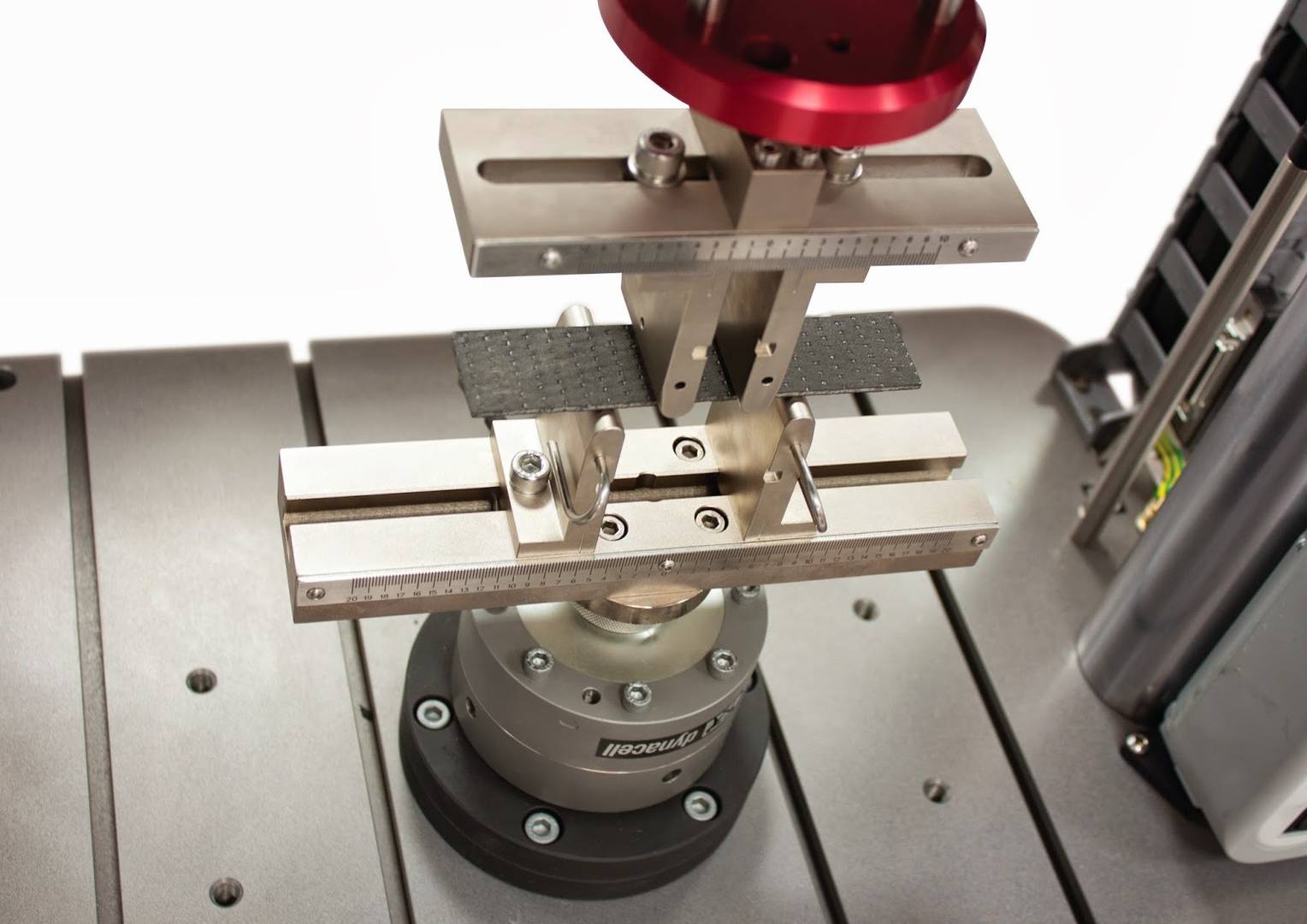
4-Point Bend Testing of Carbon Fiber
4-Point Bend Testing of Carbon Fiber Carbon fiber is an extremely strong material. Depending on the manufacturing process, this textile can have typical modulus values of about 138 Gpa and […]
marzo 17, 2014
Cambios que los fabricantes y proveedores de tuberías y tubos deben conocer
Esta presentación, Retos de los ensayos de tuberías y tubos, ofrece una visión en profundidad de las exigencias cambiantes a las que se enfrentan los fabricantes de tuberías y tubos a medida que las tecnologías de perforación, las resistencias de los materiales y las normas de ensayo siguen avanzando. Describe el impacto de tendencias del sector como la perforación horizontal, el fracking y el aumento del desarrollo de oleoductos y gasoductos, y relaciona estos cambios con la creciente necesidad de mayores capacidades de carga, mayores volúmenes de ensayo y sistemas de ensayo más robustos. El PDF incrustado destaca retos habituales de ensayo —incluidos la geometría curvada de las probetas, los ensayos de sección completa, la medición de deformación en superficies no planas y los requisitos de impacto de alta energía— y muestra cómo mordazas, utillajes, extensómetros y sistemas de impacto especializados pueden ayudar a los laboratorios a lograr resultados precisos y repetibles. Esta visión general sirve como guía práctica para los laboratorios que evalúan si su equipo actual está preparado para la próxima generación de exigencias en los ensayos de tuberías y tubos.
marzo 7, 2014
Charpy Impact Testing: Minimizing Hammer Changes
Charpy Impact Testing Minimizing Hammer Changes
febrero 25, 2014
Software Module Increases Test Frequency for Fatigue Testing of Composites and Polymers
Software Module Increases Test Frequency for Fatigue Testing of Composites and Polymers Senior Applications Specialist for Dynamic Systems, Peter Bailey shares with AZoM how the Specimen Self-Heating Control (SSHC) module […]
enero 31, 2014
What is The Difference Between Proportional and Non-proportional Clamping Force?
What is The Difference Between Proportional and Non-proportional Clamping Force? David Fry While there are many varieties of gripping technologies (wedge, screw, hydraulic, pneumatic, etc.), they all can be classified […]
enero 16, 2014
What is the Best Way to Check the Functionality of my ElectroPuls™ Load Cell?
What is the Best Way to Check the Functionality of my ElectroPuls™ Load Cell? Sarah Jastram Instron load cells are robust and built to last. Therefore, checking the load cell’s […]
enero 8, 2014
What is N-value?
What is N-value? In one of our previous posts, we blogged about plastic strain ratio, r. Besides r-value, another parameter that is commonly measured in metals testing is the n-value. So […]
diciembre 26, 2013
Testing Metals to ASTM E8 with an Automatic Contacting Extensometer
Testing Metals to ASTM E8 with an Automatic Contacting Extensometer The ASTM E8 standard describes tensile testing methods to determine yield strength, yield point elongation, tensile strength, elongation, and reduction […]

Perspectivas de los expertos de Instron.
Nuestro equipo de ingenieros de aplicaciones, especialistas en ensayos y expertos del sector comparten sus conocimientos: desde las normas de ensayo emergentes y las mejores prácticas hasta consejos prácticos, aplicaciones del mundo real y las últimas tendencias que definen el ensayo de materiales en todos los sectores. Suscríbase para recibir el Instron Update directamente, de modo que nunca se pierda la información que puede ayudar a su laboratorio a mantenerse a la vanguardia.