Tear Resistance

Tear Resistance

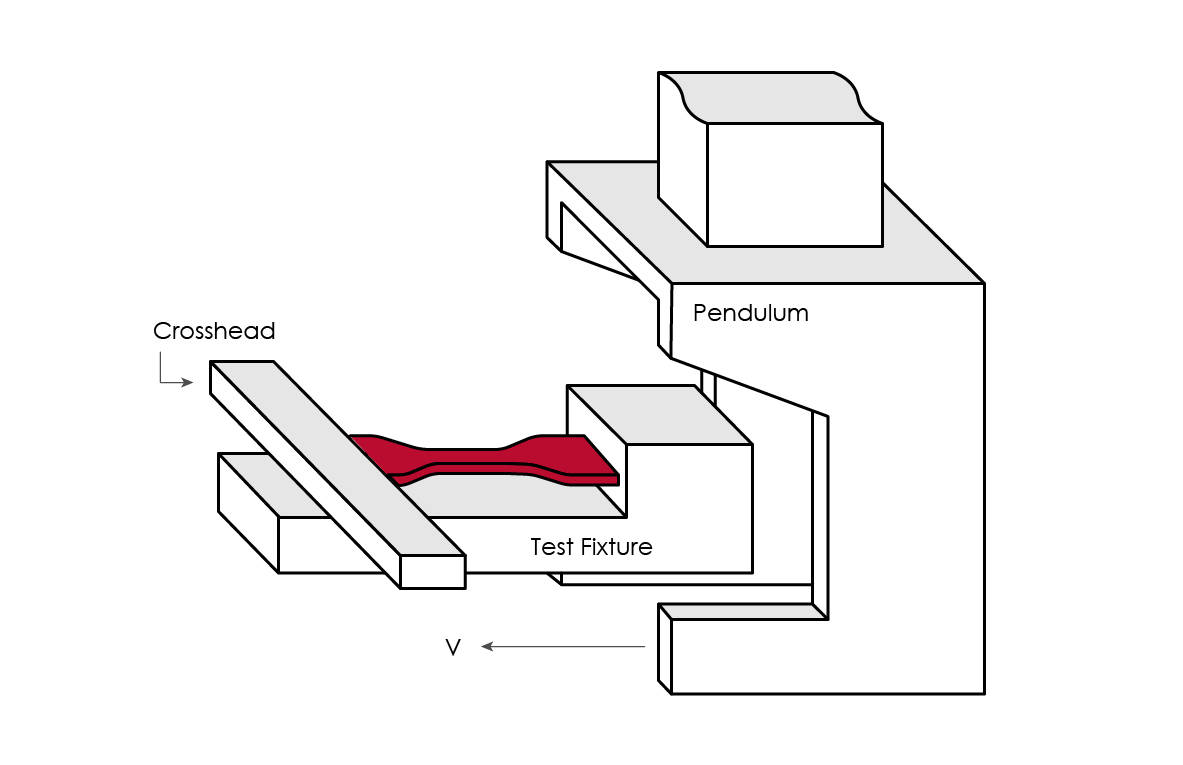
Measure of the ability of sheet or film materials to resist tearing. For paper, it is the force required to tear a single ply of paper after the tear has been started. Three standard methods are available for determining tear resistance of plastic films: ASTM D-1004 details a method for determining tear resistance at low rates of loading; a test in ASTM D-1922 measures the force required to propagate a precut slit across a sheet specimen; and ASTM D-1038 gives a method for determining tear propagation resistance that is recommended for specification acceptance testing only. Tear resistance of rubber is the force required to tear a 1 inch thick specimen under the conditions outlined in ASTM D-624. Tear resistance of textiles is the force required to propagate a single-rip tongue-type tear (starting from a cut) by means of a falling pendulum apparatus. (ASTM D-1424)

Related Content

6800 Series Premier Testing Systems Brochure

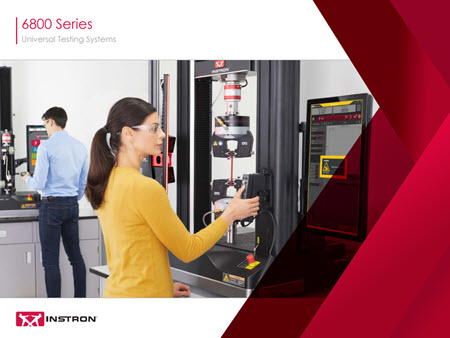
Instron 6800 Series Universal Testing Systems provide unparalleled accuracy and reliability. Built on a patent-pending Operator Protect system architecture with an all-new Smart-Close Air Kit and Collision Mitigation features, the 6800 Series makes materials testing simpler, smarter, and safer than ever before.

3400 Series Universal Testing Systems Brochure

Instron 3400 Series universal testing systems for tensile, compression, bend, and other material property tests.

Bluehill Universal Brochure

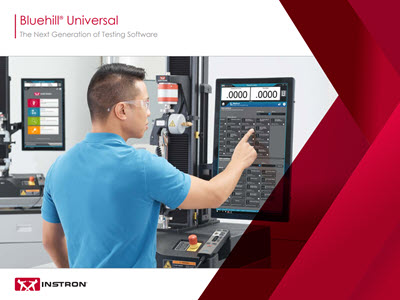
Bluehill Universal is Instron’s advanced materials testing software, designed for intuitive touch interaction and streamlined workflows. It offers pre-loaded test methods, QuickTest for rapid setup, enhanced data exporting, and Instron Connect for direct service communication. Users of Bluehill 2 and Bluehill 3 can easily upgrade to the latest version for improved performance and usability.

Tearing Strength

Tearing Strength

Tensile force required to rupture a pre-slit woven fabric specimen under the conditions outlined in ASTM D-2261 and ASTM D-2262. Edge tearing strength of paper is the force required to tear a specimen folded over a V-notch and loaded in a tensile test machine.

Related Content

3400 Series Universal Testing Systems Brochure

Instron 3400 Series universal testing systems for tensile, compression, bend, and other material property tests.

6800 Series Premier Testing Systems Brochure

Instron 6800 Series Universal Testing Systems provide unparalleled accuracy and reliability. Built on a patent-pending Operator Protect system architecture with an all-new Smart-Close Air Kit and Collision Mitigation features, the 6800 Series makes materials testing simpler, smarter, and safer than ever before.

Bluehill Universal Brochure

Bluehill Universal is Instron’s advanced materials testing software, designed for intuitive touch interaction and streamlined workflows. It offers pre-loaded test methods, QuickTest for rapid setup, enhanced data exporting, and Instron Connect for direct service communication. Users of Bluehill 2 and Bluehill 3 can easily upgrade to the latest version for improved performance and usability.

Materials Testing Machines

Materials Testing Machines

Materials testing machines come in a variety of different types and force capacities in order to perform specific types of testing. Despite this variety, all testing machines have a common set of features that enable them to test and adequately characterize materials, components, and finished products.

68TM-502712-046-V1-01-01
Components of a Universal Testing Machine
Test Frame
Test frames feature robust, precise guidance columns that ensure minimal specimen bending under load. High-quality test frames feature pre-loaded bearings, precision ball screws, an extra thick crosshead and base beam, and low-stretch drive belts to ensure superior performance and longevity. They are powered by maintenance-free brushless AC servomotors and a dual-belt system to provide synchronous movement of the ball screws, eliminating crosshead tilt and aiding system alignment.
Test Software
All test systems require software in order to operate the machine and collect and interpret results data. Modern software should prioritize data security and feature a user-friendly interface and intuitive workflows.
Load Cell
A load cell is a transducer that converts force into an electrical signal that can be measured. Load cells must be regularly calibrated in order to ensure their accuracy. They should be highly accurate over a wide range of measurements with high stiffness and resistance to offset loads.
Grips and Fixtures
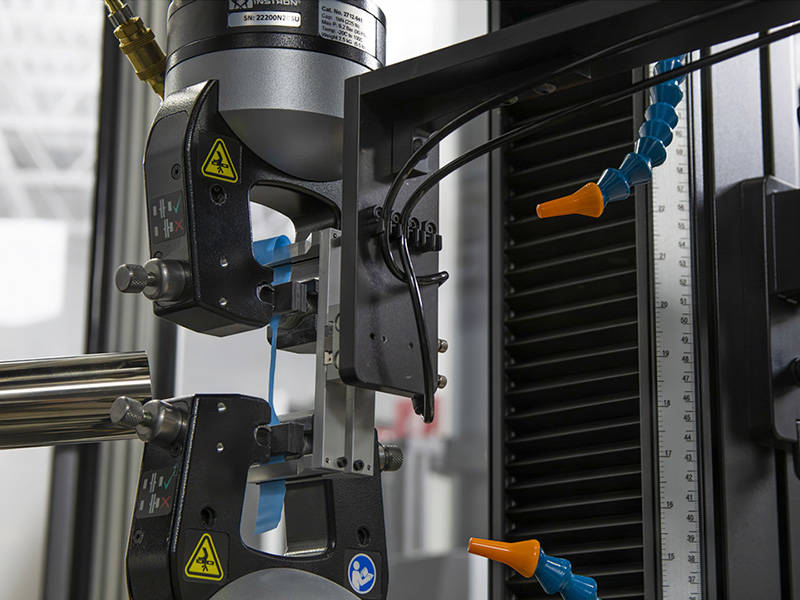
A wide variety of grips and fixtures are available to help secure the vast array of different material types and specimens that undergo testing on these machines. These fixtures range from tensile grips to compression platens, peel and flex fixtures, custom fixtures for testing biomedical and electronic components, as well as many others.
Key Materials
Any company that produces tangible products engages in materials testing in some way. Though it occurs behind the scenes in research and quality laboratories, this testing is responsible for the reliability of products as wide ranging as automobile components, bridges, medical supplies, and simple packaging. The most common materials Below is a partial list of industries in which materials testing plays a quiet - but critical - role.
plastics thumbnail
Plastics Testing

Plastics are used for an unlimited number of applications, from packaging to biomedical, automotive, and electronics applications. Key properties evaluated during testing are tensile strength, yield strength, modulus, and elongation. Major plastics testing standards include ASTM D638, ASTM D790, ISO 8295, ISO 527, and The Definitive Guide to ISO 178 Flexure Testing for Plastics.

metal specimens

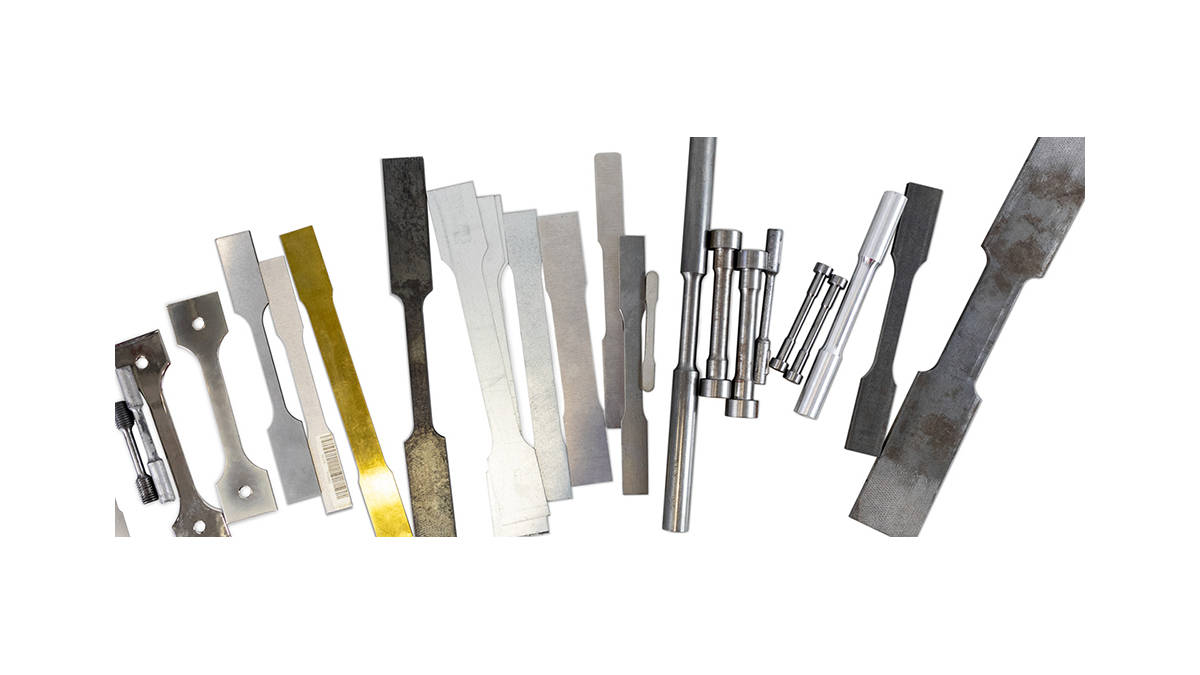
Metals are widely used in the automotive and construction industries. Key measurements for metals include r-value, n-value, modulus, tensile strength, strain, offset yield, and upper and lower yield strength. Common metals testing standards include ASTM E8, ASTM A370, and ISO 6892

composite specimens

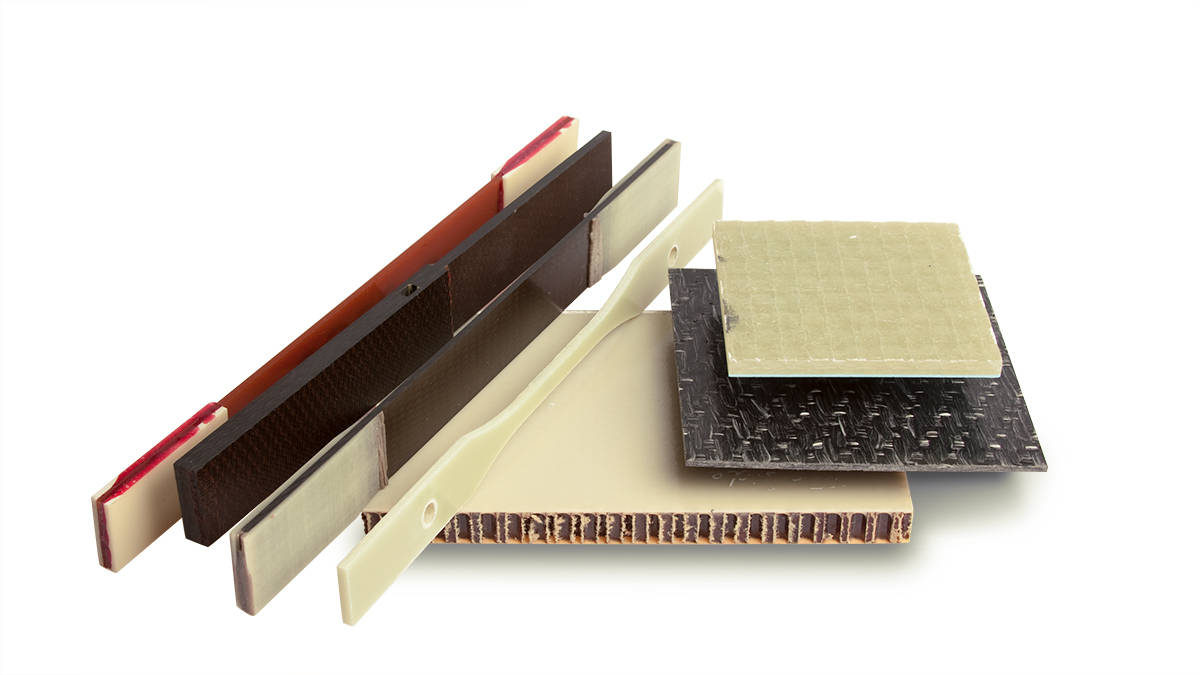
Composites are complex materials made from polymers reinforced with a fiber such as glass, aramid, or carbon. They are used extensively in applications such as aerospace and wind energy that demand high strength, lightweight materials. Key composites testing standards include ASTM D3039 and ISO 527-4. Important measurements include tensile strength, shear strength, yield strength, and fracture toughness.

elastomer testing

Elastomer Testing

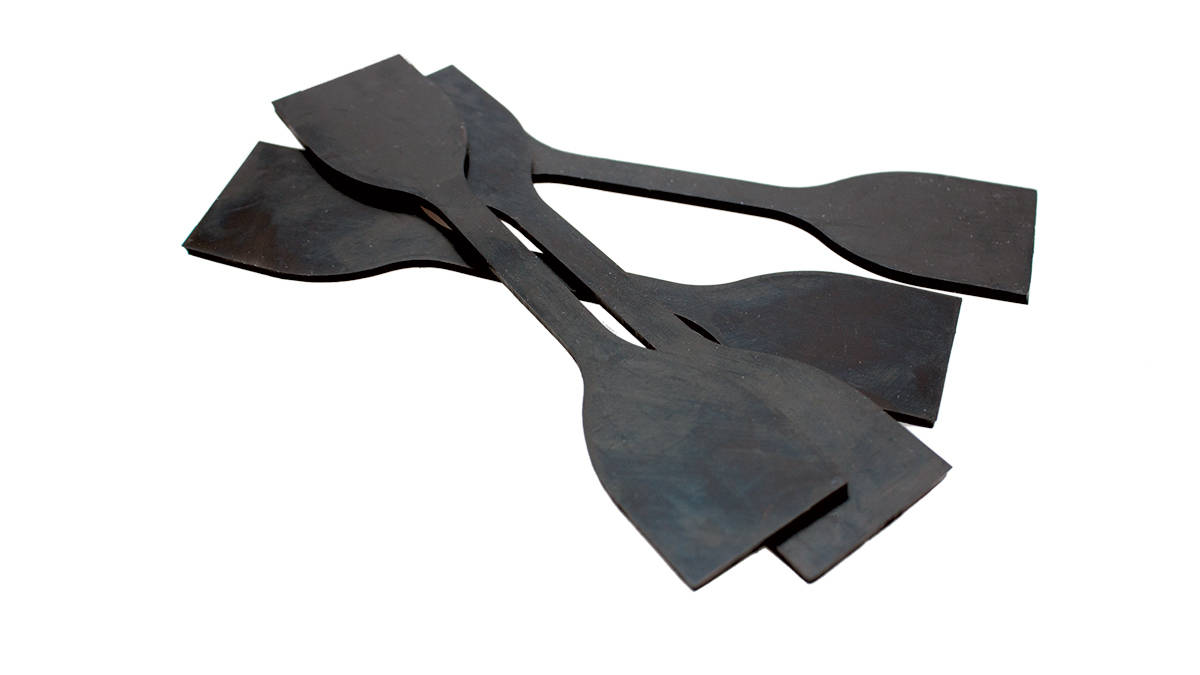
Elastomers are high-elongation materials such as natural rubber, silicone, and polyurethanes that are used for making tires, medical devices, sealants, and many other products. Tensile strength, total elongation, and tensile stress at a given location are key properties. Major testing standards include ASTM D412, ASTM D642, and ISO 34

Products for Materials Testing

As the leading global manufacturer of testing equipment for the material and structural testing markets, Instron's product line includes systems for nearly every form of mechanical testing. Our large product portfolio allows technicians to evaluate materials ranging from biological tissue to advanced high-strength alloys by performing a variety of tests such as compression, cyclic, fatigue, impact, multi-axis, rheology, tensile, and torsion.

Universal Testing Systems

Universal Testing Systems

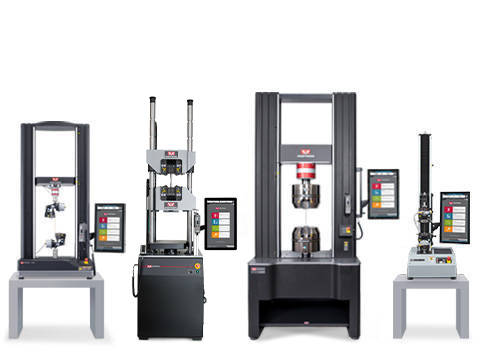
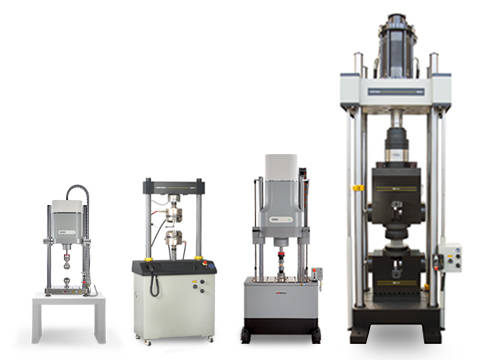
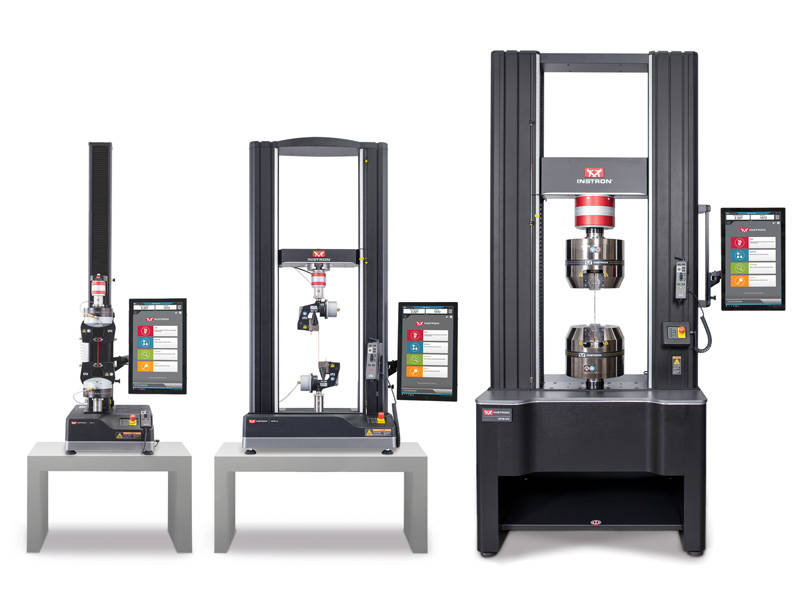
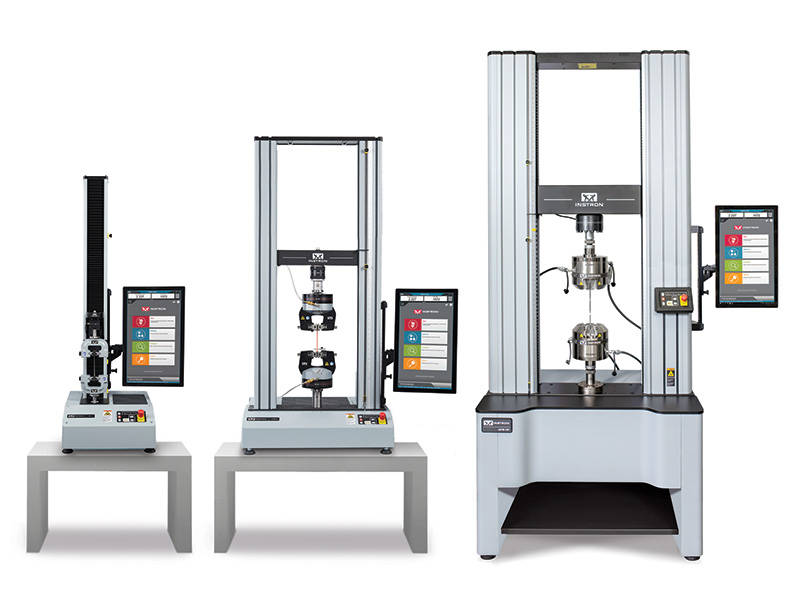
Universal Testing Systems include electromechanical series and industrial series to perform static testing, including tensile and compression applications.

dynamic and fatigue testing systems

Dynamic & Fatigue Testing Systems

Dynamic testing systems are used to perform fatigue, fracture mechanics, bi-axial, multi-axial, high strain rate and thermo-mechanical fatigue tests.

crash simulation systems

Crash Simulation Systems

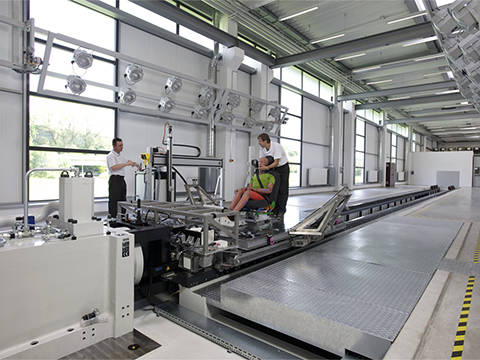
Acceleration sled systems are used for the evaluation of vehicle safety systems and parts and for the investigation of structures during crash events.

structural durability
Structural Durability

Growing demands on the comfort and reliability of vehicles require functional and life-time tests of components or complete systems to avoid hazards for humans and the environment or damage in the economic field.

#image_title
Impact Drop Towers & Pendulums

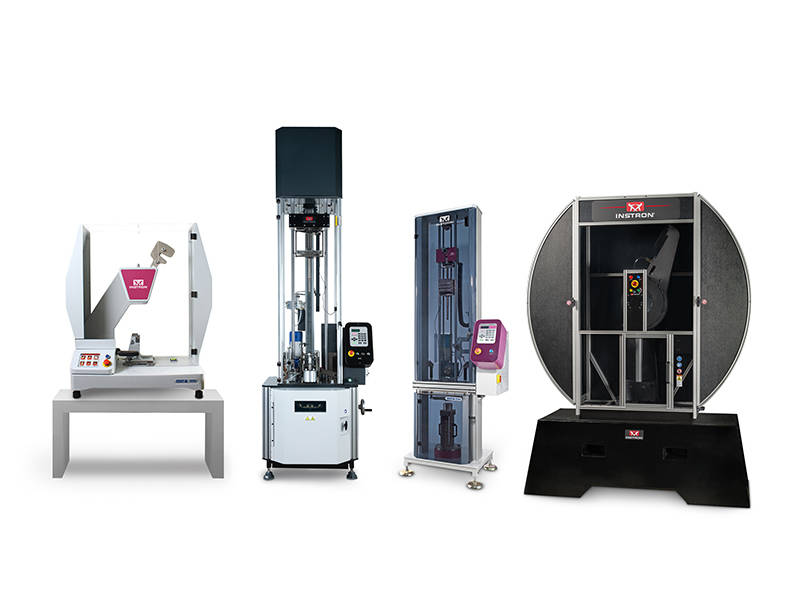
Impact resistance is one of the most important properties for component designers to consider. Impact resistance is a critical measure of service life and it involves the perplexing problem of product safety and liability.

automated testing systems
Automated Test Systems
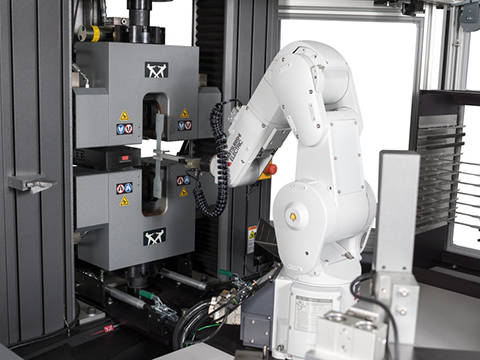
Automated Testing Systems enable a new dimension of testing productivity, improve safety, reduce variability, save time and increase throughput. Options are tailored to your testing operations and throughput requirements.
rheometers and melt flow testers
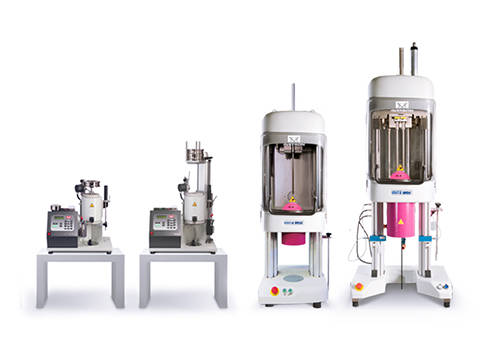
Rheometers & Melt Flow Testers

The Instron line of CEAST Rheology systems are used to measure the rheological properties of thermoplastics to characterize the polymer melt flow behavior in the process conditions.

HDT and vicat testing systems
HDT & Vicat Systems
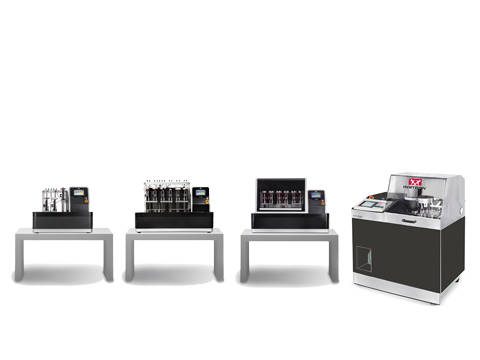
HDT and Vicat systems are used to characterize the behavior of plastic materials at high temperatures, measuring the heat deflection temperature (HDT) and the Vicat softening temperature (Vicat).
Torsion Systems
Torsion Testers
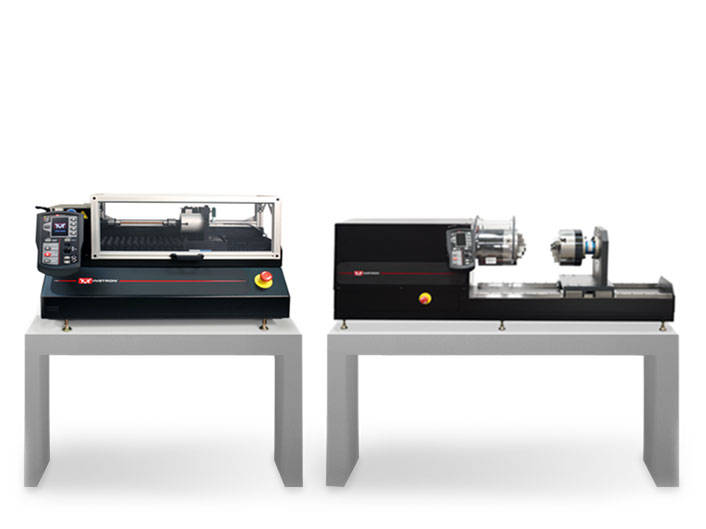
Instron's low and medium capacity torsion testers provide dependable mulit-turn capability. Available in capacities ranging from 22 - 5,650 N-m (200 - 50,000 in lb), these systems are ideal for many applications.

Choosing A Testing Partner

Implementing a materials testing program is a complex process that can have major and lasting effects on your business. When evaluating potential suppliers, it is important to consider not just the testing equipment itself but also the depth of their expertise with your particular application as well as the accessibility and responsiveness of their service departments. A supplier should be prepared to partner with you for the long term and work with you through changes to your testing needs over time. Instron has been a leading provider of materials testing systems since 1946, and our systems are designed by industry experts familiar with trends in testing standards and emerging technologies. All of our installed systems around the world are supported by a global network of skilled and experienced service technicians. This comprehensive approach allows us to back each Instron system with an unmatched level of industry and application expertise designed to support it throughout its lifetime.

Instron service
Related Content

6800 Series Premier Testing Systems Brochure

Instron 6800 Series Universal Testing Systems provide unparalleled accuracy and reliability. Built on a patent-pending Operator Protect system architecture with an all-new Smart-Close Air Kit and Collision Mitigation features, the 6800 Series makes materials testing simpler, smarter, and safer than ever before.

3400 Series Universal Testing Systems Brochure

Instron 3400 Series universal testing systems for tensile, compression, bend, and other material property tests.

Tensile Strength

Tensile Strength

An Introduction to Understanding and Measuring Tensile Strength

Tensile strength is a key measurement used by researchers, engineers, and quality control departments to evaluate the mechanical properties of a material, product, or component. A material's tensile strength is defined as the maximum mechanical tensile (pulling) stress that a specimen can withstand before failure, although the definition of failure varies depending on the material's type and its design.

As materials are subjected to increasing tensile stress, the bonds between their atoms are stretched and then eventually broken as the stress increases. When atomic bonds are merely being stretched, the material is said to be within its elastic region, where removal of the force will cause the material to return to its original shape. Once the atomic bonds are being broken, the material has entered its plastic region. This means that the material has been chemically altered and will no longer return to its original shape upon the removal of force. Specimens will often begin to change visibly during this stage of the test, narrowing in the center in a behavior known as 'necking'.

Depending on the material being evaluated, tensile strength can be evaluated either at the point where it enters the stage of plastic deformation - its yield point - or the point at which the material finally ruptures. Evaluating tensile strength at the point of plastic deformation is referred to as yield strength. Evaluating tensile strength at the point of specimen rupture is referred to as ultimate tensile strength.

The type of material being tested will determine whether the yield strength or the ultimate tensile strength provides the most useful information. For example, ductile materials such as metals are typically evaluated at the point of yield, whereas brittle materials such as composites are often evaluated at the point of rupture. Both of these points, along with modulus of elasticity, are important calculations used to help characterize the strength of a material.

ductile materals stress strain graph

Units to Measure Tensile Strength

In the international system tensile strength is expressed in Pascals or Megapascals, which is equivalent to Newtons per square meter (N/m²). In the American system it is expressed in pounds per square inch (lbf/in² or psi).

How is Tensile Strength Calculated?

Tensile strength is calculated by dividing the cross-sectional area of the specimen by the maximum achieved tensile force. Tensile strength (σ) = maximum tensile force (F) / specimen cross-sectional area (A):

σ=FA

How to Measure Tensile Strength?

Tensile strength is measured by performing a tensile test on a universal testing machine, and care must be taken to ensure that the results are accurate and repeatable. Evaluating a material by its tensile strength/yield strength in units of stress (Pa or psi) instead of force (N or lbf) helps with repeatability in results. This is because prepared materials/specimens have thickness and width tolerances that can vary, and stress accounts for thickness and width measurements of each specimen’s tensile strength calculation. For example, if an operator tested 5 specimens from the same batch, and all had varying thicknesses, their max forces values may have a wider range while their stress values will remain comparable.

Representations of Tensile Strength

The following graph shows yields and types of curves from a variety of different plastic specimen types:

  • Specimen 1 shows an example of a brittle specimen breaking at yield with low strain
  • Specimen 2 show an example of a material with a stress increase after yielding
  • Specimen 3 shows a material without a stress increase after yielding
  • Specimen 4 shows a soft elastomeric material breaking at a larger strain
stress strain graph

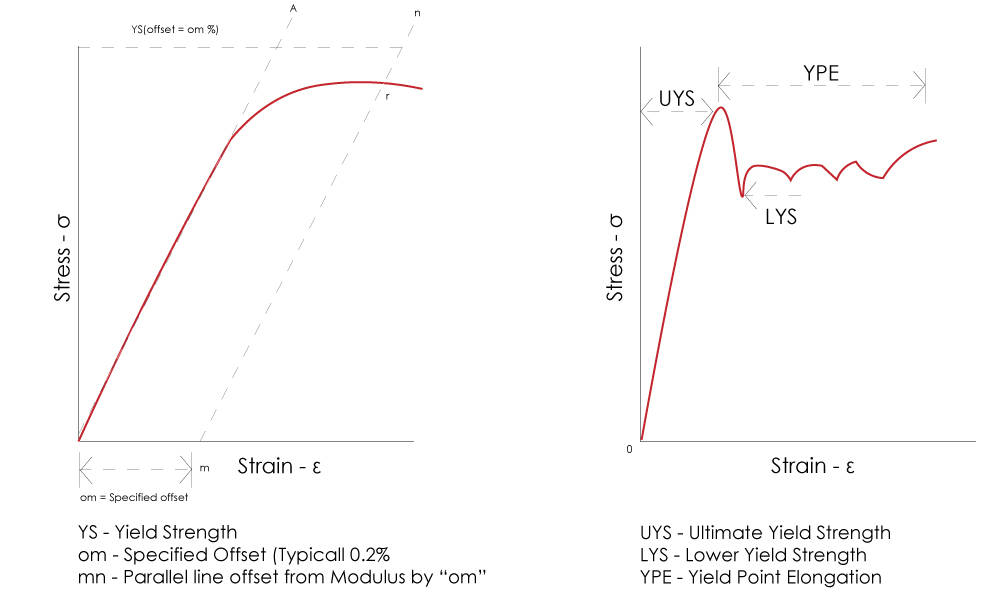
This graph shows examples of upper and lower yield strengths for different types of curves where Reh represents upper yield strength, Rel represents lower yield strength, and a represents initial transient effect. These curves are representative of behavior often seen when testing metals.

yield strength examples

Tensile Strength of Common Materials

Material Yield Strength (MPa) Ultimate Tensile Strength (MPa)
Nylon-6 45 45-90
Acrylic, clear cast sheet (PMMA) 72 87
Aluminum 95 110
Copper 70 220
Structural, ASTM A36 steel 250 400-550
Steel, stainless AISI 302 - cold-rolled 502 860
Titanium alloy 730 900
Diamond 1600 2800
Aramid (Kevlar or Twaron) 3620 3757
Carbon fiber (Toray T1100G)
(the strongest human-made fibers)
- 7000 fiber alone

Source: https://www.engineeringtoolbox.com/young-modulus-d_417.html

EQUIPMENT FOR MEASURING TENSILE STRENGTH

Tensile strength, along with other tensile properties, is measured on universal testing machines. This equipment is available in a variety of different force capacities, with maximum force capacities ranging from 0.02 N to 2,000 kN. In addition to tensile testing these machines can also perform compression, bend, peel, tear, shear, friction, torsion, puncture, and a variety of other types of testing in order to fully characterize the mechanical properties of materials, components, and finished products. Depending on your lab's throughput requirements, several automation systems are also available.

Universal Testing Systems up to 300 kN - 6800 Series

Designed for exceptional performance, the 6800 Series delivers unparalleled accuracy and reliability, improved ergonomics, and an enhanced testing experience for today’s operator. Available with a force capacity range of 0.02 N (2 gf) to 300 kN.

Universal Testing Systems up to 300 kN - 3400 Series

The 3400 Series testing systems offer the simplicity and performance needed for routine, standardized QC tests and general-purpose mechanical testing. Available with a force capacity range of 0.02 N (2 gf) to 300 kN.

Industrial Universal Testing Systems up to 2000 kN

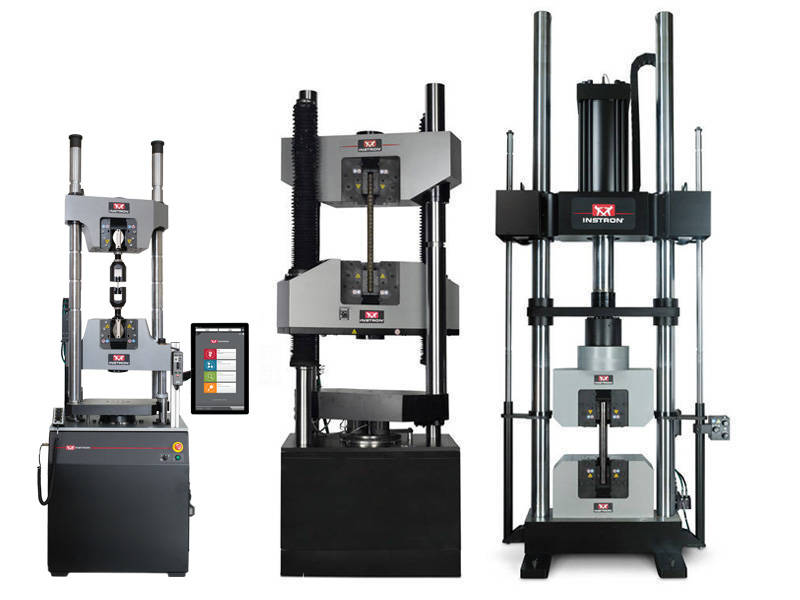
Instron’s Industrial Series includes frames with single or dual test spaces and range in force capacity from 300 kN to 2000 kN and are used to test high strength metals, alloys, and composites.

Automated Testing Systems

Instron's range of automated testing systems empower labs to improve throughput, repeatability, and safety while freeing up skilled operators to focus on other valuable tasks.

Related Content

3400 Series Universal Testing Systems Brochure

Instron 3400 Series universal testing systems for tensile, compression, bend, and other material property tests.

6800 Series Premier Testing Systems Brochure

Instron 6800 Series Universal Testing Systems provide unparalleled accuracy and reliability. Built on a patent-pending Operator Protect system architecture with an all-new Smart-Close Air Kit and Collision Mitigation features, the 6800 Series makes materials testing simpler, smarter, and safer than ever before.

Modulus of Elasticity

Modulus of Elasticity

What is Modulus of Elasticity?

Modulus of Elasticity, also known as Elastic Modulus or simply Modulus, is the measurement of a material's elasticity. Elastic modulus quantifies a material's resistance to non-permanent, or elastic, deformation. When under stress, materials will first exhibit elastic properties: the stress causes them to deform, but the material will return to its previous state after the stress is removed. After passing through the elastic region and through their yield point, materials enter a plastic region, where they exhibit permanent deformation even after the tensile stress is removed.

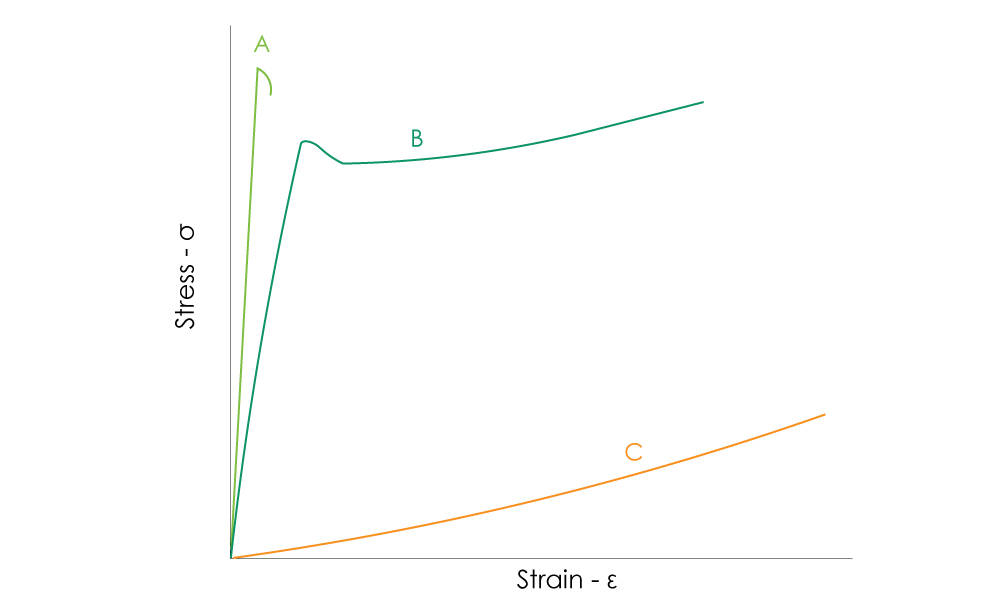
Modulus is defined as being the slope of the straight-line portion of a stress (σ) strain (ε) curve. Focusing on the elastic region, if the slope is taken between two stress-strain points, the modulus is the change in stress divided by the change in strain. Modulus =(σ2 - σ1) / (ε2 - ε1) where stress (σ) is force divided by the specimen's cross-sectional area and strain (ε) is the change in length of the material divided by the material's original gauge length. Since both stress and strain are normalized measurements, modulus is a consistent material property that can be compared between specimens of different sizes. A large steel specimen will have the same modulus as a small steel specimen, although the large specimen will require a higher maximum force to deform the material. Brittle materials such as metals, plastics, and composites will exhibit a steeper slope and higher modulus value than ductile materials such as rubber.

 modulus of plastic

Modulus of Elastomers

Unlike brittle materials like plastics and metals, elastomeric materials do not exhibit a yield point and continue to deform elastically until break. In this case, modulus is simply reported as a measure of the force at a given elongation. For example, in the graph below, modulus is reported as stress at 100, 200, and 300% strain.

 modulus of an elastomer

Although modulus is most commonly reported during tensile testing, modulus of elasticity can also be reported as compressive modulus of elasticity for compression tests,  flexural modulus of elasticity for flexural tests, shear modulus of elasticity for shear tests, or torsional modulus of elasticity for torsion tests. Modulus of elasticity may also be determined by dynamic testing, where it can be derived from complex modulus.

Calculating Different Types of Modulus

Users recording modulus should be aware that there are many different ways to calculate the slope of the initial linear portion of a stress/strain curve. For example, Instron's Bluehill® Universal software offers more than eight different ways to calculate modulus of elasticity. When comparing modulus results for a given material between different laboratories, it is critical to know which type of modulus calculation was chosen.

Young's Modulus

Slopes are calculated on the initial linear portion of the curve using least-squares fit on test data. The steepest slope is reported as the modulus.

Chord Modulus

A user selects a start strain point and an end strain point. A line is drawn between the two points and the slope of that line is recorded as the modulus.

Secant Modulus

Uses the zero stress/strain point as the start value and a user-selected strain point as the end value. A line is drawn between the two points, and the slope of that line is recorded as the modulus.

Segment Modulus

A user selects a start strain point and an end strain point. Using the least-squares fit on all points between the start and end points, a line is constructed. The slope of the best fit line is reported as the modulus.

Tangent Modulus

A user selects a tangent point on the stress/strain curve. The slope of the tangent line is reported as the modulus.

E-Modulus

Elastic modulus is determined by using a standard linear regression technique. The portion of the curve to be used for the calculation is chosen automatically and excludes the initial and final portions of the elastic deformation where the stress-strain curve is non-linear.

Hysteresis Modulus

Modulus is determined by a hysteresis loop generated by a loading and reloading section.


Related Content

3400 Series Universal Testing Systems Brochure

Instron 3400 Series universal testing systems for tensile, compression, bend, and other material property tests.

6800 Series Premier Testing Systems Brochure

Instron 6800 Series Universal Testing Systems provide unparalleled accuracy and reliability. Built on a patent-pending Operator Protect system architecture with an all-new Smart-Close Air Kit and Collision Mitigation features, the 6800 Series makes materials testing simpler, smarter, and safer than ever before.

Bluehill Universal Brochure

Bluehill Universal is Instron’s advanced materials testing software, designed for intuitive touch interaction and streamlined workflows. It offers pre-loaded test methods, QuickTest for rapid setup, enhanced data exporting, and Instron Connect for direct service communication. Users of Bluehill 2 and Bluehill 3 can easily upgrade to the latest version for improved performance and usability.

Stress-Strain Diagram

Modulus of Elasticity

What is Modulus of Elasticity?

Modulus of Elasticity, also known as Elastic Modulus or simply Modulus, is the measurement of a material's elasticity. Elastic modulus quantifies a material's resistance to non-permanent, or elastic, deformation. When under stress, materials will first exhibit elastic properties: the stress causes them to deform, but the material will return to its previous state after the stress is removed. After passing through the elastic region and through their yield point, materials enter a plastic region, where they exhibit permanent deformation even after the tensile stress is removed.

Modulus is defined as being the slope of the straight-line portion of a stress (σ) strain (ε) curve. Focusing on the elastic region, if the slope is taken between two stress-strain points, the modulus is the change in stress divided by the change in strain. Modulus =(σ2 - σ1) / (ε2 - ε1) where stress (σ) is force divided by the specimen's cross-sectional area and strain (ε) is the change in length of the material divided by the material's original gauge length. Since both stress and strain are normalized measurements, modulus is a consistent material property that can be compared between specimens of different sizes. A large steel specimen will have the same modulus as a small steel specimen, although the large specimen will require a higher maximum force to deform the material. Brittle materials such as metals, plastics, and composites will exhibit a steeper slope and higher modulus value than ductile materials such as rubber.

 modulus of plastic

Modulus of Elastomers

Unlike brittle materials like plastics and metals, elastomeric materials do not exhibit a yield point and continue to deform elastically until break. In this case, modulus is simply reported as a measure of the force at a given elongation. For example, in the graph below, modulus is reported as stress at 100, 200, and 300% strain.

 modulus of an elastomer

Although modulus is most commonly reported during tensile testing, modulus of elasticity can also be reported as compressive modulus of elasticity for compression tests,  flexural modulus of elasticity for flexural tests, shear modulus of elasticity for shear tests, or torsional modulus of elasticity for torsion tests. Modulus of elasticity may also be determined by dynamic testing, where it can be derived from complex modulus.

Calculating Different Types of Modulus

Users recording modulus should be aware that there are many different ways to calculate the slope of the initial linear portion of a stress/strain curve. For example, Instron's Bluehill® Universal software offers more than eight different ways to calculate modulus of elasticity. When comparing modulus results for a given material between different laboratories, it is critical to know which type of modulus calculation was chosen.

Young's Modulus

Slopes are calculated on the initial linear portion of the curve using least-squares fit on test data. The steepest slope is reported as the modulus.

Chord Modulus

A user selects a start strain point and an end strain point. A line is drawn between the two points and the slope of that line is recorded as the modulus.

Secant Modulus

Uses the zero stress/strain point as the start value and a user-selected strain point as the end value. A line is drawn between the two points, and the slope of that line is recorded as the modulus.

Segment Modulus

A user selects a start strain point and an end strain point. Using the least-squares fit on all points between the start and end points, a line is constructed. The slope of the best fit line is reported as the modulus.

Tangent Modulus

A user selects a tangent point on the stress/strain curve. The slope of the tangent line is reported as the modulus.

E-Modulus

Elastic modulus is determined by using a standard linear regression technique. The portion of the curve to be used for the calculation is chosen automatically and excludes the initial and final portions of the elastic deformation where the stress-strain curve is non-linear.

Hysteresis Modulus

Modulus is determined by a hysteresis loop generated by a loading and reloading section.


Stress-Strain Graph
Related Content

3400 Series Universal Testing Systems Brochure

Instron 3400 Series universal testing systems for tensile, compression, bend, and other material property tests.

6800 Series Premier Testing Systems Brochure

Instron 6800 Series Universal Testing Systems provide unparalleled accuracy and reliability. Built on a patent-pending Operator Protect system architecture with an all-new Smart-Close Air Kit and Collision Mitigation features, the 6800 Series makes materials testing simpler, smarter, and safer than ever before.

Bluehill Universal Brochure

Bluehill Universal is Instron’s advanced materials testing software, designed for intuitive touch interaction and streamlined workflows. It offers pre-loaded test methods, QuickTest for rapid setup, enhanced data exporting, and Instron Connect for direct service communication. Users of Bluehill 2 and Bluehill 3 can easily upgrade to the latest version for improved performance and usability.

Specimen Protection

Specimen Protection

Specimen Protection is a feature of Instron's 6800 Series and 5900 Series universal testing systems that limits the maximum force applied to the test specimen.

When Specimen Protection is enabled, the actuator or crosshead moves automatically to ensure the force on the test article remains within the pre-set boundaries. Specimen protection is often used to protect specimens or components during test setup, prior to the setting of operational limits.

Related Content

6800 Series Premier Testing Systems Brochure

Instron 6800 Series Universal Testing Systems provide unparalleled accuracy and reliability. Built on a patent-pending Operator Protect system architecture with an all-new Smart-Close Air Kit and Collision Mitigation features, the 6800 Series makes materials testing simpler, smarter, and safer than ever before.

Yield Strength

Modulus of Elasticity

What is Modulus of Elasticity?

Modulus of Elasticity, also known as Elastic Modulus or simply Modulus, is the measurement of a material's elasticity. Elastic modulus quantifies a material's resistance to non-permanent, or elastic, deformation. When under stress, materials will first exhibit elastic properties: the stress causes them to deform, but the material will return to its previous state after the stress is removed. After passing through the elastic region and through their yield point, materials enter a plastic region, where they exhibit permanent deformation even after the tensile stress is removed.

Modulus is defined as being the slope of the straight-line portion of a stress (σ) strain (ε) curve. Focusing on the elastic region, if the slope is taken between two stress-strain points, the modulus is the change in stress divided by the change in strain. Modulus =(σ2 - σ1) / (ε2 - ε1) where stress (σ) is force divided by the specimen's cross-sectional area and strain (ε) is the change in length of the material divided by the material's original gauge length. Since both stress and strain are normalized measurements, modulus is a consistent material property that can be compared between specimens of different sizes. A large steel specimen will have the same modulus as a small steel specimen, although the large specimen will require a higher maximum force to deform the material. Brittle materials such as metals, plastics, and composites will exhibit a steeper slope and higher modulus value than ductile materials such as rubber.

 modulus of plastic

Modulus of Elastomers

Unlike brittle materials like plastics and metals, elastomeric materials do not exhibit a yield point and continue to deform elastically until break. In this case, modulus is simply reported as a measure of the force at a given elongation. For example, in the graph below, modulus is reported as stress at 100, 200, and 300% strain.

 modulus of an elastomer

Although modulus is most commonly reported during tensile testing, modulus of elasticity can also be reported as compressive modulus of elasticity for compression tests,  flexural modulus of elasticity for flexural tests, shear modulus of elasticity for shear tests, or torsional modulus of elasticity for torsion tests. Modulus of elasticity may also be determined by dynamic testing, where it can be derived from complex modulus.

Calculating Different Types of Modulus

Users recording modulus should be aware that there are many different ways to calculate the slope of the initial linear portion of a stress/strain curve. For example, Instron's Bluehill® Universal software offers more than eight different ways to calculate modulus of elasticity. When comparing modulus results for a given material between different laboratories, it is critical to know which type of modulus calculation was chosen.

Young's Modulus

Slopes are calculated on the initial linear portion of the curve using least-squares fit on test data. The steepest slope is reported as the modulus.

Chord Modulus

A user selects a start strain point and an end strain point. A line is drawn between the two points and the slope of that line is recorded as the modulus.

Secant Modulus

Uses the zero stress/strain point as the start value and a user-selected strain point as the end value. A line is drawn between the two points, and the slope of that line is recorded as the modulus.

Segment Modulus

A user selects a start strain point and an end strain point. Using the least-squares fit on all points between the start and end points, a line is constructed. The slope of the best fit line is reported as the modulus.

Tangent Modulus

A user selects a tangent point on the stress/strain curve. The slope of the tangent line is reported as the modulus.

E-Modulus

Elastic modulus is determined by using a standard linear regression technique. The portion of the curve to be used for the calculation is chosen automatically and excludes the initial and final portions of the elastic deformation where the stress-strain curve is non-linear.

Hysteresis Modulus

Modulus is determined by a hysteresis loop generated by a loading and reloading section.
 

Related Content

3400 Series Universal Testing Systems Brochure

Instron 3400 Series universal testing systems for tensile, compression, bend, and other material property tests.

6800 Series Premier Testing Systems Brochure

Instron 6800 Series Universal Testing Systems provide unparalleled accuracy and reliability. Built on a patent-pending Operator Protect system architecture with an all-new Smart-Close Air Kit and Collision Mitigation features, the 6800 Series makes materials testing simpler, smarter, and safer than ever before.

Bluehill Universal Brochure

Bluehill Universal is Instron’s advanced materials testing software, designed for intuitive touch interaction and streamlined workflows. It offers pre-loaded test methods, QuickTest for rapid setup, enhanced data exporting, and Instron Connect for direct service communication. Users of Bluehill 2 and Bluehill 3 can easily upgrade to the latest version for improved performance and usability.

Yield Point

Modulus of Elasticity

What is Modulus of Elasticity?

Modulus of Elasticity, also known as Elastic Modulus or simply Modulus, is the measurement of a material's elasticity. Elastic modulus quantifies a material's resistance to non-permanent, or elastic, deformation. When under stress, materials will first exhibit elastic properties: the stress causes them to deform, but the material will return to its previous state after the stress is removed. After passing through the elastic region and through their yield point, materials enter a plastic region, where they exhibit permanent deformation even after the tensile stress is removed.

Modulus is defined as being the slope of the straight-line portion of a stress (σ) strain (ε) curve. Focusing on the elastic region, if the slope is taken between two stress-strain points, the modulus is the change in stress divided by the change in strain. Modulus =(σ2 - σ1) / (ε2 - ε1) where stress (σ) is force divided by the specimen's cross-sectional area and strain (ε) is the change in length of the material divided by the material's original gauge length. Since both stress and strain are normalized measurements, modulus is a consistent material property that can be compared between specimens of different sizes. A large steel specimen will have the same modulus as a small steel specimen, although the large specimen will require a higher maximum force to deform the material. Brittle materials such as metals, plastics, and composites will exhibit a steeper slope and higher modulus value than ductile materials such as rubber.

 modulus of plastic

Modulus of Elastomers

Unlike brittle materials like plastics and metals, elastomeric materials do not exhibit a yield point and continue to deform elastically until break. In this case, modulus is simply reported as a measure of the force at a given elongation. For example, in the graph below, modulus is reported as stress at 100, 200, and 300% strain.

 modulus of an elastomer

Although modulus is most commonly reported during tensile testing, modulus of elasticity can also be reported as compressive modulus of elasticity for compression tests,  flexural modulus of elasticity for flexural tests, shear modulus of elasticity for shear tests, or torsional modulus of elasticity for torsion tests. Modulus of elasticity may also be determined by dynamic testing, where it can be derived from complex modulus.

Calculating Different Types of Modulus

Users recording modulus should be aware that there are many different ways to calculate the slope of the initial linear portion of a stress/strain curve. For example, Instron's Bluehill® Universal software offers more than eight different ways to calculate modulus of elasticity. When comparing modulus results for a given material between different laboratories, it is critical to know which type of modulus calculation was chosen.

Young's Modulus

Slopes are calculated on the initial linear portion of the curve using least-squares fit on test data. The steepest slope is reported as the modulus.

Chord Modulus

A user selects a start strain point and an end strain point. A line is drawn between the two points and the slope of that line is recorded as the modulus.

Secant Modulus

Uses the zero stress/strain point as the start value and a user-selected strain point as the end value. A line is drawn between the two points, and the slope of that line is recorded as the modulus.

Segment Modulus

A user selects a start strain point and an end strain point. Using the least-squares fit on all points between the start and end points, a line is constructed. The slope of the best fit line is reported as the modulus.

Tangent Modulus

A user selects a tangent point on the stress/strain curve. The slope of the tangent line is reported as the modulus.

E-Modulus

Elastic modulus is determined by using a standard linear regression technique. The portion of the curve to be used for the calculation is chosen automatically and excludes the initial and final portions of the elastic deformation where the stress-strain curve is non-linear.

Hysteresis Modulus

Modulus is determined by a hysteresis loop generated by a loading and reloading section.


Related Content

3400 Series Universal Testing Systems Brochure

Instron 3400 Series universal testing systems for tensile, compression, bend, and other material property tests.

6800 Series Premier Testing Systems Brochure

Instron 6800 Series Universal Testing Systems provide unparalleled accuracy and reliability. Built on a patent-pending Operator Protect system architecture with an all-new Smart-Close Air Kit and Collision Mitigation features, the 6800 Series makes materials testing simpler, smarter, and safer than ever before.

Bluehill Universal Brochure

Bluehill Universal is Instron’s advanced materials testing software, designed for intuitive touch interaction and streamlined workflows. It offers pre-loaded test methods, QuickTest for rapid setup, enhanced data exporting, and Instron Connect for direct service communication. Users of Bluehill 2 and Bluehill 3 can easily upgrade to the latest version for improved performance and usability.

Tensile Impact Test with Pendulum Impact Tester

Modulus of Elasticity

What is Modulus of Elasticity?

Modulus of Elasticity, also known as Elastic Modulus or simply Modulus, is the measurement of a material's elasticity. Elastic modulus quantifies a material's resistance to non-permanent, or elastic, deformation. When under stress, materials will first exhibit elastic properties: the stress causes them to deform, but the material will return to its previous state after the stress is removed. After passing through the elastic region and through their yield point, materials enter a plastic region, where they exhibit permanent deformation even after the tensile stress is removed.

Modulus is defined as being the slope of the straight-line portion of a stress (σ) strain (ε) curve. Focusing on the elastic region, if the slope is taken between two stress-strain points, the modulus is the change in stress divided by the change in strain. Modulus =(σ2 - σ1) / (ε2 - ε1) where stress (σ) is force divided by the specimen's cross-sectional area and strain (ε) is the change in length of the material divided by the material's original gauge length. Since both stress and strain are normalized measurements, modulus is a consistent material property that can be compared between specimens of different sizes. A large steel specimen will have the same modulus as a small steel specimen, although the large specimen will require a higher maximum force to deform the material. Brittle materials such as metals, plastics, and composites will exhibit a steeper slope and higher modulus value than ductile materials such as rubber.

 modulus of plastic

Modulus of Elastomers

Unlike brittle materials like plastics and metals, elastomeric materials do not exhibit a yield point and continue to deform elastically until break. In this case, modulus is simply reported as a measure of the force at a given elongation. For example, in the graph below, modulus is reported as stress at 100, 200, and 300% strain.

 modulus of an elastomer

Although modulus is most commonly reported during tensile testing, modulus of elasticity can also be reported as compressive modulus of elasticity for compression tests,  flexural modulus of elasticity for flexural tests, shear modulus of elasticity for shear tests, or torsional modulus of elasticity for torsion tests. Modulus of elasticity may also be determined by dynamic testing, where it can be derived from complex modulus.

Calculating Different Types of Modulus

Users recording modulus should be aware that there are many different ways to calculate the slope of the initial linear portion of a stress/strain curve. For example, Instron's Bluehill® Universal software offers more than eight different ways to calculate modulus of elasticity. When comparing modulus results for a given material between different laboratories, it is critical to know which type of modulus calculation was chosen.

Young's Modulus

Slopes are calculated on the initial linear portion of the curve using least-squares fit on test data. The steepest slope is reported as the modulus.

Chord Modulus

A user selects a start strain point and an end strain point. A line is drawn between the two points and the slope of that line is recorded as the modulus.

Secant Modulus

Uses the zero stress/strain point as the start value and a user-selected strain point as the end value. A line is drawn between the two points, and the slope of that line is recorded as the modulus.

Segment Modulus

A user selects a start strain point and an end strain point. Using the least-squares fit on all points between the start and end points, a line is constructed. The slope of the best fit line is reported as the modulus.

Tangent Modulus

A user selects a tangent point on the stress/strain curve. The slope of the tangent line is reported as the modulus.

E-Modulus

Elastic modulus is determined by using a standard linear regression technique. The portion of the curve to be used for the calculation is chosen automatically and excludes the initial and final portions of the elastic deformation where the stress-strain curve is non-linear.

Hysteresis Modulus

Modulus is determined by a hysteresis loop generated by a loading and reloading section.
 

Related Content

6800 Series Premier Testing Systems Brochure

Instron 6800 Series Universal Testing Systems provide unparalleled accuracy and reliability. Built on a patent-pending Operator Protect system architecture with an all-new Smart-Close Air Kit and Collision Mitigation features, the 6800 Series makes materials testing simpler, smarter, and safer than ever before.

3400 Series Universal Testing Systems Brochure

Instron 3400 Series universal testing systems for tensile, compression, bend, and other material property tests.

Bluehill Universal Brochure

Bluehill Universal is Instron’s advanced materials testing software, designed for intuitive touch interaction and streamlined workflows. It offers pre-loaded test methods, QuickTest for rapid setup, enhanced data exporting, and Instron Connect for direct service communication. Users of Bluehill 2 and Bluehill 3 can easily upgrade to the latest version for improved performance and usability.

Controller

Modulus of Elasticity

What is Modulus of Elasticity?

Modulus of Elasticity, also known as Elastic Modulus or simply Modulus, is the measurement of a material's elasticity. Elastic modulus quantifies a material's resistance to non-permanent, or elastic, deformation. When under stress, materials will first exhibit elastic properties: the stress causes them to deform, but the material will return to its previous state after the stress is removed. After passing through the elastic region and through their yield point, materials enter a plastic region, where they exhibit permanent deformation even after the tensile stress is removed.

Modulus is defined as being the slope of the straight-line portion of a stress (σ) strain (ε) curve. Focusing on the elastic region, if the slope is taken between two stress-strain points, the modulus is the change in stress divided by the change in strain. Modulus =(σ2 - σ1) / (ε2 - ε1) where stress (σ) is force divided by the specimen's cross-sectional area and strain (ε) is the change in length of the material divided by the material's original gauge length. Since both stress and strain are normalized measurements, modulus is a consistent material property that can be compared between specimens of different sizes. A large steel specimen will have the same modulus as a small steel specimen, although the large specimen will require a higher maximum force to deform the material. Brittle materials such as metals, plastics, and composites will exhibit a steeper slope and higher modulus value than ductile materials such as rubber.

 modulus of plastic

Modulus of Elastomers

Unlike brittle materials like plastics and metals, elastomeric materials do not exhibit a yield point and continue to deform elastically until break. In this case, modulus is simply reported as a measure of the force at a given elongation. For example, in the graph below, modulus is reported as stress at 100, 200, and 300% strain.

 modulus of an elastomer

Although modulus is most commonly reported during tensile testing, modulus of elasticity can also be reported as compressive modulus of elasticity for compression tests,  flexural modulus of elasticity for flexural tests, shear modulus of elasticity for shear tests, or torsional modulus of elasticity for torsion tests. Modulus of elasticity may also be determined by dynamic testing, where it can be derived from complex modulus.

Calculating Different Types of Modulus

Users recording modulus should be aware that there are many different ways to calculate the slope of the initial linear portion of a stress/strain curve. For example, Instron's Bluehill® Universal software offers more than eight different ways to calculate modulus of elasticity. When comparing modulus results for a given material between different laboratories, it is critical to know which type of modulus calculation was chosen.

Young's Modulus

Slopes are calculated on the initial linear portion of the curve using least-squares fit on test data. The steepest slope is reported as the modulus.

Chord Modulus

A user selects a start strain point and an end strain point. A line is drawn between the two points and the slope of that line is recorded as the modulus.

Secant Modulus

Uses the zero stress/strain point as the start value and a user-selected strain point as the end value. A line is drawn between the two points, and the slope of that line is recorded as the modulus.

Segment Modulus

A user selects a start strain point and an end strain point. Using the least-squares fit on all points between the start and end points, a line is constructed. The slope of the best fit line is reported as the modulus.

Tangent Modulus

A user selects a tangent point on the stress/strain curve. The slope of the tangent line is reported as the modulus.

E-Modulus

Elastic modulus is determined by using a standard linear regression technique. The portion of the curve to be used for the calculation is chosen automatically and excludes the initial and final portions of the elastic deformation where the stress-strain curve is non-linear.

Hysteresis Modulus

Modulus is determined by a hysteresis loop generated by a loading and reloading section.
 

Related Content

ElectroPuls™ Controller, Console and Software

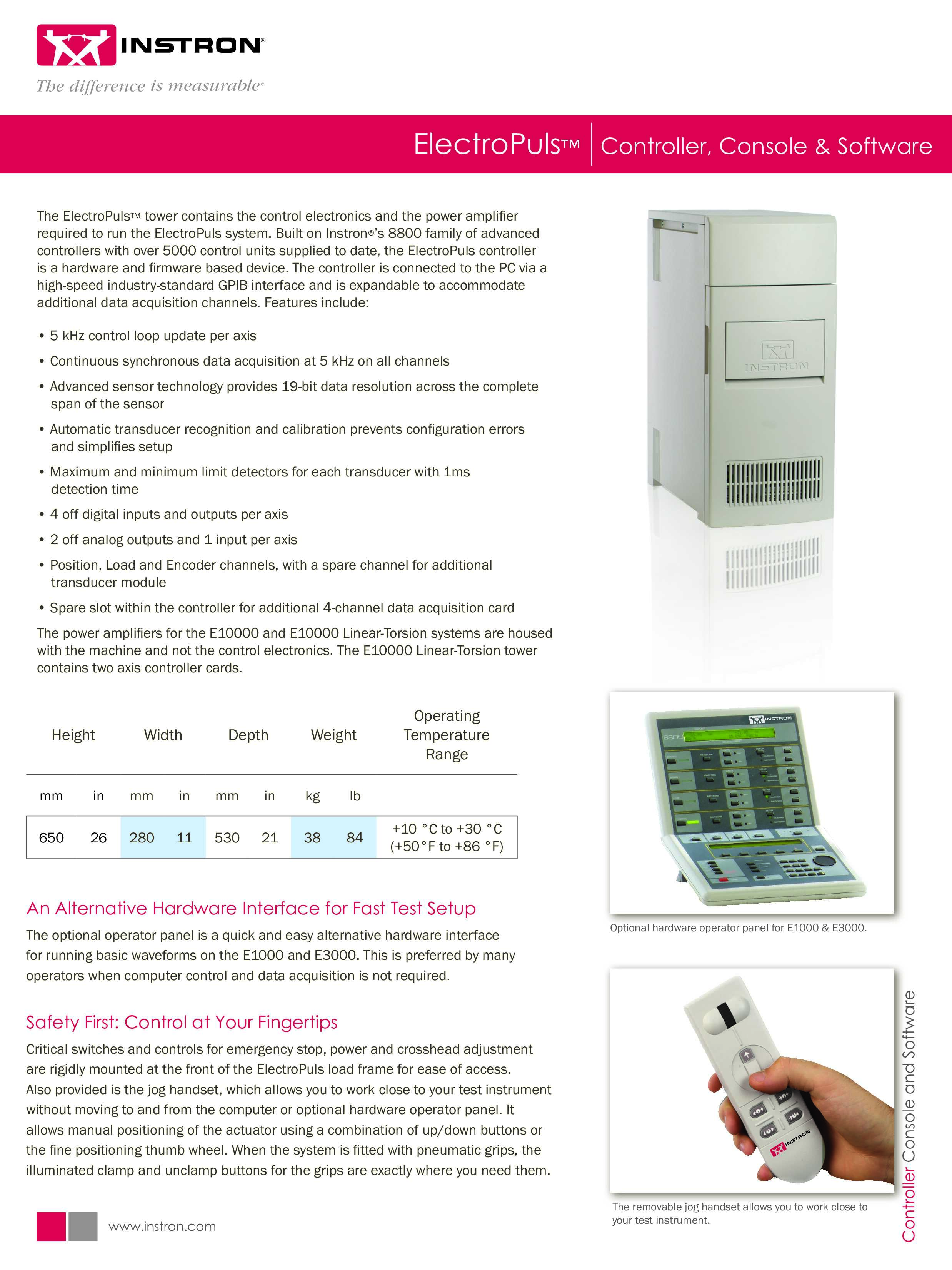
The ElectroPuls Tower contains the control electronics and the power amplifier required to run he ElectroPuls System. Built on Instron’s 8800 family of advanced controllers with over 5000 control units supplied to date, the ElecroPuls controller is a hardware and firmware based device.

Furnace Controller & Software | 3117-301/302

Instron’s revolutionary approach to furnace control solves one of the challenges of high temperature which is rarely discussed. Temperature control is notoriously challenging and dependent on expert technician’s knowledge to configure, tune and optimise multiple temperature controllers to achieve the desired heating rate, set point and temperature gradients.

Labtronic 8400

The Labtronic® 8400 Controller is a digital servohydraulic controller, designed specifically for component testing.

Labtronic 8800 Controller

Structural test control system – IST0001DE

Instron Professional Services

Instron Service offers calibration, preventative maintenance, repairs, training, and more — with over 250 field service professionals ready to support you.

Service and Support

Instron Service and Support offers calibration, maintenance, repairs, upgrades, training, and lifecycle planning to keep your materials testing systems performing reliably.

Impact Charpy

Modulus of Elasticity

What is Modulus of Elasticity?

Modulus of Elasticity, also known as Elastic Modulus or simply Modulus, is the measurement of a material's elasticity. Elastic modulus quantifies a material's resistance to non-permanent, or elastic, deformation. When under stress, materials will first exhibit elastic properties: the stress causes them to deform, but the material will return to its previous state after the stress is removed. After passing through the elastic region and through their yield point, materials enter a plastic region, where they exhibit permanent deformation even after the tensile stress is removed.

Modulus is defined as being the slope of the straight-line portion of a stress (σ) strain (ε) curve. Focusing on the elastic region, if the slope is taken between two stress-strain points, the modulus is the change in stress divided by the change in strain. Modulus =(σ2 - σ1) / (ε2 - ε1) where stress (σ) is force divided by the specimen's cross-sectional area and strain (ε) is the change in length of the material divided by the material's original gauge length. Since both stress and strain are normalized measurements, modulus is a consistent material property that can be compared between specimens of different sizes. A large steel specimen will have the same modulus as a small steel specimen, although the large specimen will require a higher maximum force to deform the material. Brittle materials such as metals, plastics, and composites will exhibit a steeper slope and higher modulus value than ductile materials such as rubber.

 modulus of plastic

Modulus of Elastomers

Unlike brittle materials like plastics and metals, elastomeric materials do not exhibit a yield point and continue to deform elastically until break. In this case, modulus is simply reported as a measure of the force at a given elongation. For example, in the graph below, modulus is reported as stress at 100, 200, and 300% strain.

 modulus of an elastomer

Although modulus is most commonly reported during tensile testing, modulus of elasticity can also be reported as compressive modulus of elasticity for compression tests,  flexural modulus of elasticity for flexural tests, shear modulus of elasticity for shear tests, or torsional modulus of elasticity for torsion tests. Modulus of elasticity may also be determined by dynamic testing, where it can be derived from complex modulus.

Calculating Different Types of Modulus

Users recording modulus should be aware that there are many different ways to calculate the slope of the initial linear portion of a stress/strain curve. For example, Instron's Bluehill® Universal software offers more than eight different ways to calculate modulus of elasticity. When comparing modulus results for a given material between different laboratories, it is critical to know which type of modulus calculation was chosen.

Young's Modulus

Slopes are calculated on the initial linear portion of the curve using least-squares fit on test data. The steepest slope is reported as the modulus.

Chord Modulus

A user selects a start strain point and an end strain point. A line is drawn between the two points and the slope of that line is recorded as the modulus.

Secant Modulus

Uses the zero stress/strain point as the start value and a user-selected strain point as the end value. A line is drawn between the two points, and the slope of that line is recorded as the modulus.

Segment Modulus

A user selects a start strain point and an end strain point. Using the least-squares fit on all points between the start and end points, a line is constructed. The slope of the best fit line is reported as the modulus.

Tangent Modulus

A user selects a tangent point on the stress/strain curve. The slope of the tangent line is reported as the modulus.

E-Modulus

Elastic modulus is determined by using a standard linear regression technique. The portion of the curve to be used for the calculation is chosen automatically and excludes the initial and final portions of the elastic deformation where the stress-strain curve is non-linear.

Hysteresis Modulus

Modulus is determined by a hysteresis loop generated by a loading and reloading section.

 

Related Content

9000 Series Pendulum Impact Testers POD

The Instron 9000 Series of pendulum impact testers are designed for determining the impact resilience of thermoplastics. Available in capacities from 0,5 to 50 Joules, the 9050 models are reliable and easy to operate.

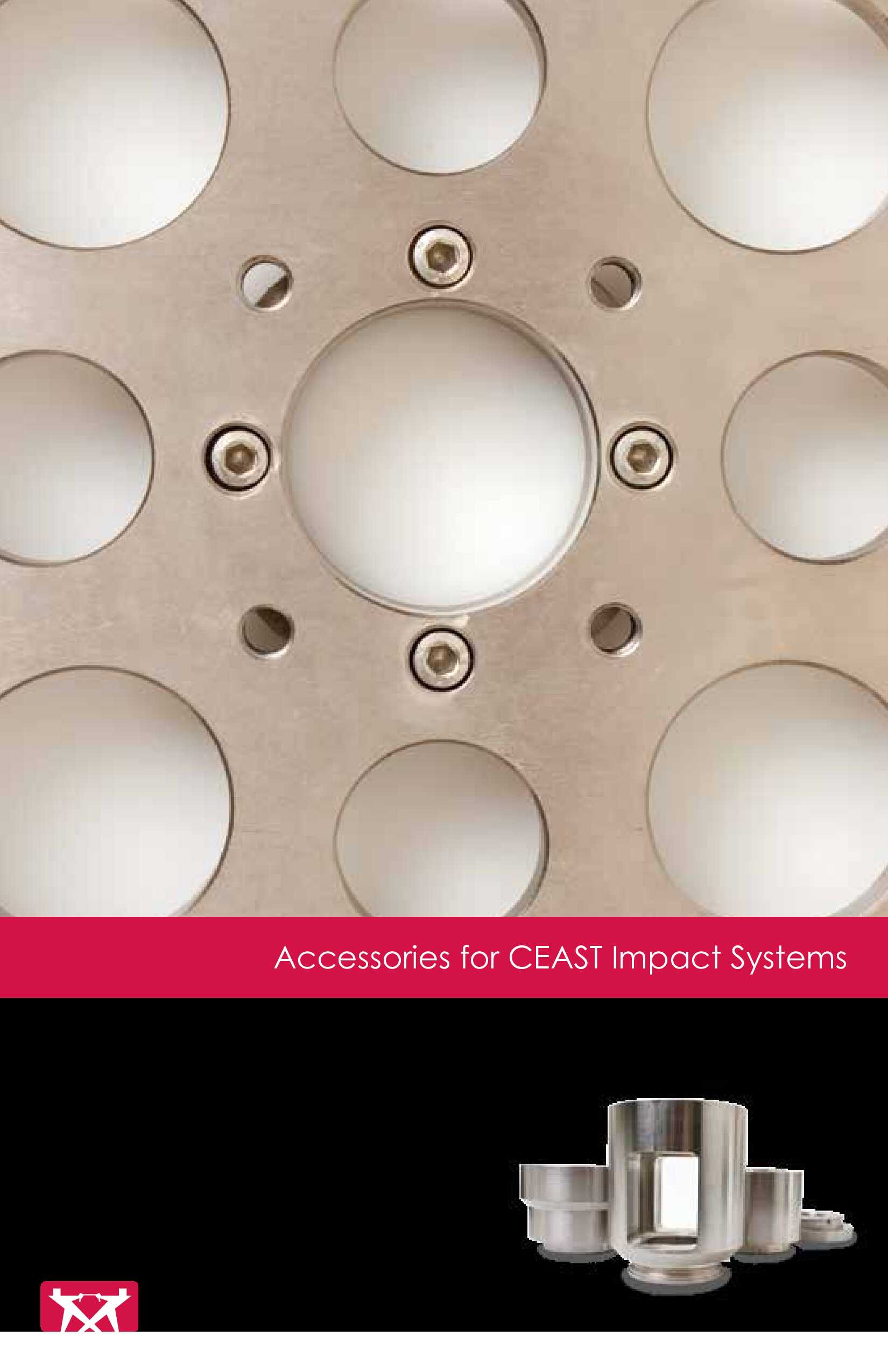
Accessories for CEAST Impact Systems

Accessories for CEAST Drop Tower and Pendulum Impact Testers.

CEAST 9000 Series Pendulum Impact Series

Impact resilience is one of the most important properties and cost-effective evaluations for material producers, both with respect to product development and quality control. As components could fail at stress levels well below the critical fracture stress, accurate determination of impact damage propagation is necessary. With the combined experience of CEAST, Instron® has more than 50 years experience in designing pendulum impact testing systems.