

Stay up to date with the latest in materials testing, from practical how-tos and application insights to emerging trends across industries like automotive, aerospace, biomedical, and more. Whether you're troubleshooting a test method, exploring new standards, or just curious what's next in testing technology, you'll find it here.
Use the filters below to browse by topic or year.
September 22, 2026
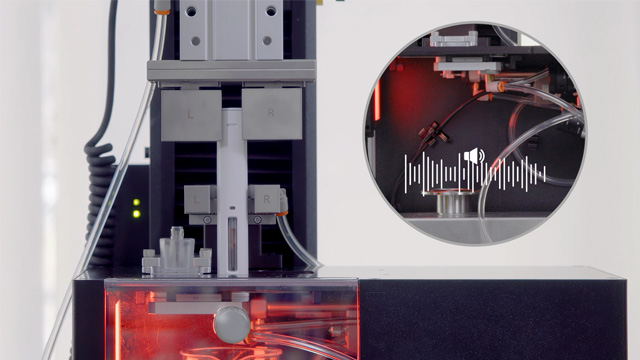
Synchronized Data Acquisition Explained
Learn how synchronized data acquisition connects force, displacement, and sensor data on one timeline for deeper mechanical testing insight.
June 9, 2026

Semiconductor Testing in the Age of AI
As AI pushes semiconductor design into 3D packaging, new materials, and co-packaged optics, testing must evolve.
April 17, 2026

How Do Drop Towers Improve Tensile Strength Impact Testing?
Drop tower tensile impact testing gives insight into how materials behave under high-speed loading conditions.
August 22, 2025
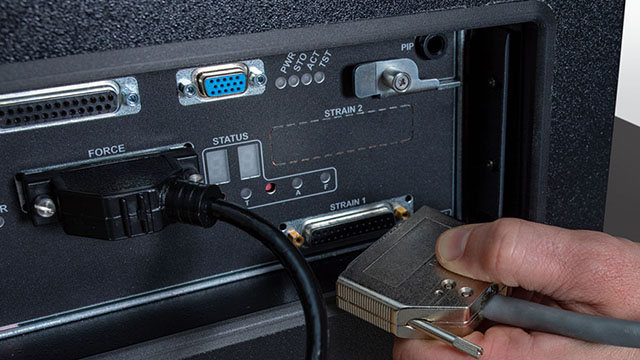
How to Connect Transducers to Instron Systems: Four Methods
Integrating third-party sensors and transducers into an Instron testing system — whether for force, strain, temperature, pressure, or displacement — requires choosing the right connection method for your setup. This article covers the four supported approaches: analog 0–10V input, rationalized connection with self-identification and auto-calibration in Bluehill Universal, custom polynomial calibration for non-Instron transducers, and digital data input via third-party equipment such as the HBM QuantumX MX430B.
September 2, 2022
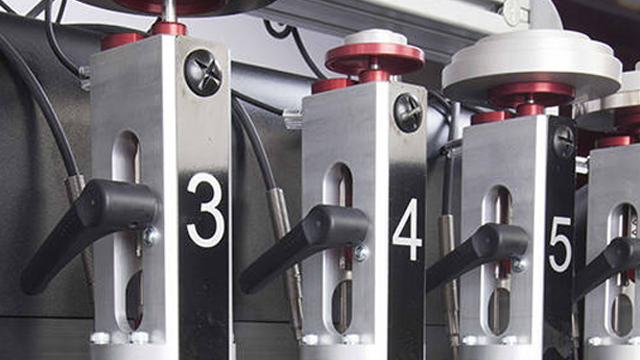
How to Achieve More Repeatable Test Results in 3D Printing Applications
Learn how new standards combined with the latest HDT Vicat tester technology can help achieve more repeatable testing of 3D printing materials.
January 21, 2022

Mechanical Testing of Additive Manufactured Components
A video discussing some of the most important considerations for testing additively manufactured, aka 3D printed, components.
January 21, 2015

Is This the Next Generation of Smartphone Cases?
Is This the Next Generation of Smartphone Cases? In ASM International’s recent article, the publication discusses an exciting development happening at Yale University. The team researching mechanical engineering and materials […]
August 7, 2014

Consumer Reports Uses Instron for Bend Testing Smartphone
Consumer Reports Uses Instron for Bend Testing Smartphone Consumer Reports sought to test LG’s G Flex smartphone, which claims to bend to life’s curves. The material properties of rigid plastic, […]
January 27, 2012
Protecting Mobile Devices from Impact Damage
Protecting Mobile Devices from Impact Damage Denise Czerpak I find it difficult to walk down the street, or in the mall, without having to move out of the way to […]

Insights from the Instron Experts.
Our team of applications engineers, testing specialists, and industry experts share what they know — from emerging testing standards and best practices to practical tips, real-world applications, and the latest trends shaping materials testing across industries. Subscribe to get the Instron Update delivered straight to you, so you never miss the insights that can help your lab stay ahead.