ตั้งแต่อุปกรณ์อุปโภคบริโภคไปจนถึงระบบอิเล็กทรอนิกส์ที่มีจำนวนมากขึ้นในยานพาหนะปัจจุบัน ส่วนประกอบอิเล็กทรอนิกส์ต้องทนต่อความเค้นทางกลจากการผลิต การประกอบ และการใช้งานในชีวิตประจำวัน โซลูชันการทดสอบของ Instron ช่วยให้ผู้ผลิตตรวจสอบความแข็งแรงของการยึดเกาะ ความน่าเชื่อถือของการเชื่อมต่อ และความทนทาน ตามมาตรฐานอุตสาหกรรมที่สำคัญ
กำลังมองหาการทดสอบทั่วไป เช่น การทดสอบแรงเฉือนแบบรอยต่อเกย (lap shear) การดึงพิน (pin pull) และการทดสอบการลอก (peel testing) อยู่ใช่หรือไม่? สำรวจการใช้งานการทดสอบอุปกรณ์อิเล็กทรอนิกส์ทั่วไปของเรา
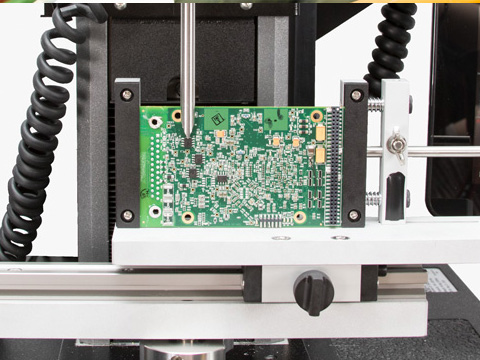
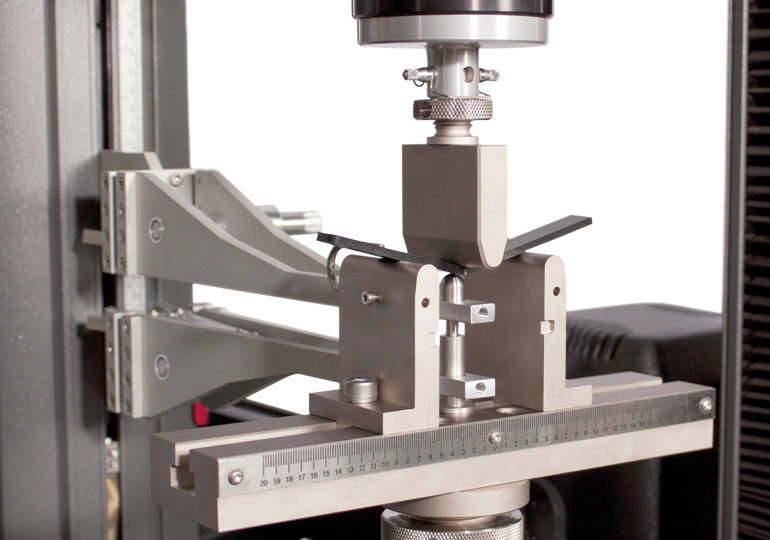
AEC-Q200-005 Rev A กำหนดมาตรฐานสำหรับการตรวจสอบความแข็งแรงของการยึดเกาะของส่วนประกอบที่ยึดบนพื้นผิว (surface mount) บนแผงวงจรพิมพ์ (PCB) ที่เสร็จสมบูรณ์ โดยทดสอบความสามารถในการทนต่อแรงดัด แรงงอ และแรงดึง
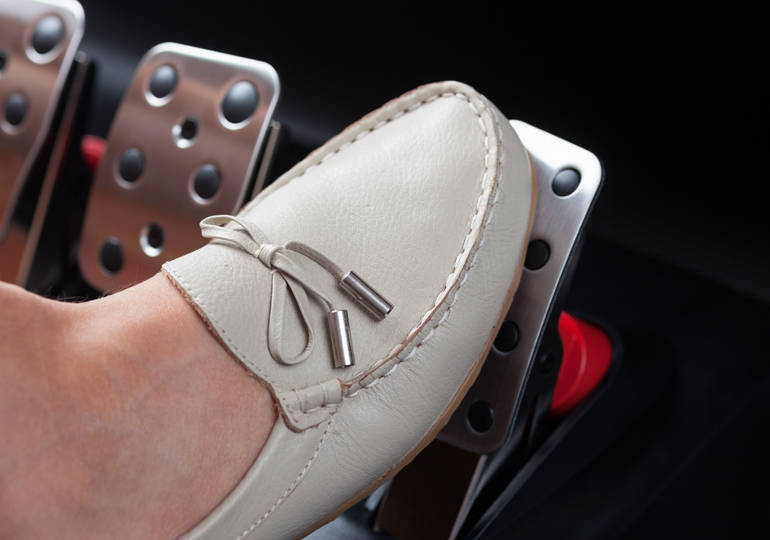
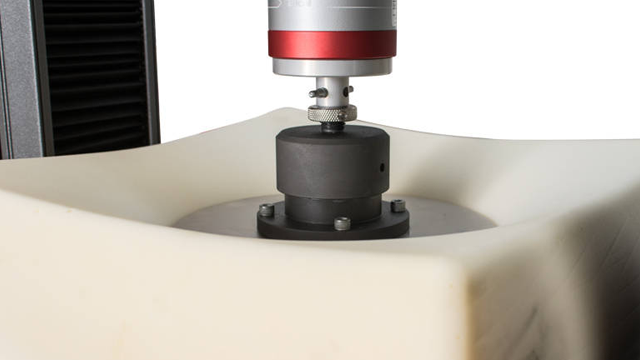
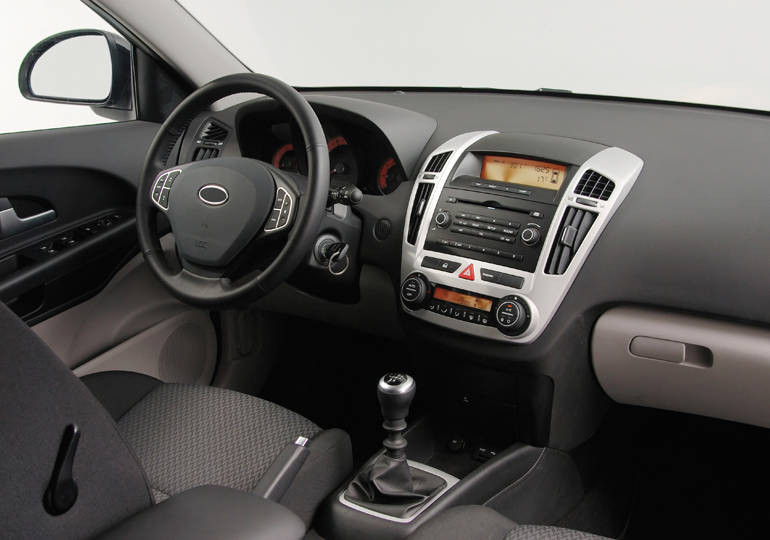
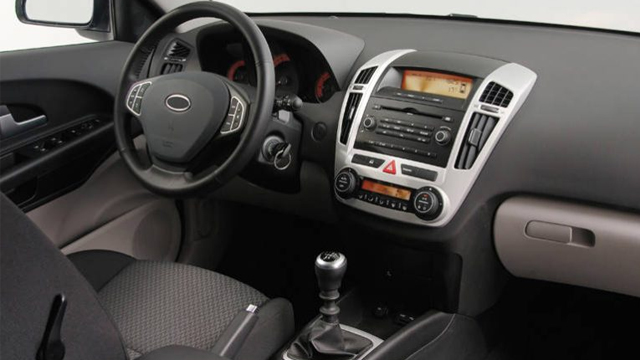
ปุ่มและสวิตช์ควบคุมเกือบทุกอย่างในยานพาหนะปัจจุบัน ตั้งแต่การสตาร์ทรถไปจนถึงแผงหน้าปัด ระบบสาระบันเทิง และการควบคุมการล็อคประตู การทดสอบการกดจะวัดแรงในการกดสั่งการ (actuation force) และความรู้สึกของแต่ละปุ่มหรือสวิตช์ ช่วยให้ผู้ผลิตตรวจสอบประสิทธิภาพที่สม่ำเสมอตลอดอายุการใช้งาน
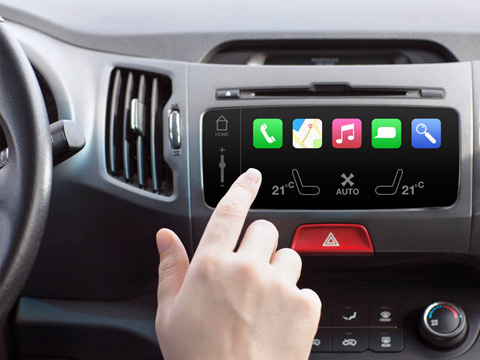
เนื่องจากจอแสดงผลสาระบันเทิงและหน้าจอสัมผัสกลายเป็นมาตรฐานในยานพาหนะหลายรุ่น ผู้ผลิตจึงจำเป็นต้องเข้าใจความน่าเชื่อถือทางกลของอุปกรณ์เหล่านี้ การทดสอบแผงจอแสดงผลจะประเมินว่าหน้าจอและแผงตอบสนองต่อแรงที่ได้รับระหว่างการประกอบและการใช้งานในชีวิตประจำวันอย่างไร
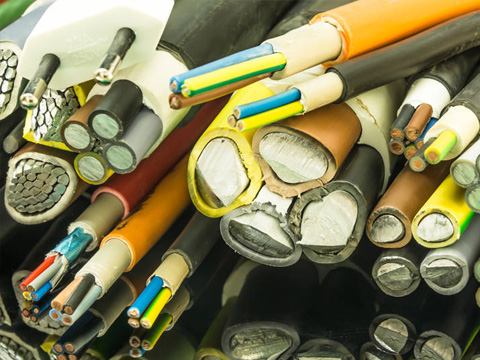
ยานพาหนะในปัจจุบันประกอบด้วยสายไฟและชุดสายเคเบิลจำนวนมากขึ้นเรื่อยๆ ซึ่งทำหน้าที่ส่งกำลังและสัญญาณไปยังระบบควบคุมระบบส่งกำลัง ระบบวินิจฉัยในตัว ระบบไฟส่องสว่าง ระบบควบคุมแผงหน้าปัด และระบบสาระบันเทิง การทดสอบแรงดึงจะตรวจสอบความแข็งแรงของสายไฟและฉนวน ช่วยลดความเสี่ยงของความล้มเหลวทางไฟฟ้า
Automotive Electronics Council (AEC) ได้กำหนดมาตรฐานที่มีความสำคัญต่อการรับรองส่วนประกอบไฟฟ้าที่ใช้ในยานพาหนะ ด้วยการเพิ่มขึ้นอย่างรวดเร็วของไมโครอิเล็กทรอนิกส์ในยานพาหนะ การทดสอบความแข็งแรงของขั้วต่อตามมาตรฐานเหล่านี้จะช่วยให้มั่นใจได้ว่าขั้วต่อของส่วนประกอบสามารถทนต่อแรงทางกลจากการประกอบและการใช้งานได้
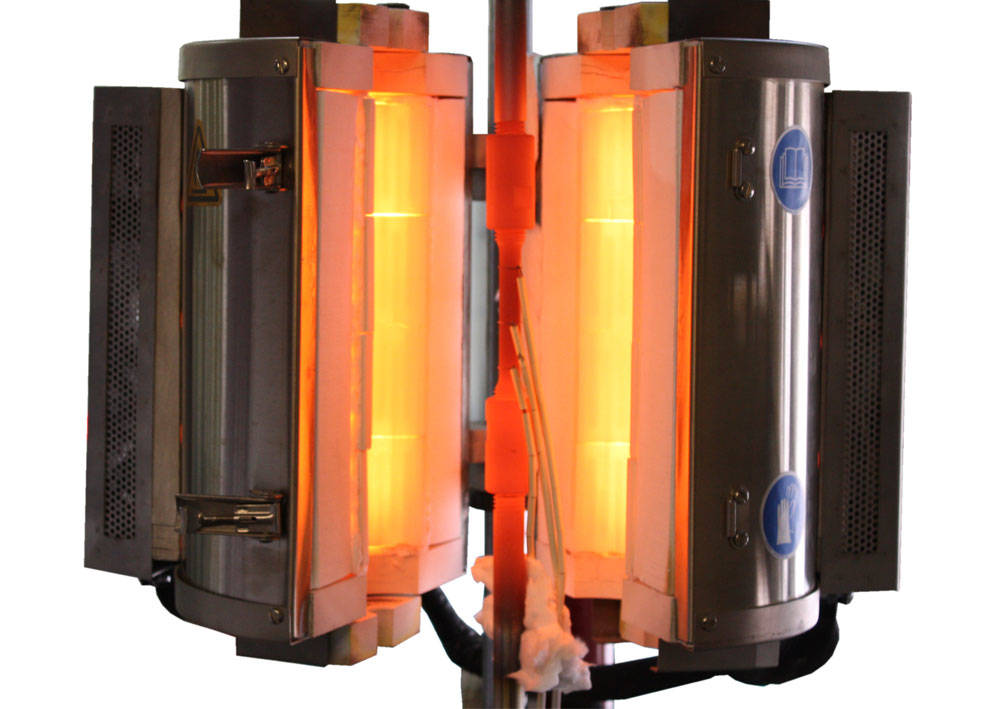
ระบบทดสอบความล้าที่อุณหภูมิสูง ได้แก่ ระบบความล้ารอบต่ำ (LCF), ระบบความล้าเทอร์โมแมคคานิกส์ (TMF) และระบบทดสอบเชิงกลไฟฟ้าความร้อน (ETMT) ระบบ LCF ประเมินประสิทธิภาพของวัสดุในสภาวะอุณหภูมิคงที่สูงเมื่อต้องรับภาระหนักและการเปลี่ยนรูปพลาสติก ระบบ TMF และ ETMT จำลองผลกระทบที่ซับซ้อนของวัฏจักรความร้อนร่วมกับภาระทางกล ซึ่งมักเกิดขึ้นกับกังหันก๊าซและอุปกรณ์ที่คล้ายคลึงกันระหว่างการทำงาน ระบบทดสอบความล้าที่อุณหภูมิสูงของ Instron ทั้งหมดเป็นแพ็คเกจที่ผสานรวมอย่างสมบูรณ์ซึ่งช่วยให้ลูกค้าของเราสามารถทดสอบได้อย่างรวดเร็วและมีประสิทธิภาพ โดยเป็นไปตามมาตรฐานที่เกี่ยวข้องทั้งหมด
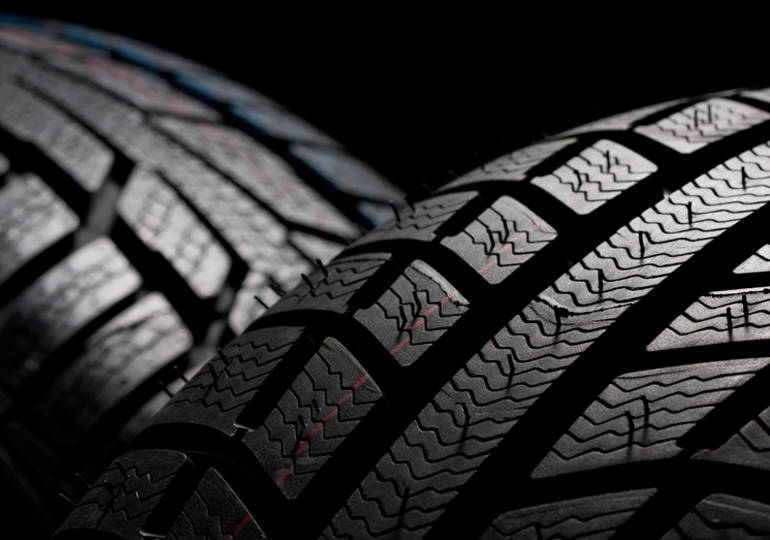
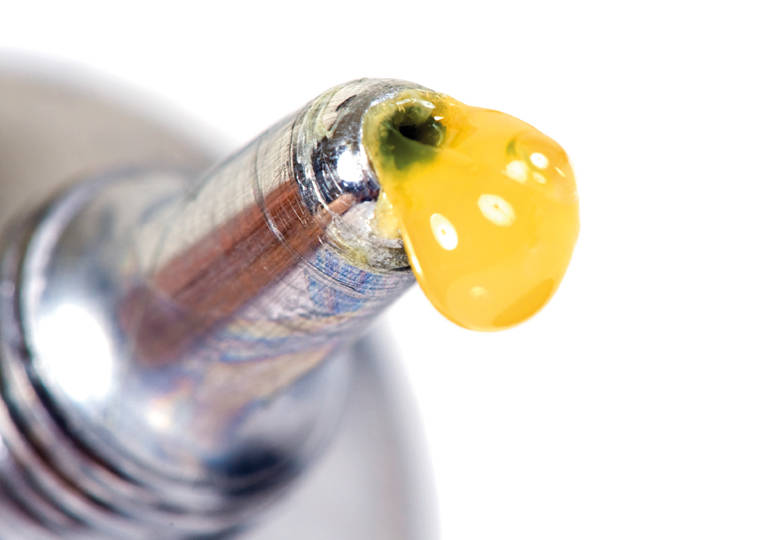
เอกสารการประยุกต์ใช้งานฉบับนี้สำรวจวิทยาการไหลของคอมพาวนด์ยางล้อและความท้าทายที่ผู้ผลิตเผชิญในการประเมินความหนืด พฤติกรรมการไหล และลักษณะการบวมตัวที่ปากดาย การศึกษานี้ใช้เครื่องวัดการไหลแบบแคพิลลารีรุ่น CEAST SR20 ในการวัดความหนืดที่ขึ้นกับอัตราเฉือนและการบวมตัวของวัสดุที่ถูกรีด เพื่อสร้างความเข้าใจที่ดียิ่งขึ้นเกี่ยวกับพฤติกรรมของอีลาสโตเมอร์ในระหว่างการแปรรูป ผลลัพธ์แสดงให้เห็นถึงพฤติกรรมการไหลแบบนอนนิวโตเนียน ความสามารถในการทำซ้ำที่แม่นยำ และคุณค่าของการวัดการบวมตัวด้วยเลเซอร์เพื่อการปรับปรุงสูตรยางล้อให้เหมาะสมที่สุด ตลอดจนรับประกันการผลิตที่มีคุณภาพสูงและสม่ำเสมอ
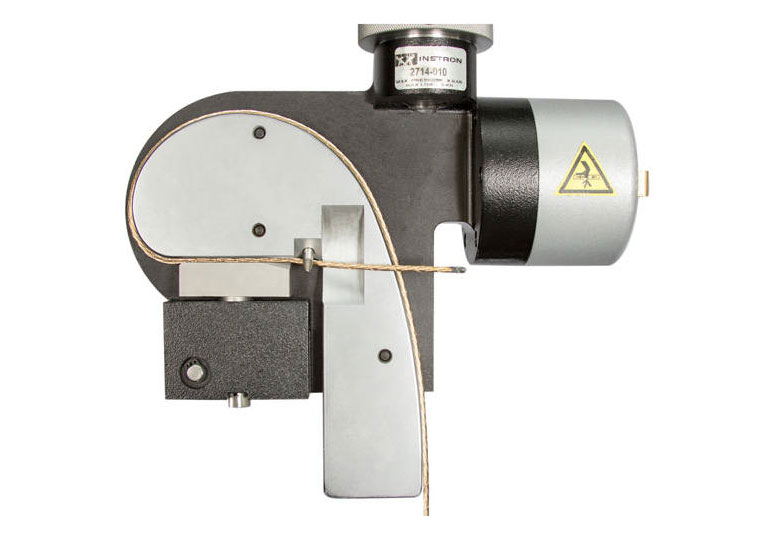
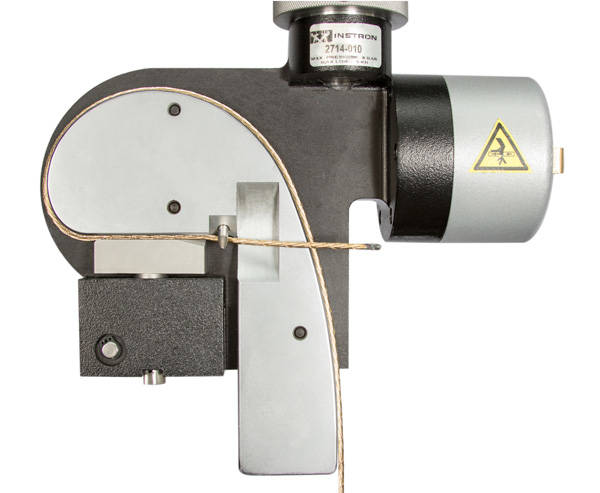
เส้นใยยางรถยนต์เป็นวัสดุเสริมแรงที่แข็งแรงอย่างมาก ทำให้ยากต่อการยึดจับระหว่างการทดสอบโดยไม่ทำให้เกิดความล้มเหลวก่อนเวลาอันควร ปากคีบสำหรับเส้นใยของ Instron ได้รับการออกแบบทางวิศวกรรมให้มีหน้าสัมผัสที่เรียบและโค้งมน ซึ่งช่วยกระจายความเค้นอย่างสม่ำเสมอตลอดแนวชิ้นงาน ลดการขาดที่บริเวณปากคีบได้อย่างมาก และช่วยให้มั่นใจได้ถึงผลลัพธ์ที่แม่นยำและทำซ้ำได้มากขึ้น
สำรวจความท้าทายเฉพาะตัวของการทดสอบแรงดึงในวัสดุยางล้อประเภทอีลาสโตเมอร์ ซึ่งการยืดตัวที่สูงมาก ความผันผวนของอุณหภูมิ และการบางลงของชิ้นงานทดสอบอาจส่งผลต่อความแม่นยำ เนื้อหานี้จะอธิบายว่าทำไมเอ็กซ์เทนโซมิเตอร์แบบคลิปออนทั่วไปจึงไม่เพียงพอ และเน้นย้ำถึงโซลูชันการวัดความเครียดแบบไม่สัมผัสและแบบระยะยืดสูง เช่น ซีรีส์ AVE 2 และ XL ที่ให้การวัดความเครียดที่เชื่อถือได้จนถึงจุดขาด นอกจากนี้ ข้อมูลภาพรวมยังกล่าวถึงปัญหาในการจับยึดที่พบบ่อยในชิ้นงานยาง พร้อมนำเสนอตัวเลือกอุปกรณ์จับยึดแบบนิวเมติกและแบบขันแน่นได้เองที่ช่วยป้องกันการลื่นไถลและการเสียหายก่อนเวลาอันควร ช่วยให้ผู้ผลิตได้รับผลการทดสอบที่สม่ำเสมอและเป็นไปตามมาตรฐาน
กระบวนการยึดติดมีความสำคัญอย่างยิ่งต่อความสมบูรณ์ของโครงสร้างและความปลอดภัยของชุดประกอบยานยนต์ ตั้งแต่การพันธะด้วยกาวและรอยเชื่อมพลาสติกไปจนถึงตัวยึดโลหะความแข็งแรงสูง ทุกวิธีการยึดติดจะต้องได้รับการทดสอบอย่างเข้มงวดเพื่อให้มั่นใจว่าสามารถทำงานได้ภายใต้สภาวะการใช้งานจริง Instron นำเสนอโซลูชันการทดสอบที่ครอบคลุมเพื่อช่วยให้ผู้ผลิตและซัพพลายเออร์ยานยนต์ระบุคุณลักษณะของคุณสมบัติทางกลของเทคโนโลยีการยึดติดของตน — ตั้งแต่การทดสอบแบบกึ่งสถิตไปจนถึงการประเมินอัตราความเครียดสูง
เนื่องจากการลดน้ำหนักเป็นตัวขับเคลื่อนการนำวัสดุใหม่ๆ มาใช้ในการออกแบบยานยนต์ เทคโนโลยีการต่อด้วยกาวจึงมีบทบาทสำคัญมากขึ้นเรื่อยๆ หน้านี้ครอบคลุมโซลูชันการทดสอบของ Instron สำหรับการใช้งานกาวในยานยนต์ ตั้งแต่การทดสอบแรงเฉือนแบบซ้อน (Lap-shear) และการทดสอบการลอก (Peel) ไปจนถึงความเหนียวต่อการแตกหัก ความล้า และการทดสอบแรงกระแทกตามมาตรฐาน ISO 11343 และมาตรฐานสำคัญอื่นๆ
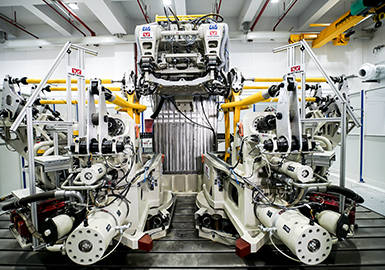
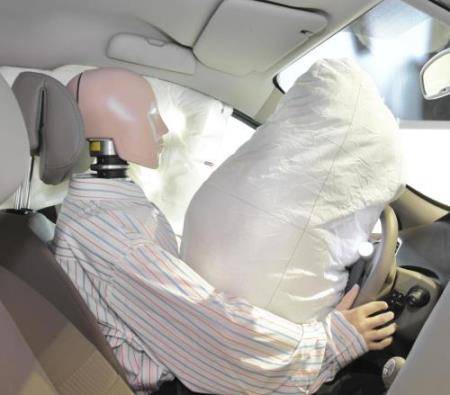
การทำความเข้าใจว่ารอยต่อแบบเชื่อม แบบยึดสลักเกลียว และแบบใช้กาวมีพฤติกรรมอย่างไรภายใต้สภาวะอัตราการเปลี่ยนรูปสูงนั้นมีความสำคัญอย่างยิ่งต่อการตรวจสอบความถูกต้องของการจำลองการชน และการพัฒนาโครงสร้างยานยนต์ที่เบาและแข็งแกร่งขึ้น หน้านี้ครอบคลุมถึงโซลูชันการทดสอบอัตราการเปลี่ยนรูปสูงของ Instron สำหรับโครงสร้างยานยนต์ที่เชื่อมต่อกัน รวมถึงระบบ VHS และอุปกรณ์เสริมสำหรับการติดตั้งและฟิกซ์เจอร์สั่งทำพิเศษที่หลากหลาย
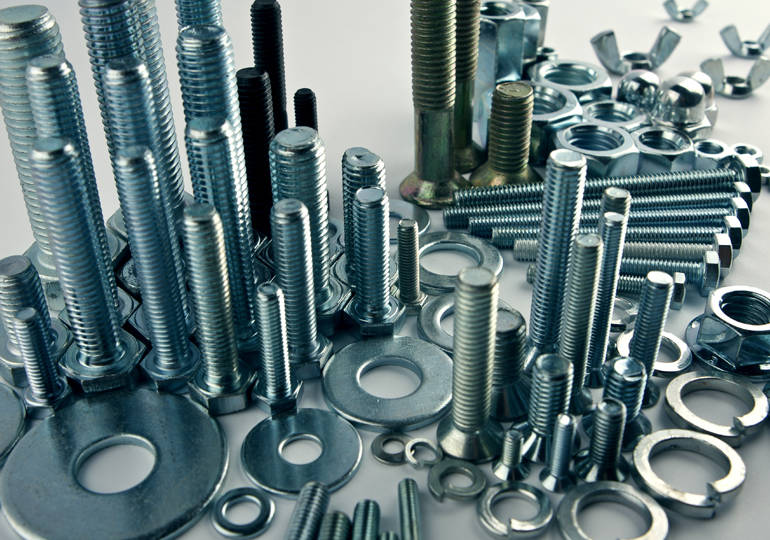
สลักเกลียวโลหะถูกนำมาใช้ในปริมาณมหาศาลทั่วทั้งการผลิตยานยนต์ ตั้งแต่ชุดโครงสร้างที่มีความแข็งแรงสูงไปจนถึงการยึดส่วนประกอบที่มีน้ำหนักเบา หน้านี้ครอบคลุมโซลูชันการทดสอบของ Instron สำหรับความท้าทายในการทดสอบสลักเกลียวทุกรูปแบบ — รวมถึงการควบคุมคุณภาพสำหรับการผลิตปริมาณมาก, การทดสอบสลักเกลียวสั้น, การทดสอบพิสูจน์ภาระของน็อต, การวัดความเครียด และการทดสอบความต้านทานแรงเฉือน
เนื่องจากชิ้นส่วนพลาสติกกลายเป็นเรื่องปกติมากขึ้นในการออกแบบยานยนต์ การรับรองความสมบูรณ์ของพันธะรอยเชื่อมพลาสติกจึงเป็นสิ่งสำคัญสำหรับทั้งการพัฒนาผลิตภัณฑ์และการควบคุมคุณภาพ หน้านี้ครอบคลุมถึงโซลูชันการทดสอบแรงดึงของ Instron สำหรับรอยต่อที่เชื่อมด้วยพลาสติก รวมถึงตัวเลือกการจับยึดแบบเยื้องศูนย์สำหรับชิ้นงานที่มีส่วนปลายไม่อยู่ในแนวเส้นตรง และแผ่นทดสอบชิ้นส่วนสำหรับรูปทรงที่ไม่เป็นมาตรฐาน
ไม่แน่ใจว่าโซลูชันการทดสอบใดที่เหมาะกับการใช้งานด้านการยึดติดของคุณใช่หรือไม่?

There are multiple ways in which batteries can fail. One of the most common modes of failure is caused by the electrode coating material cracking or delaminating from the current collector. This cracking or delaminating is typically caused by the constant charging and discharging of the battery as well as by mechanical loading of the battery in use. It is critical to understand the adhesion strength and longevity of electrodes to ensure that a battery does not fail before the end of its predicted life cycle.
As battery manufacturers work to understand the adhesive properties of their cathode and anode materials, many are also introducing new electrode makeups in an effort to increase the safety and energy density of batteries. Most of these changes are to the anode material with additions such as silicone, which requires further testing and analysis. It is critical to understand how electrode adhesion is influenced by different binders and elements. The three types of testing most commonly used to characterize the adhesive properties and monitor production material for electrodes are 90° peel tests, 180° peel tests, and tack tests.
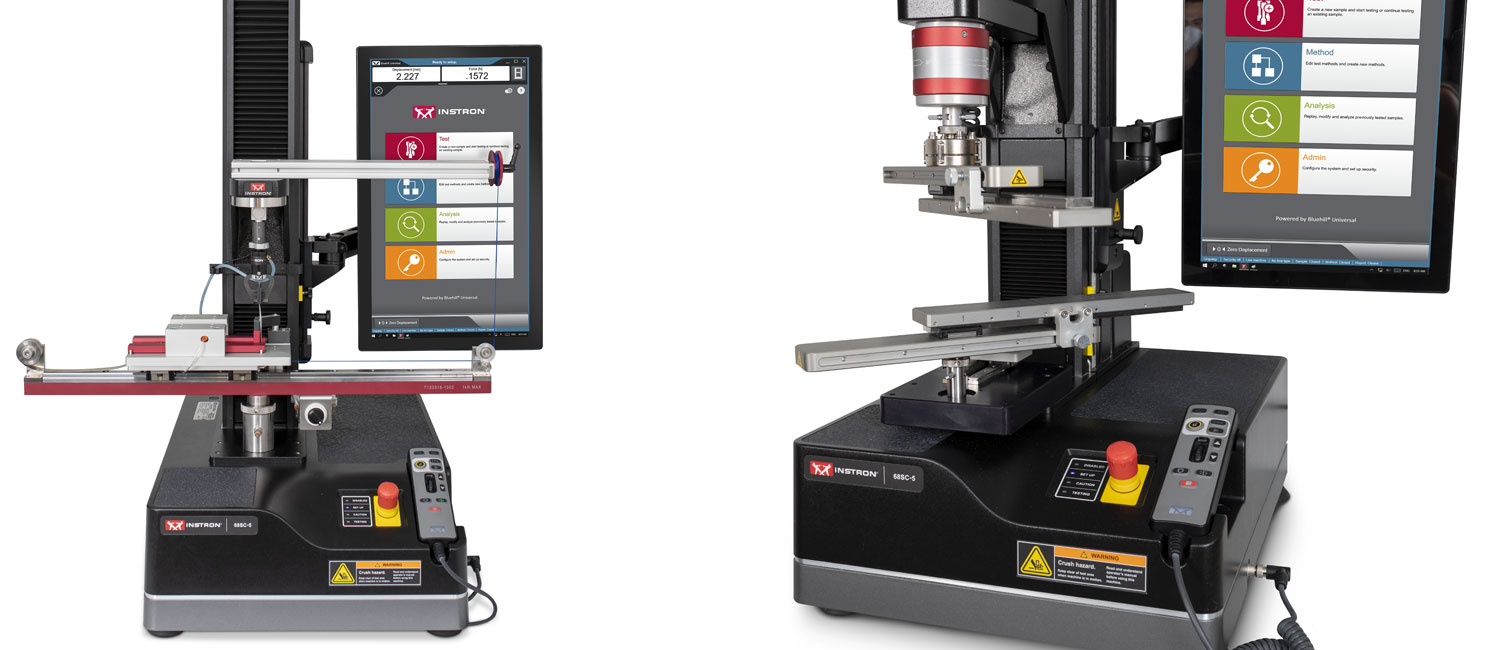
The most commonly performed peel tests are 90° and 180° peel tests. 180° testing has an advantage over 90° testing in simplicity of setup and ease of alignment. This testing can be done using low force grips and load cells along with a substrate that helps the flexible material maintain proper alignment during testing. It is best to consider pneumatic grips and a metal substrate to ensure high throughput and a proper 180° peel throughout each test.

90° peel testing is commonly seen as an alternative to 180° degree peel testing. The 90° peel test generally involves slightly higher loads than the 180° peel test and can be set up more quickly because it often does not require a substrate. Instron’s most common solutions for this testing are a standard 90° peel fixture or a pneumatic peel fixture designed specifically to test the adhesion of electrodes. The pneumatic 90° peel fixture was developed specifically for electrode adhesion testing and provides improved repeatability and throughput while also aiding the operator in consistent specimen placement and alignment at 90°. For the upper fixture, a pneumatic grip optimizes throughput and repeatability and is recommended for testing delicate materials.
A tack test is an electrode adhesion test that has been backed by researchers as an additional way to test the adhesion of electrodes to a battery's current collector. Instead of slowly peeling electrodes from the current collector, a tack test focuses on the adhesion strength of an entire predetermined area of electrodes, allowing for quicker evaluation of electrode adhesion over a large area. Instron’s tack testing fixture is designed for ease of specimen preparation as well as high throughput and repeatability. It features predetermined contact areas in addition to a spherically seated and lockable upper fixture, which ensures parallelism between both fixtures. Due to the fast speeds of this testing, a testing system with a very high data rate collection will ensure the best possible results and throughput.
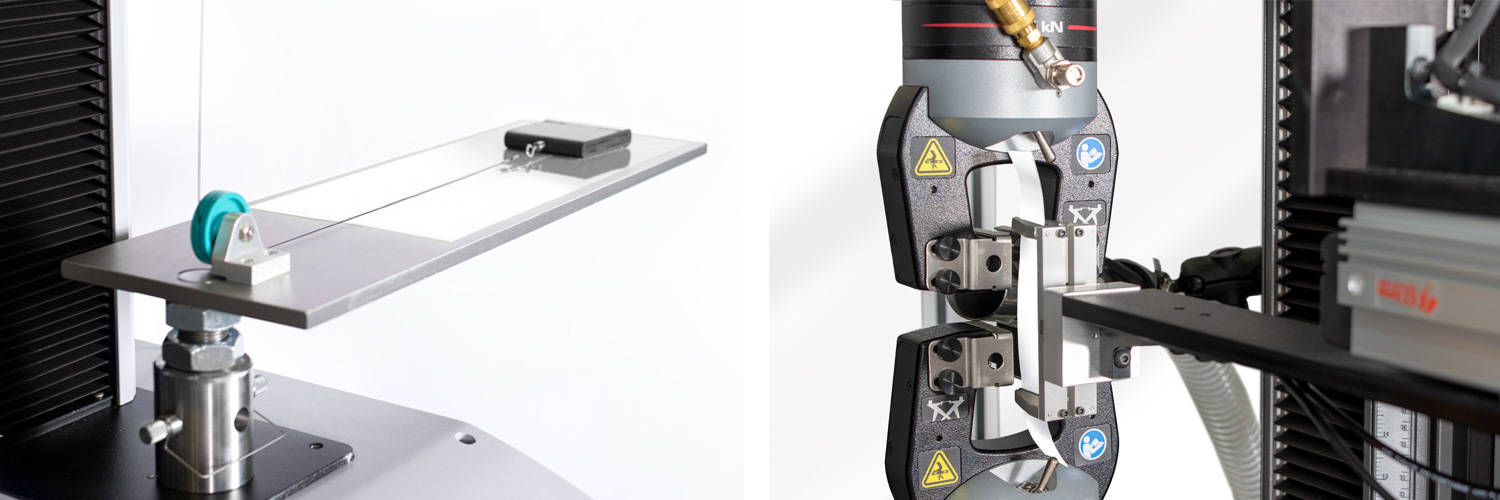
A separator is a membrane that separates a battery cell's anode from its cathode. Separator films are a critical part of lithium-ion batteries and other liquid electrolyte batteries. The polymers used for these films must be strong enough to withstand the winding operation during assembly as well as plating of lithium on the anode in an uneven manner due to extensive use. Issues with the selection of the cell separator materials can compromise battery integrity and increase the potential for internal short circuits, leading to thermal runaway, fire, and even explosions. Safer and stronger separator material more effectively prevents contact between the anode and cathode, while thinner material helps reduce the weight of each battery and improve energy density.
The main tests performed to evaluate the mechanical properties of separator film are tensile, puncture, and coefficient of friction tests. Tensile and coefficient of friction testing are critical for ensuring the separator film can withstand manufacturing of the battery, while puncture resistance is a crucial mechanical property used to assess and select the material with the best performance, while reducing the thickness, number of layers, and weight. UL 2591 (Component certification for lithium-ion battery cell separators) was specifically designed
to develop a comprehensive approach to cell separator testing in order to address safety
concerns associated with separators becoming progressively thinner and lighter due to industry trends.
Tensile testing ensures that separator film can withstand all tensile forces applied during manufacturing and throughout the service life of the battery. There are several standards suitable for tensile testing polymer separators, including ASTM D882 and ISO 527-3. Ensuring proper specimen alignment, insertion, and grip operation are necessary for best repeatability and throughput, as well as to avoid possible damage to a specimen before testing. Instron offers a variety of solutions for tensile testing battery separator films, with both affordable and premium tiers of products designed to provide superior accuracy and throughput for labs requiring them. Testing these materials in accordance to ASTM D882 can be very beneficial for quality control checks as well as during R&D when trying to determine the optimal separator film solution. Additionally, as is the case for many other thin film materials, separator film is anisotropic and so is recommended to be tested in multiple different cutting/testing directions.
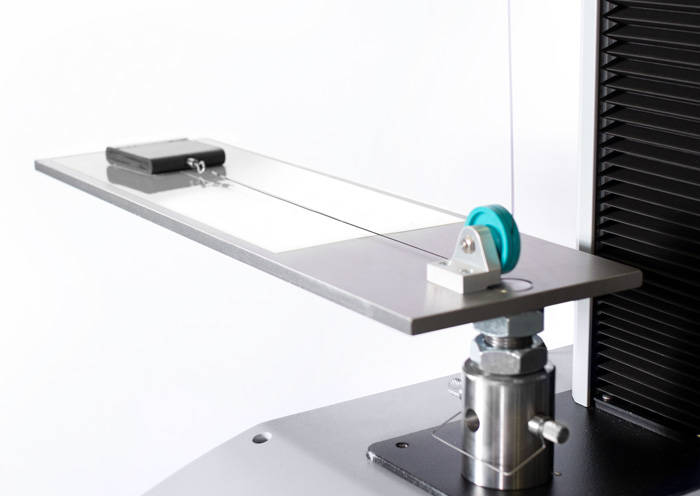
Separator film must be strong enough to withstand punctures from dendrites that form with extensive battery use. This is critical for ensuring the safety and longevity of each cell throughout the lifespan of the battery. Ensuring proper specimen tautness and alignment of the upper probe are critical for this application. ASTM F1306 outlines the puncture testing of flexible barrier films to characterize the material response when a 3.2 mm diameter probe is driven into a clamped specimen. EN 14477 is another standard that characterizes the puncture resistance of thin film materials, however, it uses a smaller probe (0.8 mm) compared to ASTM F1306. High-speed puncture resistance testing to ASTM D3763 can be determined by use of Instron's 9450 Series drop tower.
Tight winding creates mechanical loads between the separator film and the electrode coating, and understanding the coefficient of friction can ensure that proper winding processes occur in production. It is common to use ISO 8295 and ASTM D1894-14 as guidance for this testing.
Automation systems from Instron introduce a new level of productivity for battery testing. As battery production volumes continue to increase, throughput and efficiency are critical to keep up with demand. Utilizing an automation system with the recommended equipment for each application can free up operators and maximize throughput, while maintaining optimal results.

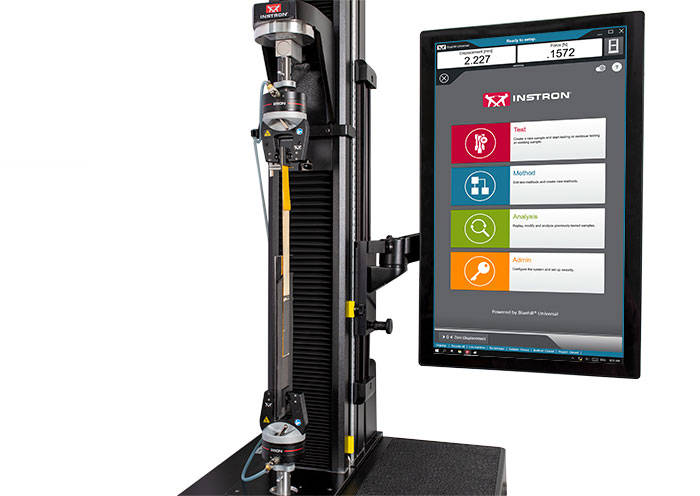
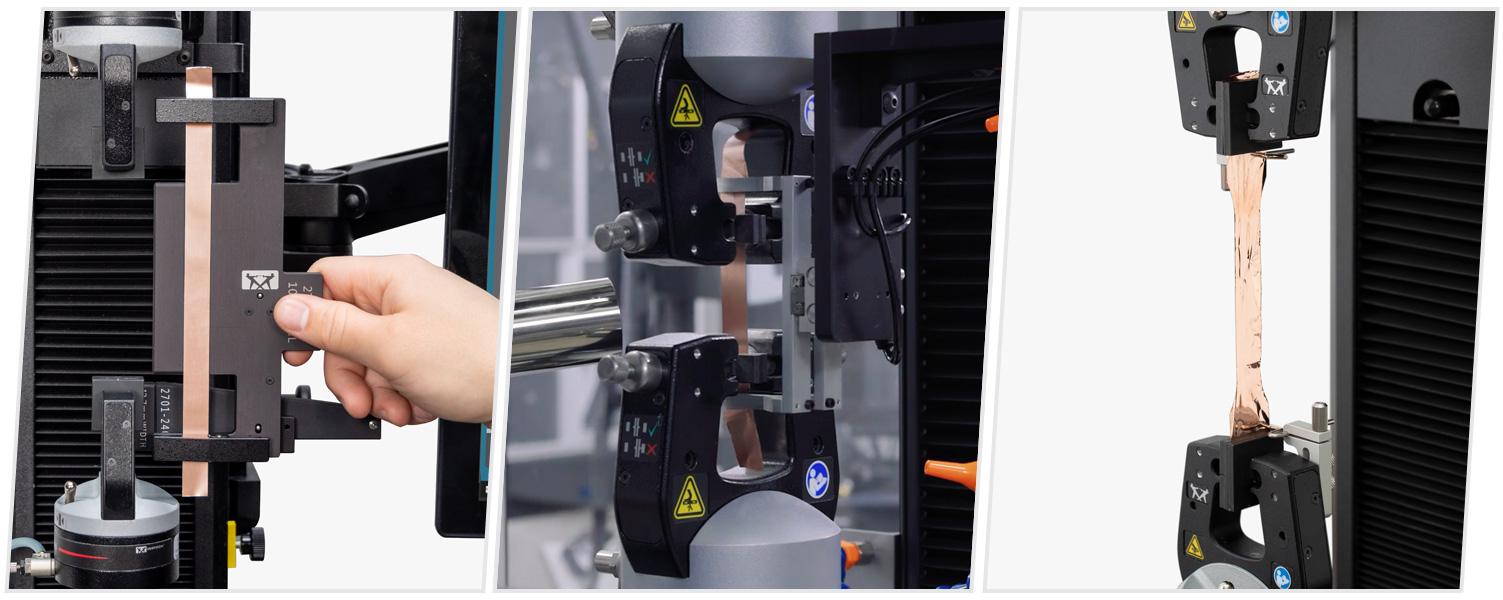
A standard tensile test is the most appropriate way to determine the mechanical properties of aluminum and copper foil specimens. Typically, elongation at break and maximum load are the key material properties that are calculated in mechanical testing, as these properties help ensure the quality of the foil; whether or not it will be able to withstand the mechanical loading and expansion/contraction in use.
While some standards may call out gripping options, such as wedge action grips, Instron has found that pneumatic side action grips are the optimal solution for foil under 20 microns thick. Pneumatic side action grips offer the ability to fine tune the clamping pressure and they will always provide constant pressure throughout each test. The use of pneumatic grips also improves throughput for these high-volume materials, as quality control labs can test hundreds of specimens per day. An additional factor that must be considered is the type of clamping surface, such as the jaw faces used. The optimal jaw faces to pair with pneumatic side action grips are rubber-coated faces. The soft and pliable rubber is able to adequately hold foil material throughout the duration of a test, while minimizing the stress concentration added by clamping the specimens.

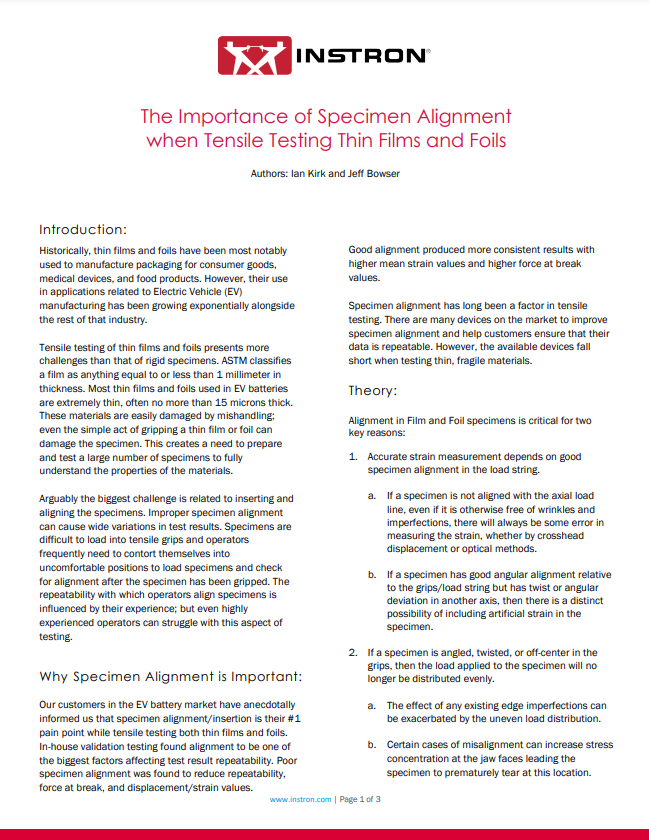
Two of the biggest challenges that come from testing foil material are the preparation and alignment of the specimen. Specimen preparation is extremely critical for such fragile specimens. The better the quality of the cut, the better the quality of the edges will be for each specimen. Poorly cut edges increase the chances of the material breaking prematurely. Premature failure reduces the quality of the test results, and can lead to the need for re-testing.
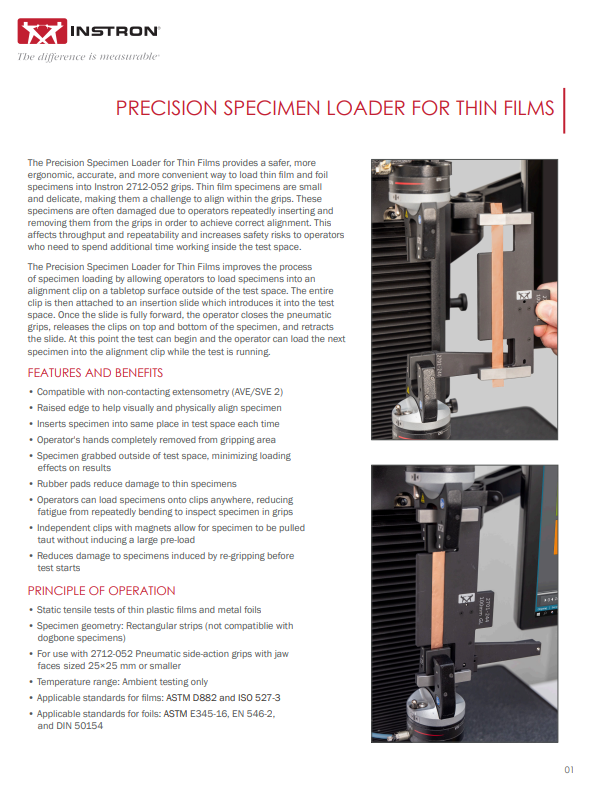
Specimen alignment is also critical for repeatability and protection of the specimen, as thin foils can be noticeably affected by minor misalignment within the grips. Additionally, having to adjust foils within the grips multiple times can sometimes lead to premature breaks due to the damage caused by clamping and unclamping. We highly recommend using Instron’s Precision Specimen Loader to reduce variability in test results while improving ergonomics and safety.
Automation systems from Instron introduce a new level of productivity for foil testing. As battery production volumes continue to increase, throughput and efficiency are critical to keep up with demand. Utilizing an automation system with the recommended equipment for each application can free up operators and maximize throughput, while maintaining optimal results.