AVE2 Advanced Video Extensometer for Dynamic and High-Force Applications
In dynamic and high-force testing environments, specimen failures can be sudden, catastrophic, and unpredictable — particularly when testing composite materials, which may show no signs of yielding before failing explosively. Traditional contacting extensometers are vulnerable to the shock loading generated by these failures, leading to device damage, reduced measurement accuracy, costly replacements, and unplanned machine downtime.
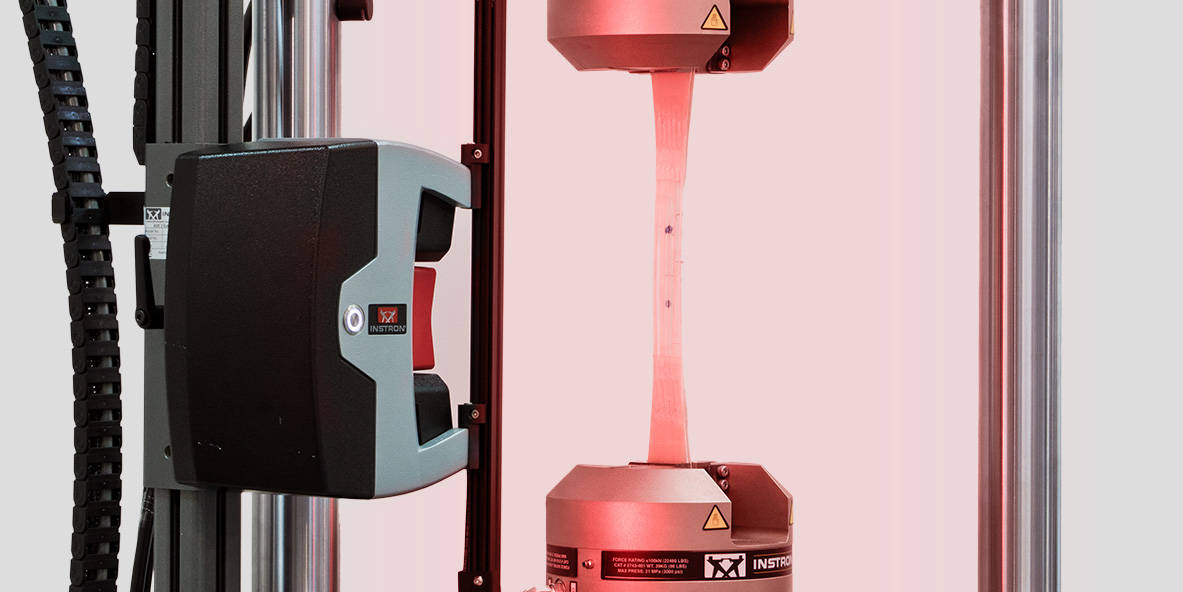
The Instron AVE2 non-contacting video extensometer is designed specifically for these demanding environments. By measuring strain without physical contact with the specimen, the AVE2 is fully isolated from shock loading — protecting your investment, maintaining data integrity, and keeping your testing program running without interruption.
Protect Your Investment
Traditional contacting extensometers are consumable items in high-energy testing environments. Repeated shock loading from specimen failures gradually degrades measurement performance, and a single high-energy break can render a device unusable. The costs add up quickly — not just in replacement devices, but in the calibration of each replacement and the downtime incurred while waiting for a new device to arrive.
The AVE2 eliminates this cycle entirely. Because it never contacts the specimen, it is fully isolated from the forces generated at specimen failure. A single AVE2, calibrated once per year, can be trusted from the first specimen to the last — consolidating multiple transducers into one reliable, long-life strain measurement solution and removing the need to maintain a stock of backup devices.
More Efficient Testing
Beyond protecting the device itself, the AVE2 delivers significant efficiency gains compared to traditional clip-on extensometers. Attaching a clip-on device reliably and consistently — test after test, across different technicians and specimen types — introduces variability that is difficult to control and easy to underestimate.
The AVE2 removes operator attachment from the equation entirely. Setup is faster, more consistent between operators, and eliminates the risk of incorrect attachment affecting results. Unlike travel-limited clip-on devices, the AVE2 can accommodate a wide range of specimen sizes and deflections with a single transducer — simplifying inventory management and reducing the training burden on operators.
Confidence in your Data
With a contacting extensometer, it can be difficult to know whether shock loading from a previous test has affected the device's measurement accuracy. Results may be compromised without any visible sign of damage — and by the time the issue is identified, multiple tests may be affected.
The AVE2 provides consistent, reliable strain data throughout its service life. Because it is never exposed to contact forces or shock loading, its measurement performance does not degrade between calibration visits. For laboratories that currently choose not to record strain data due to the complexity or cost of contacting extensometry, the AVE2 offers a straightforward path to capturing accurate strain data across a wider range of specimens — without adding complexity to the test setup process or risking specimen damage.
Understanding High-Energy Specimen Failure
The risk that high-energy specimen failures pose to contacting extensometers depends significantly on the material being tested.
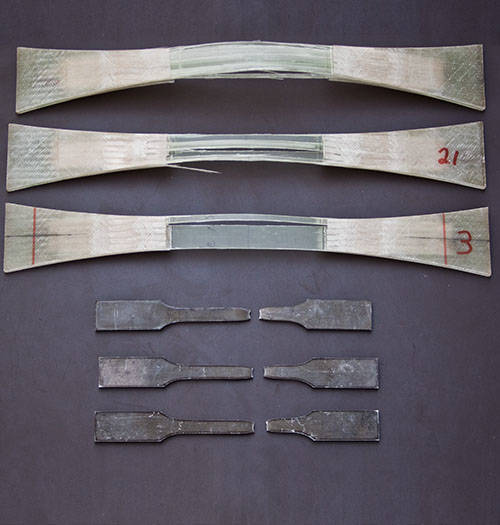
Traditional metal specimens tend to yield gradually during their fatigue life. Necking occurs progressively, and the energy released at fracture is largely converted to heat — resulting in a relatively controlled failure event that causes limited shock loading on attached devices.
Composite coupons behave very differently. They may show little or no signs of yielding or progressive damage during their fatigue life, then fail suddenly and catastrophically — releasing a large amount of energy in a very short time. This sudden failure transmits damaging shock loads directly through any contacting device attached to the specimen, with forces sufficient to damage measurement electronics, knife edges, and attachment mechanisms. The result is a device that may no longer measure accurately — and may not show obvious signs of damage until results begin to drift.
For any laboratory running fatigue or high-force testing of composite materials, the question is not whether a contacting extensometer will eventually be damaged — it is how soon, and at what cost.
Compatible Testing Systems
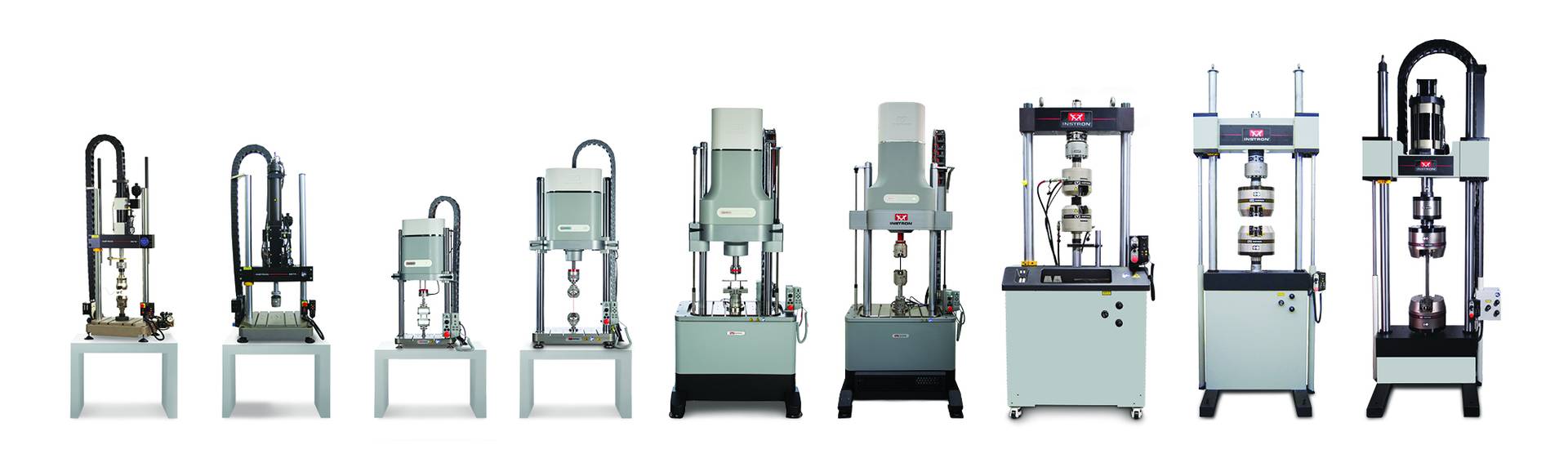
The AVE2 is designed for use with Instron ElectroPuls® all-electric dynamic test systems and servohydraulic fatigue testing systems. Contact your local Instron office to confirm compatibility with your specific system configuration.

Talk to an Instron Expert
If you are running dynamic or high-force testing on composites or other materials with unpredictable failure modes, our team can help you evaluate whether the AVE2 is the right strain measurement solution for your application.
Contact Our Sales Department.
Please complete the form below and we will be happy to contact you with a response. Our typical response time for an online request is within 1-2 business days. For a faster response, please call +1-800-473-7838.