

Stay up to date with the latest in materials testing, from practical how-tos and application insights to emerging trends across industries like automotive, aerospace, biomedical, and more. Whether you're troubleshooting a test method, exploring new standards, or just curious what's next in testing technology, you'll find it here.
Use the filters below to browse by topic or year.
September 9, 2026

EU Machinery Regulation and Cyber Resilience Act
Two new EU regulations, the Machinery Regulation and the Cyber Resilience Act, are reshaping how machinery is designed, certified, and secured. Learn what's changing, key deadlines, and how Instron is preparing.
July 8, 2026
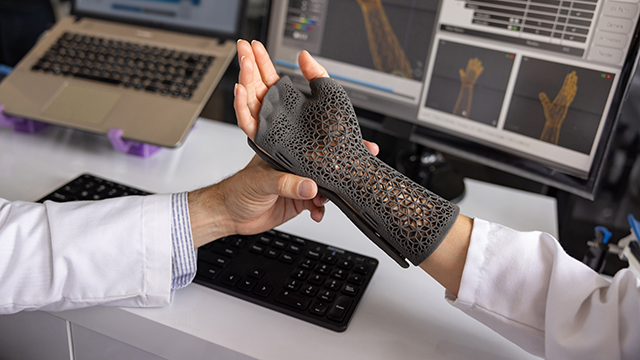
Fatigue Testing of Additively Manufactured Biomedical Devices
Multiaxial fatigue testing is critical in assessing durability, physiological loading, and fatigue life of additively manufactured biomedical devices.
June 26, 2026
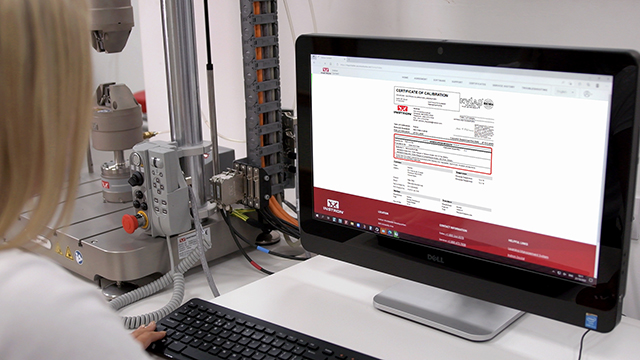
Decision Rules in Calibration
Understand decision rules in calibration: how conformity statements are made, why uncertainty matters, and when alternative rules beyond pass/fail are needed.
June 24, 2026
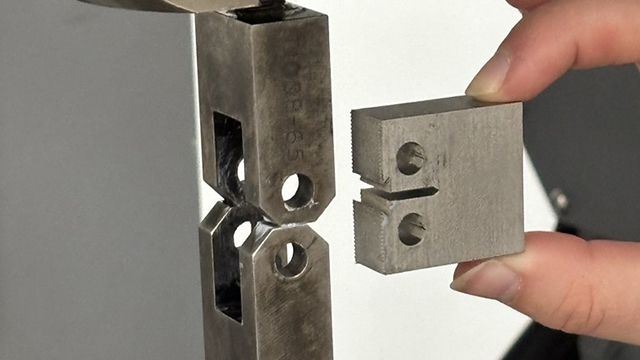
Fracture Testing for Additively Manufactured Aerospace Components
Fracture testing is essential for addressing defects, anisotropy, crack growth behavior, and certification data needs.
June 23, 2026

What Is a Texture Analyzer?
Texture analyzers measure the mechanical properties that define how a product feels, performs, and holds up — from the crunch of a cracker to the spreadability of a skin cream. Learn what a texture analyzer is, how it works, and how Instron universal testing systems deliver greater flexibility than purpose-built equipment.
June 22, 2026

ISO 11040-8 2026: Prefilled Syringe Testing Guide
The 2026 revision to ISO 11040-8 updates test methods and expands intended use requirements for prefilled syringes. Learn what changed and what it means for your lab.
June 9, 2026

Semiconductor Testing in the Age of AI
As AI pushes semiconductor design into 3D packaging, new materials, and co-packaged optics, testing must evolve.
June 5, 2026
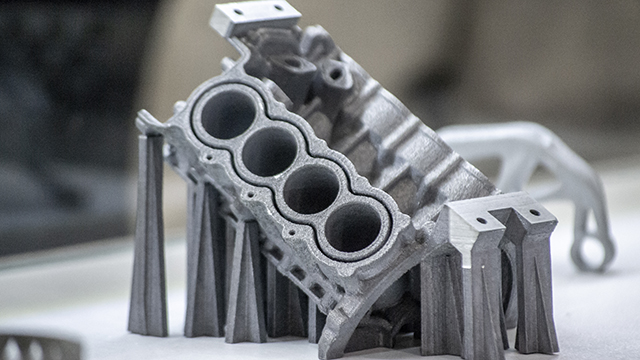
Accurate Fatigue Testing Is Essential for Additively Manufactured Automotive Parts
Reliable test data helps to address defects and ensure durability under real‑world component performance.
May 22, 2026

Fatigue Performance in Additive Manufacturing: Challenges for Design, Testing, and Qualification
Fatigue testing in additive manufacturing reveals challenges with defects and variability, making robust testing critical.

Insights from the Instron Experts.
Our team of applications engineers, testing specialists, and industry experts share what they know — from emerging testing standards and best practices to practical tips, real-world applications, and the latest trends shaping materials testing across industries. Subscribe to get the Instron Update delivered straight to you, so you never miss the insights that can help your lab stay ahead.