

Fatigue Testing of Additively Manufactured Biomedical Devices: Why Multiaxial Loading Matters
With biomedical components, fatigue testing representative of physical loading is critical for capturing the effect of defects, anisotropy, and other variability on durability, as well as gaining regulatory approval
Written By: Rebecca Reiff-Musgrove
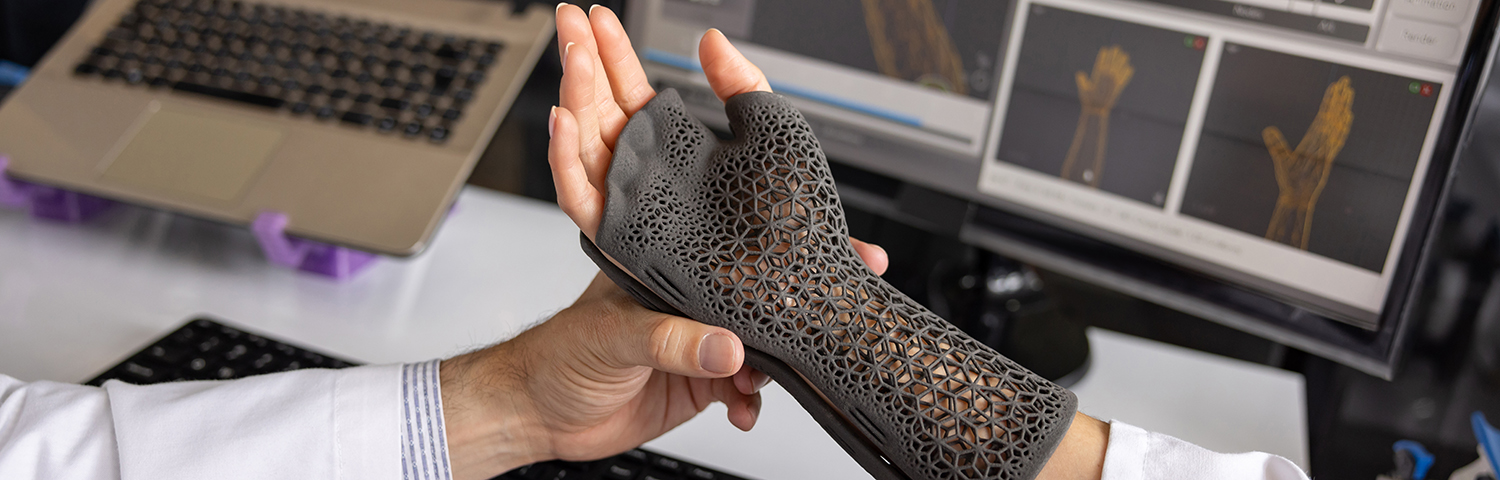
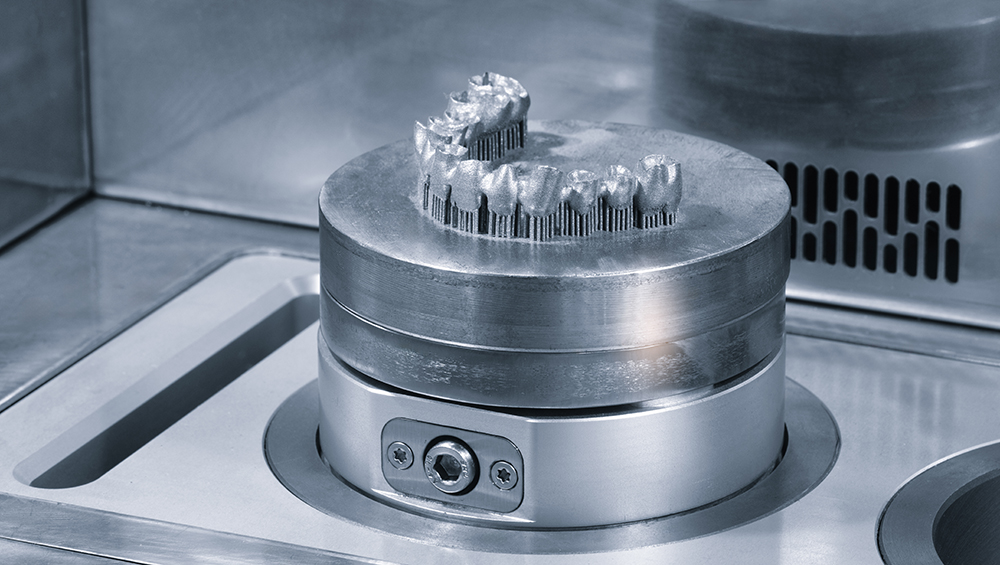
Additive manufacturing (AM) is increasingly being adopted for biomedical devices, particularly where patient-specific geometry, complex internal structures, and rapid iteration offer clear clinical benefits. Orthopedic implants, spinal devices, fixation hardware, and associated surgical tools are now routinely produced using metal and polymer additive processes. As these components are intended for long-term, load-bearing applications, fatigue performance becomes a critical factor in ensuring safety, durability, and regulatory approval.
Biomedical devices rarely experience simple, uniaxial loading in service. They are exposed to complex, multiaxial loading histories driven by human motion. For additively manufactured parts already sensitive to defects, anisotropy, and surface condition, this loading complexity presents unique challenges that must be addressed through carefully designed fatigue testing programs.
Why Fatigue Matters for Additively Manufactured Biomedical Devices
Fatigue failure is a well-recognized risk for biomedical devices. Components such as hip stems, bone plates, spinal rods, and dental implants must withstand millions of load cycles over years or decades of service to avoid complex removal surgeries. Even when stresses remain well below the static strength of the material, repeated loading can lead to crack initiation, growth, and ultimately catastrophic failure.
For additively manufactured biomedical components, fatigue behavior cannot be assumed to match that of traditionally manufactured equivalents. Additive manufacturing processes introduce microstructural features such as porosity, lack-of-fusion defects, surface roughness, and residual stresses, all of which can significantly reduce fatigue life. In addition, the layer-by-layer nature of additive manufacturing creates directional mechanical properties that interact strongly with physiological loading modes.
Complexity of Physiological Loading: Beyond Uniaxial Fatigue
Many conventional fatigue programs rely on uniaxial tension or compression loading. While this can provide useful baseline data, it represents a simplification of the true in-vivo loading environment experienced by biomedical implants.
In service, biomedical components are frequently subjected to combined axial and torsional loading — for example, hip and knee implants experiencing simultaneous compressive load and torsional moments during walking, or fixation devices undergoing cyclic shear and rotation at bone-implant interfaces. Ignoring these combined loading modes risks underestimating damage accumulation and misrepresenting real fatigue performance.
Combined axial-torsion testing provides a powerful framework for better representing physiological loading while also offering deeper insight into the anisotropic behavior of additively manufactured materials.
Insights from Axial-Torsion Fatigue Behavior
Many additive processes, particularly polymer filament deposition and some metal processes, produce a laminated microstructure. Mechanical properties therefore depend on loading direction relative to the deposited layers. By applying simultaneous axial and torsional loads, engineers can interrogate apparent tensile and shear behavior across a range of orientations.
These effects are particularly relevant for implants where load paths rarely align with a single principal axis. Without multiaxial testing, such behavior would remain hidden in conventional uniaxial fatigue datasets.
Representative Testing and Implant-Level Insight
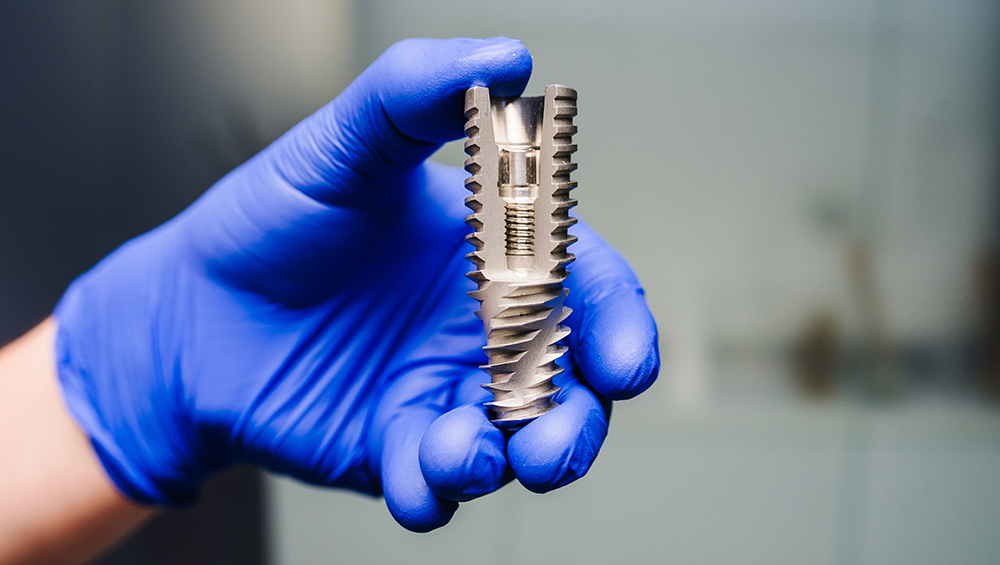
For biomedical devices, coupon-level fatigue testing is often insufficient. Local geometry, lattice structures, thread forms, and surface treatments can dominate fatigue behavior. Combined loading fatigue test systems provide a flexible platform that can evolve from material screening to representative feature-level or component-level testing, helping engineers better understand how additively manufactured implants behave under realistic service conditions.
How Instron Supports Multiaxial Fatigue Testing for Additively Manufactured Biomedical Devices
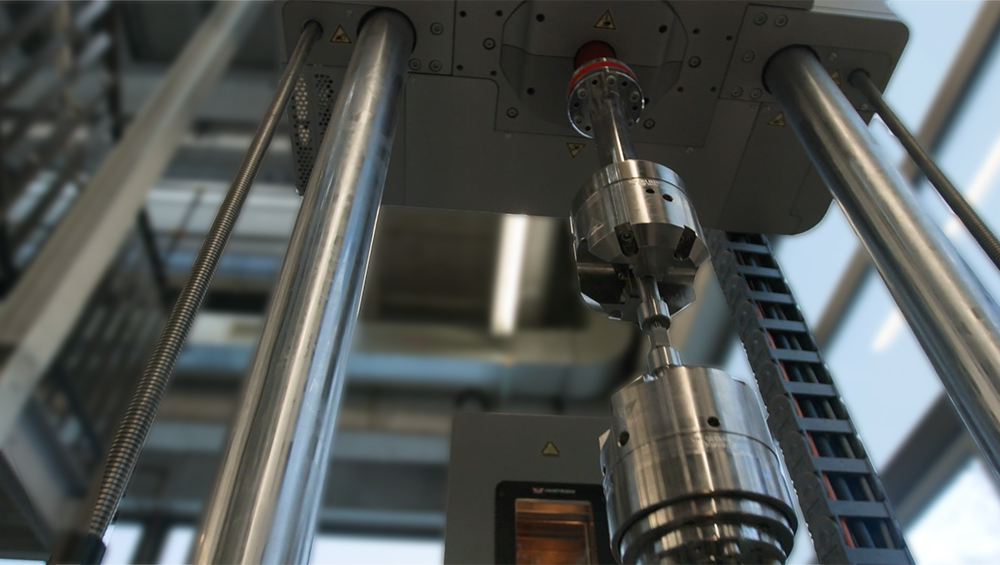
Instron® has extensive experience supporting fatigue and durability testing for biomedical applications, including additively manufactured materials and components. Combined axial-torsion fatigue systems such as the ElectroPuls® are established, off-the-shelf solutions capable of delivering precise, repeatable multiaxial loading.
ElectroPuls systems enable biomedical engineers to:
- Perform accurate combined axial and torsional fatigue testing
- Maintain precise alignment for anisotropic, defect-sensitive additively manufactured materials
- Characterize fatigue life under realistic physiological loading conditions
- Generate robust, defensible data suitable for design verification and regulatory submission
Conclusion
As additive manufacturing continues to transform biomedical device design, fatigue testing must evolve to reflect both the material realities of additive manufacturing and the complexity of physiological loading. Combined axial-torsion fatigue testing provides a powerful tool for revealing anisotropy, understanding damage mechanisms, and generating data that better reflects in-service performance.
By combining representative multiaxial loading with high-quality, repeatable test systems, biomedical engineers can confidently assess fatigue performance, reduce qualification risk, and bring innovative, patient-specific additively manufactured devices safely into clinical use.

Subscribe to the Instron Update
Stay up to date on industry trends, testing standards, applications, tips and tricks, and so much more!
Related
- Why Additive Manufacturing Requires a Different Approach to Mechanical Testing
- Fatigue Performance in Additive Manufacturing: Challenges for Design, Testing, and Qualification
- Why Accurate Fatigue Testing Is Essential for Additively Manufactured Automotive Parts
- Additively Manufactured Aerospace Parts: Why Fracture Testing Matters
About the Author

Rebecca Reiff-Musgrove
Rebecca Reiff-Musgrove is Business Development Manager for ElectroPuls at Instron. Her background includes an MSci from the University of Cambridge with a focus on the surface properties of additively manufactured parts, as well as previous roles in materials testing for the additive manufacturing industry. At Instron, she has held a range of technical and commercial roles, giving her a grounded understanding of both the technology and the customer challenges it addresses.