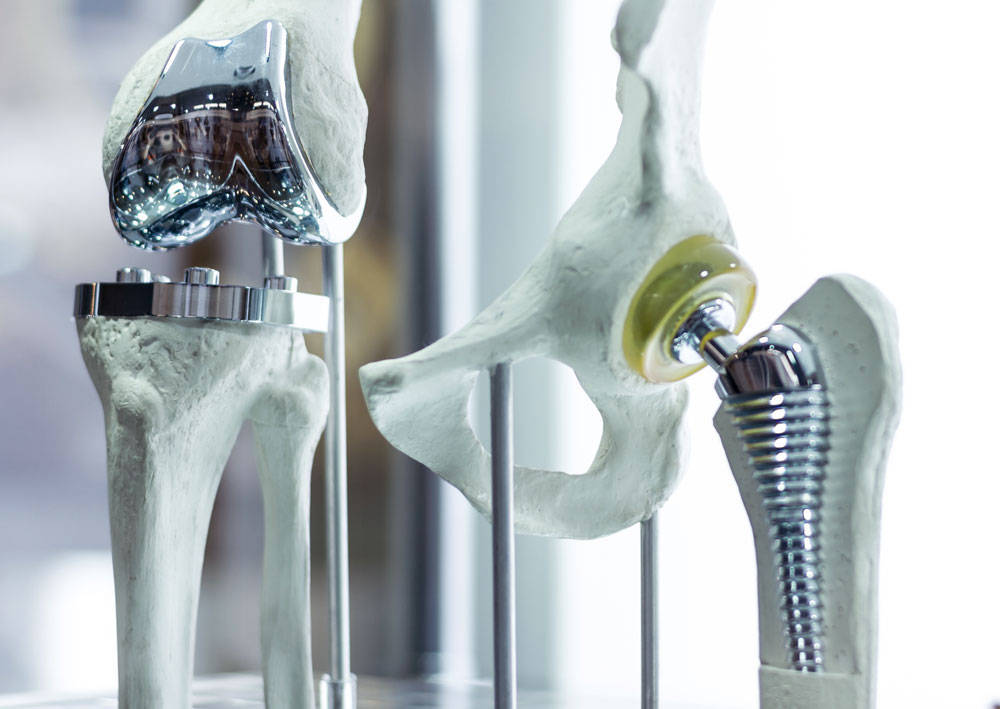
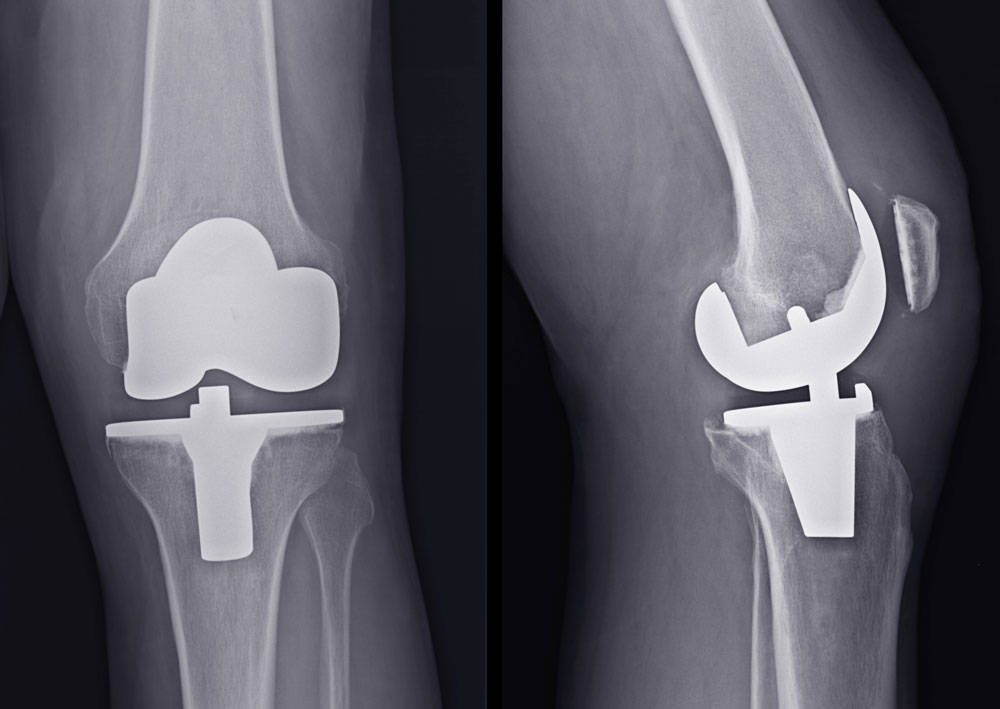
Biomaterials

Microélectronique

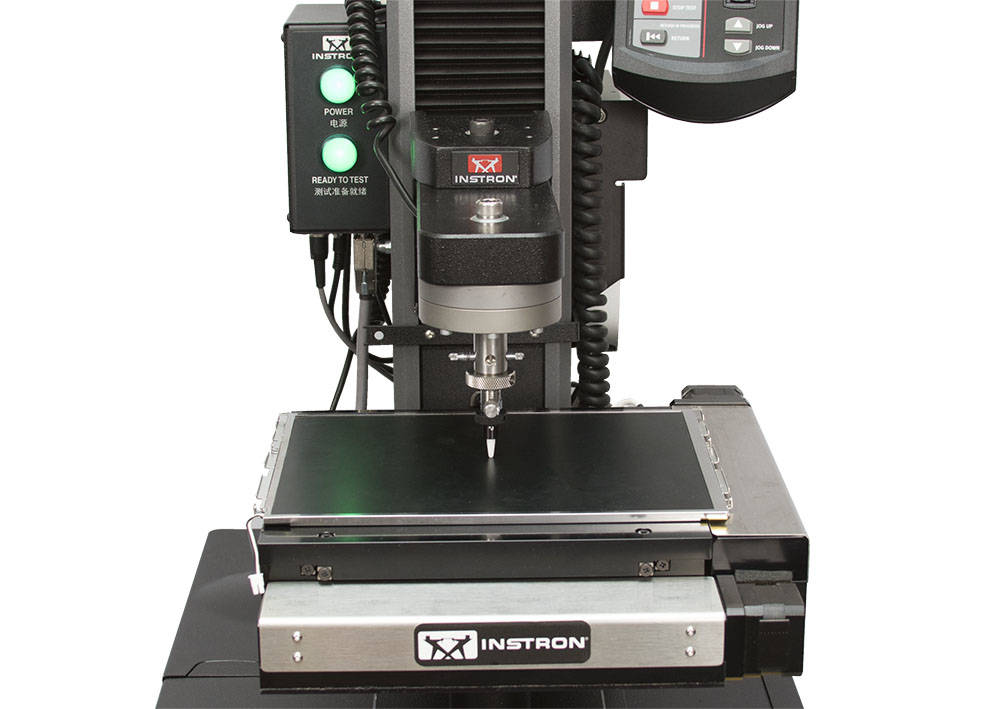
À mesure que les composants électroniques deviennent plus petits, plus complexes et plus densément intégrés, la fiabilité mécanique des interconnexions, des substrats et des assemblages devient de plus en plus critique. Instron propose une gamme complète de solutions d’essais pour les fabricants de microélectronique et les ingénieurs fiabilité — couvrant l’ensemble des essais mécaniques nécessaires pour évaluer les boîtiers électroniques, les cartes de circuits imprimés, les composants de CI et les circuits flexibles. Parcourez les applications ci-dessous pour trouver l’approche adaptée à vos exigences d’essai.
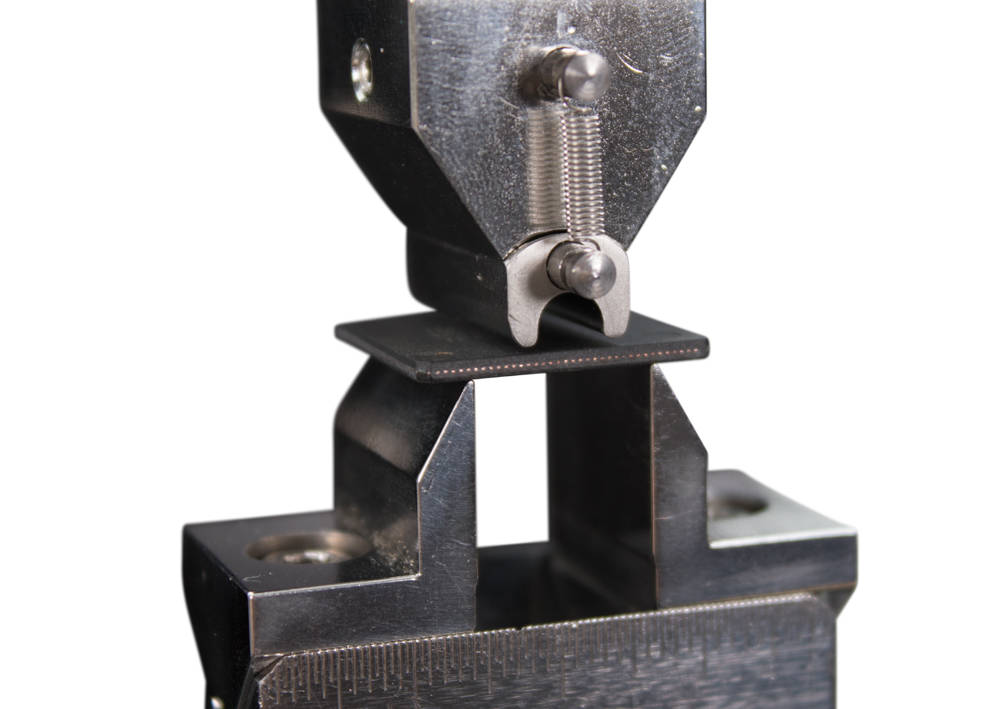
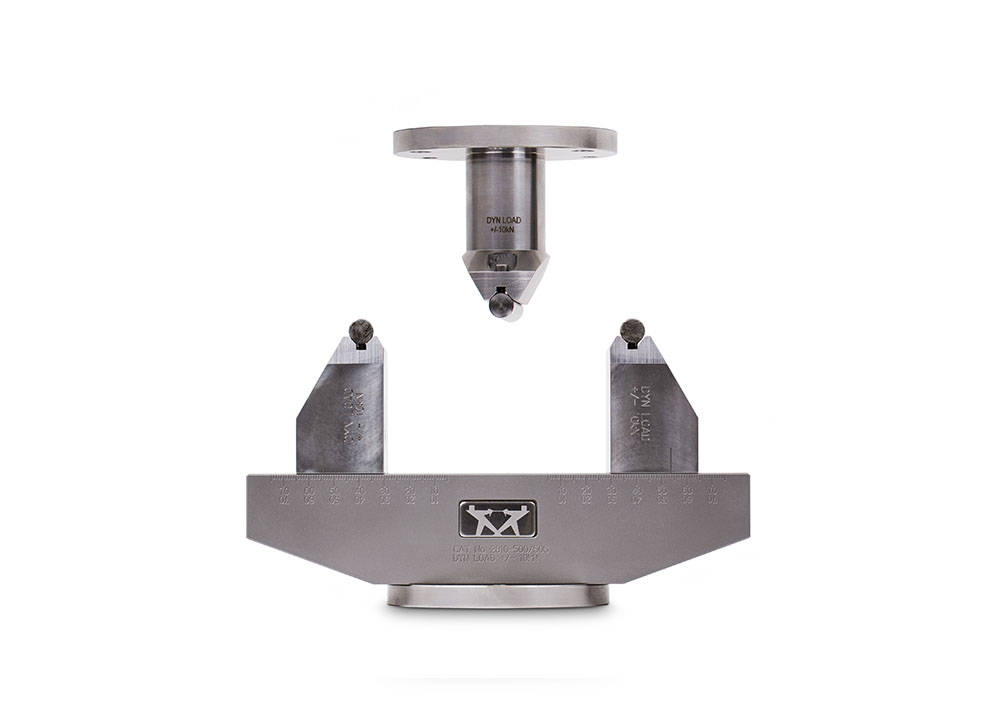
Évaluez la robustesse mécanique des boîtiers électroniques sous charges de flexion — en identifiant les modes de rupture au niveau des joints de soudure, des substrats et des interconnexions des composants, conformément aux normes IPC et JEDEC.
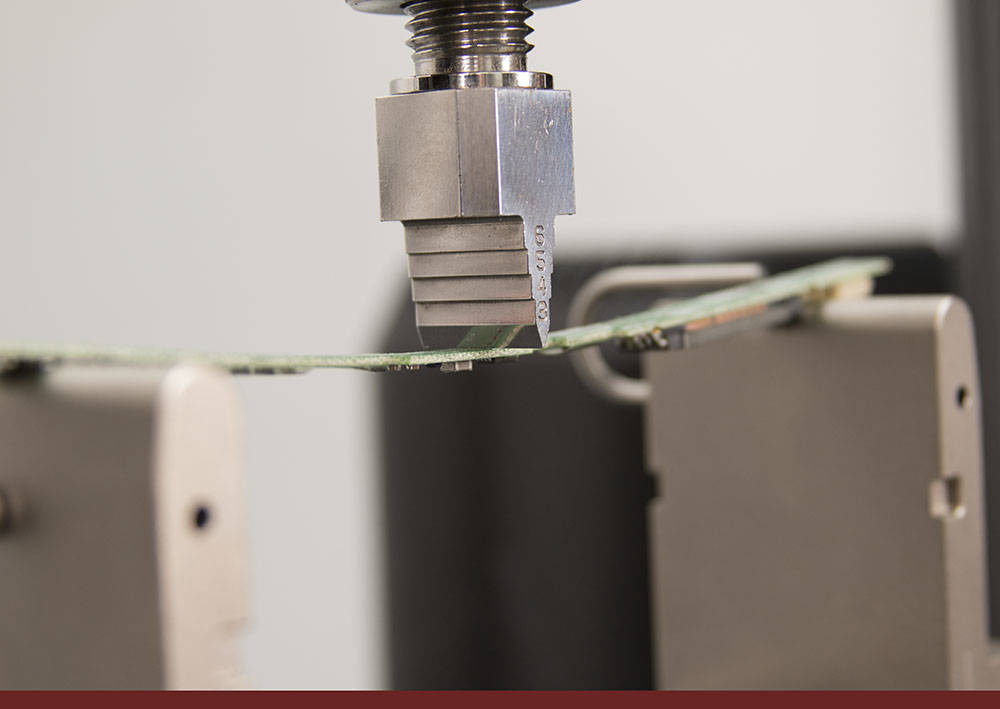
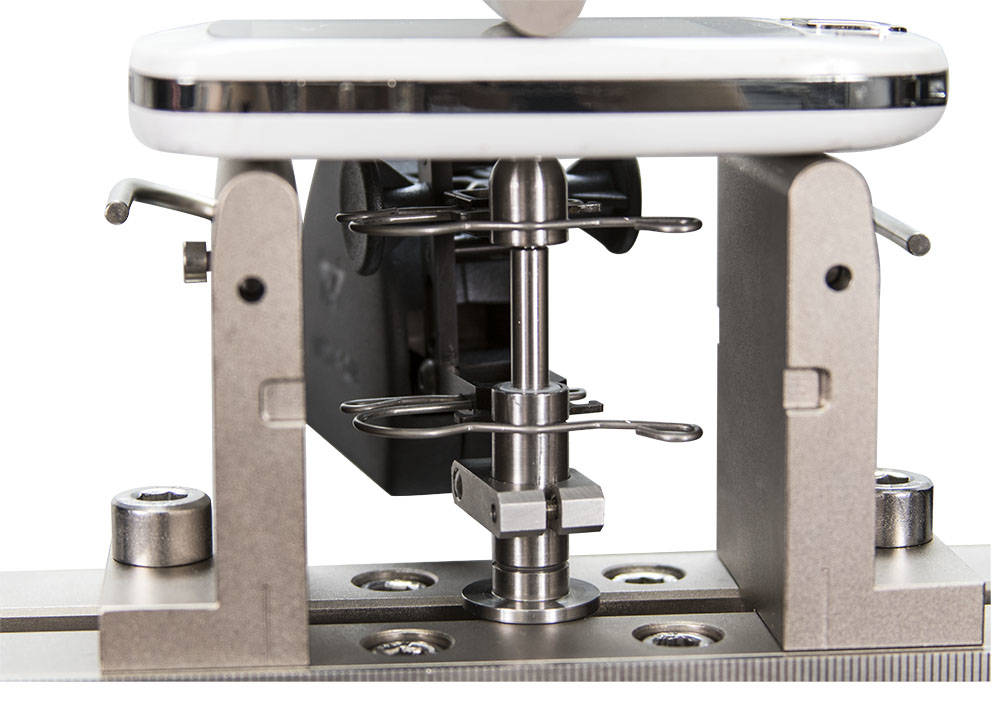
Évaluez l’intégrité structurelle des PCB en conditions de flexion afin de simuler la manipulation, l’assemblage et les chutes en conditions réelles — en prenant en charge les essais de fiabilité selon les normes IPC TM-650 et JEDEC.
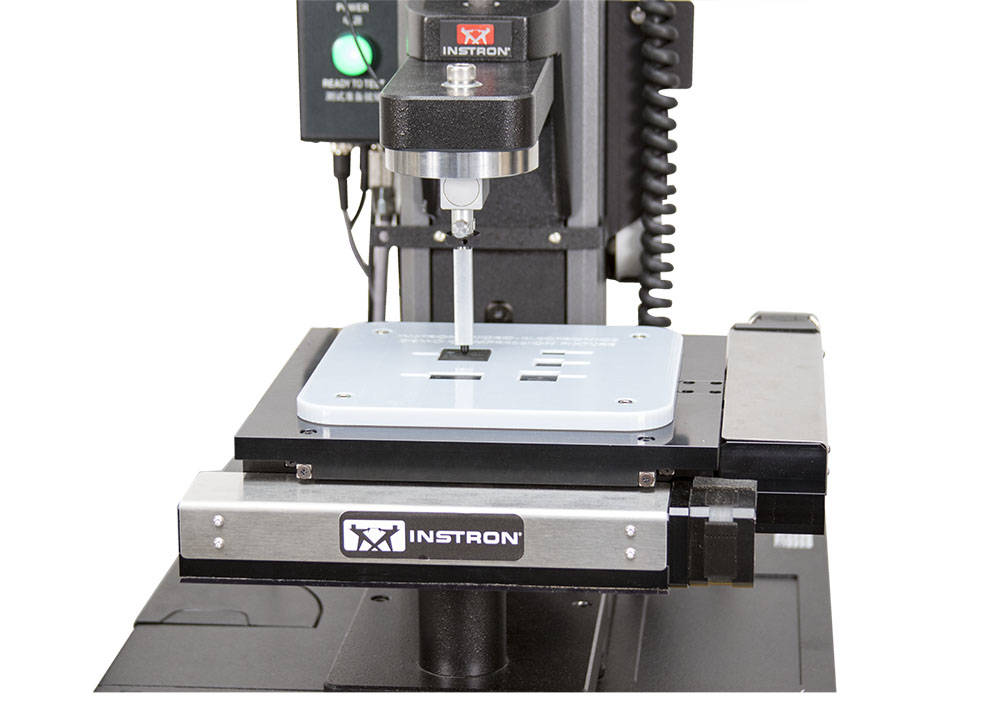
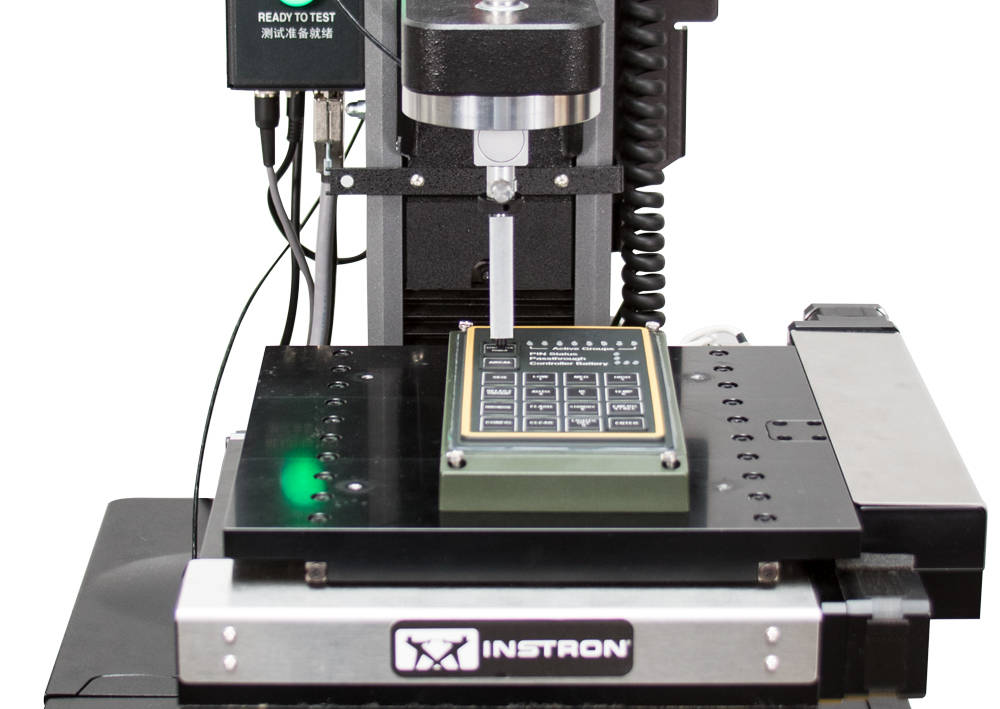
Mesurez la résistance à la compression et le comportement en déformation des boîtiers de CI et des composants électroniques afin d’évaluer leur robustesse mécanique lors de la manipulation, de l’assemblage et sous charges en service.
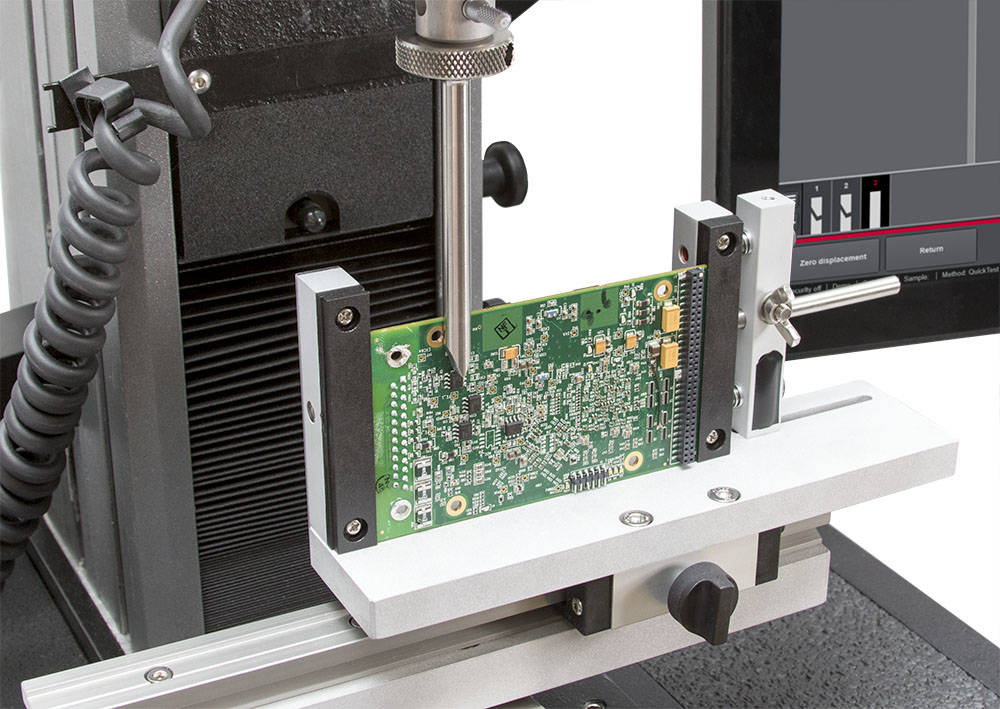
Évaluez la résistance d’adhérence des puces fixées sur des substrats ou des lead frames en mesurant la force nécessaire pour cisailler la puce de sa surface de montage — un essai critique pour la fiabilité des fixations de puce par adhésif ou par soudure.
Mesurez la résistance d’adhérence en traction des lead frames et des wire bonds au niveau du joint de soudure afin d’évaluer la fiabilité des interconnexions et de comparer les performances de différents matériaux et procédés de liaison.
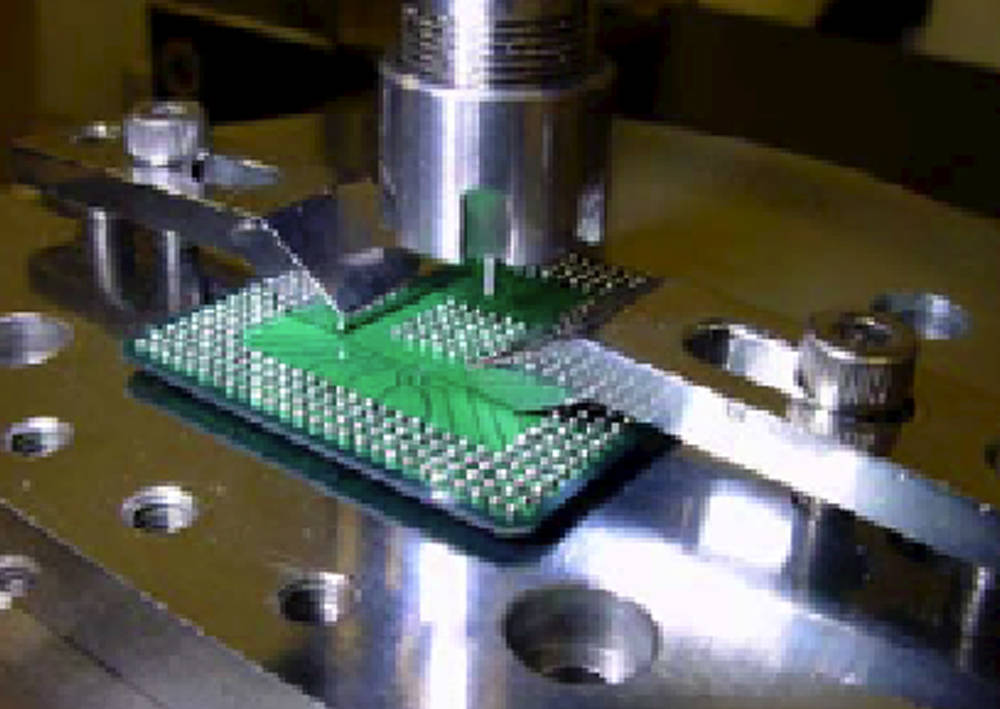
Caractérisez le comportement mécanique de billes de soudure individuelles sous charge de compression — en fournissant des données essentielles pour l’évaluation de la fiabilité des boîtiers BGA et CSP et le développement de matériaux de soudure.
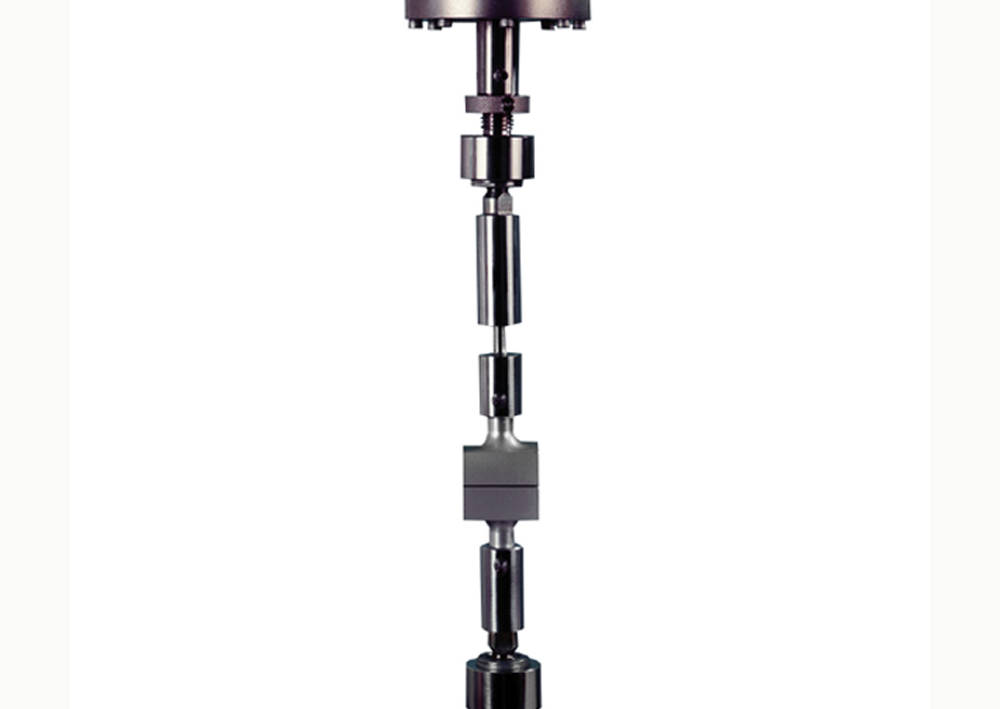
Évaluez la résistance d’adhérence entre les composants électroniques et les substrats en mesurant la force de traction nécessaire pour arracher un plot ou un composant de sa surface collée.

Mesurez la résistance à la traction, l’allongement et le module des stratifiés cuivre utilisés comme matériaux de substrat de PCB — en prenant en charge la qualification des matériaux et le contrôle qualité selon les normes IPC et ASTM.
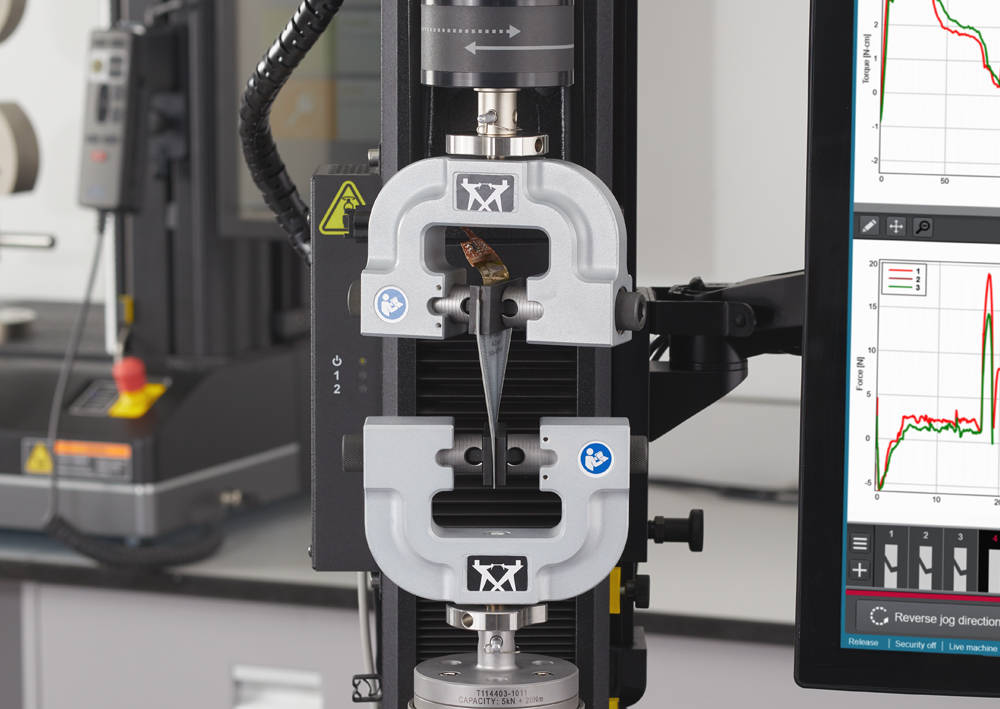
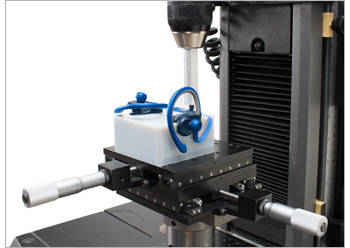
Évaluez la rigidité en torsion, la résistance et la durabilité des circuits imprimés flexibles et des composants microélectroniques sous charge de rotation — un point critique pour les applications impliquant des flexions ou torsions répétées en service.

Parlez à un expert Instron.

Que vous développiez un nouveau programme d’essais pour la fiabilité en microélectronique ou que vous cherchiez à améliorer la précision et la répétabilité d’un programme existant, notre équipe peut vous aider à identifier la solution d’essai adaptée à vos composants, à vos normes et à vos exigences de cadence.

Contact Our Sales Department.

Please complete the form below and we will be happy to contact you with a response. Our typical response time for an online
request is within 1-2 business days. For a faster response, please call +1-800-473-7838.

Please close this window and
accept cookies
to view and fill out the form.

Consumer Electronic Devices

Applications d’essais électroniques polyvalentes

Les composants et assemblages électroniques doivent résister aux contraintes mécaniques liées à la fabrication, à la manutention et à l’utilisation quotidienne. Ces applications polyvalentes couvrent certains des essais mécaniques les plus courants dans l’industrie électronique, aidant les fabricants à vérifier la résistance d’adhérence, la fiabilité des connexions et les performances des matériaux. Explorez chaque application ci-dessous pour en savoir plus sur les systèmes d’essai, montages et méthodes recommandés.
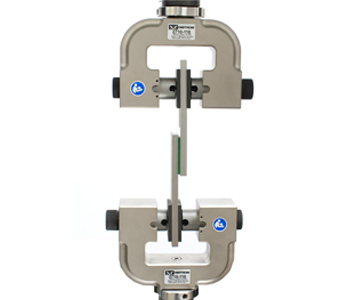
Les essais de cisaillement sur recouvrement mesurent la résistance d’adhérence des adhésifs utilisés dans les assemblages CMS de composants microélectroniques, aidant les fabricants à caractériser et comparer de nouvelles formulations d’adhésifs.
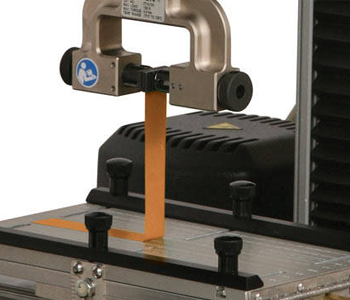
Un essai d’adhérence au pelage à 90 degrés confirme la qualité de l’adhésion entre les couches de films minces utilisées dans les cellules photovoltaïques (PV), contribuant à garantir une interconnexion électrique fiable et durable entre les couches.
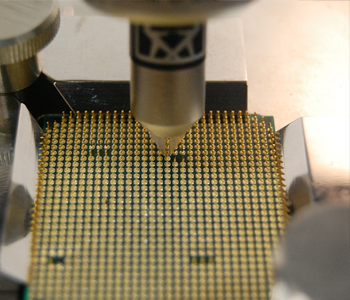
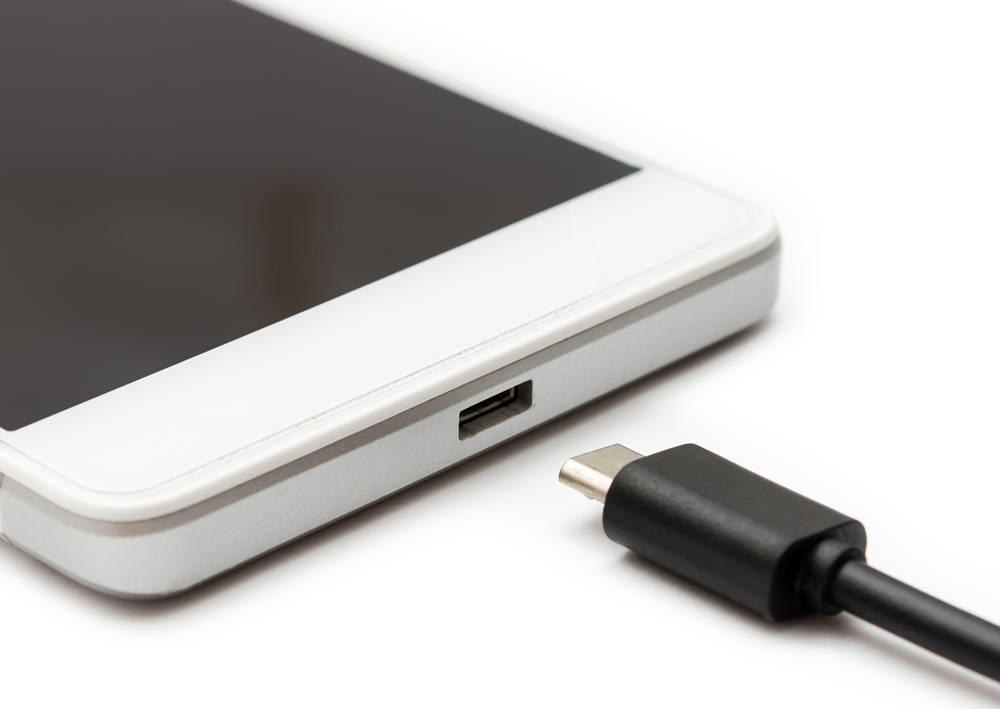
Les essais de traction sur broche vérifient la résistance mécanique et la régularité des broches collées à l’intérieur des connecteurs de câbles, grâce à un positionnement précis permettant de tester des broches individuelles et de réduire le risque de défaillance du système.
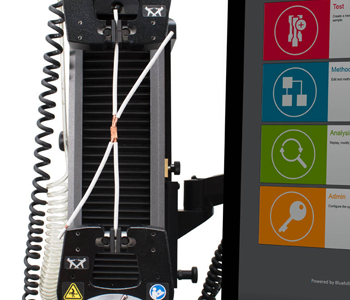
Les essais de traction évaluent la fiabilité des câbles, fils et faisceaux utilisés dans l’électronique et les véhicules, y compris des essais à des températures de fonctionnement simulées, afin que les OEM connaissent la force nécessaire pour rompre un câble.

Parlez à un expert Instron

Vous ne savez pas quel essai ou quel montage convient à votre application électronique ? Décrivez-nous vos exigences d’essai et nous vous aiderons à trouver la solution adaptée — sans approximations.

Parlez à un ingénieur d’applications

Parlez-nous de vos besoins d’essai et nous vous aiderons à configurer le bon bâti, la bonne cellule de charge, les mors et le logiciel pour votre laboratoire. Veuillez remplir le formulaire ci-dessous et nous vous répondrons sous 1 à 2 jours ouvrés. Pour une réponse plus rapide, appelez le +1-800-473-7838 ou le +1 781 828 2500 si vous êtes en dehors des États-Unis.

Veuillez fermer cette fenêtre et
accepter les cookies
pour afficher et remplir le formulaire.

Dental

Orthopedics

Crash Simulation

Crash Simulation

Over the past 20 years, the importance of occupant protection in the development of automobiles has greatly increased. Tighter legal requirements and consumer protection programs have led to significant innovations in the area of active and passive safety. Passive safety is mainly focused on the development of methods and guidelines that reduce the severity of injuries caused by accidents.
The Challenge 

The implementation of these methods and requirements are extremely demanding for car manufacturers and their component suppliers.

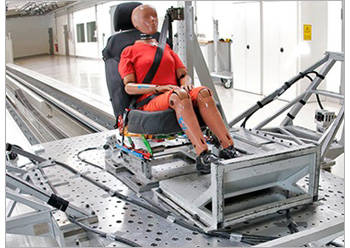
When developing safety components such as airbags, seat belts, seats, etc., a wide range of crash scenarios must be covered and tested in a timely manner. In addition to the modeling process in the design phase and the test of a complete car in the real crash test, the crash simulation system, also known as a sled test system, is one the most important tools in the development process of these safety components.

Today, these crash simulation systems must ensure an efficient and productive testing process in addition to the performance required for the test. This way, these instruments can optimally support the development of safety systems.

Our Solution


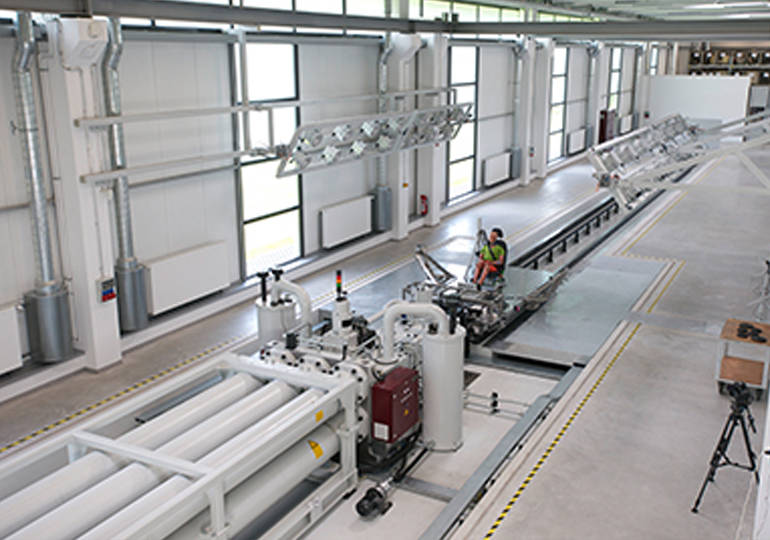
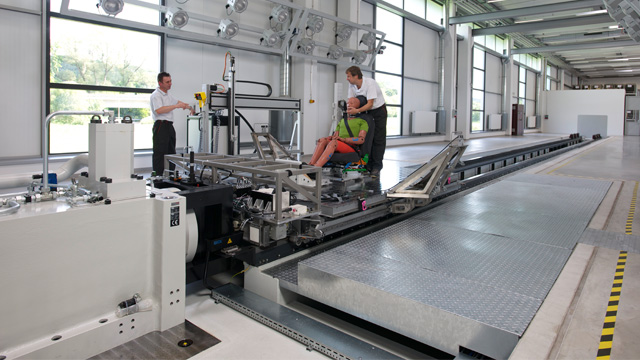
In the area of passive safety, Instron is the market leader, with over 75 installed crash simulation sled systems. In addition to well-known applications such as frontal, offset, and rear impact, the actively controlled pitch motion simulation for frontal tests has proven to be an outstanding technology in the field.

Acceleration sled systems from Instron are used for the development and approval of vehicle safety systems and vehicle parts, as well as for the investigation of material and structural behavior during crash procedures.

These innovative systems have a proven record of strong performance and undisputed quality. Having original and unique solutions for current and future testing increases productivity and ensures efficient test operation.

Contact Us to learn more about our automotive solutions

Full Vehicle Testing

Full Vehicle Testing

THE CHALLENGE

full vehicle

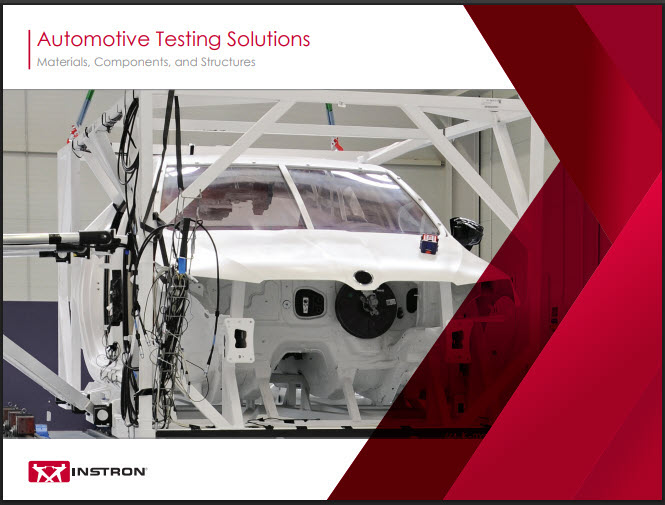
Ever-shorter development cycles for cars and commercial vehicles impose significant time constraints on producers and developers. A multitude of functional and durability tests have to be conducted on prototypes, during which components or sub-systems of the final vehicle are analyzed on a variety of different component and multi-axial test facilities.

Testing of full vehicles is required to validate the vehicle structure and is often carried out on 4-poster systems. However, purely vertical excitation will not reveal all weak points in the vehicle structure. Complex chassis designs and monocoque structures necessitate increasingly precise and, above all, repeatable reproduction of road loads in the laboratory. This requires realistic input of all forces and moments encountered during a track test and the integration of all active vehicle components.
Our Solution

full vehicle

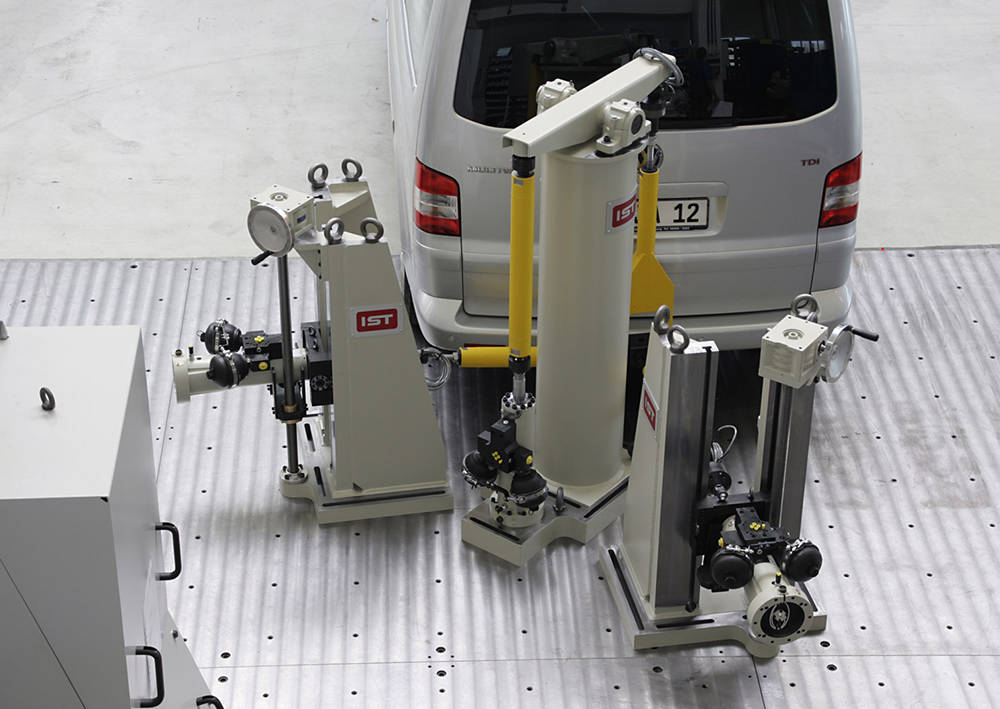
Instron's spindle coupled full-vehicle test rig enables brake, camber and steering moments to be introduced into the dummy wheels, in addition to vertical, longitudinal and lateral loads, thus providing the capability to reproduce even harshest road conditions and severe driving maneuvers in the test laboratory under conditions closely resembling actual road-driving conditions.

The use of an advanced electronic controller allows the synchronous control of active vehicle components in addition to the accurate reproduction of road load data at the wheel. To react braking forces or driving maneuvers, vehicle body restraint systems or longer stroke test systems are available.

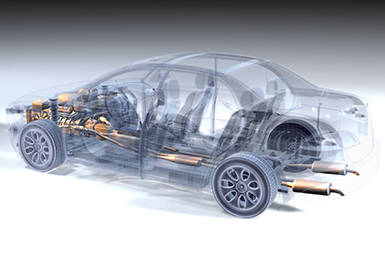
Exhaust Line Durability Test

Exhaust Line Durability Test

THE CHALLENGE

automotive

The investigation of the durability of complex assemblies and structures such as vehicle exhaust lines is an essential part of the vehicle development processes conducted by automotive manufacturers and component suppliers. The exhaust line has to withstand thermal and physical loads from the combustion process, gear changes, engine torque and driving maneuvers. In view of ever-shorter development cycles and increasing demand for longer warranty periods, close-to-real laboratory testing of exhaust lines is therefore a critical step in the development cycle.

our Solution

exhaust line test

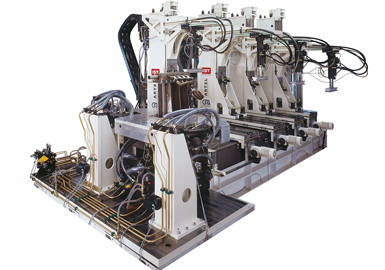
Our ARTEL exhaust line test rig was developed specifically for long-term durability testing of complete vehicle exhaust lines and enables realistic simulation of the service conditions, through thermal and mechanical loading. The shake table on which the engine is installed provides six degrees of freedom and is designed to simulate engine manifold loads. Longitudinal and lateral acceleration signals are generated by means of three to five independent gantries with the associated hydraulic actuators. For fast and convenient installation of the exhaust lines in the test rig, the gantry arms are equipped with linear motors and can be adjusted so that the suspension points coincide with the actual vehicle mounting points.

Composite Laminates Tensile Testing

Composite Laminates Tensile Testing

A wide range of new materials are being used to decrease the weight of vehicles and reduce emissions. Of these new materials continuous carbon fiber polymer composites offer great potential for producing lightweight structures, however, there are many barriers to their widespread adoption. Currently, the cost and process times of composites parts are significantly higher than those of traditional metal parts and they require new recycling techniques. Progress is being made with the development of lower cost carbon fibers and thermoplastic matrix materials that offer faster manufacturing processes and facilitate recycling.

Determining the Static Properties of Composite Materials

THE CHALLENGE

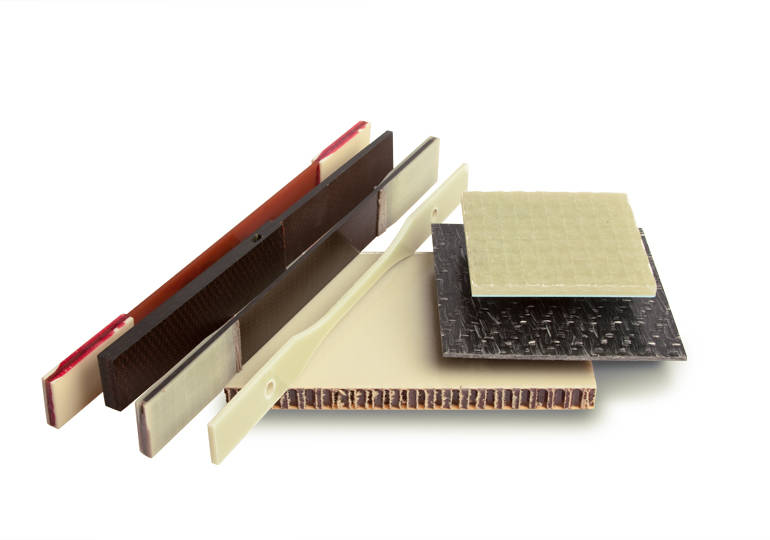
The successful use of composite materials demands a thorough understanding of their mechanical properties throughout their operating temperature range. The anisotropic and heterogeneous nature of composite materials means that a range of different mechanical tests, many requiring special fixtures, are required for full characterisation. Maintaining accurate mechanical alignment and minimizing set-up times when switching between test types is a major challenge for laboratories testing composite materials.

OUR SOLUTION

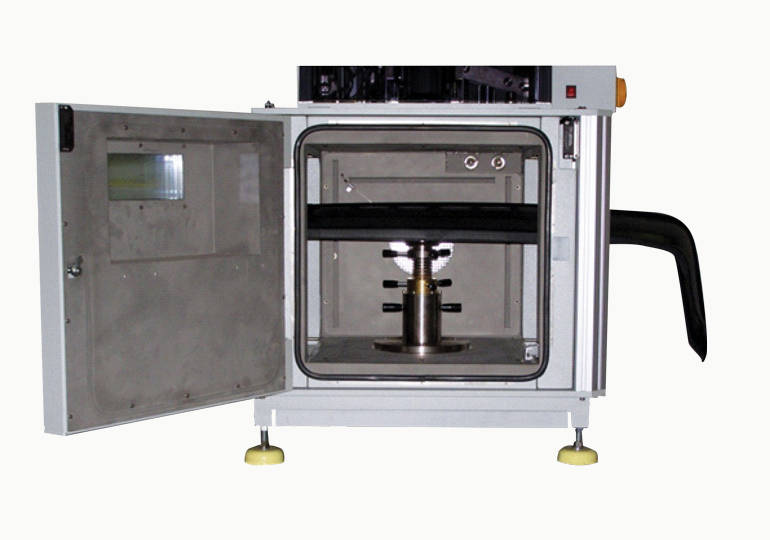
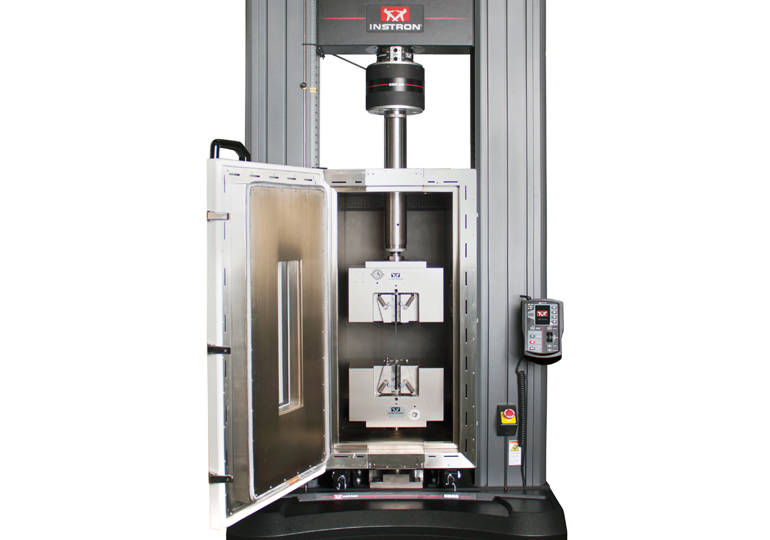
An integrated testing system consisting of accurately aligned precision grips along with a comprehensive range of test fixtures that can be mounted onto the grips provides an effective and productive solution for composites laminates testing. An optional temperature chamber provides the ability to test over a wide temperature range. In addition, the Composites Application Module for Bluehill® Universal software provides a range of, easy-to-use test methods for international standards (e.g. ASTM, EN, and ISO).

High Productivity with Consistent Results

The Challenge

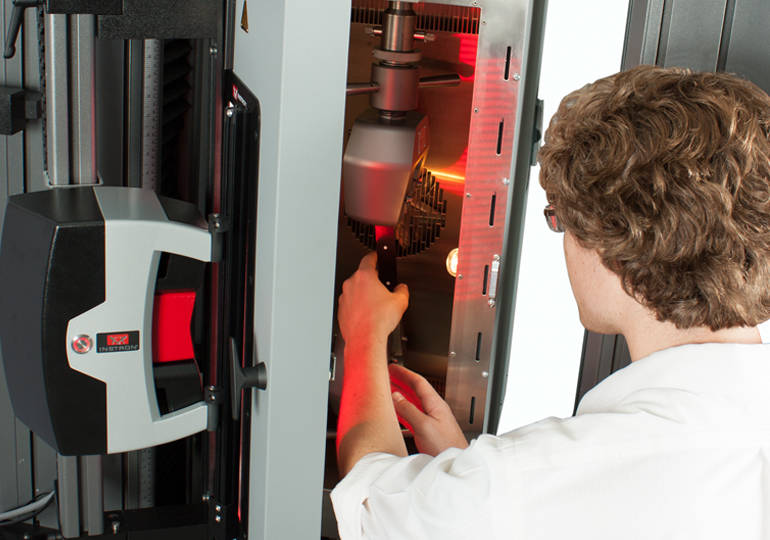
Maintaining high test productivity along with consistent tensile test results is a challenge. High test productivity, particularly when testing at temperatures, demands that the operator spends as little time as possible loading specimens. Achieving the accurate specimen alignment needed to produce consistent results is difficult given these time constraints.

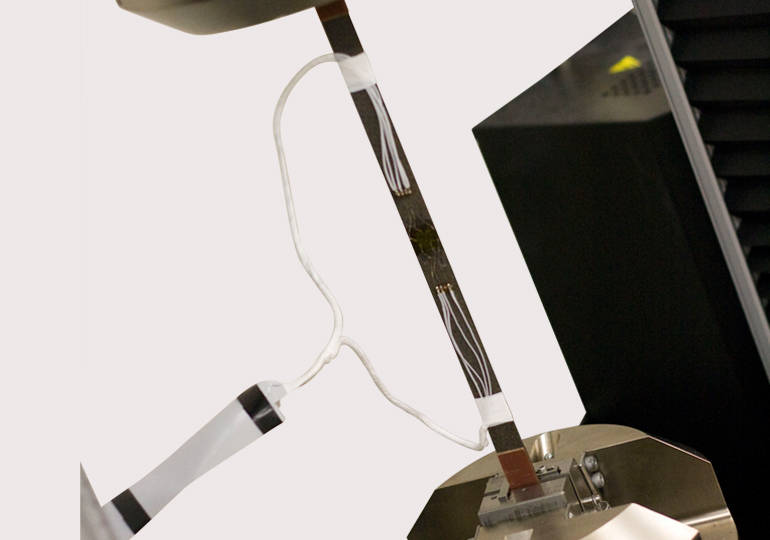
Traditionally, strain measurements on composite materials have been made using bonded strain gauges but the bonding of strain gauges is a costly and time-consuming process that requires a high degree of skill and experience. Thus, the strain gauging process reduces overall productivity and increases test costs.

Our SolutionComposite

Precise specimen alignment requires an accurately aligned testing set-up and repeatable grips incorporating a reliable means of specimen location.

Both manual and automatic (hydraulic) gripping solutions capable of providing quick specimen loading and accurate alignment are available. These grips can be used in an environmental chamber to test over a range of temperatures.

Extensometers are available for the testing of composite laminate coupons and, in most cases, they can be used to replace strain gauges.  Averaging Axial and Biaxial types provide both average axial and transverse strain measurements (for the determination of Poisson’s ratio).

In cases where bonded strain gauges must be used strain gauge adapters can be used to connect strain gauges directly to the test machine. In addition to contacting solutions, the Advanced Video Extensometer (AVE2) non-contacting video extensometer offers completely automatic operation requiring minimal action from the operator.

Contact Us to learn more about our automotive solutions

Bumper Impact Testing

Bumper Impact Testing

The Challenge

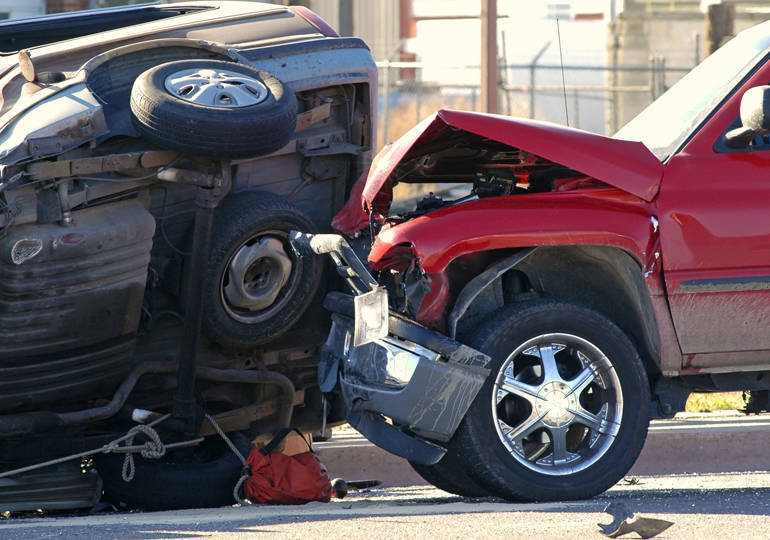
Impact testing on plastic components used in cars and motorcycles determines their response to a sudden high-speed mechanical impact providing invaluable safety information. This is exampled by numerous studies completed by automotive companies on vehicle bumpers. To absorb an impact, such as an unintentional bump at low speeds, bumpers must deform in a flexible manner. However, at the same time, they must have the ability to break and dissipate part of the impact energy during a major incident.

These material properties must be determined at a multitude of working temperatures and conditions.

Our Solution

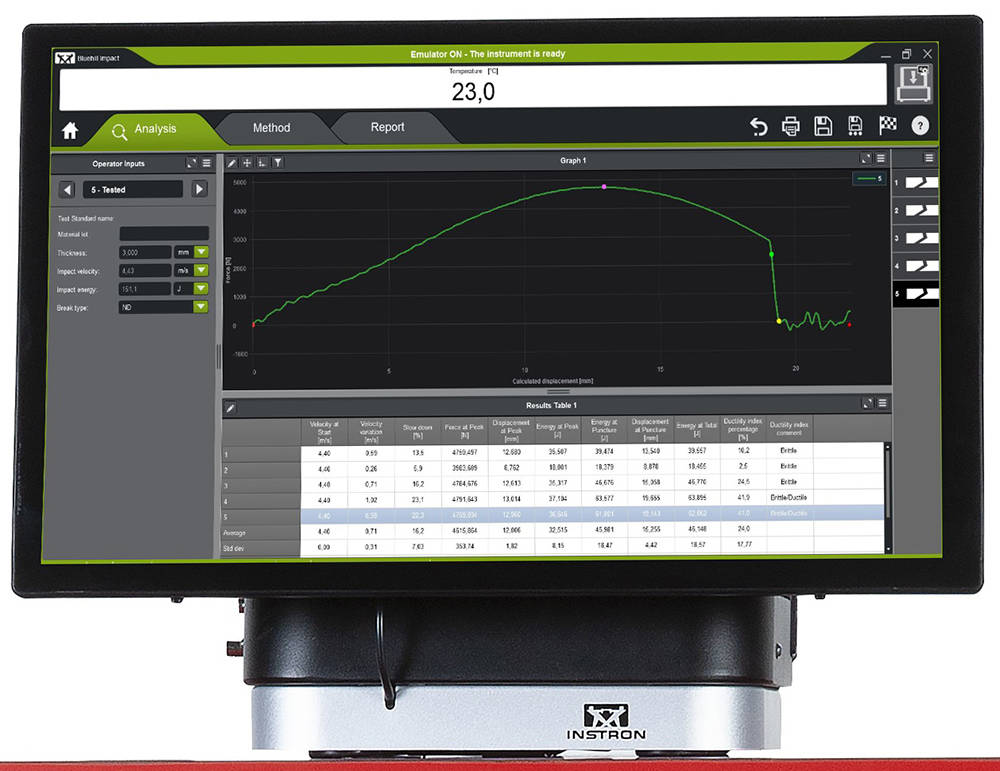
To understand the impact resistance properties of bumper materials, a series of tests on specimens should be conducted, in plaque form, at varying impact energies, velocities, and temperatures. After collecting this data on the raw material, the finished bumper can then be tested under the same set of conditions. Fully instrumenting the test with a tup and data acquisition system, we are able to evaluate how the bumper reacts to an impact event by studying the changes in the load-deformation curves during the test.